
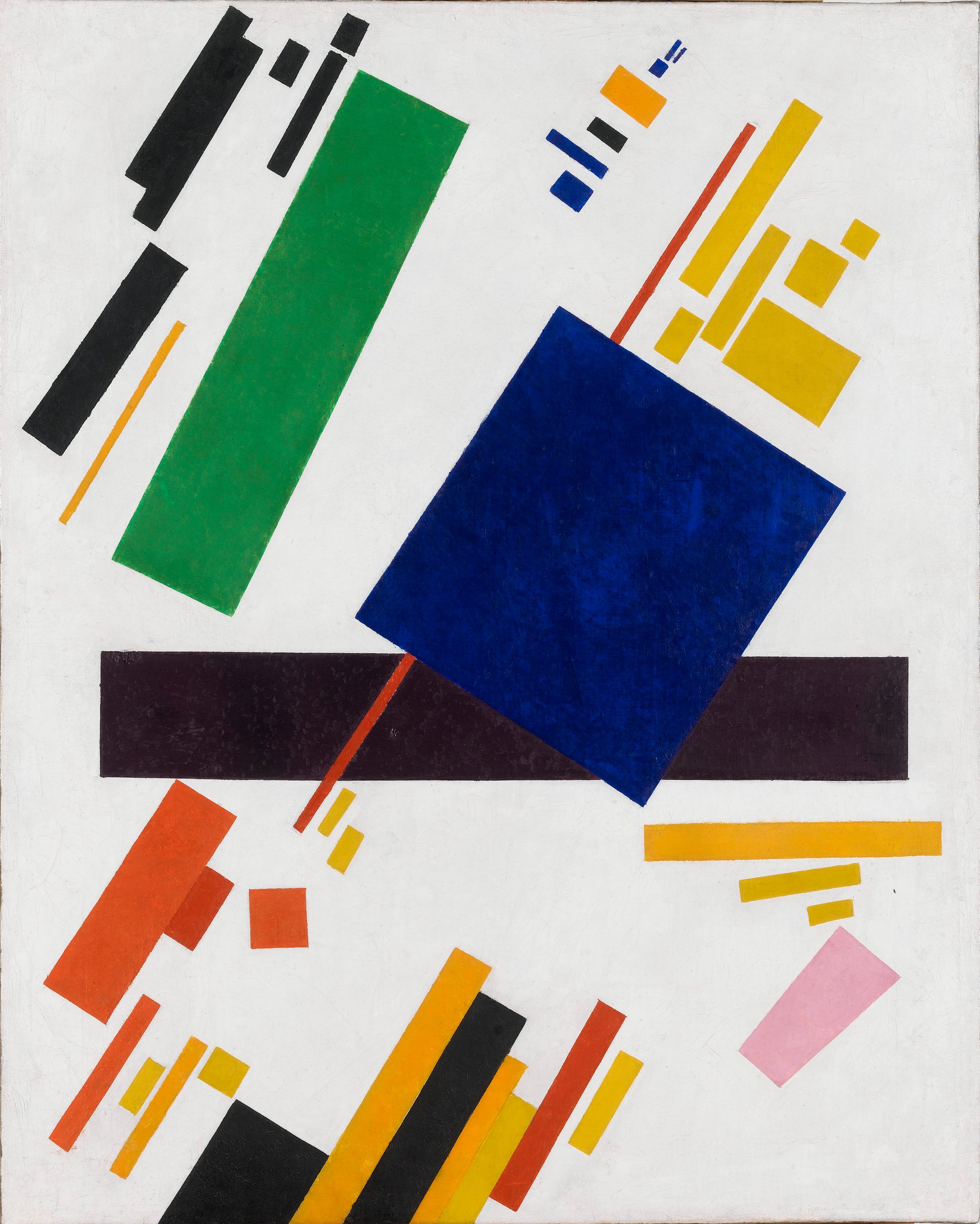
“Step into the world of Suprematism with this painting, a bold exploration of pure geometric forms. Ivan Puni invites you to experience art freed from depicting reality, focusing instead on the power of color, shape, and composition itself.”
This painting, a "Suprematist Composition" from 1915, presents a dynamic arrangement of geometric forms that seem to float and interact within a stark, undefined space. You see a vibrant yellow rectangle overlapping a deep blue one, both angled against a white background. Other shapes, like a slender black line and a smaller red square, add to the sense of calculated disarray. The composition avoids traditional perspective, instead focusing on the relationships between these basic elements: color, shape, and line. It’s a work that challenges the viewer to find meaning not in representation, but in the pure visual experience. This radical approach was central to Suprematism, an avant-garde movement that sought to free art from the burden of depicting objective reality, emphasizing instead the supremacy of pure artistic feeling.
- Artist
- Ivan Puni
- Date
- 1915
- Location
- Stedelijk Museum Amsterdam
What to Notice
Four details hide in plain sight. Here’s where to look.
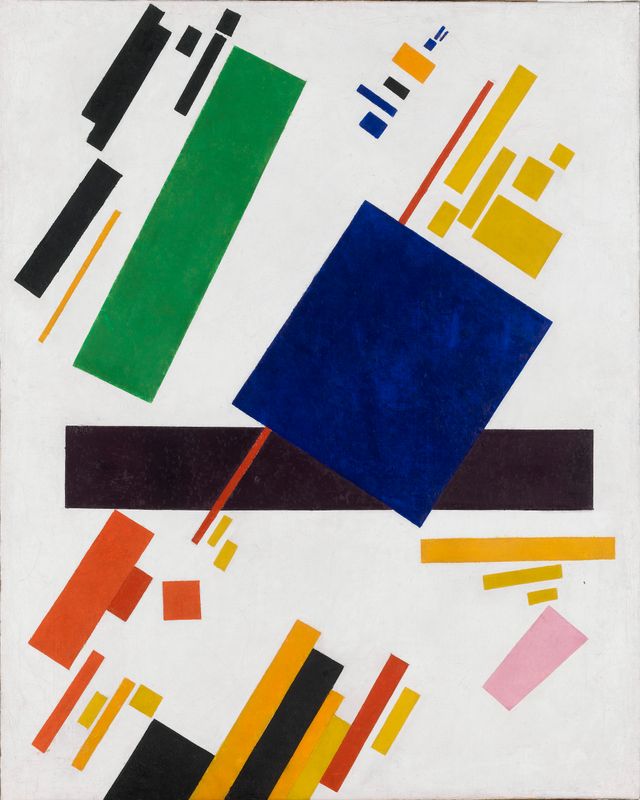
The prominent yellow rectangle, seemingly hovering above the blue.
The thin black line cutting across the upper right, adding tension.
The small, intense red square, a focal point amidst larger forms.
How the shapes overlap, creating a sense of depth without traditional illusion.
Stand in front of it and listen
The full narration walks you through Suprematist Composition — the story behind it, the details most visitors miss, and why it matters. Free in the Art Whisper app.
Ivan Puni
1890–1956 · Russian EmpireRussian avant-garde pioneer who organized the legendary 0.10 exhibition, then reinvented himself as a French painter.
Further Works by Puni
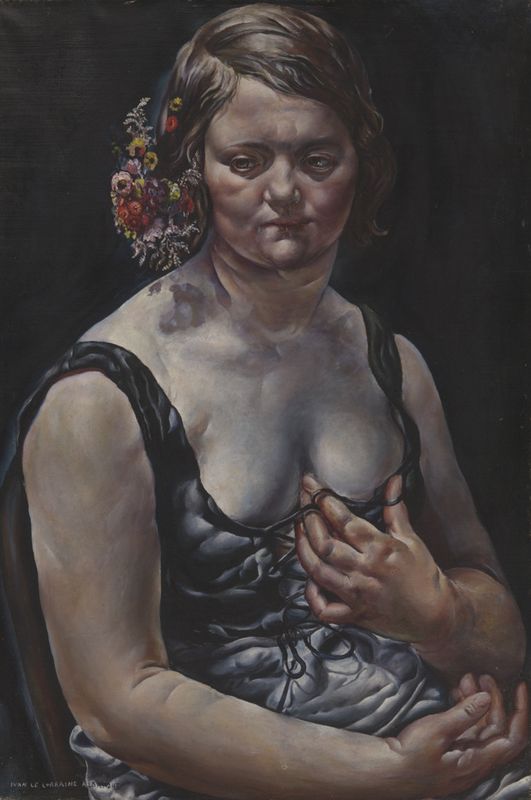 Memories of the Past
1927 · Art Institute of Chicago
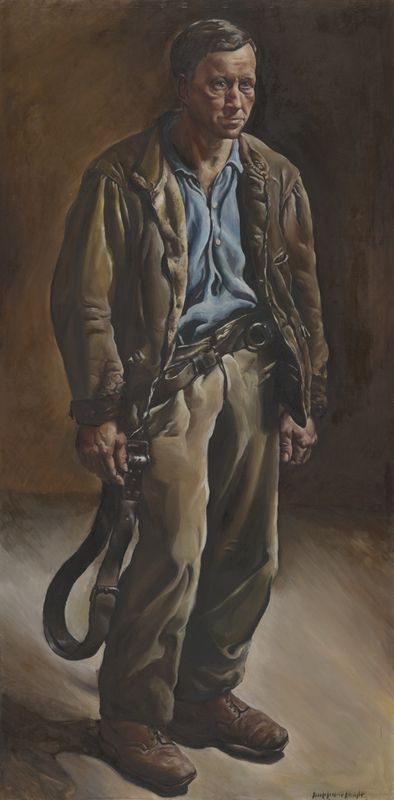 The Lineman
1927 · Art Institute of Chicago
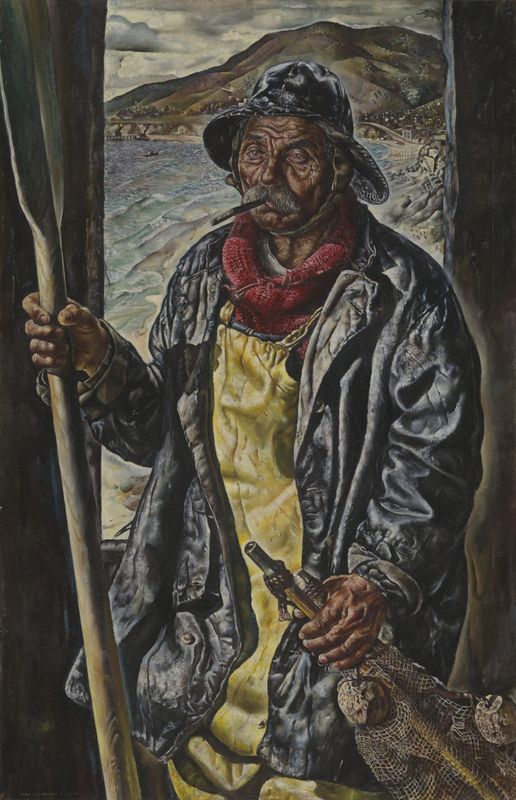 Heavy the Oar to Him Who Is Tired, Heavy the Coat, Heavy the Sea
1929 · Art Institute of Chicago
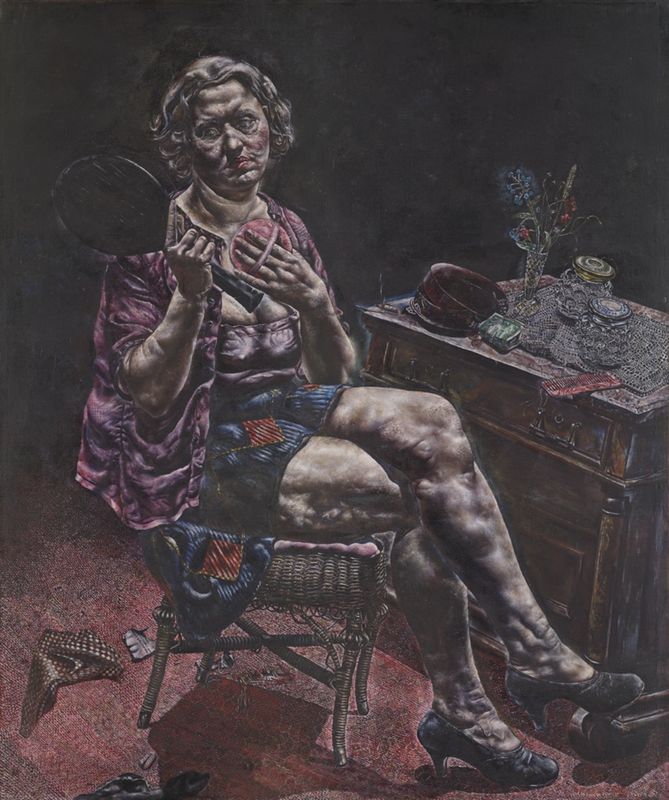 Into the World There Came a Soul Called Ida
1929 · Art Institute of Chicago
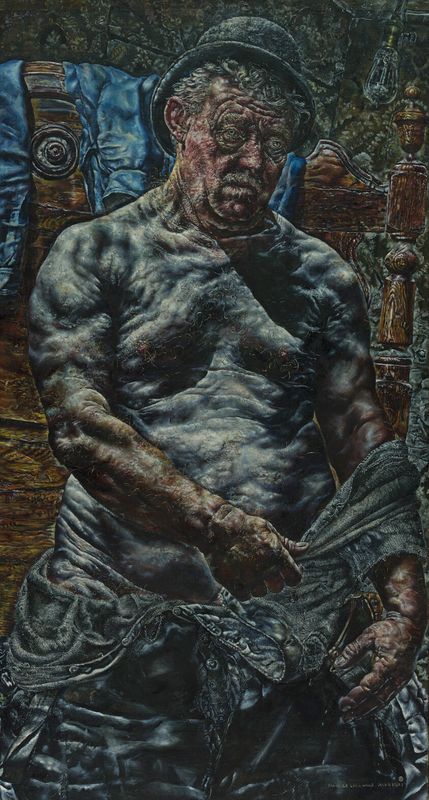 And Man Created God in His Own Image
1930 · Art Institute of Chicago
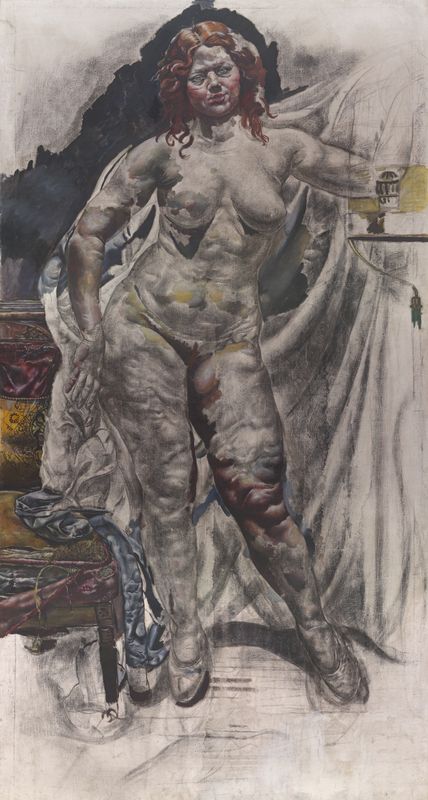 Three Love Birds
1930 · Art Institute of Chicago
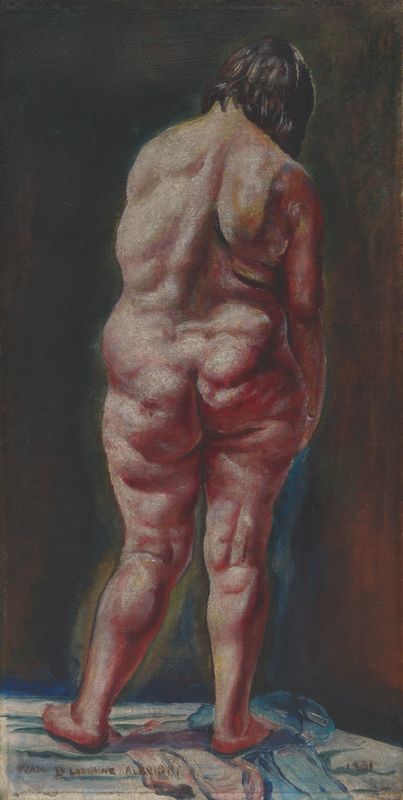 Nude
1931 · Art Institute of Chicago
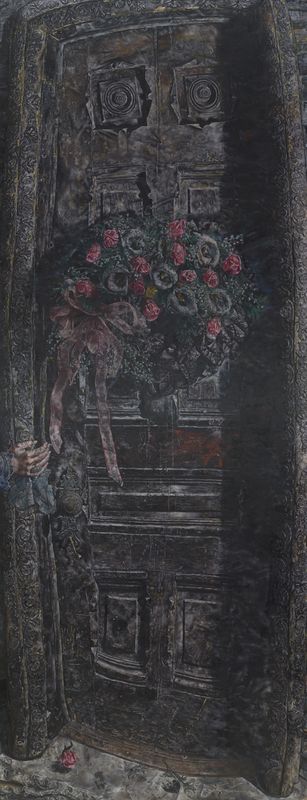 That Which I Should Have Done I Did Not Do (The Door)
1931 · Art Institute of Chicago
More works to explore
Beyond Puni: works from the same years.
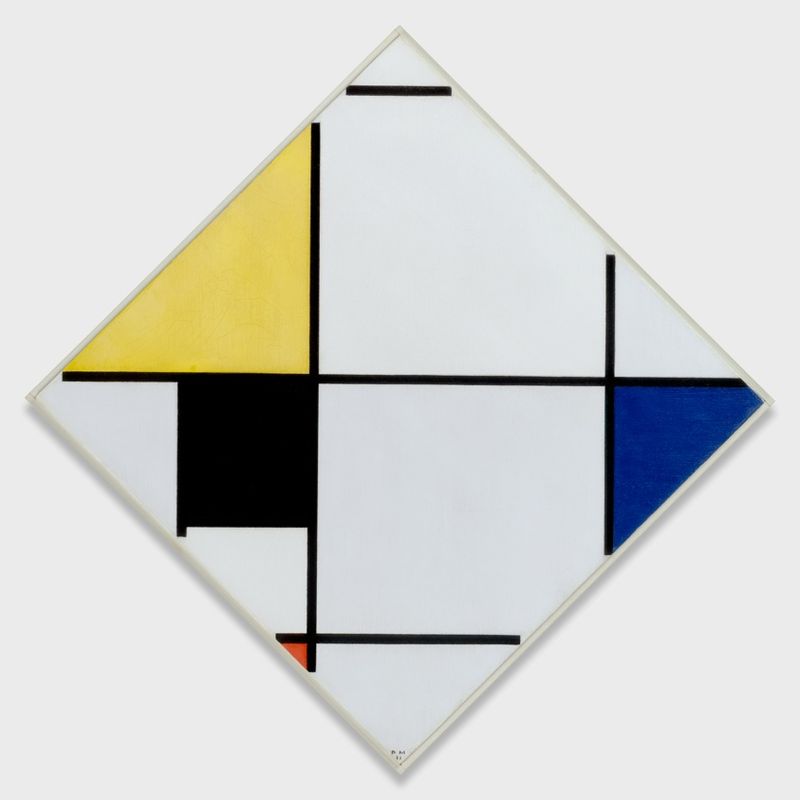 Same era · 1900s–1930s
Lozenge Composition with Yellow, Black, Blue, Red, and Gray
Piet Mondrian · 1921 · Art Institute of Chicago
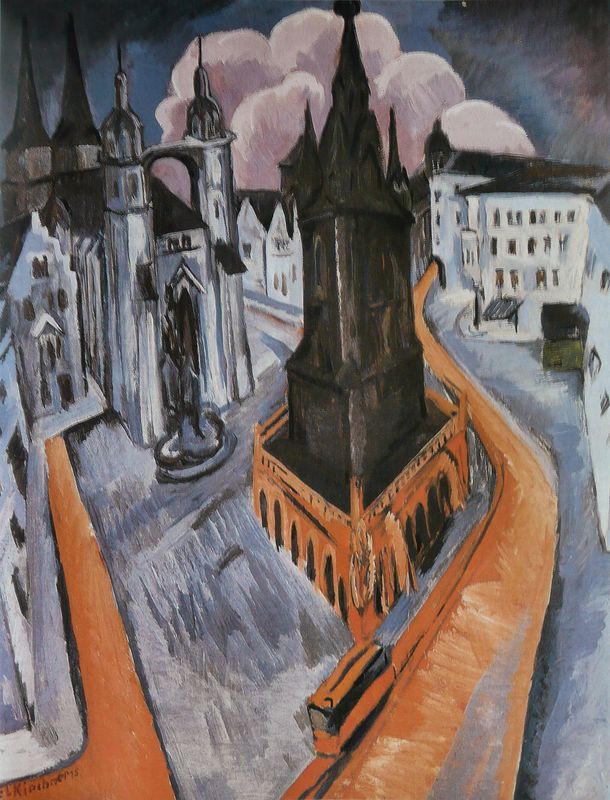 Same era · 1900s–1930s
The Red Tower in Halle
Ernst Ludwig Kirchner · 1915 · Museum Folkwang
 Same era · 1900s–1930s
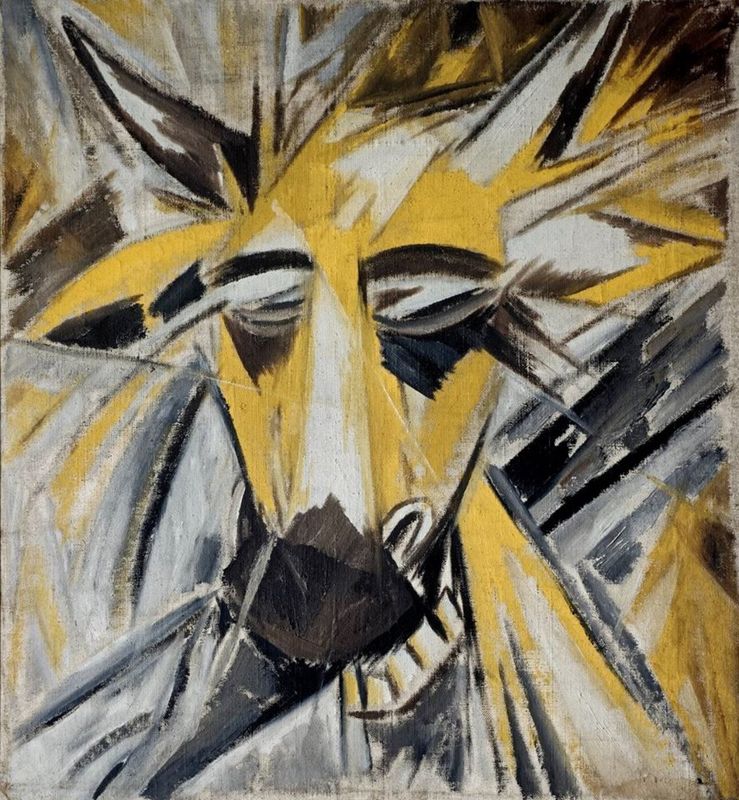
Bull's Head
Mikhail Larionov · 1913 · Tretyakov Gallery
 Same era · 1900s–1930s
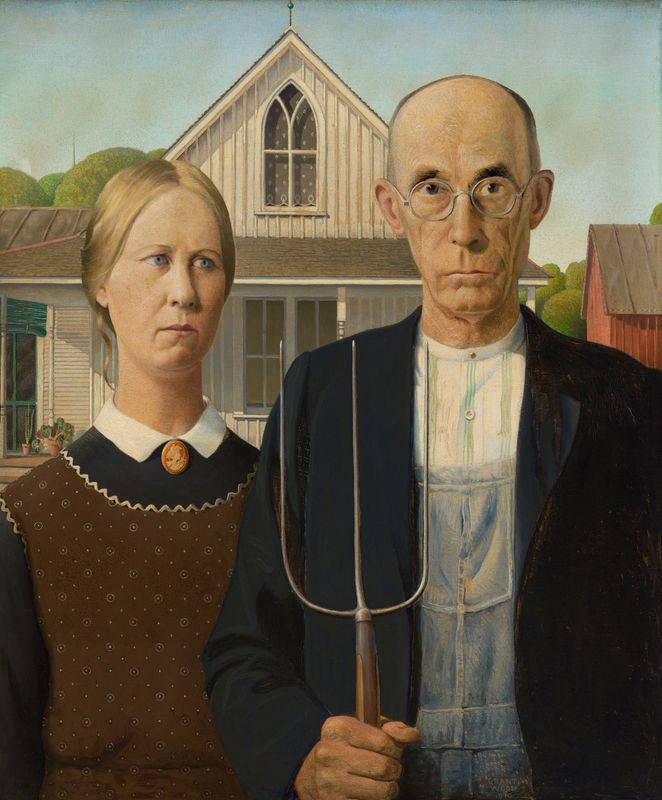
American Gothic
Okada Saburosuke · 1930 · Art Institute of Chicago
 Same era · 1900s–1930s
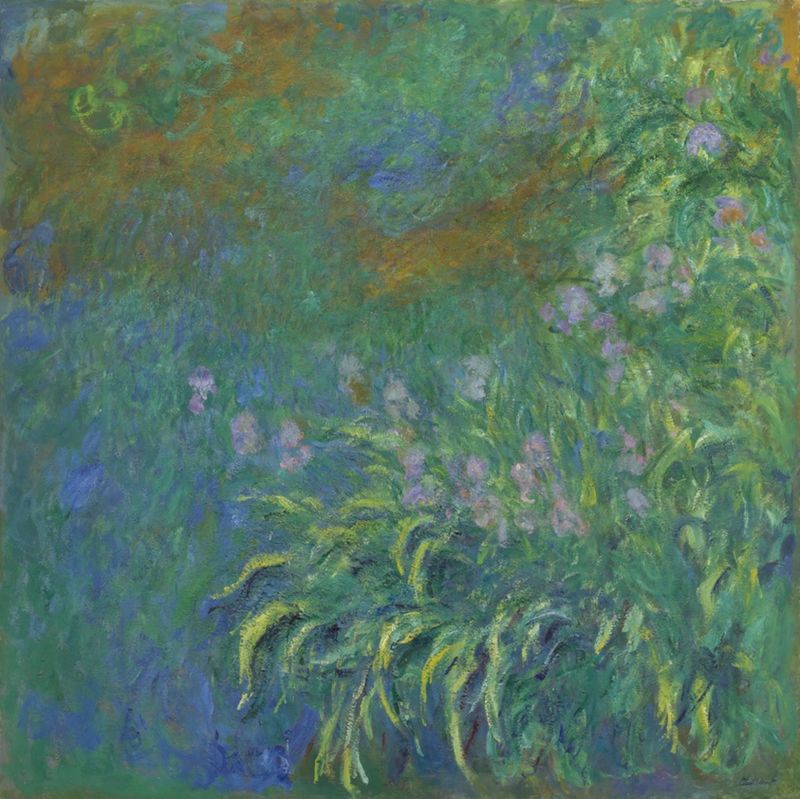
Irises
Claude Monet · 1915 · National Gallery
 Same era · 1900s–1930s
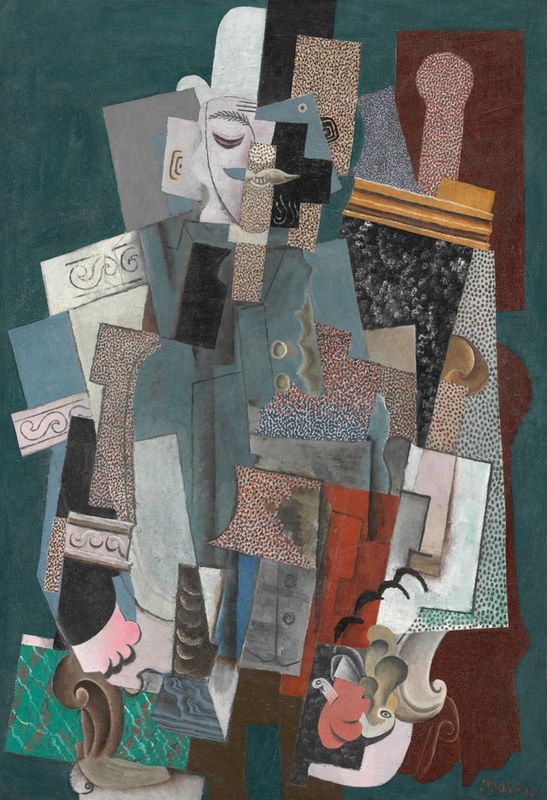
Man with a Pipe
Pablo Picasso · 1915 · Art Institute of Chicago
 Same era · 1900s–1930s
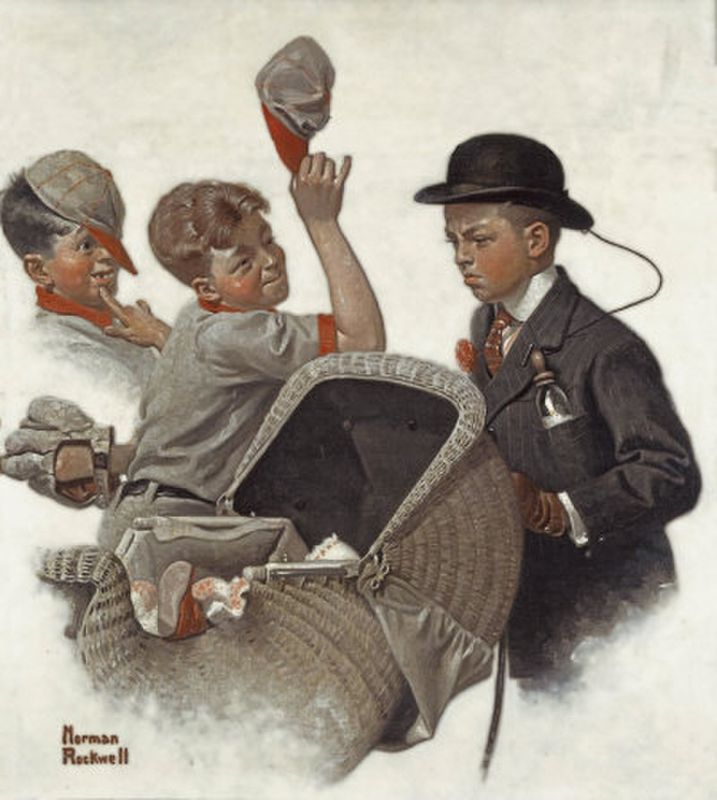
Boy with Baby Carriage
Norman Rockwell · 1916 · Norman Rockwell Museum
 Same era · 1900s–1930s
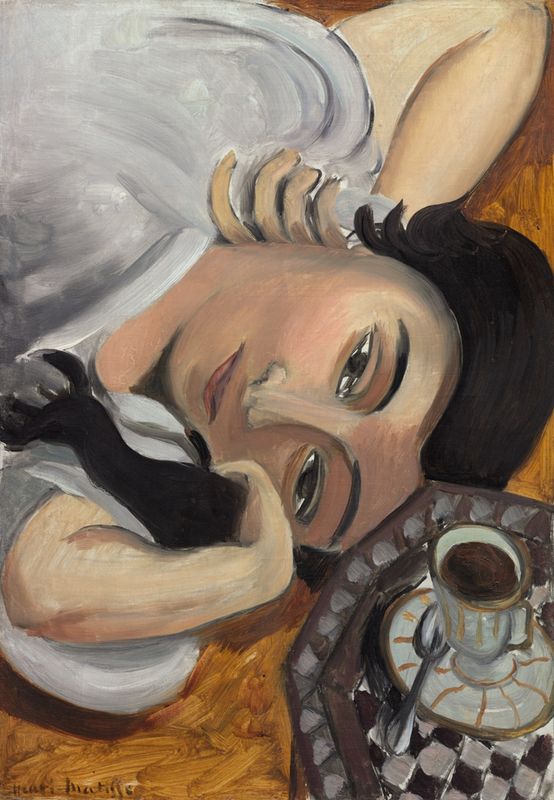
Laurette with a Cup of Coffee
Henri Matisse · 1916 · Art Institute of Chicago
 Same era · 1900s–1930s
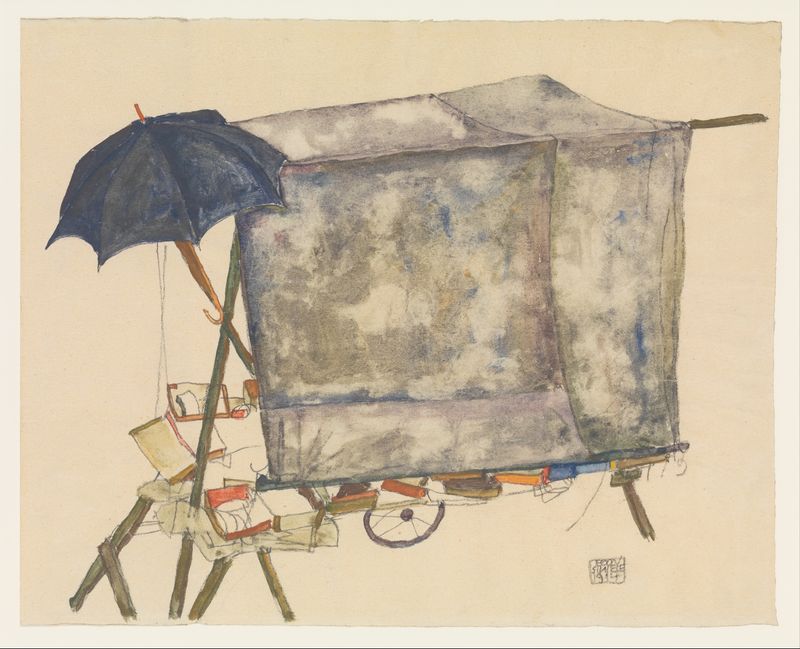
Street Cart
Egon Schiele · 1914 · The Metropolitan Museum of Art
 Same era · 1900s–1930s
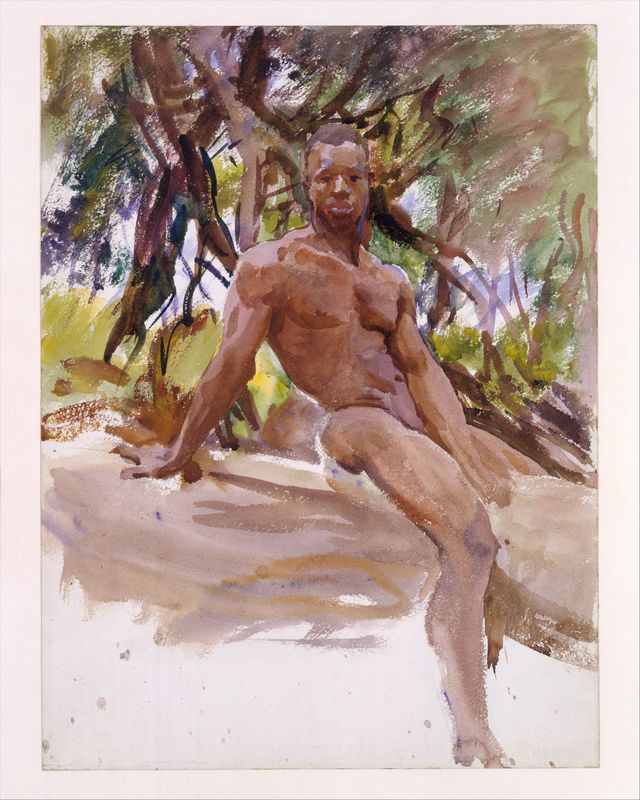
Man and Trees, Florida
John Singer Sargent · 1917 · The Metropolitan Museum of Art
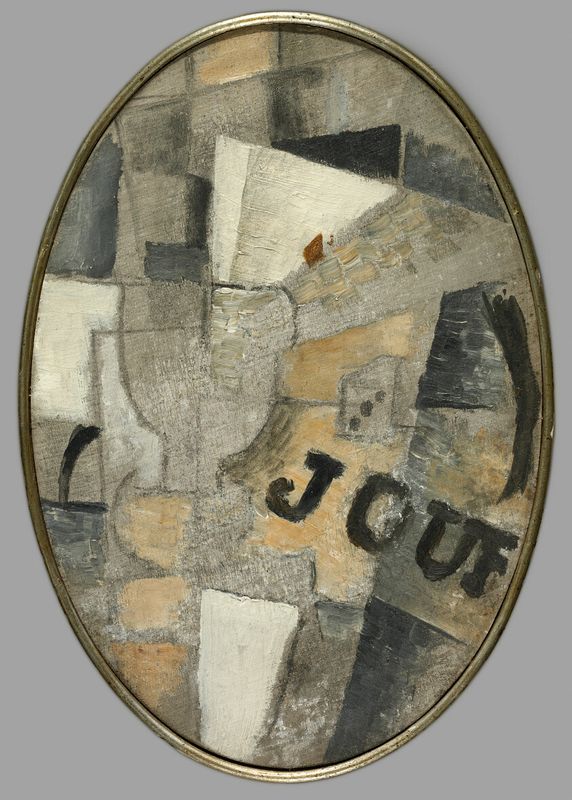 Same era · 1900s–1930s
Still Life with Glass, Dice, Newspaper and Playing Card
Georges Braque · 1913 · Art Institute of Chicago
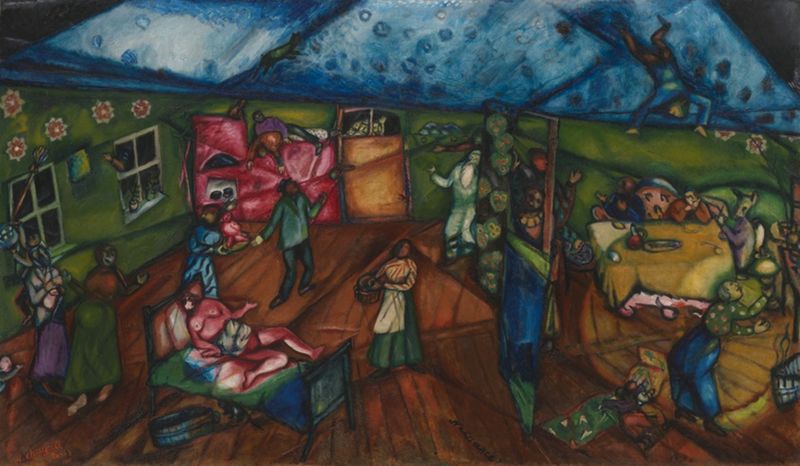 Same era · 1900s–1930s
Birth
Marc Chagall · 1911 · Art Institute of Chicago