01
The haloed friar
Find the friar at the center with a halo and a knotted rope belt. He is the saint, and he reaches toward the patient in the bed.
1 of 5 on the painting
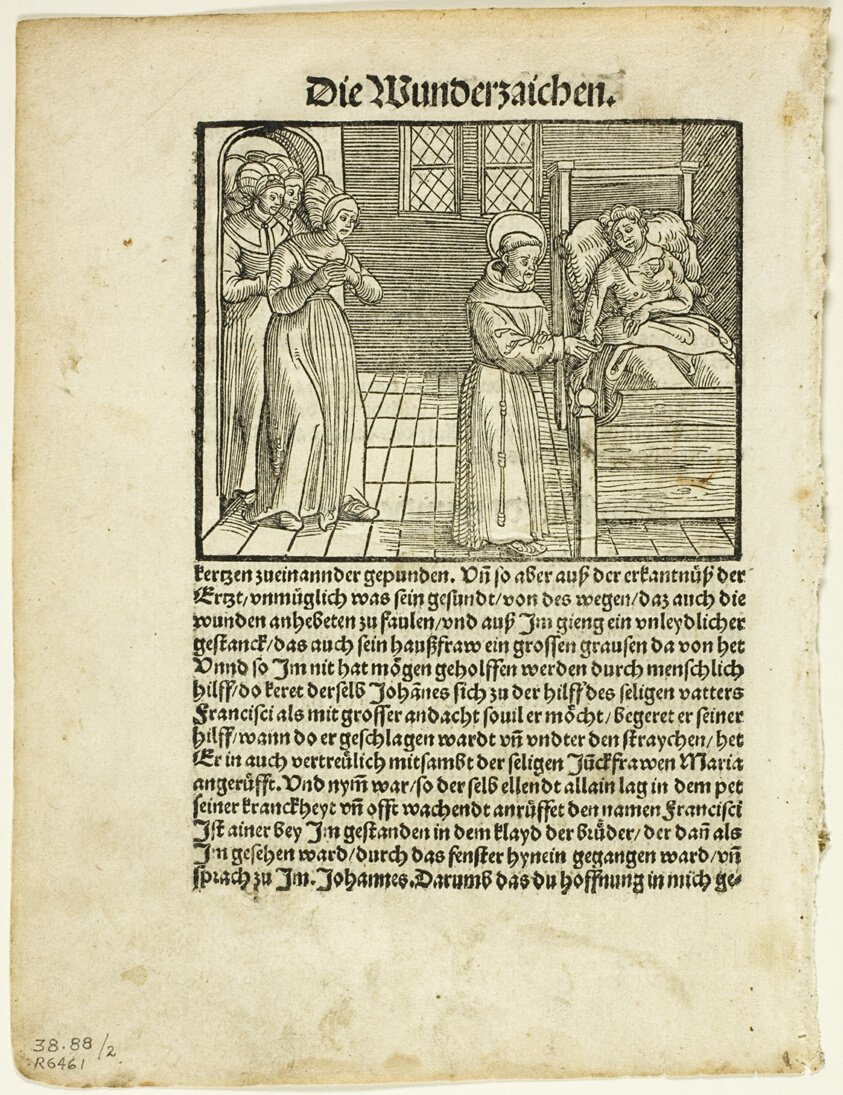
“Stop to see how Hieronymus Bosch, known for his fantastical visions, depicts a moment of divine healing with intense detail, inviting you to explore a busy world within this small woodcut.”
In this intricate woodcut, Saint Francis kneels to heal a man named John, whose grievous wounds are visible on his leg. The scene unfolds beneath a towering, gnarled tree that dominates the composition, its branches reaching skyward. The stark black and white contrasts typical of woodcuts emphasize the dramatic moment, drawing the eye to the figures and their expressions. Beyond the central action, a bustling landscape teems with life and architectural details, offering glimpses into the world of 16th-century Brabant. This work, created in 1512, demonstrates the detailed narrative style of the period, inviting viewers to explore every corner of the image.
Five details hide in plain sight. Pick one and we’ll show you exactly where to look.
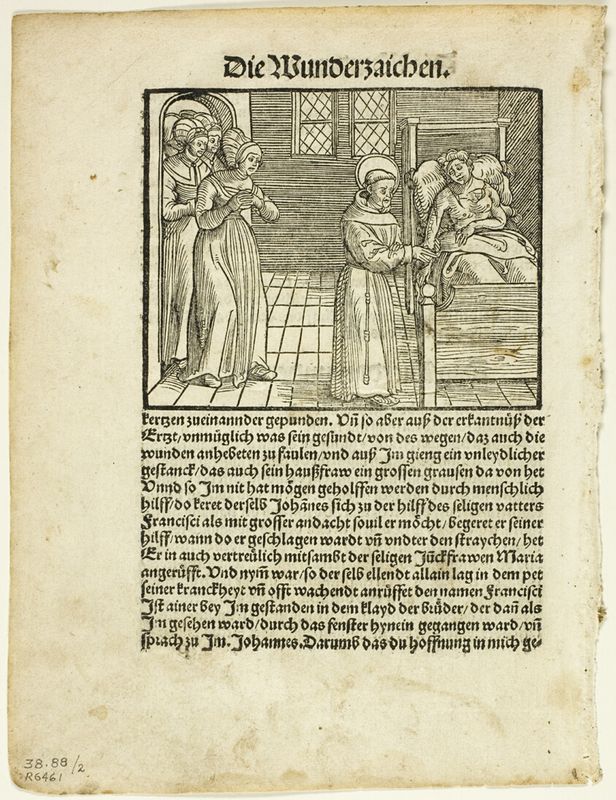
Find the friar at the center with a halo and a knotted rope belt. He is the saint, and he reaches toward the patient in the bed.
On the right, a bare-chested man lies propped up in a bed with posts and a pillow. He is the sick patient, and the scene centers on his suffering.
At the left, a woman holds her hands to her chest while others look on from an arched doorway behind her. Their worried faces suggest the patient is gravely ill.
The grid of floor tiles slants back from the foreground to the wall. It gives this small room depth and leads the eye to the saint.
Look at the friar's robe and the wall behind him. Short parallel cut lines build up folds and shadow using only black ink on white paper.
The full narration walks you through Saint Francis Heals the Grievous Wounds of One John at Lerida, plate two from Woodcuts from Books of the XVI Century — the story behind it, the details most visitors miss, and why it matters. Free in the Art Whisper app.
Hieronymus Bosch, a Dutch painter from the Northern Low Countries, filled his oak panels with fantastic illustrations of religious concepts, from the Garden of Eden to macabre depictions of hell.
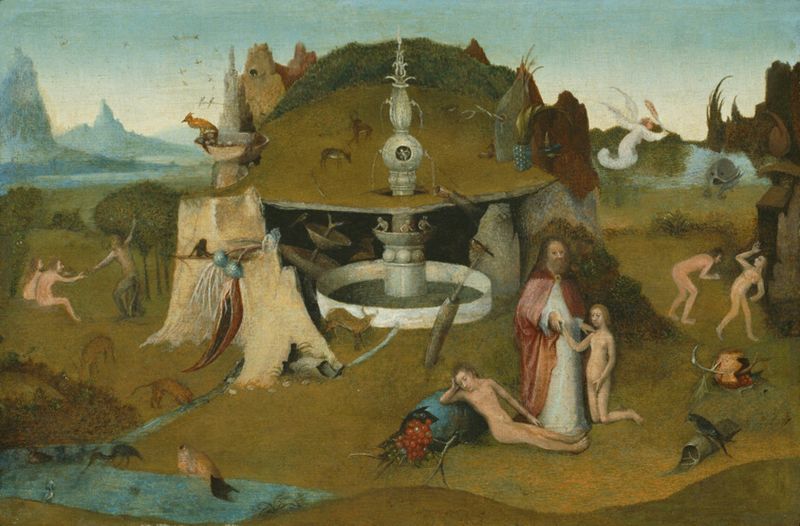 The Garden of Paradise
1495 · Art Institute of Chicago
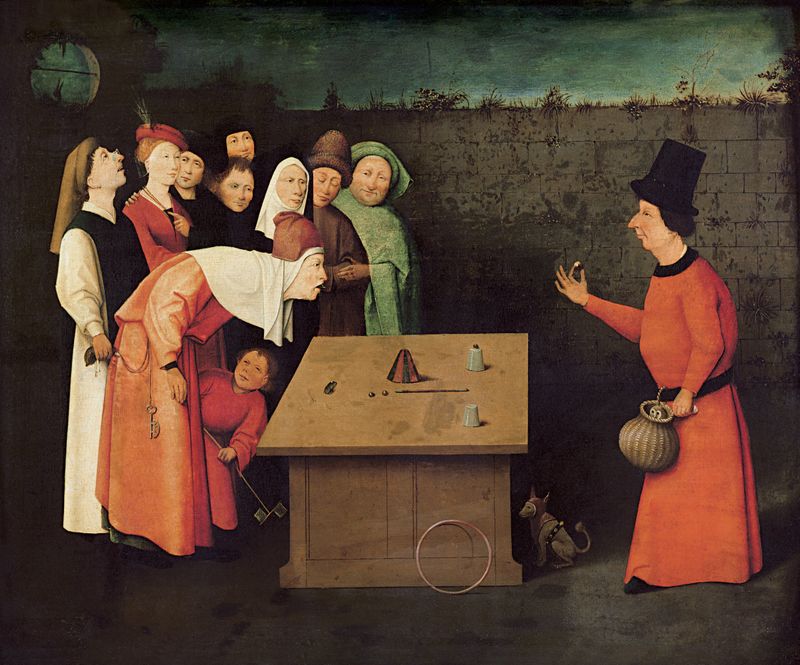 The Conjurer (The Juggler)
1502
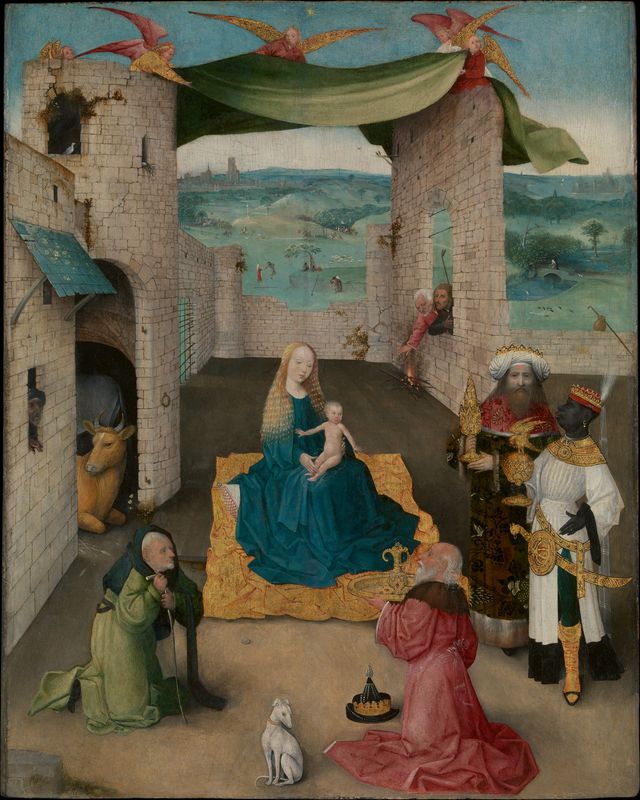 The Adoration of the Magi
Noordbrabants Museum
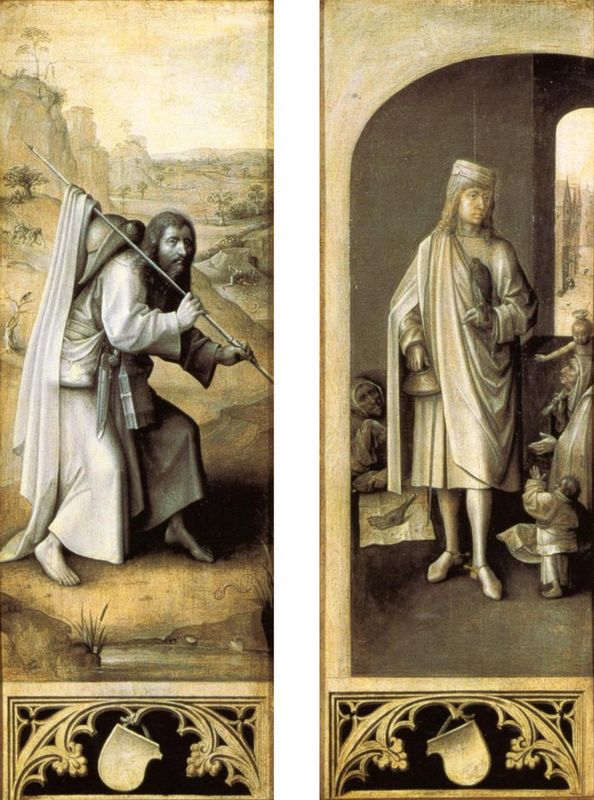 The Last Judgment
1478 · Art Institute of Chicago
 Panel
1500 · Art Institute of Chicago
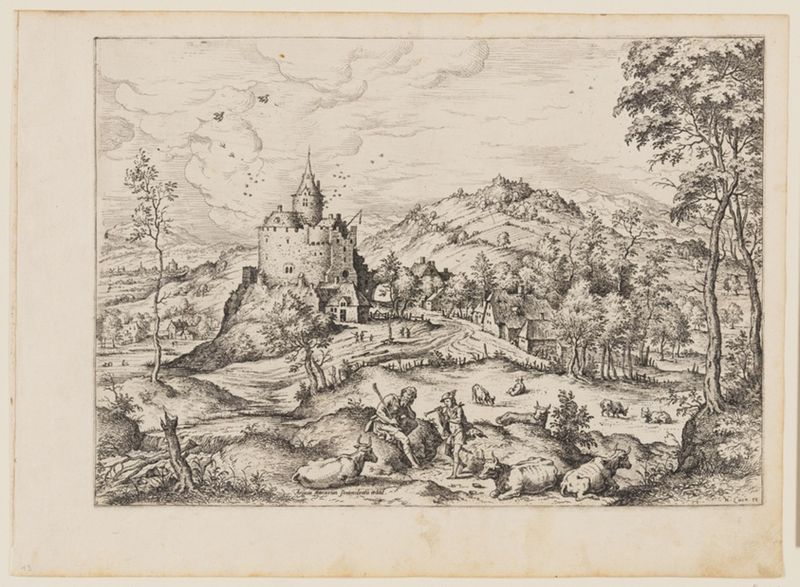 Mercury Lulling to Sleep Argus, from Landscapes with Biblical and Mythological Scenes
Art Institute of Chicago
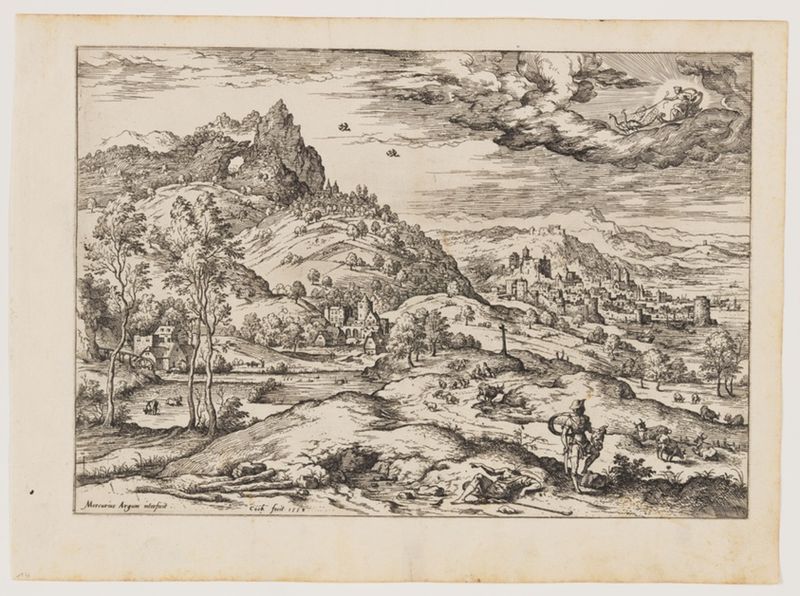 Mercury with Head of Argus in His Hand, from Landscapes with Biblical and Mythological Scenes
Art Institute of Chicago
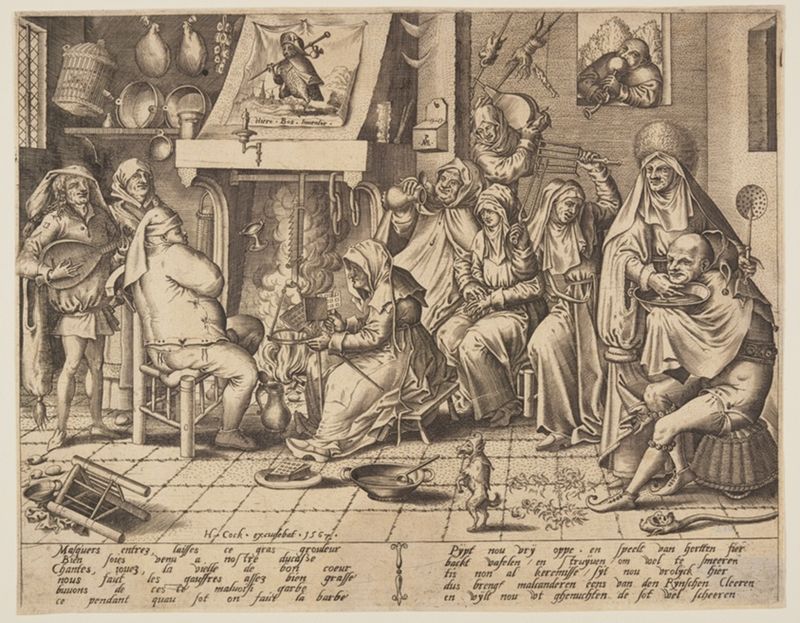 Shrove Tuesday
Art Institute of Chicago
Beyond Bosch and Northern Renaissance: works from the same years.
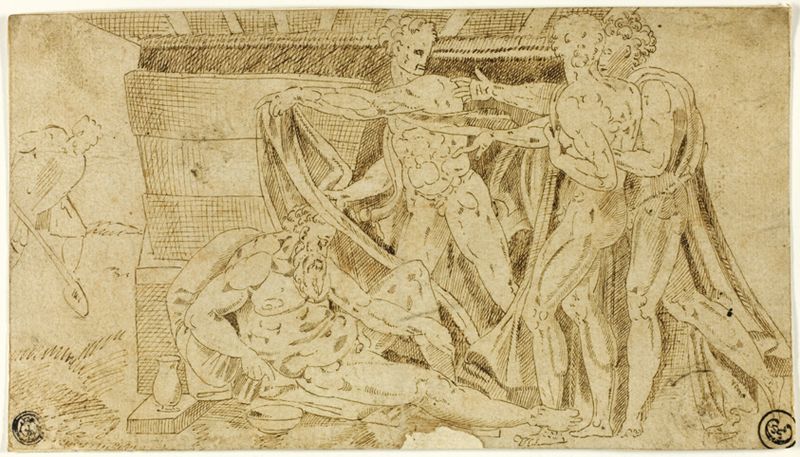 Same era · 1490s–1520s
Drunkenness of Noah
Michelangelo · 1509 · Sistine Chapel
 Same era · 1490s–1520s
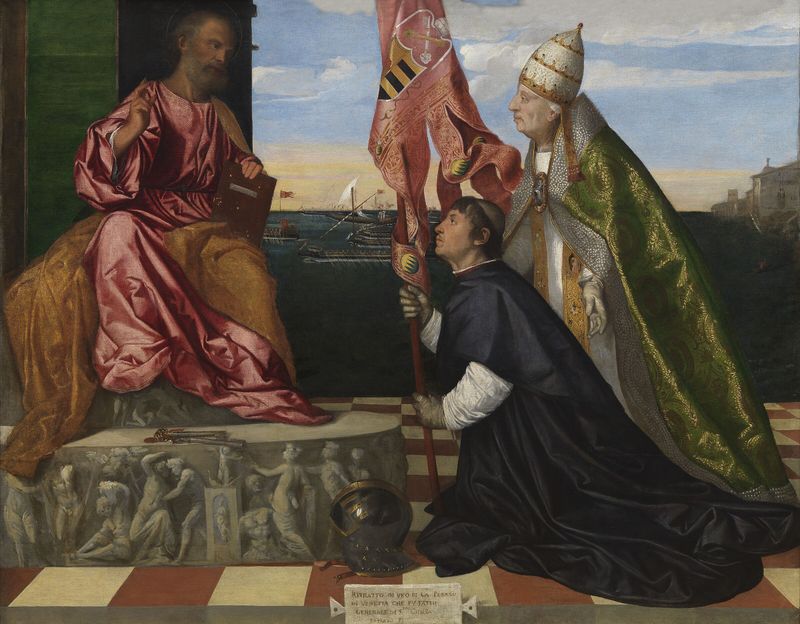
Jacopo Pesaro, Bishop of Paphos, being presented by Pope Alexander VI to Saint Peter
Titian · 1504 · Royal Museum of Fine Arts Antwerp
 Same era · 1490s–1520s
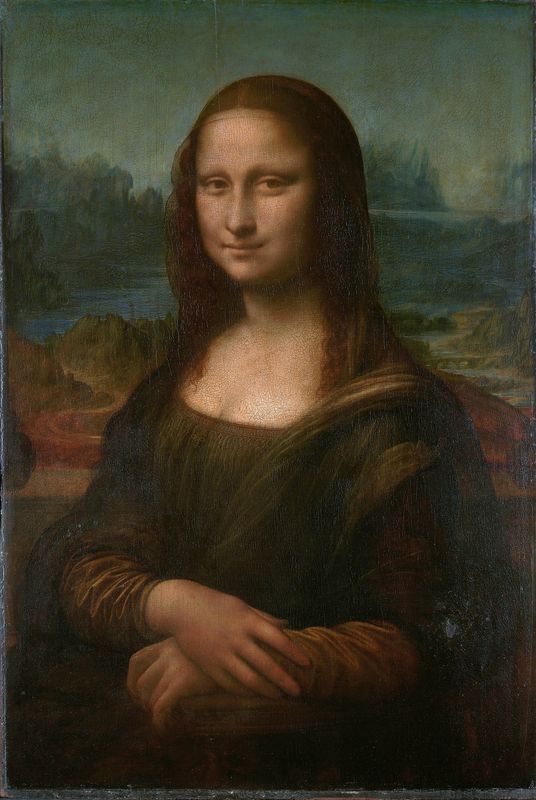
Mona Lisa
Leonardo da Vinci · 1503 · Department of Paintings of the Louvre
 Same era · 1490s–1520s
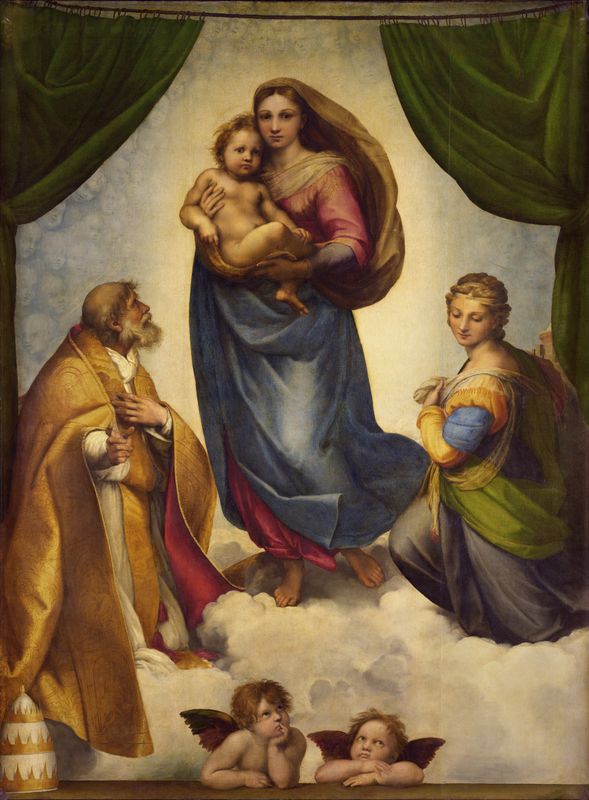
Sistine Madonna (Madonna di San Sisto)
Raphael (Raffaello Sanzio da Urbino) · 1512
 Same era · 1490s–1520s
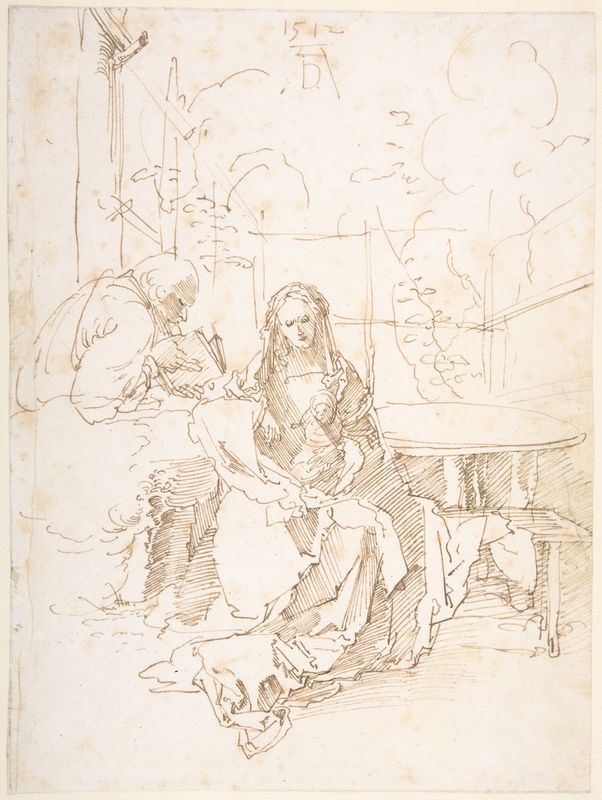
The Holy Family in an Enclosed Garden
Albrecht Dürer · 1512 · The Metropolitan Museum of Art
 Same era · 1490s–1520s
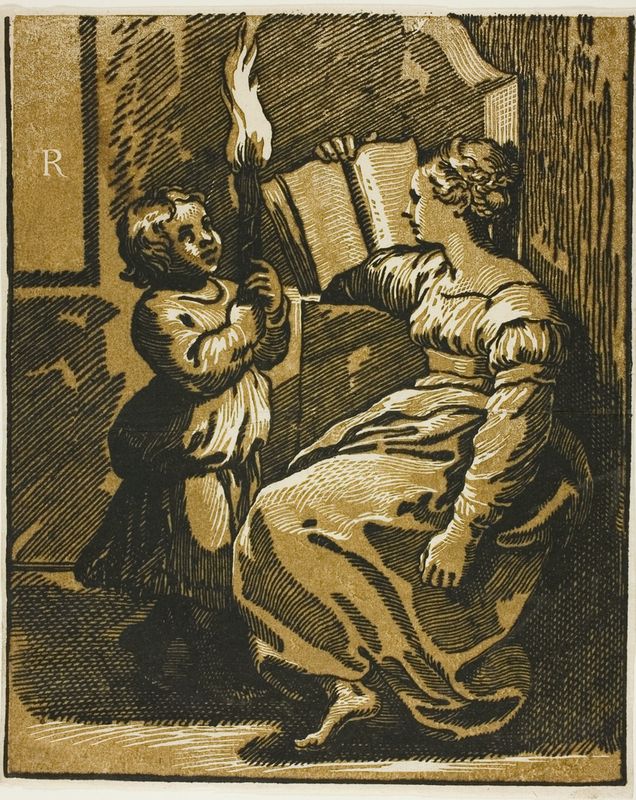
The Sibyl and a Child Bearing a Torch
Artist Unknown - The Mercat Cross, Aberdeen · 1520 · Art Institute of Chicago