
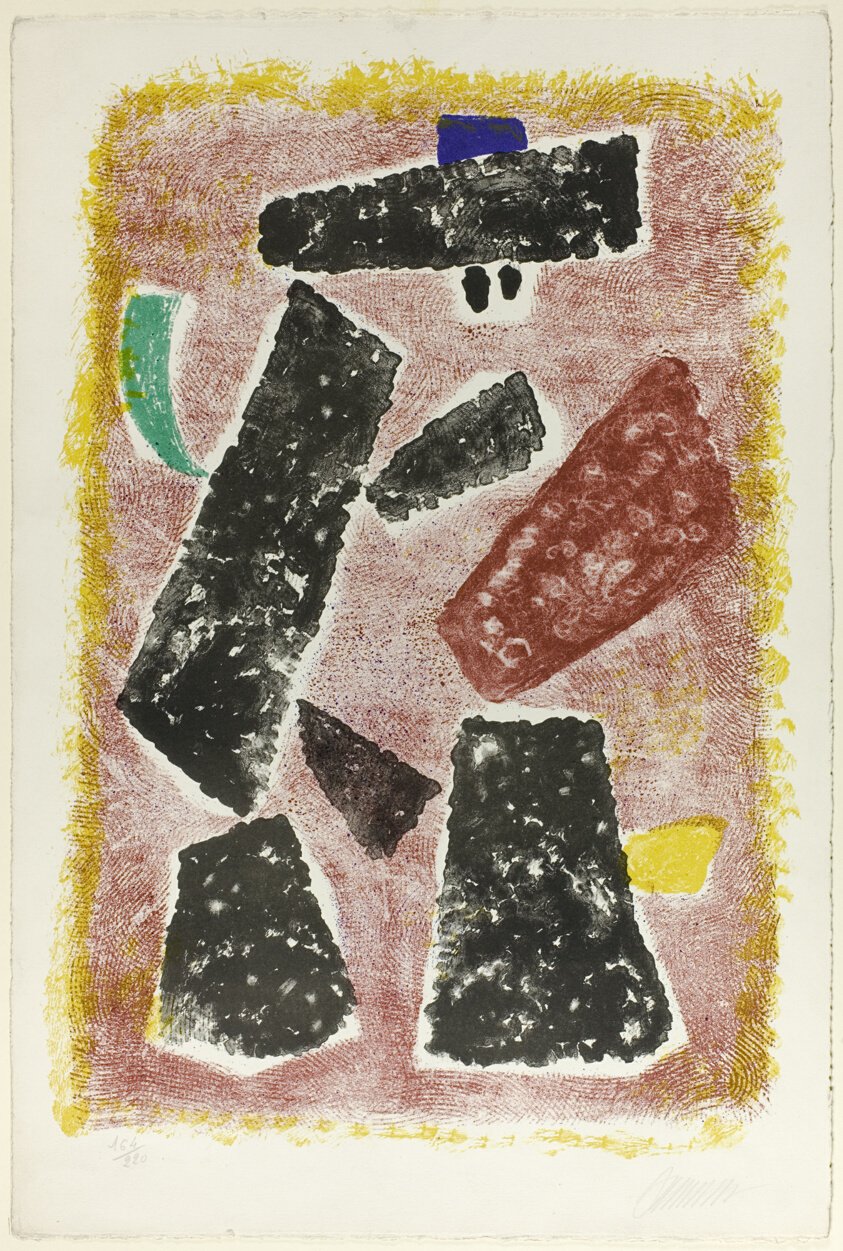
“Stop and observe how this early lithograph uses a stark, abstracted figure and vibrant, fragmented colors to evoke a powerful "Remembrance of Spain," capturing emotion over literal depiction.”
A lone figure, stark and almost skeletal, dominates the center of this early lithograph. Their form is rendered in a deep, almost bruised purple, contrasting sharply with the bright, jumbled planes of color surrounding them. The title, "Remembrance of Spain," hints at a deeper narrative, yet the scene remains abstract, a fragmented memory rather than a literal depiction. The figure's elongated limbs and angular posture evoke a sense of dance or perhaps struggle, caught within a dynamic interplay of reds, yellows, and blues that suggest a vibrant, yet perhaps chaotic, energy. This work, created in 1909, comes from a period when artists were exploring new ways to express emotion and experience, moving beyond traditional representation to capture the feeling of a place or an event through color and form. It reflects a moment of artistic experimentation, where the raw power of expression began to reshape the visual landscape.
- Artist
- Willi Baumeister
- Date
- 1909
- Medium
- Color lithograph on paper
- Location
- Art Institute of Chicago
- Dimensions
- 57 × 38.4 cm (22 1/2 × 15 1/8 in.)
- Collection
- Prints and Drawings
- Culture
- Germany
- Credit line
- Bequest of Hedwig B. Schniewind
What to Notice
Five details hide in plain sight. Here’s where to look.
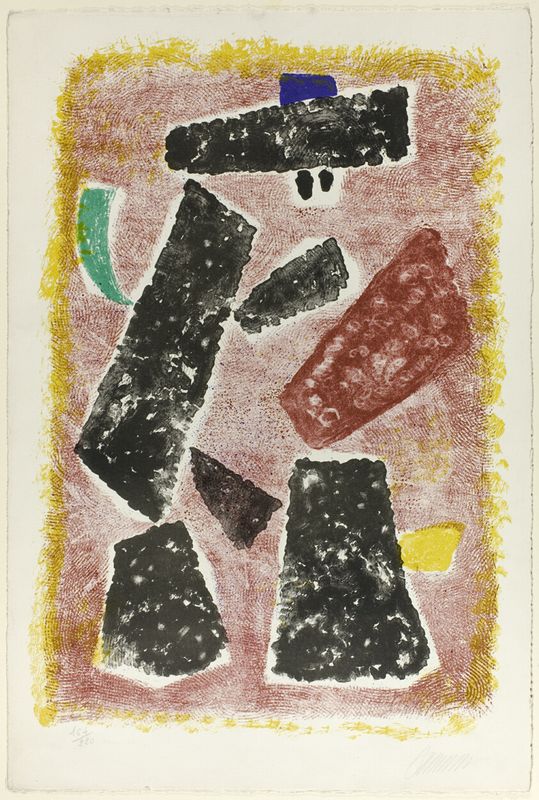
The central figure's deep purple hue against the lighter background.
The angular, almost Cubist-like fragmentation of the surrounding colors.
The way the figure's elongated limbs suggest movement or tension.
The sharp contrast between the figure's defined outline and the softer, blended colors.
1 more detail is waiting.
See all 5 in Art Whisper →Stand in front of it and listen
The full narration walks you through Remembrance of Spain — the story behind it, the details most visitors miss, and why it matters. Free in the Art Whisper app.
Willi Baumeister
1889–1955 · GermanyFired from his job by the Nazis, Baumeister secretly painted masterpieces while working in a varnish factory.
More works to explore
Beyond Baumeister: works from the same years.
 Same era · 1890s–1920s
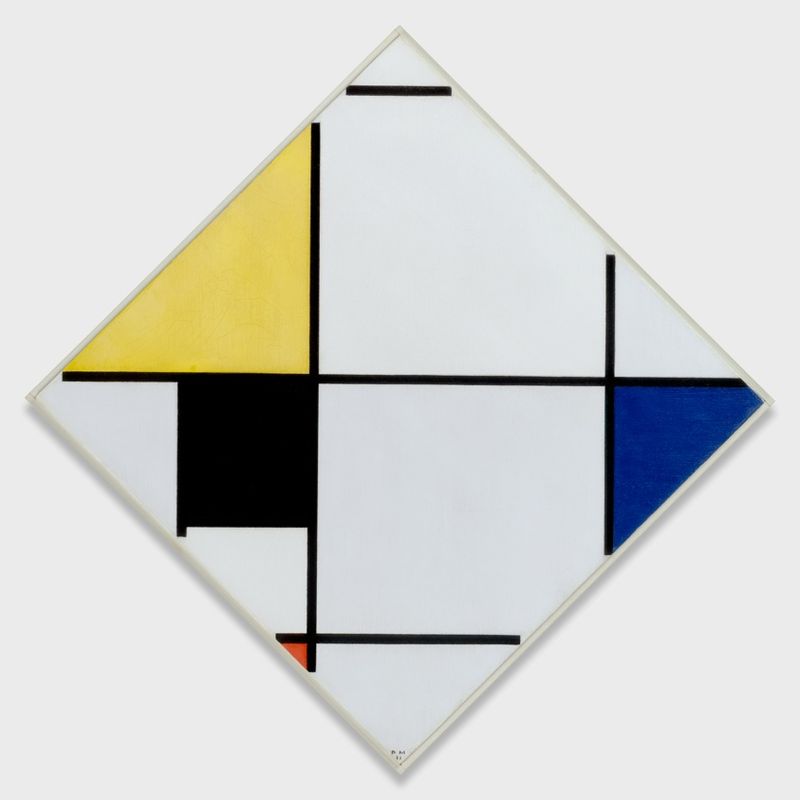
Lozenge Composition with Yellow, Black, Blue, Red, and Gray
Piet Mondrian · 1921 · Art Institute of Chicago
 Same era · 1890s–1920s
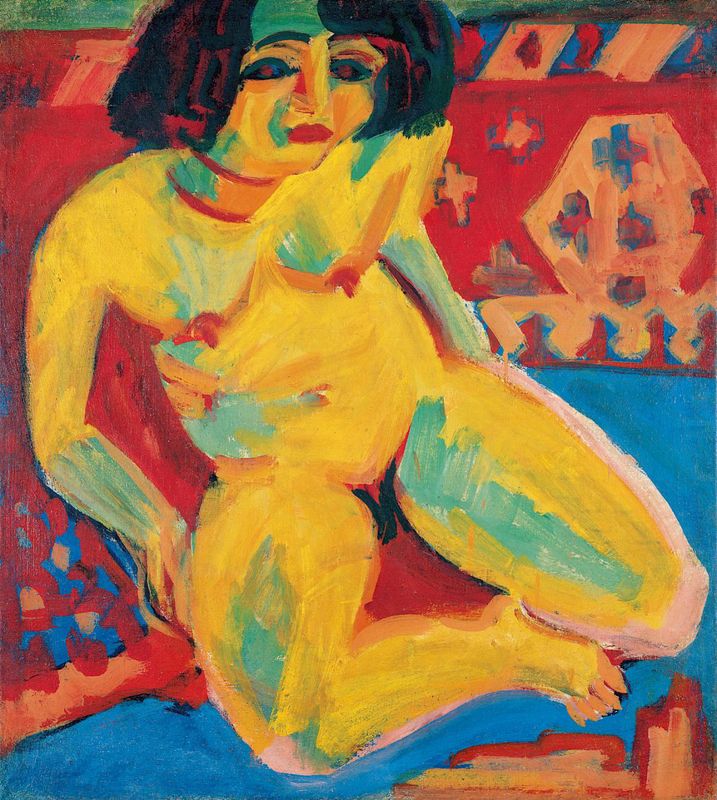
Female Nude (Dodo)
Ernst Ludwig Kirchner · 1909 · Albertina
 Same era · 1890s–1920s
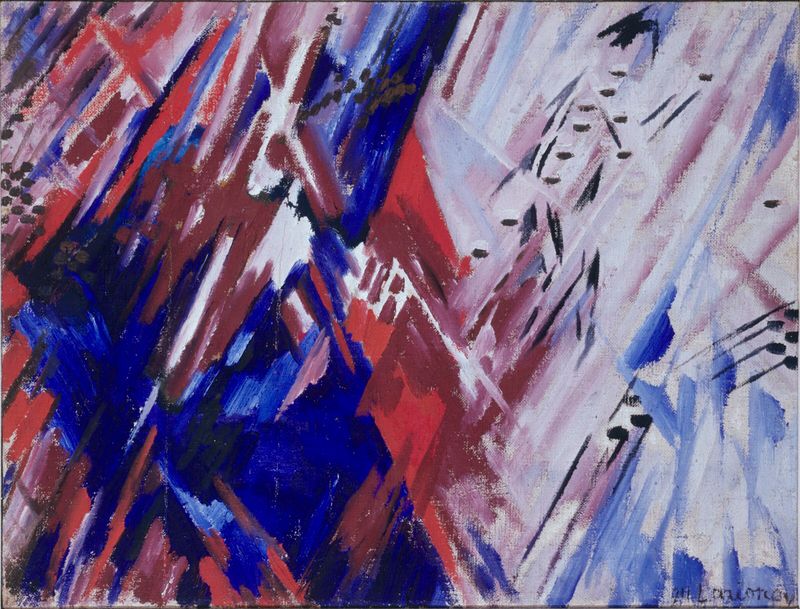
Red and Blue Rayonism (Beach)
Mikhail Larionov · 1911 · Museum Ludwig
 Same era · 1890s–1920s
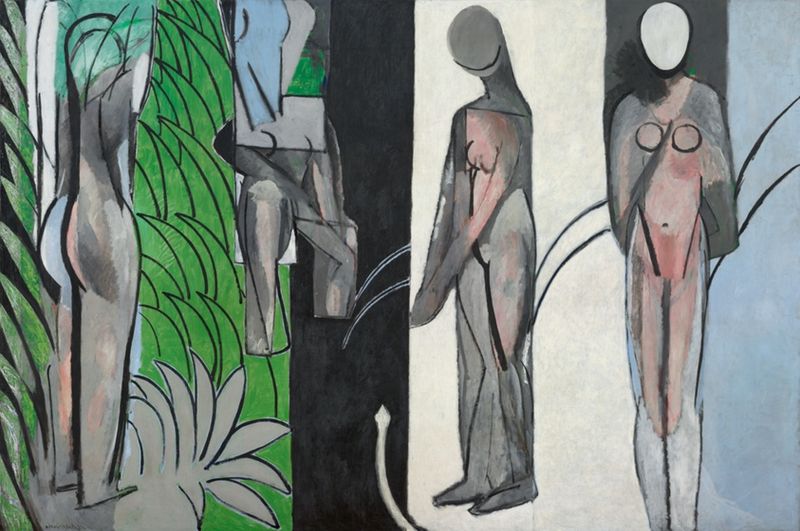
Bathers by a River
Henri Matisse · 1909 · Art Institute of Chicago
 Same era · 1890s–1920s
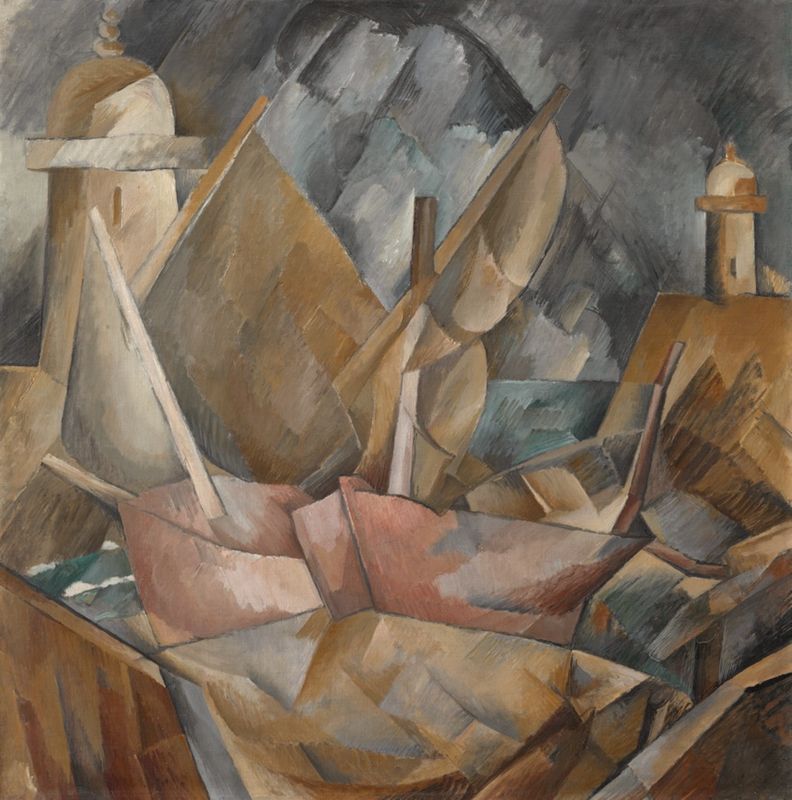
Little Harbor in Normandy
Georges Braque · 1909 · Art Institute of Chicago
 Same era · 1890s–1920s
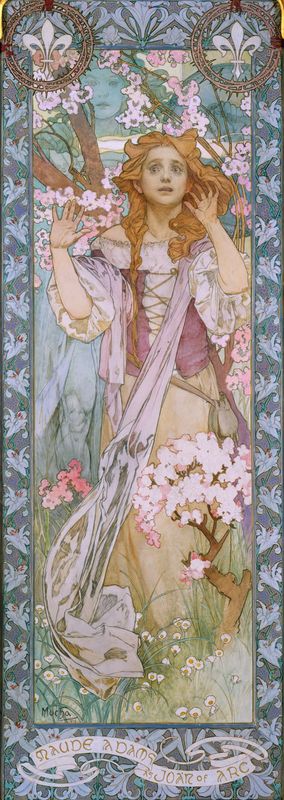
Maude Adams (1872–1953) as Joan of Arc
Alphonse Mucha · 1909 · The Metropolitan Museum of Art
 Same era · 1890s–1920s
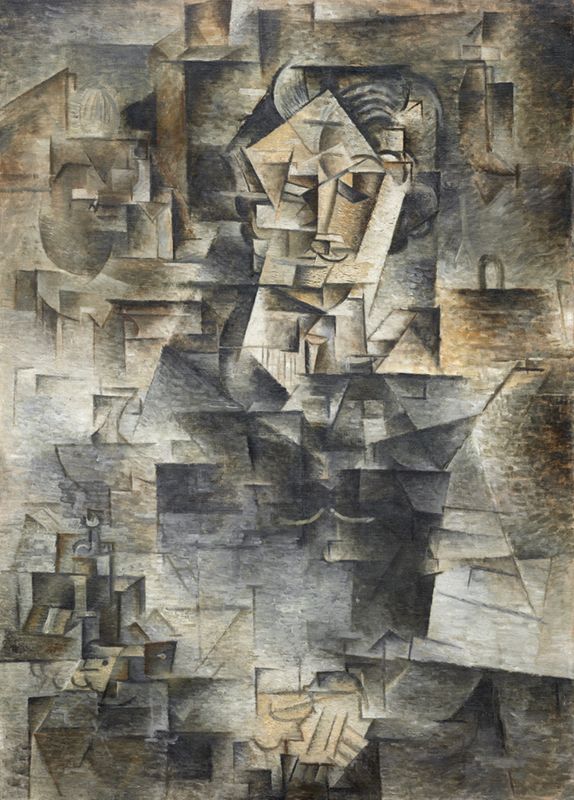
Daniel-Henry Kahnweiler
Pablo Picasso · 1910 · Art Institute of Chicago
 Same era · 1890s–1920s
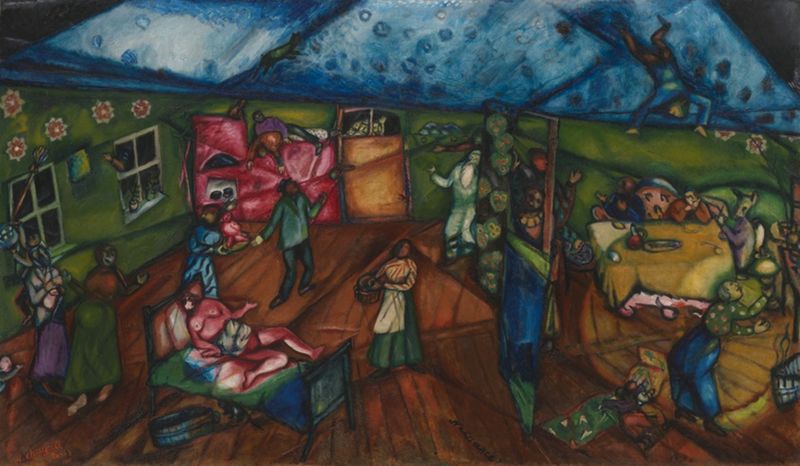
Birth
Marc Chagall · 1911 · Art Institute of Chicago
 Same era · 1890s–1920s
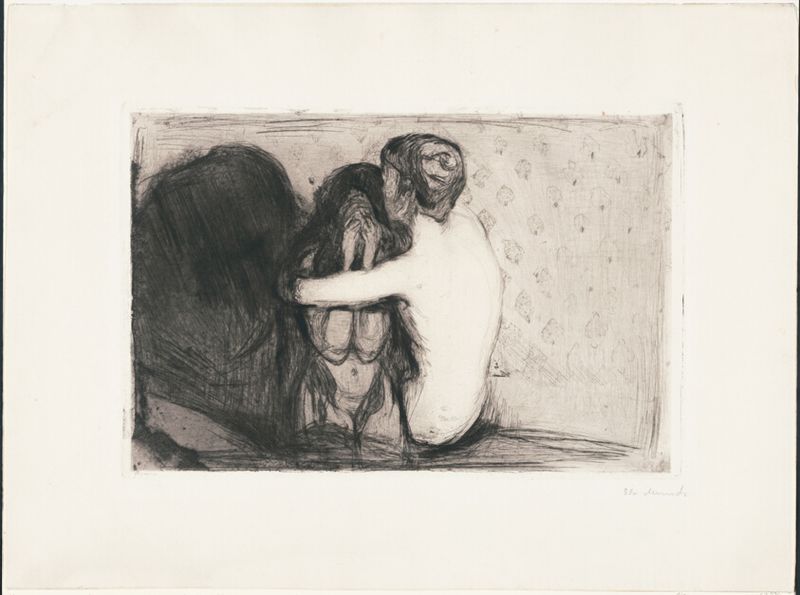
Consolation
Edvard Munch · 1907 · Munch Museum
 Same era · 1890s–1920s
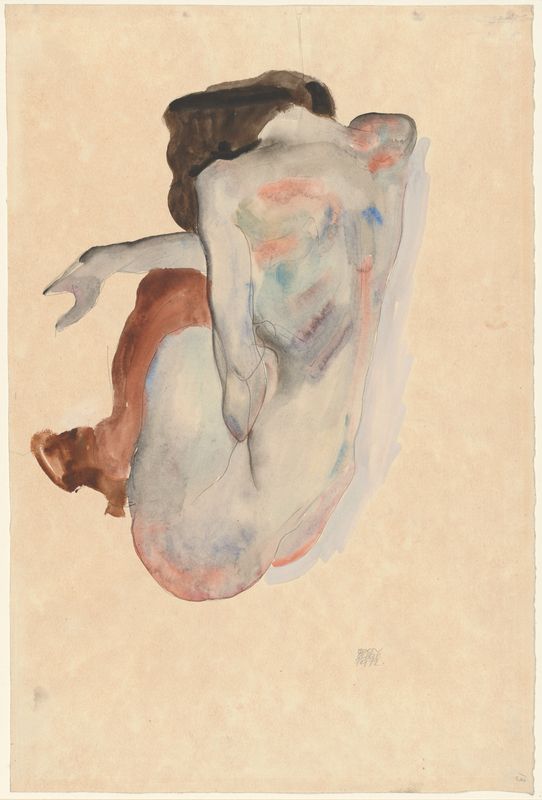
Crouching Nude in Shoes and Black Stockings, Back View
Egon Schiele · 1912 · The Metropolitan Museum of Art
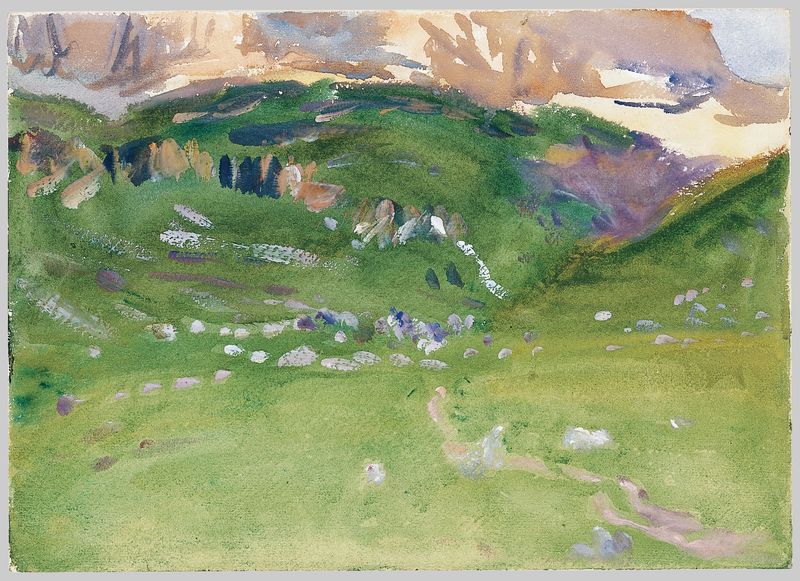 Same era · 1890s–1920s
Sellar Alp, Dolomites
John Singer Sargent · 1913 · The Metropolitan Museum of Art
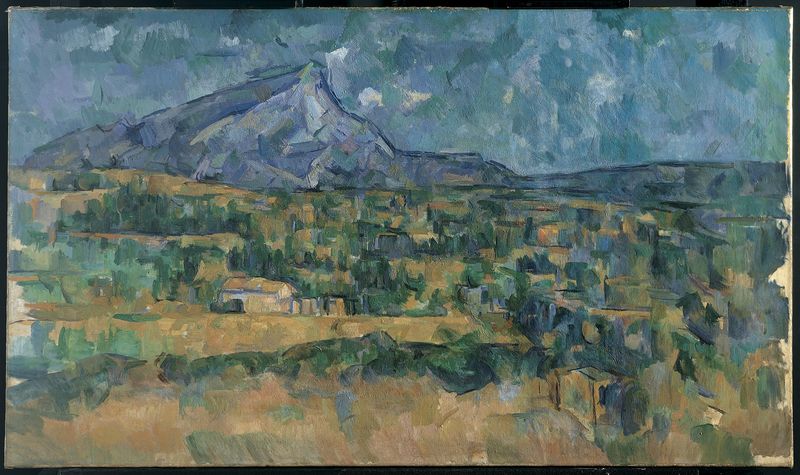 Same era · 1890s–1920s
Mont Sainte-Victoire
Paul Cézanne · 1904 · Detroit Institute of Arts