
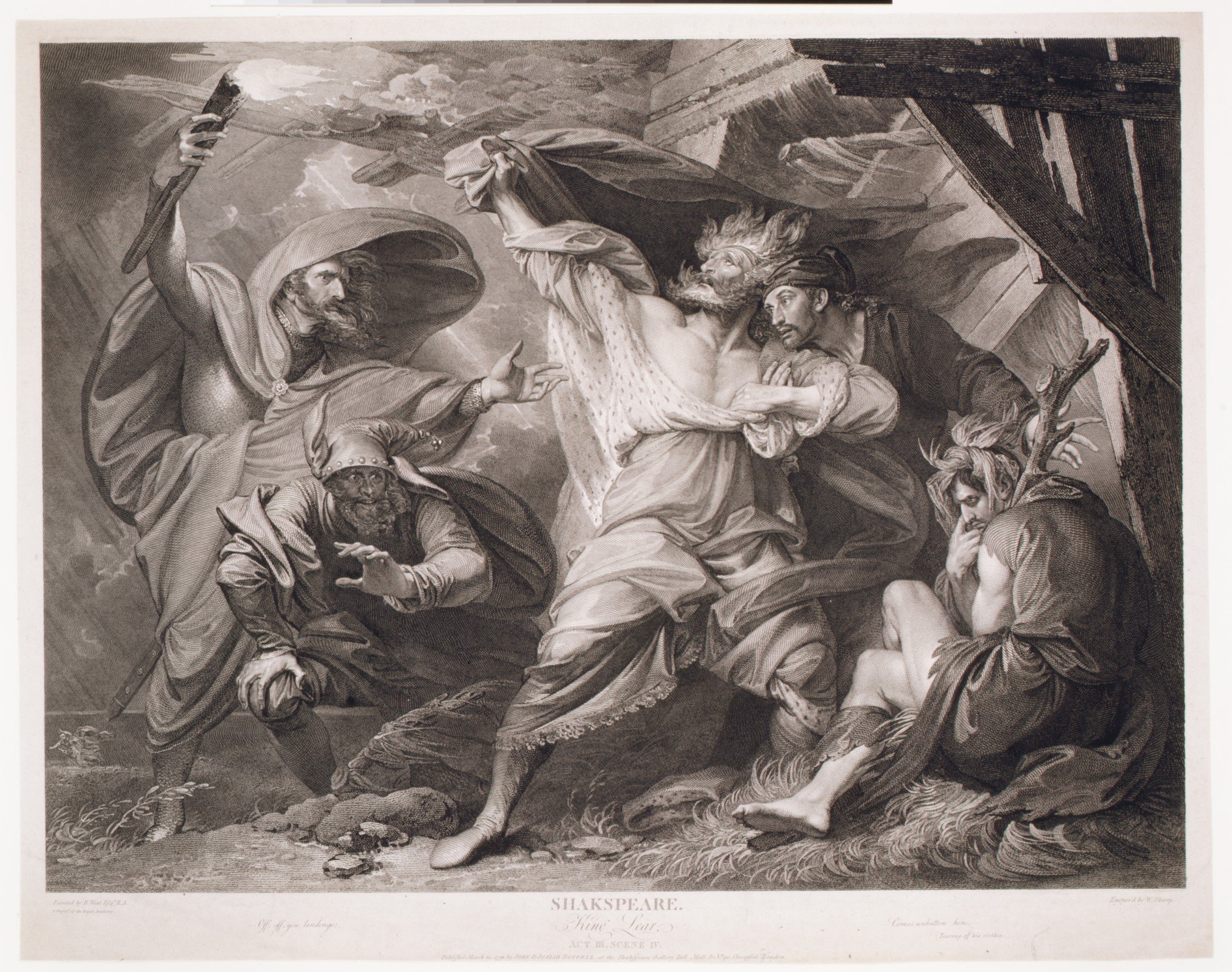
“This powerful etching captures King Lear's descent into madness on the stormy heath, stripped of his clothes and sanity. It vividly portrays the raw emotion and dramatic intensity of Shakespeare's tragedy, a perfect example of late 18th-century artistic fascination with the sublime.”
This dramatic etching and engraving plunges us into the raw despair of Shakespeare's King Lear. We see the aged king, stripped bare both literally and metaphorically, on the desolate heath during a raging storm. His clothes lie scattered around him, emphasizing his vulnerability and the complete unraveling of his former power. The frantic gesture of his hands and the wildness of his hair convey his descent into madness, as he cries out the line from Act 3, Scene 4: "Off, off, you lendings–Come unbutton here." The artist, William Edward West, captures the intense emotional turmoil of the scene, a popular subject for artists in the late 18th century who were drawn to the era's fascination with extreme human emotion and the sublime in nature. The stark contrasts of light and shadow, typical of the medium, heighten the sense of chaos and the king's profound isolation.
- Artist
- William Edward West
- Date
- 1793
- Medium
- Etching and engraving
- Location
- The Metropolitan Museum of Art
- Dimensions
- image: 17 3/8 x 23 5/16 in. (44.2 x 59.2 cm) sheet: 19 1/4 x 24 7/16 in. (48.9 x 62.1 cm)
- Collection
- Drawings and Prints
- Credit line
- Gift of Georgiana W. Sargent, in memory of John Osborne Sargent, 1924
What to Notice
Five details hide in plain sight. Here’s where to look.
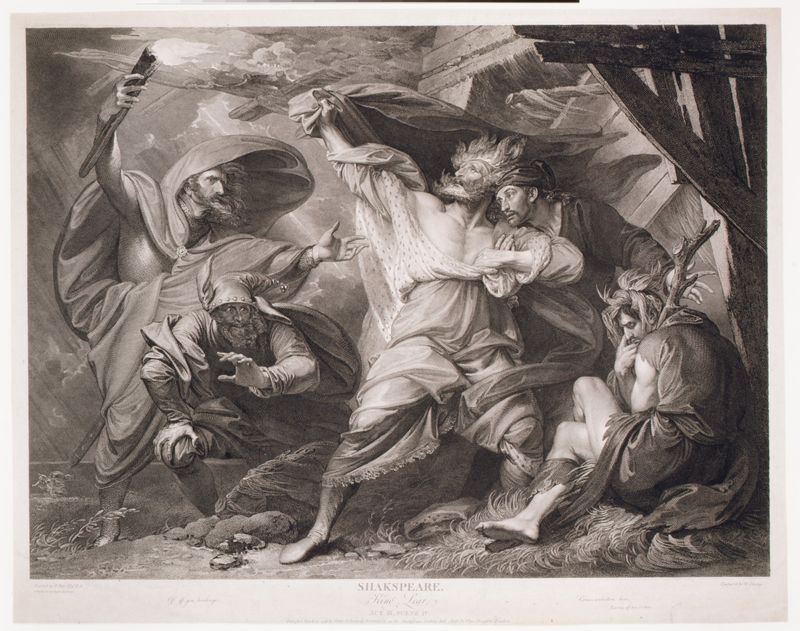
Lear's wild, windswept hair and beard, signifying his madness.
His discarded clothing, symbolizing his loss of status and sanity.
The stormy, desolate landscape, mirroring Lear's inner turmoil.
The frantic, almost clawing gesture of Lear's hands.
1 more detail is waiting.
See all 5 in Art Whisper →William Edward West
1788–1857 · United StatesWilliam Edward West, an American portrait painter, captured the likenesses of wealthy families and collaborated with author Washington Irving.
Further Works by West
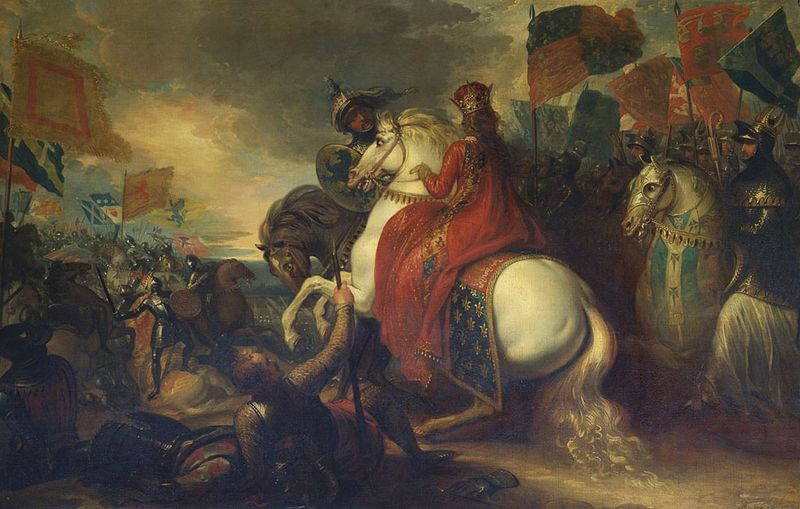 Queen Philippa at the Battle of Neville's Cross
Art Institute of Chicago
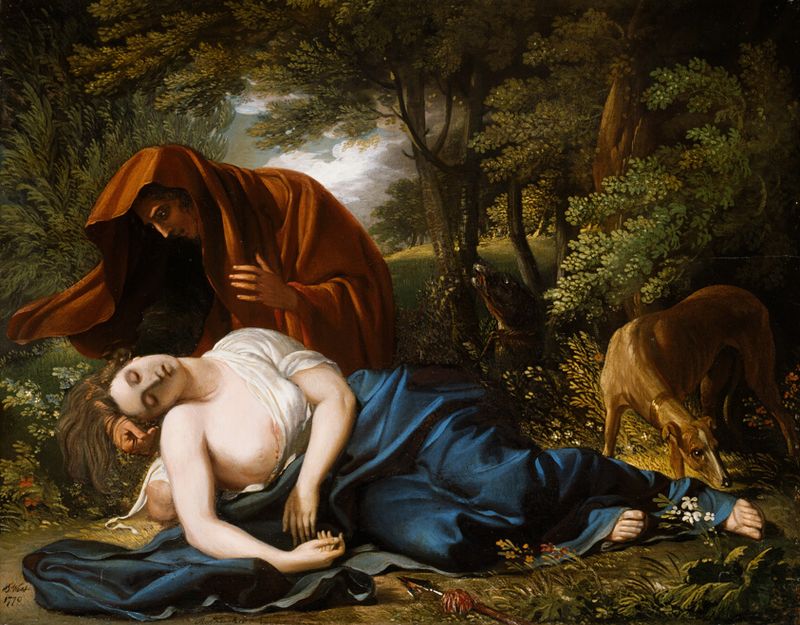 The Death of Procris
Art Institute of Chicago
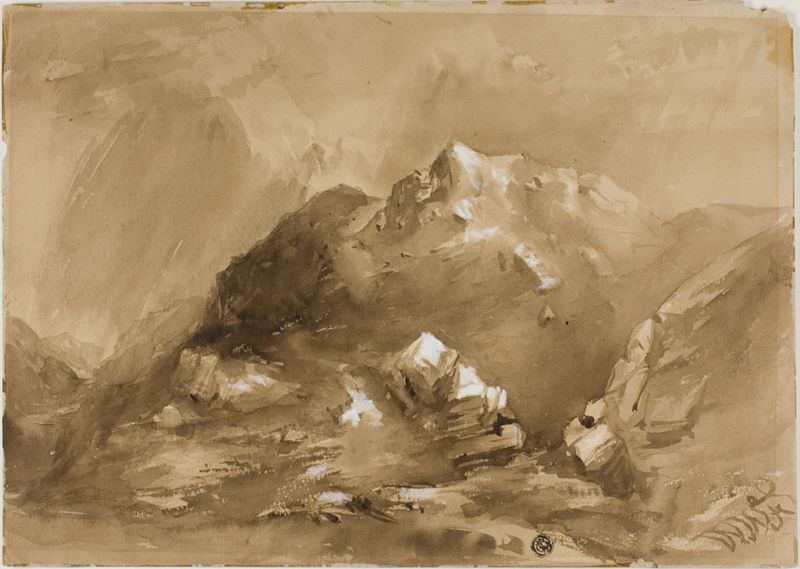 Misty Mountains
1821 · Art Institute of Chicago
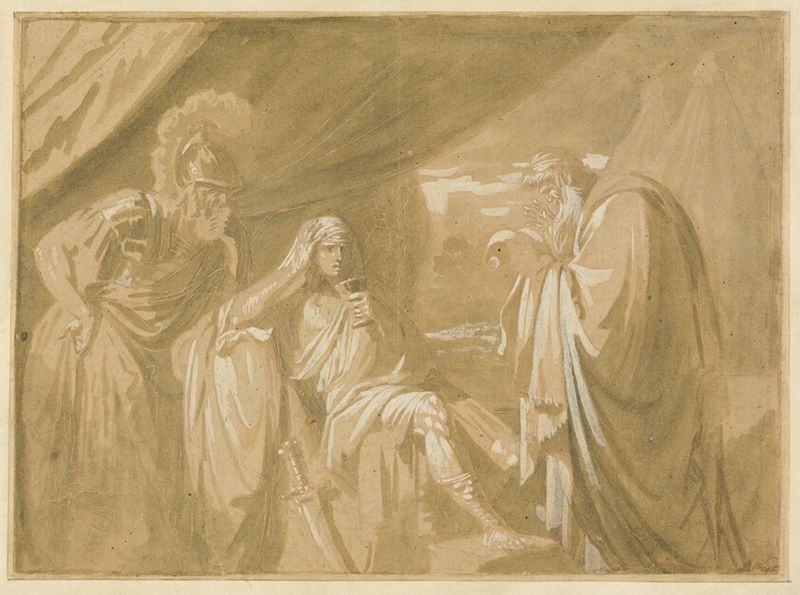 Alexander's Confidence with his Physician Philip
Art Institute of Chicago
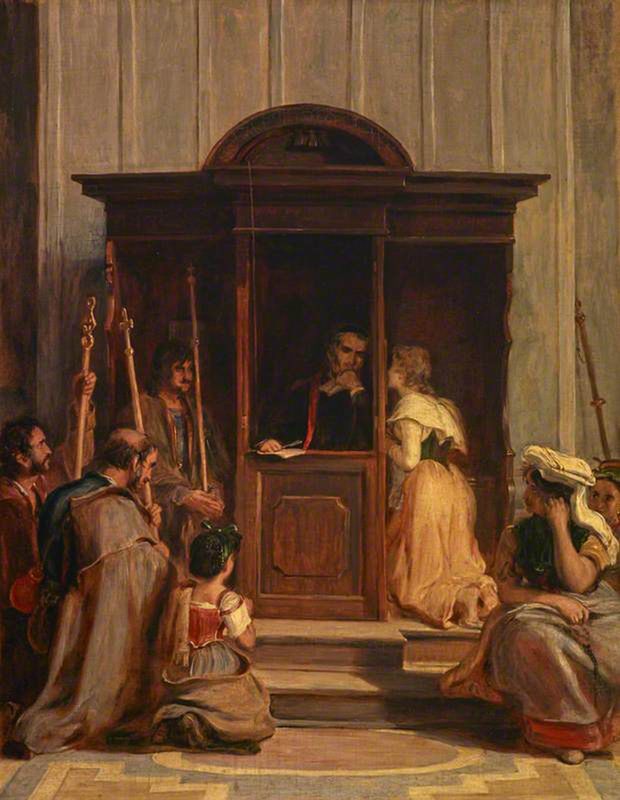 The Confessional
1847 · New York Historical
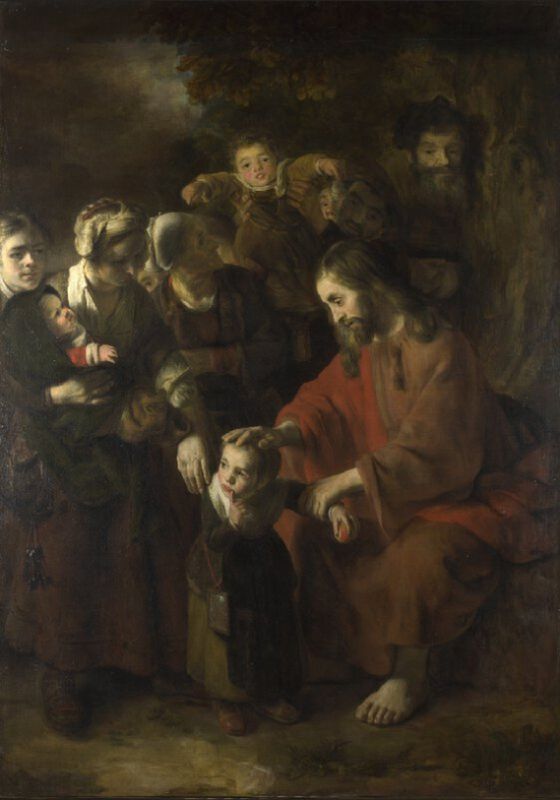 Christ Blessing the Children
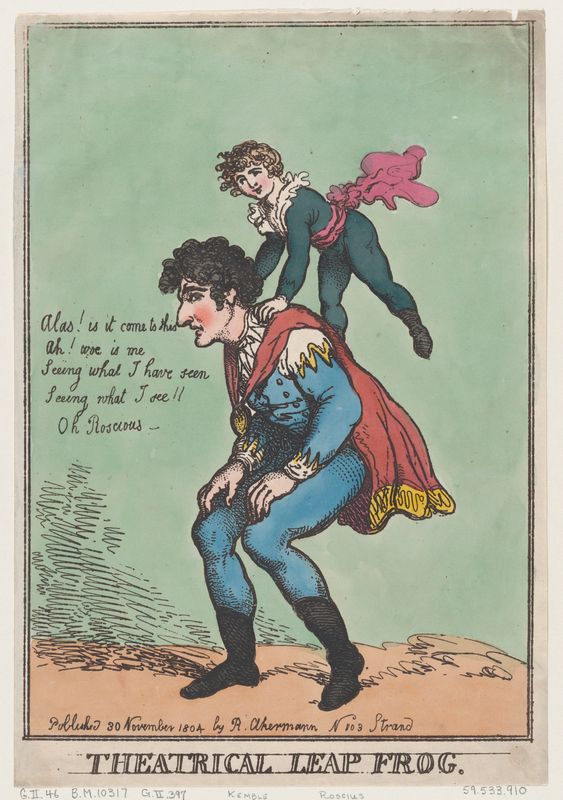 Theatrical Leap Frog
1804 · The Metropolitan Museum of Art
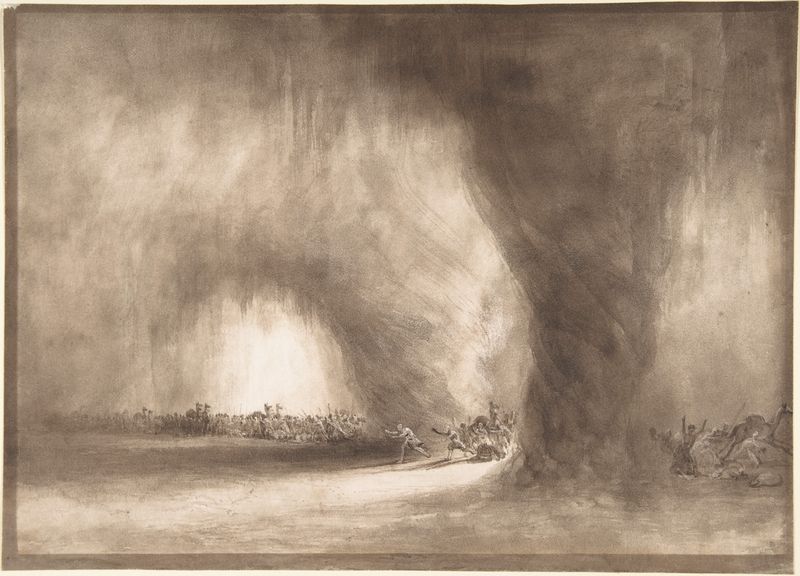 A column of oriental travelers scattered by a dust storm
1820 · The Metropolitan Museum of Art
More works to explore
Beyond West: works from the same years.
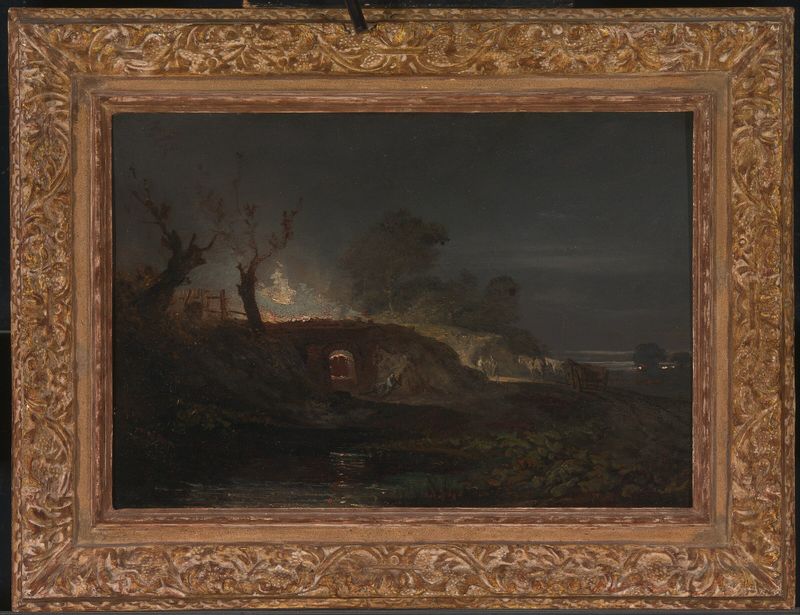 Same era · 1770s–1800s
A Limekiln, Possibly at Briton Ferry in South Wales
J. M. W. Turner · 1797 · Yale Center for British Art
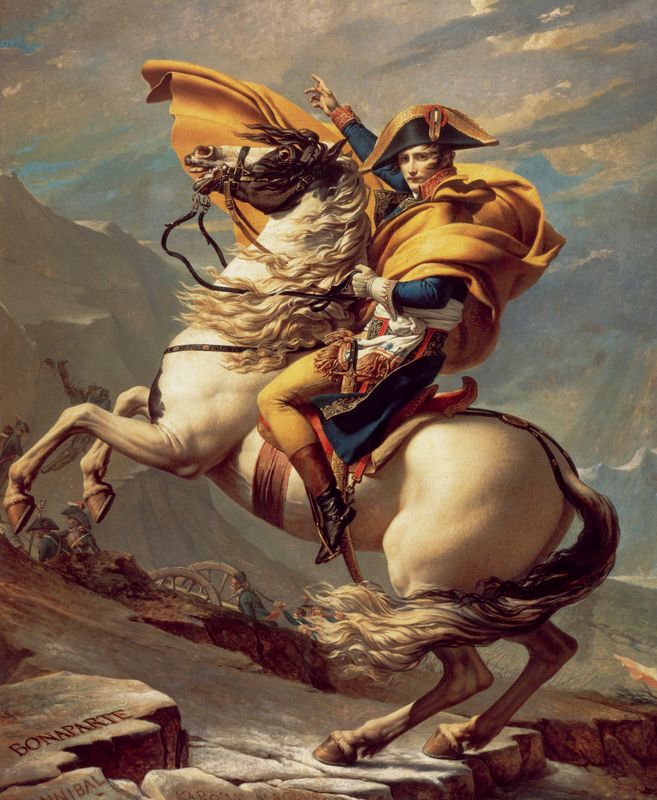 Same era · 1770s–1800s
Napoleon Crossing the Alps
Jacques-Louis David · 1800 · Musée national de Malmaison et Bois-Préau
 Same era · 1770s–1800s
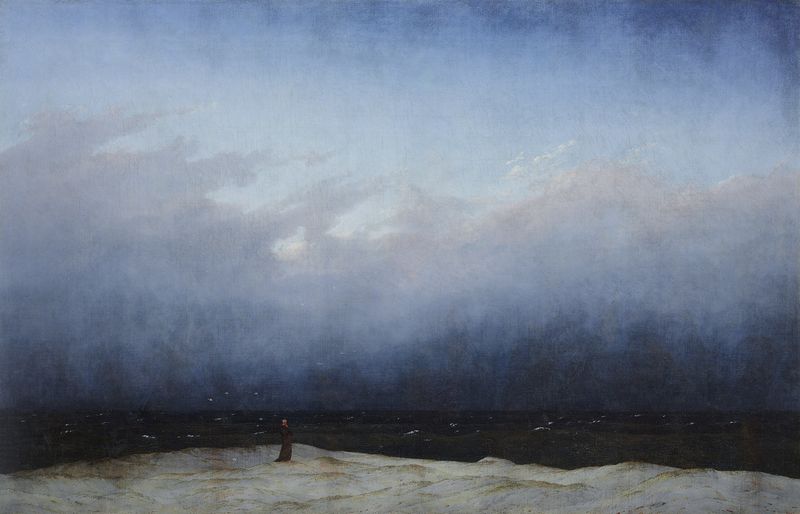
The Monk by the Sea
Caspar David Friedrich · 1800 · Alte Nationalgalerie
 Same era · 1770s–1800s
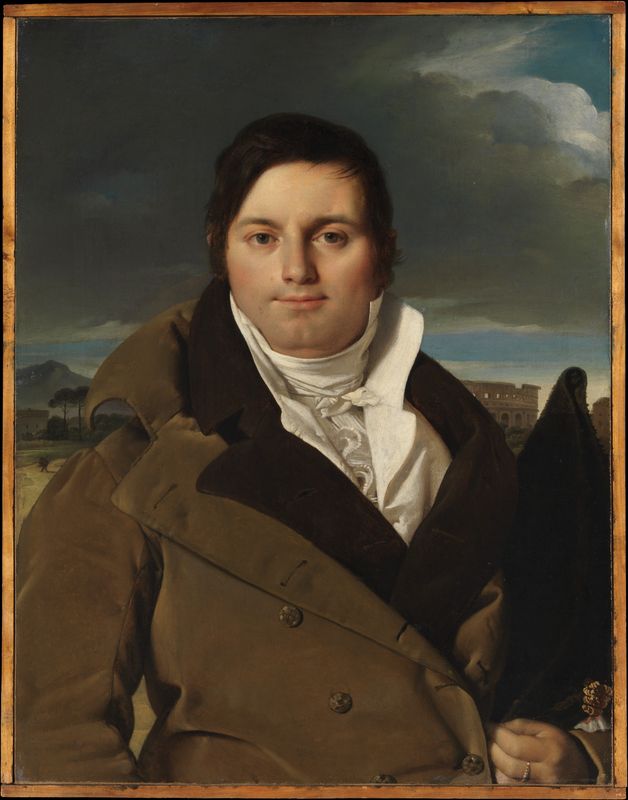
Joseph-Antoine Moltedo (born 1775)
Jean-Auguste-Dominique Ingres · 1805 · The Metropolitan Museum of Art
 Same era · 1770s–1800s
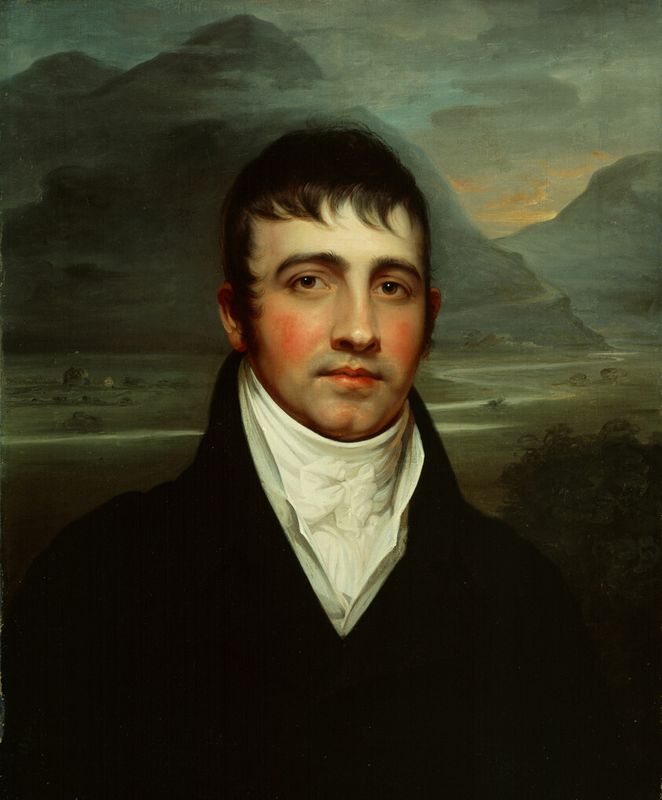
Samuel Fisher Bradford
Rembrandt Peale · 1803 · Art Institute of Chicago
 Same era · 1770s–1800s
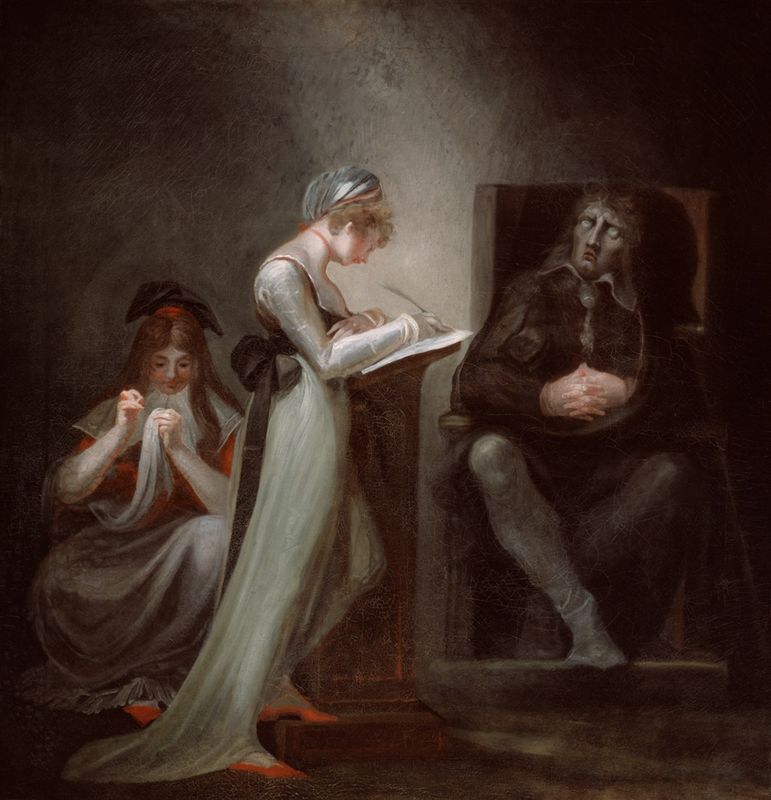
Milton Dictating to His Daughter
Henry Fuseli · 1794 · Art Institute of Chicago
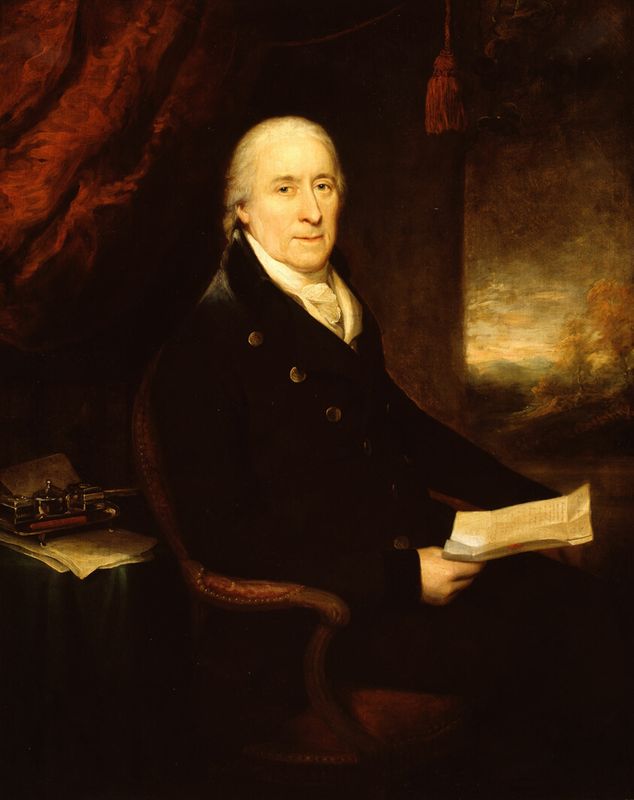 Same era · 1770s–1800s
Portrait of a Man
Benjamin West · 1790 · Art Institute of Chicago
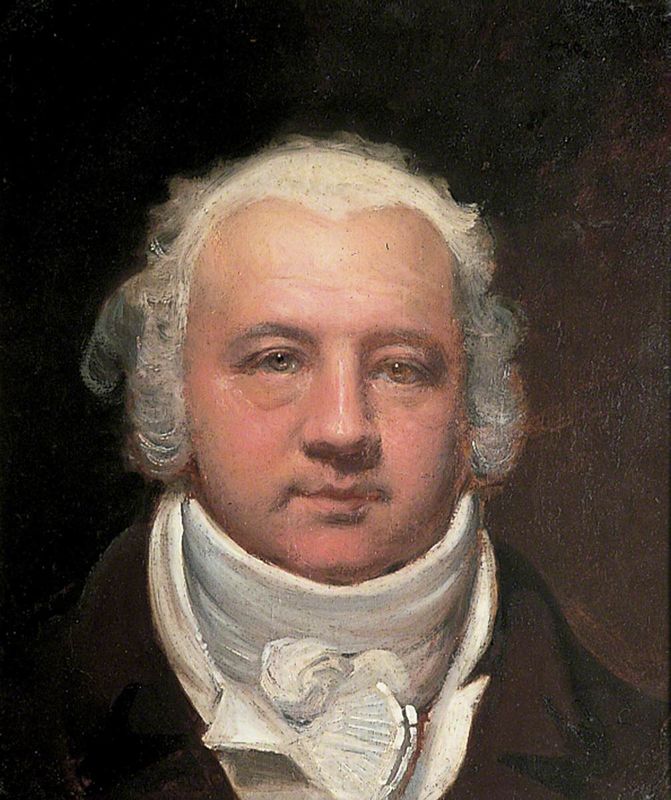 Same era · 1770s–1800s
John Blake (1770–1810), Mayor of Maidstone (1799)
Samuel Drummond · 1799 · Maidstone Museum and Bentlif Art Gallery
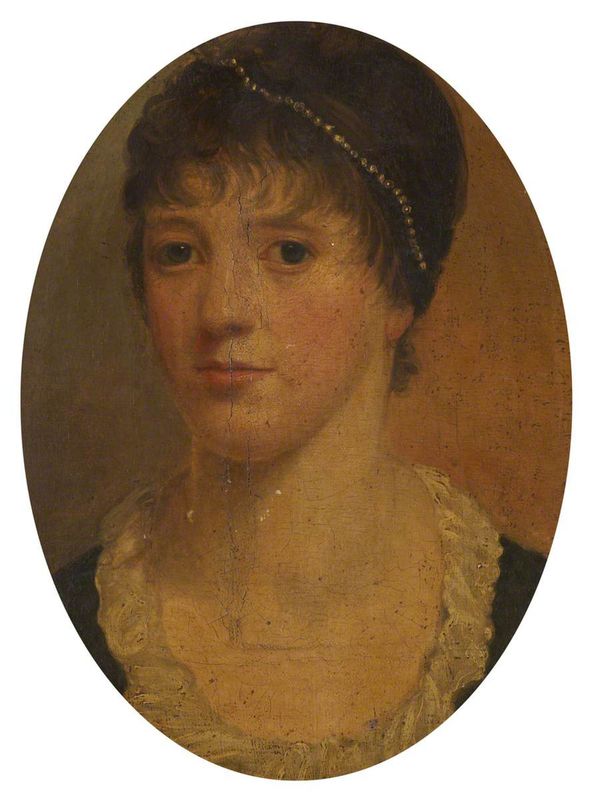 Same era · 1770s–1800s
Mrs Jackson
Thomas Stewardson · 1800 · Abbot Hall Art Gallery
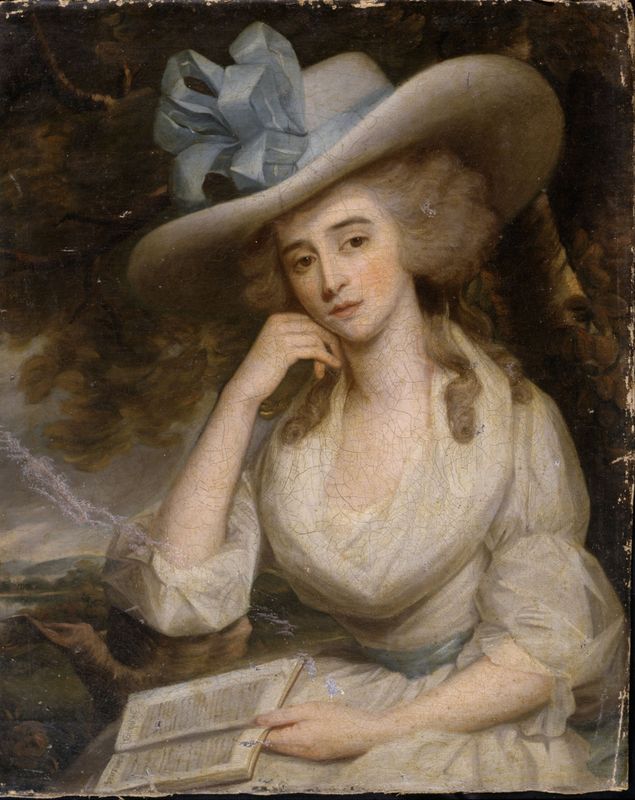 Same era · 1770s–1800s
Mrs John Smart I
John Smart of Ipswich · 1785 · Dulwich Picture Gallery
 Same era · 1770s–1800s
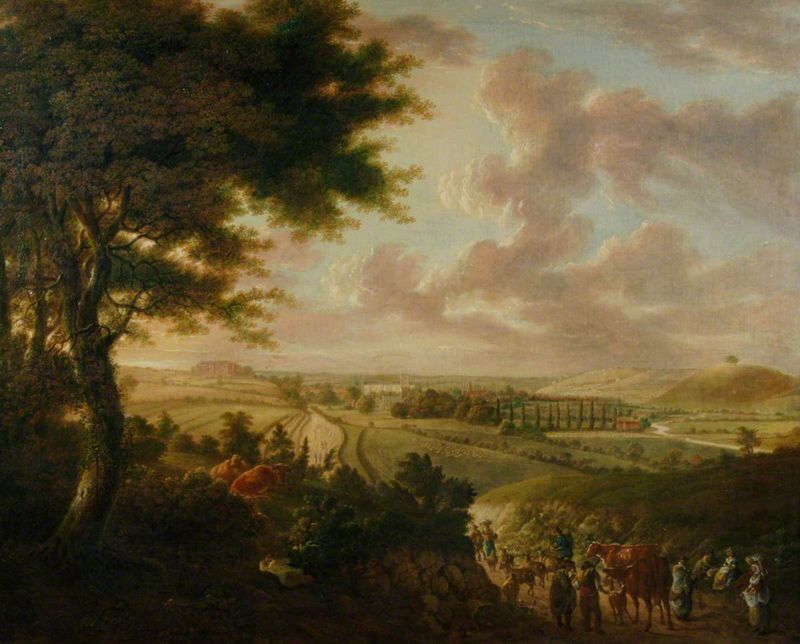
Winchester from the South
Tobias Young · 1803 · Winchester Guildhall
 Same era · 1770s–1800s
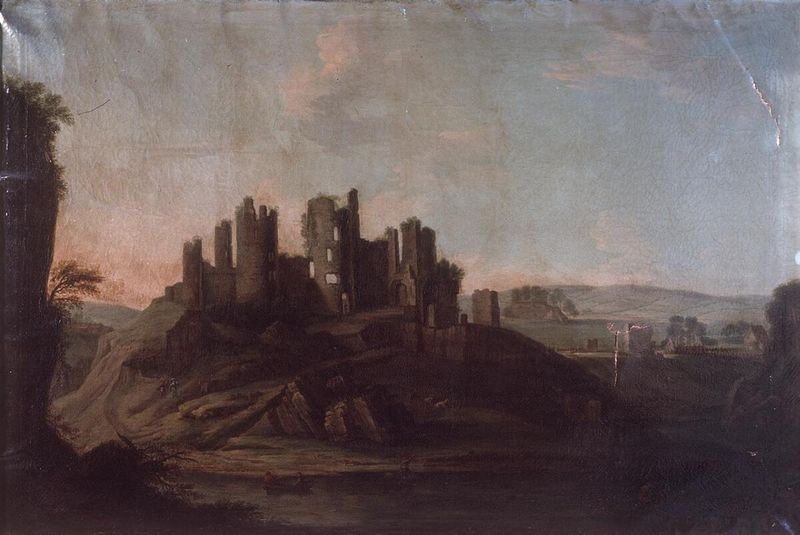
Cilgerran Castle
William Havell · 1805 · National Museum Cardiff