

“This drawing vividly captures the sudden chaos of a desert dust storm, showing travelers caught in nature's powerful grip. Notice the dynamic lines and washes that bring the swirling wind to life.”
A sudden, violent gust of wind whips through this dramatic drawing, sending a group of travelers scattering. The composition plunges us into the chaos of a desert dust storm, with figures struggling against the elements. You can almost feel the sand stinging your eyes as the wind-blown cloaks and turbans suggest rapid movement and disorientation. The artist, William Edward West, uses a dynamic interplay of pen and brown ink with broad washes to create a sense of urgency and swirling motion. This drawing captures a momentary, intense struggle against nature, highlighting the vulnerability of the human figures against the vast, unpredictable landscape. It’s a powerful scene, demonstrating an interest in exotic subjects and dramatic narrative that was popular in the early 19th century.
- Artist
- William Edward West
- Date
- 1820
- Medium
- Pen and brown ink, brush and brown wash, black chalk
- Location
- The Metropolitan Museum of Art
- Dimensions
- sheet: 7 5/16 x 10 1/4 in. (18.6 x 26 cm)
- Collection
- Drawings and Prints
- Credit line
- Mary Oenslager Fund, 2007
What to Notice
Five details hide in plain sight. Here’s where to look.
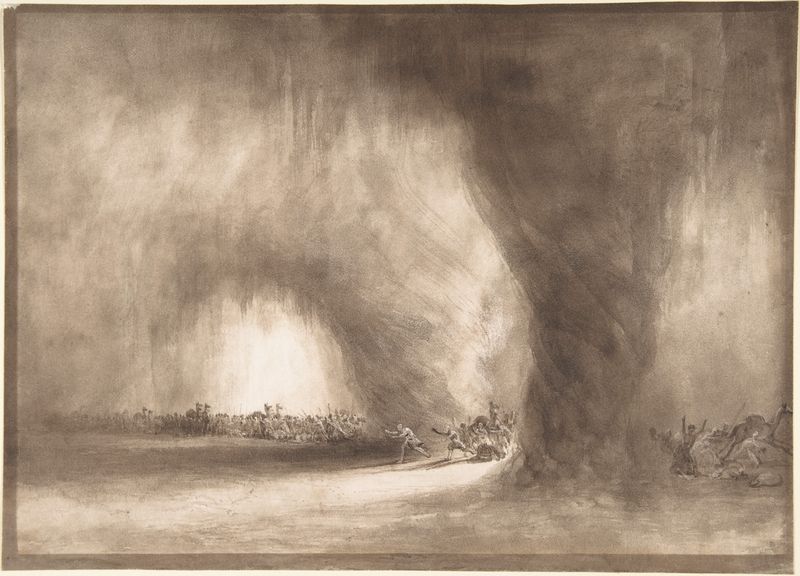
The way the brown wash creates the swirling dust cloud.
The figure on the left, holding onto his hat to keep it from blowing away.
The camel in the background, almost lost in the storm's fury.
The dramatic folds in the fabric, indicating strong wind.
1 more detail is waiting.
See all 5 in Art Whisper →Stand in front of it and listen
The full narration walks you through A column of oriental travelers scattered by a dust storm — the story behind it, the details most visitors miss, and why it matters. Free in the Art Whisper app.
William Edward West
1788–1857 · United StatesWilliam Edward West, an American portrait painter, captured the likenesses of wealthy families and collaborated with author Washington Irving.
Further Works by West
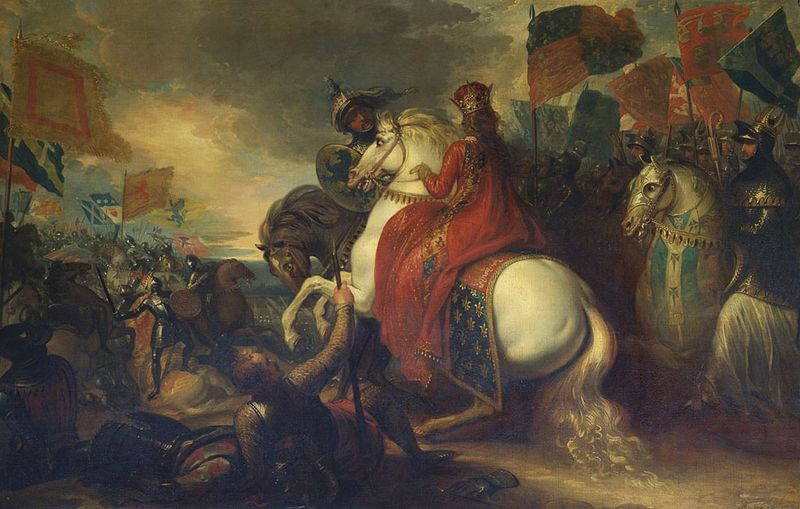 Queen Philippa at the Battle of Neville's Cross
Art Institute of Chicago
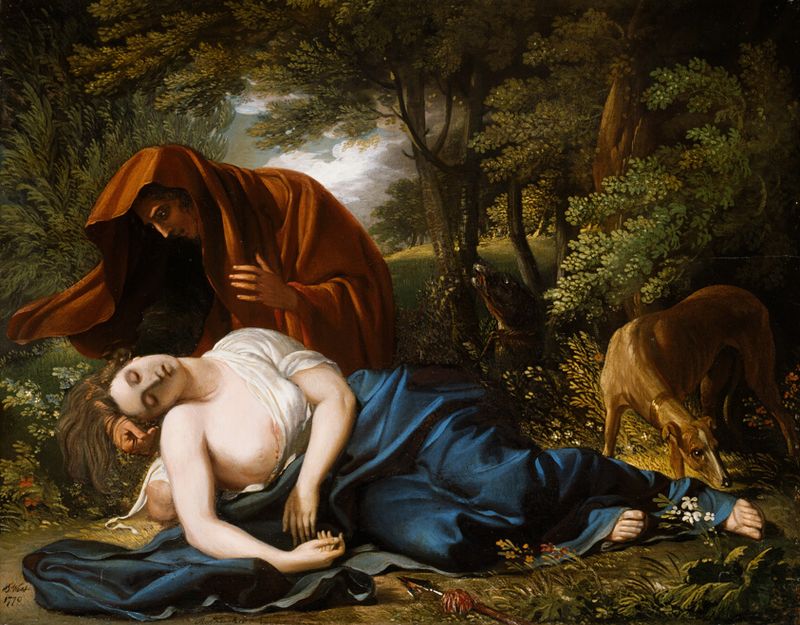 The Death of Procris
Art Institute of Chicago
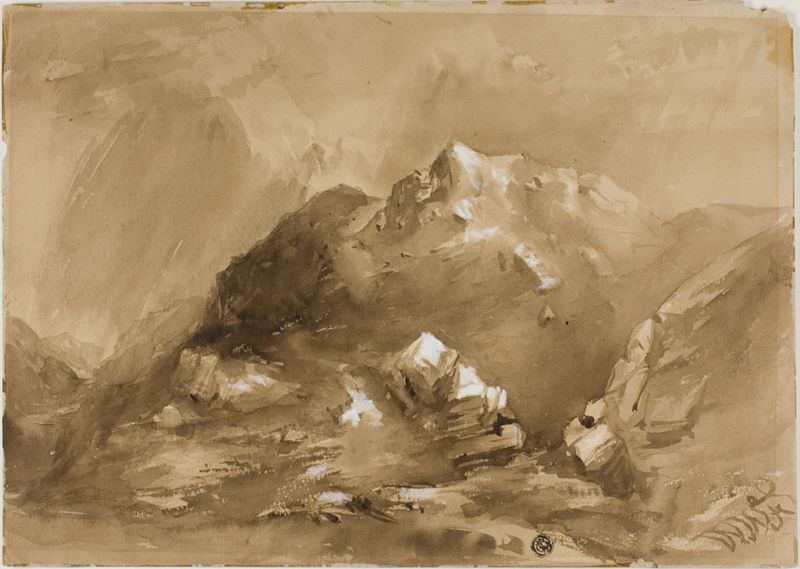 Misty Mountains
1821 · Art Institute of Chicago
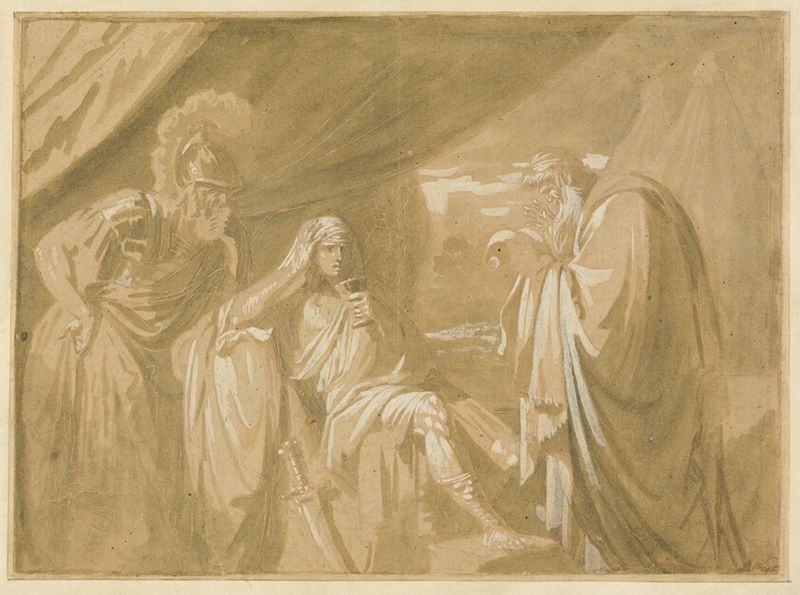 Alexander's Confidence with his Physician Philip
Art Institute of Chicago
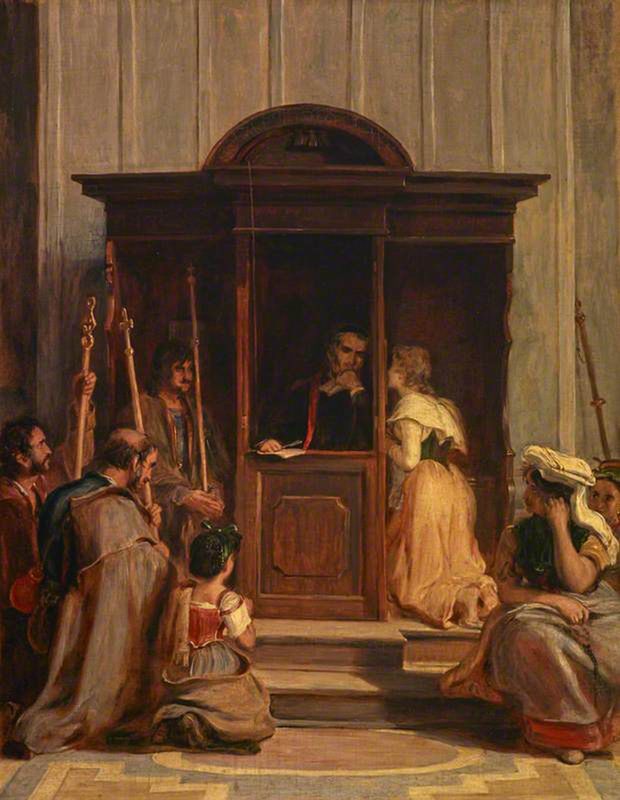 The Confessional
1847 · New York Historical
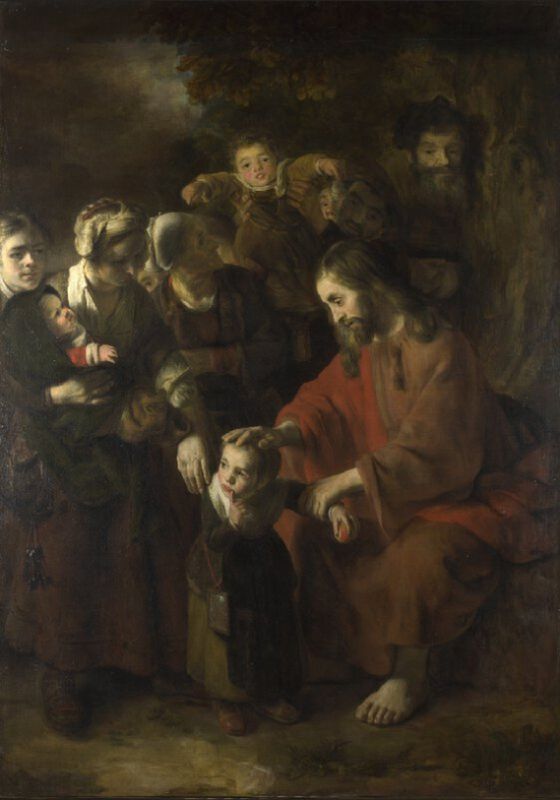 Christ Blessing the Children
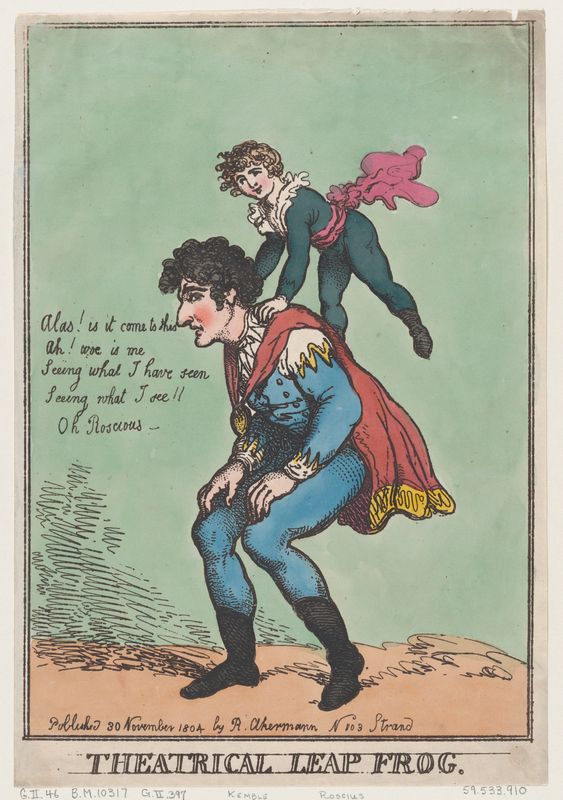 Theatrical Leap Frog
1804 · The Metropolitan Museum of Art
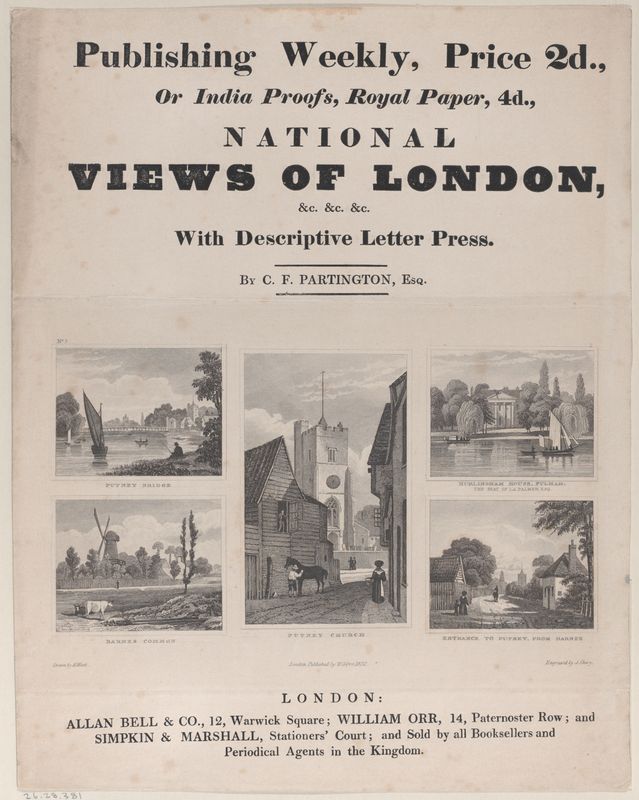 Trade Card for C. F. Partington, Printer
1832 · The Metropolitan Museum of Art
More works to explore
Beyond West: works from the same years.
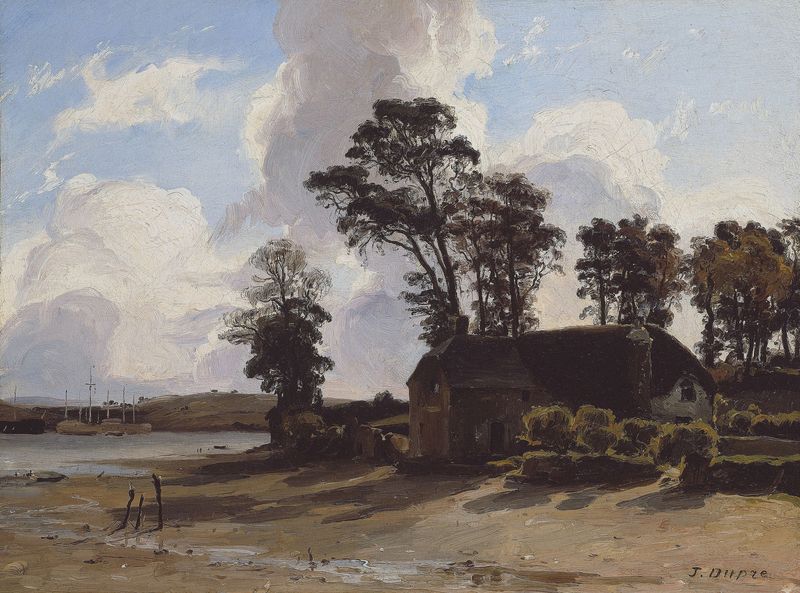 Same era · 1800s–1830s
The Estuary Farm
Léon-Victor Dupré · 1831 · Art Institute of Chicago
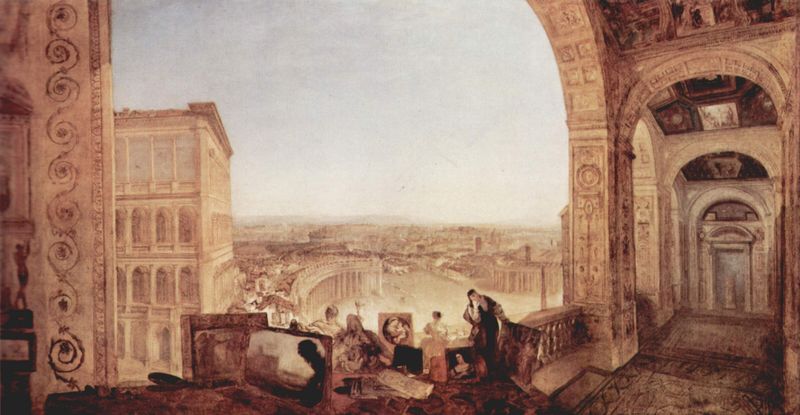 Same era · 1800s–1830s
Rome, from the Vatican. Raffaelle, Accompanied by La Fornarina, Preparing his Pictures for the Decoration of the Loggia
J. M. W. Turner · 1820 · National Gallery
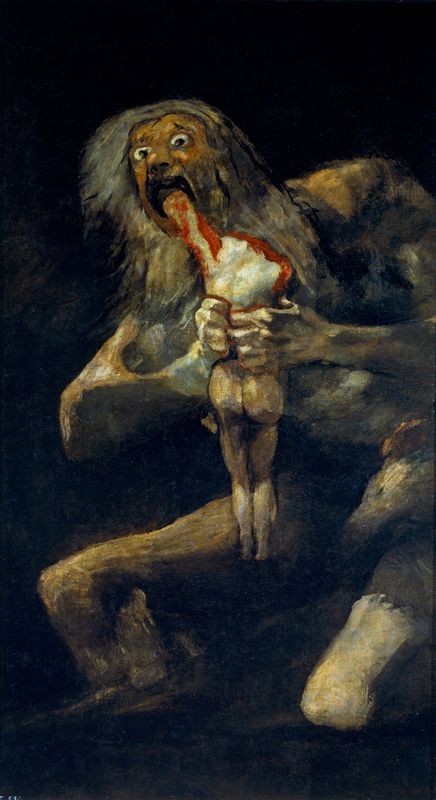 Same era · 1800s–1830s
Saturn Devouring His Son
Francisco Goya · 1820 · Museo del Prado
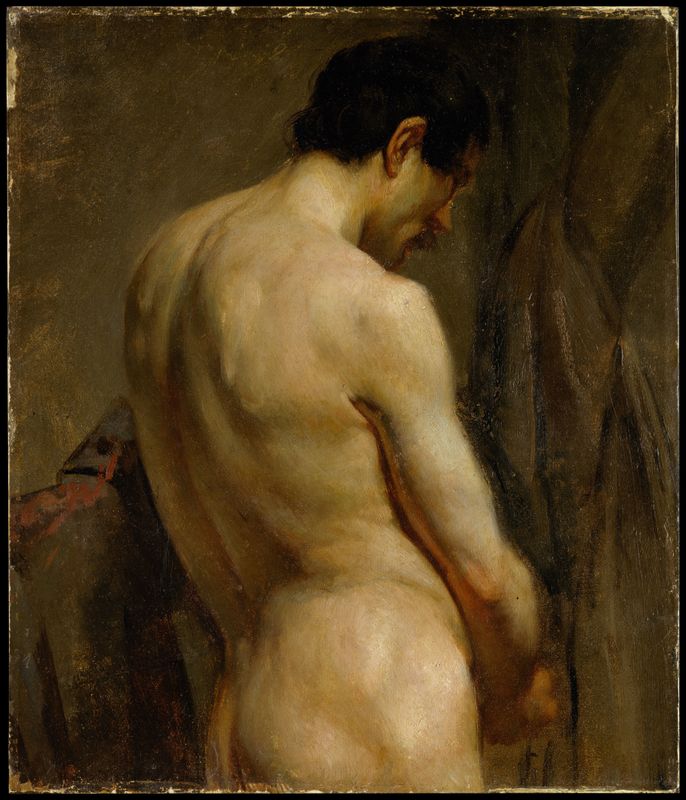 Same era · 1800s–1830s
Male Academy Figure: Half-Length, Side View
Eugène Delacroix · 1819 · Karen B. Cohen Collection
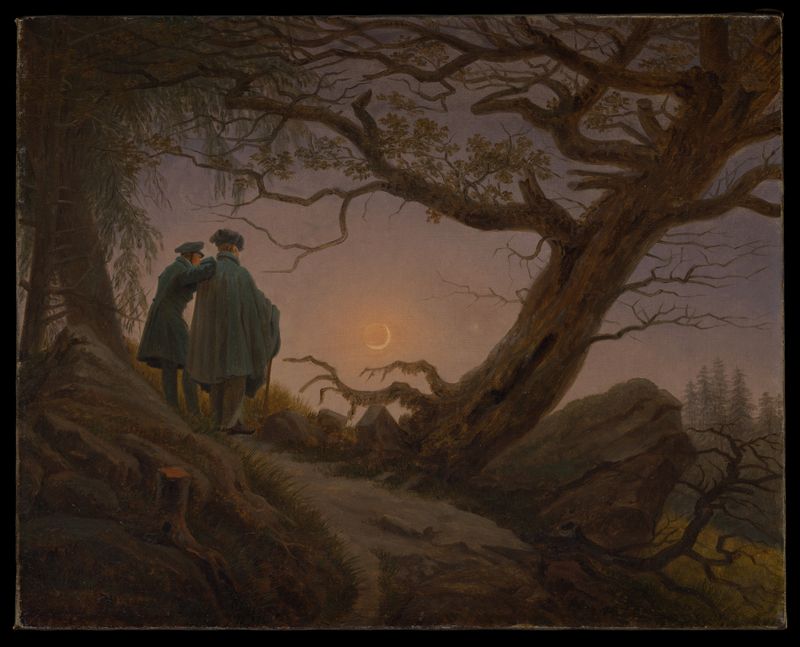 Same era · 1800s–1830s
Two Men Contemplating the Moon
Caspar David Friedrich · 1819 · Staatliche Kunstsammlungen Dresden
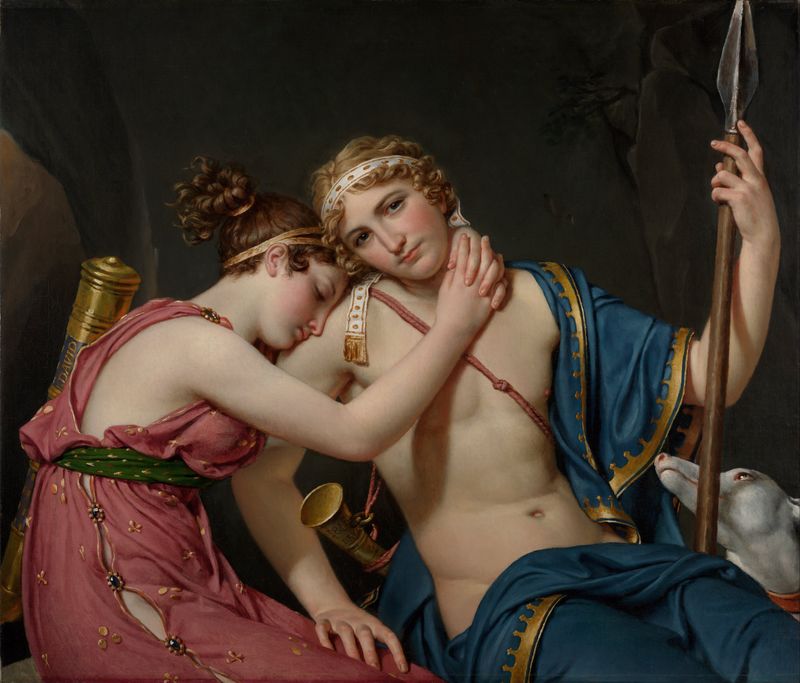 Same era · 1800s–1830s
The Farewell of Telemachus and Eucharis
Jacques-Louis David · 1818 · J. Paul Getty Museum
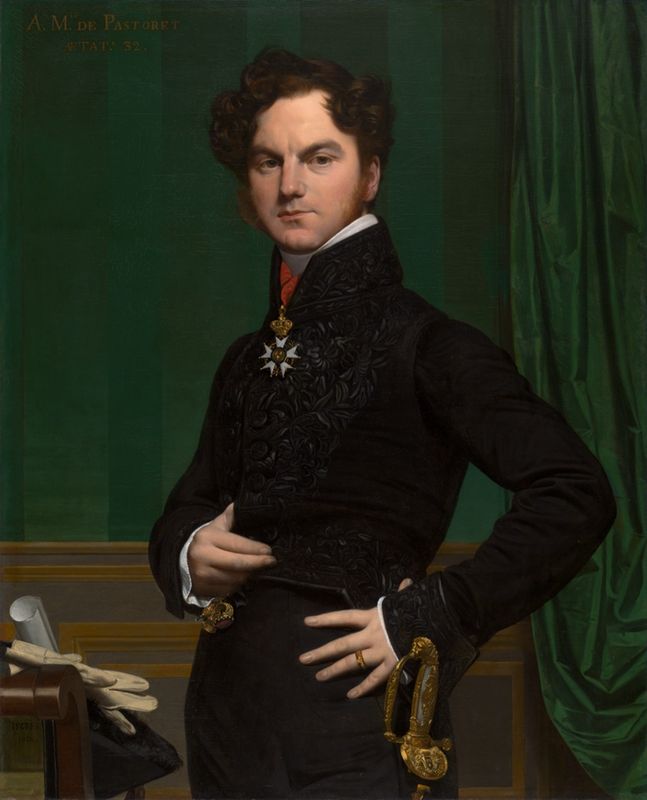 Same era · 1800s–1830s
Amédée-David, the Comte de Pastoret
Jean-Auguste-Dominique Ingres · 1823 · Art Institute of Chicago
 Same era · 1800s–1830s
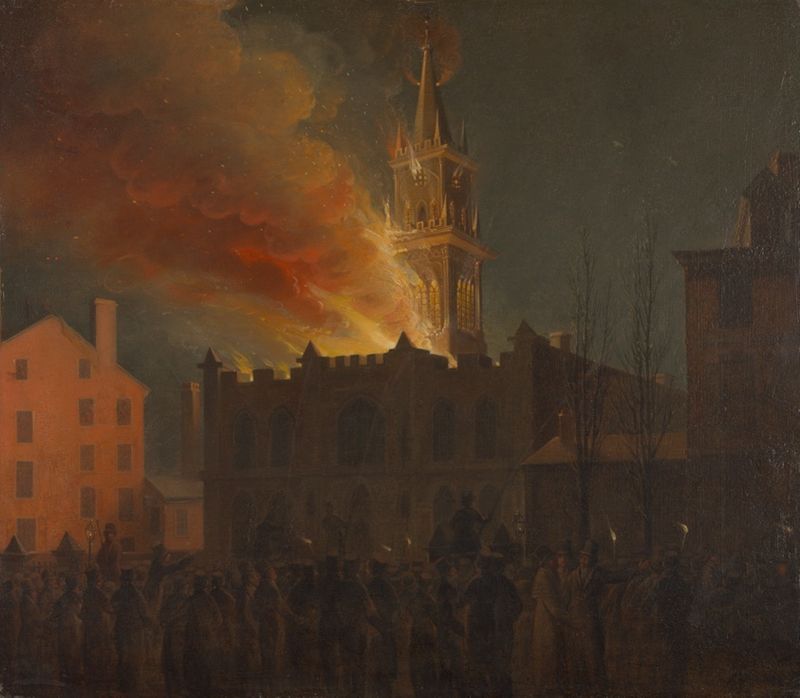
Conflagration of the Masonic Hall, Chestnut Street, Philadelphia, Pennsylvania
Samuel Jones · 1819 · Art Institute of Chicago
 Same era · 1800s–1830s
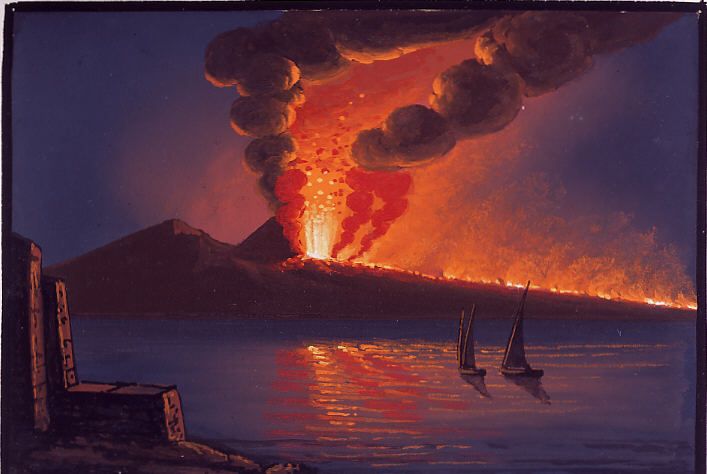
Sketchbook: Souvenir of Naples
Artist Unknown - The Mercat Cross, Aberdeen · 1821 · The Metropolitan Museum of Art
 Same era · 1800s–1830s
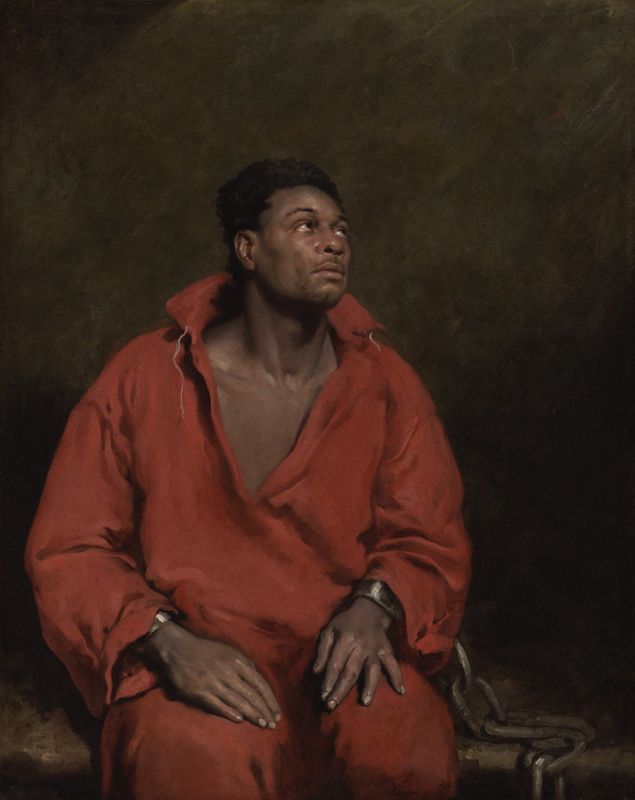
The Captive Slave (Ira Aldridge)
John Philip Simpson · 1827 · Art Institute of Chicago
 Same era · 1800s–1830s
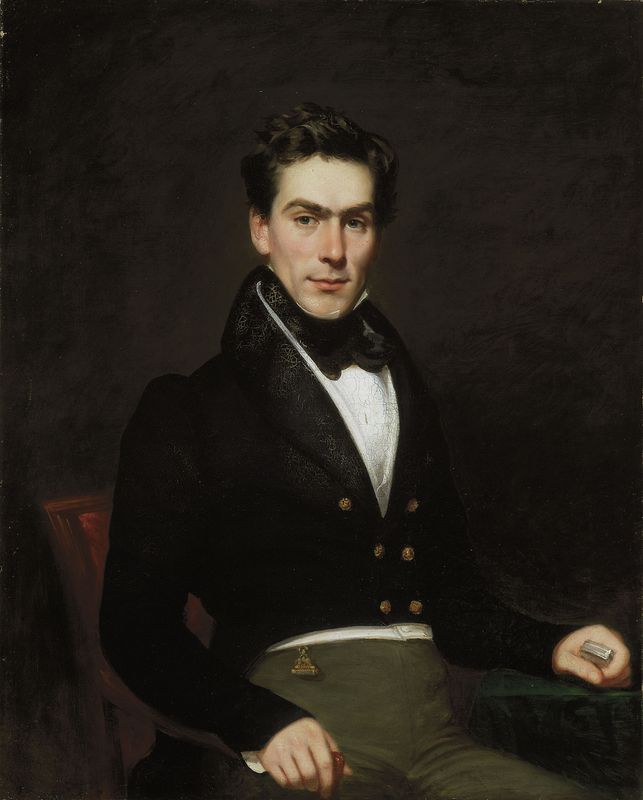
Mr. James Mackie
Samuel Alcock & Company · 1830 · Art Institute of Chicago
 Same era · 1800s–1830s
Miss Planner
John Smart of Ipswich · 1820 · Dulwich Picture Gallery