01
The crowned woman
Find the woman in the small crown at the center, arms outstretched. She links the two dancing lines and anchors the whole circle.
1 of 5 on the painting
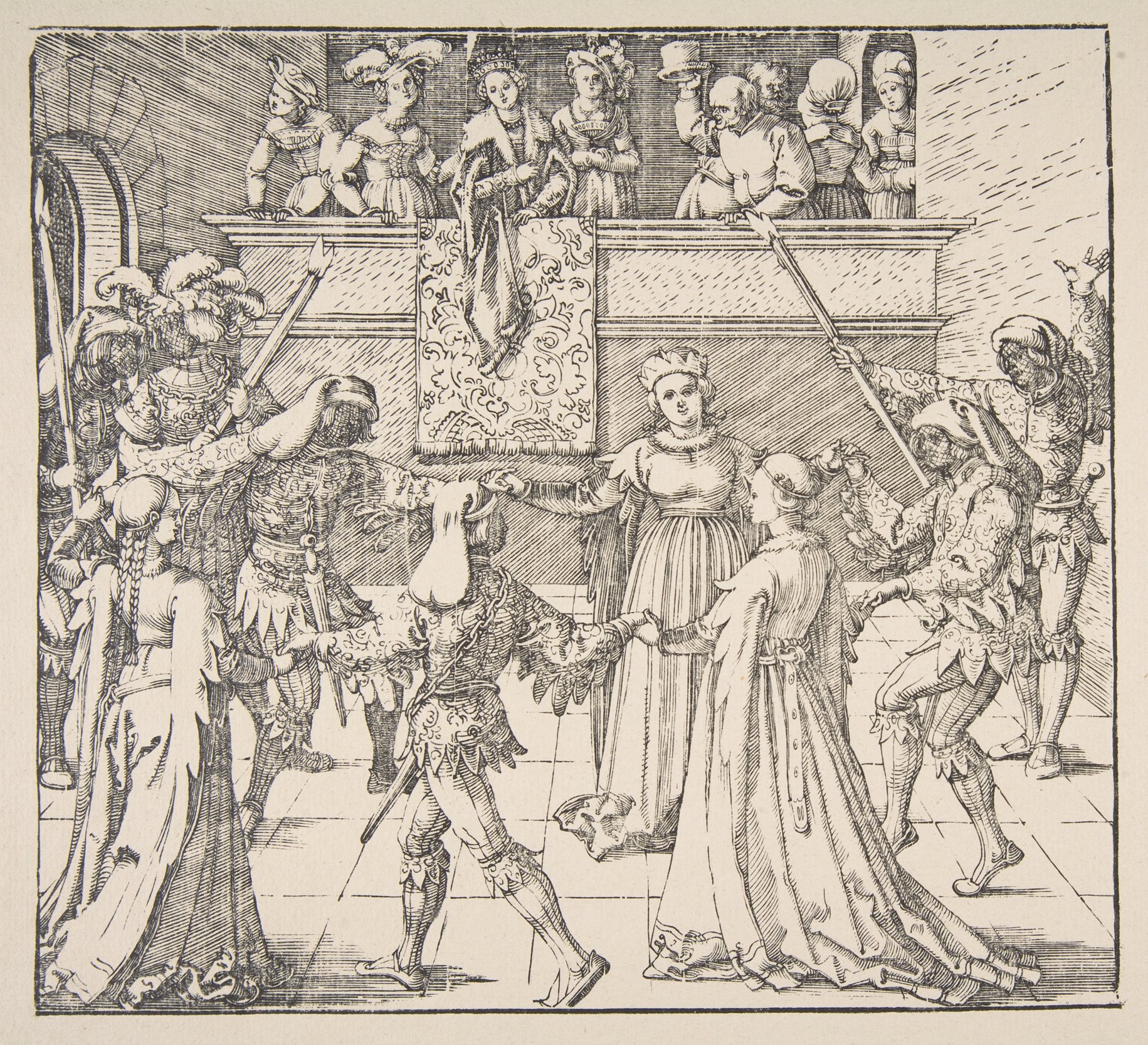
“Step into a vibrant, torchlit masquerade from the early 16th century. This woodcut captures the wild energy and theatricality of a costumed dance, using dramatic light and shadow to bring the festive scene to life.”
A lively masquerade unfolds in the darkness, illuminated dramatically by the flickering light of torches. We see figures in elaborate costumes, some with animal masks, moving through a crowded scene. The woodcut captures the chaotic energy of the dance, with bodies pressed close and limbs intertwined, suggesting a moment of uninhibited revelry. The stark contrast between light and shadow, typical of the medium, emphasizes the theatricality of the event and the fleeting nature of the torchlight. This print offers a glimpse into the social customs and festive nightlife of its era, where masks allowed for a temporary suspension of social norms and a playful exploration of identity.
Five details hide in plain sight. Pick one and we’ll show you exactly where to look.
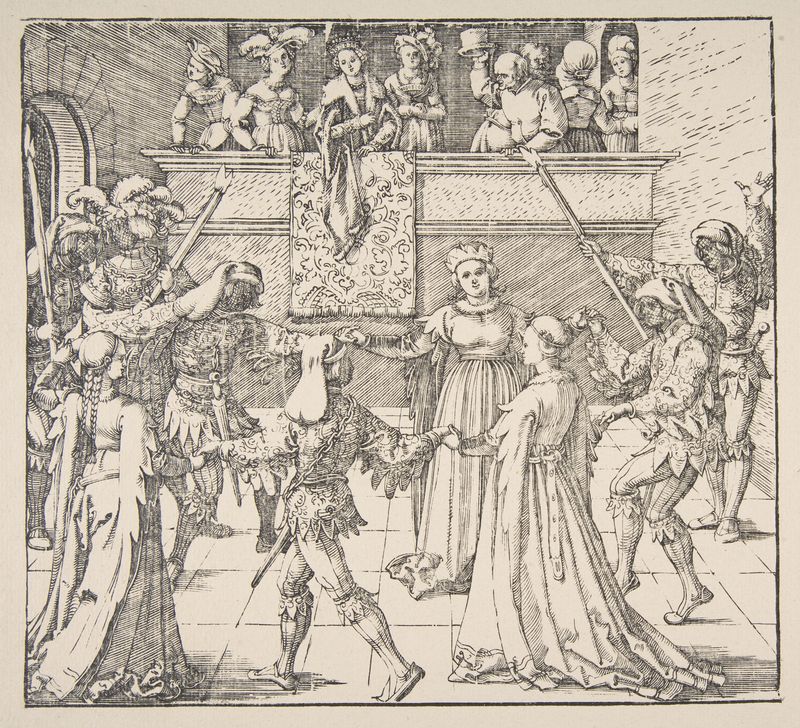
Find the woman in the small crown at the center, arms outstretched. She links the two dancing lines and anchors the whole circle.
Follow the chain of joined hands between the men and women. It leads your eye around the circle and makes the dance feel continuous.
On the dancers' costumes, tiny curling lines and jagged, cut-edged hems show how fine carved cuts can suggest rich, swirling fabric.
Two long torches slant across the scene, one at upper left and one at right. Their diagonals add energy and frame the dancers.
Look up to the ledge, where well-dressed women and a man lifting his hat watch the dance. They add a second tier of onlookers above the dancers.
The full narration walks you through Masquerade Dance with Torches — the story behind it, the details most visitors miss, and why it matters. Free in the Art Whisper app.
Renaissance master who revolutionized printmaking across Europe before turning 30.
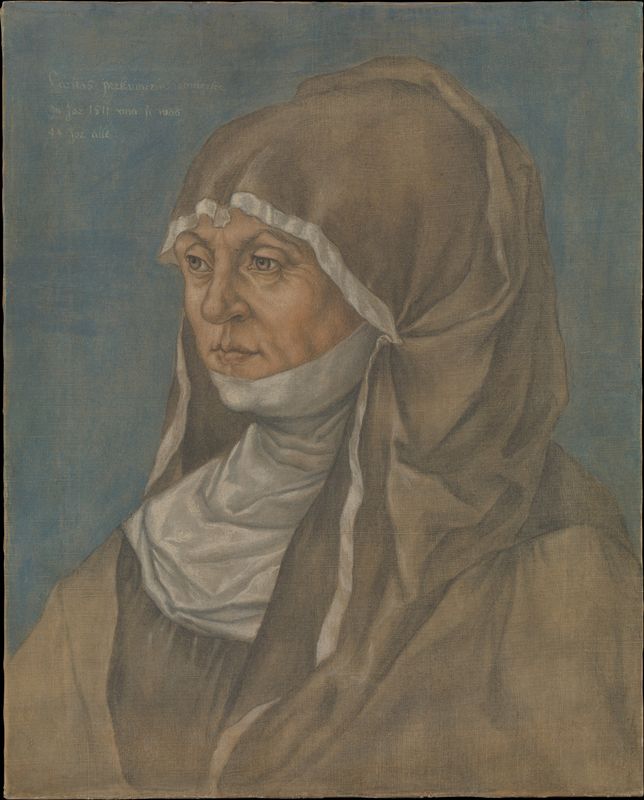 Portrait of a Woman, Said to Be Caritas Pirckheimer (1467–1532)
The Metropolitan Museum of Art
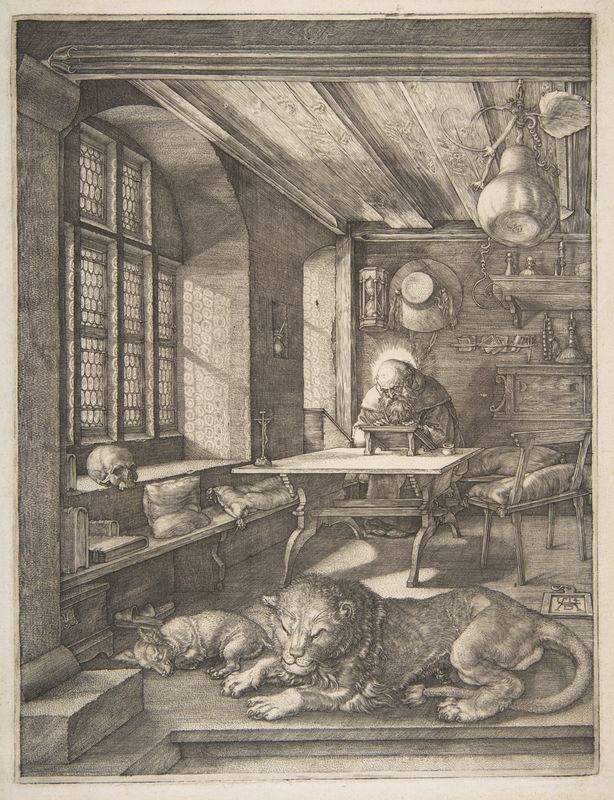 Saint Jerome in His Study
1521 · National Museum of Ancient Art
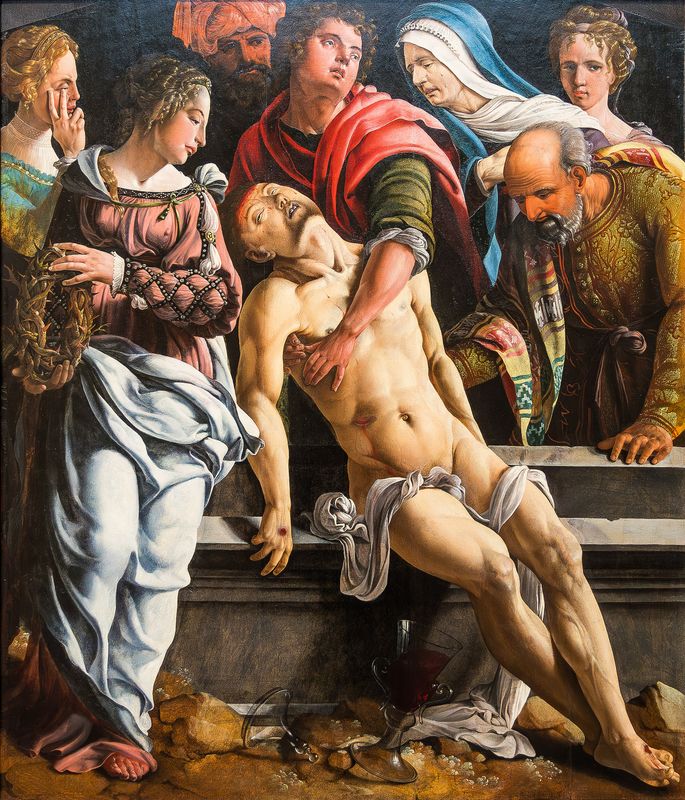 The Lamentation
1477 · The Metropolitan Museum of Art
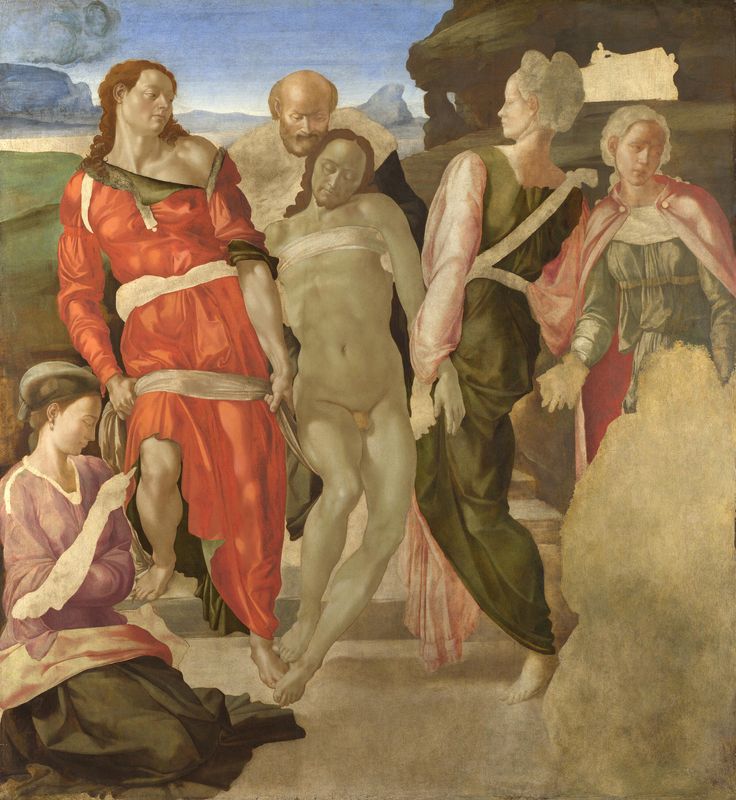 The Entombment
1485 · The Metropolitan Museum of Art
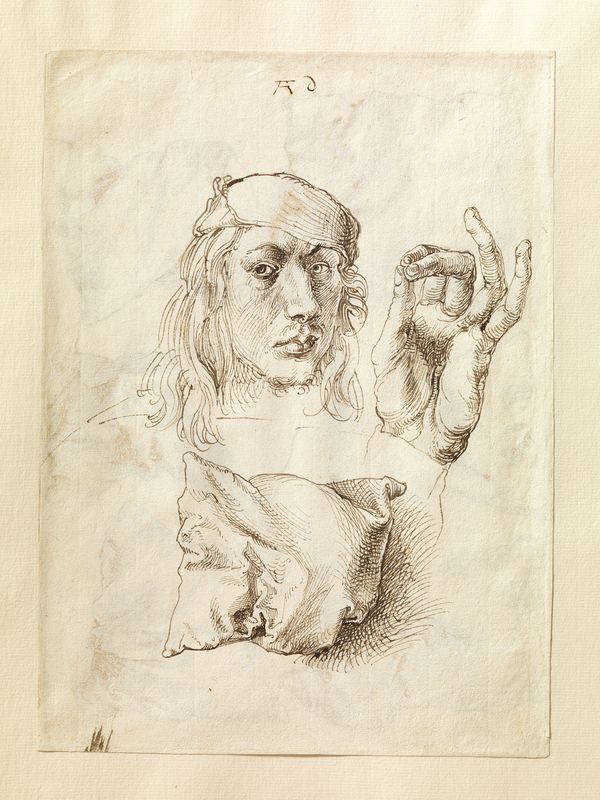 Self-portrait, Study of a Hand and a Pillow (recto); Six Studies of Pillows (verso)
1493 · The Metropolitan Museum of Art
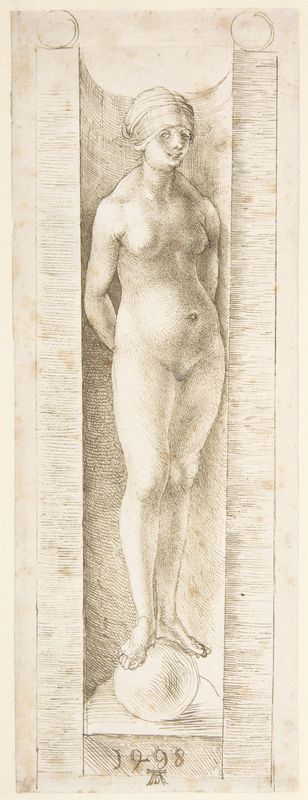 Fortuna in a Niche
1498 · The Metropolitan Museum of Art
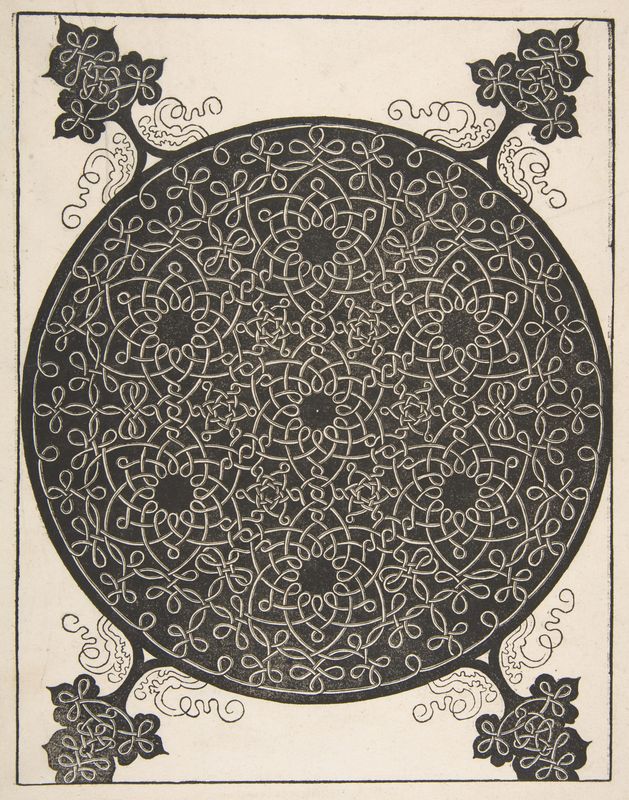 Embroidery Pattern with Seven Six-pointed Stars and Four Corner Pieces
1500 · The Metropolitan Museum of Art
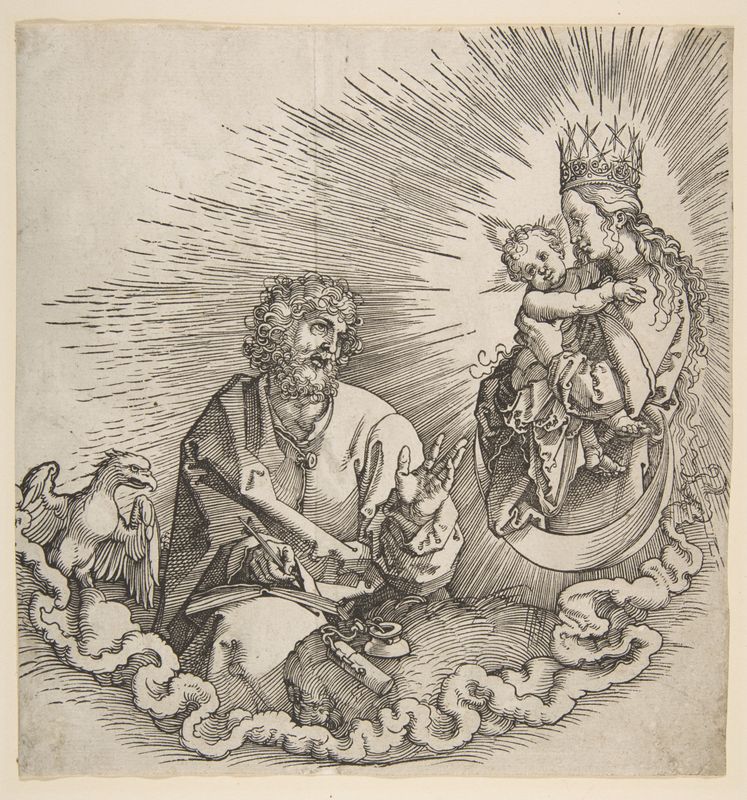 The Virgin Appearing to Saint John, Frontispiece to the Apocalypse
1511 · The Metropolitan Museum of Art