
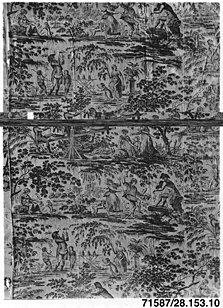
“This textile transports you to the Champs-Élysées of 1797, capturing a lively street magician and the bustling crowds of a Parisian pleasure garden. It's a snapshot of late 18th-century leisure, printed with remarkable detail.”
Step into a bustling Parisian park in this vivid copperplate-printed cotton fabric. The scene is none other than the famous Champs-Élysées, depicted here not as the grand avenue we know today, but as a lively pleasure ground where people gather for entertainment. Look closely at the central figure, the 'Escamoteur' or magician, captivating a crowd with his sleight of hand. He is surrounded by onlookers, some gazing intently, others chatting amongst themselves, all rendered with remarkable detail. This piece, created in 1797 by Favre-Petitpierre et cie, captures a moment of leisure and public spectacle from the late 18th century. The fabric's expansive design and intricate printing would have made it a luxurious furnishing, bringing the vibrancy of Parisian life directly into a home.
- Artist
- Favre-Petitpierre et cie
- Date
- 1797
- Medium
- Cotton
- Location
- The Metropolitan Museum of Art
- Dimensions
- L. 122 x W. 61 inches 309.9 x 154.9 cm
- Collection
- European Sculpture and Decorative Arts
- Culture
- French, Nantes
- Credit line
- Gift of William Sloane Coffin, 1928
What to Notice
Five details hide in plain sight. Here’s where to look.
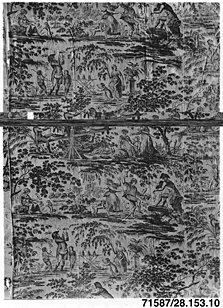
The magician's table, laden with props for his act.
Children playing games and watching the magician with wide eyes.
Elegant figures strolling through the park, dressed in period fashion.
A small dog playfully darting through the crowd.
1 more detail is waiting.
See all 5 in Art Whisper →Stand in front of it and listen
The full narration walks you through Les Champs Elysées or L'Escamoteur — the story behind it, the details most visitors miss, and why it matters. Free in the Art Whisper app.
Favre-Petitpierre et cie
French textile firm that turned cotton yardage into narrative art, printing Homer and Napoleon onto your curtains.
Further Works by cie
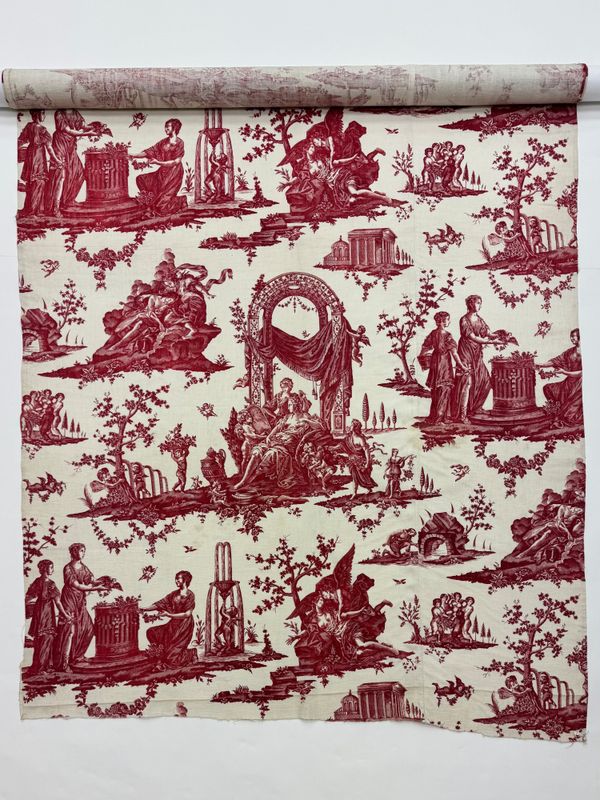 "Venus à sa Toilette"
1770 · The Metropolitan Museum of Art
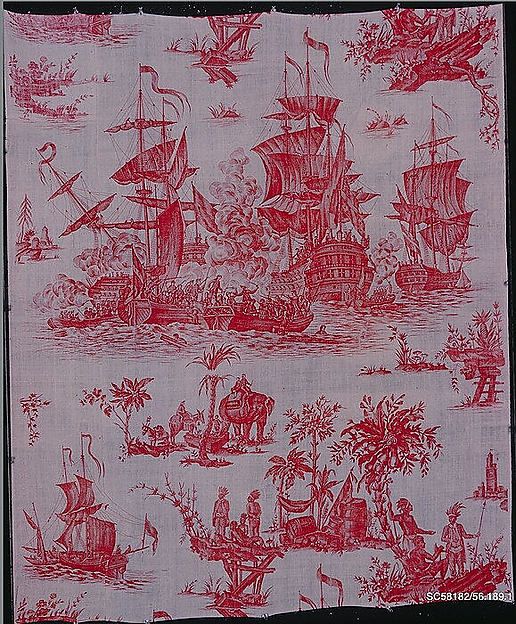 "Battle between the Héros and the Superb"
1778 · The Metropolitan Museum of Art
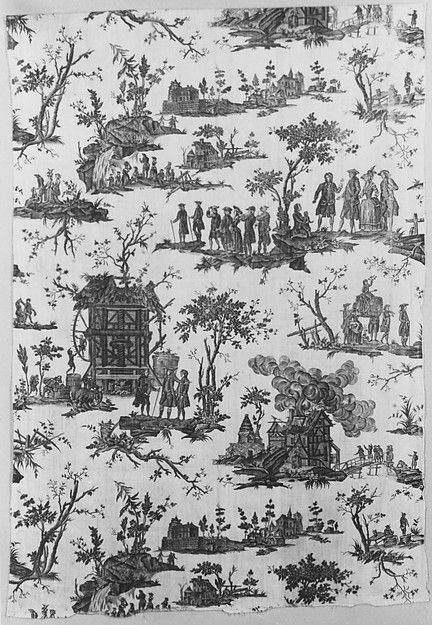 "La Maison Brulante"
1780 · The Metropolitan Museum of Art
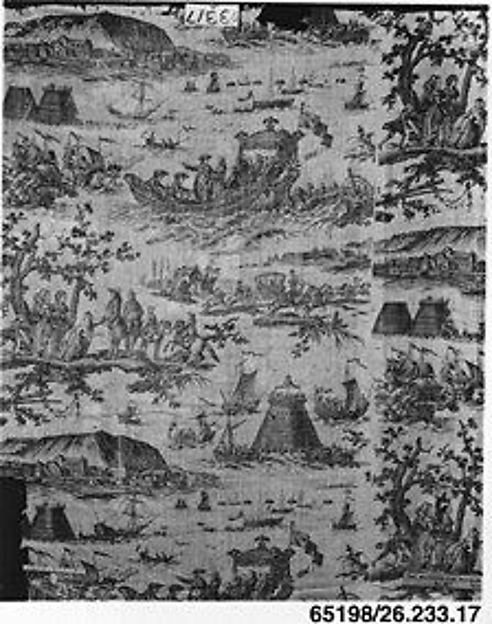 "Le Port de Cherbourg"
1781 · The Metropolitan Museum of Art
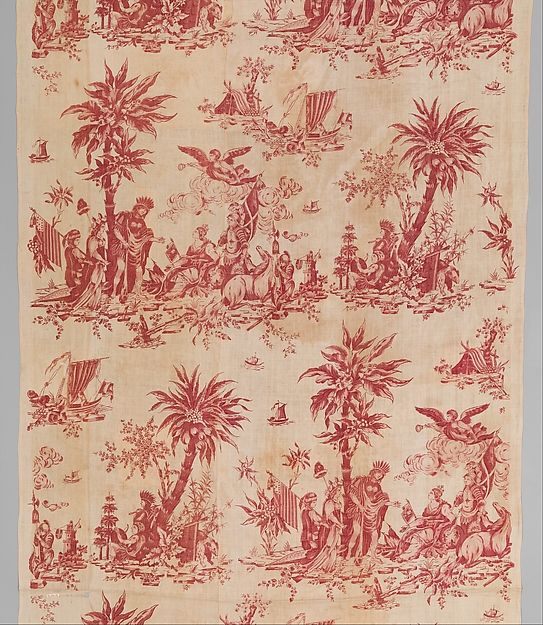 "Panurge dans l'île des lanternes"
1781 · The Metropolitan Museum of Art
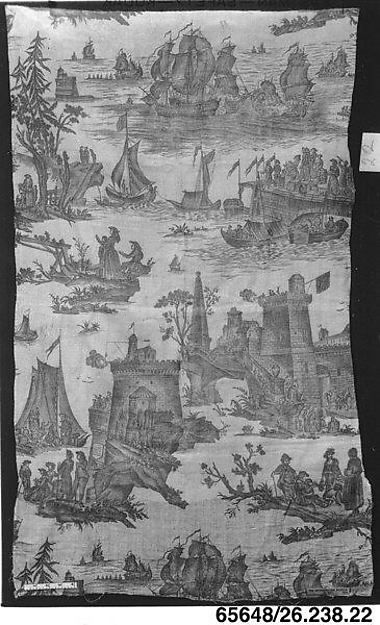 "Le Combat de la Motte-Picquet à la Martinique"
1783 · The Metropolitan Museum of Art
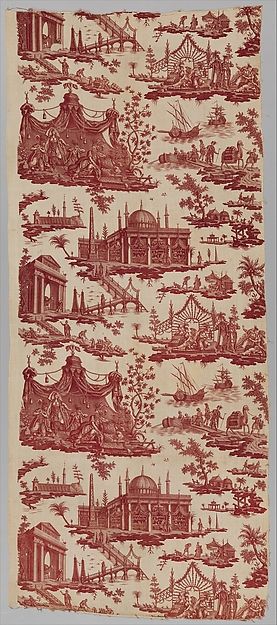 La Foire du Caire (The Cairo Fair)
1785 · The Metropolitan Museum of Art
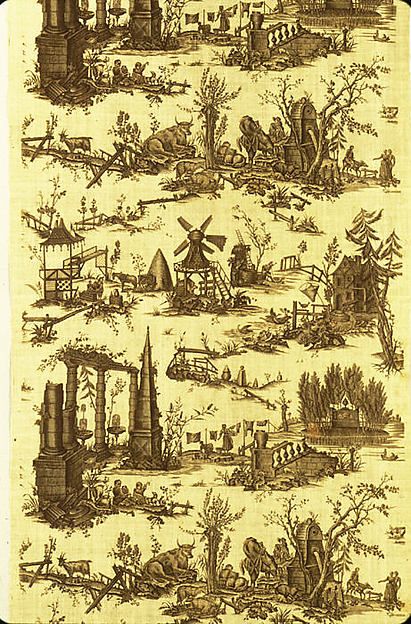 "Tomb of Rousseau"
1785 · The Metropolitan Museum of Art
More works to explore
Beyond cie: works from the same years.
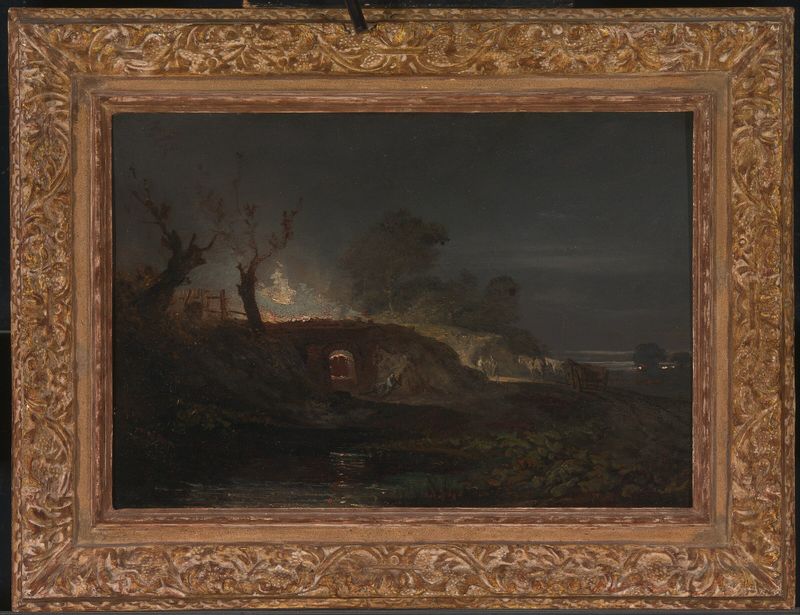 Same era · 1780s–1810s
A Limekiln, Possibly at Briton Ferry in South Wales
J. M. W. Turner · 1797 · Yale Center for British Art
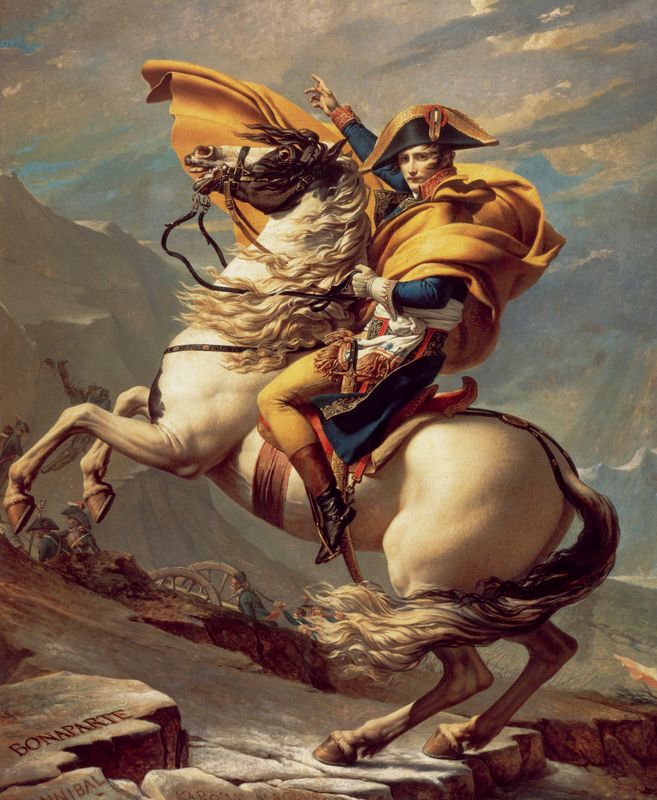 Same era · 1780s–1810s
Napoleon Crossing the Alps
Jacques-Louis David · 1800 · Musée national de Malmaison et Bois-Préau
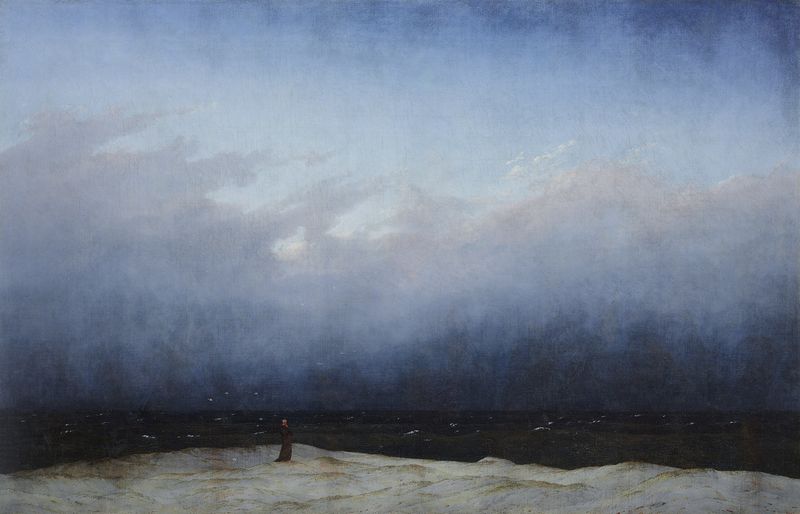 Same era · 1780s–1810s
The Monk by the Sea
Caspar David Friedrich · 1800 · Alte Nationalgalerie
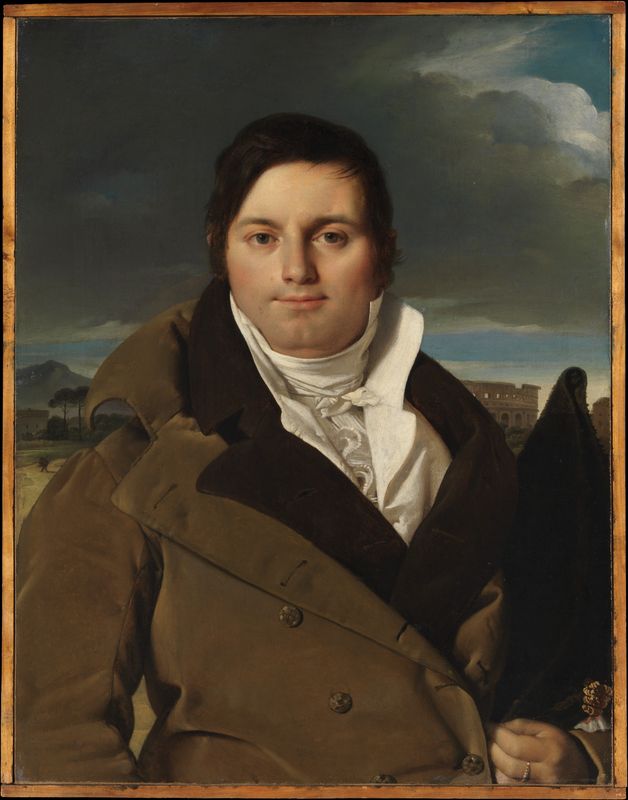 Same era · 1780s–1810s
Joseph-Antoine Moltedo (born 1775)
Jean-Auguste-Dominique Ingres · 1805 · The Metropolitan Museum of Art
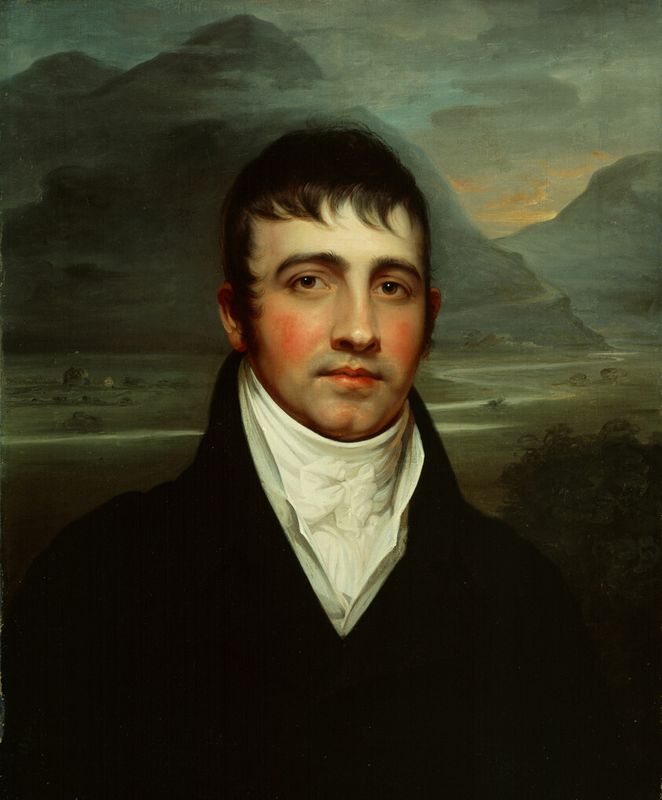 Same era · 1780s–1810s
Samuel Fisher Bradford
Rembrandt Peale · 1803 · Art Institute of Chicago
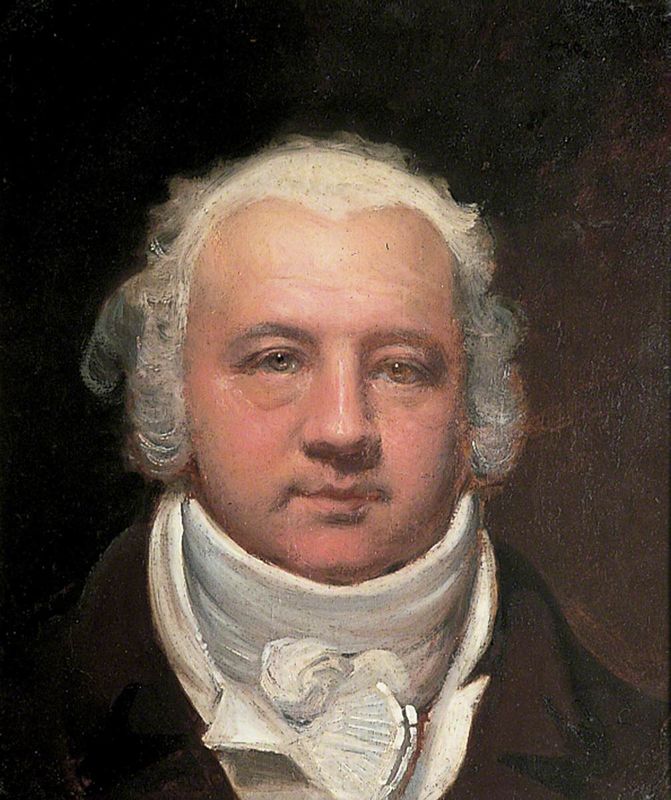 Same era · 1780s–1810s
John Blake (1770–1810), Mayor of Maidstone (1799)
Samuel Drummond · 1799 · Maidstone Museum and Bentlif Art Gallery
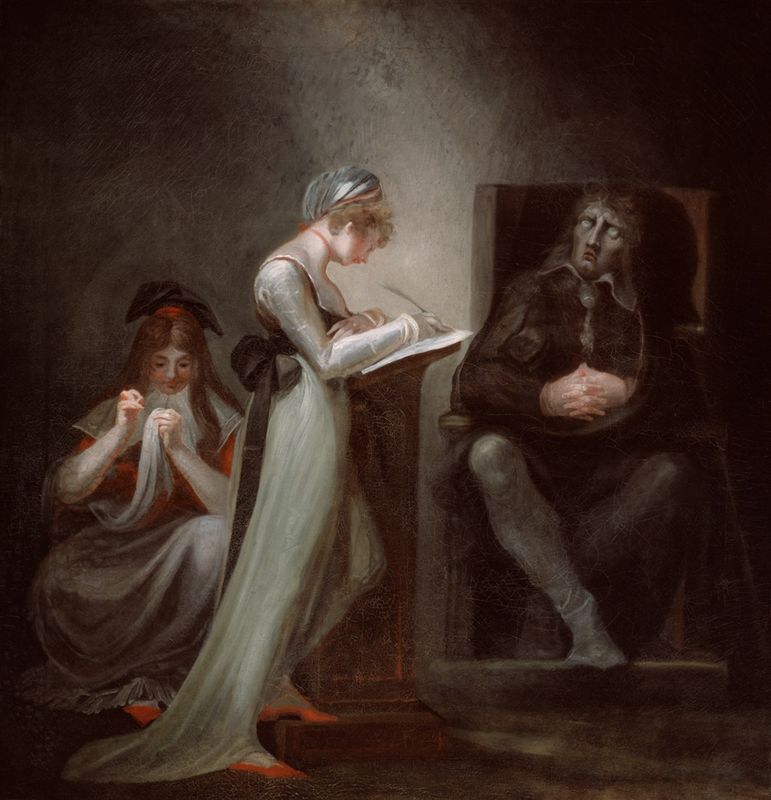 Same era · 1780s–1810s
Milton Dictating to His Daughter
Henry Fuseli · 1794 · Art Institute of Chicago
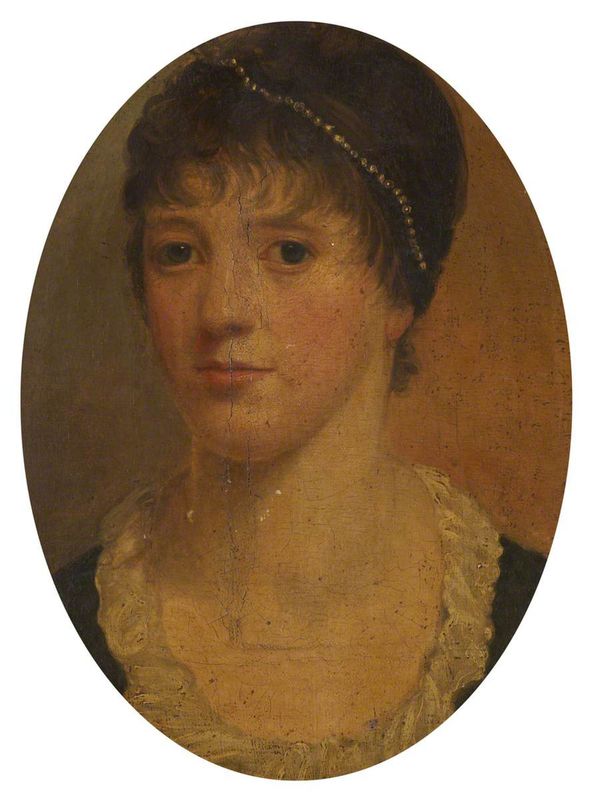 Same era · 1780s–1810s
Mrs Jackson
Thomas Stewardson · 1800 · Abbot Hall Art Gallery
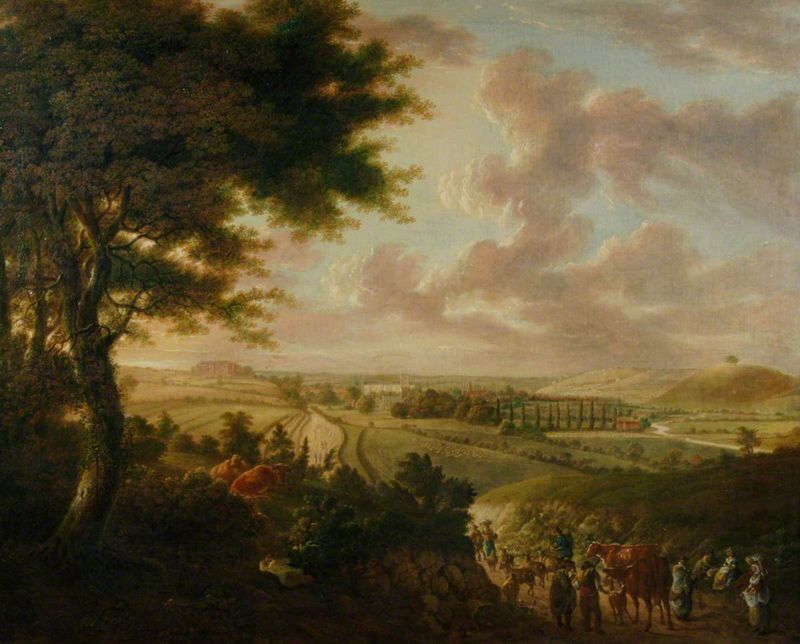 Same era · 1780s–1810s
Winchester from the South
Tobias Young · 1803 · Winchester Guildhall
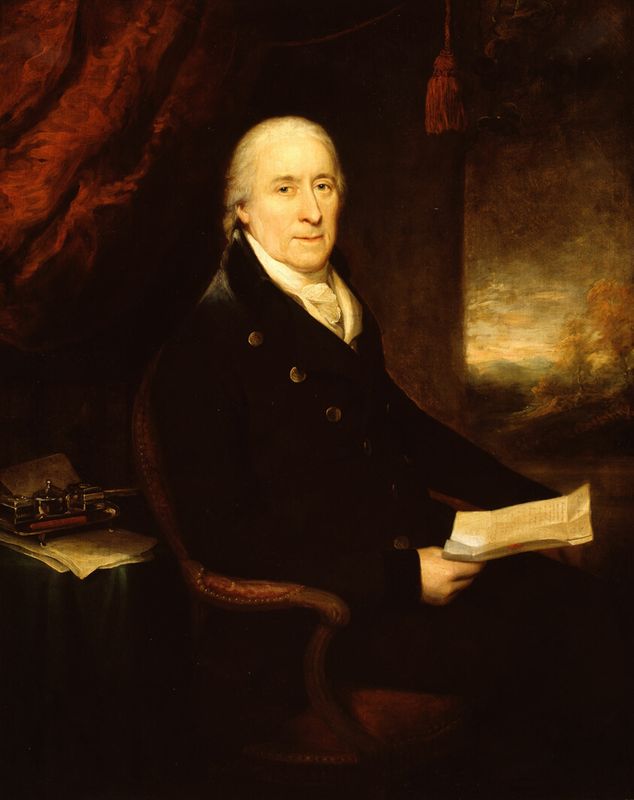 Same era · 1780s–1810s
Portrait of a Man
Benjamin West · 1790 · Art Institute of Chicago
 Same era · 1780s–1810s
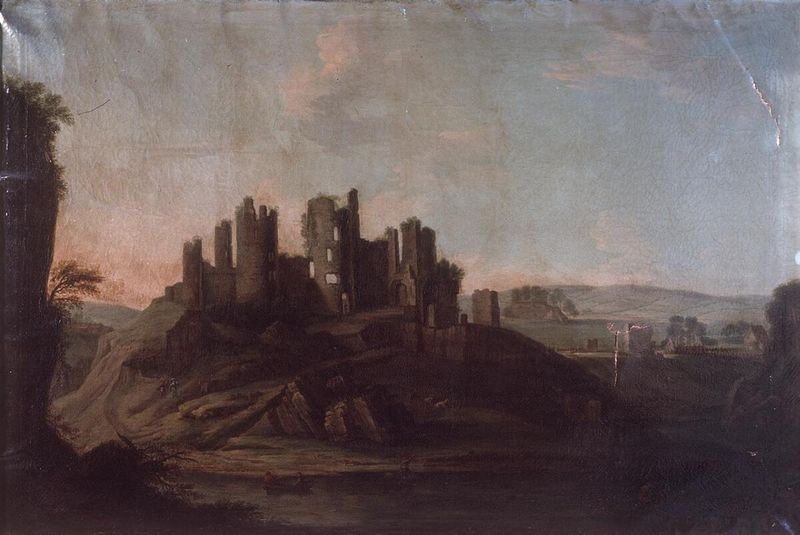
Cilgerran Castle
William Havell · 1805 · National Museum Cardiff
 Same era · 1780s–1810s
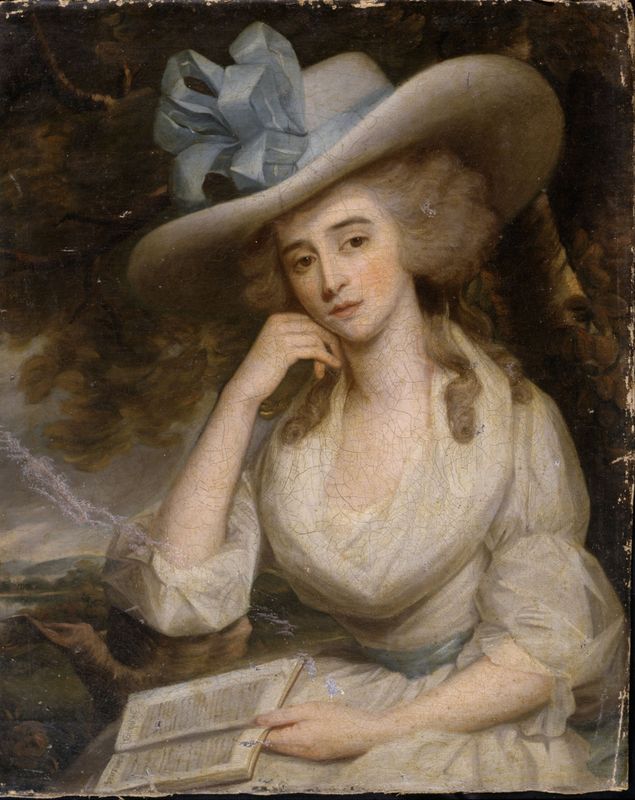
Mrs John Smart I
John Smart of Ipswich · 1785 · Dulwich Picture Gallery