
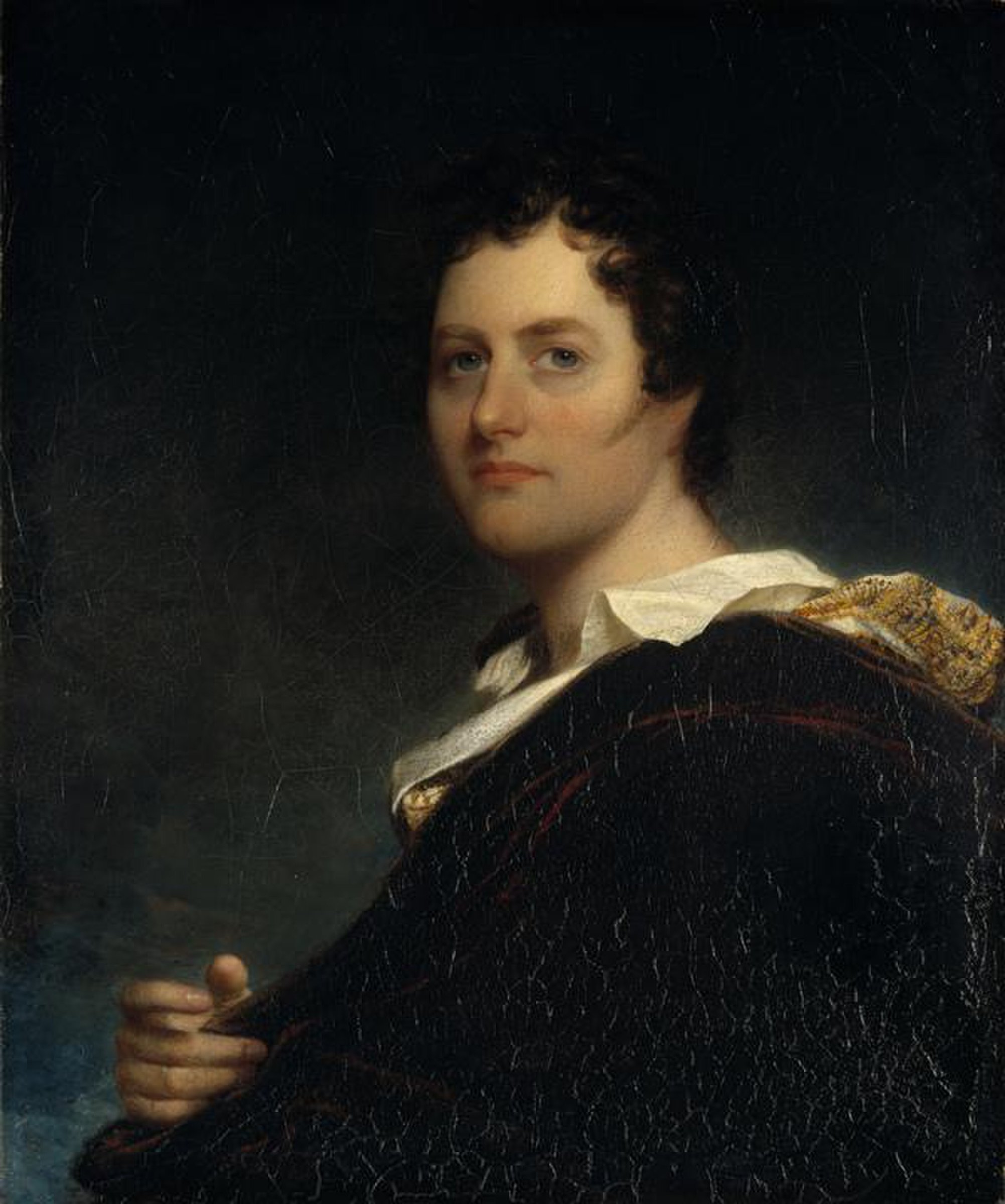
“This intimate portrait captures Lord Byron, the iconic Romantic poet, in a moment of quiet intensity, inviting us to look closely at the man behind the legend. It's a rare chance to see a contemporary depiction of one of literature's most compelling figures.”
Lord Byron, the famous Romantic poet, gazes out at us with a thoughtful, perhaps melancholic, expression in this portrait. His dark, curly hair frames a pale face, and his open collar hints at a relaxed, yet intense, personality. The artist captures a moment of quiet introspection, allowing us to connect with the literary icon on a personal level. Painted in 1822, this work emerged during a period of Byron's life marked by both immense fame and personal turmoil. The subdued palette and direct gaze emphasize the poet's presence, making him feel immediate and accessible. This painting offers a window into the public image and private world of one of the 19th century's most influential figures.
- Artist
- William Edward West
- Date
- 1822
- Location
- National Galleries Scotland
What to Notice
Five details hide in plain sight. Here’s where to look.
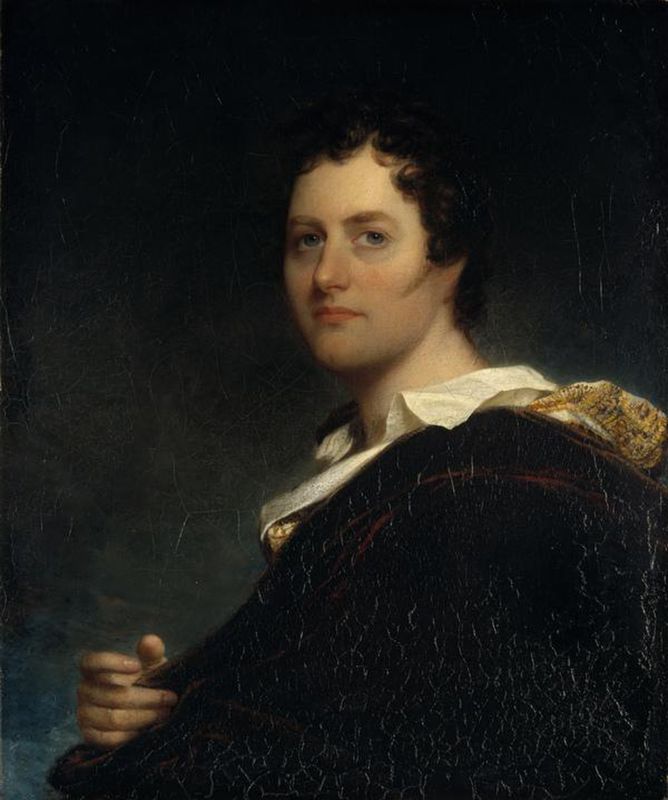
The poet's slightly parted lips, as if about to speak or having just paused.
The subtle shadows under his eyes, suggesting weariness or deep thought.
The loose, unbuttoned collar, a detail often associated with Romantic figures.
The way his dark hair contrasts with his pale skin, drawing attention to his face.
1 more detail is waiting.
See all 5 in Art Whisper →Stand in front of it and listen
The full narration walks you through George Gordon, 6th Lord Byron, 1788 - 1824. Poet — the story behind it, the details most visitors miss, and why it matters. Free in the Art Whisper app.
William Edward West
1788–1857 · United StatesWilliam Edward West, an American portrait painter, captured the likenesses of wealthy families and collaborated with author Washington Irving.
Further Works by West
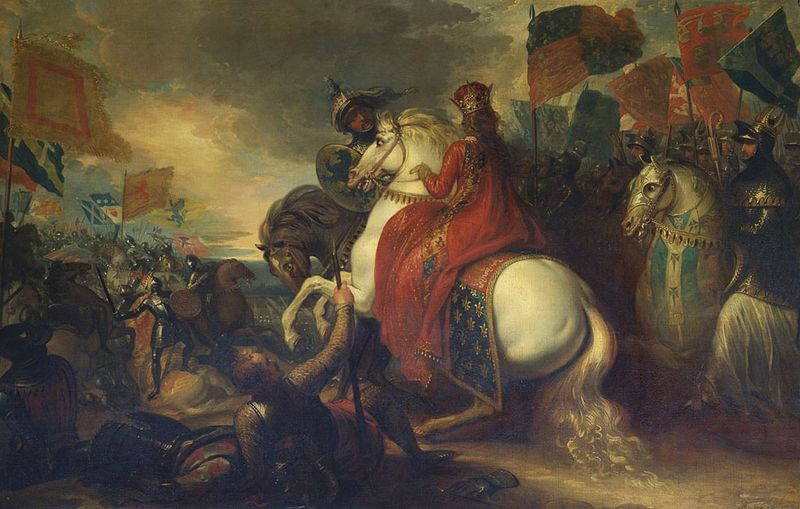 Queen Philippa at the Battle of Neville's Cross
Art Institute of Chicago
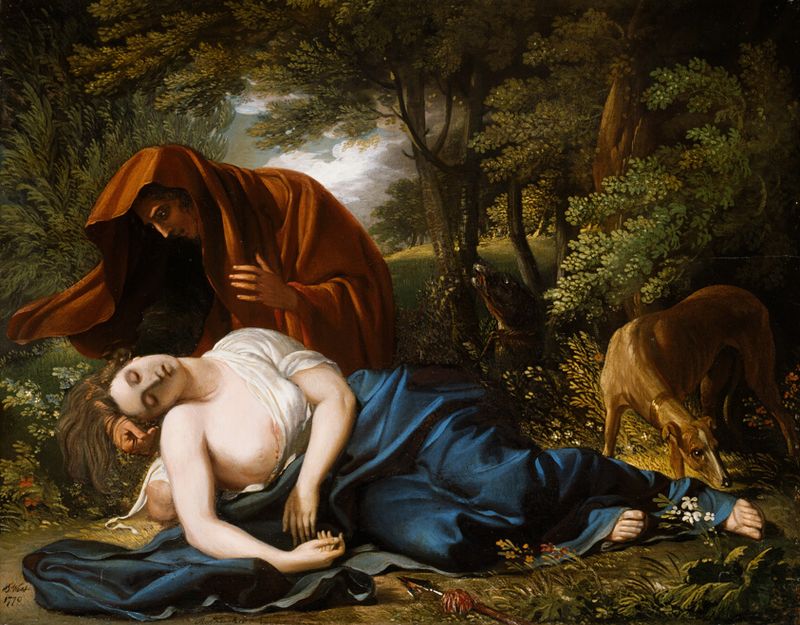 The Death of Procris
Art Institute of Chicago
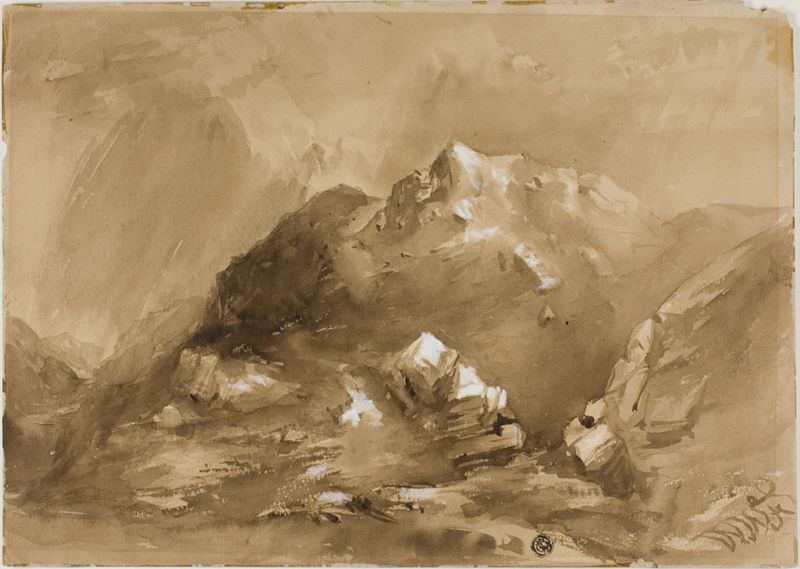 Misty Mountains
1821 · Art Institute of Chicago
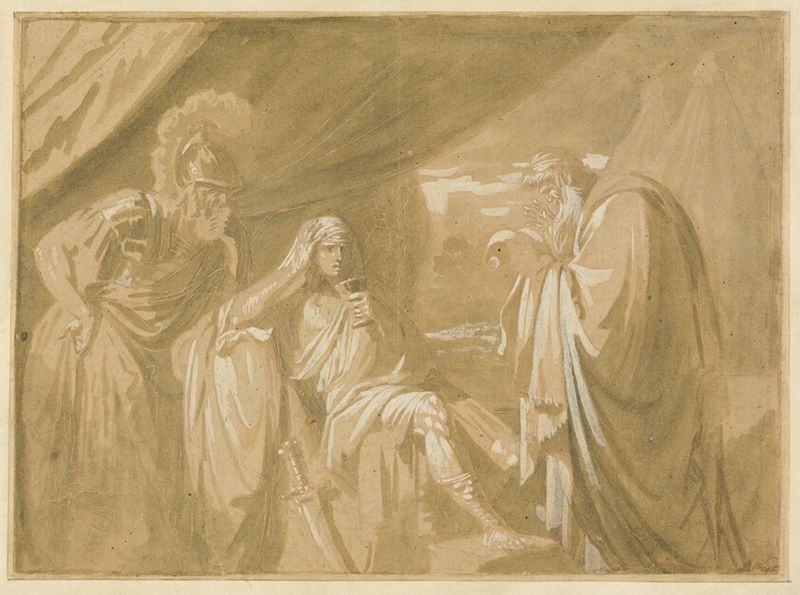 Alexander's Confidence with his Physician Philip
Art Institute of Chicago
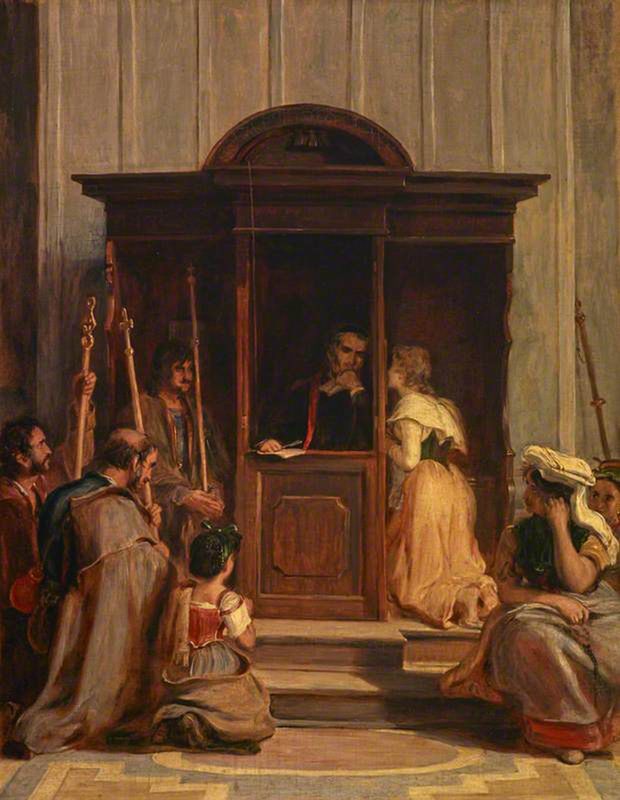 The Confessional
1847 · New York Historical
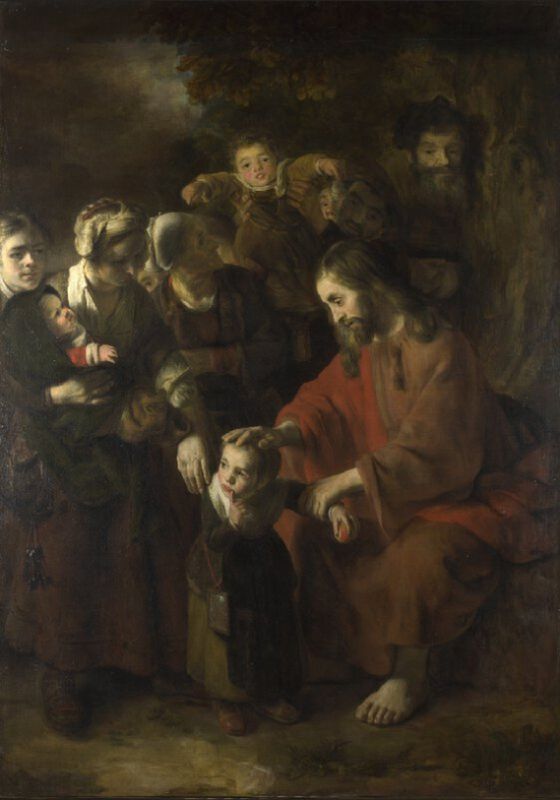 Christ Blessing the Children
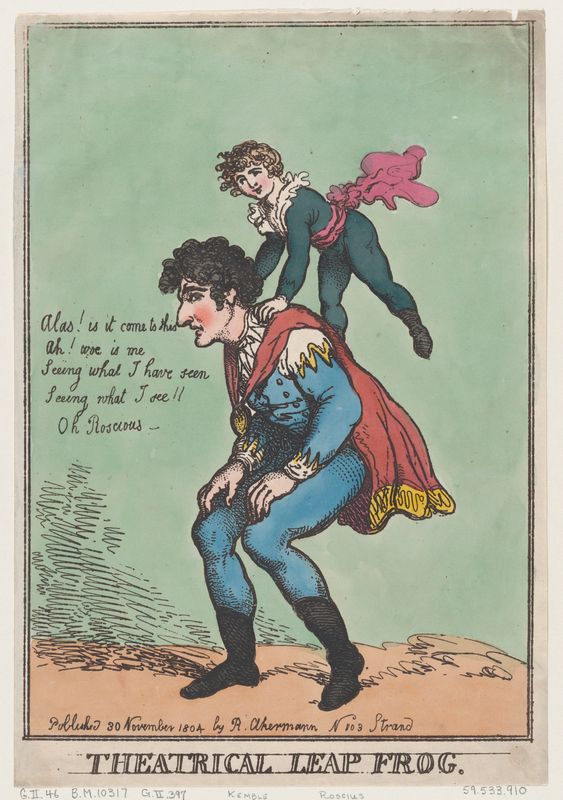 Theatrical Leap Frog
1804 · The Metropolitan Museum of Art
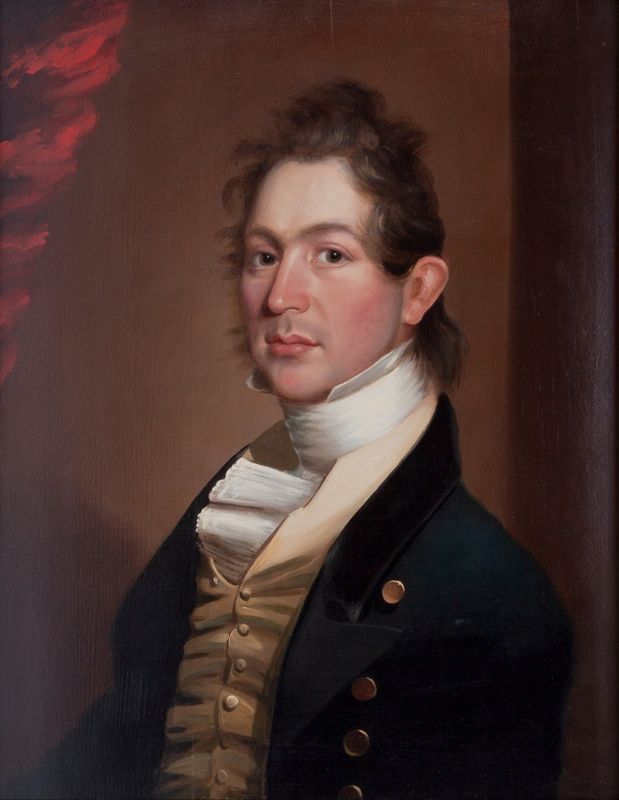 Thomas R. Fosdick
1818 · Cincinnati Museum Center at Union Terminal
More works to explore
Beyond West: works from the same years.
 Same era · 1800s–1830s
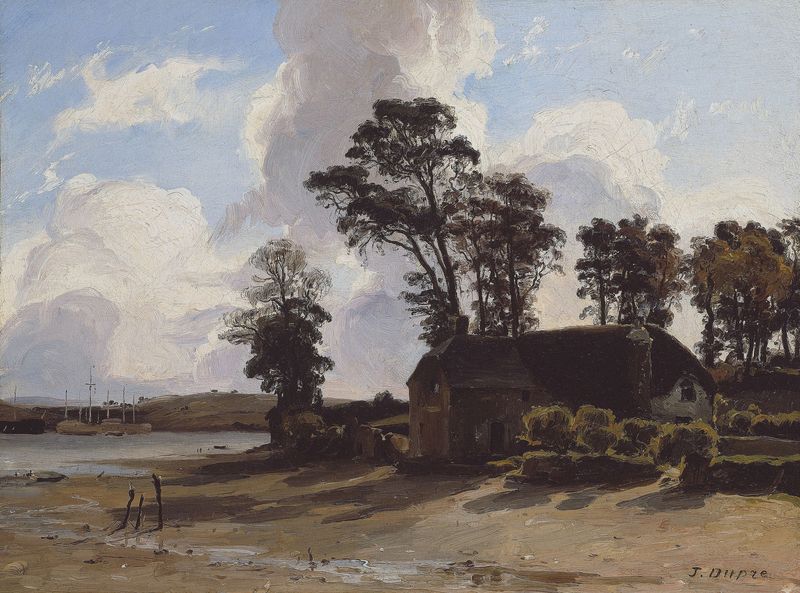
The Estuary Farm
Léon-Victor Dupré · 1831 · Art Institute of Chicago
 Same era · 1800s–1830s
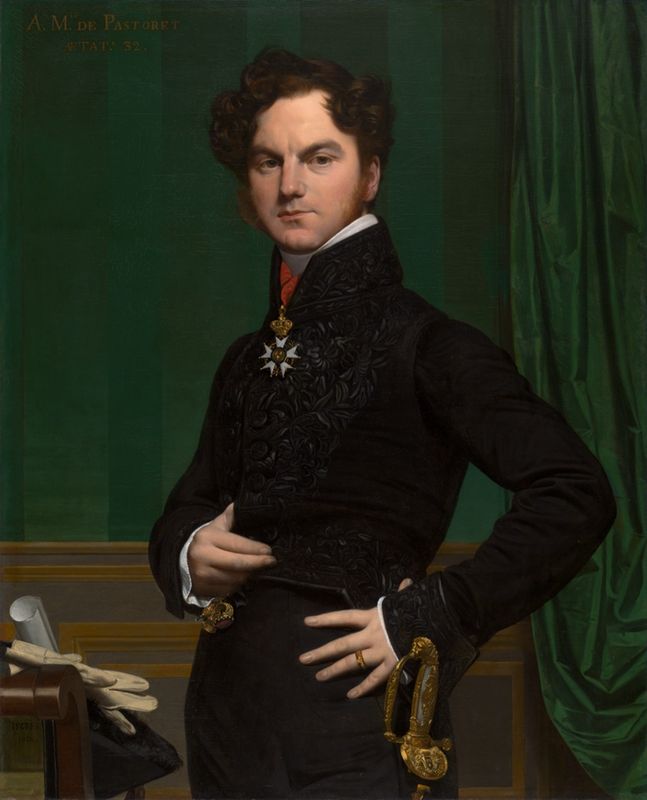
Amédée-David, the Comte de Pastoret
Jean-Auguste-Dominique Ingres · 1823 · Art Institute of Chicago
 Same era · 1800s–1830s
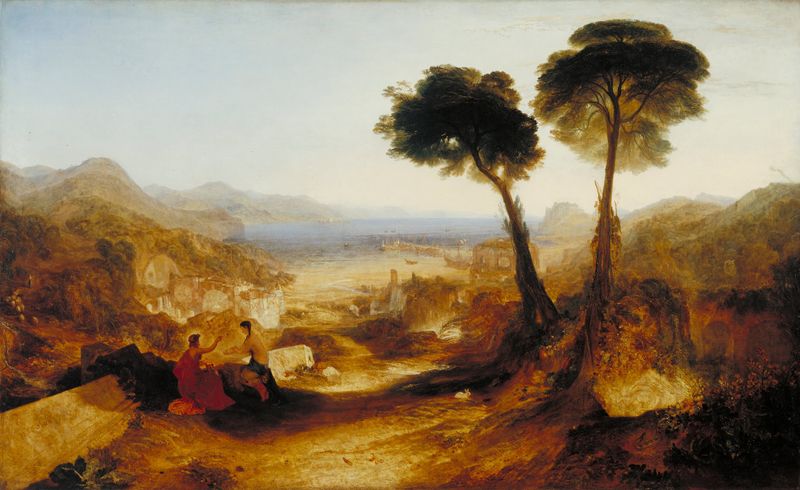
The Bay of Baiae, with Apollo and the Sibyl
J. M. W. Turner · 1823 · National Gallery
 Same era · 1800s–1830s
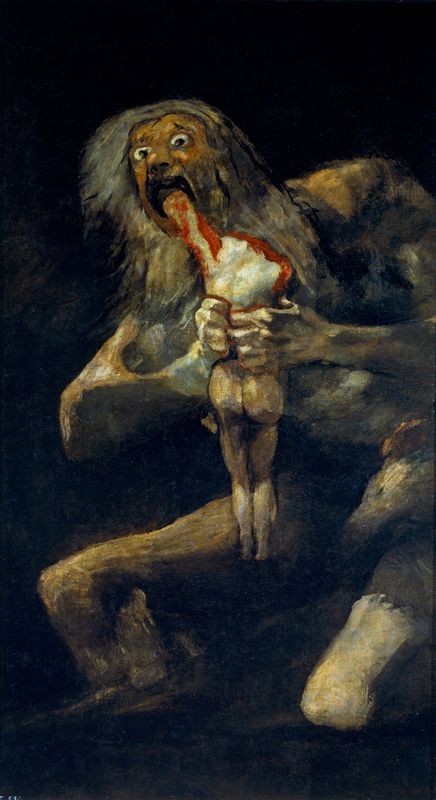
Saturn Devouring His Son
Francisco Goya · 1820 · Museo del Prado
 Same era · 1800s–1830s
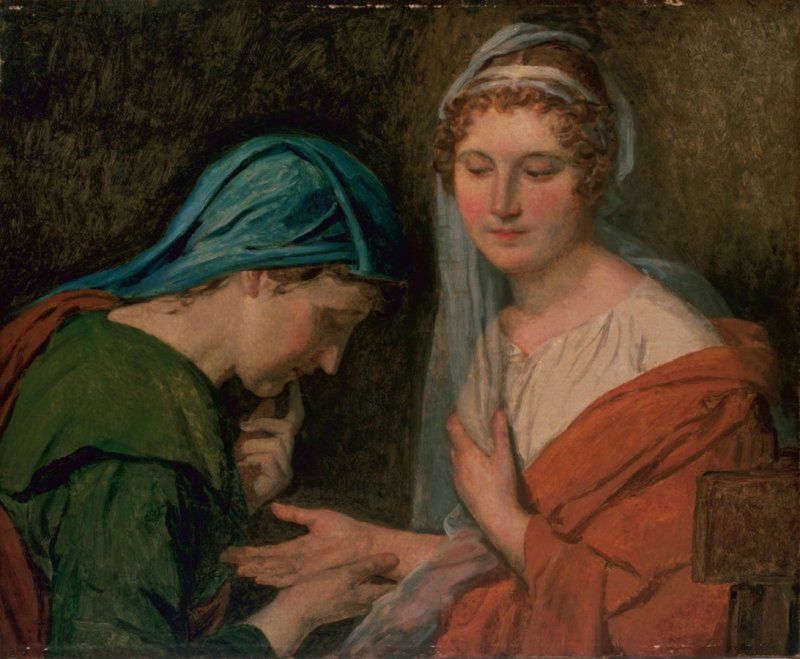
The Fortune Teller (La Bonne Aventure)
Jacques-Louis David · 1824 · Fine Arts Museums of San Francisco
 Same era · 1800s–1830s
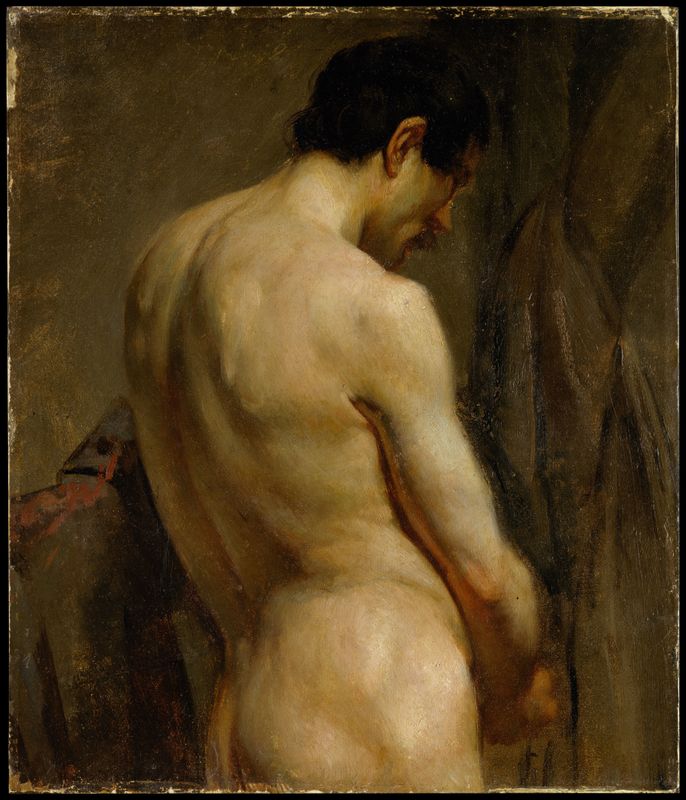
Male Academy Figure: Half-Length, Side View
Eugène Delacroix · 1819 · Karen B. Cohen Collection
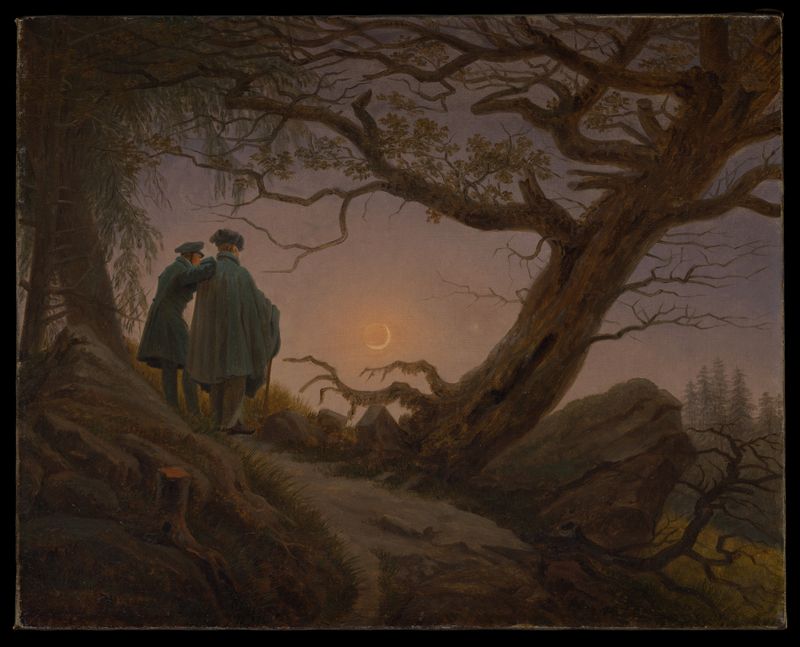 Same era · 1800s–1830s
Two Men Contemplating the Moon
Caspar David Friedrich · 1819 · Staatliche Kunstsammlungen Dresden
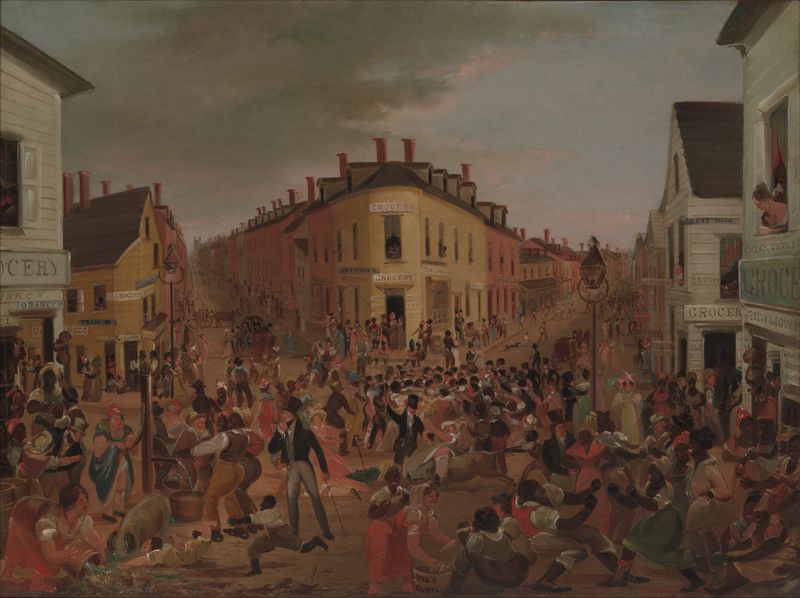 Same era · 1800s–1830s
The Five Points
Artist Unknown - The Mercat Cross, Aberdeen · 1822 · The Metropolitan Museum of Art
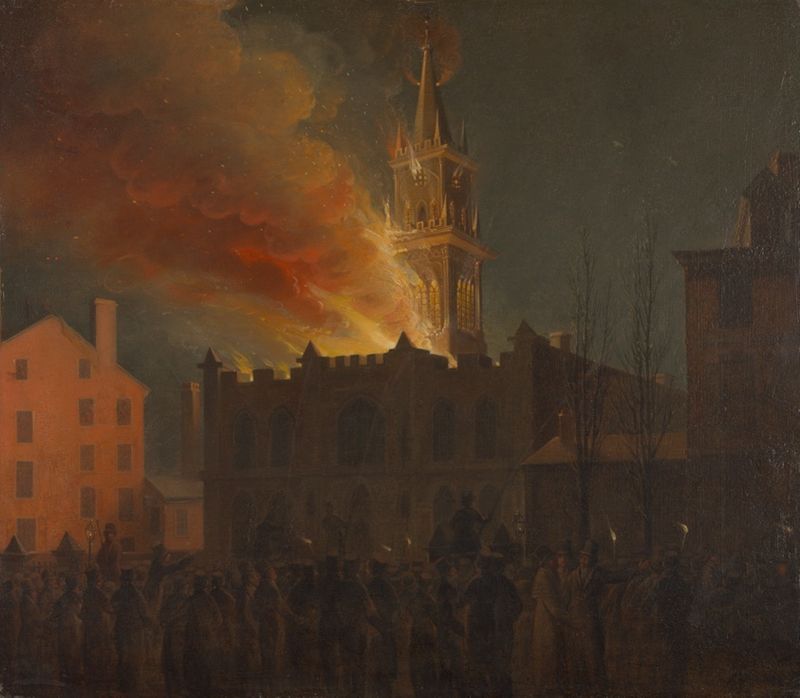 Same era · 1800s–1830s
Conflagration of the Masonic Hall, Chestnut Street, Philadelphia, Pennsylvania
Samuel Jones · 1819 · Art Institute of Chicago
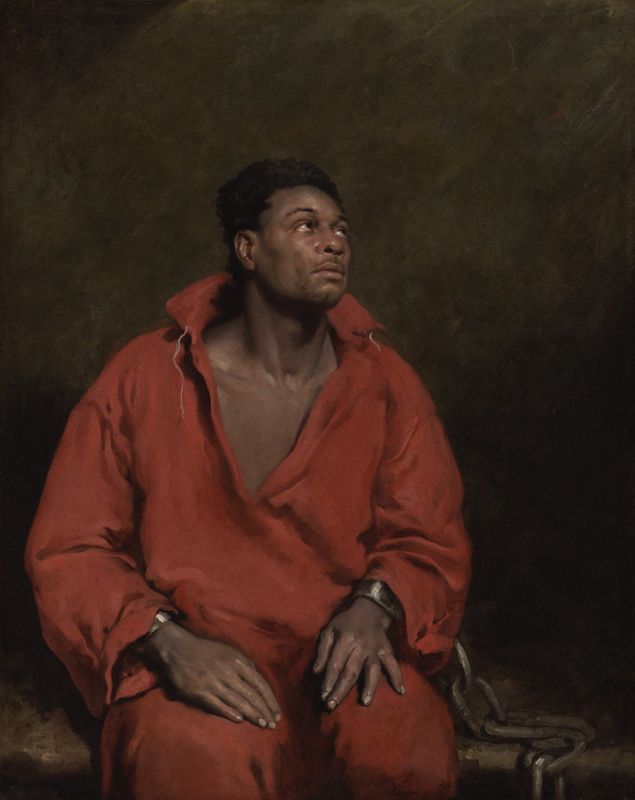 Same era · 1800s–1830s
The Captive Slave (Ira Aldridge)
John Philip Simpson · 1827 · Art Institute of Chicago
 Same era · 1800s–1830s
Mr. James Mackie
Samuel Alcock & Company · 1830 · Art Institute of Chicago
 Same era · 1800s–1830s
Ekim Lazarev
Vasily Andreevich Tropinin · 1822 · National Gallery of Armenia