
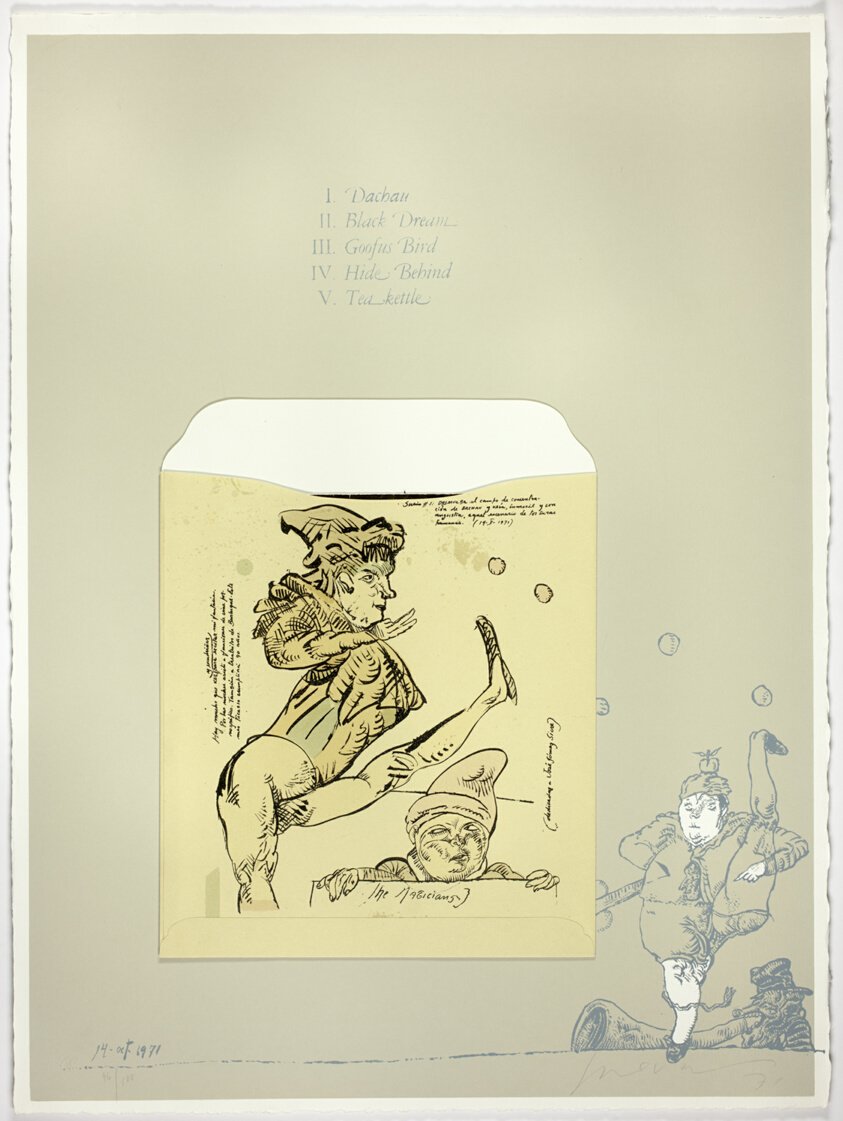
- Artist
- Jose Luis Cuevas
- Date
- 1971
- Medium
- Lithograph and collage in sixteen colors on white wove paper
- Location
- Art Institute of Chicago
- Dimensions
- 770 × 570 mm (sheet); 390 × 303 mm (envelope with lithography); 367 × 256 mm (I. Dachau, inner gold foil envelope); 286 × 210 mm (II. Black Dream); 284 × 210 mm (III. Goofus Bird); 286 × 210 mm (IV. Hide Behind); 285 × 210 mm (V. Tea Kettle)
- Collection
- Prints and Drawings
- Culture
- Mexico
- Credit line
- Gift of Mr. and Mrs. Herbert Lust
Stand in front of it and listen
The full narration walks you through The Magician's Message, from Cuevas Comedies — the story behind it, the details most visitors miss, and why it matters. Free in the Art Whisper app.
Jose Luis Cuevas
1934–2017 · MexicoJosé Luis Cuevas (February 26, 1934 – July 3, 2017) was a Mexican artist, he often worked as a painter, writer, draftsman, engraver, illustrator, and printmaker. Cuevas was one of the first to challenge the then dominant Mexican muralism movement as a prominent member of the Generación de la Ruptura (English: Breakaway Generation). He was a mostly self-taught artist, whose styles and influences are moored to the darker side of life, often depicting distorted figures and the debasement of humanity. He had remained a controversial figure throughout his career, not only for his often shocking images, but also for his opposition to writers and artists who he feels participate in corruption or create only for money. In 1992, the José Luis Cuevas Museum was opened in the historic center of Mexico City holding most of his work and his personal art collection. His grandson Alexis de Chaunac is a contemporary artist. == Biography == === Childhood === José Luis Cuevas was born on February 26, 1934, to a middle-class family in Mexico City. He was born on the upper floor of the paper and pencil factory belonging to his paternal grandfather, Adalberto Cuevas. When he was ten years old, he began studies at the National School of Painting and Sculpture "La Esmeralda", and he also started to illustrate newspapers and books. However, he was forced to abandon his studies in 1946 when he contracted rheumatic fever. The illness left him bedridden for two years. During this time, he learned engraving work taught by Lola Cueto of Mexico City College. === Early career === At age fourteen, he rented a space on Donceles street to use as a studio instead of returning to school as his poor health meant that did not know how long he might live. He decided it would be better to dedicate himself to his art. Cuevas learned how to horse back ride and basket weave for money. He worked on illustrations for The News, and despite his lack of formal training, he taught art history classes at Coronet Hall Institute. One element of his training was the opportunity to visit the La Castaneda mental hospital where his brother worked to draw the patients. === Generación de la Ruptura === Cuevas was sometimes described as vain, a pathological liar and a hypochondriac, obsessed with sickness and death, especially his own. Writer René Avilés Fabila once said that “The greatest love of José Luis Cuevas is named José Luis Cuevas, because he is an artist more in love with himself than with his work.” The reason for this quote is that he has done so many self-portraits that it is like having a large number of mirrors. Cuevas stated that he did not believe that he was vain and says that idea started in 1955 when he decided to take a picture of himself every day, which he continued to do up to the end of his life. He was one of the most photographed contemporary artists of Mexico. One ludicrous story states that he visited a “vampire brothel” where they scratch and paw at customers. Other story relates him to a 70-year-old woman named Gloria who he tried to seduce and another one that Marlene Dietrich threw herself at him. He admitted to being a bit paranoid and defensive, concerned about being cast in a negative light. He claimed Julio Scherer García as an enemy for interfering with his writing career. He also had feuds with painter Rufino Tamayo. He claimed that José Chávez Morado, Guillermo González Camarena and the "Frente Popular de Artes Plasticas" were envious of him and that they accused him of working with the CIA in the 1950s when he was coming out after mainstream artists. Even in his final years, he made deferences by opening his museum to all of his friends but those he considers enemies were not permitted inside. In the 1960s, he went to Morocco to study Islamic art, meeting painter Francis Bacon in Tangiers. He became an atheist after the death of his mother in the 1970s. From 1976 to 1979, he “self-exiled”, leaving Mexico for France, working on various books, serigraphs and lithographs for publication. When he returned to Mexico, he presented the exhibition “José Luis Cuevas. El regreso de otro hijo pródigo.” (José Luis Cuevas. The return of another prodigal son). Despite his predictions that he would live to over a hundred because various tarot readings had told him so, Cuevas died on July 3, 2017, in Mexico City at the age of 83. == Marriage == Cuevas married his first wife, Bertha Riestra, in 1961. He met Bertha at the La Castaneda hospital while she was there doing community service and painting. Her parents did not attend the wedding as they did not approve of him since he was an artist. Despite being married, he gained a reputation as a womanizer, nicknamed “gato macho” (male cat) or seducer of women, which he took advantage of to promote himself. In a Mexico City newspaper column written by him, he claimed he had over 650 erotic encounters. He states that Bertha was not allowed the same freedom and that she never knew about his affairs despite his writings about them. He and Bertha had three daughters, Mariana, Ximena and María Jose. In 2000, Berta Riestra, his wife and, at the time, the director of the José Luis Cuevas Museum, died due to breast cancer and leukemia. The following year, he met Beatriz del Carmen Bazán, whom he married in 2003 at the museum. Cuevas and his wife both lived in the San Ángel neighborhood of Mexico City. The house was built for Cuevas in the 1970s by architects Abraham Zabludovsky and Teodoro González de León in a style reminiscent of Luis Barragán. The walls are tones of gray with very straight lines. The interior is minimalist with paintings by the artist on the walls and wood furniture with Mexican textiles. While the house is clean and orderly, the space dedicated as his studio is messy, strewn with books, old machinery, a telescope, mirrors, many photographs and more. == Exhibitions == Within a career that spanned over seventy years, Cuevas was a painter, writer, draftsman, engraver, illustrator and printmaker. There have been solo exhibitions od Cuevas' work in museums and galleries throughout the world. His first exhibition was when he was only fourteen at the Seminario Axiologico but no one came, the works came off the walls and were stepped on. His first successful individual exhibition was at Mexico City's Galería Prisse in 1953, when he was nineteen. In 1954, he meets the critic Jose Gomez-Sicre who invites him to exhibit at the Panamerican Union in Washington, DC. This, his first U.S. exhibition, sold out opening night and resulted in interviews with Time and the Washington Post, which called him a “golden boy,” opening doors and helping to sell his paintings. In 1955, he participated in the first Salón de Arte Libre organized by Galería Proteo, where he met David Alfaro Siqueiros. During the rest of the 1950s, he exhibited in Havana, Caracas, Lima and Buenos Aires, where he met Jorge Luis Borges, Rafael Squirru and Alberto Greco. In the 1960 he exhibited at the David Herbert Gallery, when the NY Times compared him to Picasso. In 1961, two of his works at the Galería del L’Oblisco in Rome, Los Funerales de un Dictador and La Caída de Franco caused a diplomatic conflict with Spain that asked the images to be removed. In 1962, he exhibited a series of works based on a sculpture by Tilman Riemenschneider he saw in Munich. Cuevas' other exhibitions from this period include one at the Silvan Simone Gallery in 1967. During the 1970s, he exhibited 72 self-portraits at the Centro Cultural Universitario at UNAM, and exhibited other works at the San Francisco Museum of Art, Museo de Arte Contemporáneo in Caracas, Phoenix Art Museum, the Musee d’Art Moderne in Paris and the Museo de Arte Moderno in Mexico City. In 1976, he had four women tattooed with original designs of his own making, so that the art “would grow old with him” This despite the fact that tattoos were illegal in Mexico at the time. In 1979 Jose Luis exhibits 50 wate
More works to explore
Beyond Cuevas: works from the same years.
 Same era · 1950s–1980s
Four Mona Lisas
Andy Warhol · 1978 · Art Institute of Chicago
 Same era · 1950s–1980s
La grande bellezza
Pierre Alechinsky · 1965
 Same era · 1950s–1980s
Essai
Sam Francis · 1963 · Art Institute of Chicago
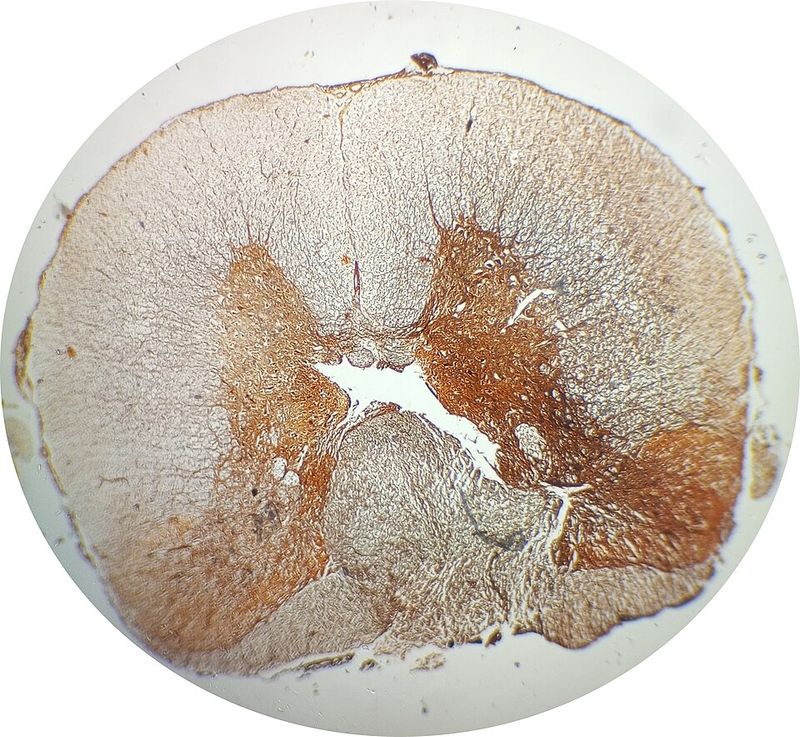 Same era · 1950s–1980s
Impregnazione
Piero Manzoni · 1958
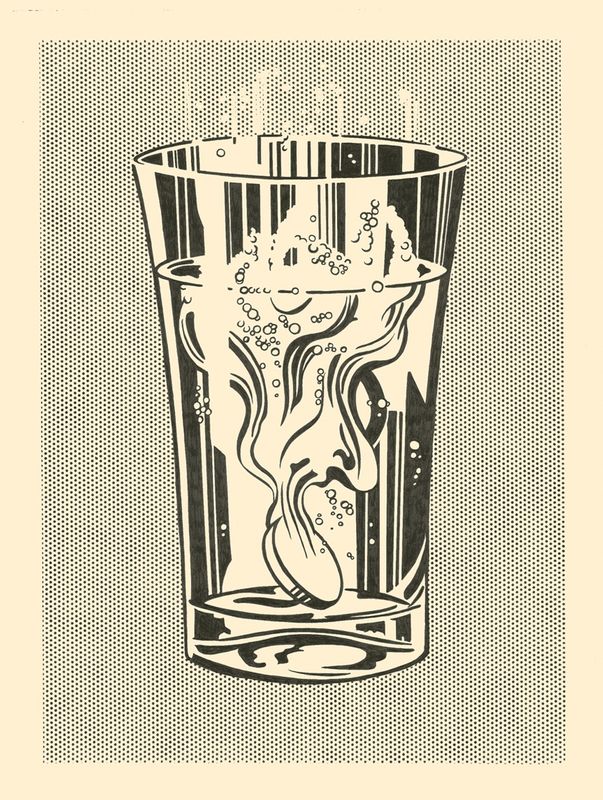 Same era · 1950s–1980s
Alka Seltzer
Roy Lichtenstein · 1966 · Art Institute of Chicago
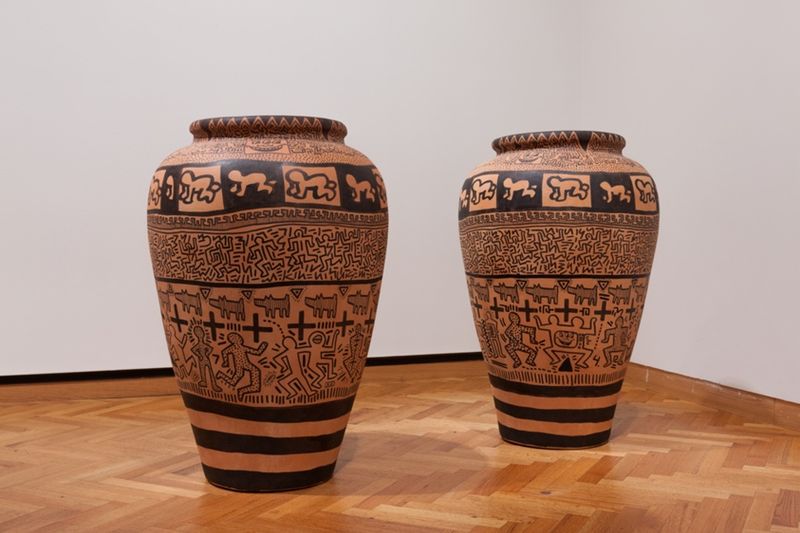 Same era · 1950s–1980s
Untitled (Pair of Vases)
Keith Haring · 1981 · Art Institute of Chicago
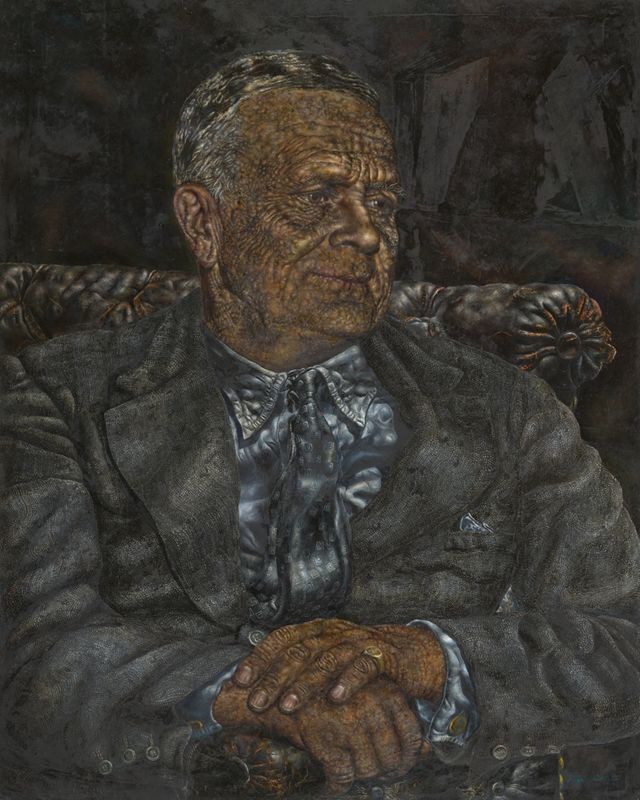 Same era · 1950s–1980s
Captain Joseph Medill Patterson
Ivan Puni · 1962 · Art Institute of Chicago
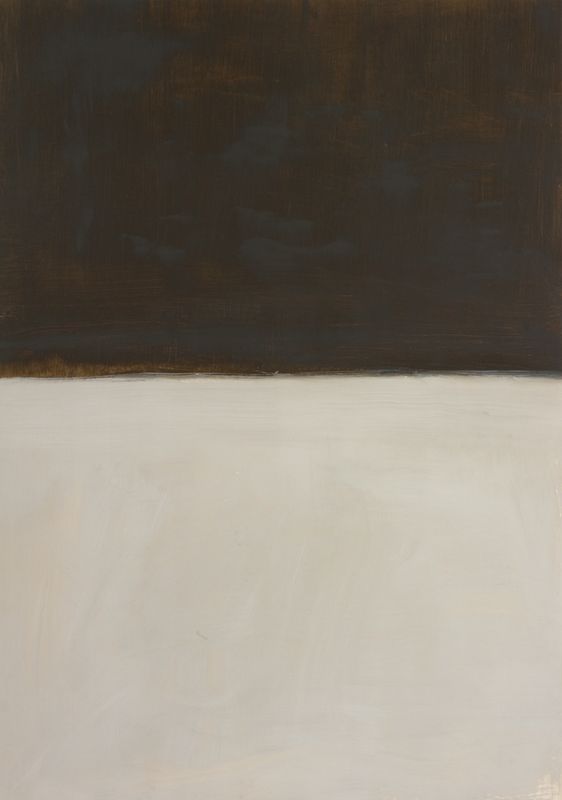 Same era · 1950s–1980s
Untitled (Brown and Gray)
Mark Rothko · 1969 · The Metropolitan Museum of Art
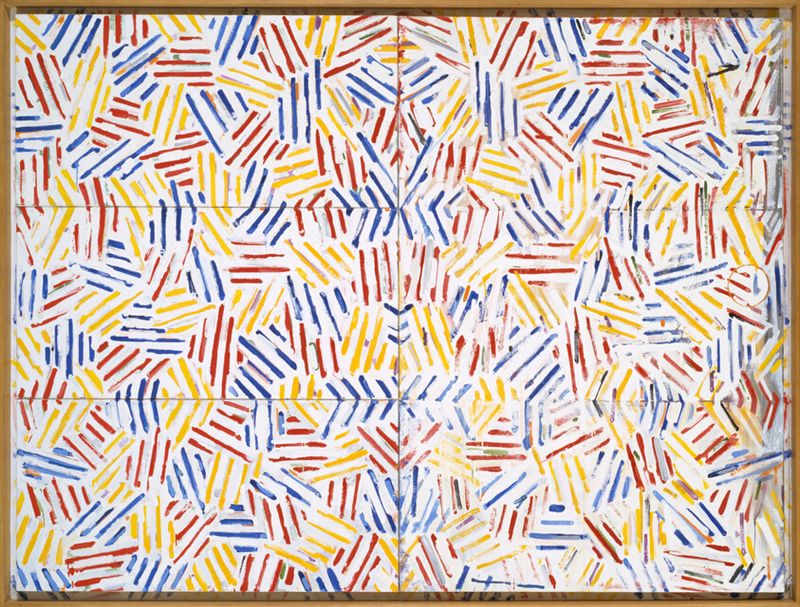 Same era · 1950s–1980s
Corpse and Mirror II
Jasper Johns · 1974 · Art Institute of Chicago
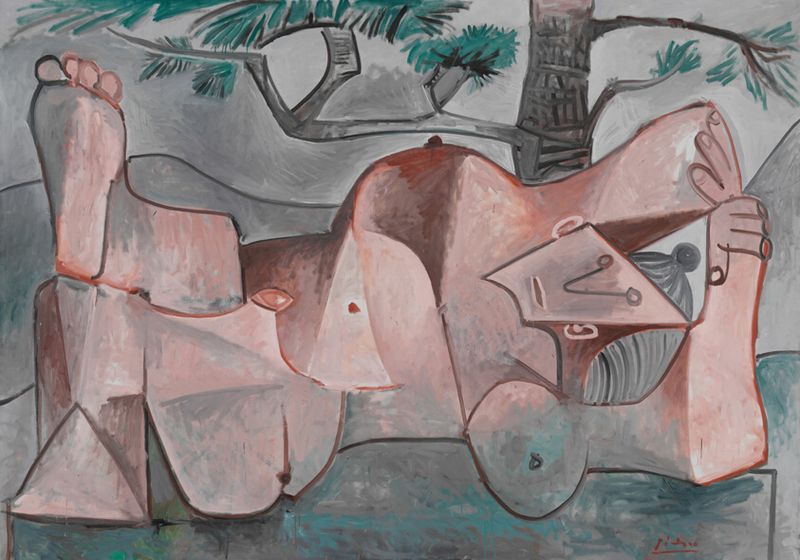 Same era · 1950s–1980s
Nude under a Pine Tree
Pablo Picasso · 1959 · Art Institute of Chicago
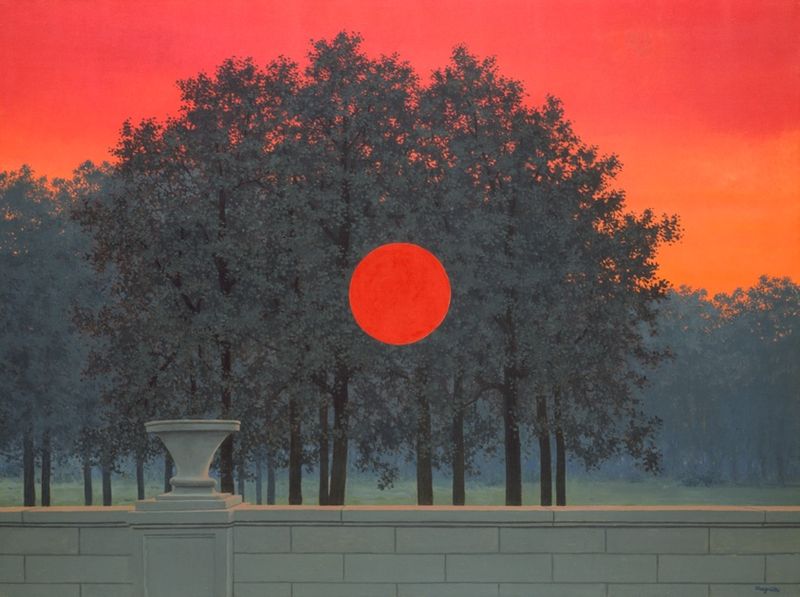 Same era · 1950s–1980s
The Banquet
René Magritte · 1958 · Art Institute of Chicago
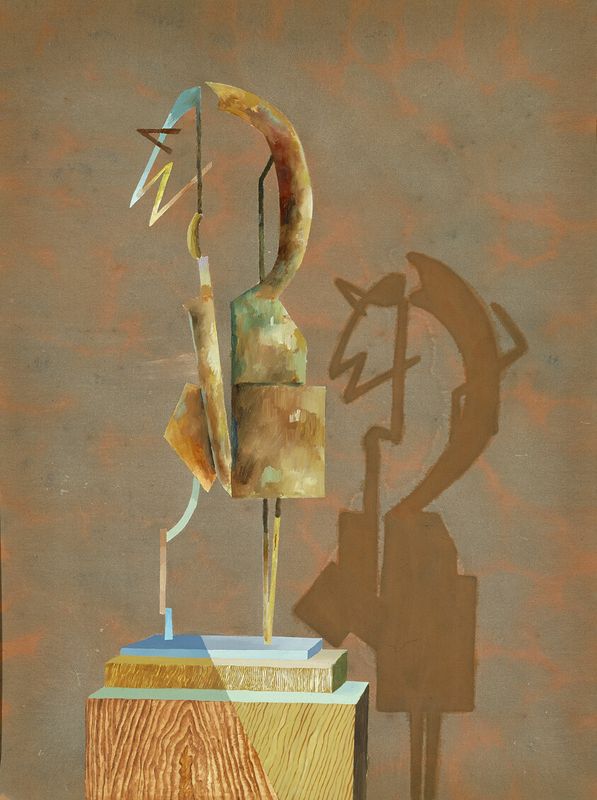 Same era · 1950s–1980s
Gonzalez and Shadow
Félix González-Torres · 1972 · Art Institute of Chicago