
“Modernism is one of those movements you can feel before you can name it.”
Walk into a gallery of Modernist work and something shifts, the rules you expect from art seem to have been tossed out a window somewhere around 1900. Figures dissolve into geometry. Landscapes break apart into patches of pure color. The sky might be pink. A face might have three eyes. What looks like chaos was, in fact, a deliberate and radical rethinking of what art is for.
The movement grew out of a profound restlessness in Western society. Industrialization was reshaping cities. Darwin had upended ideas about human origins. Freud was arguing that we barely understand our own minds. Artists responded by turning away from faithful representation and asking a different question: not 'what does the world look like?' but 'what does it feel like to experience the world?' That shift, from the outer surface to the inner life, is the heartbeat of Modernism. Painters like Picasso, Matisse, and Kandinsky each found their own answer, which is why Modernism contains so many sub-movements, Cubism, Expressionism, Surrealism, Abstract Expressionism, that can look completely unlike one another and yet all share this restless, questioning energy.
By the time Abstract Expressionism was flourishing in New York in the 1950s, the center of the art world had shifted from Paris to Manhattan, partly because World War II had scattered European artists across the Atlantic. Modernism's long arc finally gave way to Postmodernism around the 1970s, when artists began questioning the movement's own assumptions. But its fingerprints are everywhere. When you see a painting that refuses to look like a photograph, or a sculpture that prioritizes feeling over form, you are looking at Modernism's legacy.
- Period
- c. 1863–1970
- Peak
- around 1925
- Born in
- Europe and the United States
- Key artists
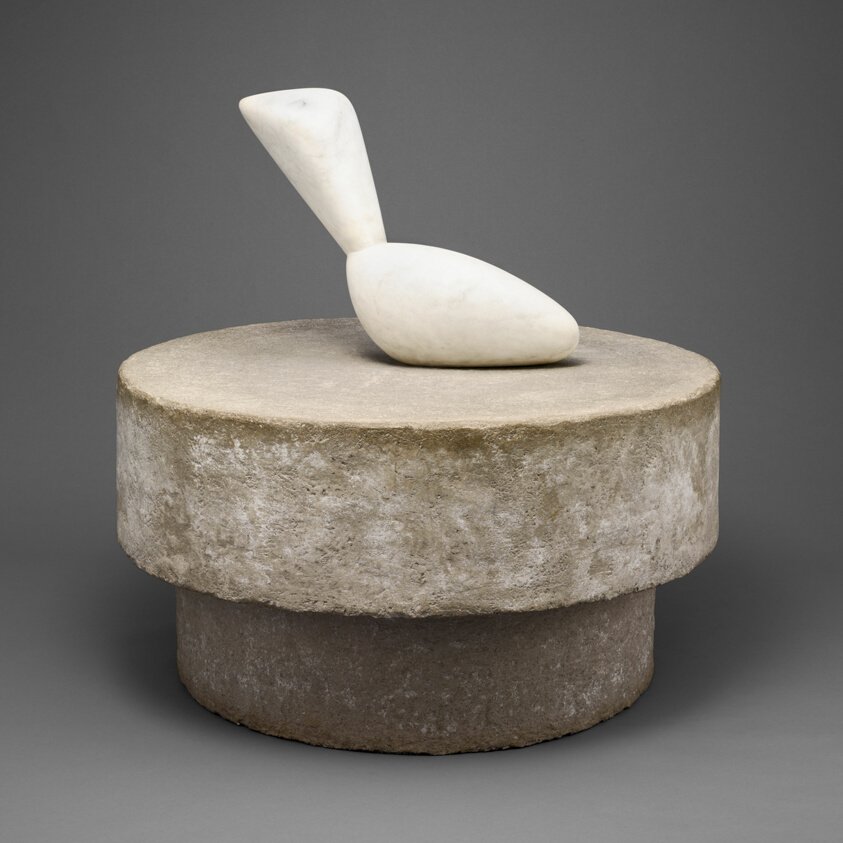
- Alfredo Ramos Martínez, Constantin Brâncuși, Henry van de Velde, Jose Luis Cuevas
- Came before
- Realism and Impressionism
- Came after
- Postmodernism
When it happened
- CAME BEFORERealism and Impressionism
- ~1863 · STARTED
- ~1925 · PEAKED
- ~1970 · ENDED
- CAME AFTERPostmodernism
What makes it Modernism
Abstraction Over Representation
Forms simplify or break apart entirely. Recognizable subjects become secondary to shape, color, and emotion.
e.g. Composition VIII by Wassily KandinskyBold, Non-Naturalistic Color
Colors are chosen for emotional impact, not accuracy. Skies can be orange, faces blue, grass red.
e.g. The Joy of Life by Henri MatisseFragmented Perspective
Multiple viewpoints appear simultaneously in one image, collapsing space in unexpected ways.
e.g. Les Demoiselles d'Avignon by Pablo PicassoEmphasis on Inner Experience
The artist's subjective state matters more than depicting reality. Mood and psychology drive composition.
e.g. The Scream by Edvard MunchExperimentation With Form
Traditional rules of proportion, depth, and composition are broken intentionally and visibly.
e.g. Number 31 by Jackson PollockHow to spot Modernism
Three signs you’re standing in front of one — all easy to see in Three Children.
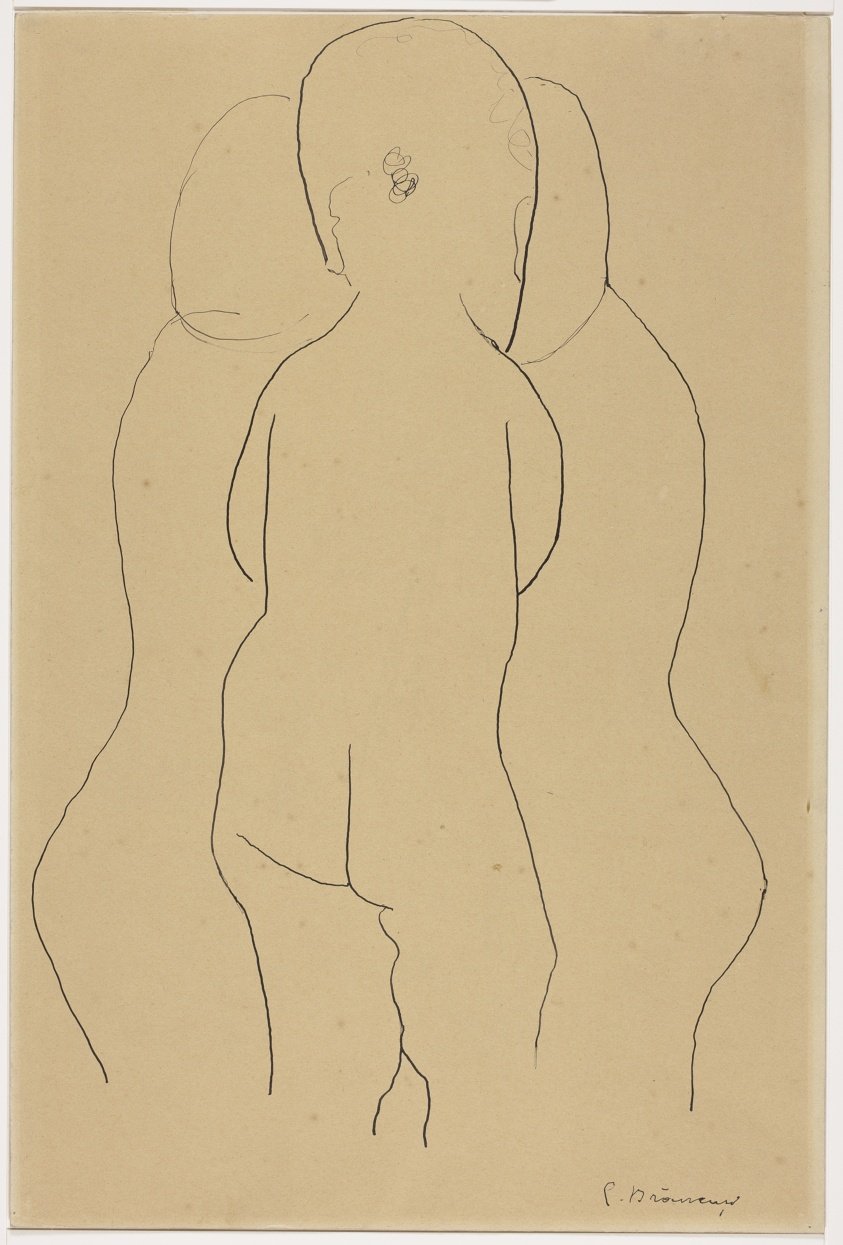
Look for color that feels emotionally charged rather than realistic. If the palette makes you feel something before you understand it, that's a Modernist signal.
Check whether the subject is fragmenting or flattening. Modernist works often abandon depth and perspective, making the canvas feel like a design as much as a scene.
If you can't immediately tell what you're looking at but sense a strong mood or energy, lean in. Modernism prioritizes feeling over legibility.
When Matisse's bold, color-drenched paintings debuted in 1905, critics called his group 'les Fauves,' meaning wild beasts, intending it as an insult.
Picasso reportedly needed just a few hours to paint parts of Les Demoiselles d'Avignon but spent months obsessing over the composition overall.
World War II accidentally made New York the new capital of Modernism, as fleeing European artists like Mondrian and Ernst resettled in Manhattan.
The artists who defined it
Works to know
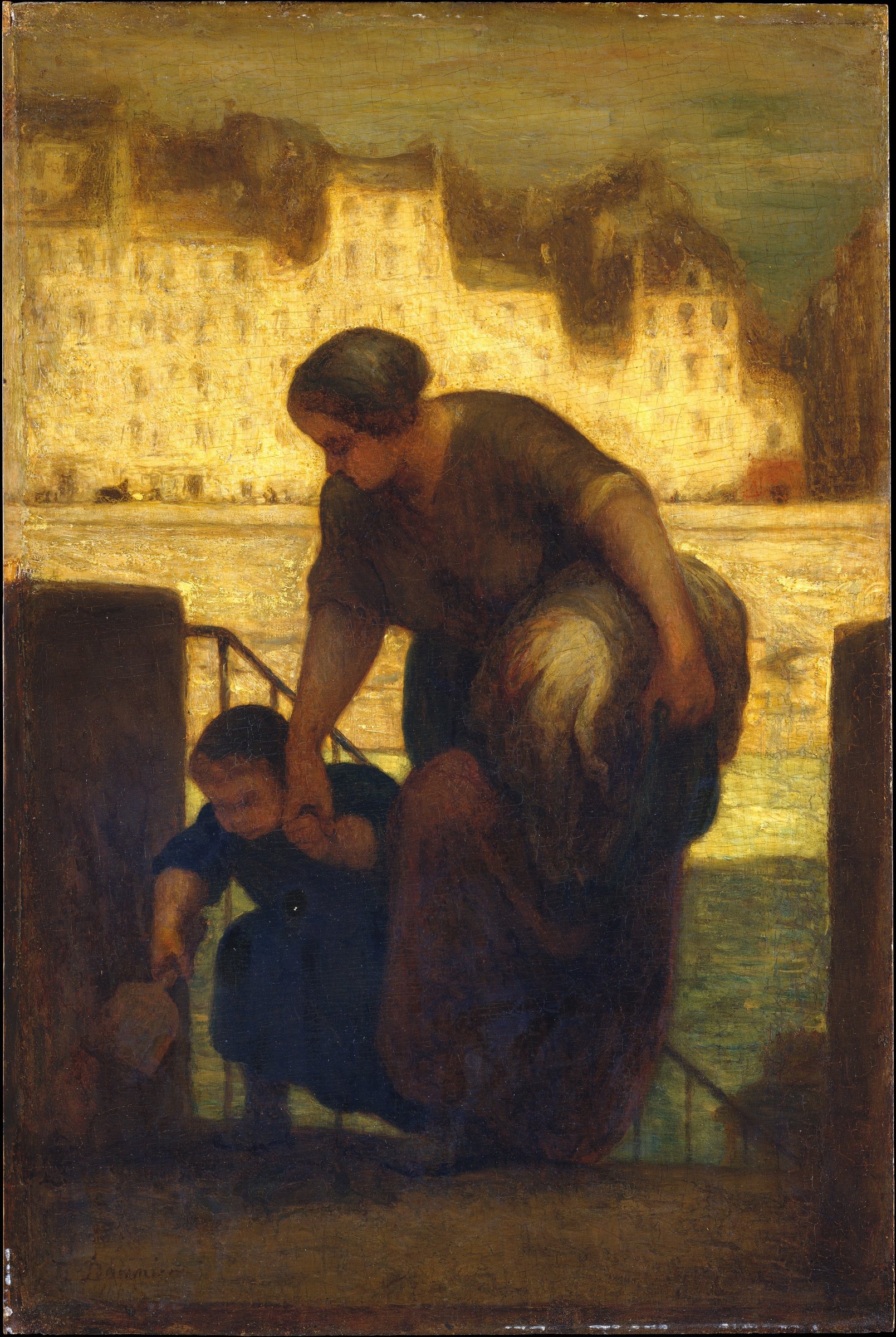
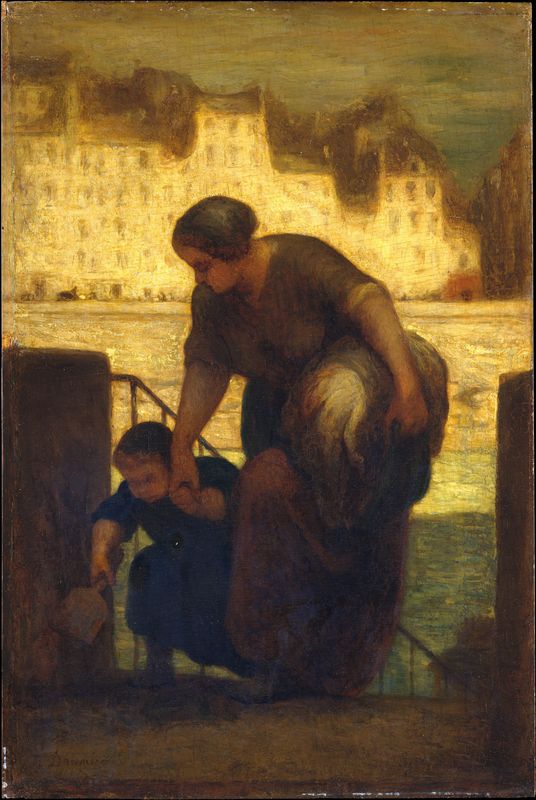 The Laundress
1887 · Royal Museum of Fine Arts Antwerp
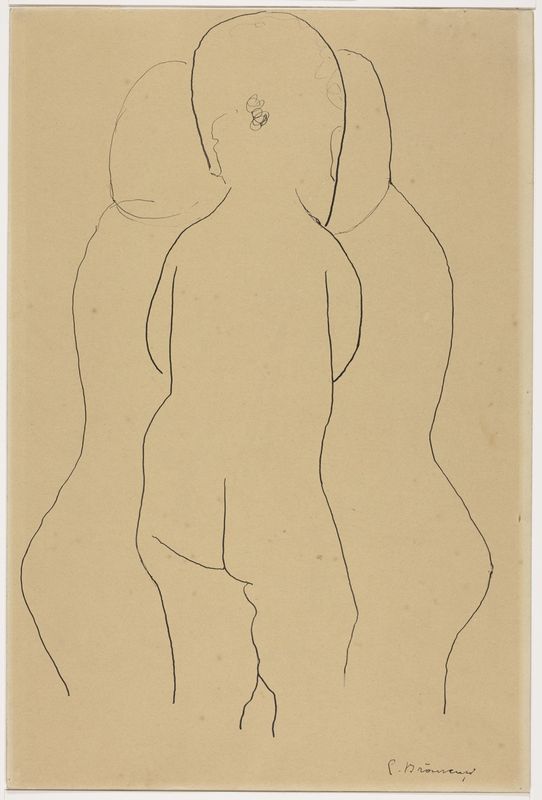 Three Children
1896 · Art Institute of Chicago
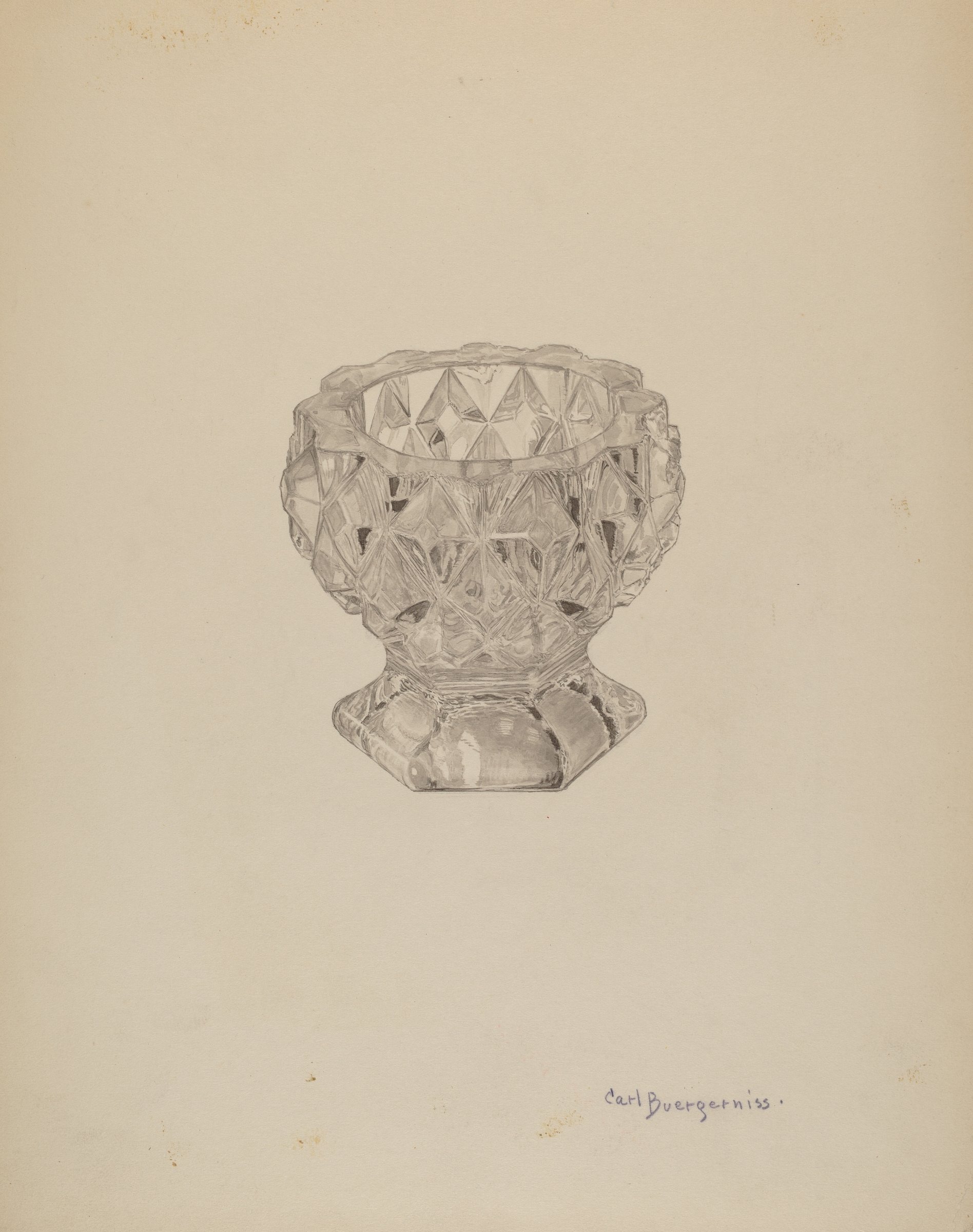
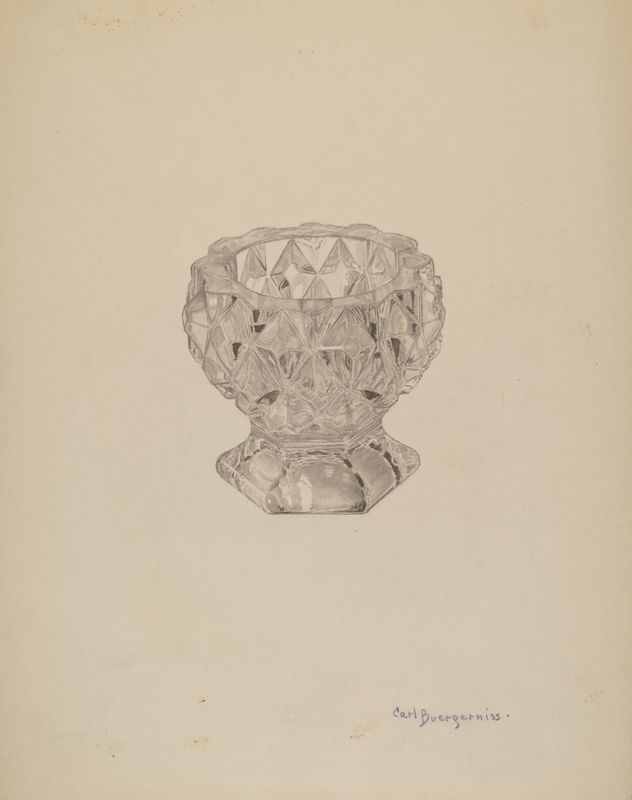 Salt cellar
1902 · The Metropolitan Museum of Art
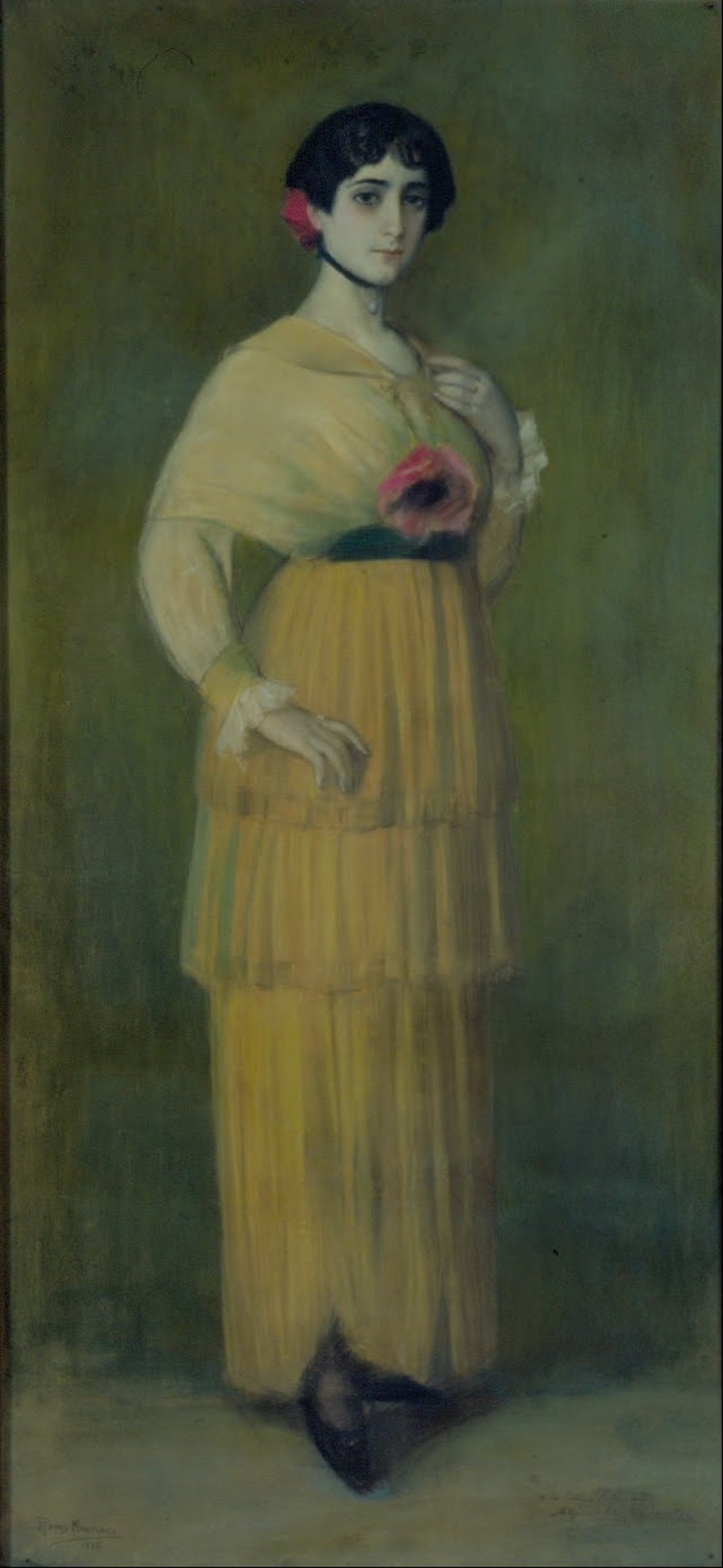
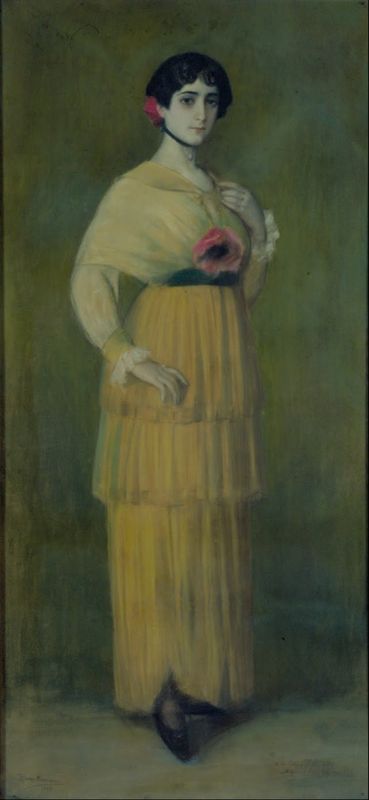 Portrait of Belinda Palavicini
1915 · Museo Nacional de Arte
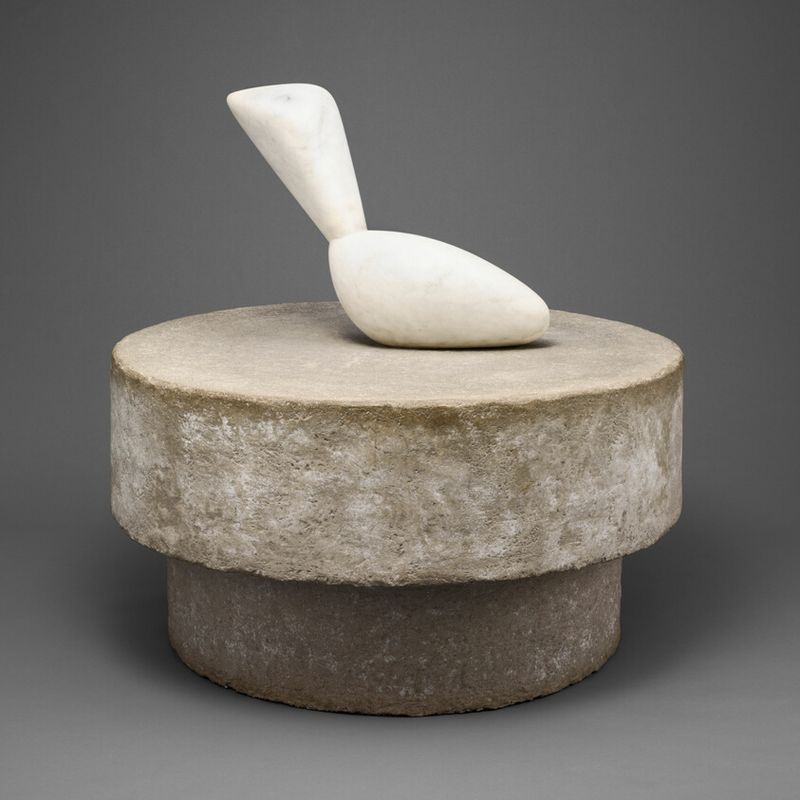 Leda
1920 · Art Institute of Chicago
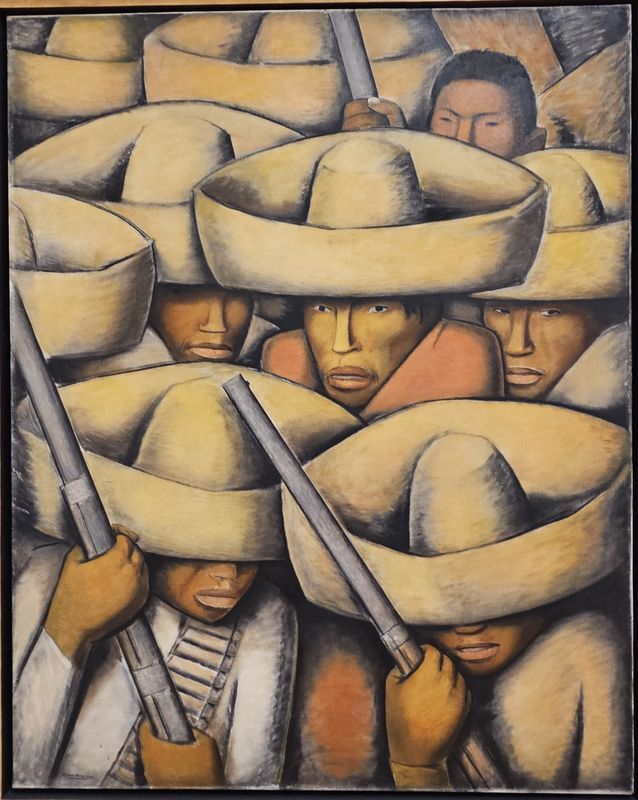 Zapatistas
1932 · San Francisco Museum of Modern Art
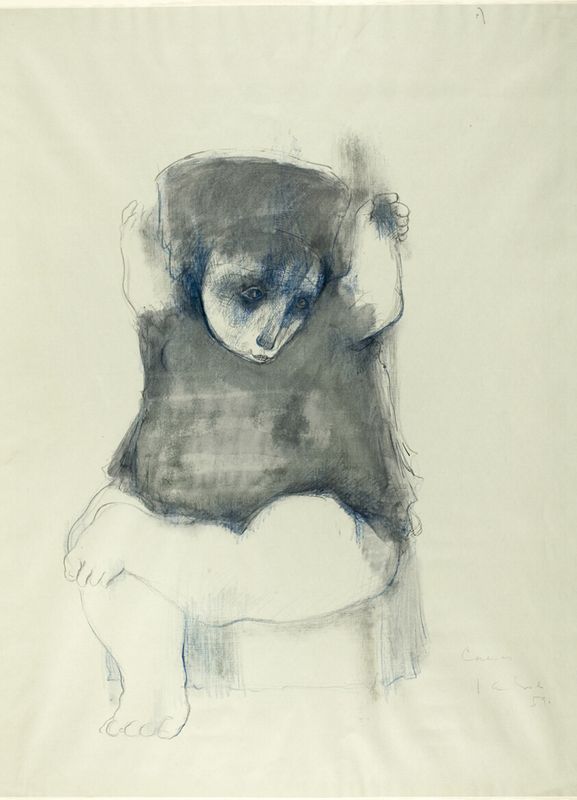 Seated Figure
1954 · Art Institute of Chicago
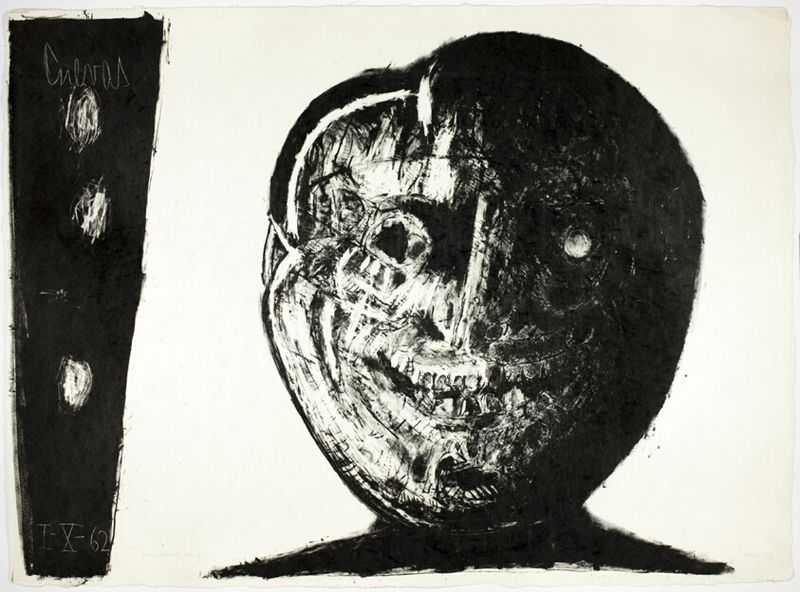 Untitled
1962 · Art Institute of Chicago
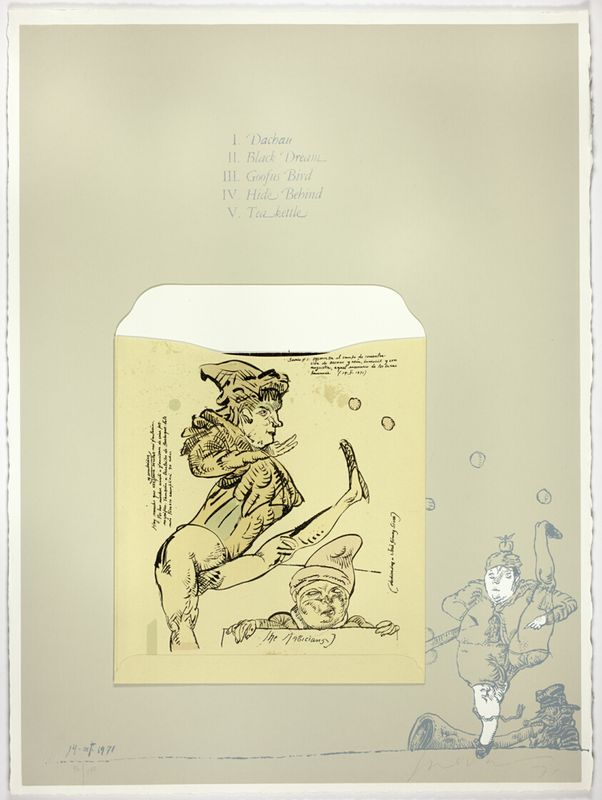 The Magician's Message, from Cuevas Comedies
1971 · Art Institute of Chicago
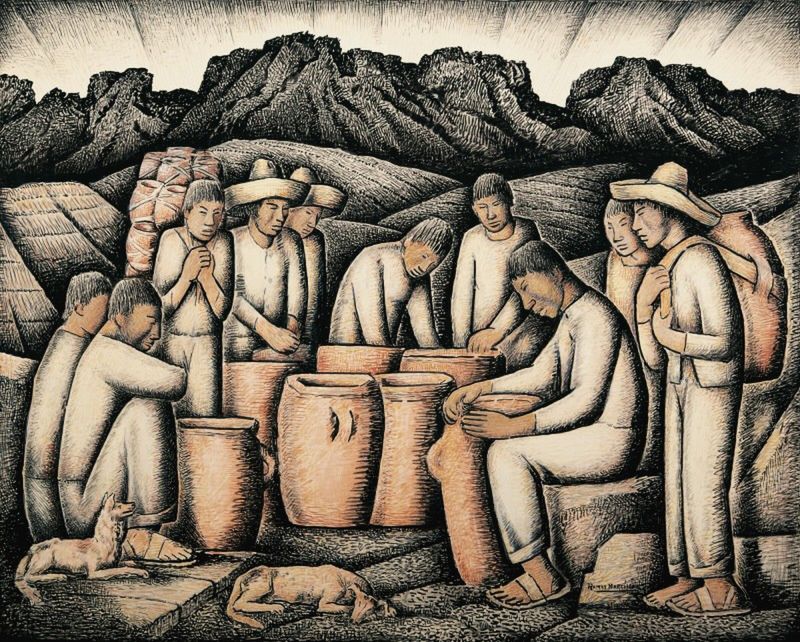 Potters
Take Modernism to the museum
Point your phone at any painting and Art Whisper tells you its story — who made it, what to notice, and why it matters. Free to start.