
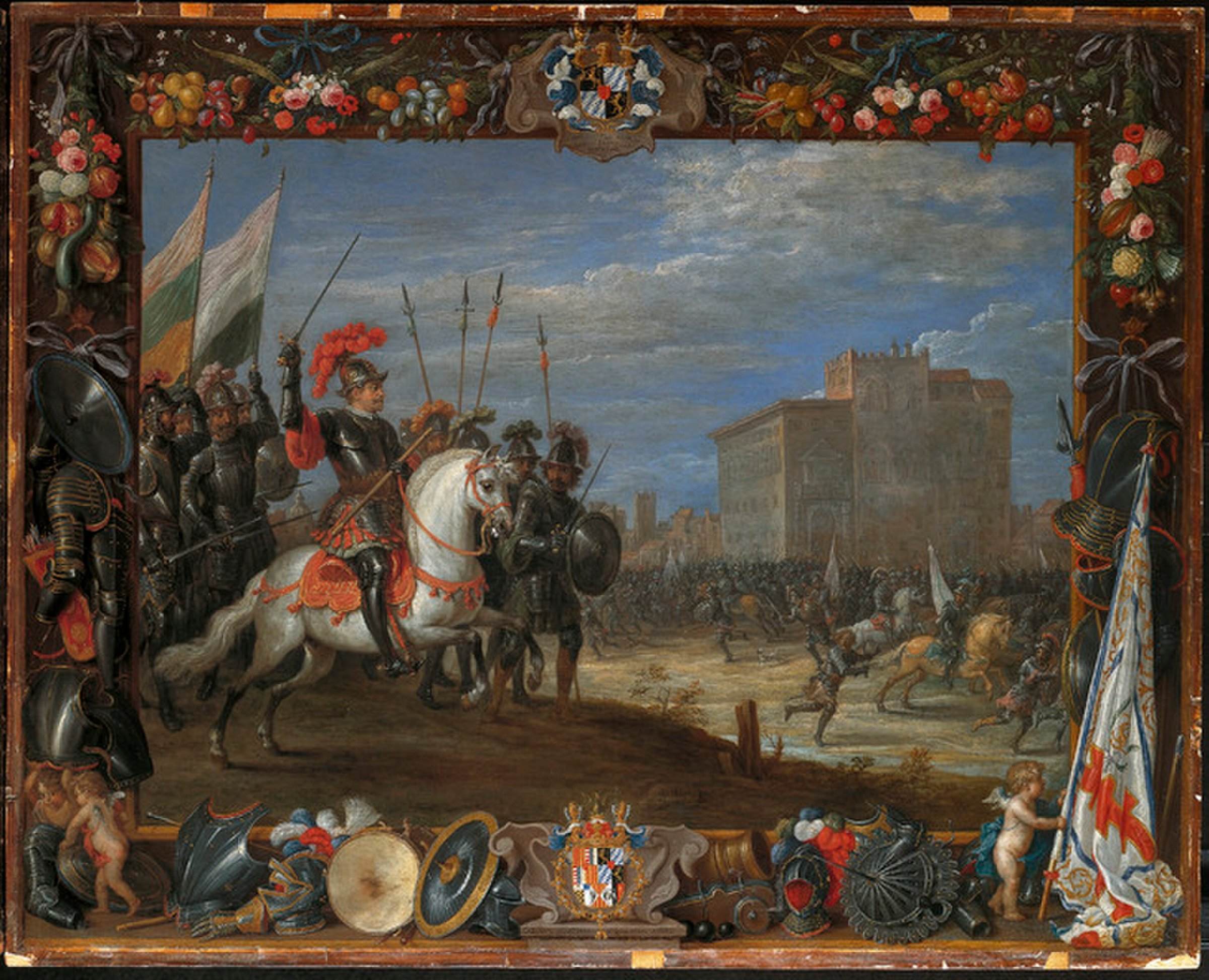
“This painting vividly depicts a historical siege, showcasing a dramatic clash of forces around a fortified castle. It's a testament to the artist's skill in rendering complex narrative scenes with meticulous detail.”
In "Don Antonio Moncada repulses the attack of Cabrera on the castle where Queen Bianca resides," a dramatic scene unfolds with a flurry of figures and architectural details. The painting captures a moment of intense conflict, where Don Antonio Moncada, a historical figure, defends a castle under siege. You can almost feel the tension as soldiers clash and the castle walls loom large, suggesting a narrative of heroism and defense. The artist, Jan van Kessel the Elder, was known for his detailed and meticulous approach to depicting the natural world, and here he applies that precision to a historical subject. While he often painted still lifes and allegorical series, this work demonstrates his ability to render complex compositions with numerous small figures and intricate settings. The scene is rich with activity, inviting viewers to explore the various skirmishes and architectural elements that bring the historical event to life.
- Artist
- Jan van Kessel the Elder
- Date
- 1663
- Location
- Charles Sedelmeyer collection
What to Notice
Five details hide in plain sight. Here’s where to look.
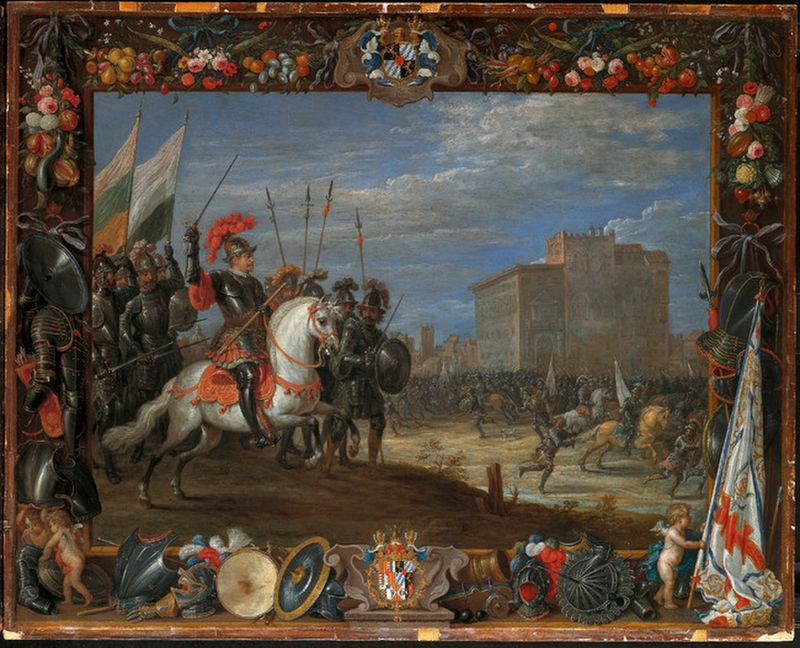
The figures in the foreground, locked in combat.
The detailed architecture of the castle walls.
The banners and weaponry of the warring factions.
The dramatic sky above the besieged castle.
1 more detail is waiting.
See all 5 in Art Whisper →Stand in front of it and listen
The full narration walks you through Don Antonio Moncada repulses the attack of Cabrera on the castle where Queen Bianca resides — the story behind it, the details most visitors miss, and why it matters. Free in the Art Whisper app.
Jan van Kessel the Elder
1626–1679 · Habsburg NetherlandsJan van Kessel the Elder, a Flemish painter and great-grandson of Pieter Bruegel the Elder, meticulously captured the natural world, from insects to allegorical continents.
Further Works by van Kessel the Elder
 Bouquet of flowers in a glass vase
1659 · Suermondt-Ludwig-Museum
 Floral Still Life
1633 · Museo del Prado
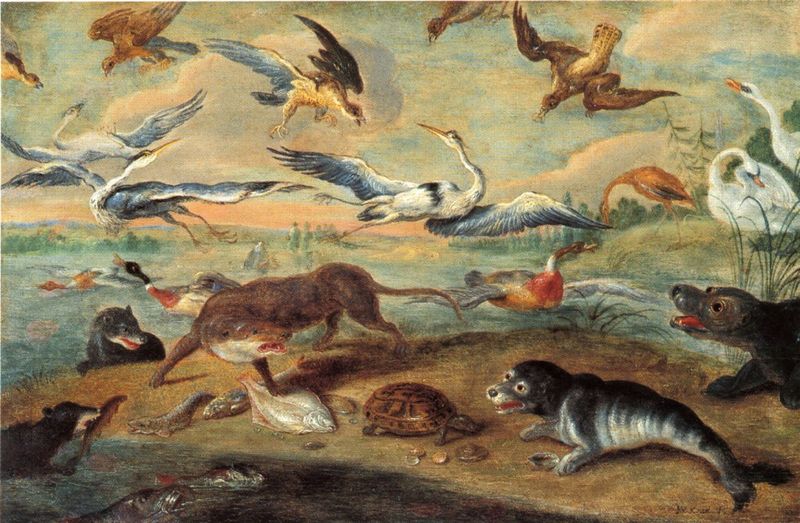 Allegory of air and water
1650 · Musée des Beaux-Arts de Quimper
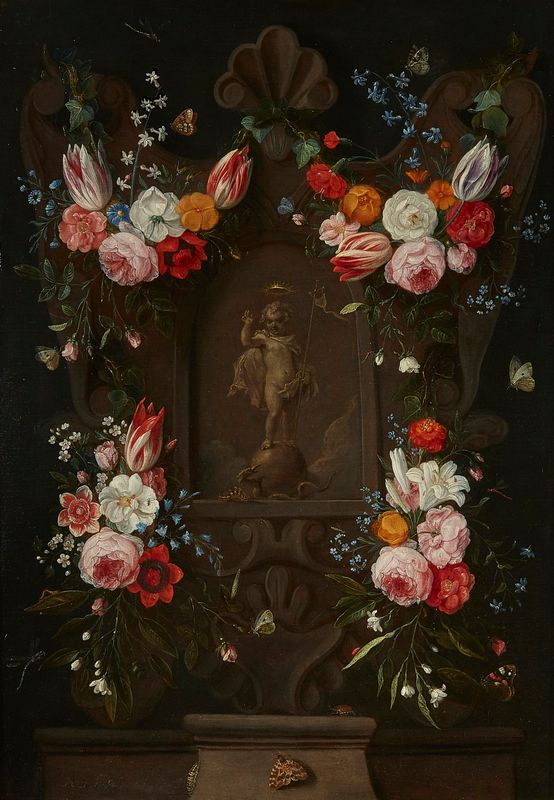 A sculpted cartouche with floral still life, with the christ child as salvator mundi
1650 · SØR Rusche Collection
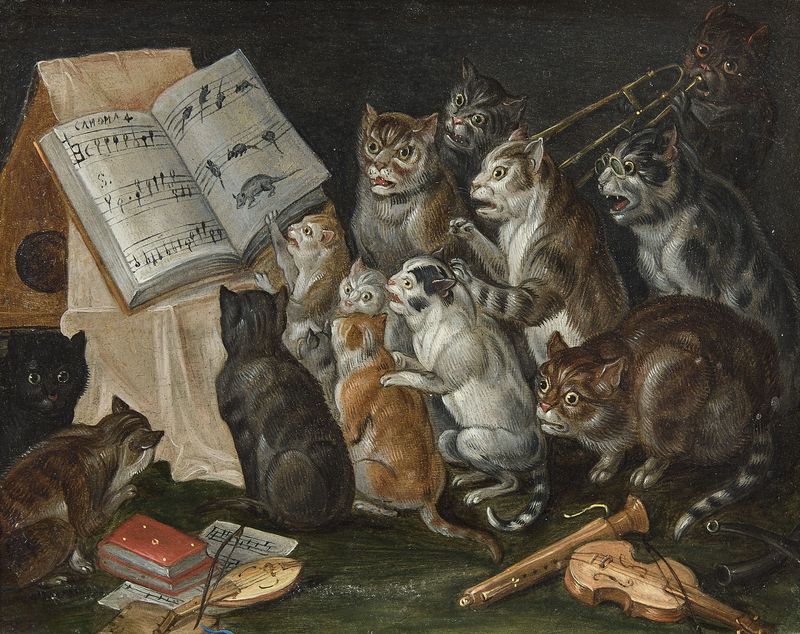 Concert of cats
1650
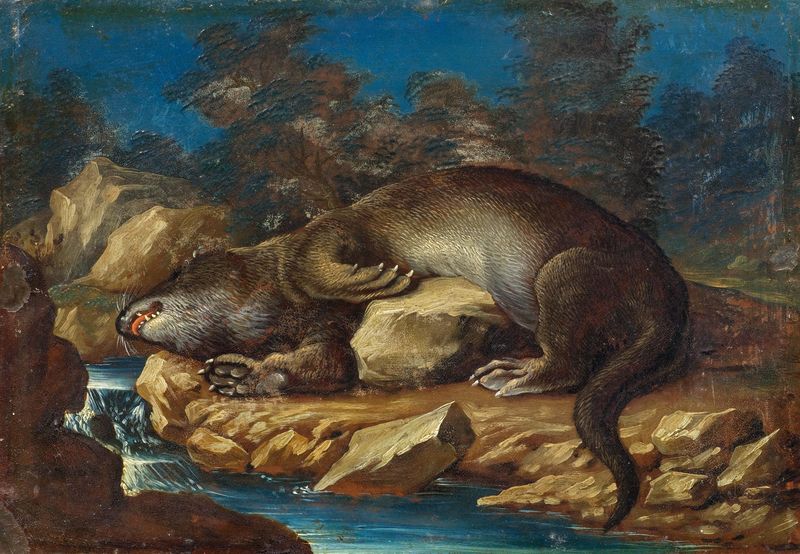 Lying otter on a rocky shore
1650
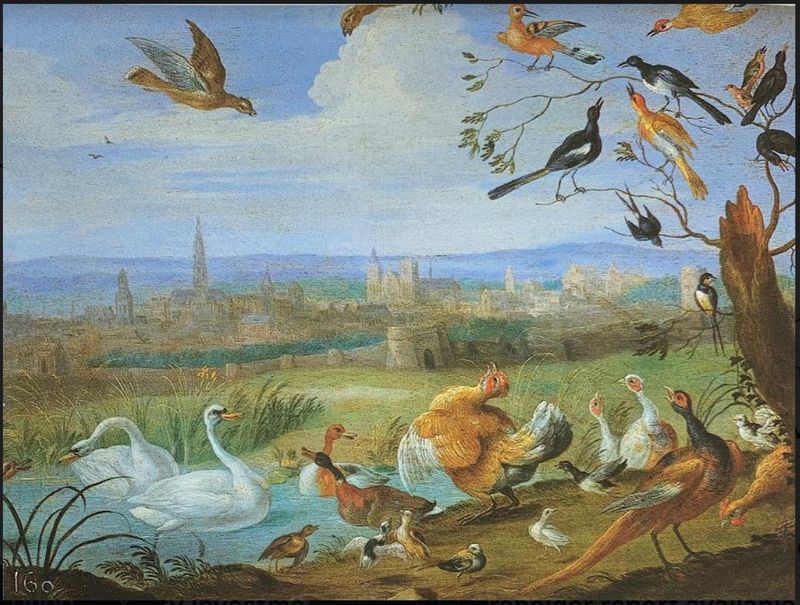 Poultry and birds with a view of Brussels
1650
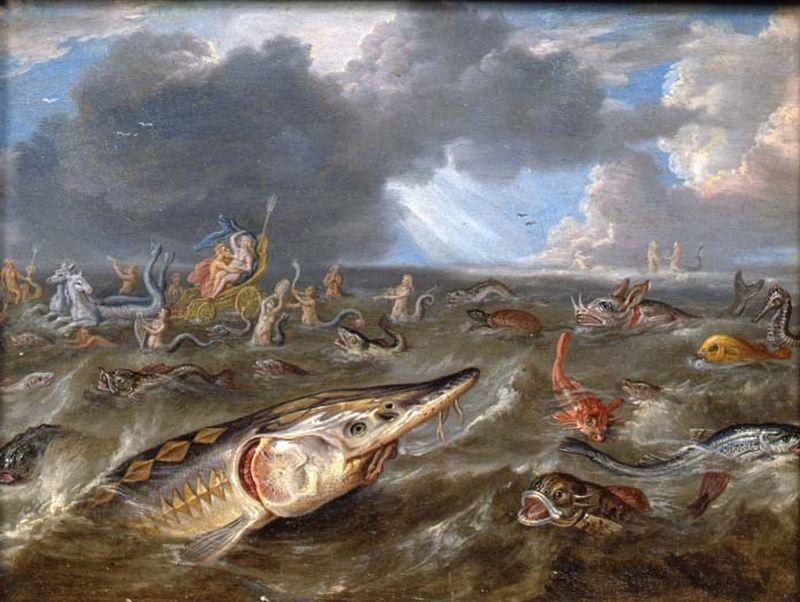 The Triumph of Amphitrite
1650 · Musée des Beaux-Arts de Quimper
More works to explore
Beyond van Kessel the Elder: works from the same years.
 Same era · 1640s–1670s
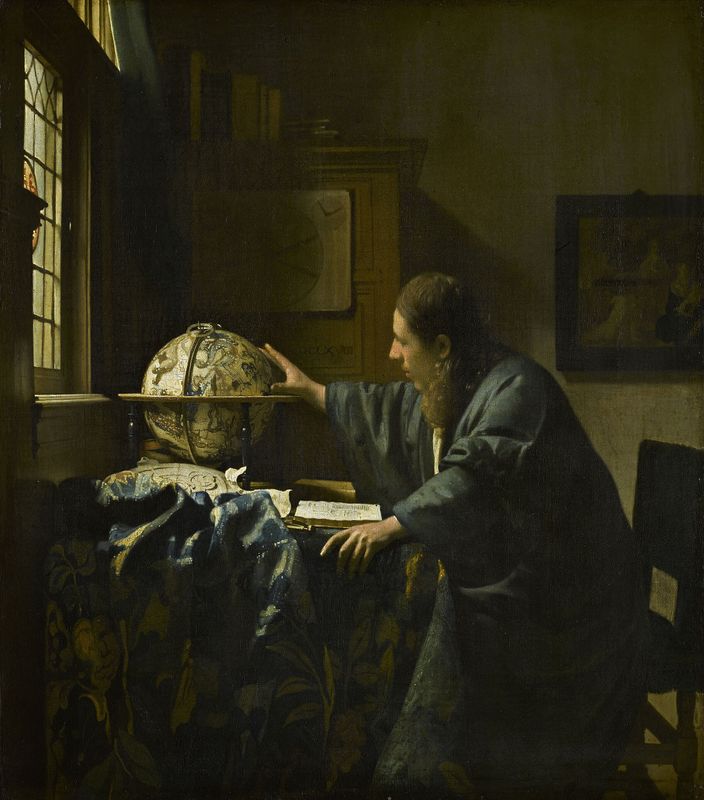
The Astronomer
Johannes Vermeer · 1664 · Department of Paintings of the Louvre
 Same era · 1640s–1670s
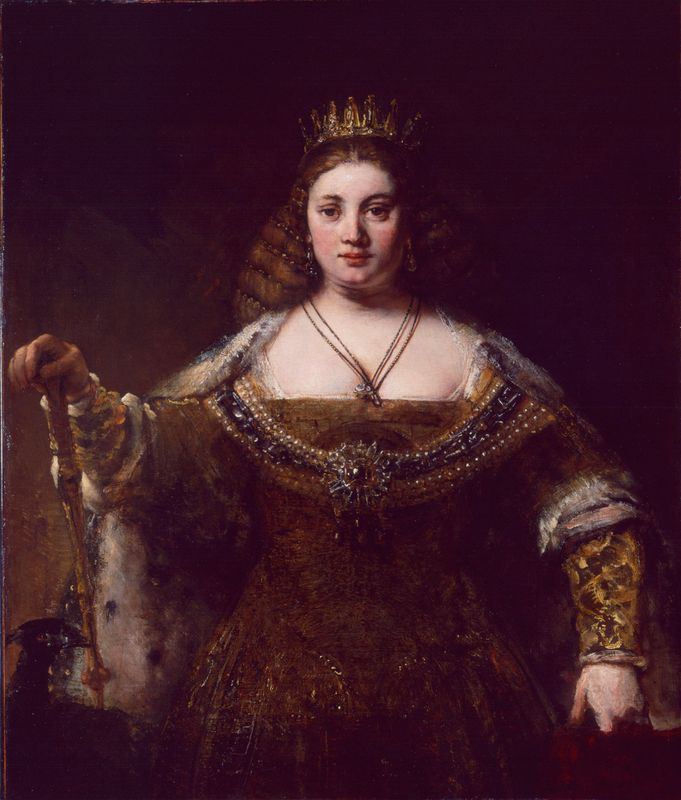
Juno
Rembrandt · 1663 · Rheinisches Landesmuseum Bonn
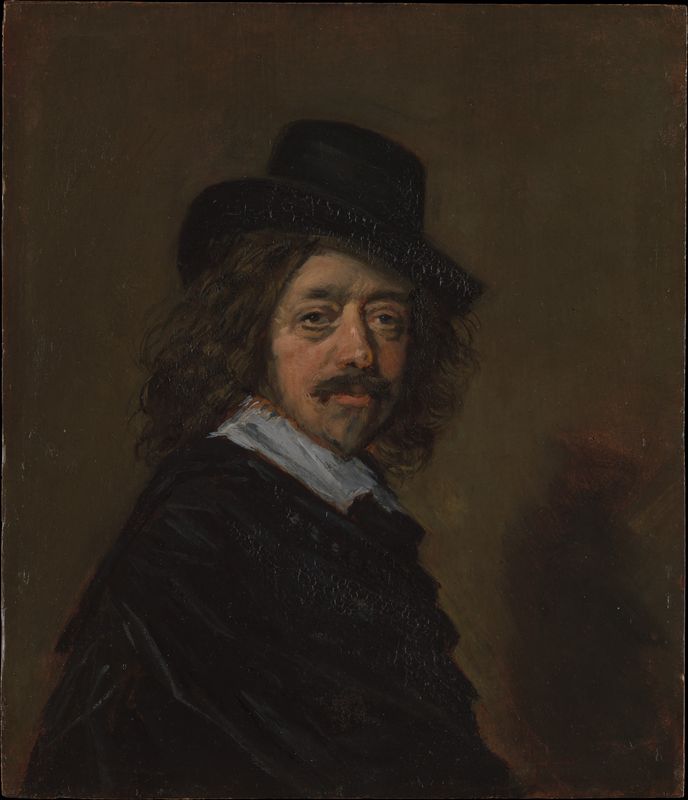 Same era · 1640s–1670s
Frans Hals (1582/83–1666)
Frans Hals · 1650 · The Metropolitan Museum of Art
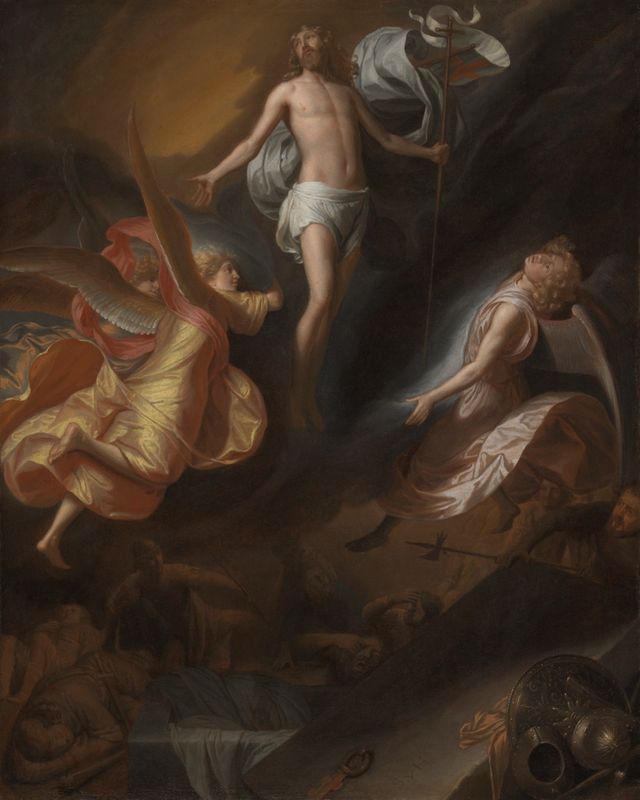 Same era · 1640s–1670s
Resurrection of Christ
Samuel van Hoogstraten · 1665 · Art Institute of Chicago
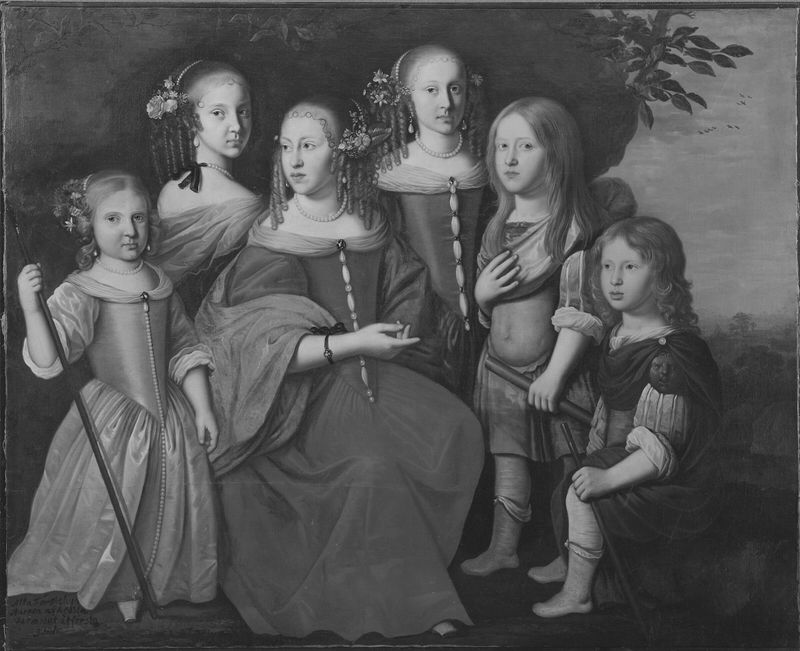 Same era · 1640s–1670s
The six children of Louis VI Landgrave of Hessen-Darmstadt
Salomon Duarte · 1665 · Nationalmuseum
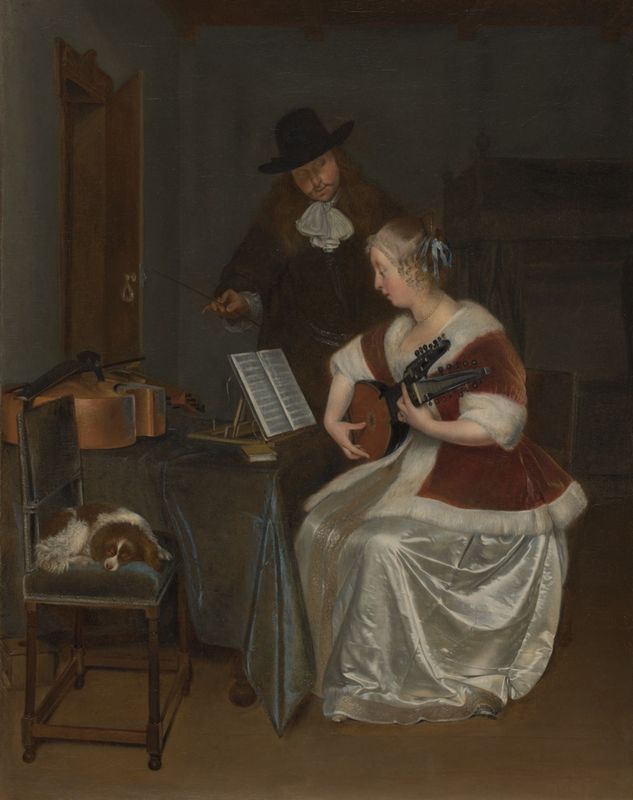 Same era · 1640s–1670s
The Music Lesson
Gerard ter Borch the Younger · 1670 · Art Institute of Chicago
 Same era · 1640s–1670s
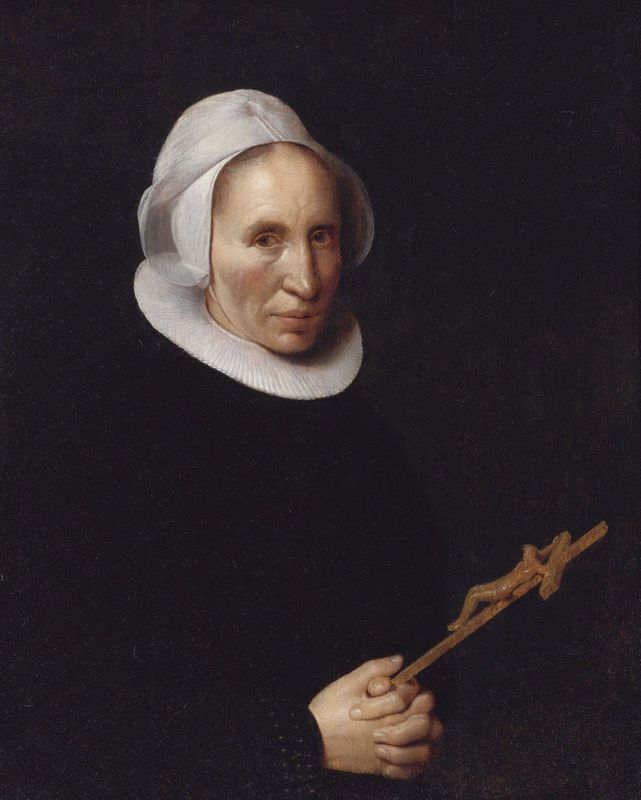
A lady holding a crucifix
Willem van der Vliet · 1650
 Same era · 1640s–1670s
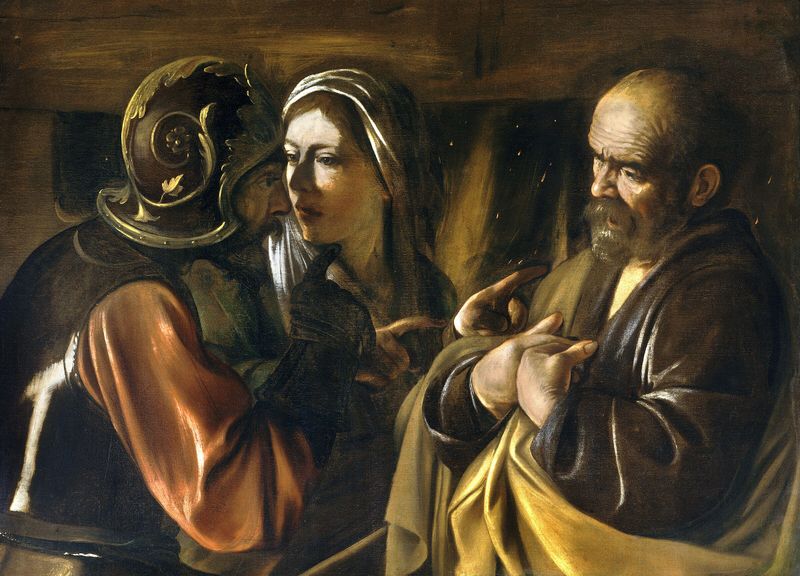
The Denial of Saint Peter
Georges de La Tour · 1650 · Nantes Museum of Arts
 Same era · 1640s–1670s
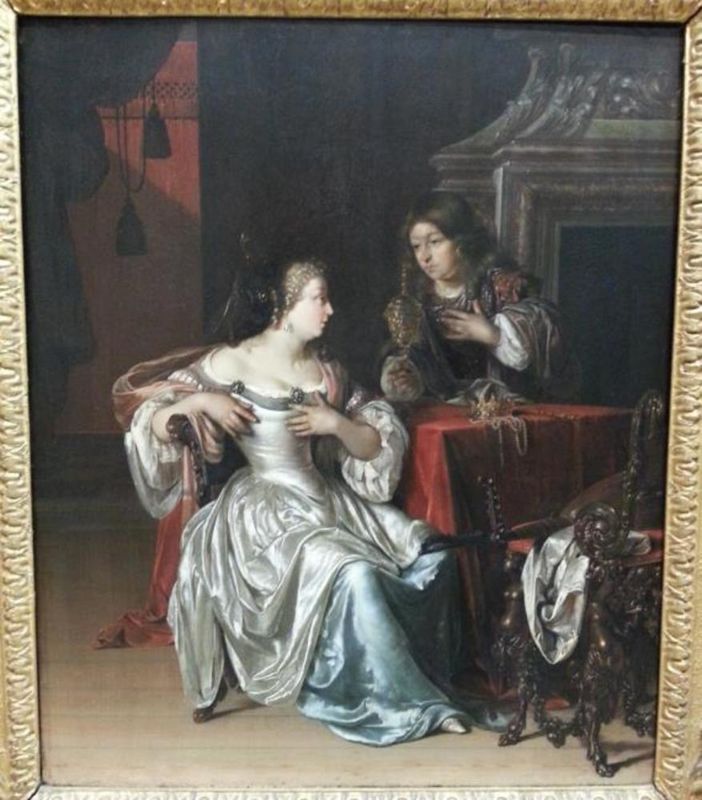
Tancred's servant presenting the heart of Guiscard in a golden cup to Guismond
Adriaen van der Werff · 1678 · Fitzwilliam Museum
 Same era · 1640s–1670s
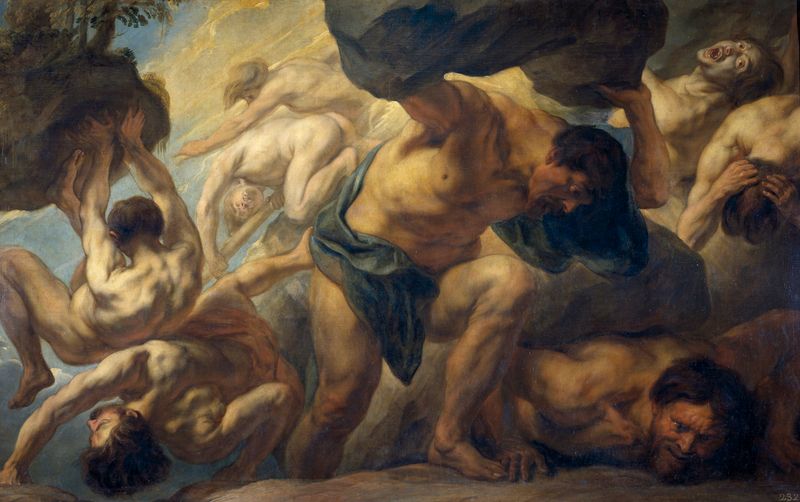
The Fall of the Giants
Jacob Jordaens · 1663 · Art Institute of Chicago
 Same era · 1640s–1670s
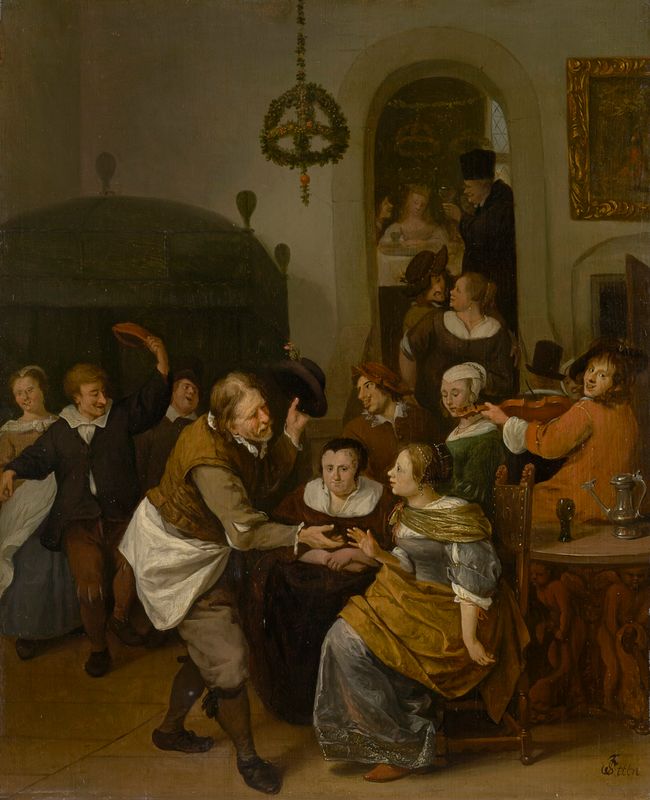
The wedding party
Jan Steen · 1660 · Museum Boijmans Van Beuningen
 Same era · 1640s–1670s
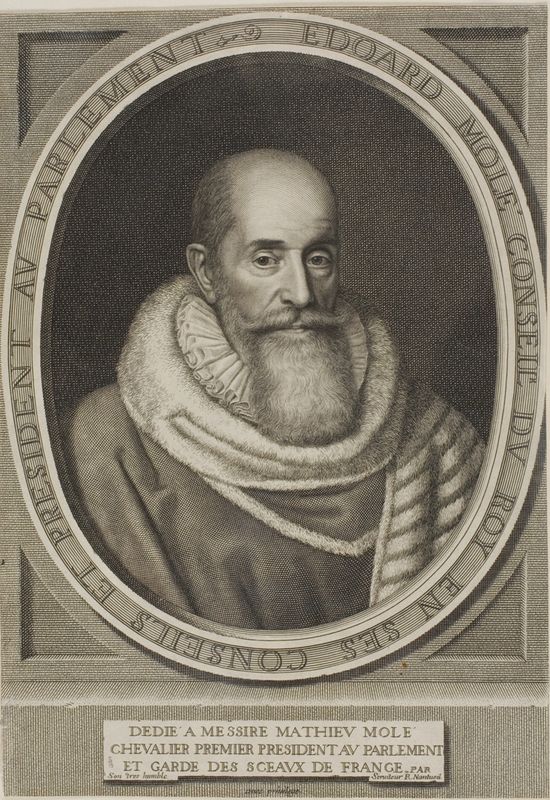
Portrait of Edouard Molé
Robert Nanteuil · 1653 · Art Institute of Chicago