01
Bald, domed forehead
Start at the high, smooth forehead, creased with a few deep lines. The shiny dome sets off the weathered face below it.
1 of 5 on the painting
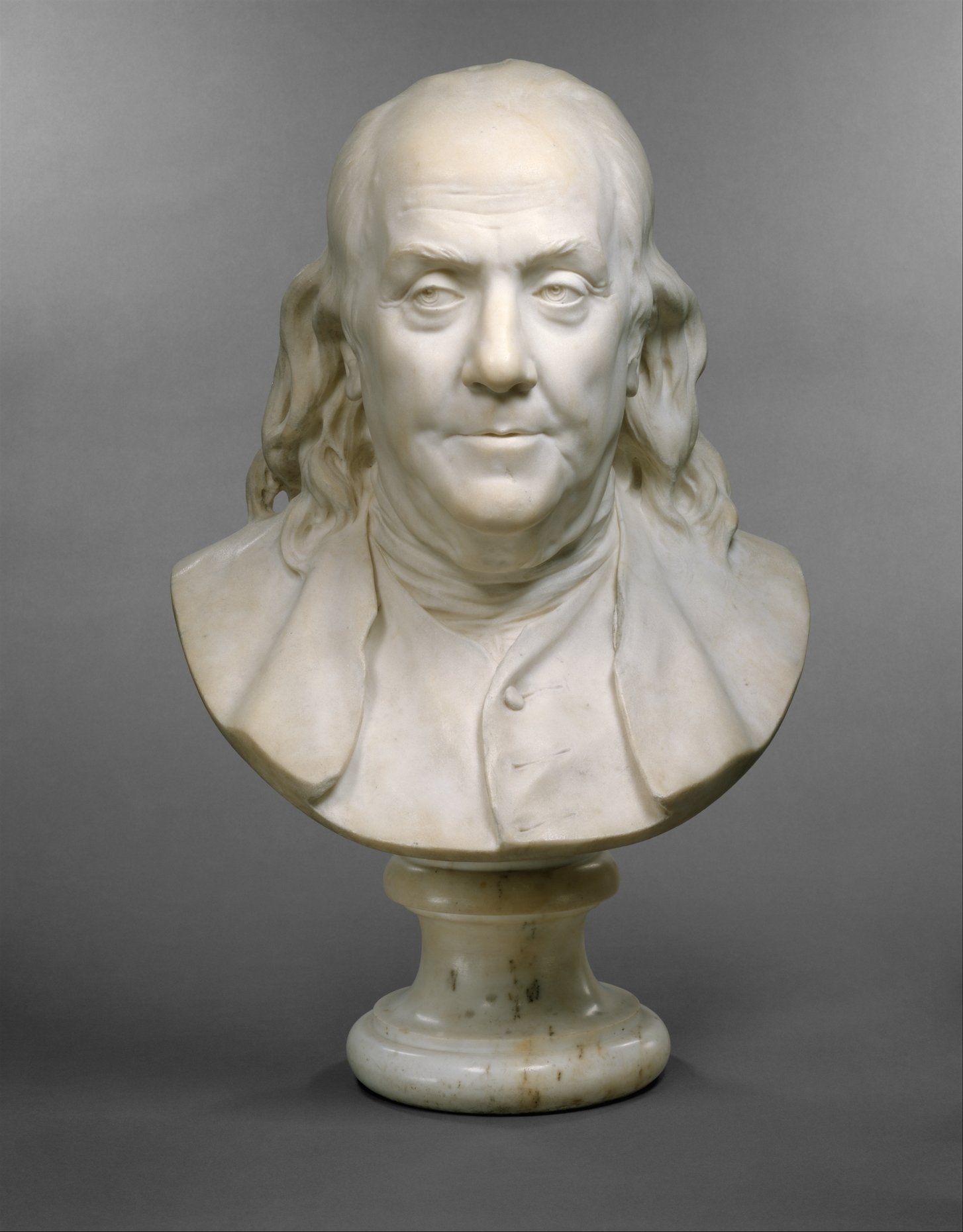
“Stop to admire this detailed porcelain bust of Benjamin Franklin, created in America's centennial year. Its smooth, marble-like finish and lifelike expression offer a glimpse into 19th-century portraiture and the enduring legacy of a founding father.”
Here, Benjamin Franklin appears as a remarkably lifelike bust, rendered in Parian porcelain. Isaac Broome created this portrait in 1876, the centennial year of American independence, perhaps as a tribute to one of the nation's founding fathers. The material itself, Parian porcelain, was developed in England in the 1840s and was prized for its ability to mimic the smooth, unglazed surface of marble, but at a fraction of the cost and with greater ease of production. You can see how the fine grain of the porcelain captures the subtle contours of Franklin's face, giving him a thoughtful, almost serene expression. The bust emphasizes his intellectual gravitas, a fitting portrayal for a man celebrated as a statesman, scientist, and inventor. This piece reflects a broader 19th-century fascination with historical figures and the democratic ideals they represented, making such portraits popular for both public display and private homes.
Five details hide in plain sight. Pick one and we’ll show you exactly where to look.
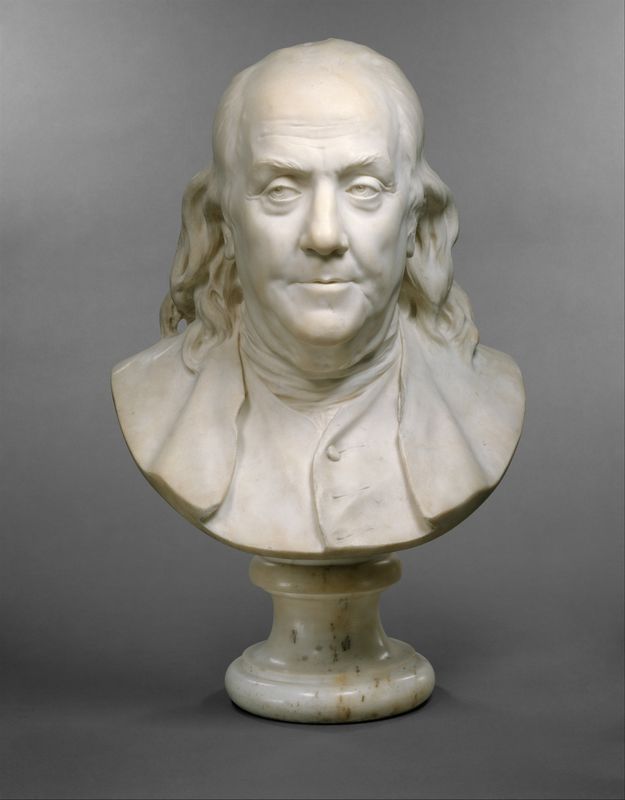
Start at the high, smooth forehead, creased with a few deep lines. The shiny dome sets off the weathered face below it.
Study the eyes, with their heavy, baggy lids and fine creases at the corners. The smooth, blank eyeballs still give the gaze a calm, alert quality.
The mouth is closed, with the lips pressed into a faint, knowing smile. Soft cheeks and a full chin make the face feel lived in.
Under the chin, the neckcloth gathers in loose, soft folds. Its smooth surface catches gentle shadows and contrasts with the broader planes of the coat.
The round, stepped pedestal is mottled with brown flecks and has a warm, cloudy tone. It lifts the bust and sets the head high above the base.
The full narration walks you through Bust of Benjamin Franklin — the story behind it, the details most visitors miss, and why it matters. Free in the Art Whisper app.
Canadian-born sculptor who shaped America's Centennial with patriotic porcelain busts and decorative reliefs.
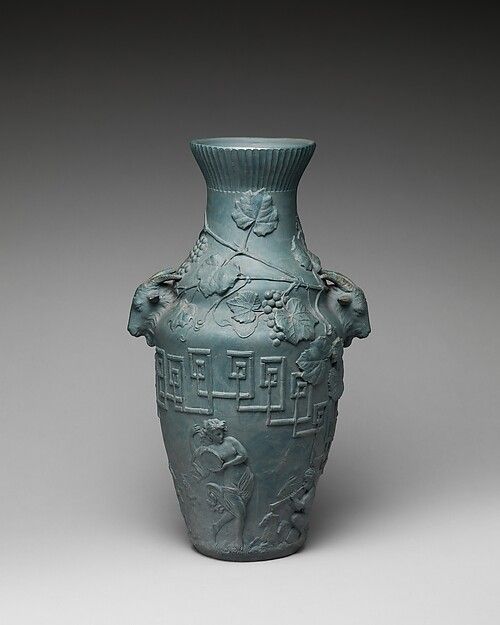 Pastoral Vase
1871 · The Metropolitan Museum of Art
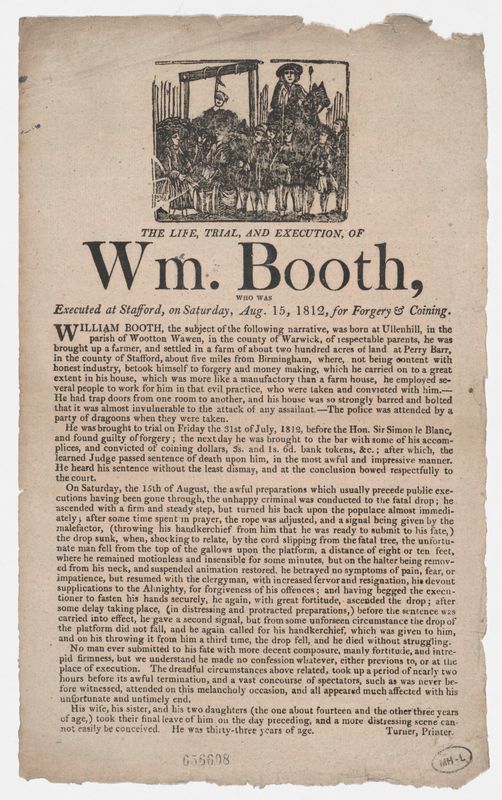 Broadside
1873 · The Metropolitan Museum of Art
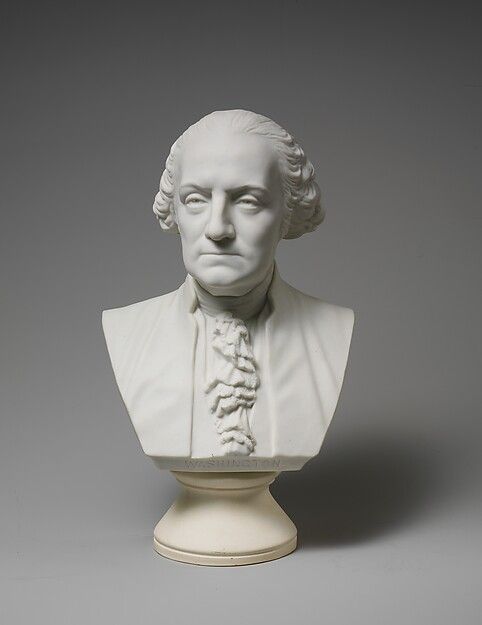 George Washington
1873 · The Metropolitan Museum of Art
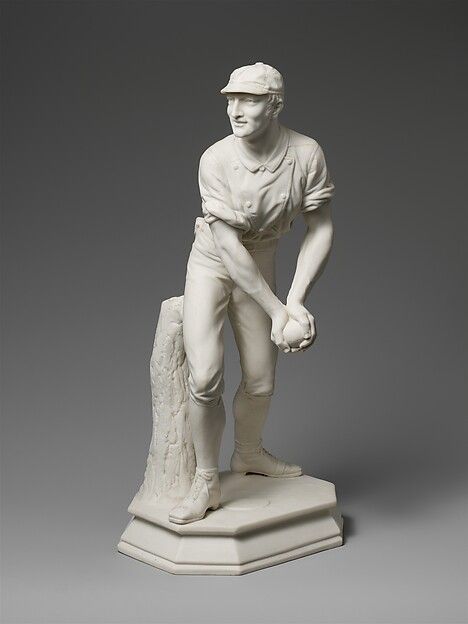 Catcher
1875 · The Metropolitan Museum of Art
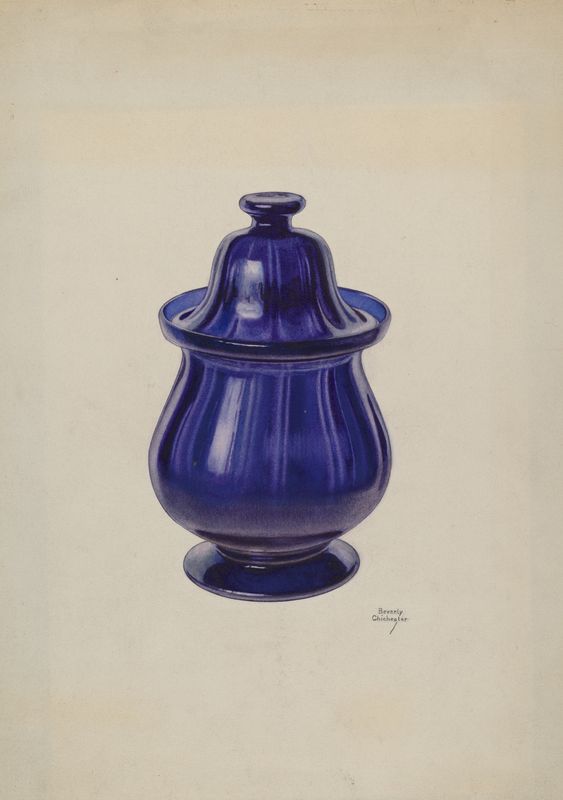 Covered Sugar Bowl
1876 · The Metropolitan Museum of Art
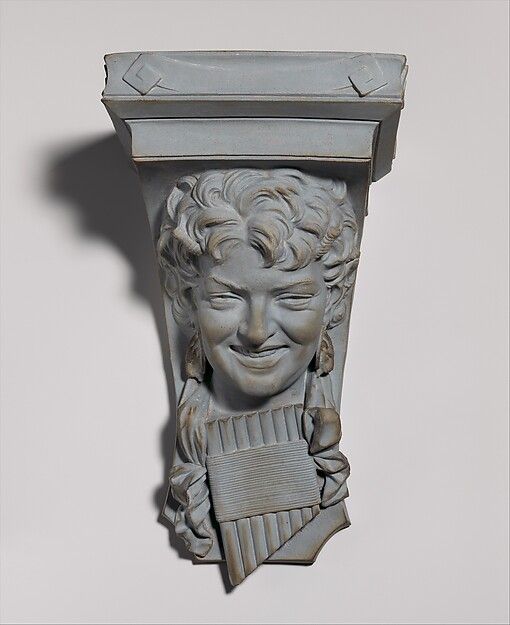 Bracket
1877 · The Metropolitan Museum of Art
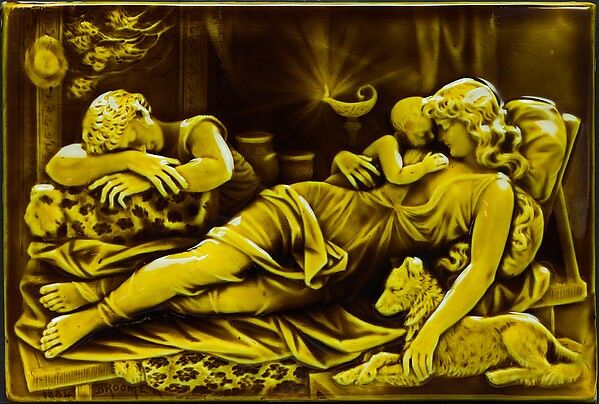 Tile
1884 · The Metropolitan Museum of Art
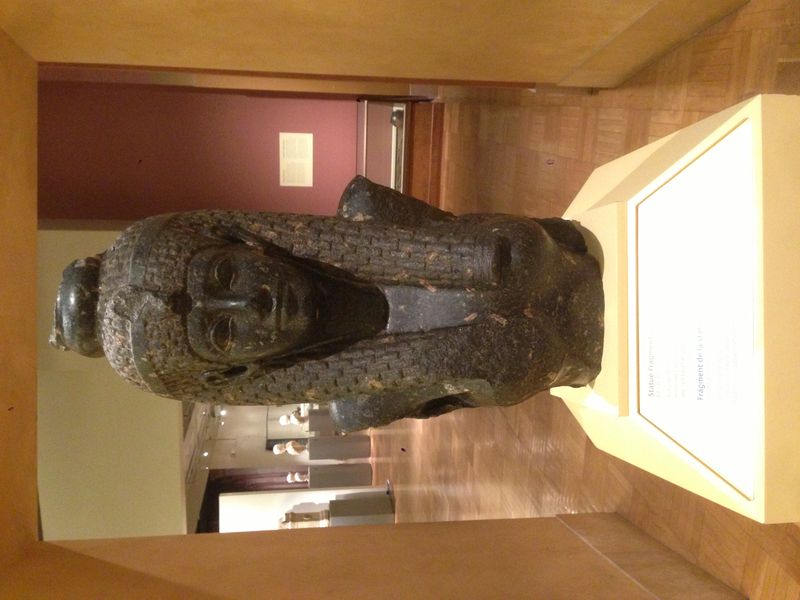 Bust of Cleopatra
1914 · The Metropolitan Museum of Art
Beyond Broome: works from the same years.
 Same era · 1860s–1890s
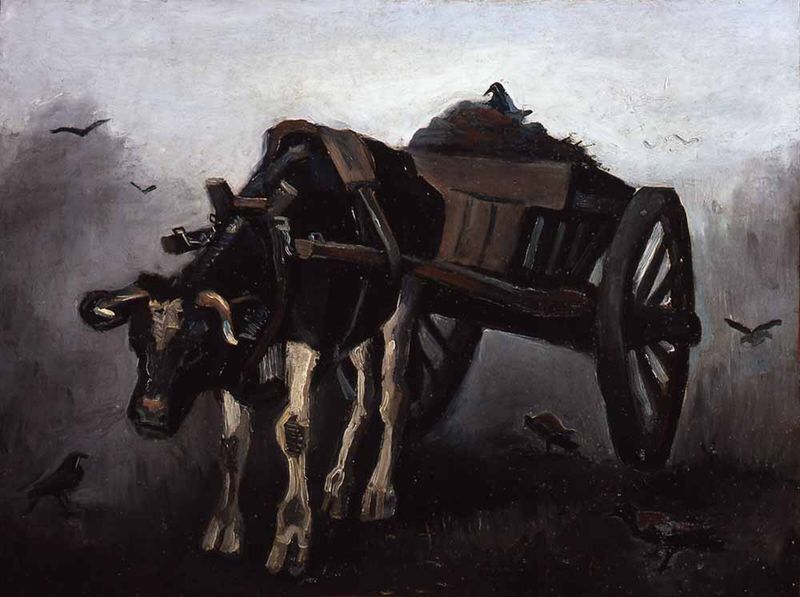
Cart with Black Ox
Vincent van Gogh · 1884 · Portland Art Museum
 Same era · 1860s–1890s
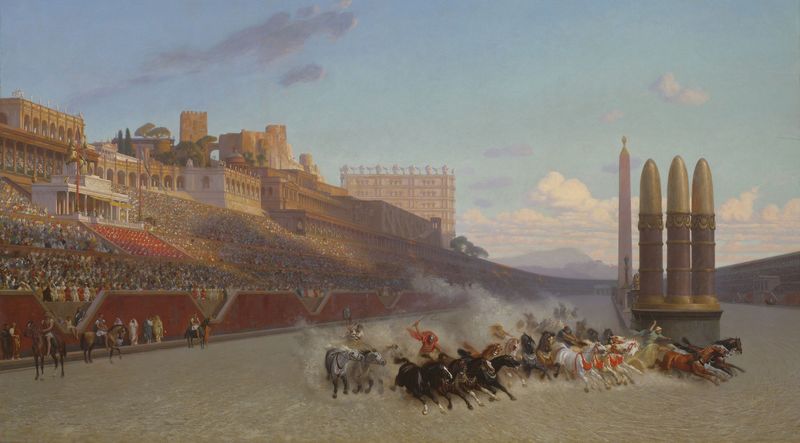
Chariot Race
Léon-Victor Dupré · 1876 · Art Institute of Chicago
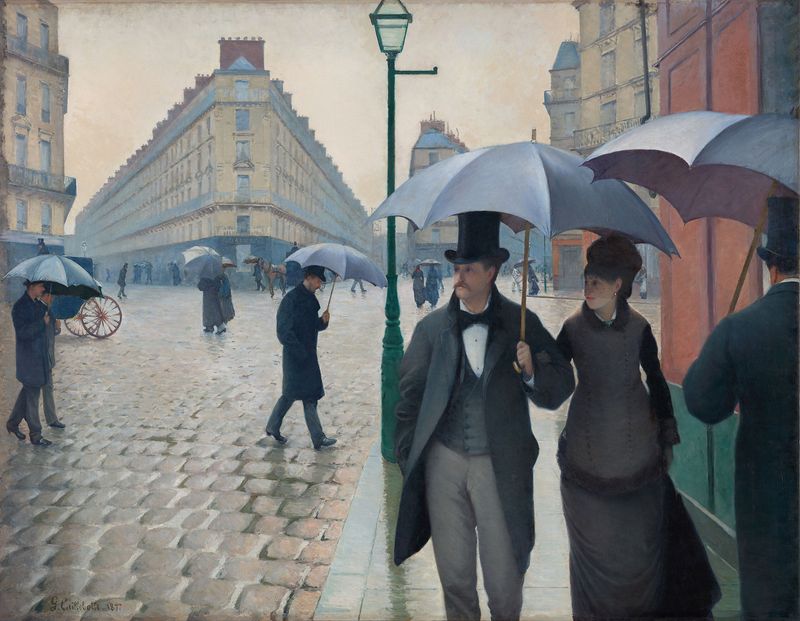 Same era · 1860s–1890s
Paris Street; Rainy Day
Kawabata Gyokushō · 1877 · Art Institute of Chicago
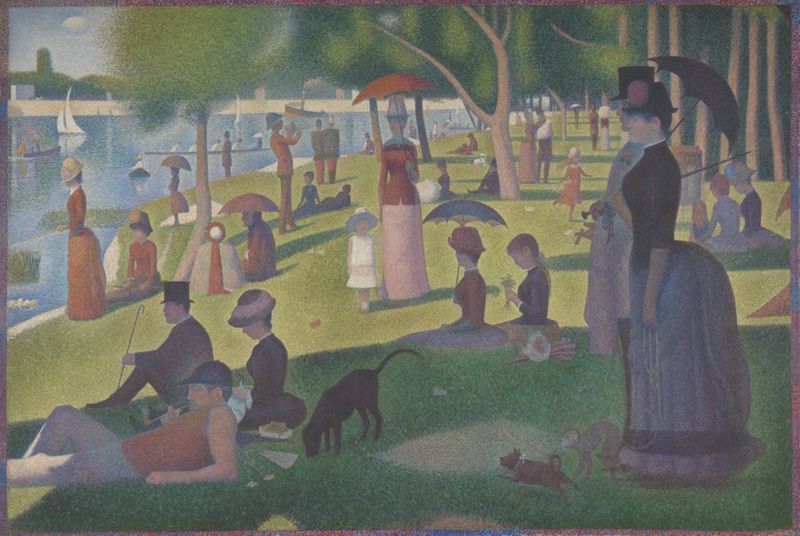 Same era · 1860s–1890s
A Sunday on La Grande Jatte — 1884
Okada Saburosuke · 1884 · Art Institute of Chicago
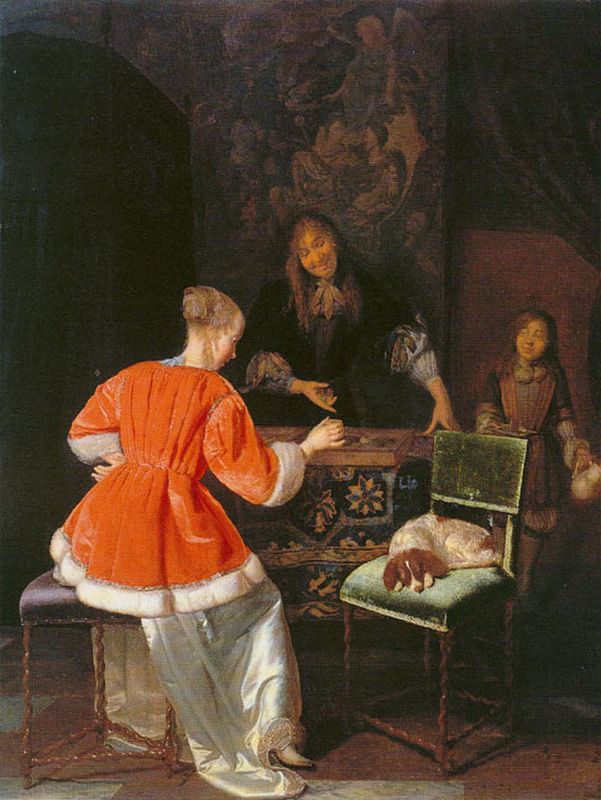 Same era · 1860s–1890s
The Backgammon Players
Philip Webb · 1861 · The Metropolitan Museum of Art
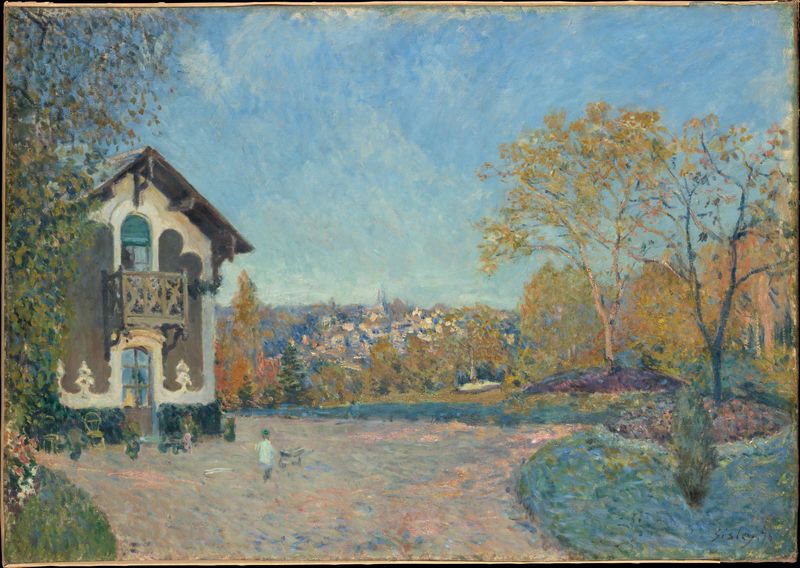 Same era · 1860s–1890s
View of Marly-le-Roi from Coeur-Volant
Alfred Sisley · 1876 · The Metropolitan Museum of Art
 Same era · 1860s–1890s
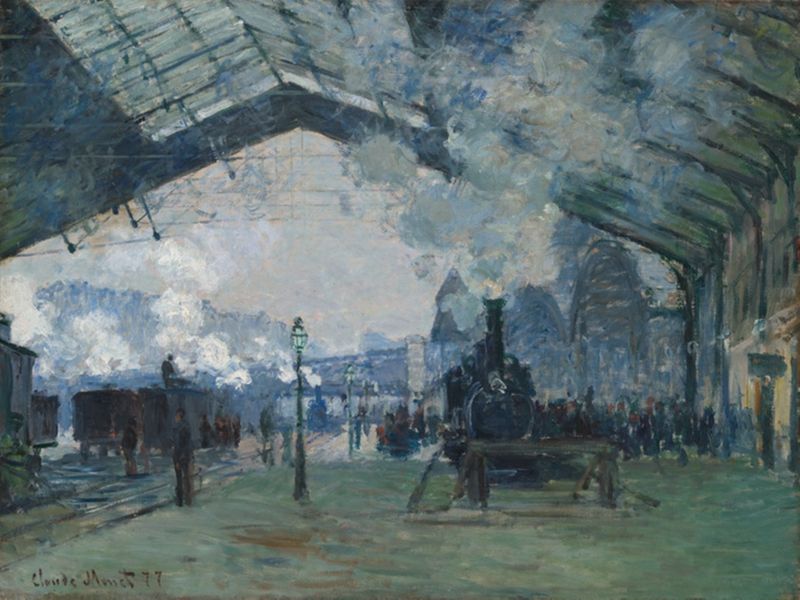
Arrival of the Normandy Train, Gare Saint-Lazare
Claude Monet · 1877 · Art Institute of Chicago
 Same era · 1860s–1890s
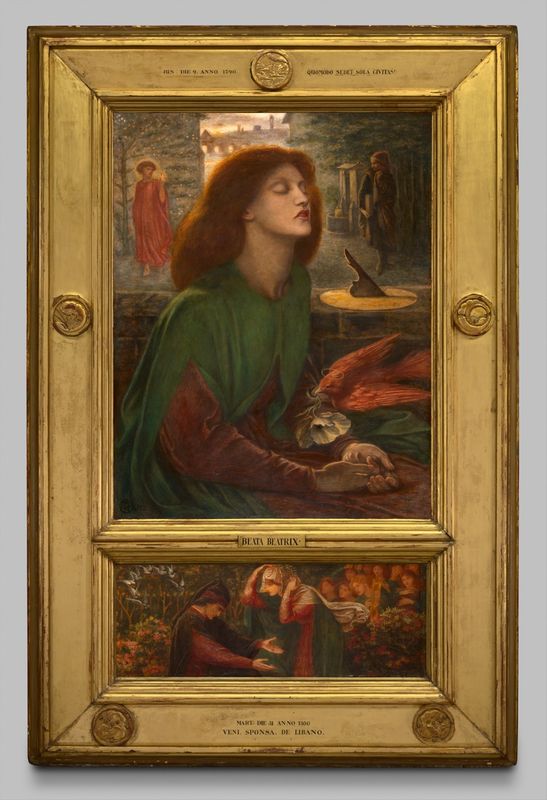
Beata Beatrix
Dante Gabriel Rossetti · 1877 · Birmingham Museums Trust
 Same era · 1860s–1890s
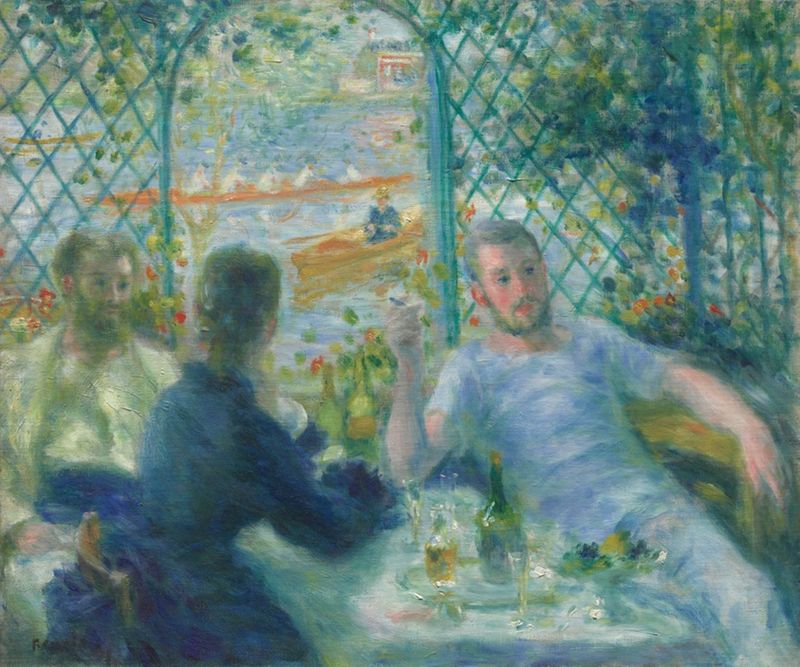
Lunch at the Restaurant Fournaise (The Rowers' Lunch)
Pierre-Auguste Renoir · 1875 · Art Institute of Chicago
 Same era · 1860s–1890s
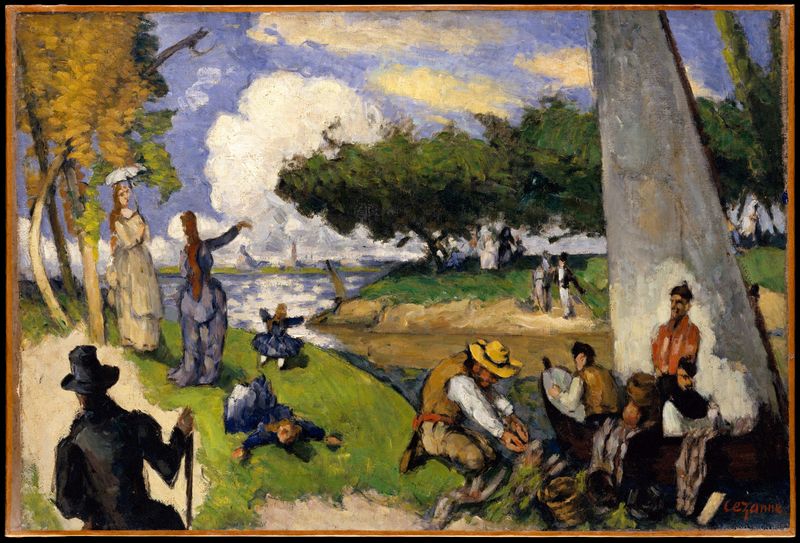
The Fishermen (Fantastic Scene)
Paul Cézanne · 1875 · Metropolitan Museum of Art
 Same era · 1860s–1890s
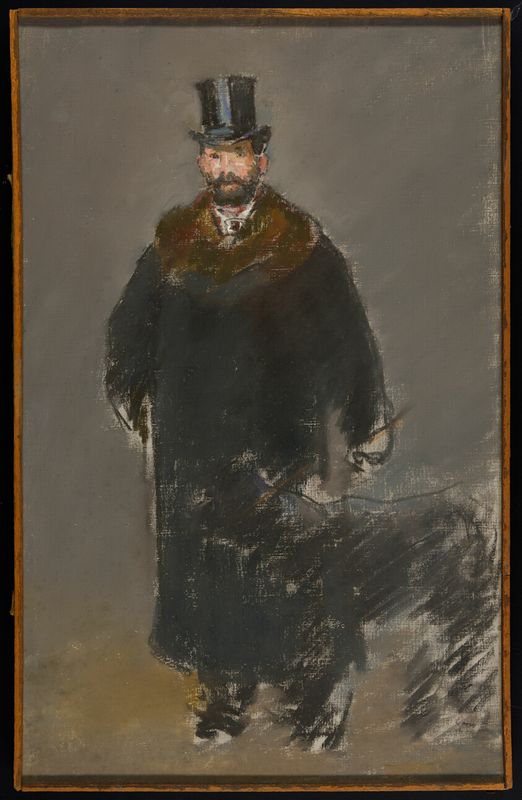
The Man with the Dog
Édouard Manet · 1877 · Art Institute of Chicago
 Same era · 1860s–1890s
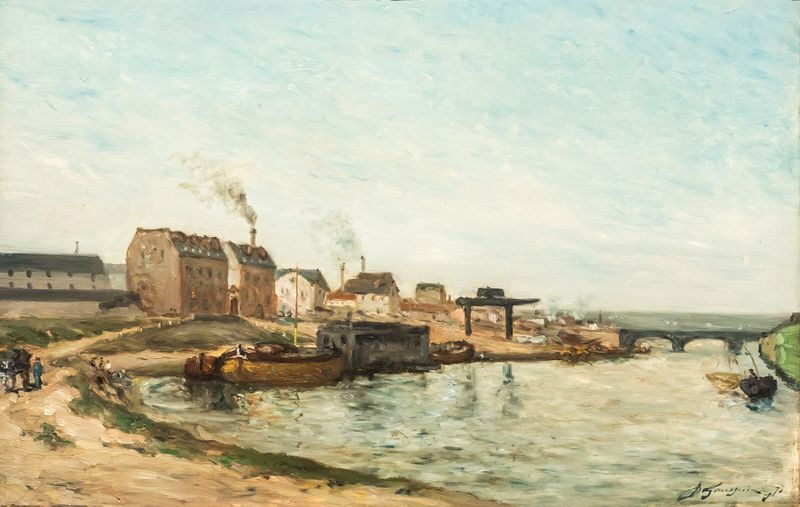
The Seine at Pont de Grenelle
Paul Gauguin · 1875 · Wallraf–Richartz Museum
