The burning Lexington
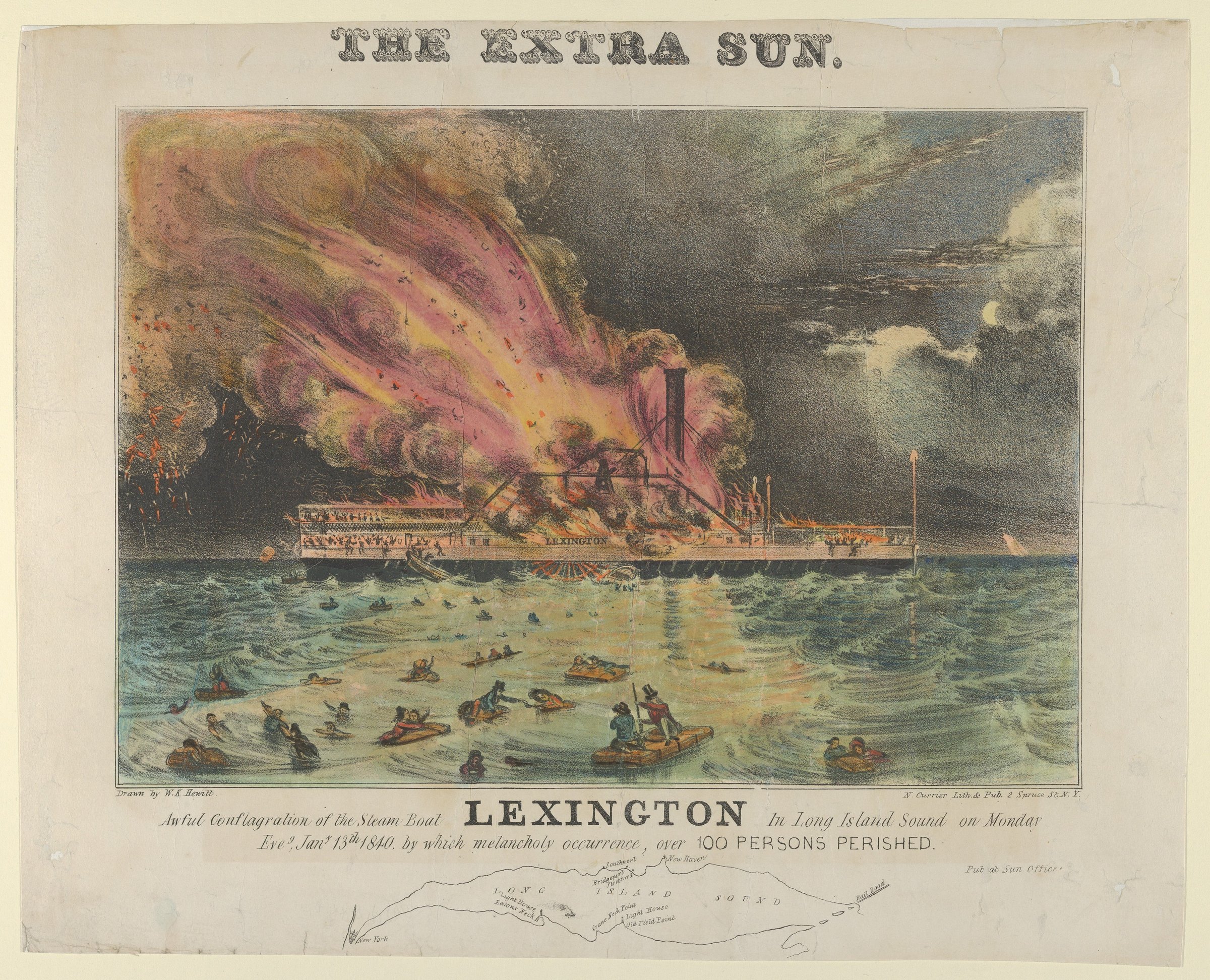
The steamboat's long pale hull runs level across the middle of the scene, with LEXINGTON painted on its side. Flames and smoke pour from the deck above while the hull itself looks almost still.

“This dramatic 1840 hand-colored lithograph captures the terrifying moment the steamship Lexington burst into flames on Long Island Sound, a vivid record of a devastating maritime disaster that captivated the public.”
A fiery chaos engulfs the steamship Lexington in this dramatic print, showing the vessel ablaze in the frigid waters of Long Island Sound. Flames leap from the ship's entire length, turning the night sky an ominous orange and red. Below, tiny figures desperately cling to debris or struggle in the waves, illuminated by the inferno. The artist, William Keesey Hewitt, captures the terrifying reality of the January 1840 disaster, which claimed over a hundred lives. This hand-colored lithograph, created in the immediate aftermath, served as a vivid news report for a public hungry for images of such dramatic events. It emphasizes the sheer power of the fire against the vulnerability of human life, transforming a real-world tragedy into a stark visual narrative.

Five details hide in plain sight. Pick one and we’ll show you exactly where to look.
The steamboat's long pale hull runs level across the middle of the scene, with LEXINGTON painted on its side. Flames and smoke pour from the deck above while the hull itself looks almost still.
Look at the huge plume streaming up and left from the ship. Pink, yellow and orange wash turns the fire into a spectacle, almost beautiful.
Small figures swim or cling to bales and bits of wreckage in the choppy water. Their tiny scale against the burning ship shows how many people were in the water.
Two men in top hats stand on a rough raft, one holding a pole. They are among the clearest figures in the water and put a human face on the disaster.
A small map of Long Island Sound runs along the bottom, with place names such as New York and New Haven. It shows where the disaster happened and gives the print the feel of a news report.
The full narration walks you through Awful Conflagration of the Steam Boat Lexington in Long Island Sound on Monday Eve, January 13th, 1840, by which melancholy occurrence, over 100 Persons Perished — the story behind it, the details most visitors miss, and why it matters. Free in the Art Whisper app.
Beyond Hewitt: works from the same years.
Same era · 1820s–1850s
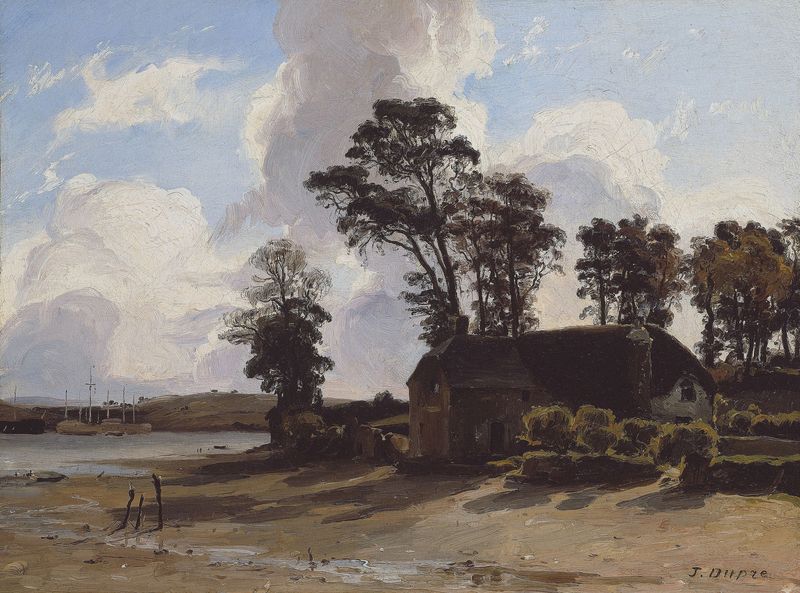
The Estuary Farm
Léon-Victor Dupré · 1831 · Art Institute of Chicago
Same era · 1820s–1850s
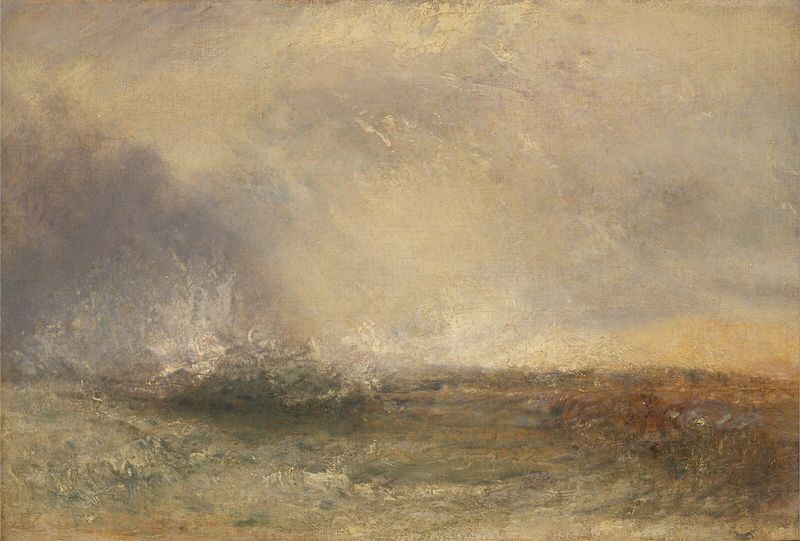
Stormy Sea Breaking on a Shore
J. M. W. Turner · 1840 · Yale Center for British Art
Same era · 1820s–1850s
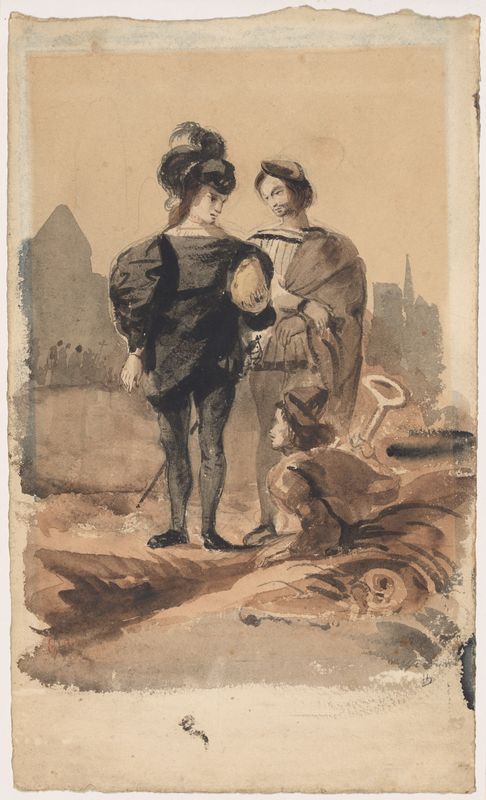
Hamlet and Horatio in the Graveyard
Eugène Delacroix · 1839 · Department of Paintings of the Louvre
Same era · 1820s–1850s
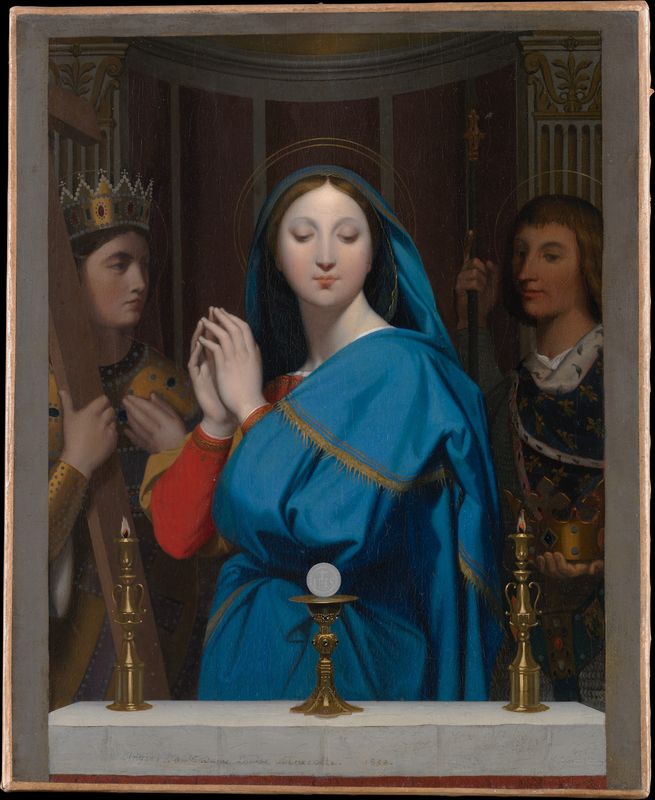
The Virgin Adoring the Host
Jean-Auguste-Dominique Ingres · 1841 · Pushkin Museum of Fine Arts
Same era · 1820s–1850s
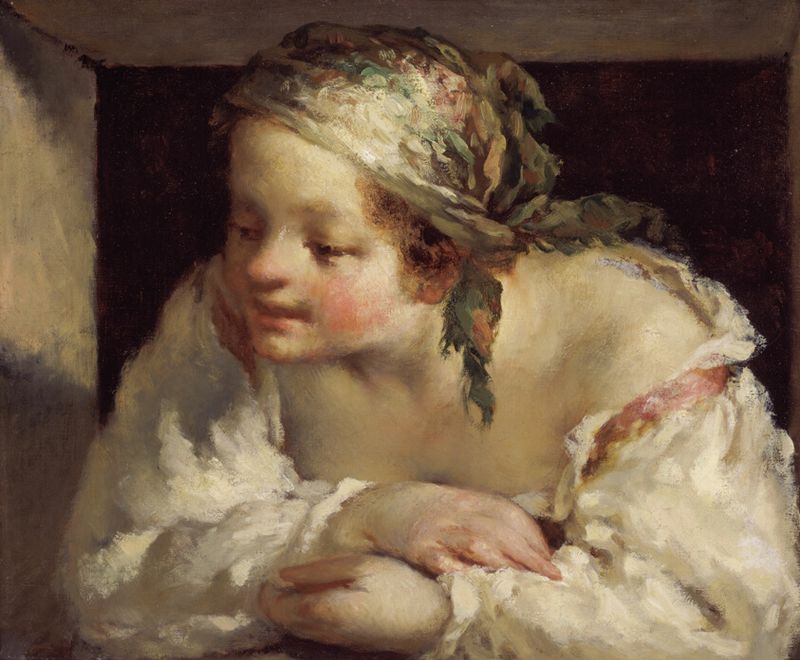
Young Woman
Jean-François Millet · 1844 · Art Institute of Chicago
Same era · 1820s–1850s
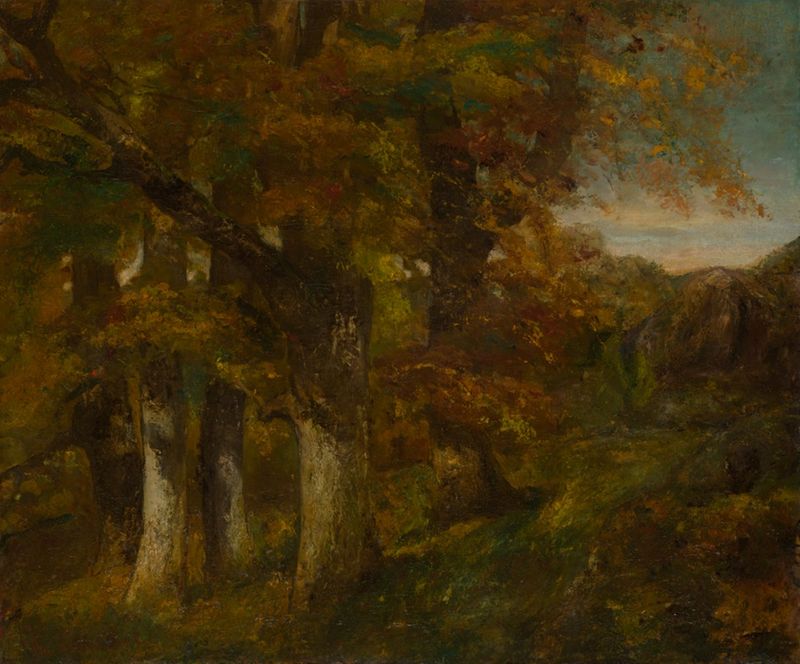
Wooded Landscape
Gustave Courbet · 1848 · Art Institute of Chicago
Same era · 1820s–1850s
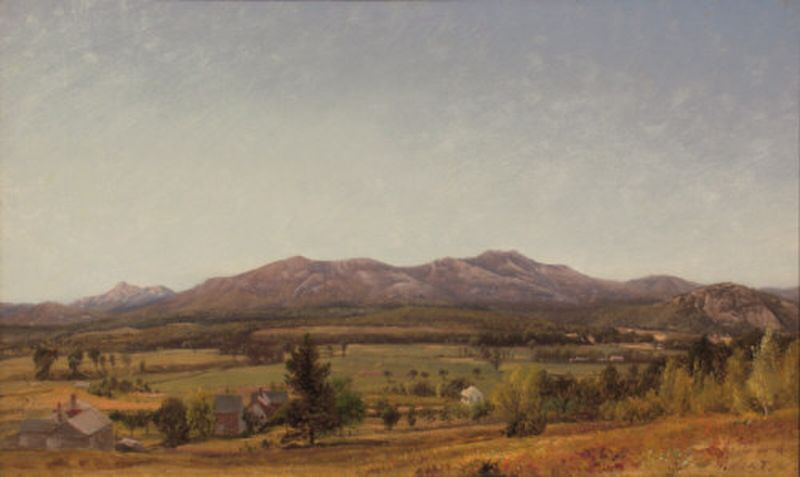
Mount Chocorua and Moat Mountain from North Conway
William Hart · 1850
Same era · 1820s–1850s
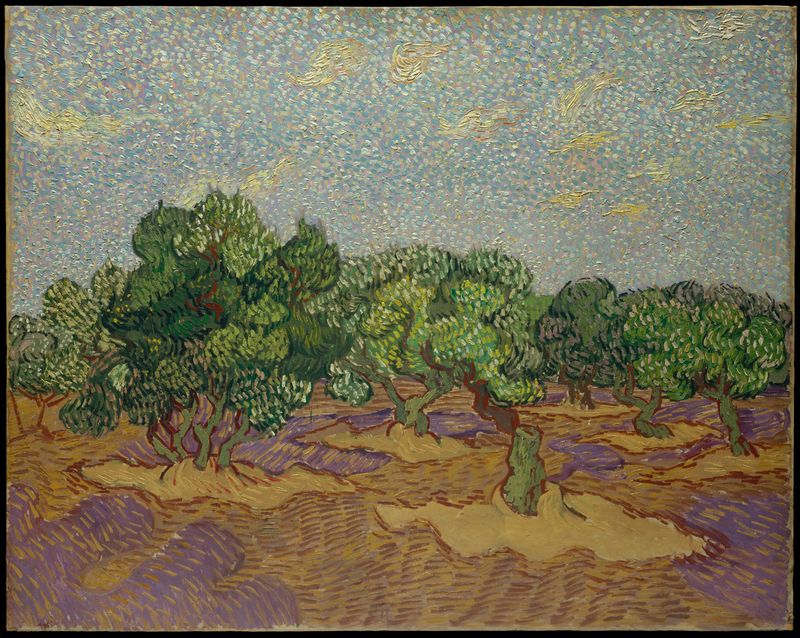
Olive Trees
Vincent van Gogh · 1853 · The Metropolitan Museum of Art
Same era · 1820s–1850s
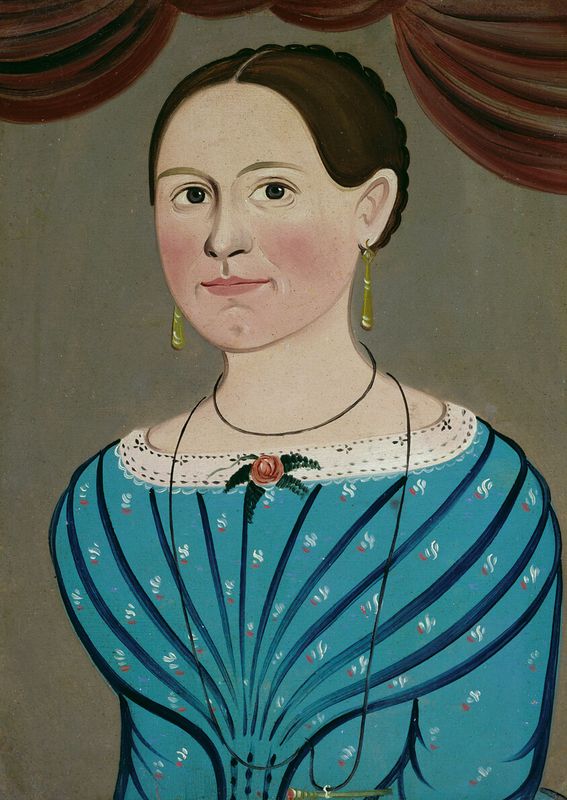
Woman in a Blue Dress
School of William Matthew Prior · 1840 · Art Institute of Chicago
Same era · 1820s–1850s
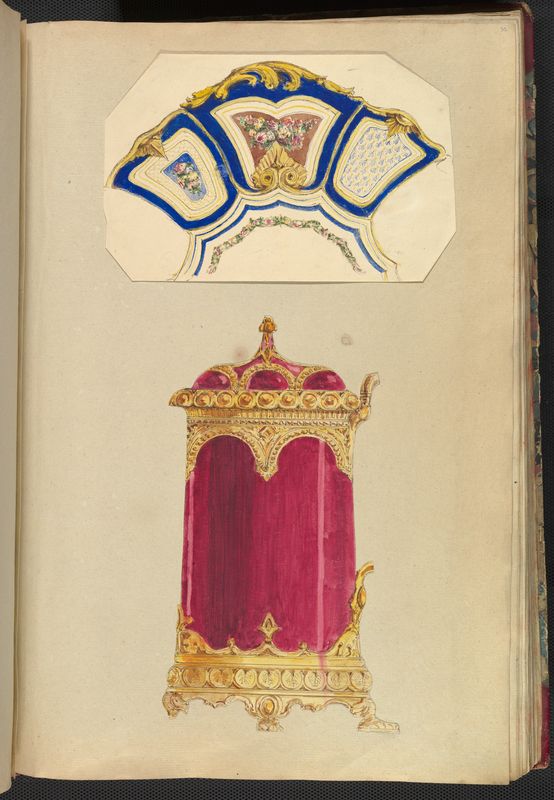
Designs for a Decorated Dish, or Platter, and a Biscuit Barrel
Alfred Henry Forrester [Alfred Crowquill] · 1845 · The Metropolitan Museum of Art
Same era · 1820s–1850s
Mr. James Mackie
Samuel Alcock & Company · 1830 · Art Institute of Chicago
Same era · 1820s–1850s
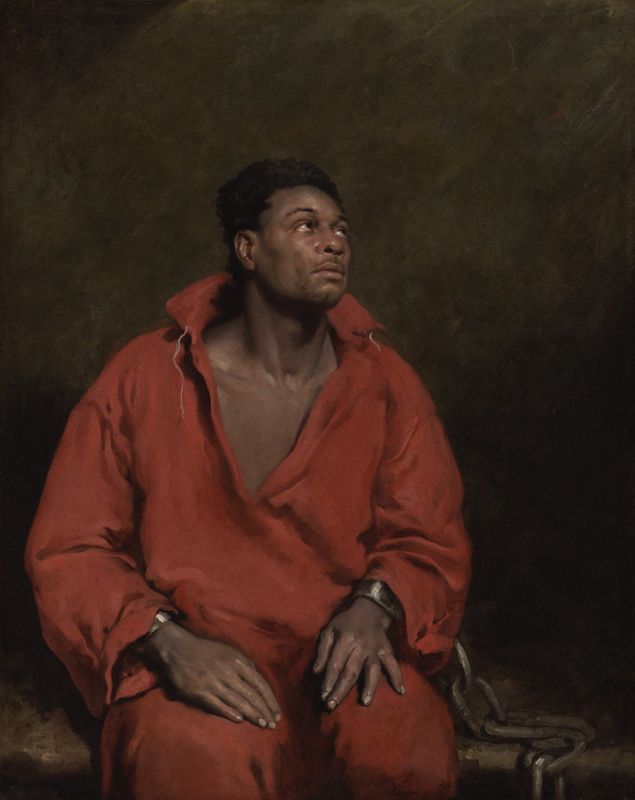
The Captive Slave (Ira Aldridge)
John Philip Simpson · 1827 · Art Institute of Chicago