
“Imagine walking into a gallery and seeing paintings that look like they could be architectural blueprints come to life—sharp-edged factories, gleaming grain silos, and streamlined skyscrapers rendered with almost mathematical precision.”
That's Precisionism, America's first truly homegrown modern art movement. Born during the industrial boom between World Wars, these artists were utterly captivated by the machine age. But here's the twist: unlike the chaotic, fragmented Cubists in Europe, American Precisionists painted industrial America with an almost reverential clarity, as if these factories and bridges were the cathedrals of the modern era.
What makes Precisionism instantly recognizable is its obsession with clean lines and geometric forms. These artists—Charles Sheeler, Charles Demuth, Georgia O'Keeffe (in her urban phase), and Ralston Crawford among them—stripped away human figures and messy details to focus on the pure forms of industrial structures. They'd take a grain elevator or a smokestack and render it with such crystalline clarity that it became almost abstract, yet always remained recognizable. The light in these paintings is often stark and dramatic, casting hard shadows that emphasize the geometric shapes. There's something almost contradictory about Precisionism: it celebrates modern industry while making it look timeless and monumental.
From across the gallery, you'll spot a Precisionist work by its graphic quality—it almost looks like it could be a poster or a technical illustration, but the subtle gradations of color and masterful handling of light reveal it as fine art. These paintings capture a moment when Americans were genuinely optimistic about industrialization, before the Great Depression dimmed that enthusiasm. They document a unique cultural moment when smokestacks represented progress and assembly lines symbolized human achievement.
- Period
- c. 1915–1940
- Peak
- around 1930
- Born in
- United States
- Key artists
- Bryson Burroughs, Charles Demuth, Charles Sheeler, Edith Bry
- Came before
- Ashcan School Realism
- Came after
- Abstract Expressionism
When it happened
- CAME BEFOREAshcan School Realism
- ~1915 · STARTED
- ~1930 · PEAKED
- ~1940 · ENDED
- CAME AFTERAbstract Expressionism
What makes it Precisionism
Razor-Sharp Geometric Forms
Buildings, machines, and structures reduced to clean geometric shapes—cylinders, rectangles, triangles—with crisp edges.
e.g. American Landscape by Charles SheelerDramatic Light and Shadow
Strong contrasts with hard-edged shadows that emphasize architectural forms, often in bright, clear daylight.
e.g. Classic Landscape by Charles SheelerAbsence of Human Figures
Industrial scenes are typically unpopulated, creating an eerie, monumental quality that emphasizes the structures themselves.
e.g. My Egypt by Charles DemuthFlattened Perspective
Slight flattening of space that makes the image more graphic and pattern-like, borrowing from Cubism but staying realistic.
e.g. Church Street El by Charles SheelerIndustrial Subject Matter
Factories, grain elevators, bridges, skyscrapers, and machinery celebrated as modern monuments worthy of artistic attention.
e.g. Demuth's Figure 5 in Gold (I Saw the Figure 5 in Gold)How to spot Precisionism
Three signs you’re standing in front of one — all easy to see in Construction: Night.
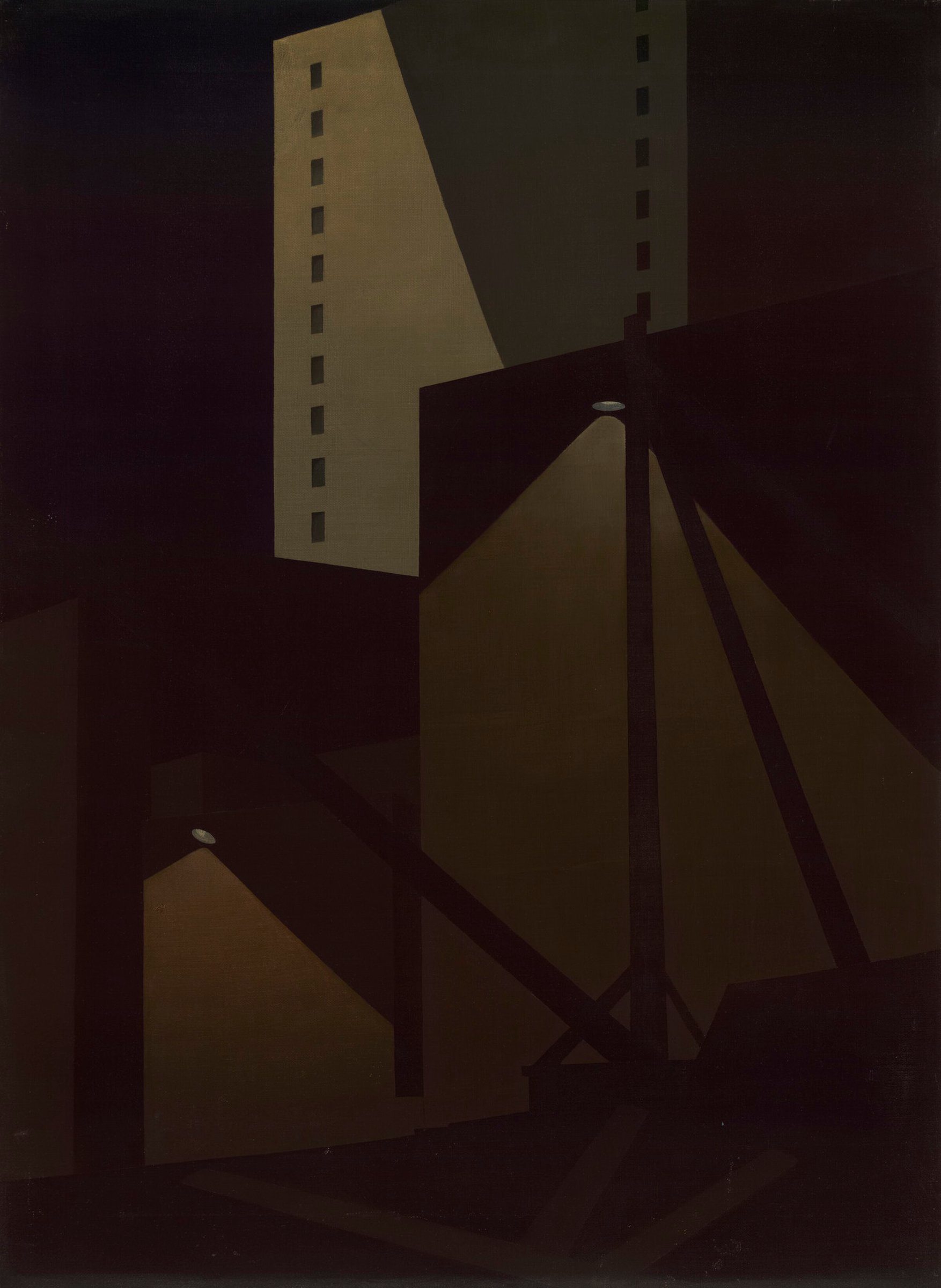
Look for industrial subjects—factories, grain silos, bridges—painted with almost architectural precision and clarity, no visible brushstrokes.
Notice the absence of people and the dramatic shadows that make everyday industrial structures look monumental and timeless.
Check for that graphic quality: if it looks like a sophisticated poster celebrating American industry, you're probably looking at Precisionism.
Charles Sheeler was also a photographer, and he often based his paintings on his own industrial photographs, creating a unique cross-pollination.
The movement was also called 'Cubist-Realism' and 'Immaculates' before the name Precisionism stuck in the 1920s.
Georgia O'Keeffe's urban paintings from the 1920s are considered Precisionist, showing her range beyond the flowers she's famous for.
The artists who defined it
Works to know
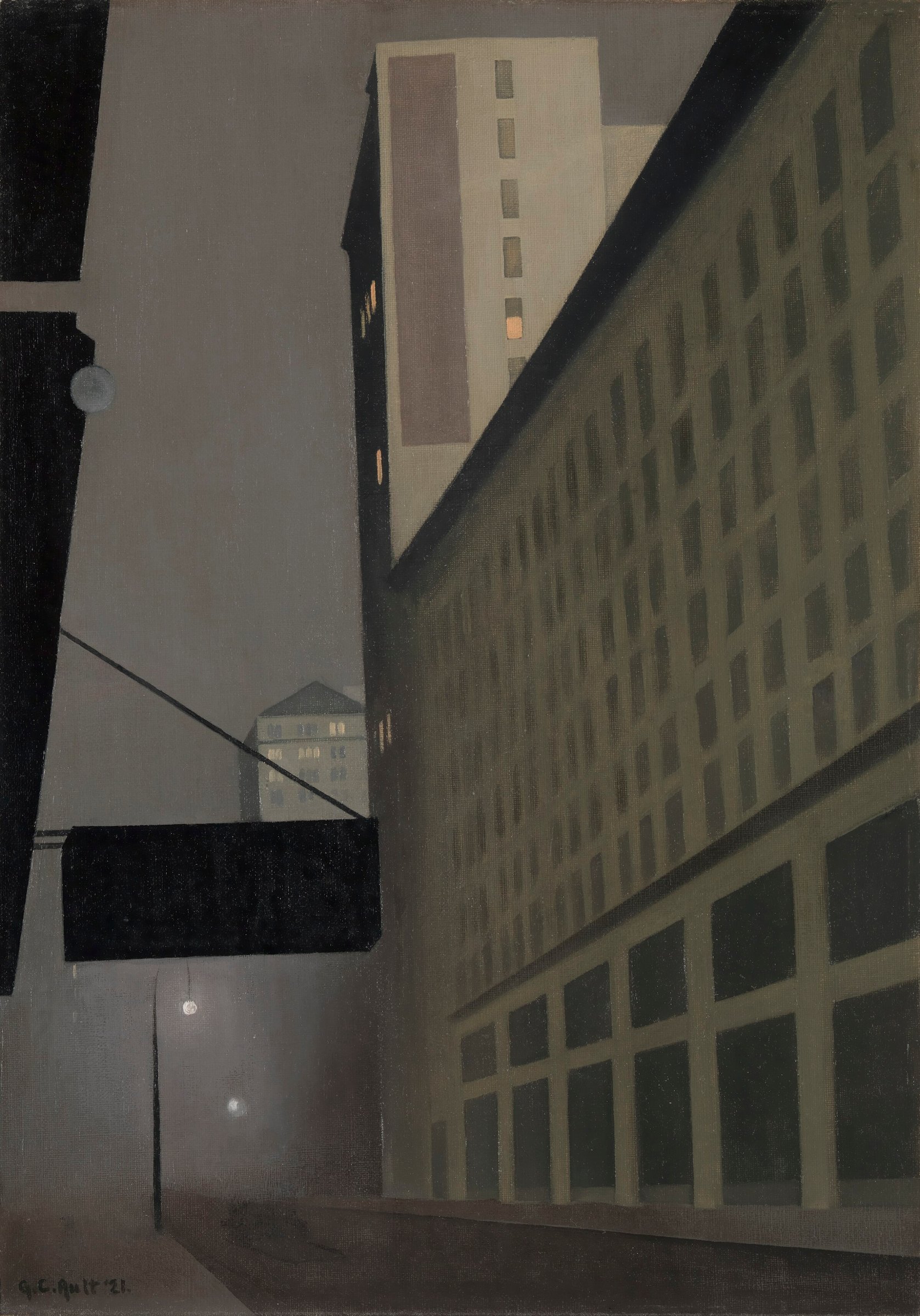
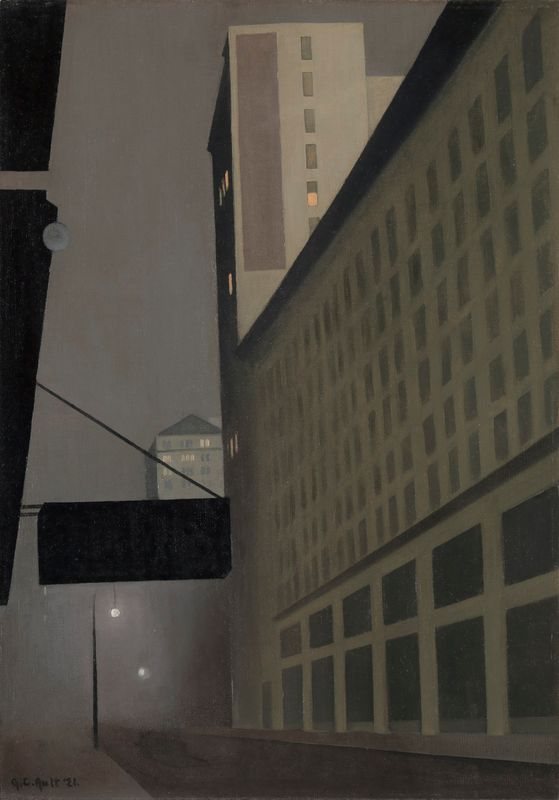 New York Night, No. 2
1921 · The Vilcek Foundation
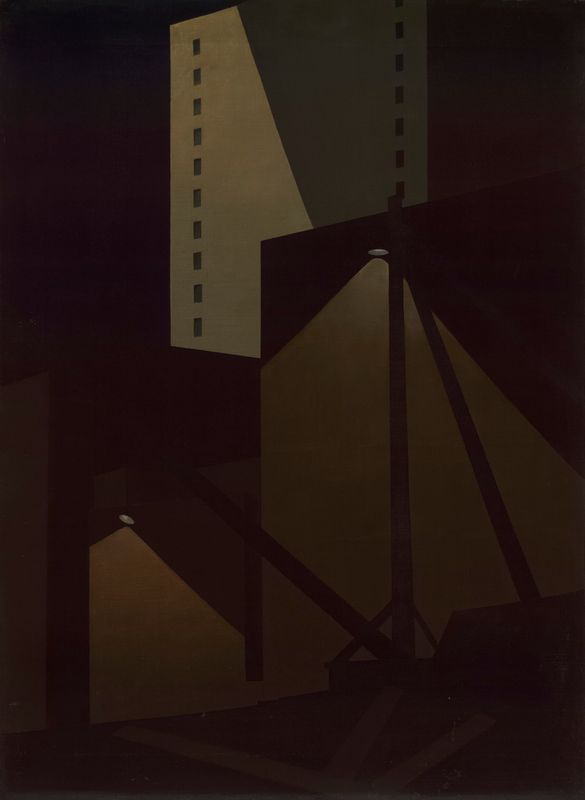 Construction: Night
1923 · Yale University Art Gallery
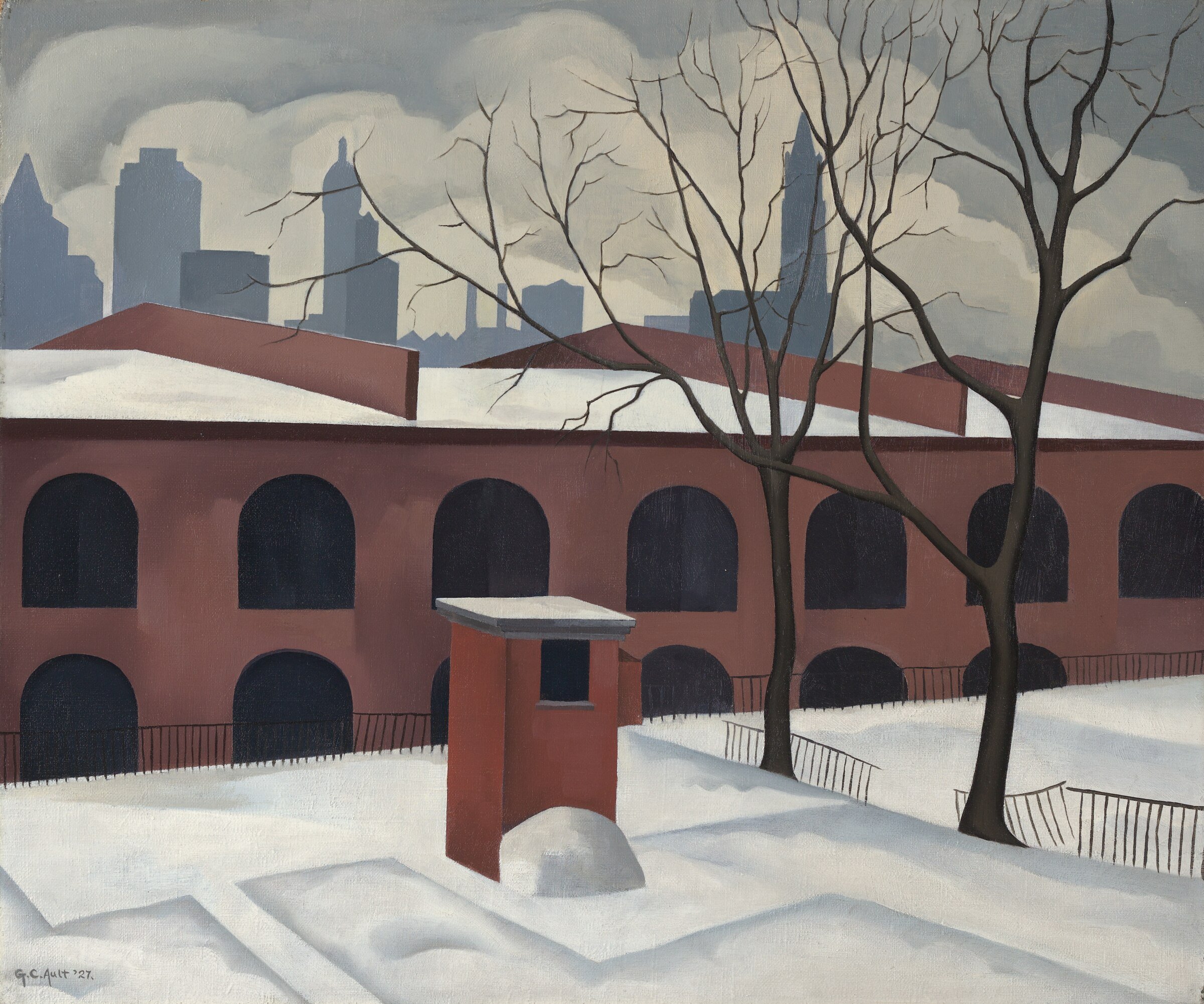
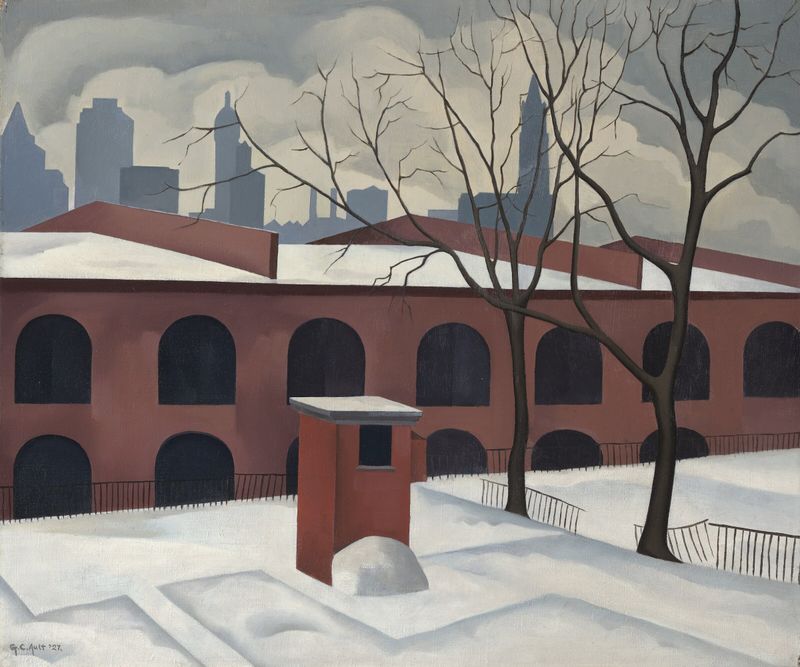 View from Brooklyn
1927 · The Vilcek Foundation
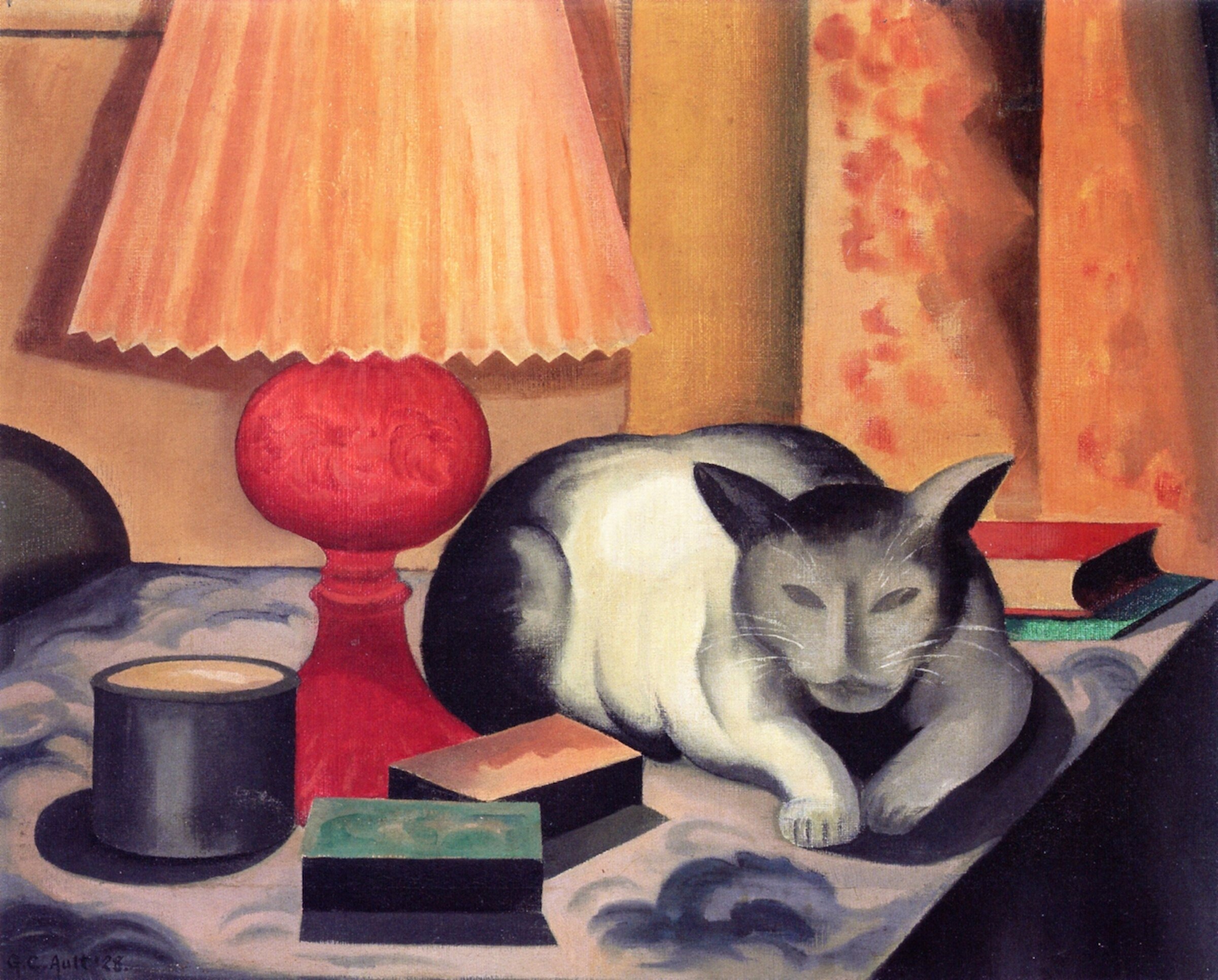
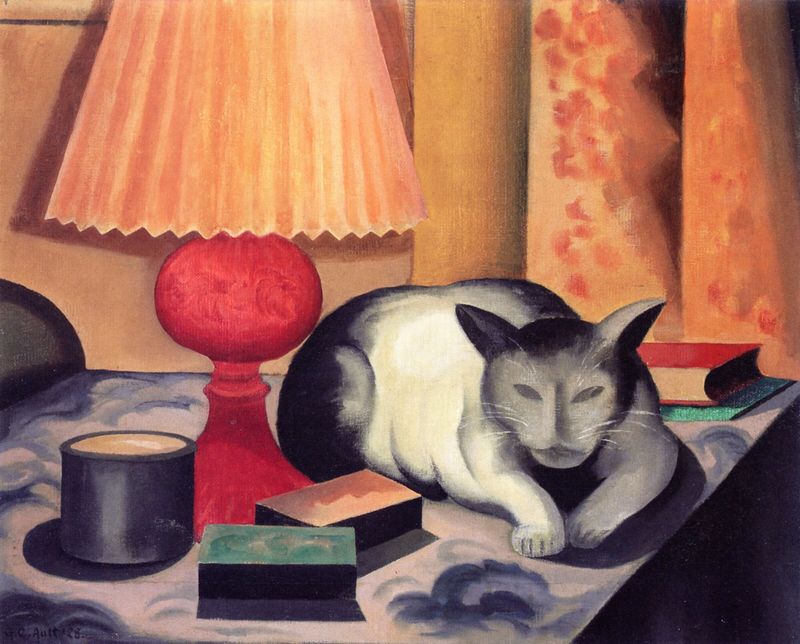 Cat and Lamp
1928
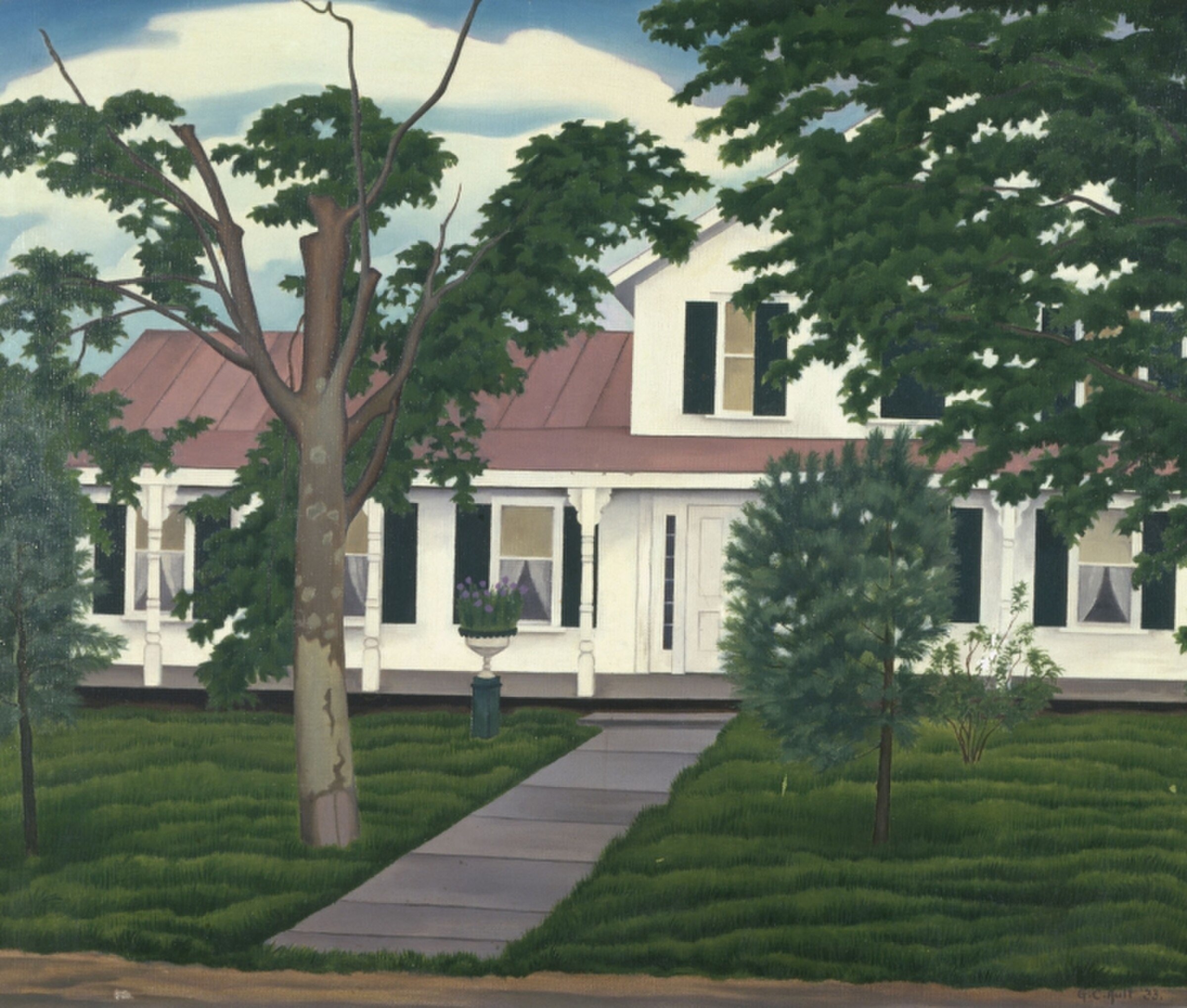
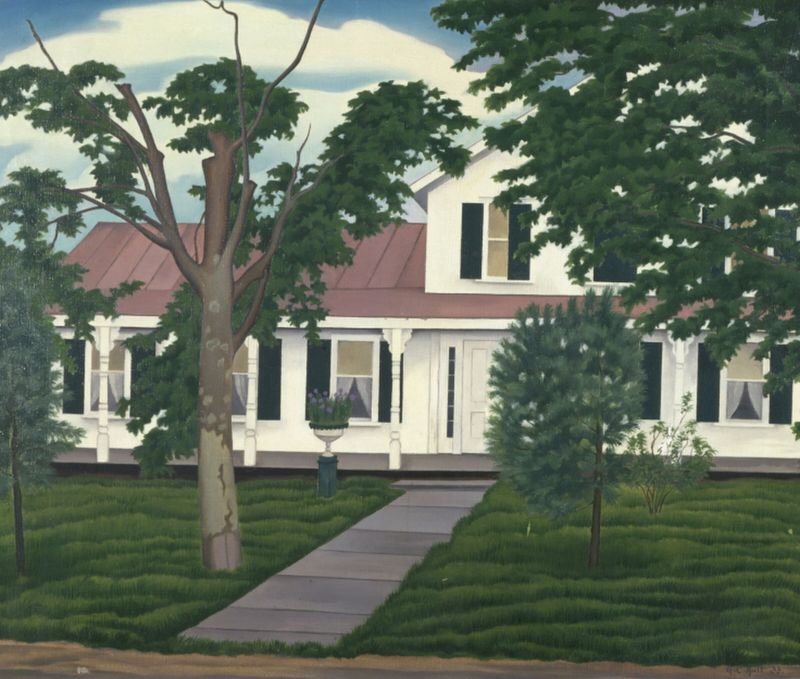 Came's House
1933
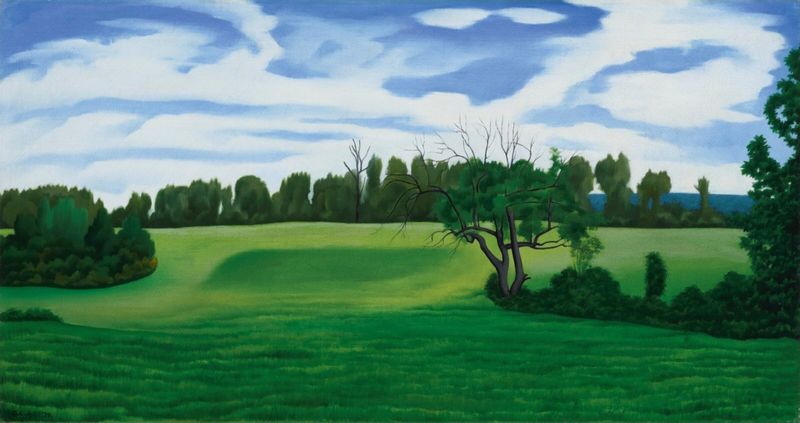 Summer Landscape
1934
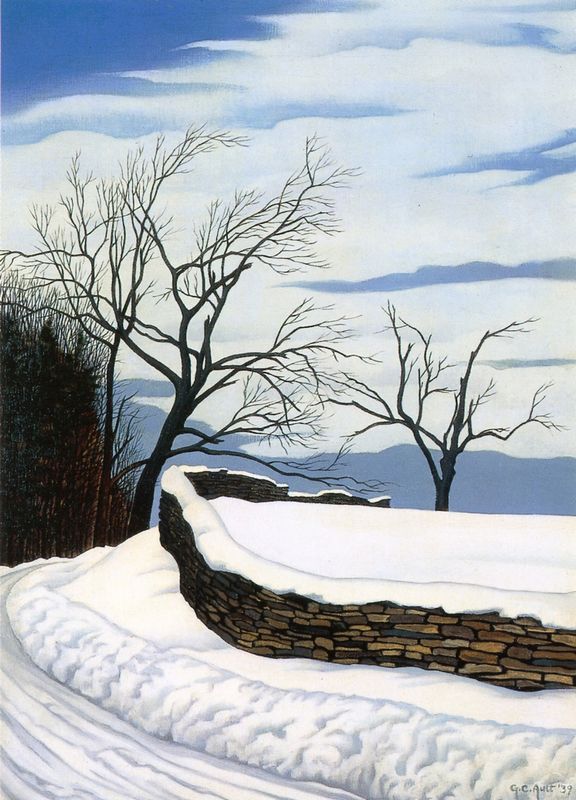 Where the Road Turns
1939
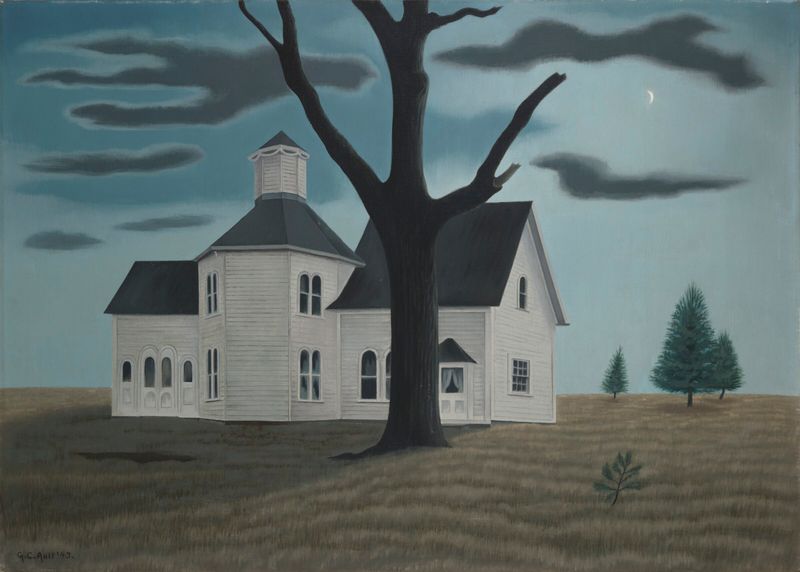 Old House, New Moon
1943 · Yale University Art Gallery
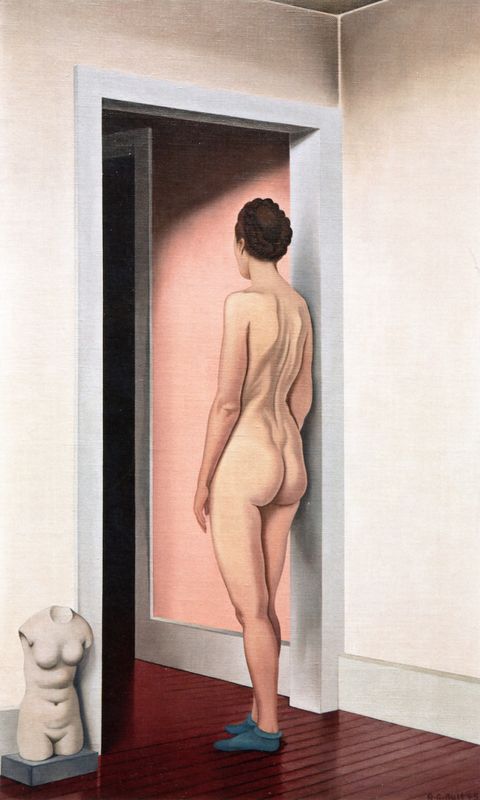 Nude and Torso
1945
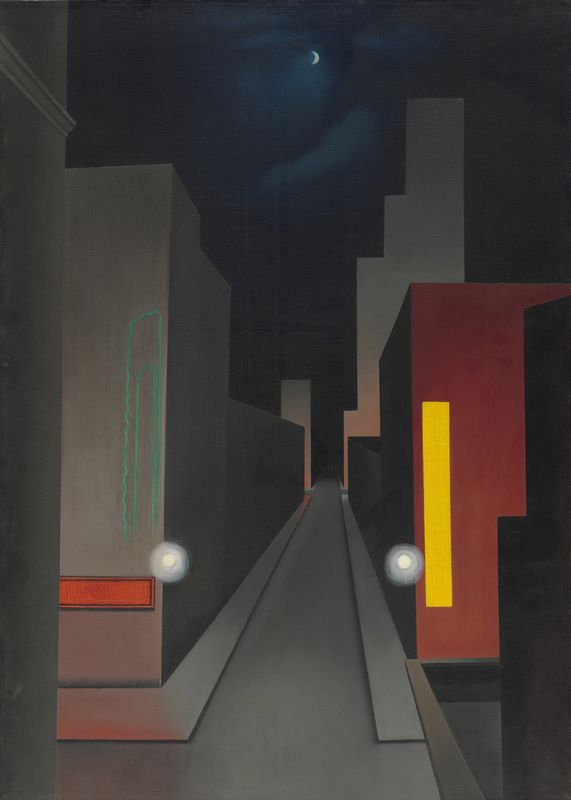 New Moon, New York
1945 · Museum of Modern Art
Take Precisionism to the museum
Point your phone at any painting and Art Whisper tells you its story — who made it, what to notice, and why it matters. Free to start.