
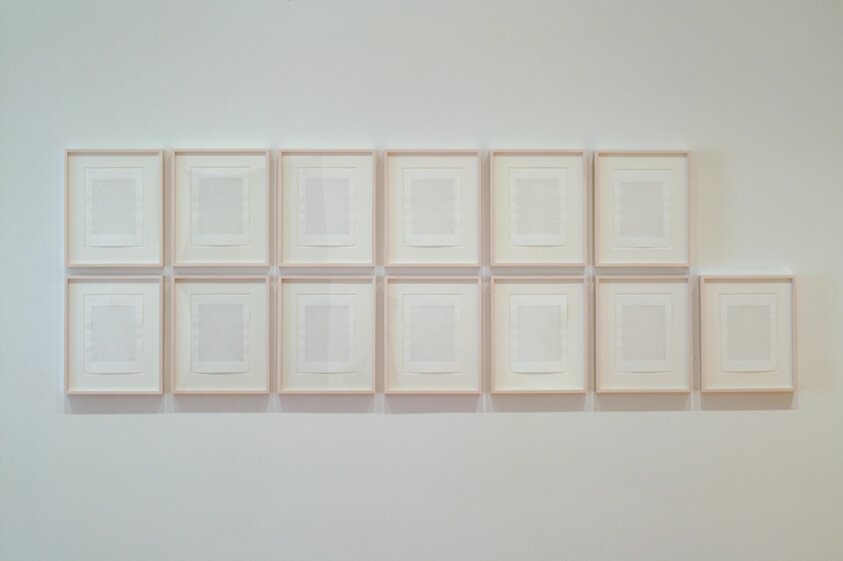
“This drawing, resembling a medical graph, quietly charts a "steady decline" through subtle lines and dots. It's a poignant reflection on health, data, and the passage of time, created by an artist known for works that invite personal interpretation.”
This spare, horizontal drawing presents a series of precisely plotted lines and dots, resembling a medical graph. Titled "Bloodwork—Steady Decline," the work immediately suggests a somber narrative, hinting at the tracking of a patient's health over time. The subtle shifts in the graphite and gouache on paper, though abstract, evoke the meticulous recording of data, perhaps blood counts or other vital signs. Created in 1993, this piece belongs to a series of "graph" works by Félix González-Torres, which are the only works by him that include hand-drawn elements. While such graphs have often been interpreted as representations of personal medical charts, the artist intended them to remain non-specific, allowing for broader interpretations of graphed data and the universal experience of monitoring change, decline, or hope.
- Artist
- Félix González-Torres
- Date
- 1993
- Medium
- Graphite and gouache on paper
- Location
- Art Institute of Chicago
- Dimensions
- Sheet: 1.3 × 28 cm (9/16 × 11 1/16 in.)
- Collection
- Prints and Drawings
- Culture
- United States
- Credit line
- Margaret Fisher Endowment; through prior gifts of Mary and Leigh Block and Mr. and Mrs. Carter H. Harrison; Mr. and Mrs. Frank G. Logan Prize Fund
What to Notice
Four details hide in plain sight. Here’s where to look.
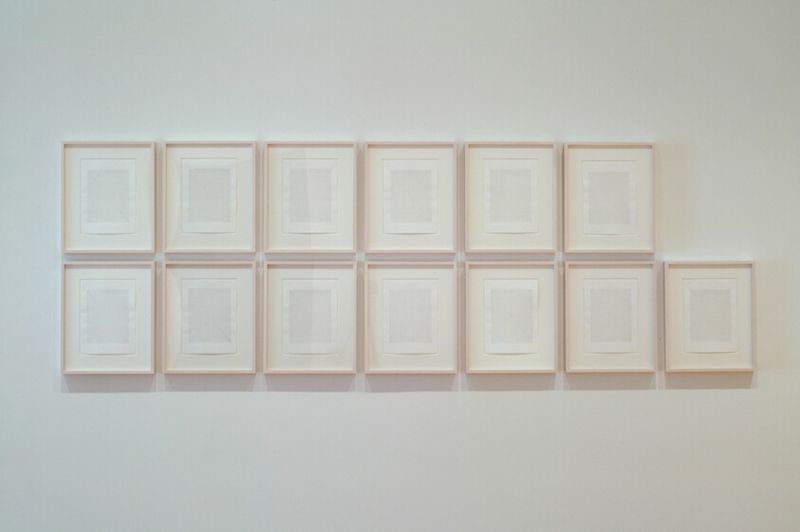
Observe the delicate graphite lines, charting a subtle, downward trajectory.
Notice the small, precise gouache dots, marking specific data points on the graph.
See the subtle variations in the paper's texture and color, adding to the work's fragility.
Consider the narrow, elongated format, akin to a strip of medical printout.
Stand in front of it and listen
The full narration walks you through "Untitled" (Bloodwork—Steady Decline) — the story behind it, the details most visitors miss, and why it matters. Free in the Art Whisper app.
Félix González-Torres
1957–1996 · CubaFélix González-Torres transformed everyday objects like light bulbs and wrapped candies into profound meditations on love, loss, and public engagement.
Further Works by González-Torres
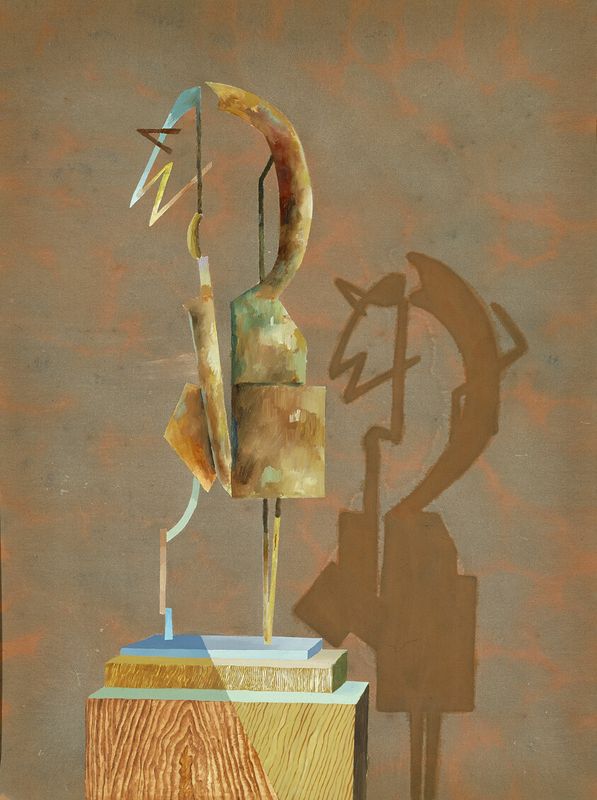 Gonzalez and Shadow
1972 · Art Institute of Chicago
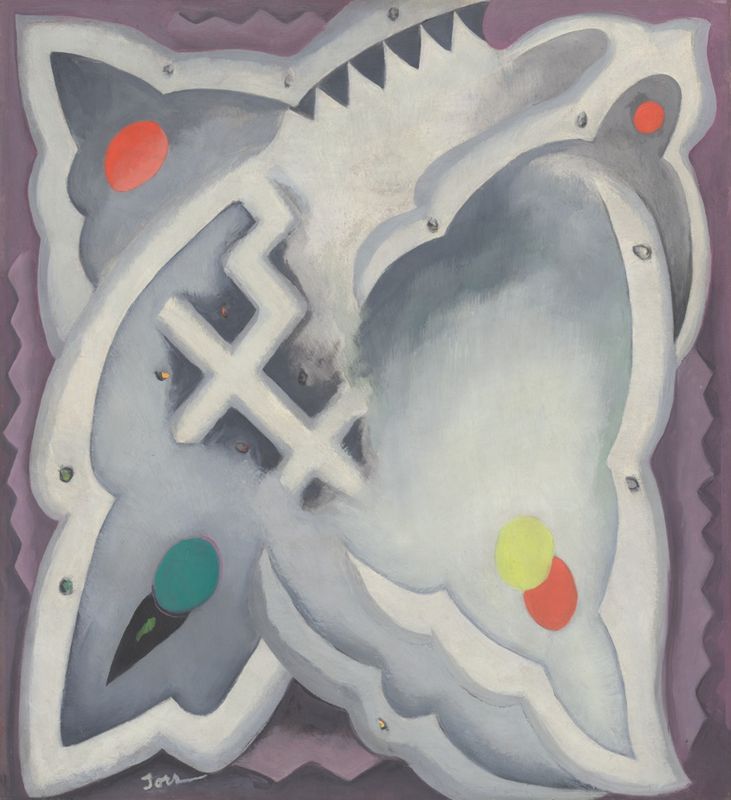 Extemporaneous
Art Institute of Chicago
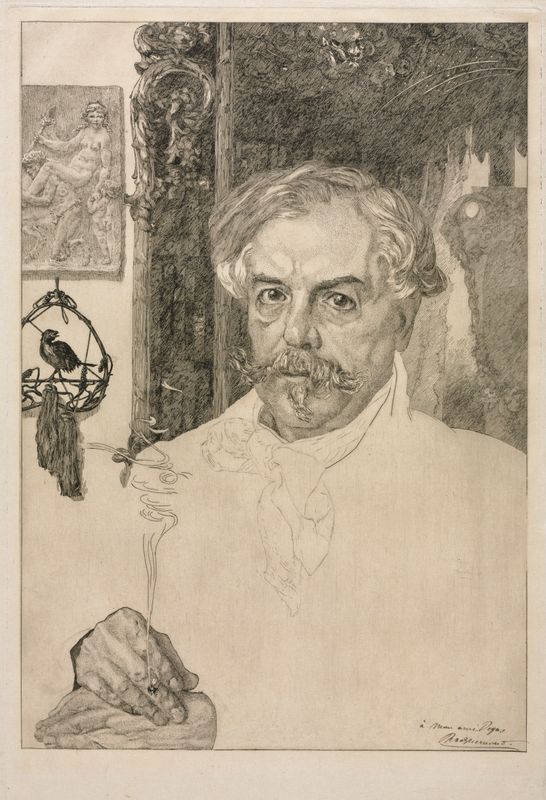 Portrait of Edmond de Goncourt
Art Institute of Chicago
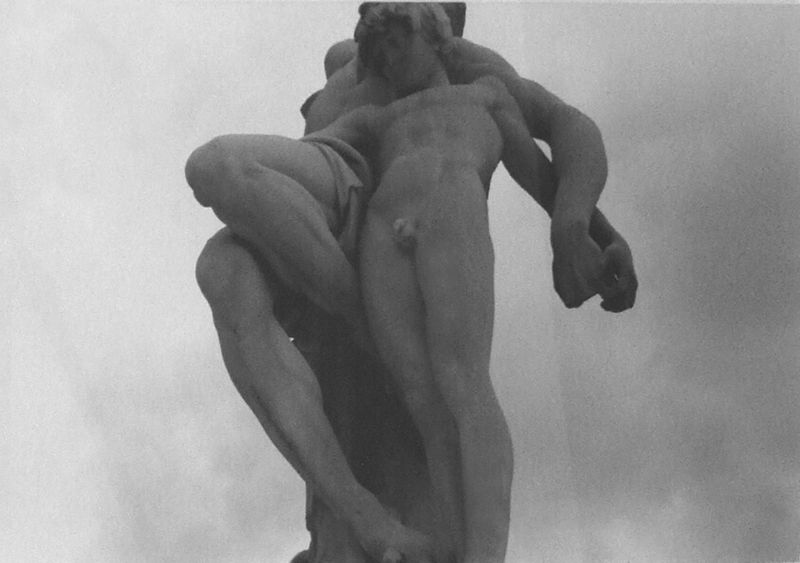 "Untitled" (Paris)
1988 · Art Institute of Chicago
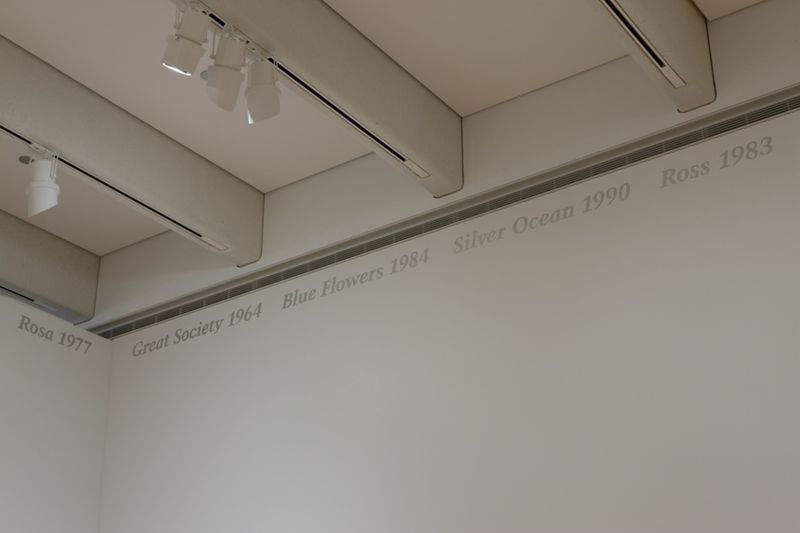 "Untitled"
1989 · Art Institute of Chicago
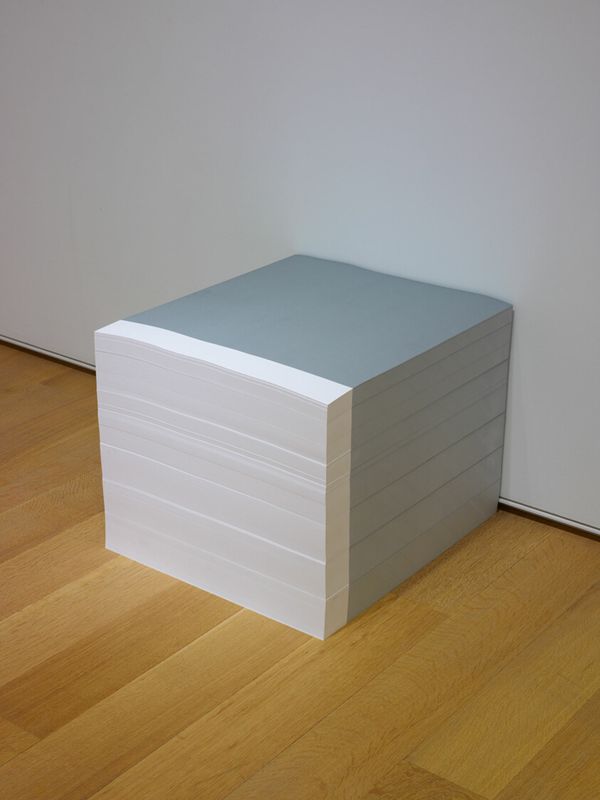 "Untitled" (Silver Beach)
1990 · Art Institute of Chicago
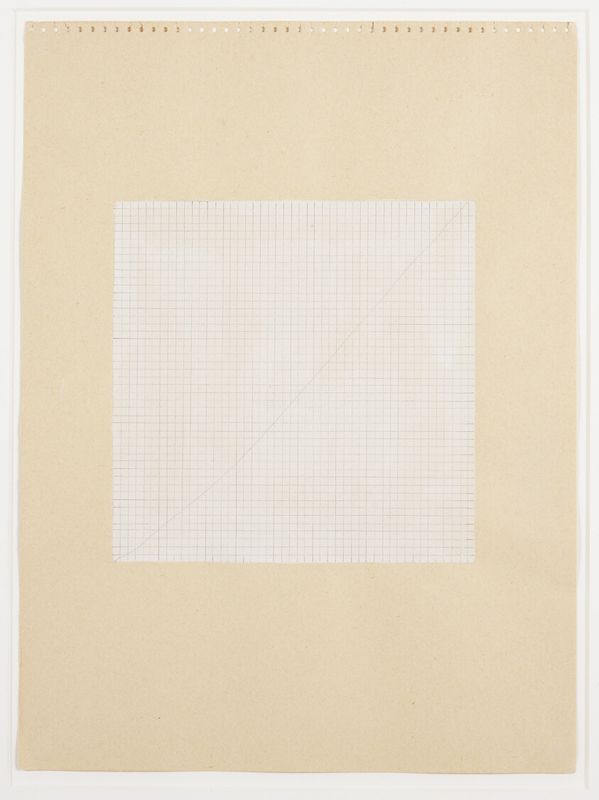 "Untitled" (t-cell count)
1990 · Art Institute of Chicago
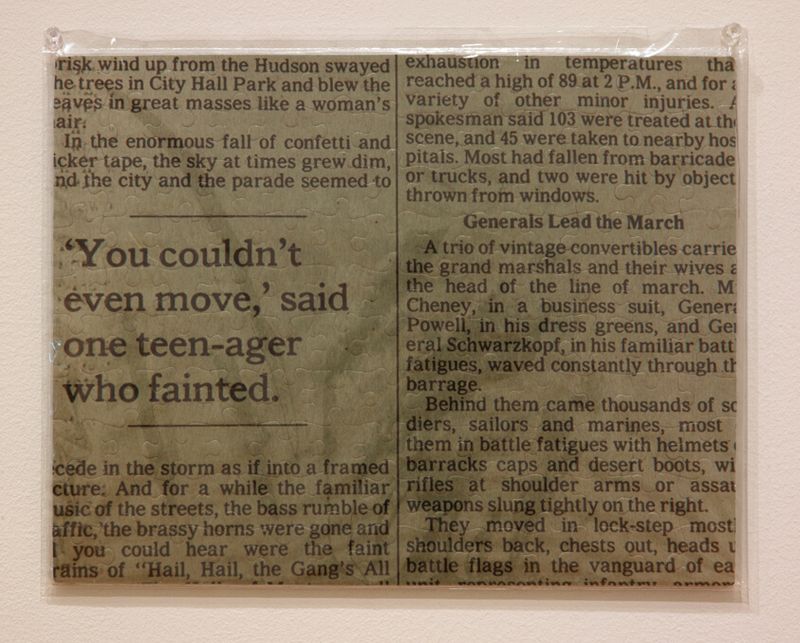 "Untitled" (Fainted)
1991 · Art Institute of Chicago
More works to explore
Beyond González-Torres: works from the same years.
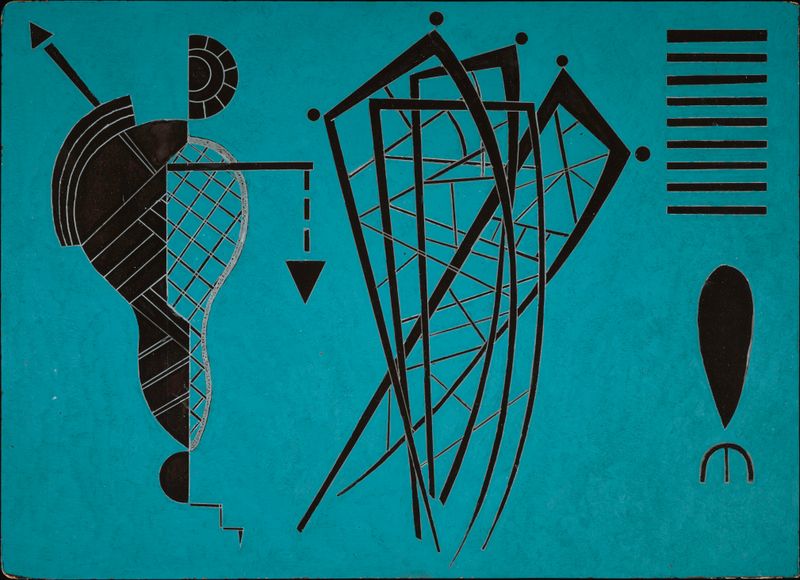 Same era · 1970s–2000s
Unfinished painting
Keith Haring · 1989
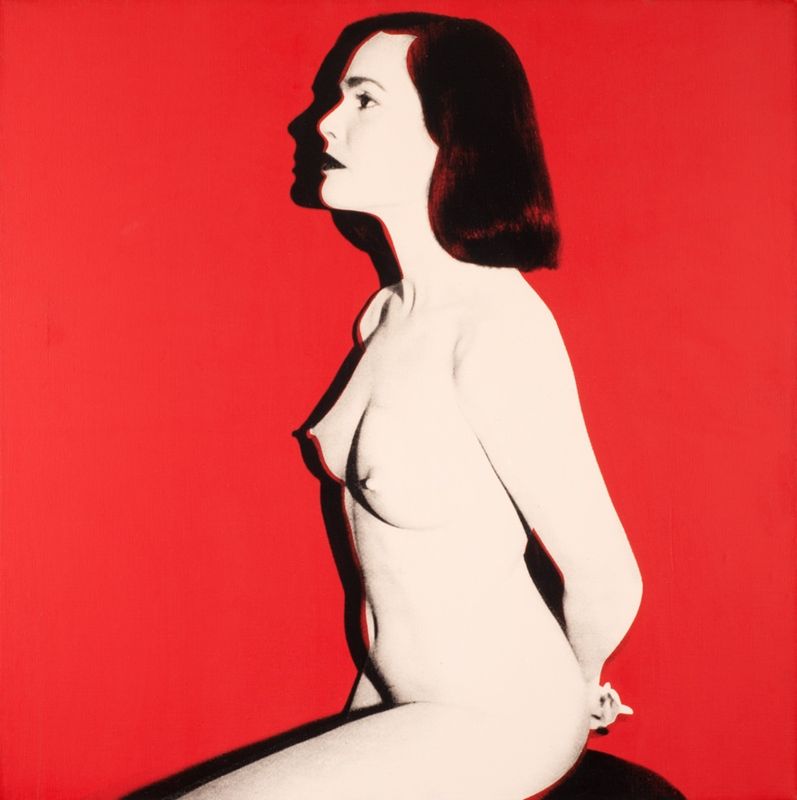 Same era · 1970s–2000s
Pat Hearn
Andy Warhol · 1985 · Art Institute of Chicago
 Same era · 1970s–2000s
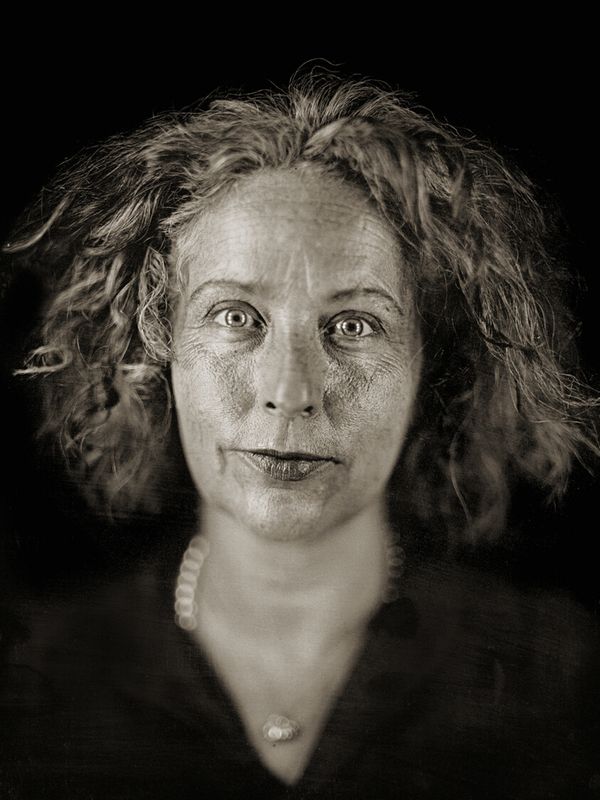
Kiki (Smith)
Chuck Close · 2000 · Art Institute of Chicago
 Same era · 1970s–2000s
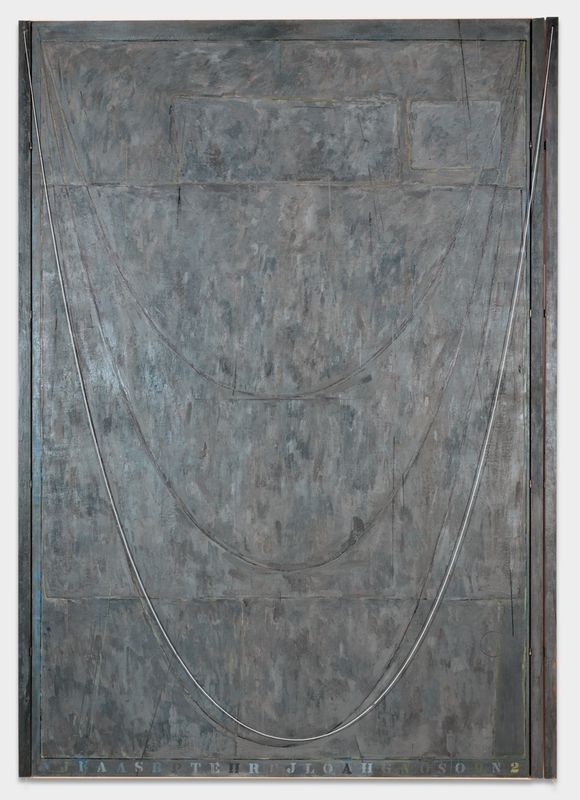
Near the Lagoon
Jasper Johns · 2002 · Art Institute of Chicago
 Same era · 1970s–2000s
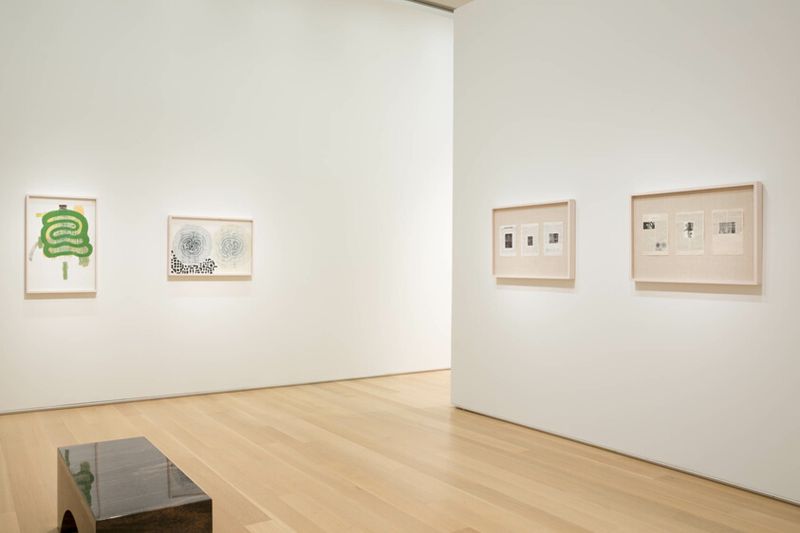
Wu Street
Xu Bing · 1993 · Art Institute of Chicago
 Same era · 1970s–2000s
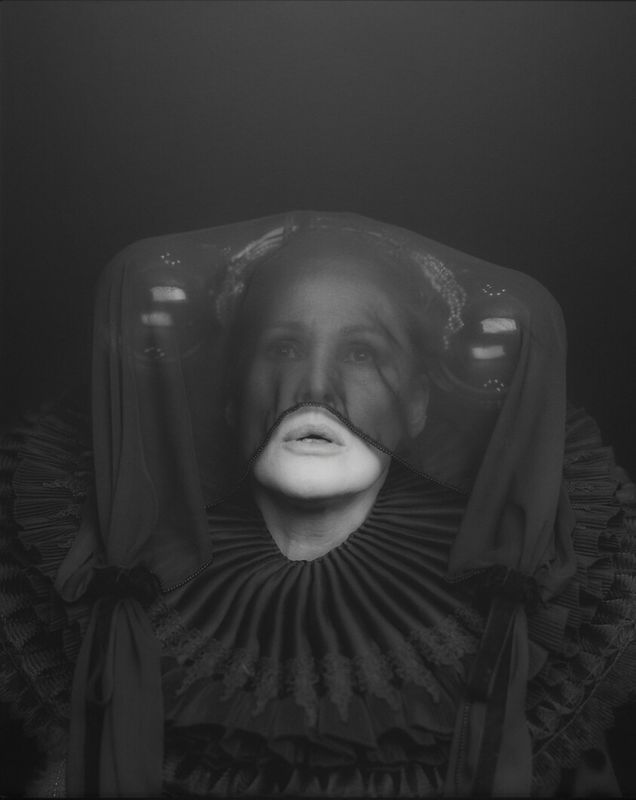
Cremaster 5: The Queen of Chain
Matthew Barney · 1997 · Art Institute of Chicago
 Same era · 1970s–2000s
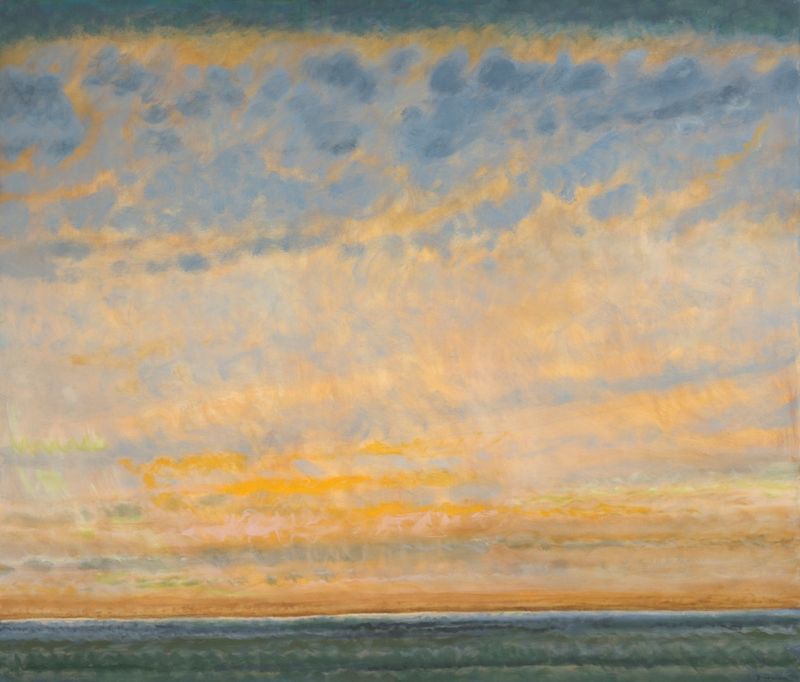
American Horizon
Jane Wooster Scott · 2000 · Art Institute of Chicago
 Same era · 1970s–2000s
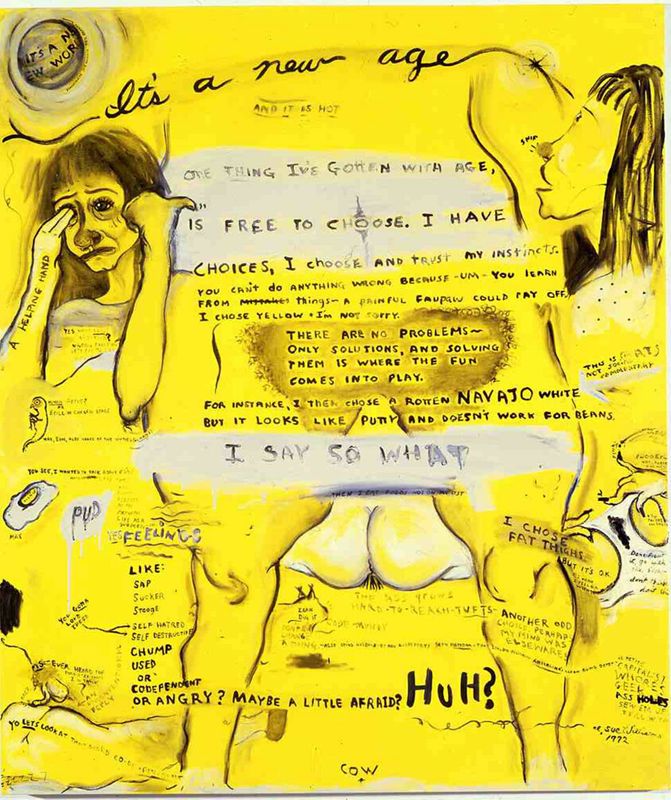
It's a New Age
William Hook · 1992 · Art Institute of Chicago
 Same era · 1970s–2000s
Cremaster 2: Deseret
Birgit Cullberg · 1999 · Art Institute of Chicago
 Same era · 1970s–2000s
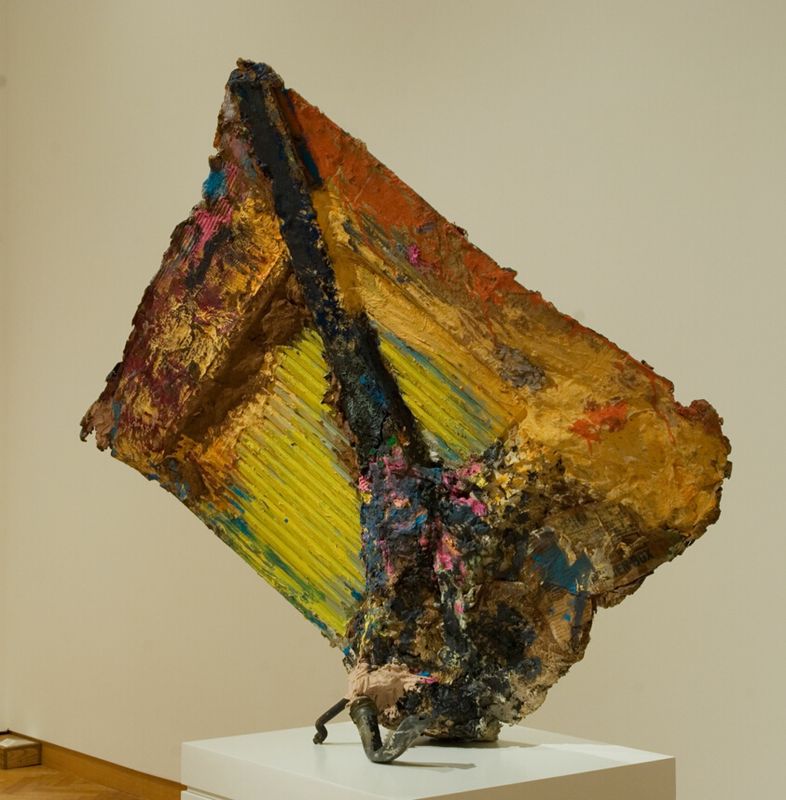
Krach
Philip West · 1987 · Art Institute of Chicago
 Same era · 1970s–2000s
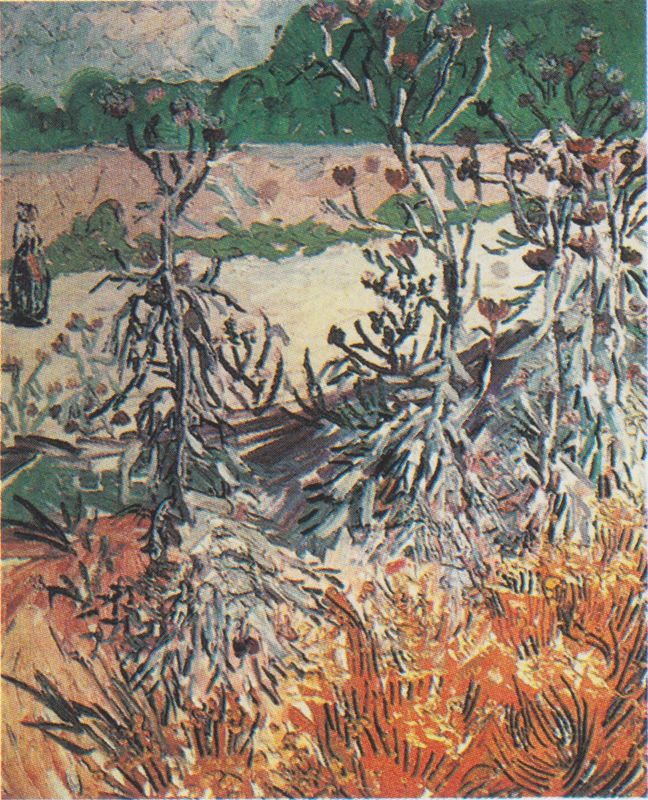
Thistles
Michele Elizabeth Field · 2004 · Oxford University Hospitals NHS Foundation Trust
 Same era · 1970s–2000s
Blood Pool
Kiki Smith · 1992 · Art Institute of Chicago