
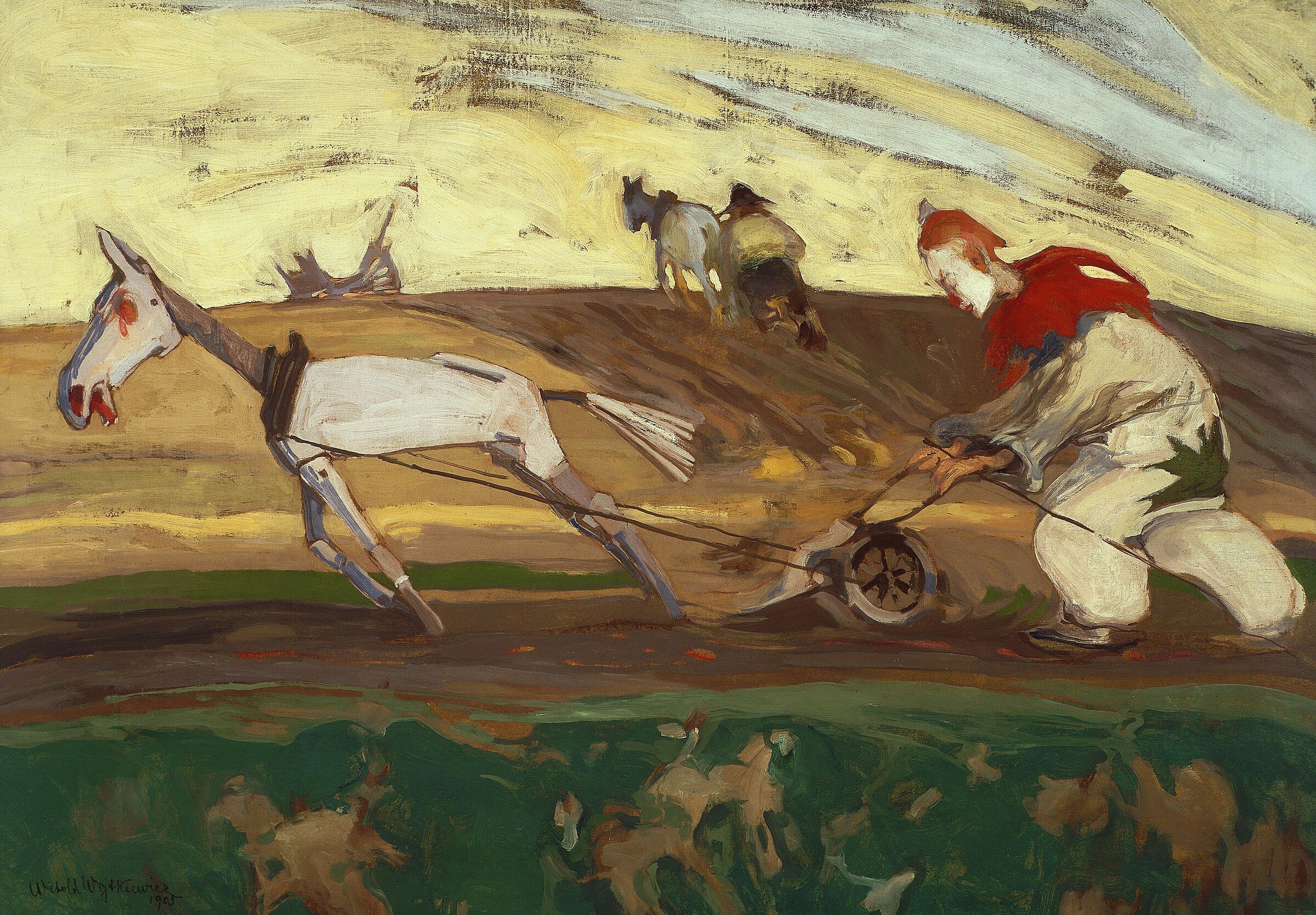
“Step into a surreal landscape where a clown, not a farmer, guides the plow. This painting offers a poignant, dreamlike vision of labor, blending the everyday with the theatrical in a way that is both beautiful and unsettling.”
This painting, "Tillage," presents a fantastical and unsettling scene of labor. A lone clown, with a pale face and a prominent red nose, guides a team of horses across a field, their hooves churning the earth. The sky above is a brooding mix of grays and blues, hinting at a world that is anything but ordinary. Instead of a traditional farmer, the choice of a clown suggests a deeper, perhaps melancholic, commentary on the nature of work or societal roles. The figures are rendered with a theatricality that was characteristic of Polish Symbolism and Expressionism at the turn of the 20th century, movements that often explored inner psychological states rather than objective reality. The artist, Witold Wojtkiewicz, created this work in 1905, just a few years before his untimely death at 29, and it reflects the dark, introspective quality that marked his later period.
- Artist
- Witold Wojtkiewicz
- Date
- 1905
- Medium
- Oil on canvas
- Location
- National Museum in Warsaw
What to Notice
Four details hide in plain sight. Here’s where to look.
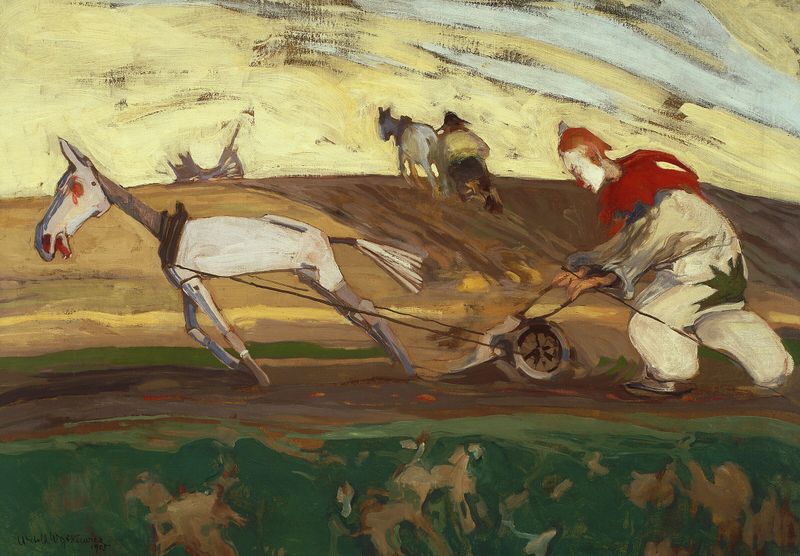
The clown's somber expression, contrasting with his traditional role.
The unusual, almost stage-like, quality of the horses and their harness.
The way the churned earth creates a rhythmic pattern across the canvas.
The muted, almost dreamlike color palette used for the entire scene.
Stand in front of it and listen
The full narration walks you through Tillage. — the story behind it, the details most visitors miss, and why it matters. Free in the Art Whisper app.
Witold Wojtkiewicz
1879–1909 · PolandWitold Wojtkiewicz, a Polish painter who died tragically young, blended Expressionism with a whimsical, sometimes unsettling, pre-Surrealist vision.
Further Works by Wojtkiewicz
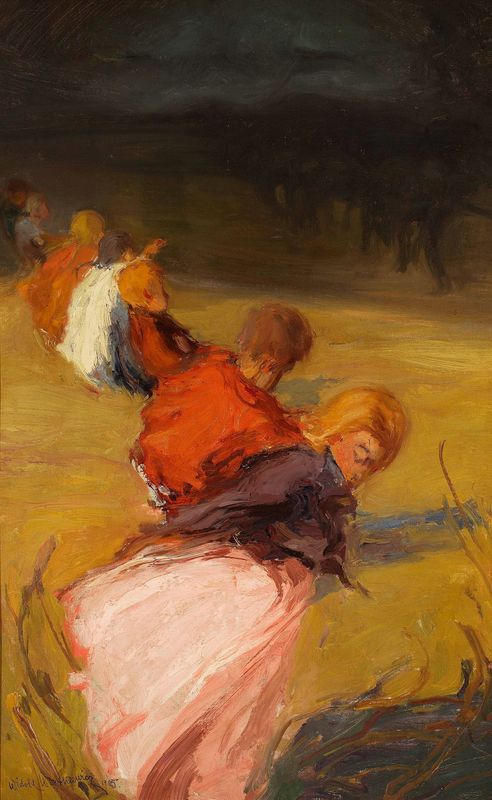 Children surprised by a storm – Procession of children
1900 · National Museum in Warsaw
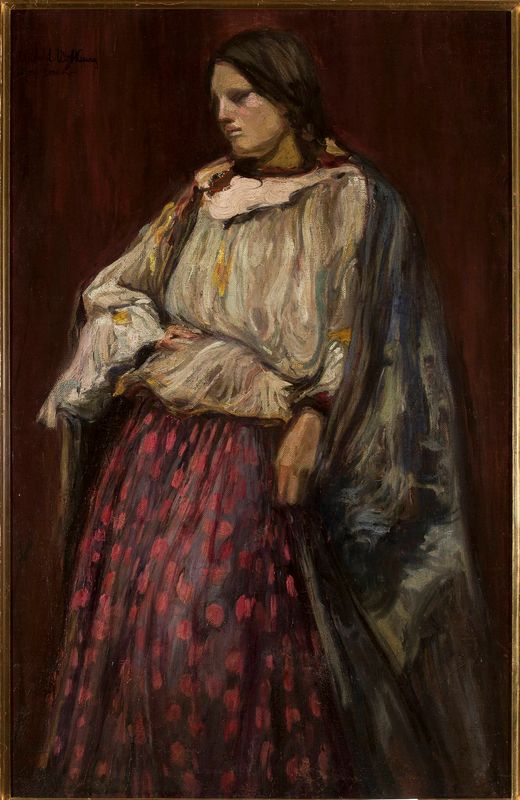 Gipsy woman
1904 · National Museum in Warsaw
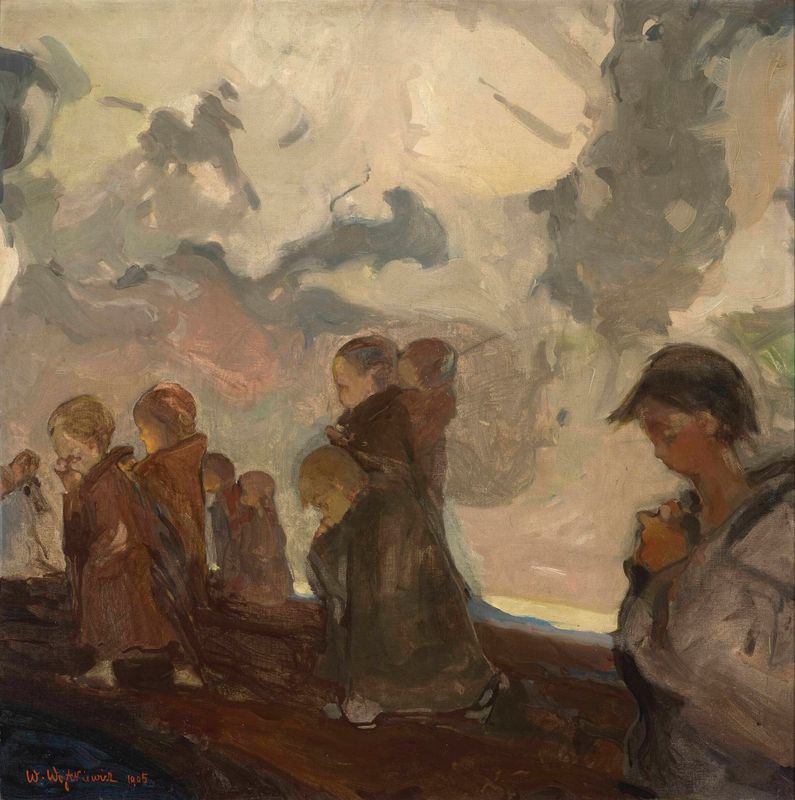 Children's crusade
1905 · National Museum in Warsaw
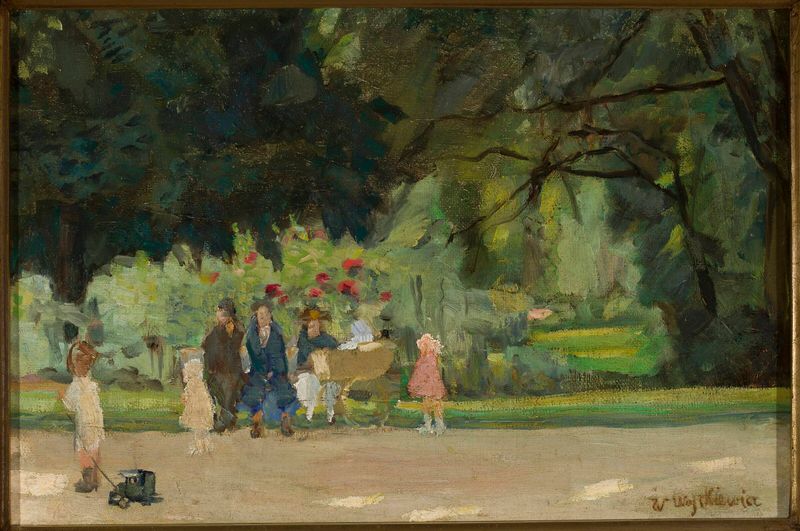 Planty Park in Kraków
1905 · National Museum in Warsaw
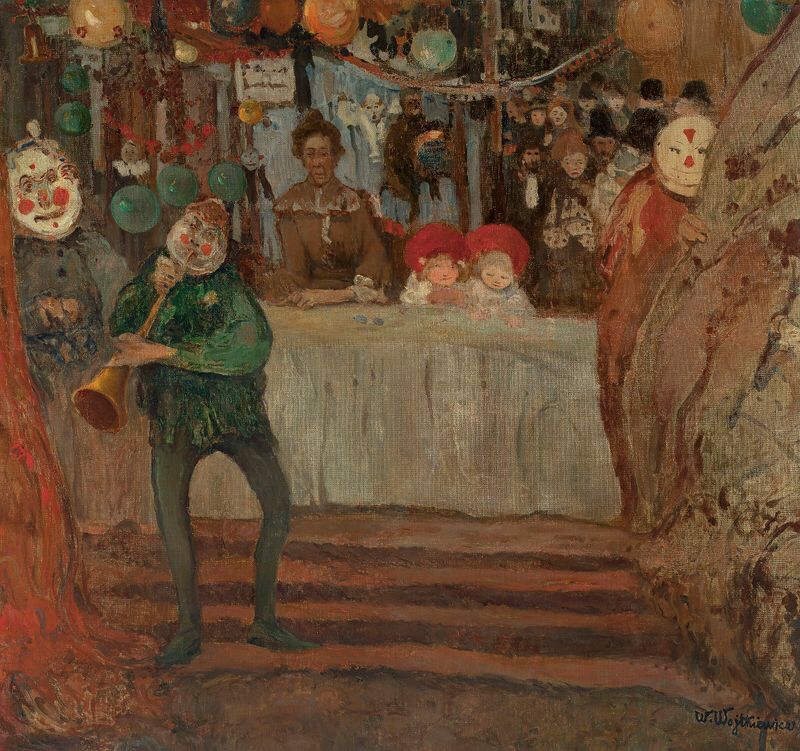 Circus – In front of the little theatre
1906 · National Museum in Warsaw
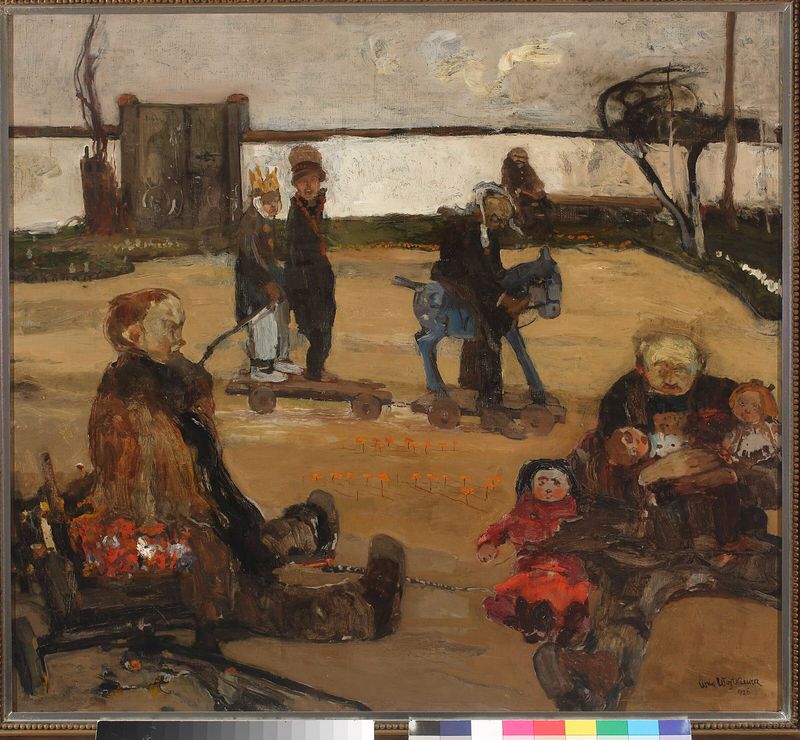 Circus of madmen, series: “Madness”
1906 · National Museum in Warsaw
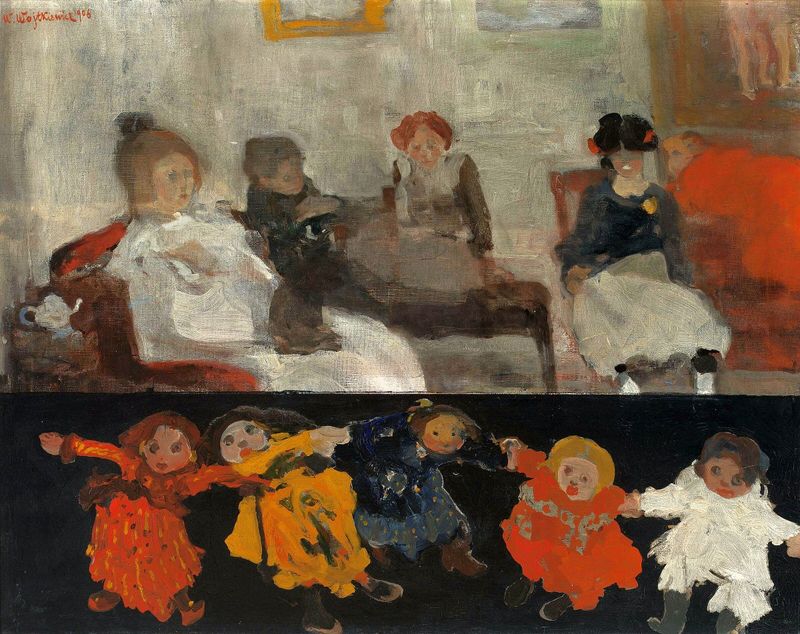 Dolls by Witold Wojtkiewicz
1906 · National Museum in Warsaw
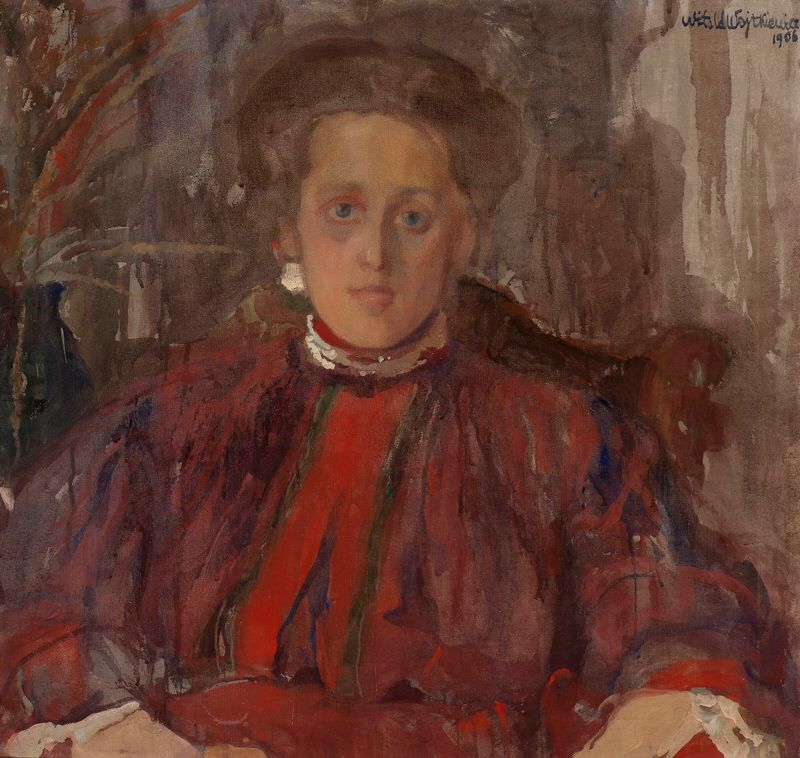 Portrait of Eliza Pareńska née Mühleisen
1906 · National Museum in Warsaw
More works to explore
Beyond Wojtkiewicz: works from the same years.
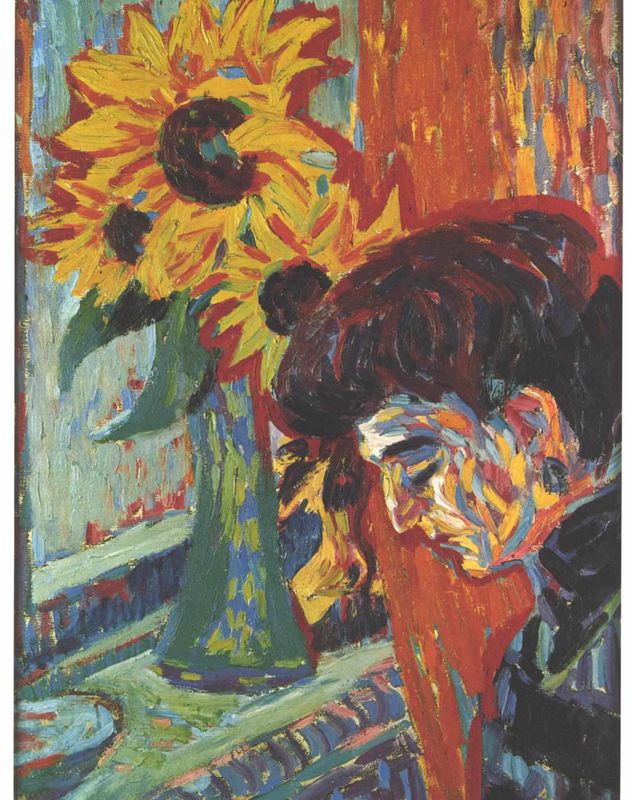 Same era · 1890s–1920s
Frauenkopf vor Sonnenblumen
Ernst Ludwig Kirchner · 1906 · Museum Frieder Burda
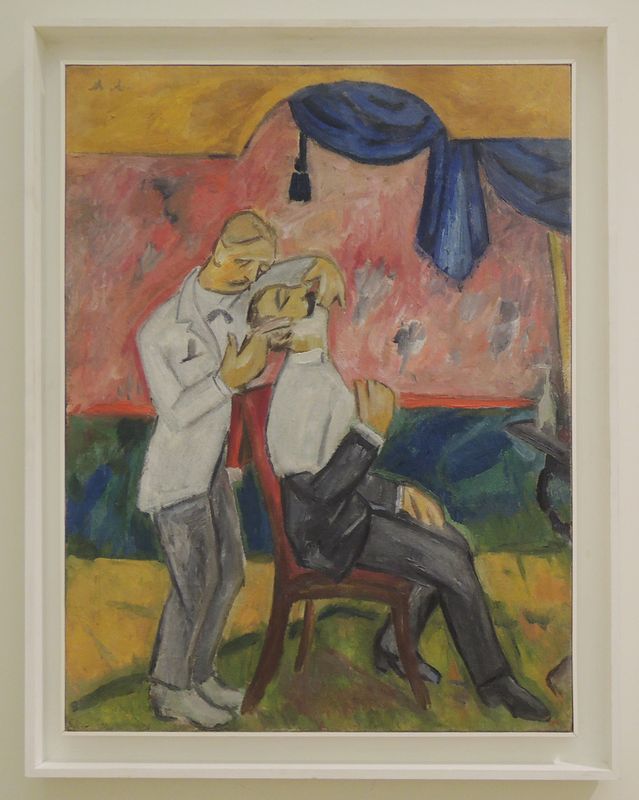 Same era · 1890s–1920s
Barber
Mikhail Larionov · 1907 · Russian Museum
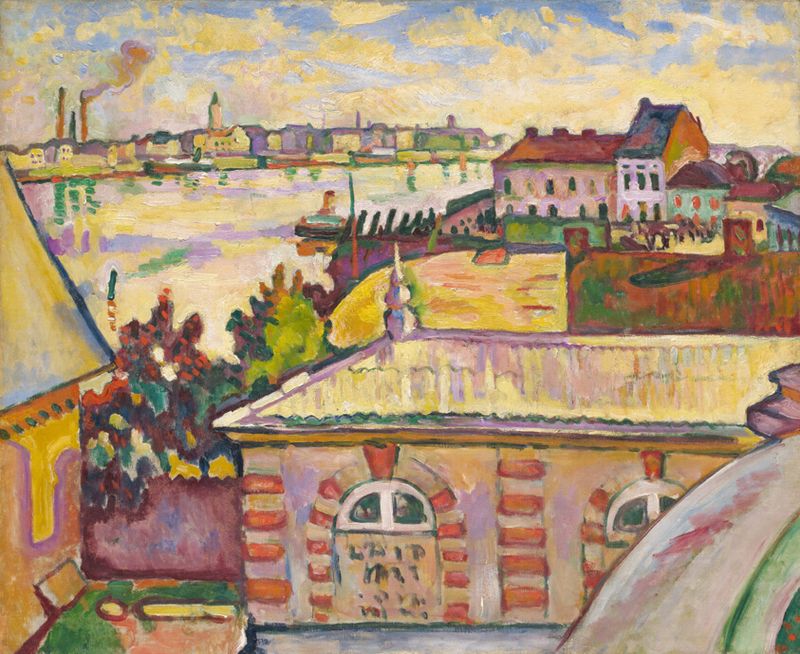 Same era · 1890s–1920s
Antwerp
Georges Braque · 1906 · Art Institute of Chicago
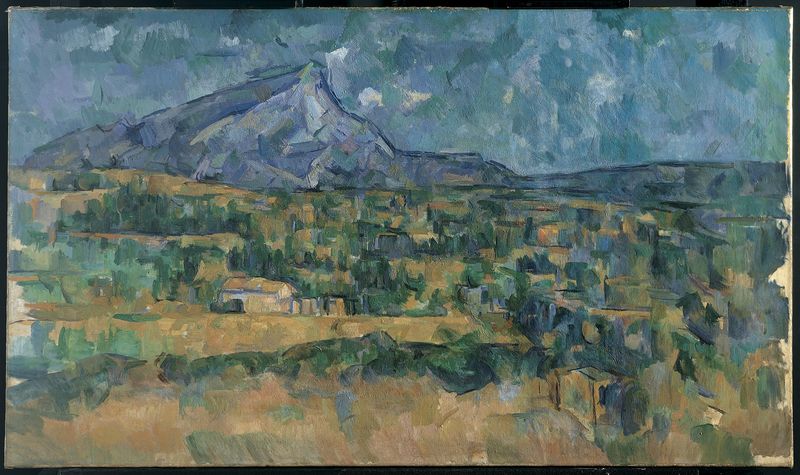 Same era · 1890s–1920s
Mont Sainte-Victoire
Paul Cézanne · 1904 · Detroit Institute of Arts
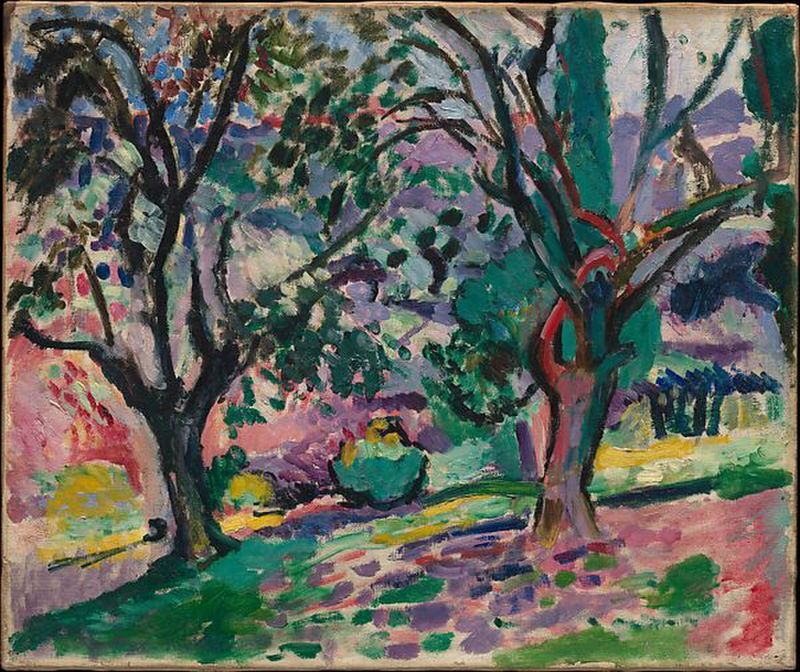 Same era · 1890s–1920s
Olive Trees at Collioure
Henri Matisse · 1906 · The Metropolitan Museum of Art
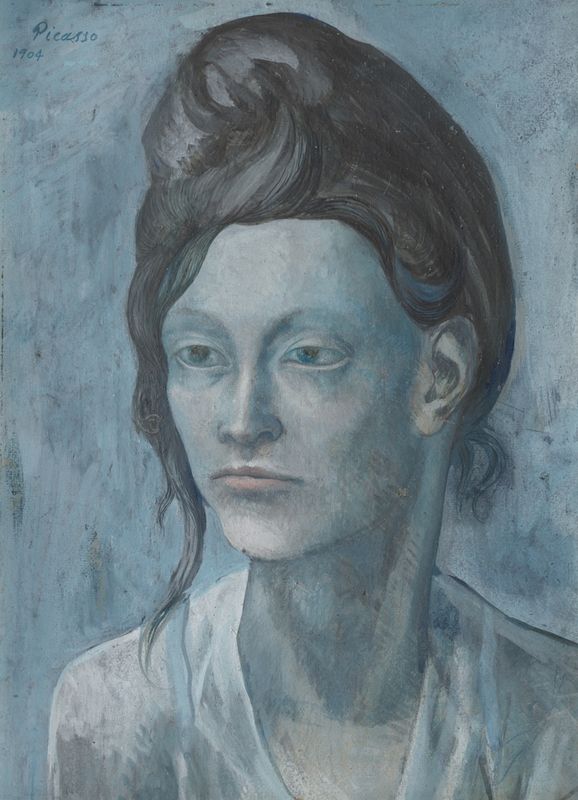 Same era · 1890s–1920s
Woman with a Helmet of Hair
Pablo Picasso · 1904 · Art Institute of Chicago
 Same era · 1890s–1920s
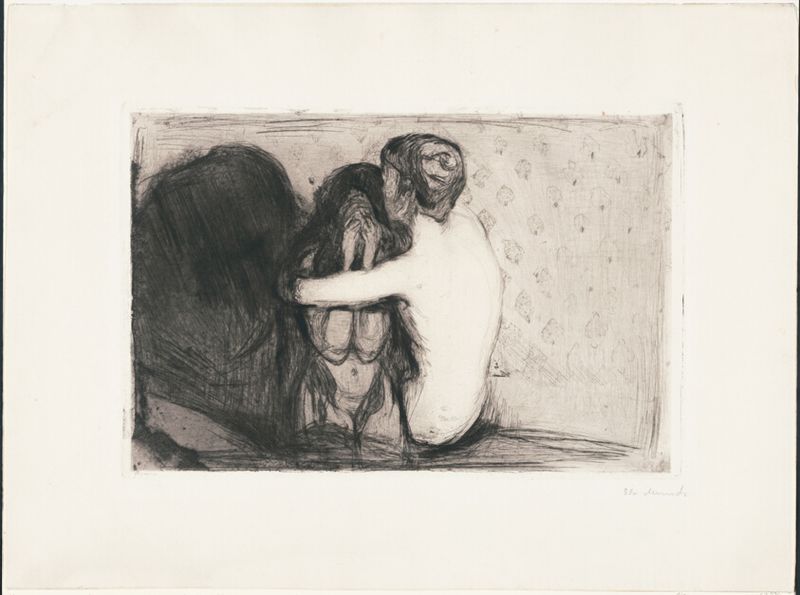
Consolation
Edvard Munch · 1907 · Munch Museum
 Same era · 1890s–1920s
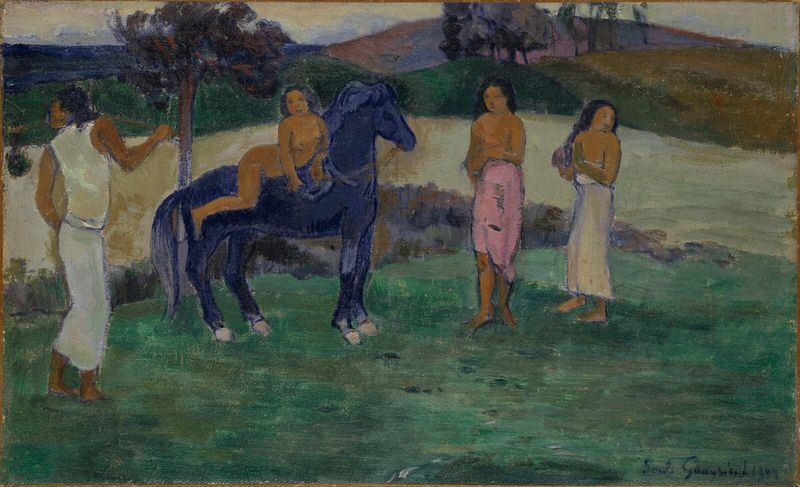
Composition with Figures and a Horse
Paul Gauguin · 1902 · Nationalmuseum
 Same era · 1890s–1920s
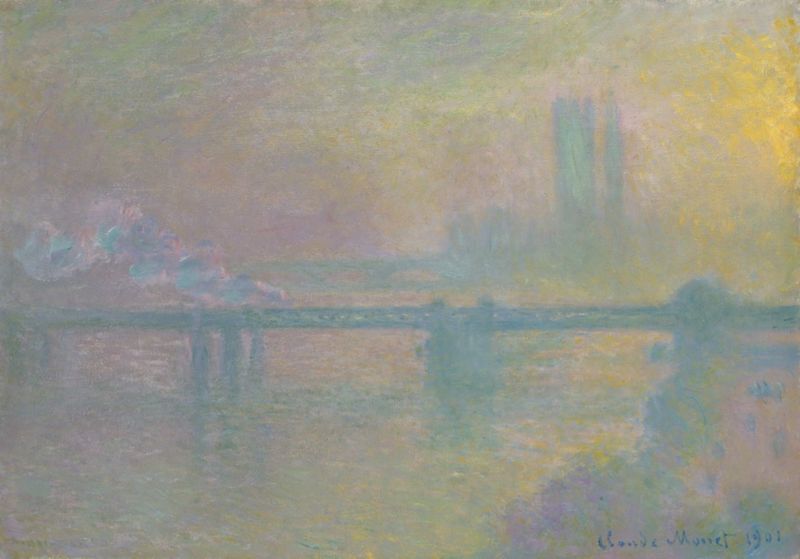
Charing Cross Bridge, London
Claude Monet · 1901 · Art Institute of Chicago
 Same era · 1890s–1920s
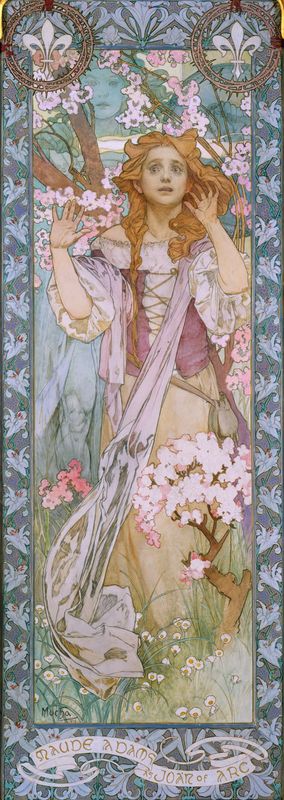
Maude Adams (1872–1953) as Joan of Arc
Alphonse Mucha · 1909 · The Metropolitan Museum of Art
 Same era · 1890s–1920s
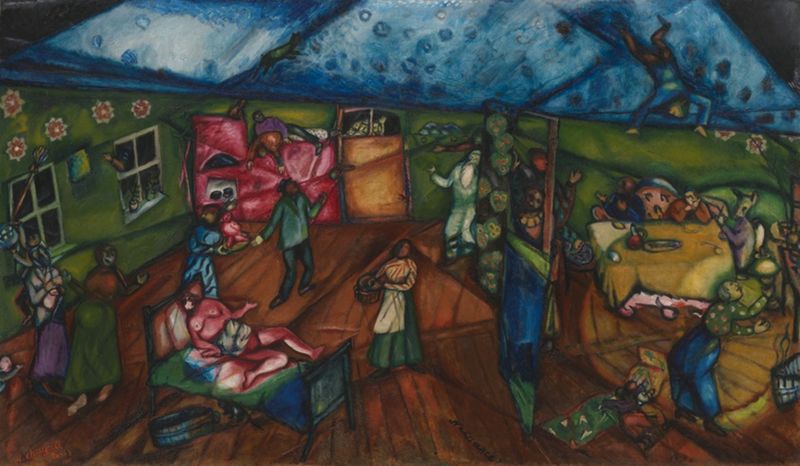
Birth
Marc Chagall · 1911 · Art Institute of Chicago
 Same era · 1890s–1920s
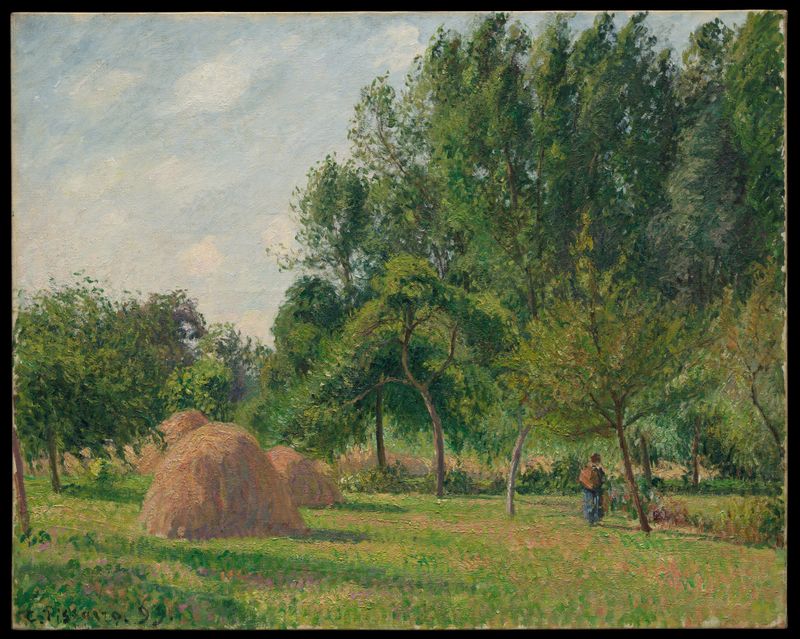
Haystacks, Morning, Eragny
Camille Pissarro · 1899 · The Metropolitan Museum of Art