
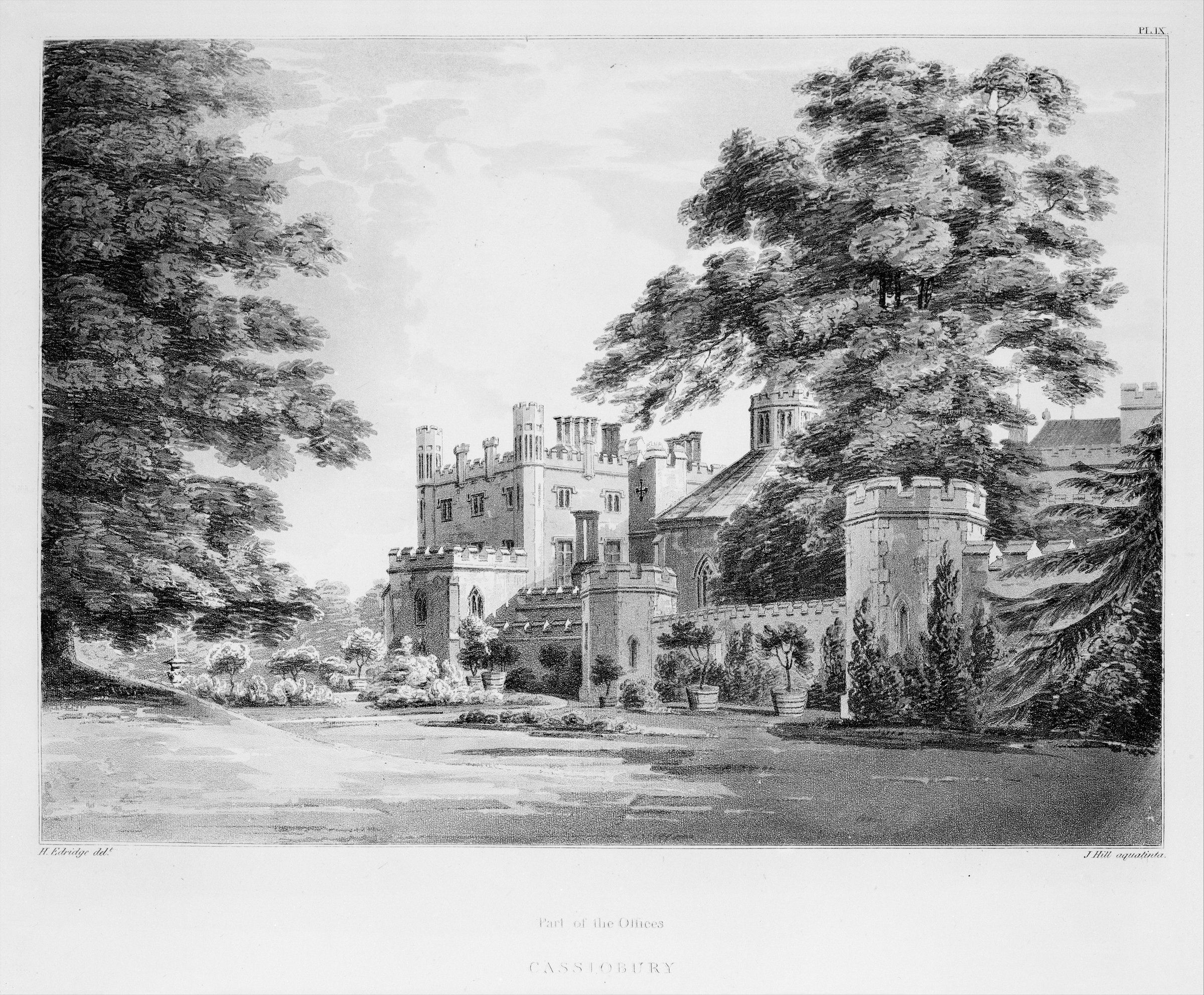
“This imposing 1837 book, "The History and Description of Cassiobury Park," combines detailed text with exquisite etchings to document a grand English estate, offering a window into 19th-century aristocratic life and landscape design.”
This large volume, published in 1837, is a detailed historical and descriptive account of Cassiobury Park, a grand estate in Hertfordshire, England. It offers a fascinating glimpse into the landed gentry's world during the Regency and early Victorian periods. The book itself is a testament to the era's appreciation for comprehensive documentation, combining meticulous historical research with artistic representation. Its illustrations, executed through etching, likely depict the park's stately architecture, landscaped gardens, and perhaps even its interior furnishings, providing visual context to the written descriptions. These etchings would have served as more than mere decoration; they were vital in conveying the grandeur and specific features of the estate to readers who might never visit it in person. The scale of the book, nearly twenty inches tall, suggests it was a significant publication, perhaps intended for display in a gentleman's library, reflecting the cultural importance placed on estates like Cassiobury Park.
- Artist
- John Britton
- Date
- 1837
- Medium
- Illustrations: etching
- Location
- The Metropolitan Museum of Art
- Dimensions
- 19 11/16 x 13 3/8 x 5/8 in. (50 x 34 x 1.6 cm)
- Collection
- Drawings and Prints
- Credit line
- Harris Brisbane Dick Fund, 1941
What to Notice
Four details hide in plain sight. Here’s where to look.
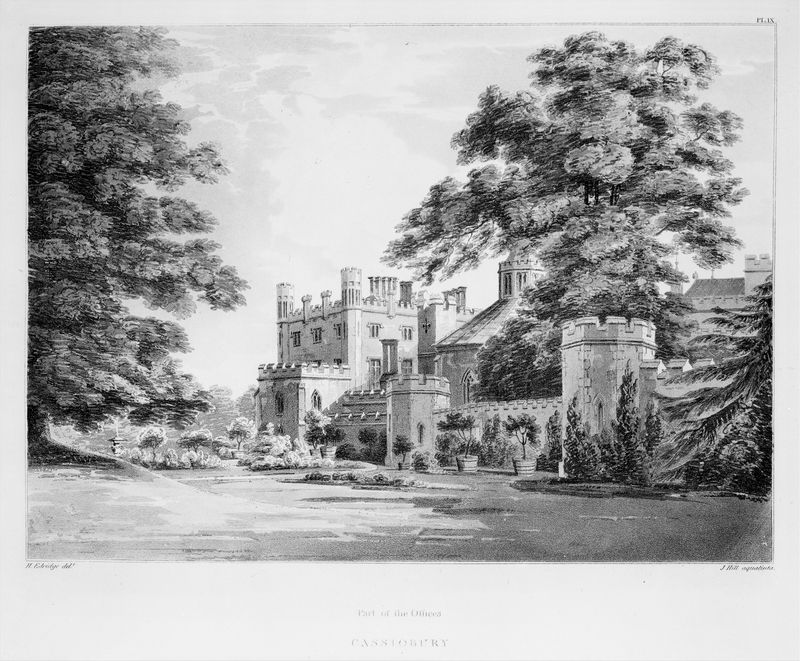
The precise lines and shading of the etched illustrations
The book's substantial size, indicating its importance
The title page's typography and any decorative elements
The quality of the paper and binding for a book of this age
Stand in front of it and listen
The full narration walks you through The History and Description of Cassiobury Park, Hertfordshire, the seat of the Earl of Essex — the story behind it, the details most visitors miss, and why it matters. Free in the Art Whisper app.
More works to explore
Beyond Britton: works from the same years.
 Same era · 1820s–1850s
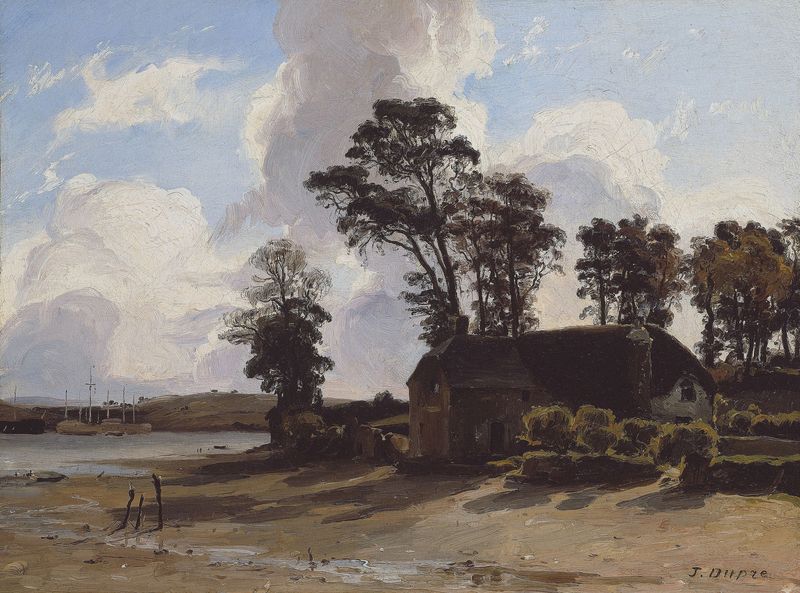
The Estuary Farm
Léon-Victor Dupré · 1831 · Art Institute of Chicago
 Same era · 1820s–1850s
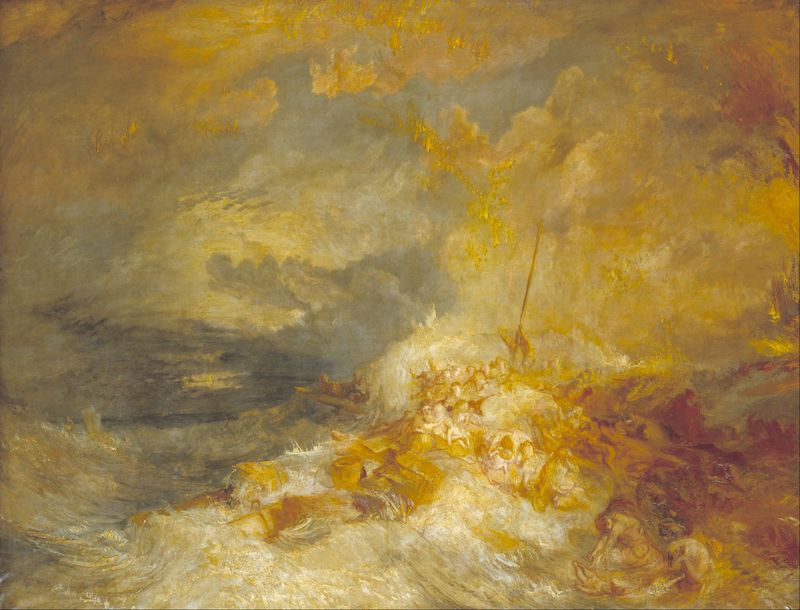
Disaster at Sea
J. M. W. Turner · 1835 · National Gallery
 Same era · 1820s–1850s
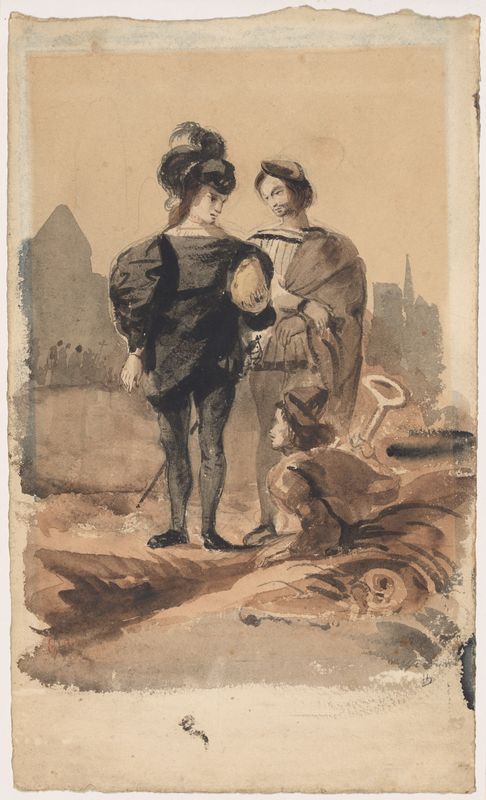
Hamlet and Horatio in the Graveyard
Eugène Delacroix · 1839 · Department of Paintings of the Louvre
 Same era · 1820s–1850s
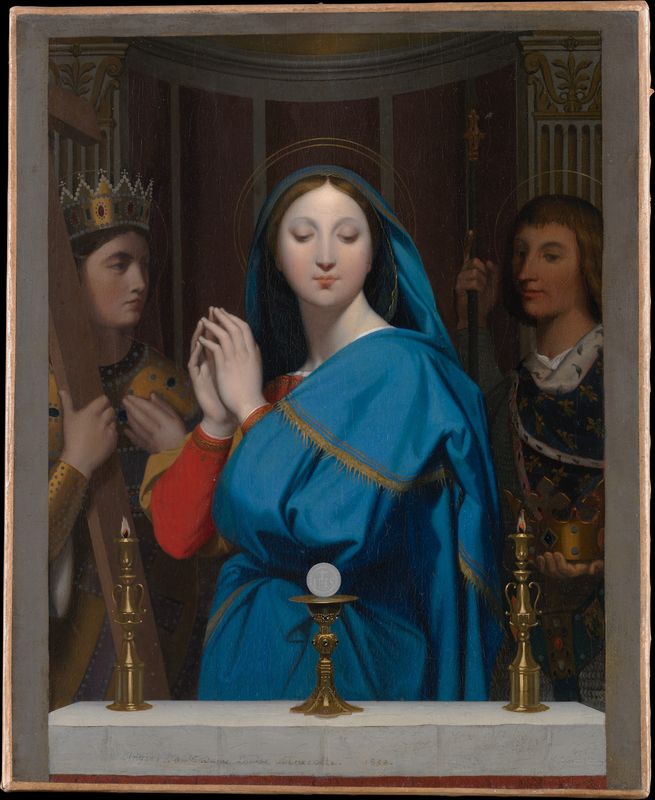
The Virgin Adoring the Host
Jean-Auguste-Dominique Ingres · 1841 · Pushkin Museum of Fine Arts
 Same era · 1820s–1850s
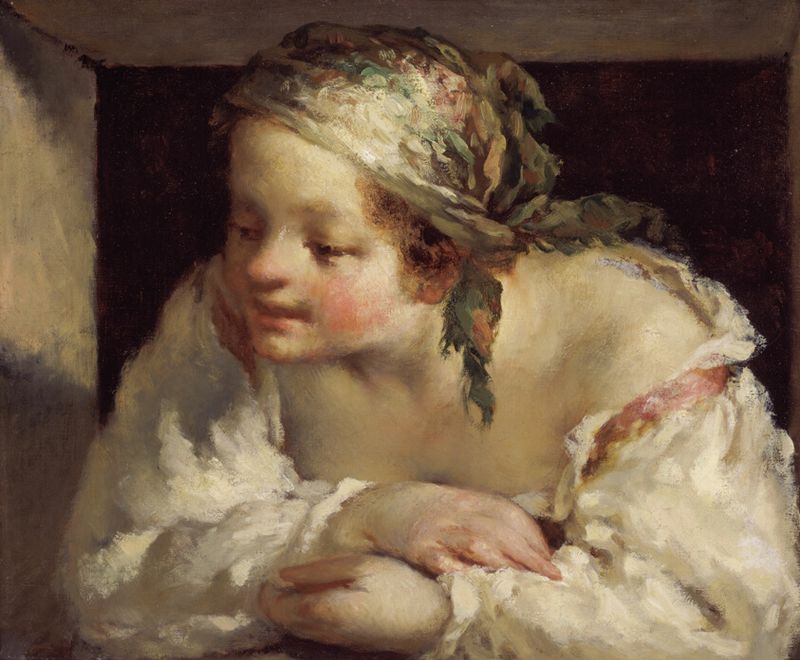
Young Woman
Jean-François Millet · 1844 · Art Institute of Chicago
 Same era · 1820s–1850s
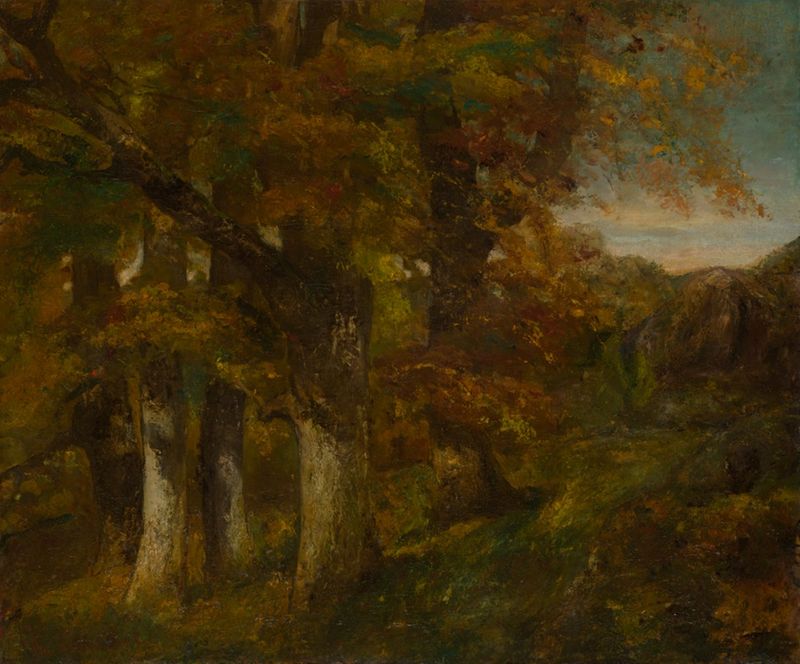
Wooded Landscape
Gustave Courbet · 1848 · Art Institute of Chicago
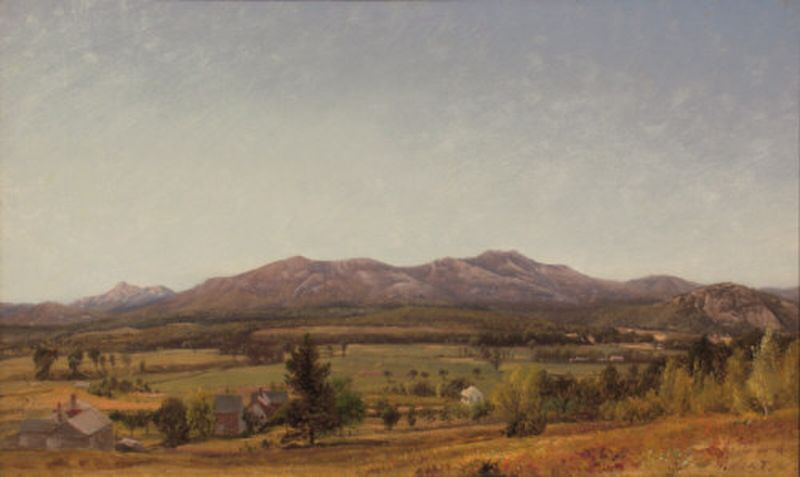 Same era · 1820s–1850s
Mount Chocorua and Moat Mountain from North Conway
William Hart · 1850
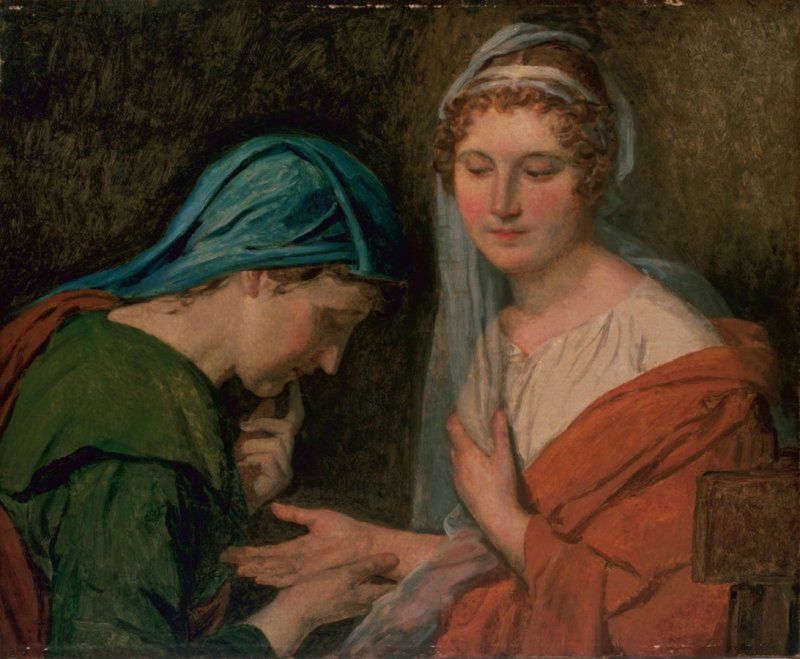 Same era · 1820s–1850s
The Fortune Teller (La Bonne Aventure)
Jacques-Louis David · 1824 · Fine Arts Museums of San Francisco
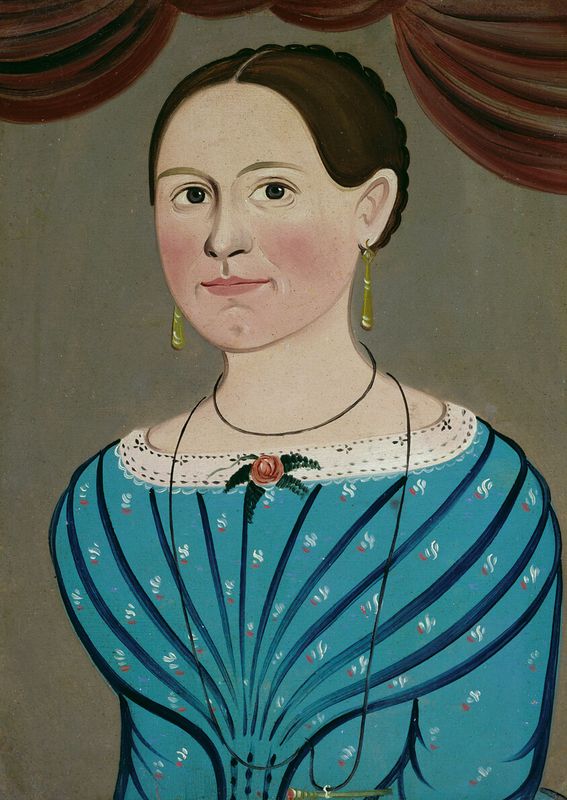 Same era · 1820s–1850s
Woman in a Blue Dress
School of William Matthew Prior · 1840 · Art Institute of Chicago
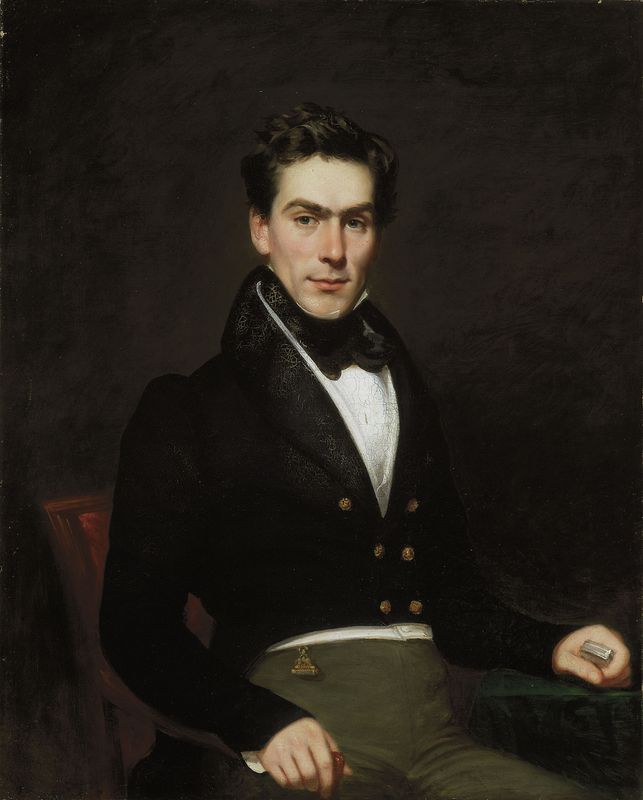 Same era · 1820s–1850s
Mr. James Mackie
Samuel Alcock & Company · 1830 · Art Institute of Chicago
 Same era · 1820s–1850s
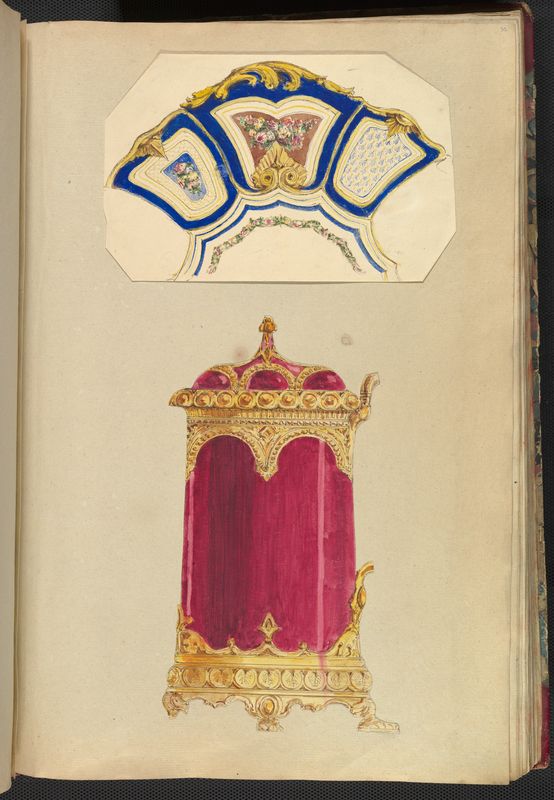
Designs for a Decorated Dish, or Platter, and a Biscuit Barrel
Alfred Henry Forrester [Alfred Crowquill] · 1845 · The Metropolitan Museum of Art
 Same era · 1820s–1850s
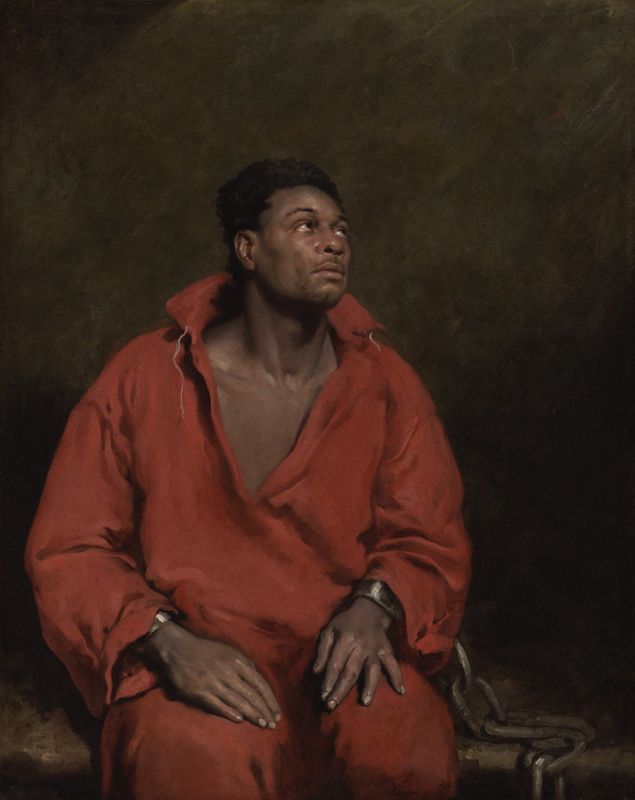
The Captive Slave (Ira Aldridge)
John Philip Simpson · 1827 · Art Institute of Chicago