01
The russet beard
Look at the full copper beard and swept-back hair. Each strand is painted soft and warm, so he feels vivid against the dark wall.
1 of 5 on the painting
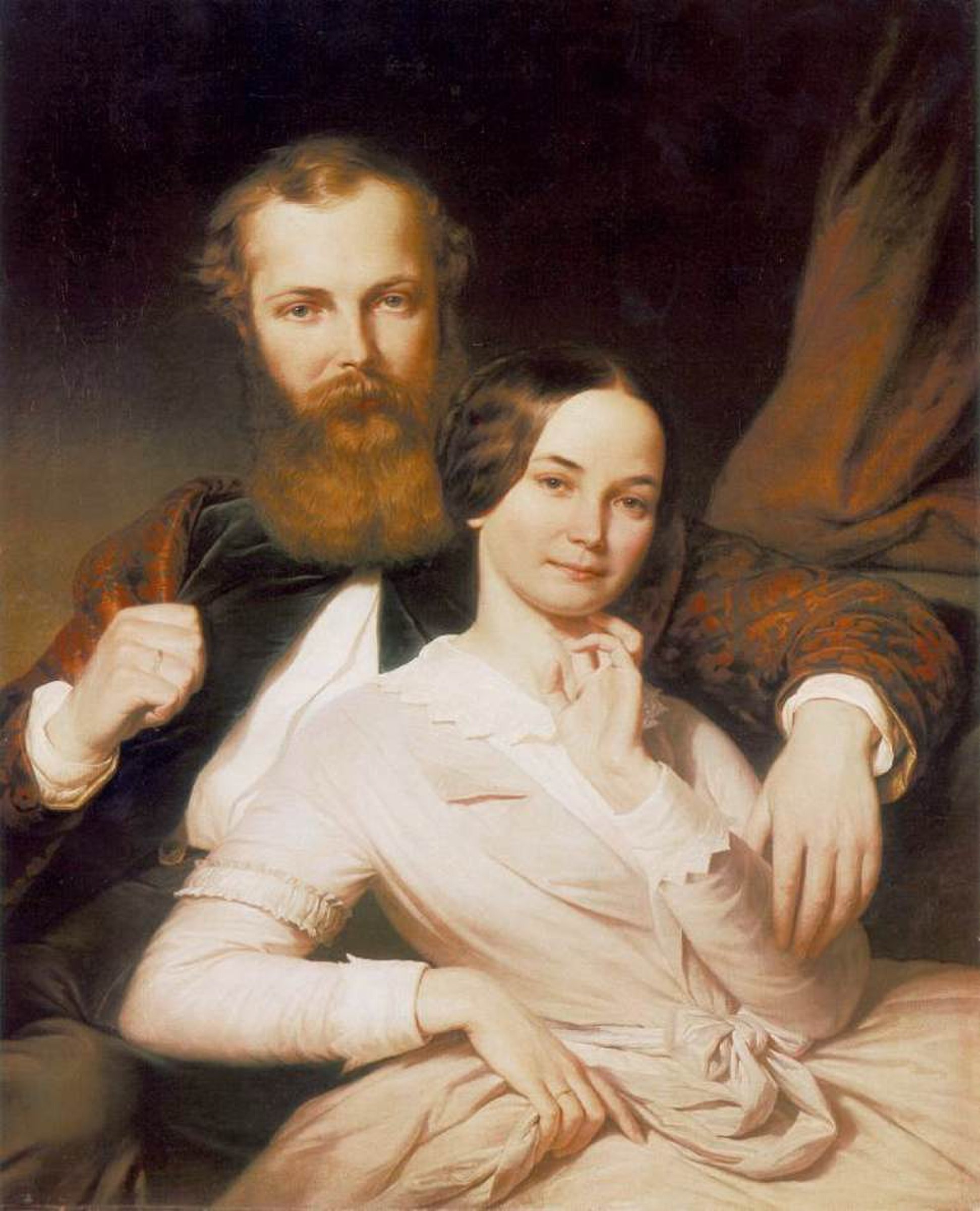
“Stop to appreciate this tender portrait of composer Mihály Mosonyi and his wife, a beautiful example of mid-19th century Hungarian Biedermeier painting that captures a quiet moment of domestic harmony.”
This intimate double portrait captures the composer Mihály Mosonyi and his wife in 1845, a year when the artist, Henrik Weber, was traveling through Italy, finding inspiration in its landscapes and masterworks. The couple is shown in a domestic setting, their poses suggesting a quiet moment of shared life. Mosonyi, a significant figure in Hungarian music, is depicted with an air of thoughtful repose, perhaps contemplating a melody. His wife sits beside him, her gaze gentle, creating a sense of warmth and connection between them. The painting exemplifies the Biedermeier period's focus on family-centered civic life and personal sentiment, values cherished in Hungarian art of the time. The muted colors and soft lighting further enhance the tender atmosphere, drawing the viewer into their private world.
Five details hide in plain sight. Pick one and we’ll show you exactly where to look.
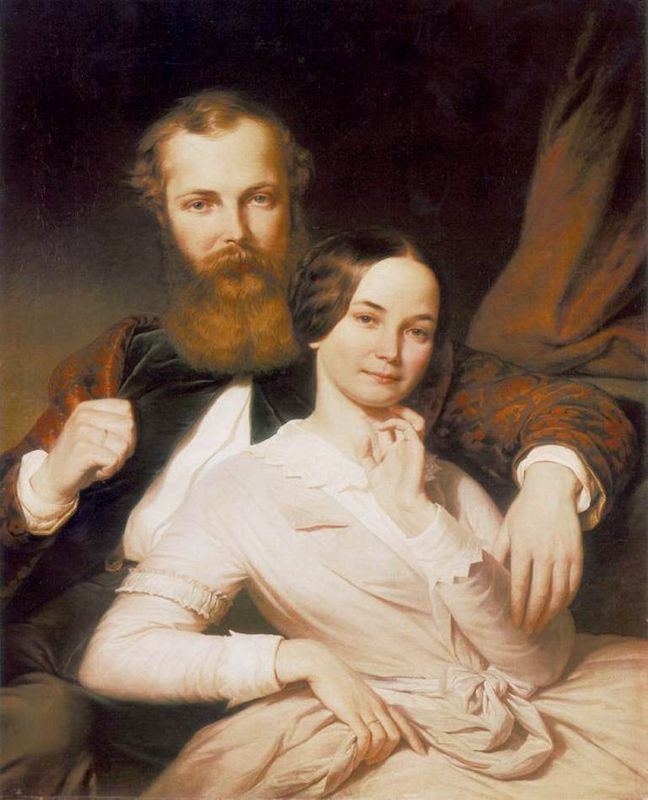
Look at the full copper beard and swept-back hair. Each strand is painted soft and warm, so he feels vivid against the dark wall.
Find the wife's calm face, with its faint smile and smooth parted hair. Her pale skin is the brightest point in the upper half.
His hand rests on her arm at the right, relaxed and gentle. The easy touch suggests closeness between the two.
Follow the soft folds of her pale dress, the ruffled cuff and the bow at her waist. Pink and cream shadows make thin cloth look light.
Look closely for thin gold bands, one on his clenched hand at the left and one on her hand at the lower middle. They quietly suggest the couple is married.
The full narration walks you through The Composer Mihály Mosonyi and His Wife — the story behind it, the details most visitors miss, and why it matters. Free in the Art Whisper app.
Henrik Weber, a leading Hungarian painter of the Biedermeier period, captured historical moments and family life with a Realist touch.
Beyond Weber: works from the same years.
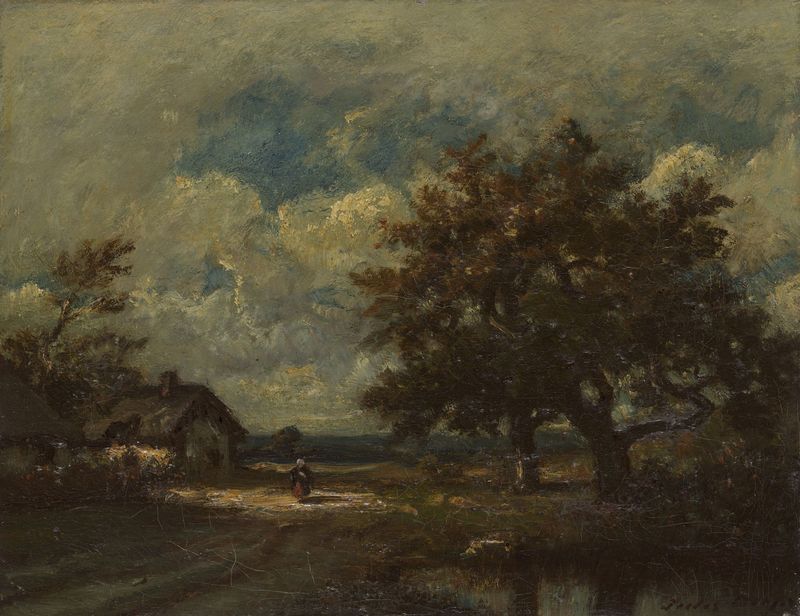 Same era · 1830s–1860s
The Cottage by the Roadside, Stormy Sky
Léon-Victor Dupré · 1855 · Art Institute of Chicago
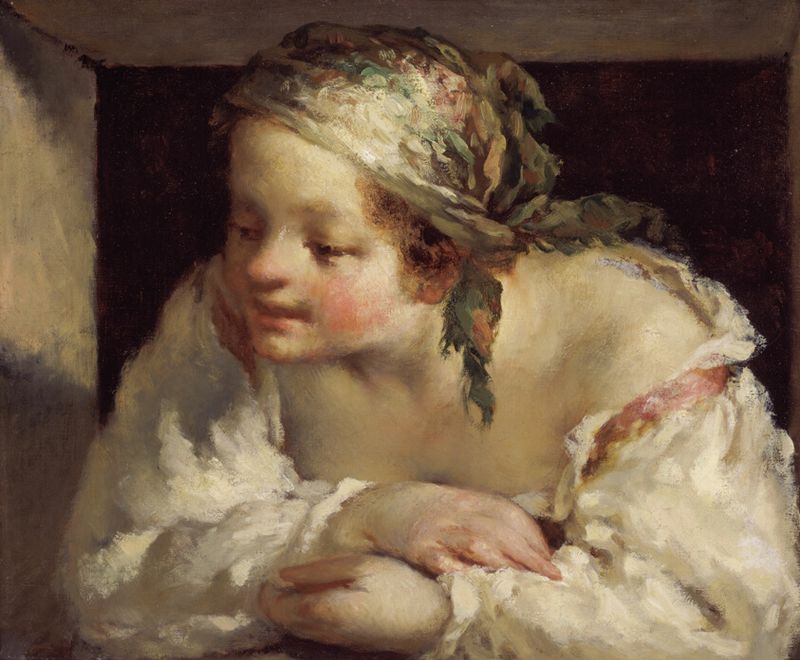 Same era · 1830s–1860s
Young Woman
Jean-François Millet · 1844 · Art Institute of Chicago
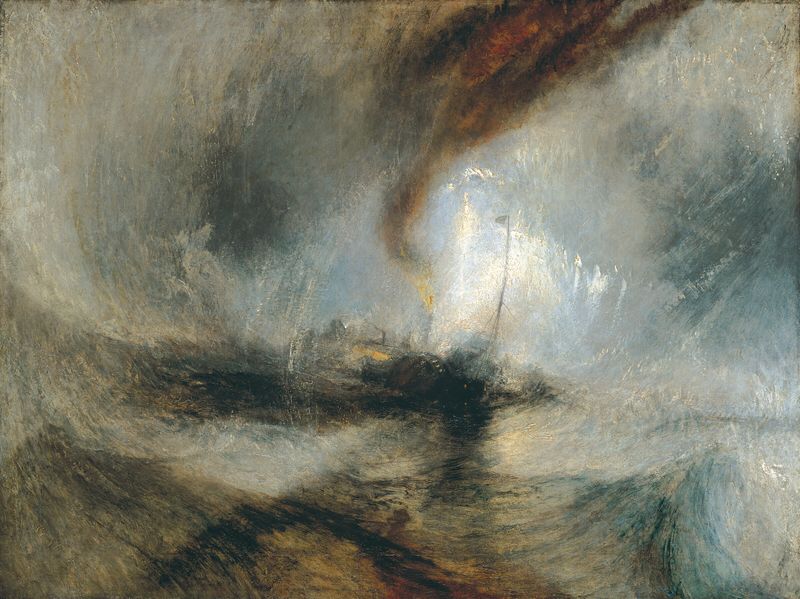 Same era · 1830s–1860s
Snow Storm: Steam-Boat off a Harbour's Mouth
J. M. W. Turner · 1842 · National Gallery
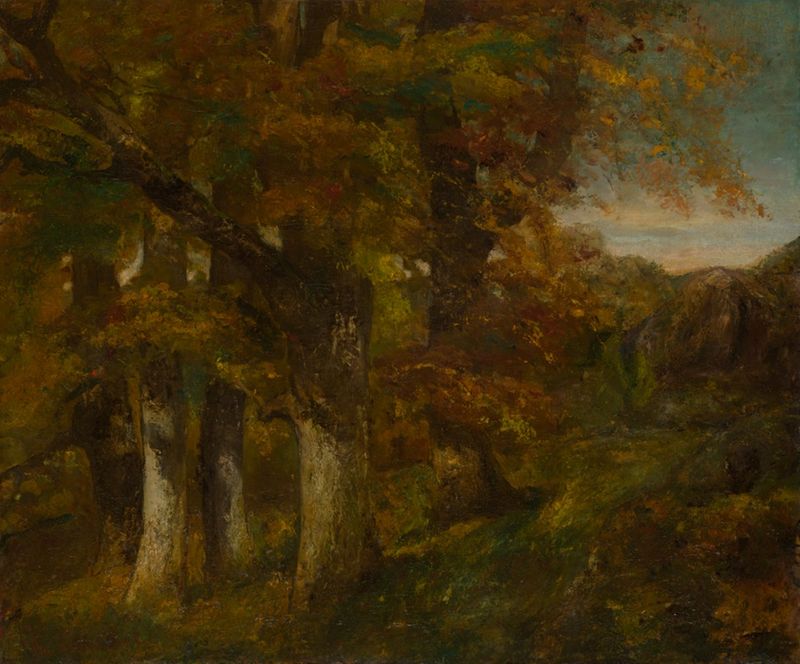 Same era · 1830s–1860s
Wooded Landscape
Gustave Courbet · 1848 · Art Institute of Chicago
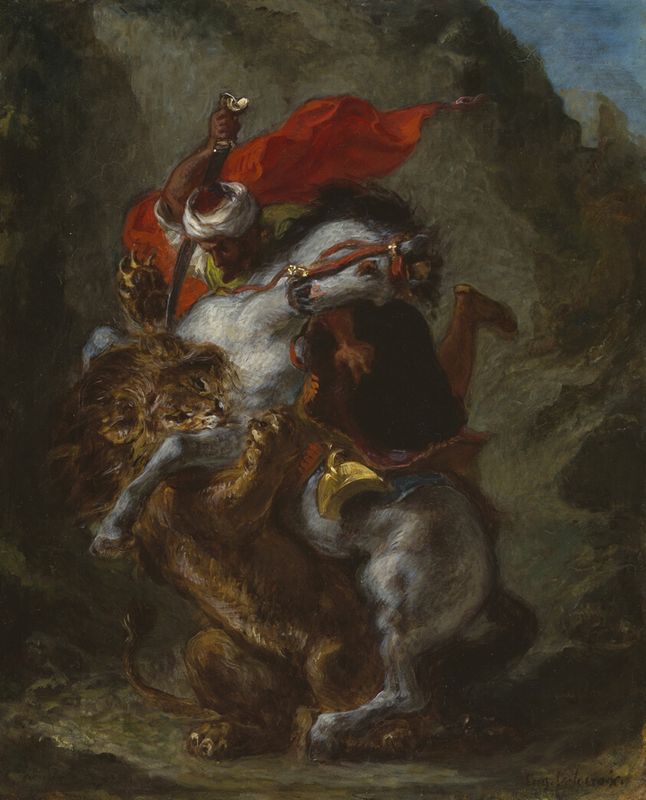 Same era · 1830s–1860s
Arab Horseman Attacked by a Lion
Eugène Delacroix · 1849 · Art Institute of Chicago
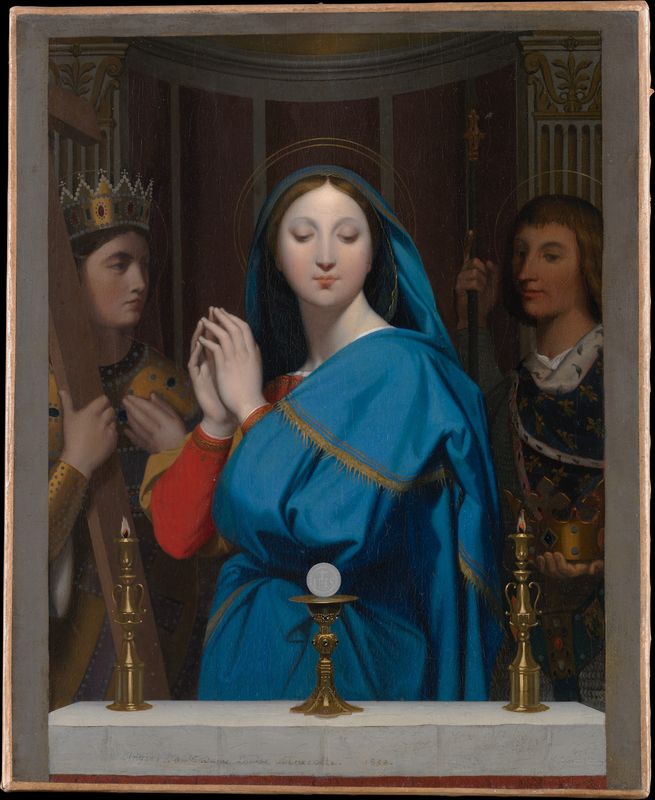 Same era · 1830s–1860s
The Virgin Adoring the Host
Jean-Auguste-Dominique Ingres · 1841 · Pushkin Museum of Fine Arts
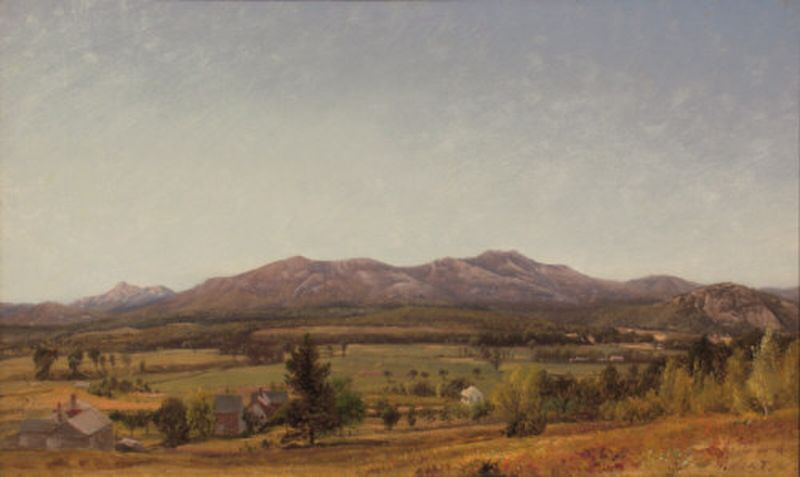 Same era · 1830s–1860s
Mount Chocorua and Moat Mountain from North Conway
William Hart · 1850
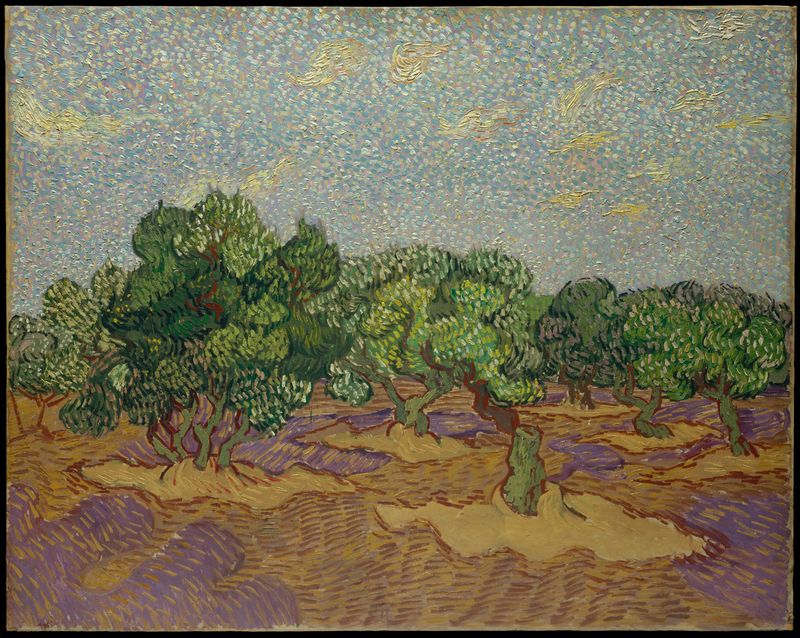 Same era · 1830s–1860s
Olive Trees
Vincent van Gogh · 1853 · The Metropolitan Museum of Art
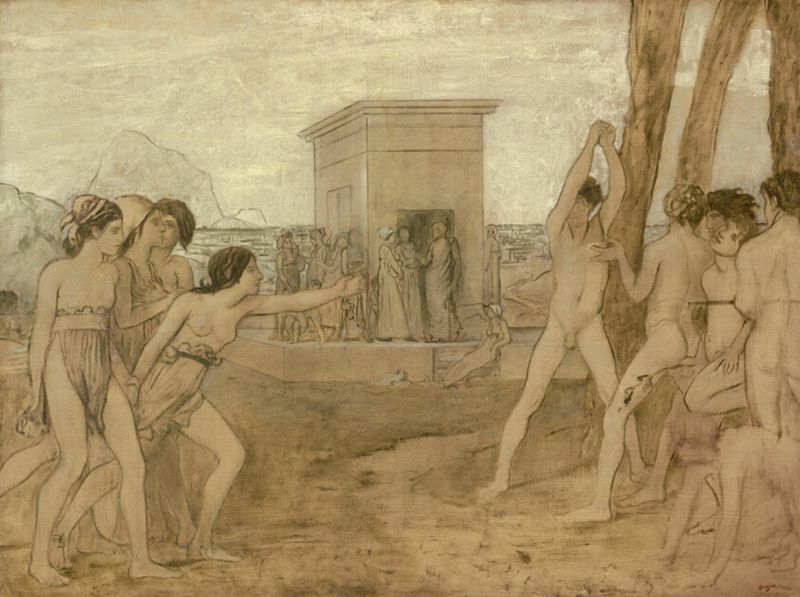 Same era · 1830s–1860s
Young Spartan Girls Challenging Boys
Edgar Degas · 1860 · Art Institute of Chicago
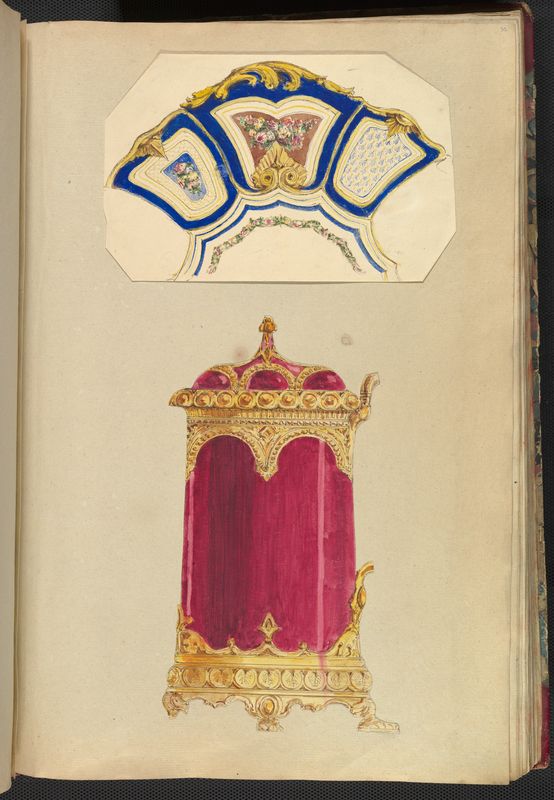 Same era · 1830s–1860s
Designs for a Decorated Dish, or Platter, and a Biscuit Barrel
Alfred Henry Forrester [Alfred Crowquill] · 1845 · The Metropolitan Museum of Art
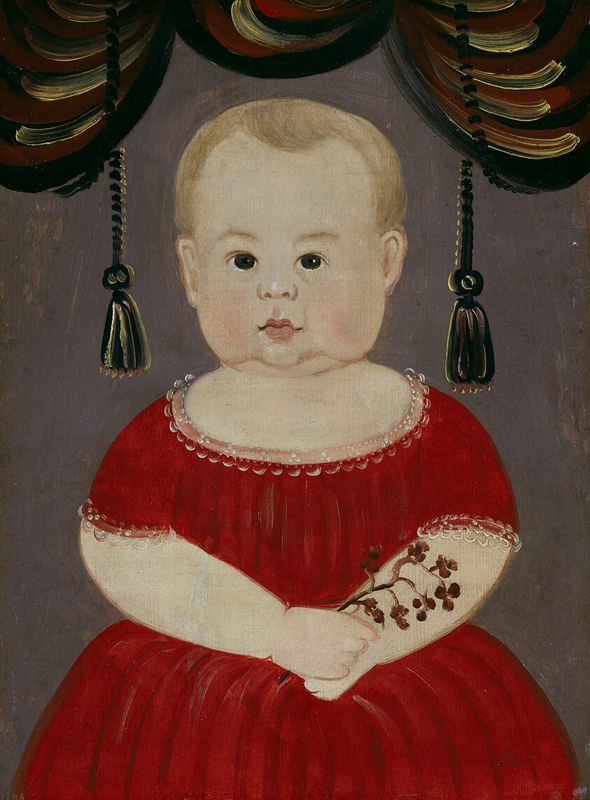 Same era · 1830s–1860s
Portrait of Fred Adelbert Haywood
School of William Matthew Prior · 1848 · Art Institute of Chicago
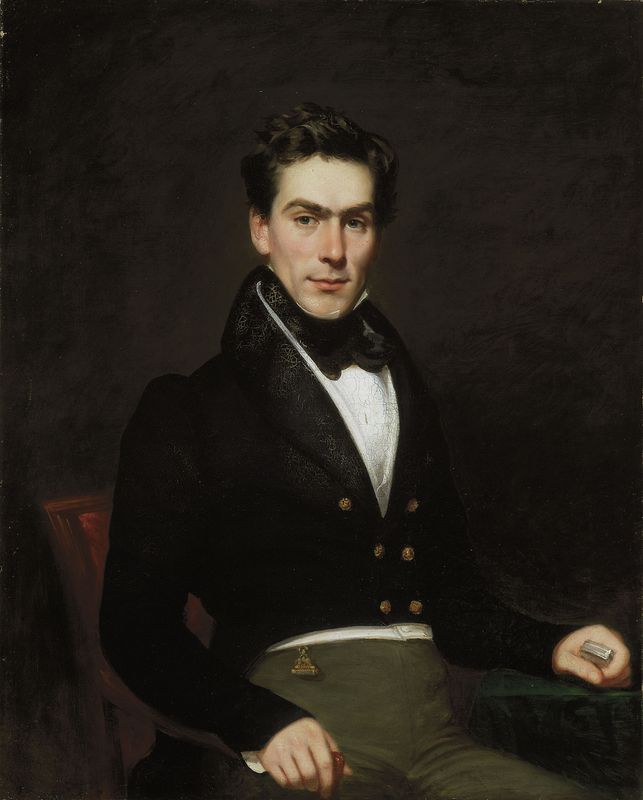 Same era · 1830s–1860s
Mr. James Mackie
Samuel Alcock & Company · 1830 · Art Institute of Chicago
