
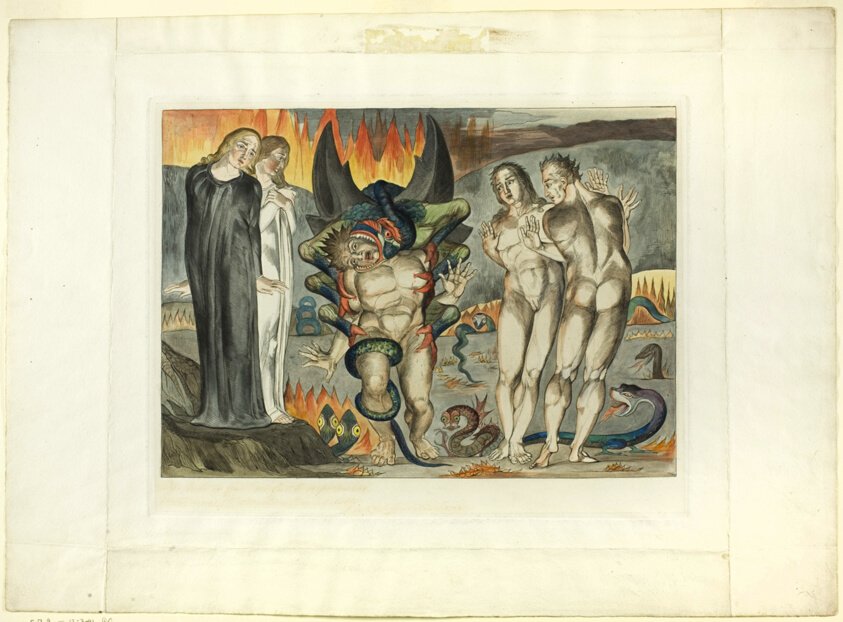
“Stop to witness William Blake's intense vision of Dante's Inferno, where a man is savagely attacked by a six-footed serpent, illustrating a vivid moment of divine punishment.”
In this dramatic engraving, a writhing serpent with six feet attacks Agnolo Brunelleschi, a thief condemned to the seventh circle of hell in Dante's Inferno. William Blake, a visionary English artist, brings the terrifying transformation to life with intricate lines and stark contrasts. The scene pulses with a raw energy, the serpent's scales and Brunelleschi's contorted body rendered with intense detail. Blake’s vivid imagination, often considered eccentric by his contemporaries, found a powerful outlet in illustrating Dante’s epic poem. Created in the final year of his life, this work is part of a series that explores the profound moral and spiritual landscapes of the Inferno, showcasing his unique blend of Romanticism and mystical symbolism through the expressive power of engraving and subtle hand-coloring.
- Artist
- William Blake
- Date
- 1827
- Medium
- Hand-colored engraving on India paper, laid down on wove paper (chine collé)
- Location
- Art Institute of Chicago
- Dimensions
- Image: 24.2 × 34.8 cm (9 9/16 × 13 3/4 in.); Plate: 27.7 × 37.9 cm (10 15/16 × 14 15/16 in.); Sheet: 39.5 × 54.6 cm (15 9/16 × 21 1/2 in.)
- Collection
- Prints and Drawings
- Culture
- England
- Credit line
- Gift of Mrs. Elizabeth D. McCormick
What to Notice
Four details hide in plain sight. Here’s where to look.
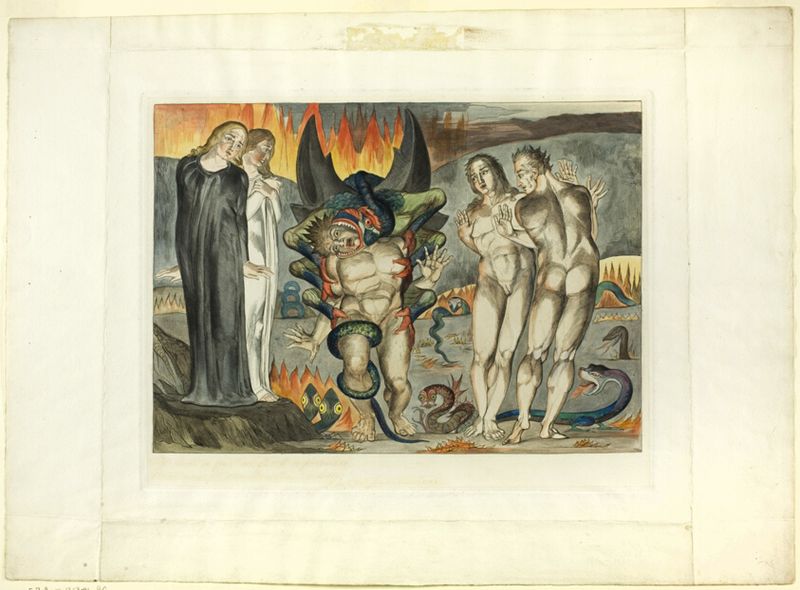
Observe the serpent's six clawed feet gripping Brunelleschi.
Notice the terrified expression on Brunelleschi's face.
See the intricate patterns of the serpent's scales.
Look at the dramatic shadows and highlights, emphasizing the struggle.
Stand in front of it and listen
The full narration walks you through The Circle of the Thieves; Agnolo Brunelleschi Attacked by a Six-Footed Serpent. Inferno, canto XXV — the story behind it, the details most visitors miss, and why it matters. Free in the Art Whisper app.
William Blake
1757–1827 · United Kingdom of Great Britain and IrelandWilliam Blake, a visionary English poet, painter, and printmaker, created a symbolically rich body of work that was largely unrecognised in his lifetime.
Further Works by Blake
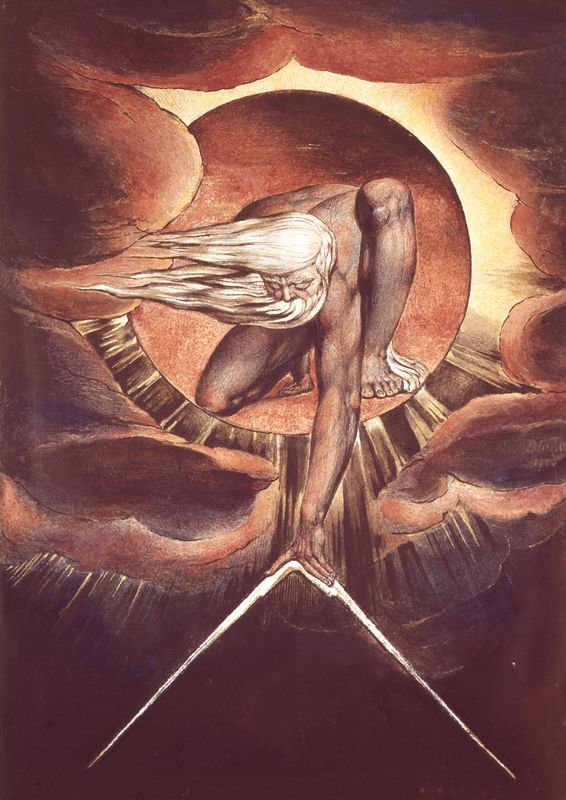
More works to explore
Beyond Blake: works from the same years.
 Same era · 1810s–1840s
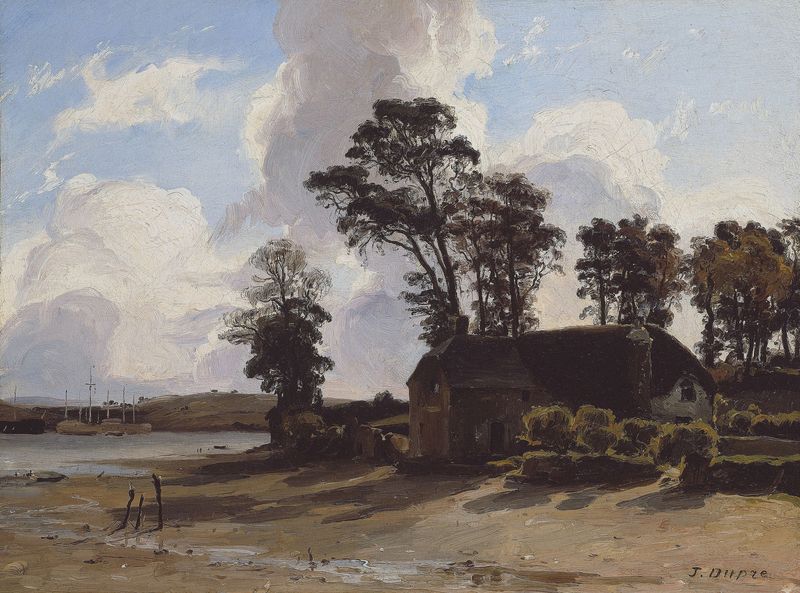
The Estuary Farm
Léon-Victor Dupré · 1831 · Art Institute of Chicago
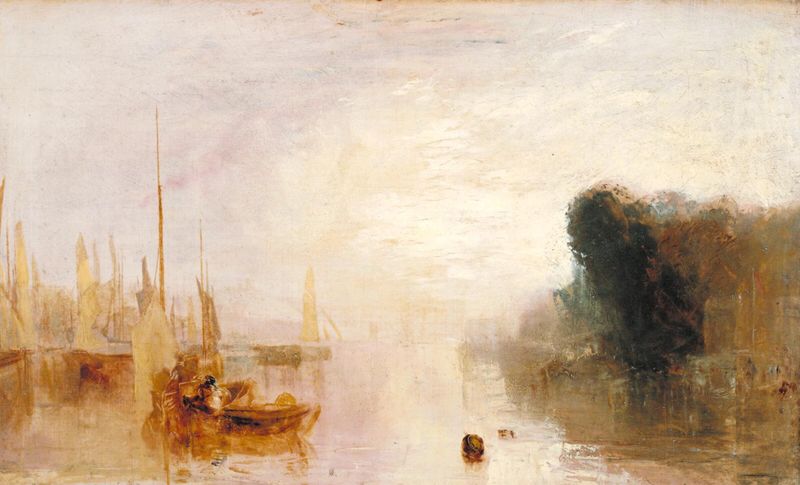 Same era · 1810s–1840s
Sketch for ‘East Cowes Castle, the Regatta Starting for Their Moorings’ No. 2
J. M. W. Turner · 1827 · National Gallery
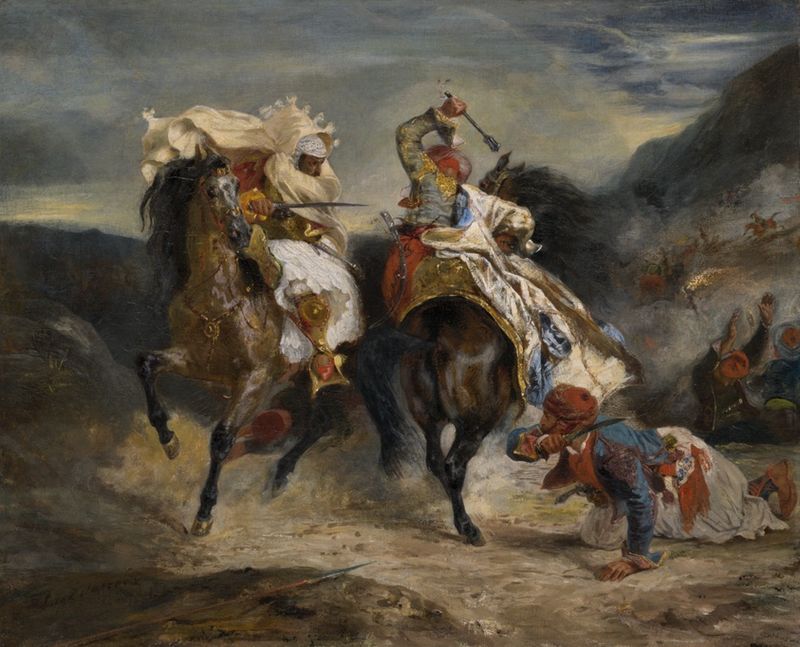 Same era · 1810s–1840s
The Combat of the Giaour and Hassan
Eugène Delacroix · 1826 · Art Institute of Chicago
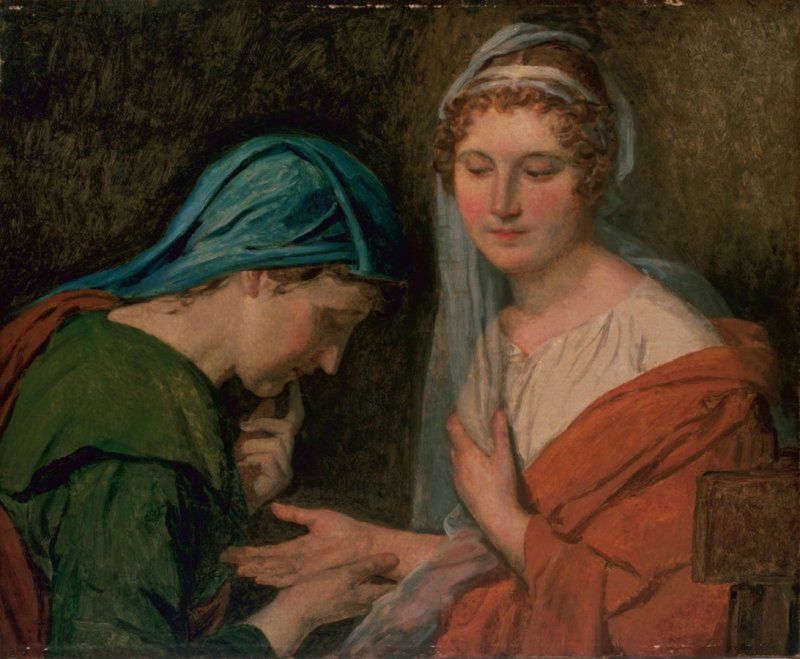 Same era · 1810s–1840s
The Fortune Teller (La Bonne Aventure)
Jacques-Louis David · 1824 · Fine Arts Museums of San Francisco
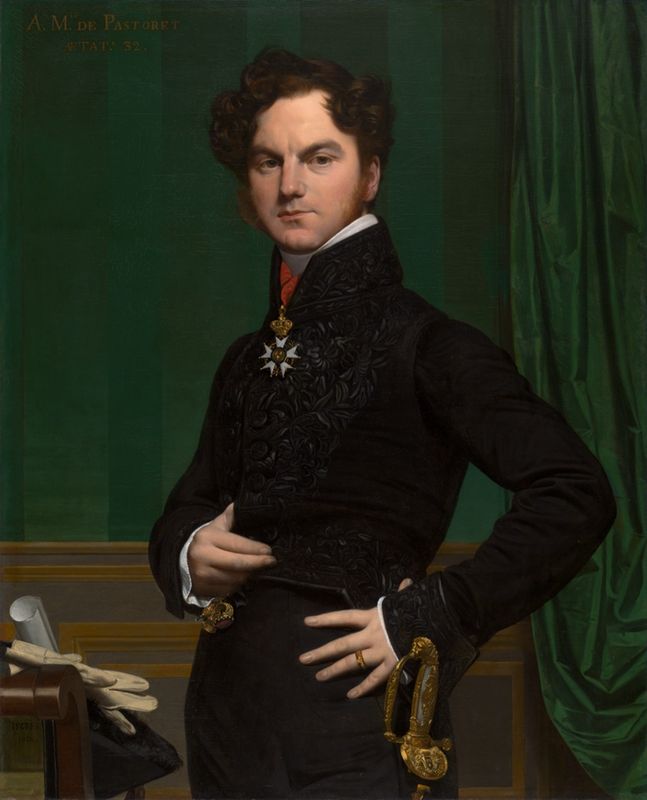 Same era · 1810s–1840s
Amédée-David, the Comte de Pastoret
Jean-Auguste-Dominique Ingres · 1823 · Art Institute of Chicago
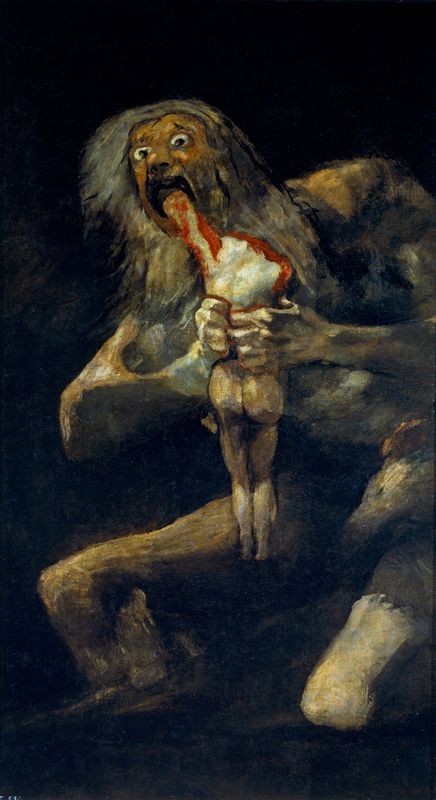 Same era · 1810s–1840s
Saturn Devouring His Son
Francisco Goya · 1820 · Museo del Prado
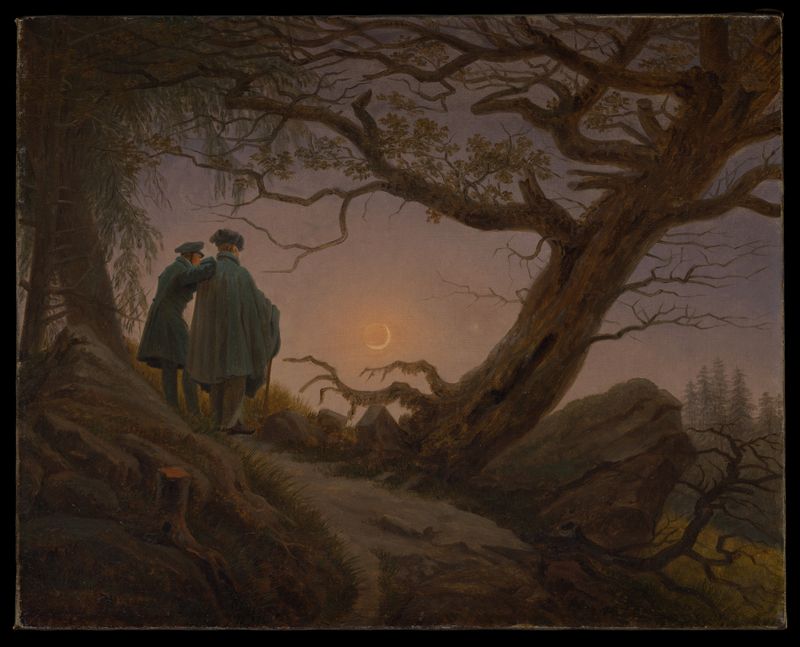 Same era · 1810s–1840s
Two Men Contemplating the Moon
Caspar David Friedrich · 1819 · Staatliche Kunstsammlungen Dresden
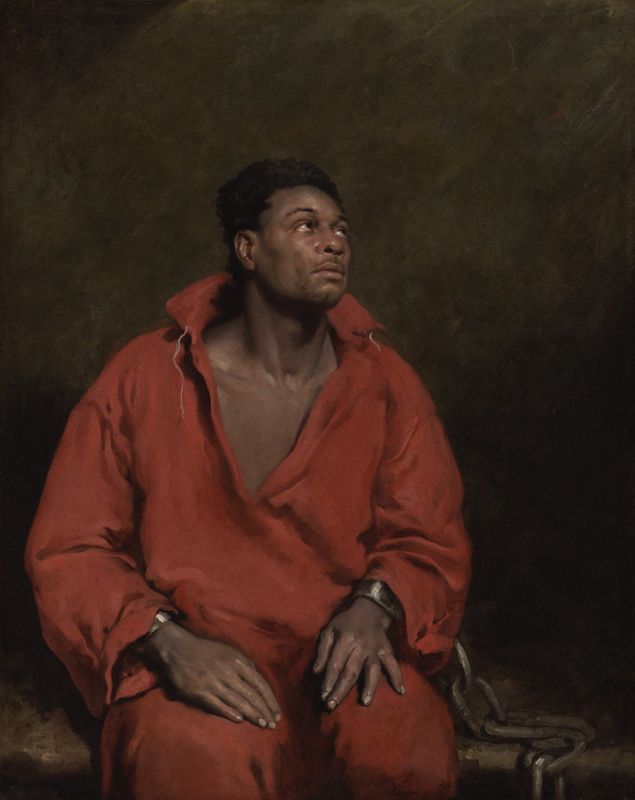 Same era · 1810s–1840s
The Captive Slave (Ira Aldridge)
John Philip Simpson · 1827 · Art Institute of Chicago
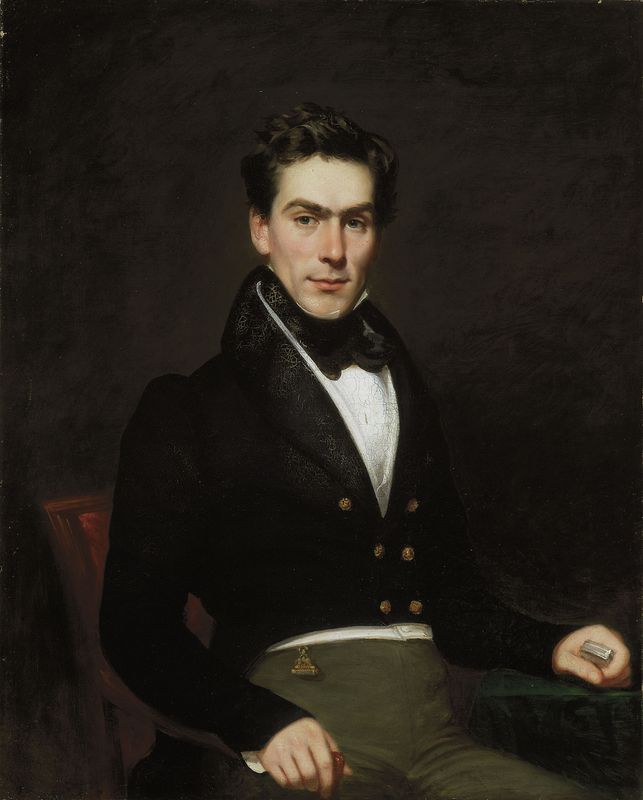 Same era · 1810s–1840s
Mr. James Mackie
Samuel Alcock & Company · 1830 · Art Institute of Chicago
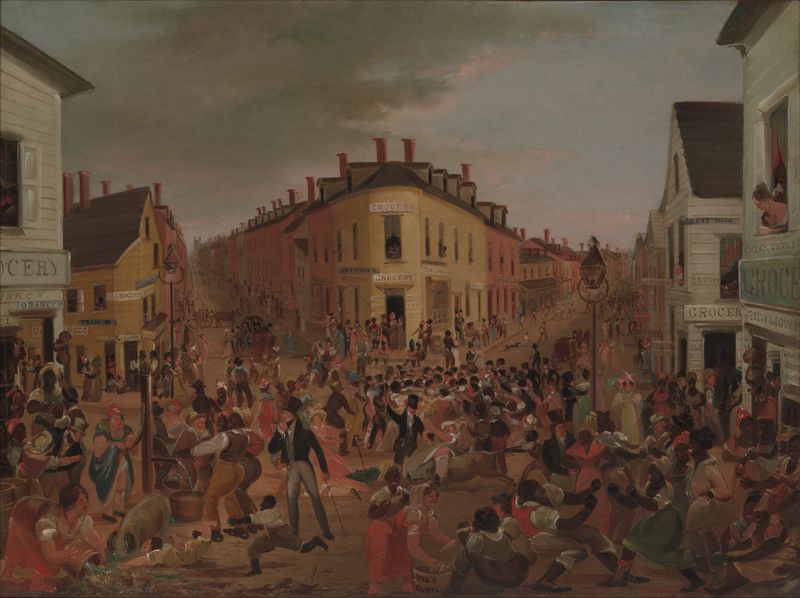 Same era · 1810s–1840s
The Five Points
Artist Unknown - The Mercat Cross, Aberdeen · 1822 · The Metropolitan Museum of Art
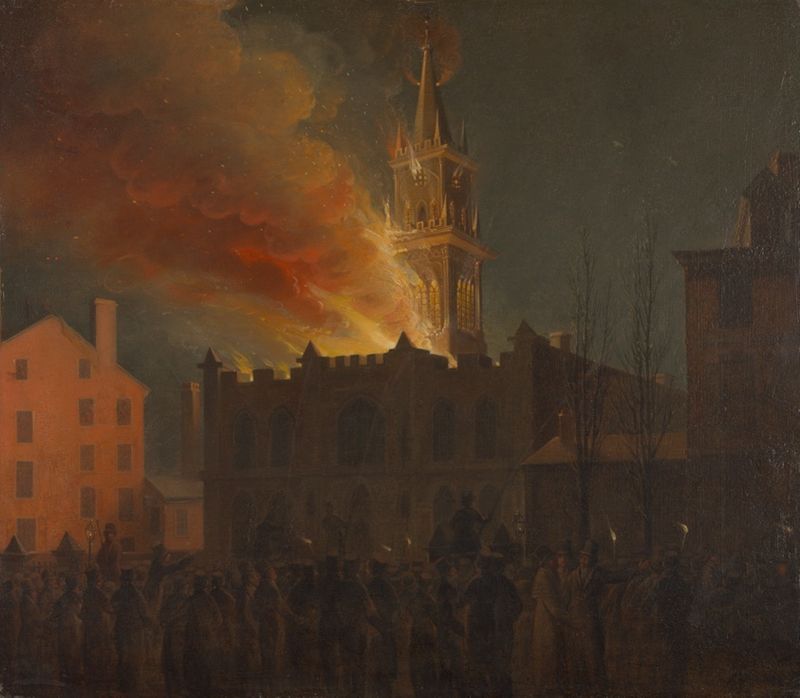 Same era · 1810s–1840s
Conflagration of the Masonic Hall, Chestnut Street, Philadelphia, Pennsylvania
Samuel Jones · 1819 · Art Institute of Chicago
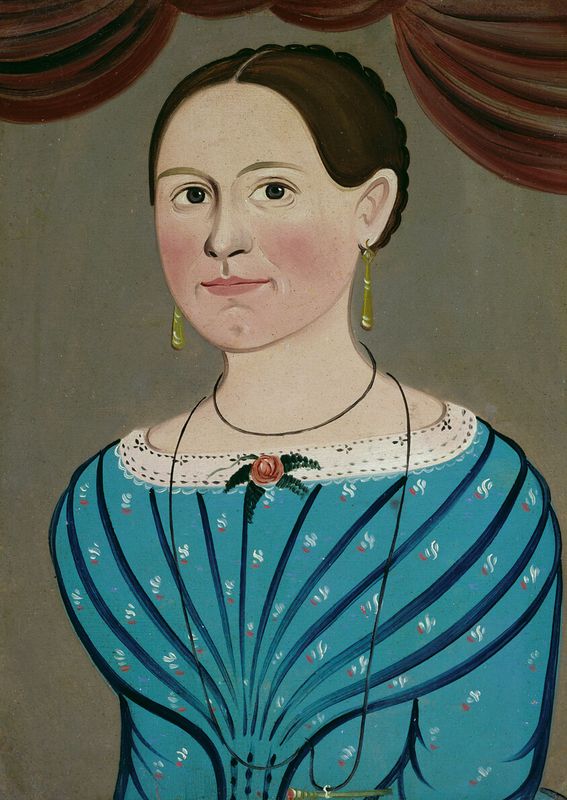 Same era · 1810s–1840s
Woman in a Blue Dress
School of William Matthew Prior · 1840 · Art Institute of Chicago