01
Striped green pickles
Two plump pickles sit at the top of the plate, built from a few long, dark olive strokes. They are the boldest shapes in the dish.
1 of 5 on the painting
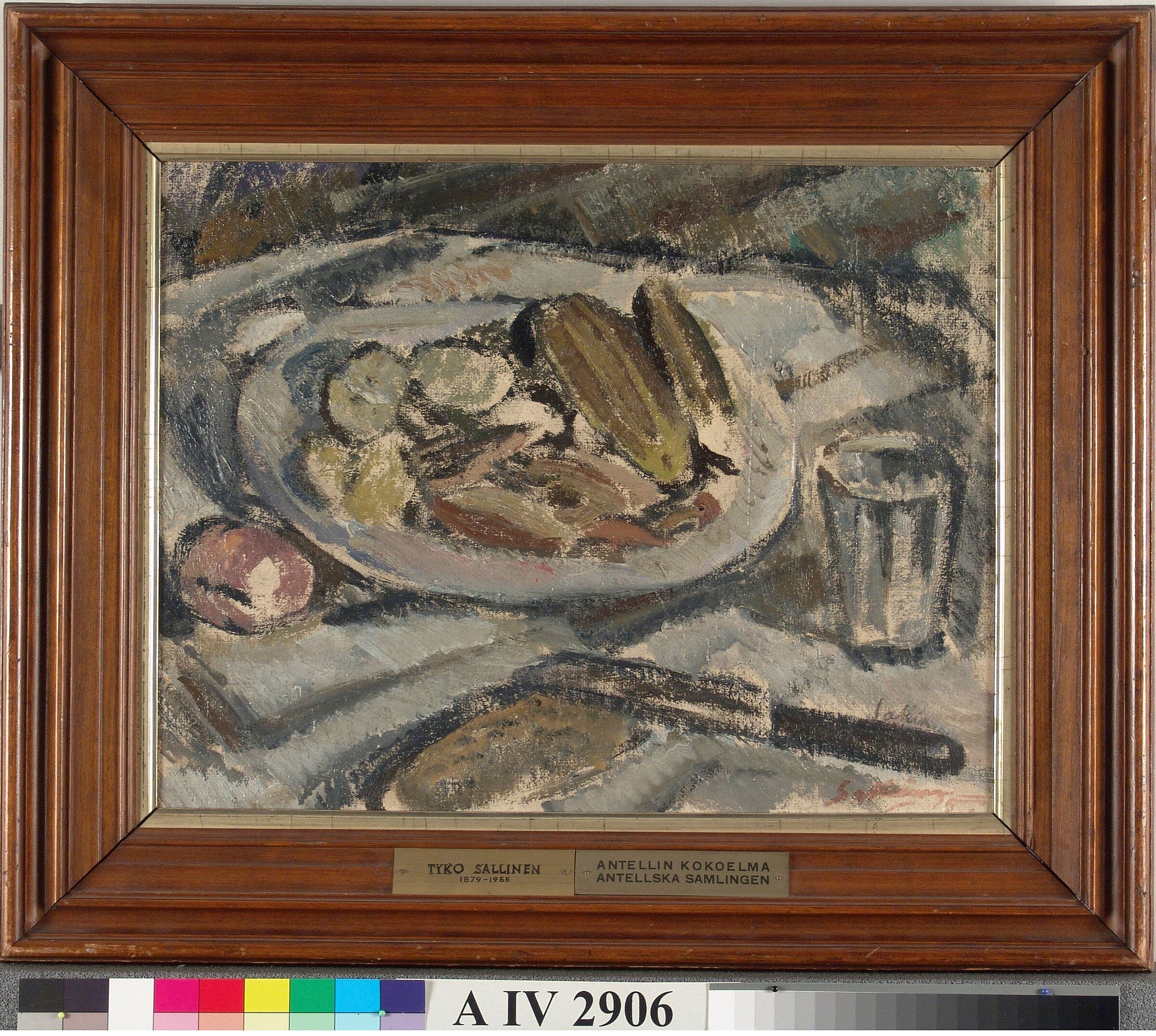
“Stop to appreciate how this 1915 still life transforms ordinary objects into a powerful emotional statement through its vivid colors and bold brushwork. It's an early example of Finnish Expressionism.”
This still life by Tyko Sallinen from 1915 captures a moment of quiet intensity, characteristic of the Expressionist movement in Finland. The painting uses bold, simplified forms and a striking color palette to imbue everyday objects with emotional weight. Rather than a meticulous rendering of reality, Sallinen presents a subjective experience, inviting viewers to feel the presence of these items. The composition, though seemingly simple, draws the eye through a play of light and shadow, creating a sense of depth and drama within a shallow space. It reflects a period when Finnish artists were exploring new ways to express the landscape and people, moving beyond traditional academic styles to emphasize raw emotion and individual perspective.
Five details hide in plain sight. Pick one and we’ll show you exactly where to look.
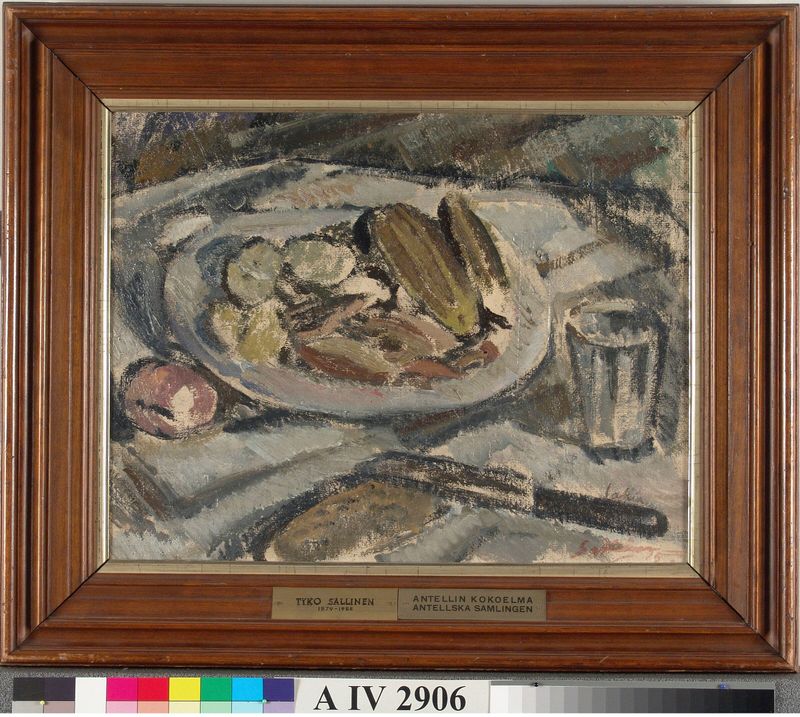
Two plump pickles sit at the top of the plate, built from a few long, dark olive strokes. They are the boldest shapes in the dish.
On the left of the plate, soft green-yellow rounds cluster beside reddish-brown fish-like shapes. The colors are muted and the forms are blocky, not detailed.
At the lower left, a round pink and mauve fruit has a bright cream patch of light. It is the only warm, rosy note in this cool corner.
On the right, a tall glass is only a few gray-blue vertical strokes and dark patches. It almost melts into the cloth behind it.
A dark knife handle slashes across the lower right, with the blade angling back toward the plate. The diagonal helps lead the eye back to the food.
The full narration walks you through Still Life — the story behind it, the details most visitors miss, and why it matters. Free in the Art Whisper app.
Tyko Sallinen, a pioneering Finnish Expressionist, fearlessly depicted the raw emotion of the Finnish landscape and its people.
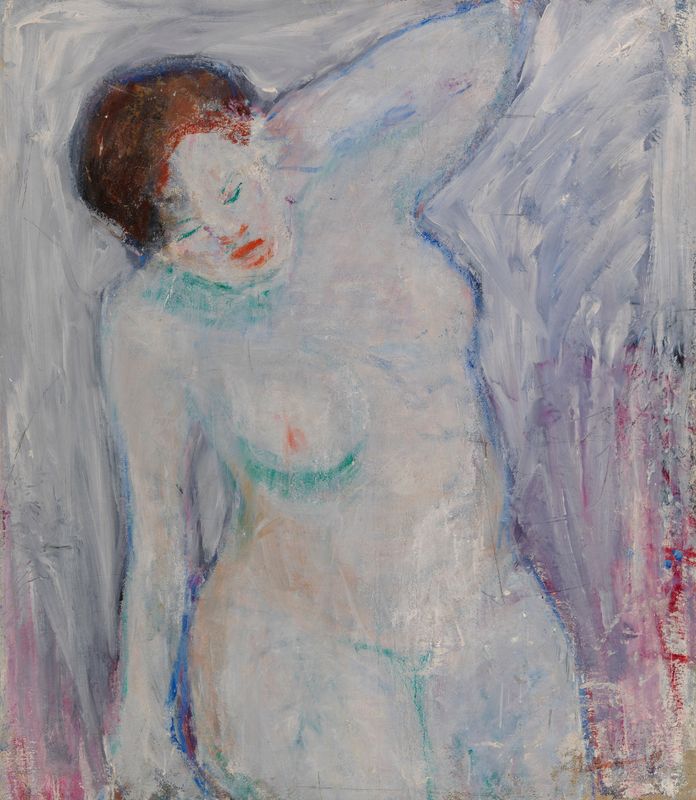 The Nude
1910 · Finnish National Gallery
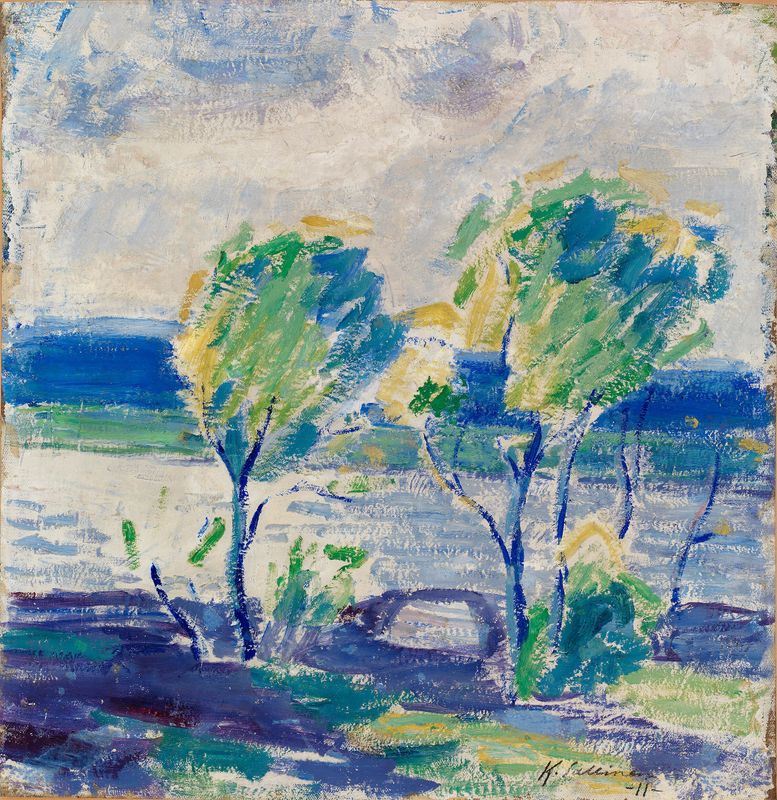 Kaksi leppää II
1911 · Finnish National Gallery
 The Washerwomen
1911 · Finnish National Gallery
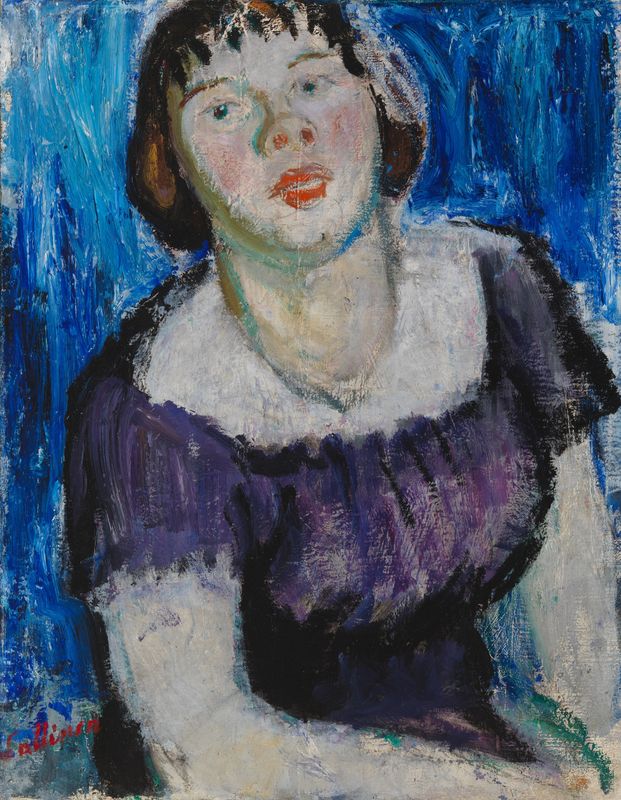 The "Ducat" Girl
1914 · Finnish National Gallery
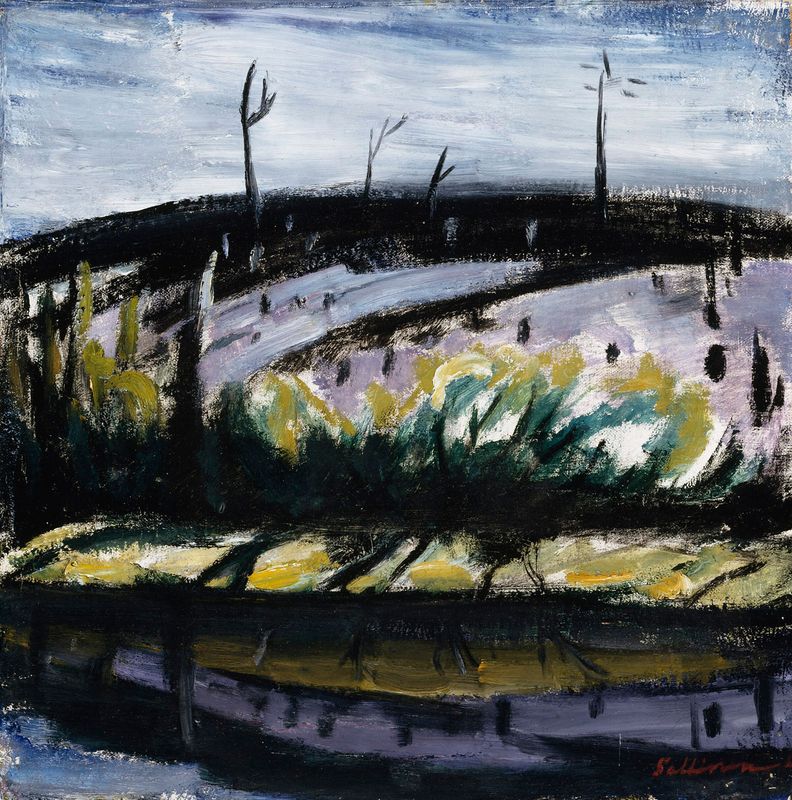 Burnt Clearing
1915 · Finnish National Gallery
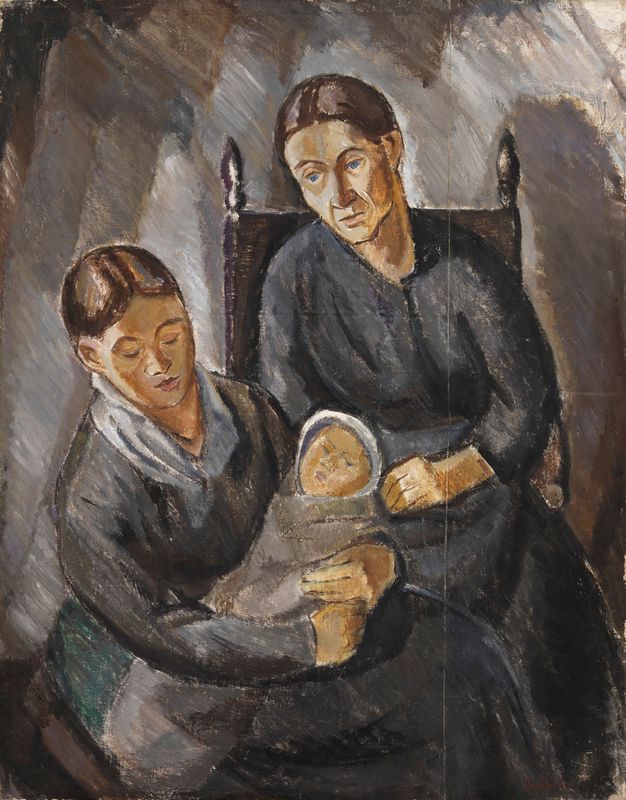 Grandmother
1916 · Finnish National Gallery
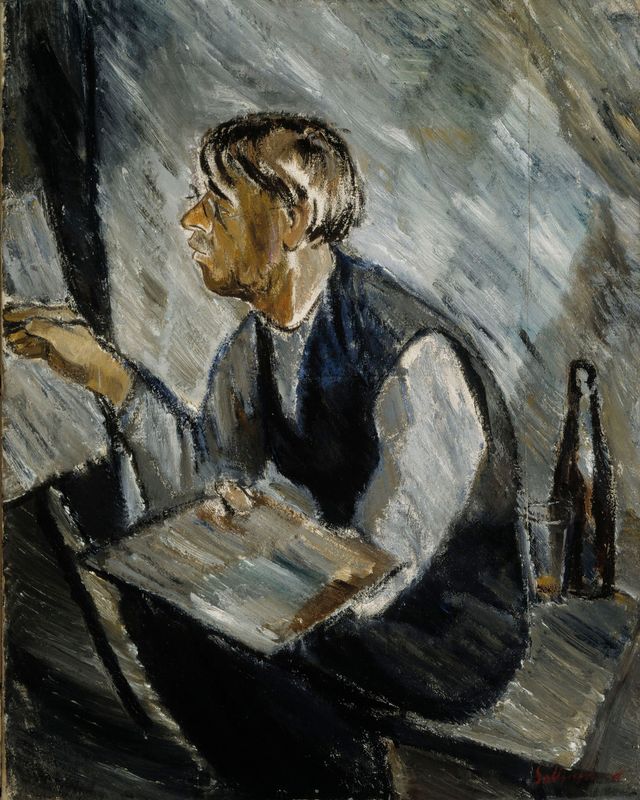 Ruokokoski Painting
1916 · Finnish National Gallery
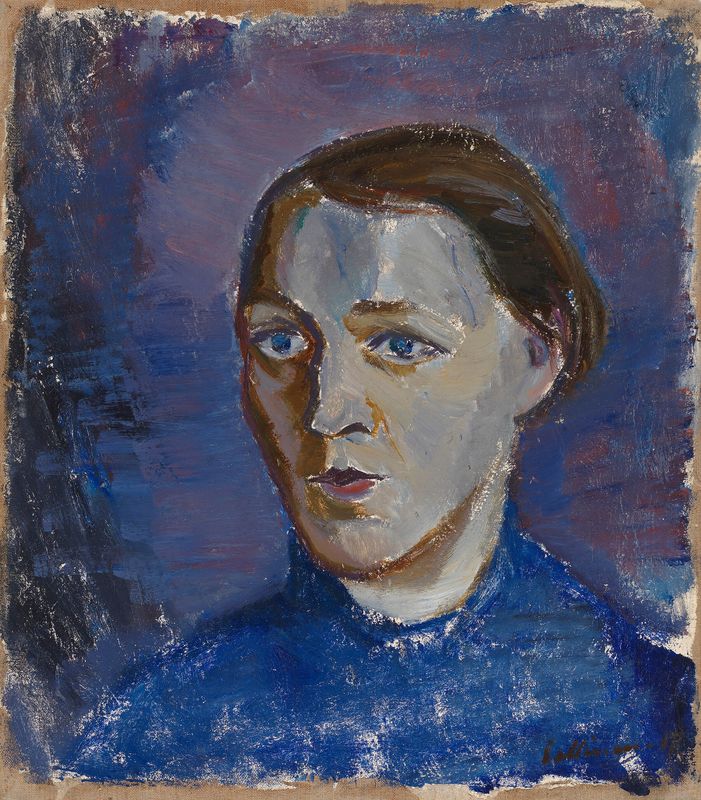 Portrait of Mrs Kallio
1917 · Finnish National Gallery
Beyond Sallinen: works from the same years.
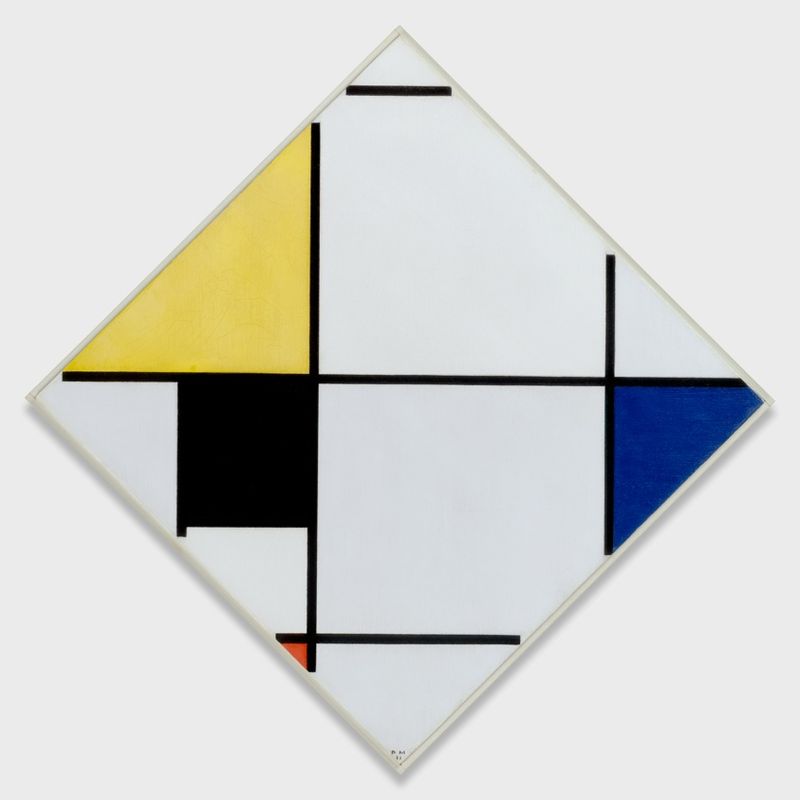 Same era · 1900s–1930s
Lozenge Composition with Yellow, Black, Blue, Red, and Gray
Piet Mondrian · 1921 · Art Institute of Chicago
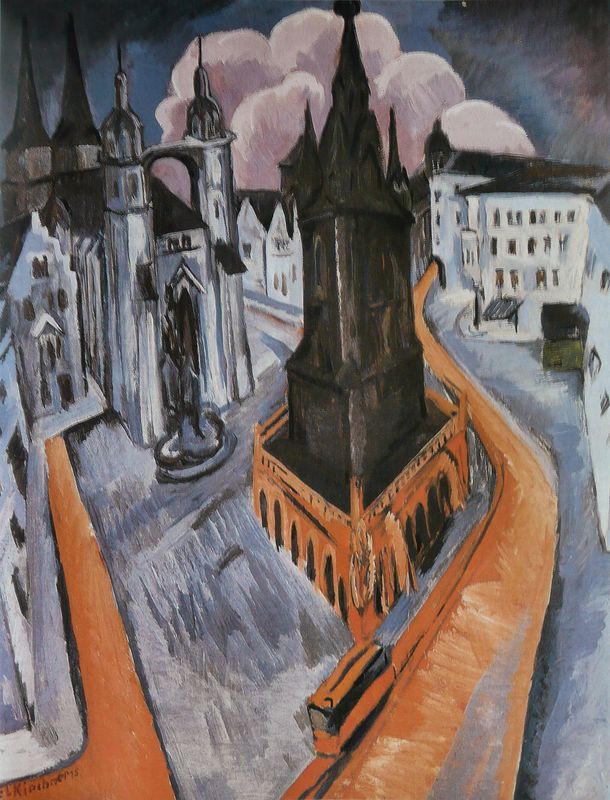 Same era · 1900s–1930s
The Red Tower in Halle
Ernst Ludwig Kirchner · 1915 · Museum Folkwang
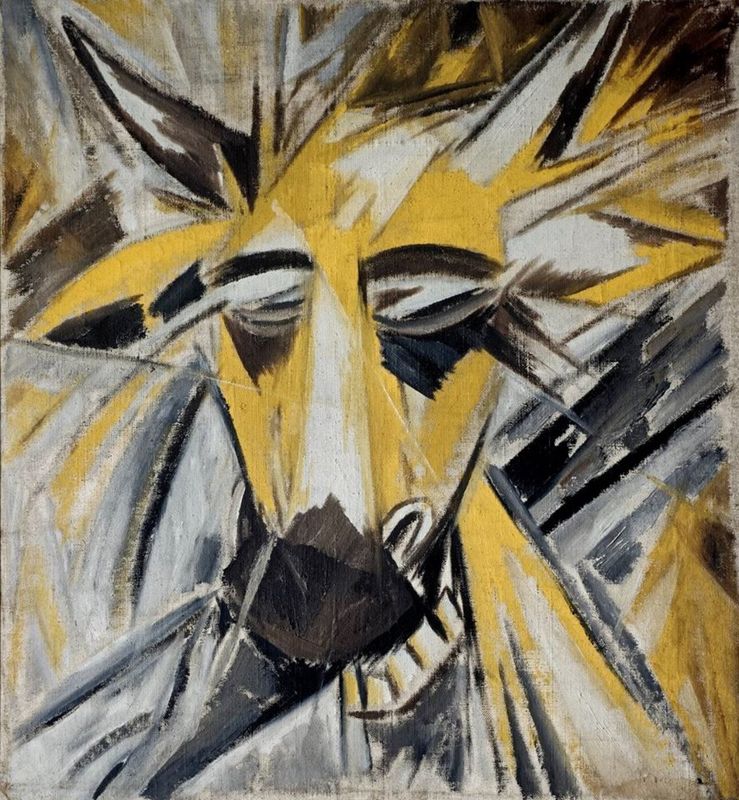 Same era · 1900s–1930s
Bull's Head
Mikhail Larionov · 1913 · Tretyakov Gallery
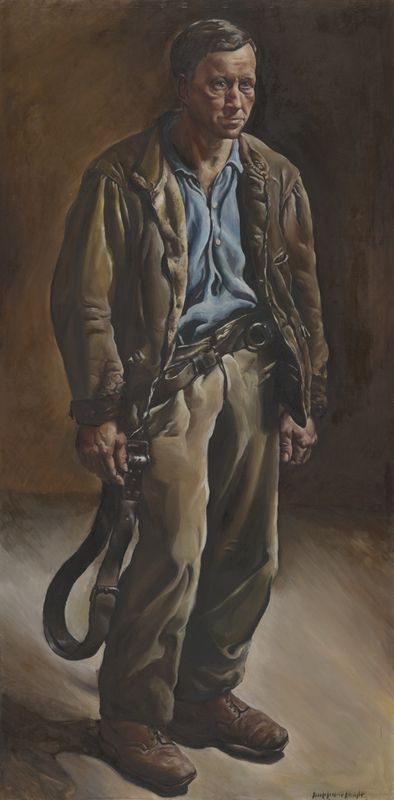 Same era · 1900s–1930s
The Lineman
Ivan Puni · 1927 · Art Institute of Chicago
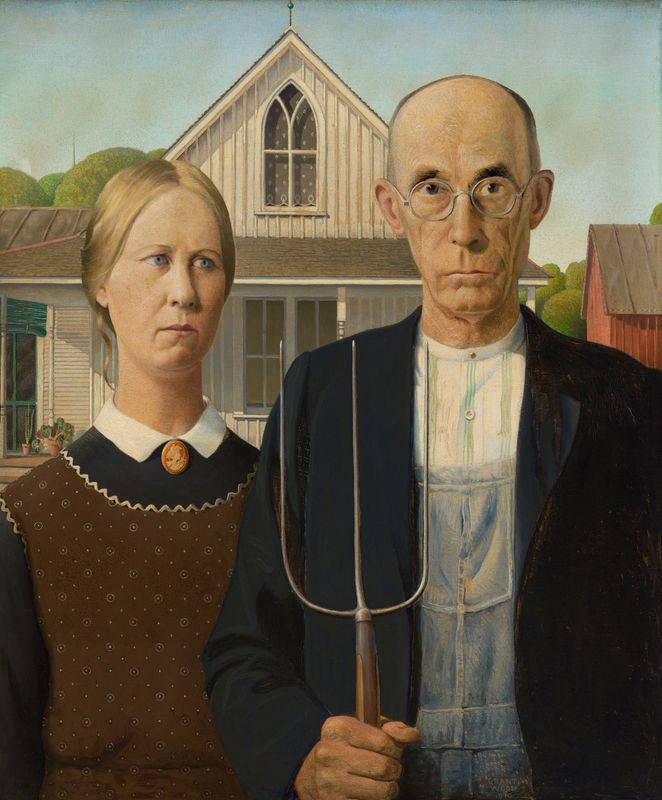 Same era · 1900s–1930s
American Gothic
Okada Saburosuke · 1930 · Art Institute of Chicago
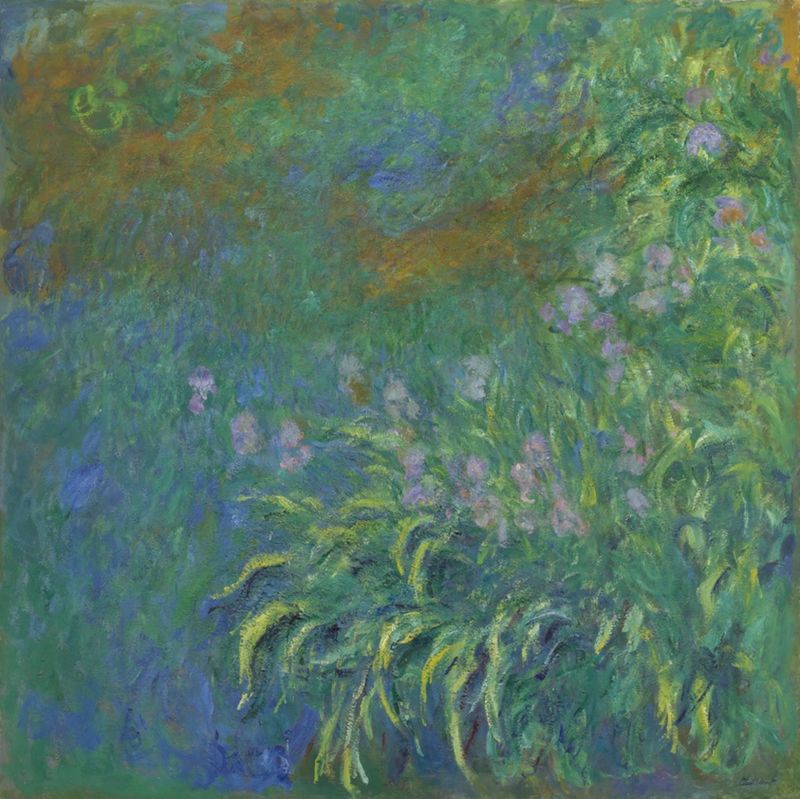 Same era · 1900s–1930s
Irises
Claude Monet · 1915 · National Gallery
 Same era · 1900s–1930s
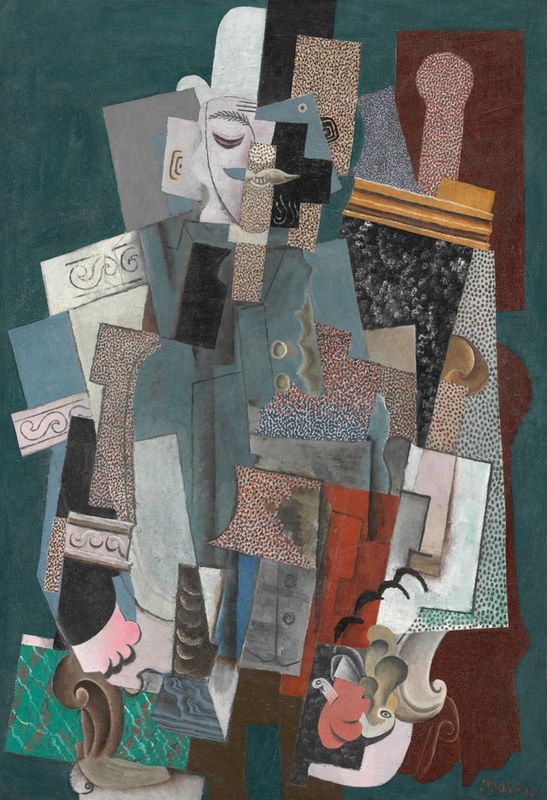
Man with a Pipe
Pablo Picasso · 1915 · Art Institute of Chicago
 Same era · 1900s–1930s
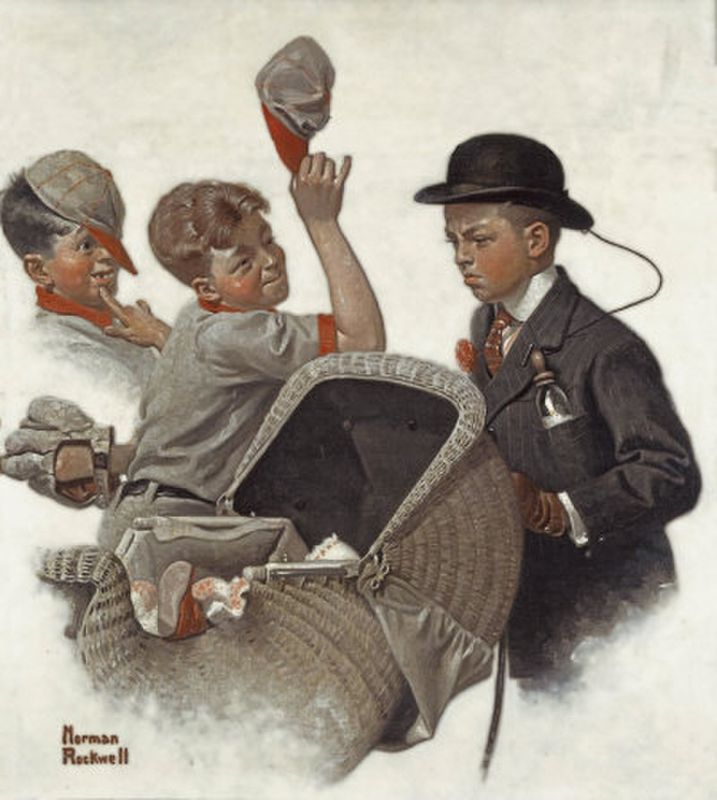
Boy with Baby Carriage
Norman Rockwell · 1916 · Norman Rockwell Museum
 Same era · 1900s–1930s
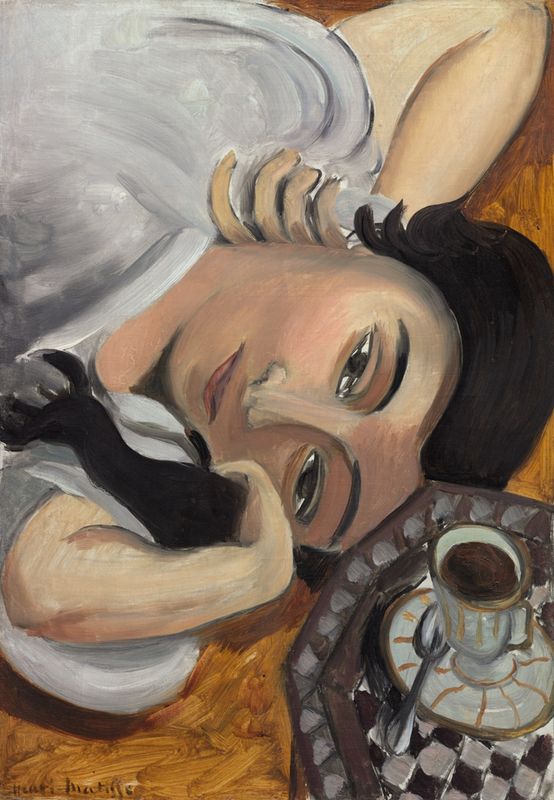
Laurette with a Cup of Coffee
Henri Matisse · 1916 · Art Institute of Chicago
 Same era · 1900s–1930s
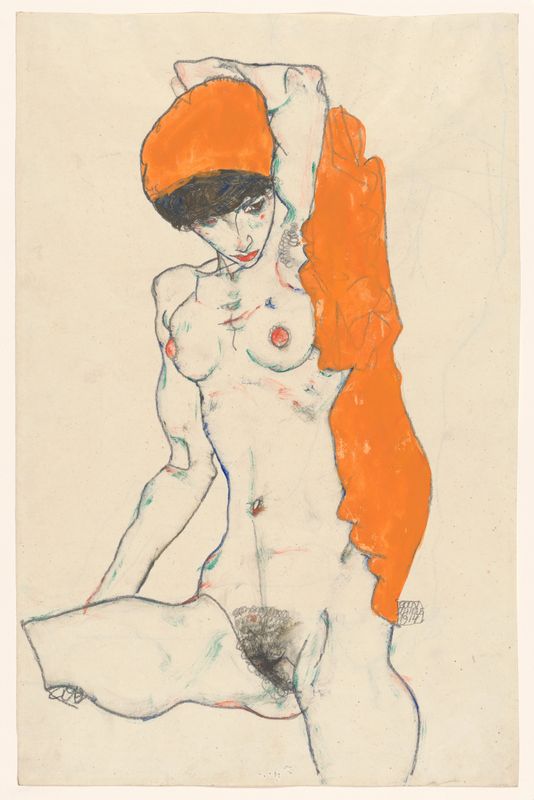
Standing Nude with Orange Drapery (recto): Study of Nude with Arms Raised (verso)
Egon Schiele · 1914 · The Metropolitan Museum of Art
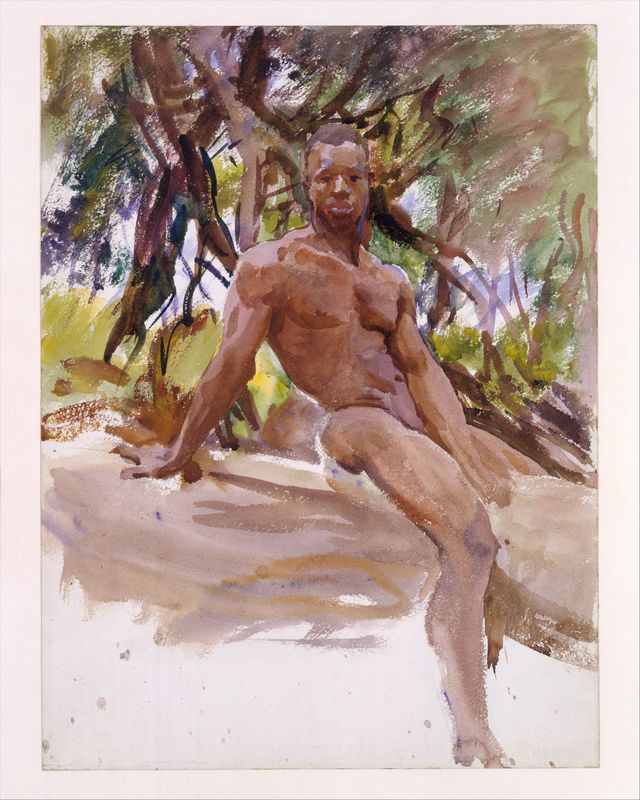 Same era · 1900s–1930s
Man and Trees, Florida
John Singer Sargent · 1917 · The Metropolitan Museum of Art
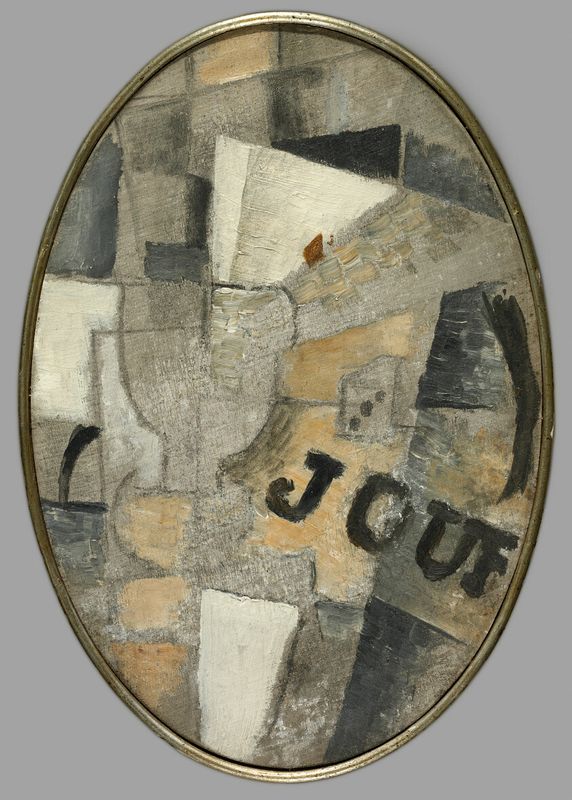 Same era · 1900s–1930s
Still Life with Glass, Dice, Newspaper and Playing Card
Georges Braque · 1913 · Art Institute of Chicago
