
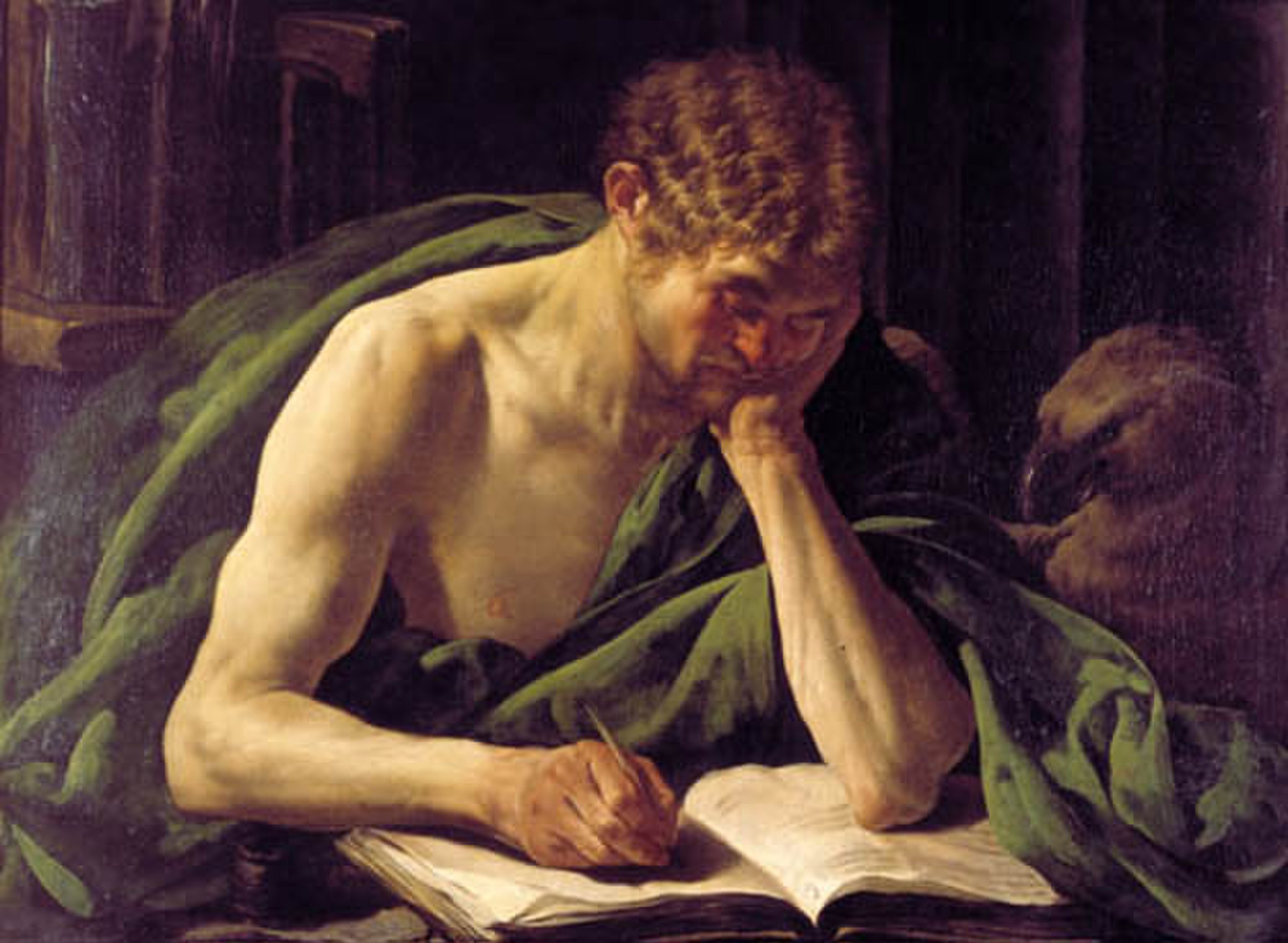
“Stop and observe the intense, dramatically lit figure of Saint John as he writes his Gospel. The artist uses light and shadow to create a powerful sense of focus and spiritual depth in this striking work.”
In this painting, Saint John the Evangelist is caught in a moment of intense concentration, his quill poised over a large book. The dramatic use of light, a hallmark of the Utrecht Caravaggisti movement, illuminates his face and the parchment, creating a stark contrast with the deep shadows that envelop the rest of the scene. This intense focus draws the viewer into the quiet, almost sacred space of the saint's contemplation. The artist captures a feeling of profound thought, emphasizing the spiritual weight of John's task as he records his Gospel. This work, created in 1621, exemplifies the influence of Italian painting on Dutch artists of the period, particularly in its naturalistic depiction and powerful chiaroscuro.
- Artist
- Hendrick ter Brugghen
- Date
- 1621
- Medium
- Oil on canvas
- Location
- Museum De Waag
What to Notice
Four details hide in plain sight. Here’s where to look.
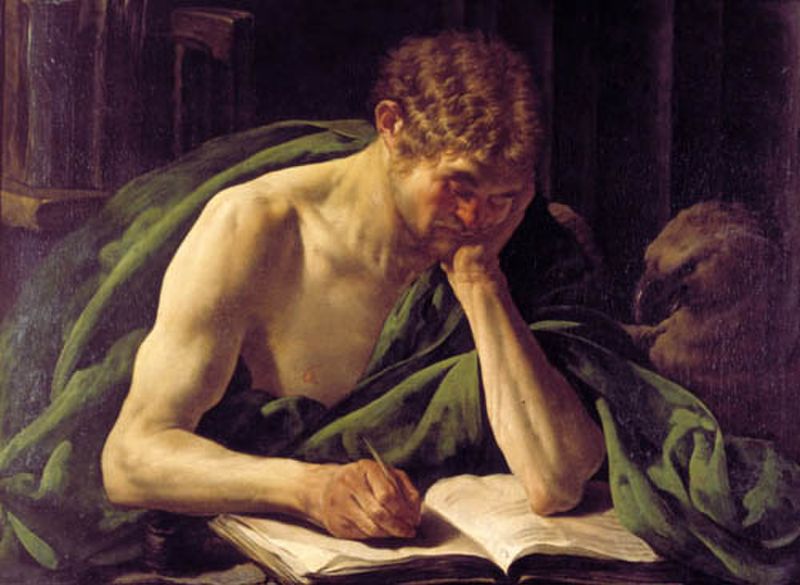
The way light dramatically falls on Saint John's face and the page.
The detailed rendering of the quill and the texture of the parchment.
The deep shadows that create a sense of mystery and depth.
Saint John's furrowed brow, conveying deep concentration.
Stand in front of it and listen
The full narration walks you through Saint John writing his Gospel — the story behind it, the details most visitors miss, and why it matters. Free in the Art Whisper app.
Hendrick ter Brugghen
1588–1629 · Dutch RepublicHendrick ter Brugghen brought Caravaggio's dramatic light and emotional realism from Italy to the Dutch Republic, profoundly shaping Dutch Golden Age painting.
Further Works by ter Brugghen
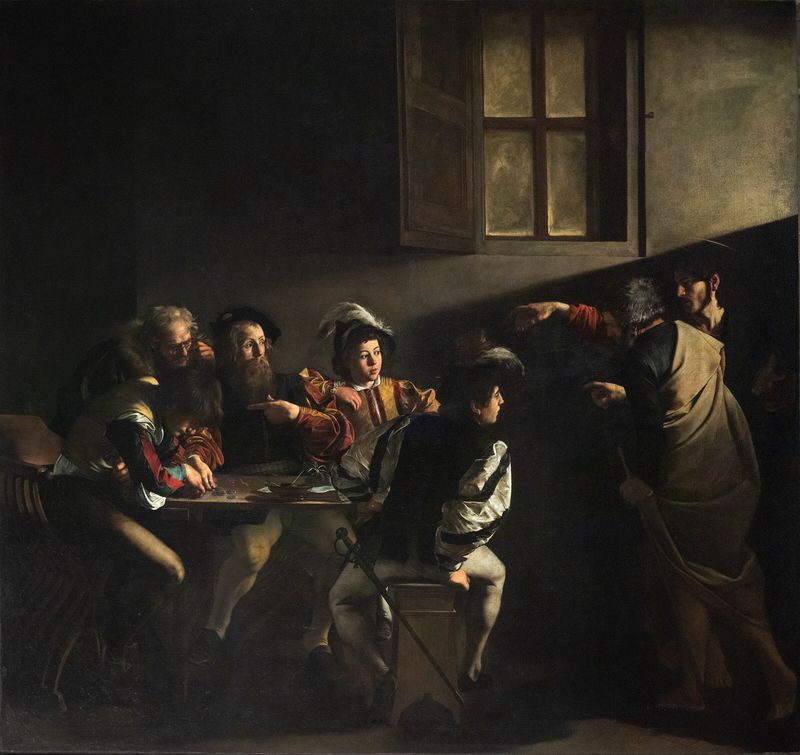 The Calling of Saint Matthew
1609 · Museum of Fine Arts, Budapest
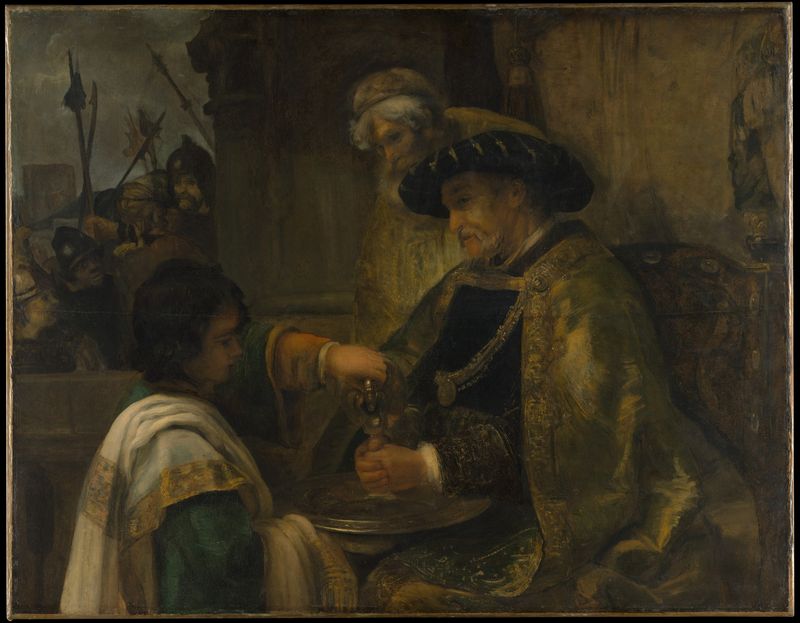 Pilate washing his hands
1617 · National Museum in Lublin
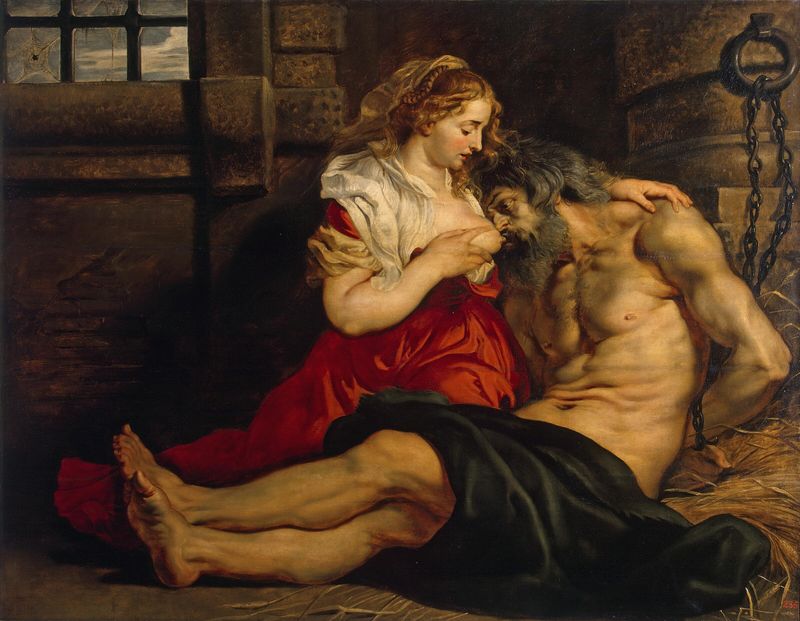 Roman Charity
1622 · The Metropolitan Museum of Art
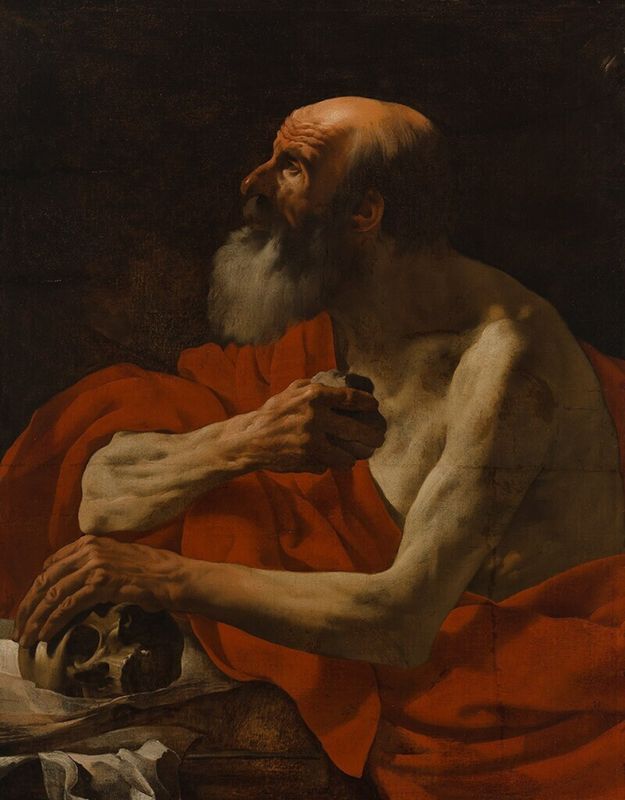 Saint Jerome
1624 · Museum Boijmans Van Beuningen
 Saint Mark writing his Gospel
1621 · Museum De Waag
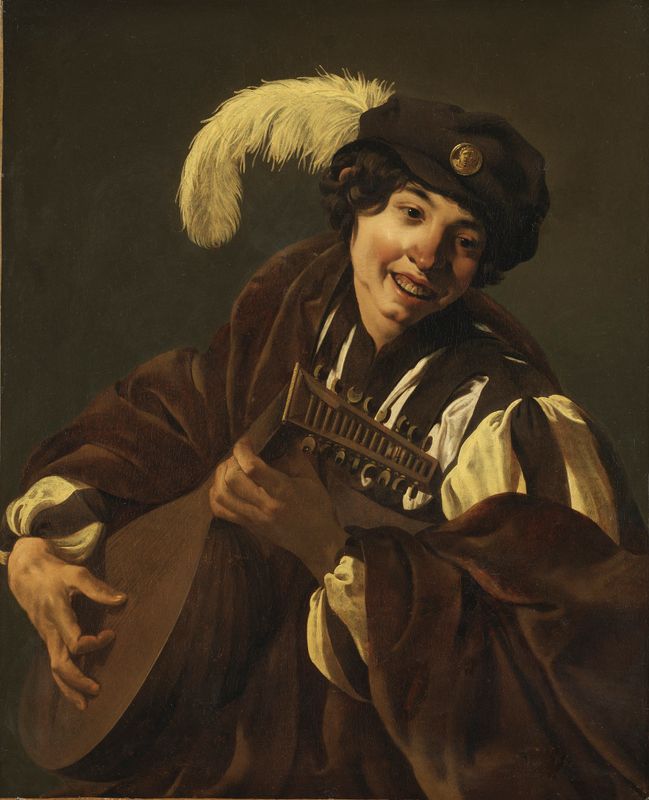 A Boy Playing the Lute ("Hearing", One of a Series of the Five Senses)
1620 · Nationalmuseum
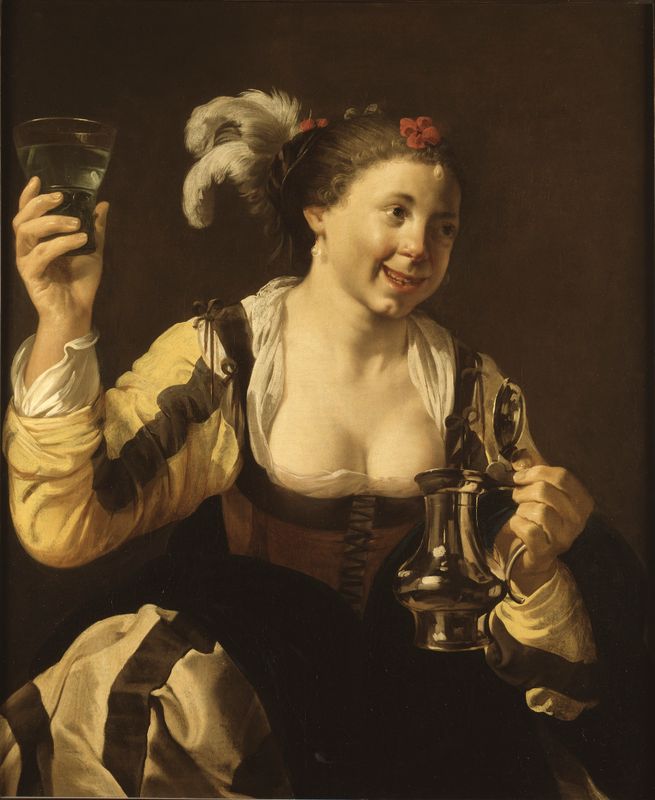 A Girl Holding a Glass ("Taste", One of a Series of the Five Senses)
1620 · Nationalmuseum
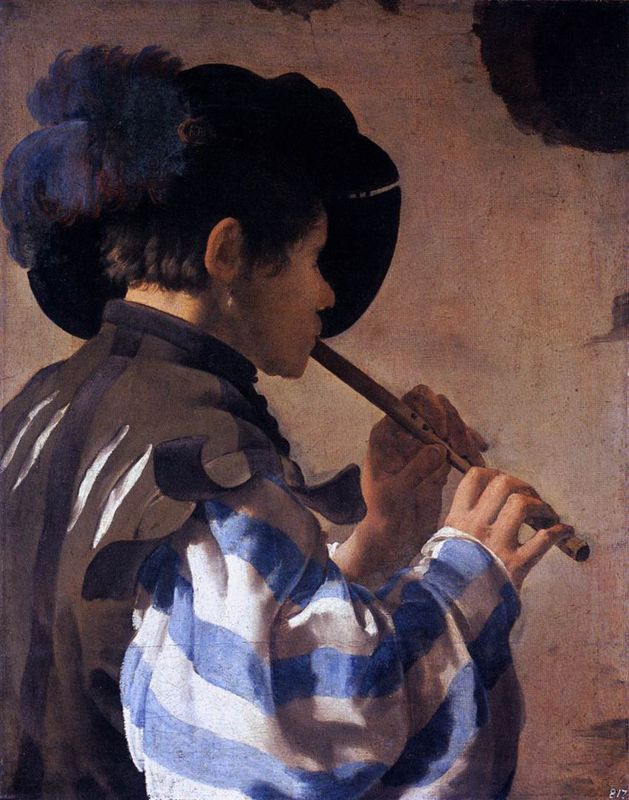 Boy Playing a Fife
1620 · Gemäldegalerie Alte Meister
More works to explore
Beyond ter Brugghen: works from the same years.
 Same era · 1600s–1630s
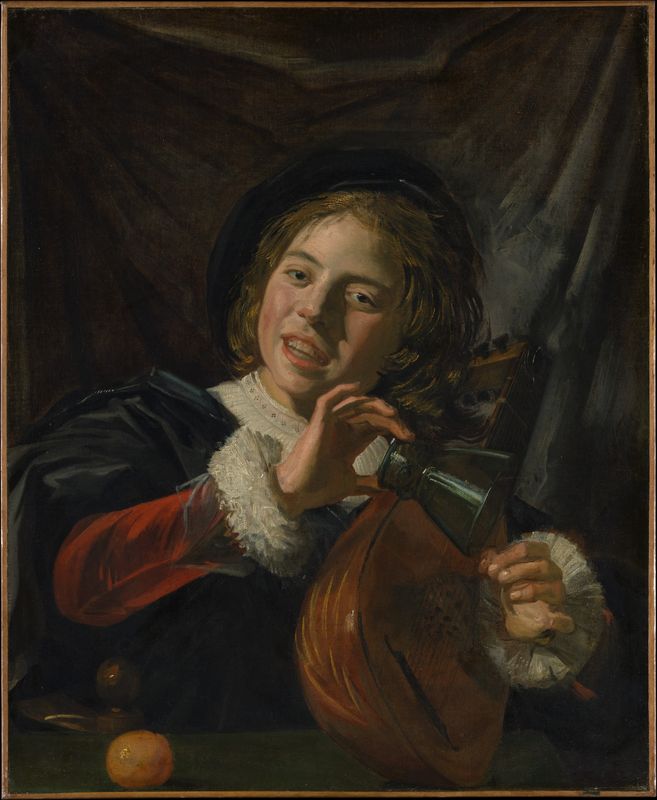
Boy with a Lute
Frans Hals · 1620 · The Metropolitan Museum of Art
 Same era · 1600s–1630s
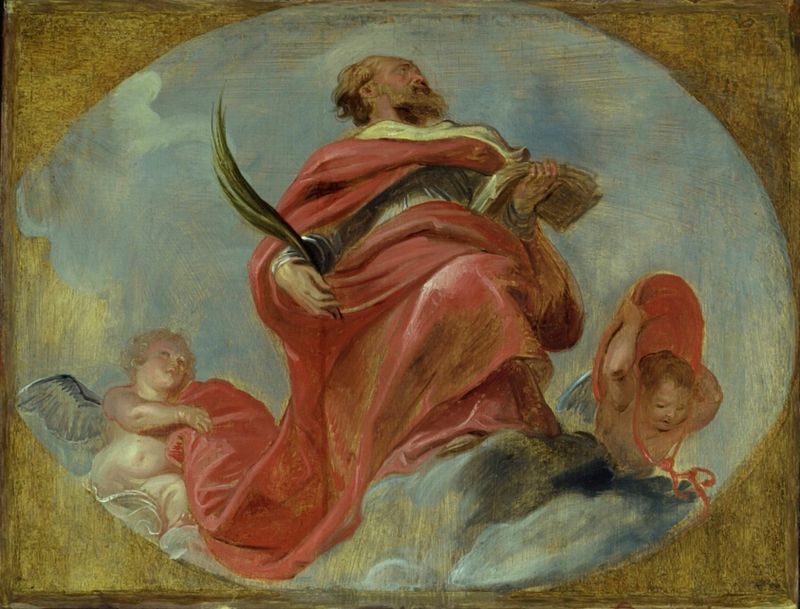
St. Albert of Louvain
Peter Paul Rubens · 1620 · Art Institute of Chicago
 Same era · 1600s–1630s
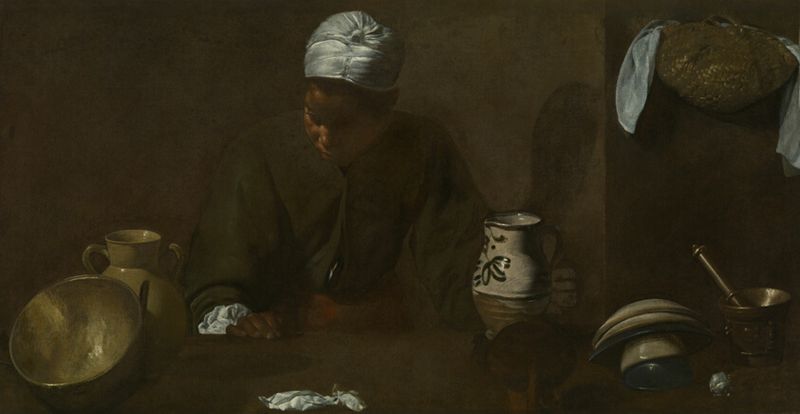
Kitchen Scene
Diego Velázquez · 1618 · Art Institute of Chicago
 Same era · 1600s–1630s
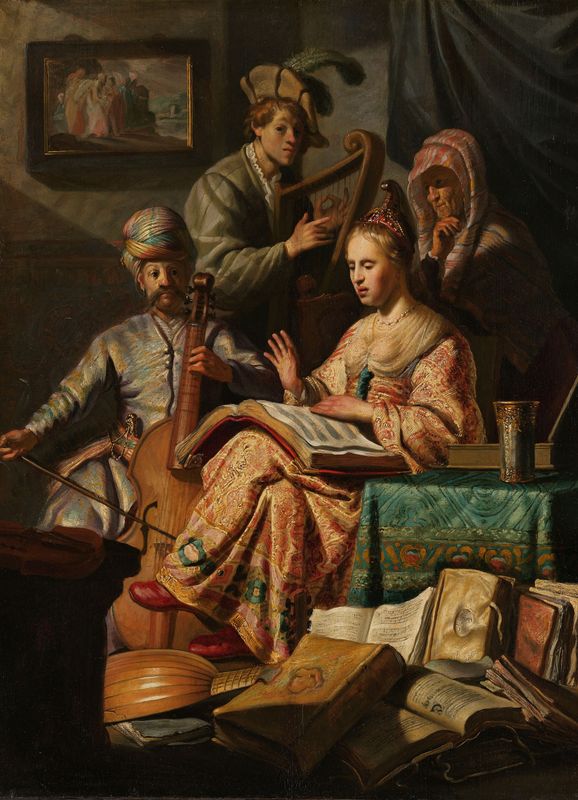
Musical Company
Rembrandt · 1626 · Museum De Lakenhal
 Same era · 1600s–1630s
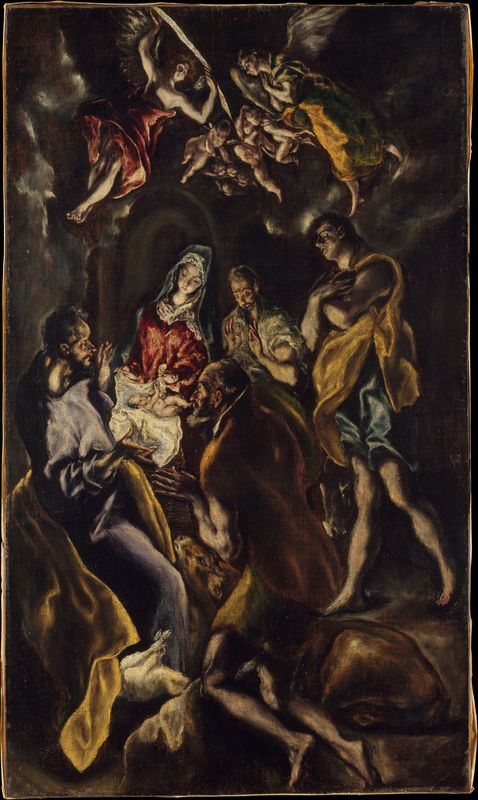
The Adoration of the Shepherds
El Greco · 1610
 Same era · 1600s–1630s
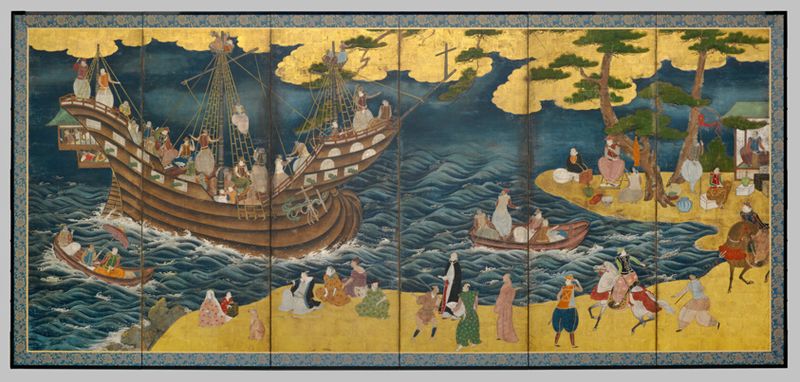
Southern Barbarians
Artist Unknown - The Mercat Cross, Aberdeen · 1625 · Art Institute of Chicago
 Same era · 1600s–1630s
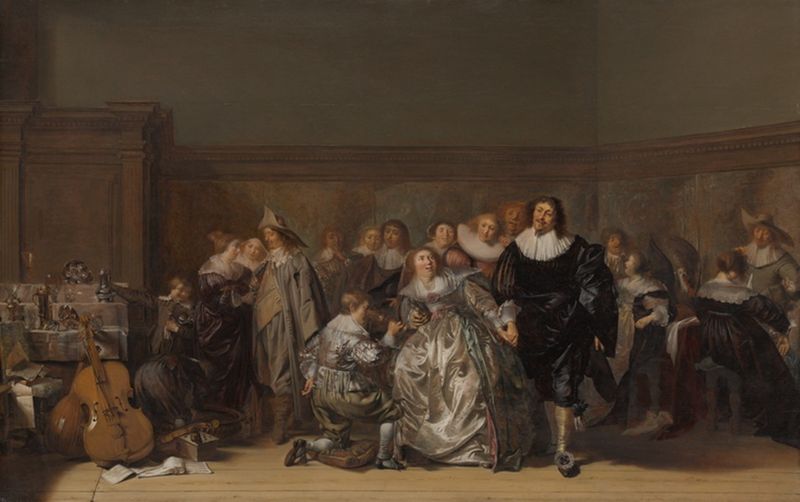
An Elegant Company
Samuel Alcock & Company · 1632 · Art Institute of Chicago
 Same era · 1600s–1630s
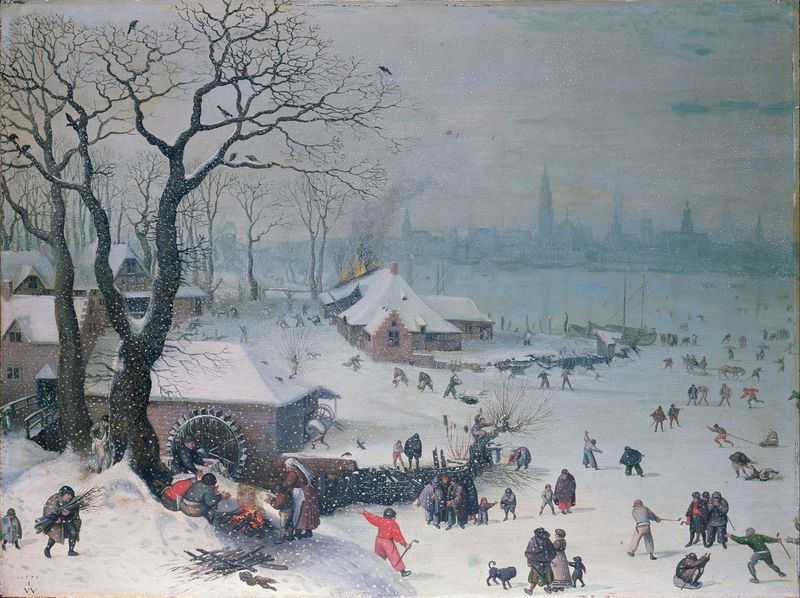
Winter Landscape with Snowfall near Antwerp
Jan Brueghel the Elder · 1610
 Same era · 1600s–1630s
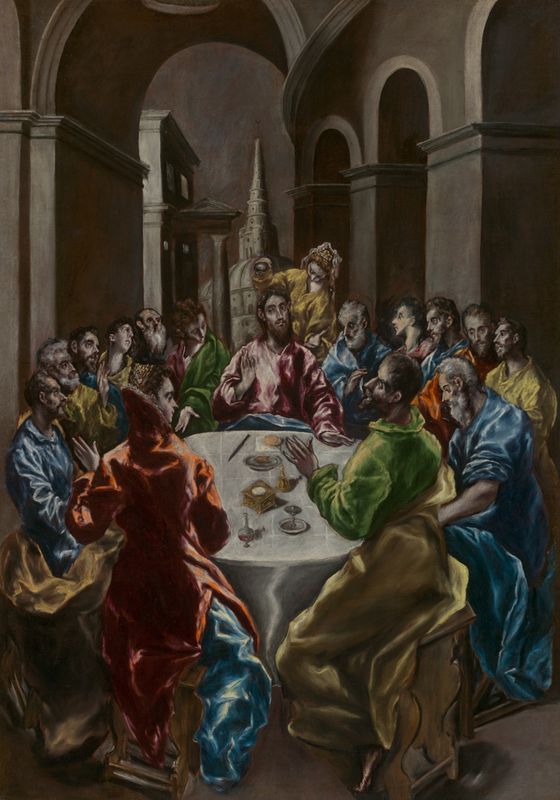
The Feast in the House of Simon
El Greco (Doménikos Theotokópoulos) and workshop · 1608 · Art Institute of Chicago
 Same era · 1600s–1630s
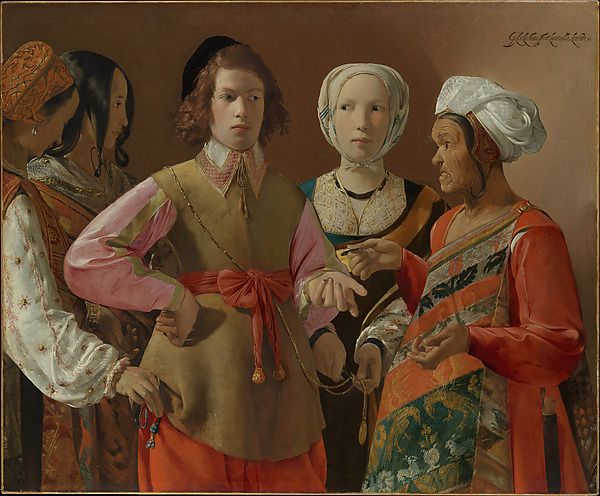
The Fortune-Teller
Georges de La Tour · 1630 · The Metropolitan Museum of Art
 Same era · 1600s–1630s
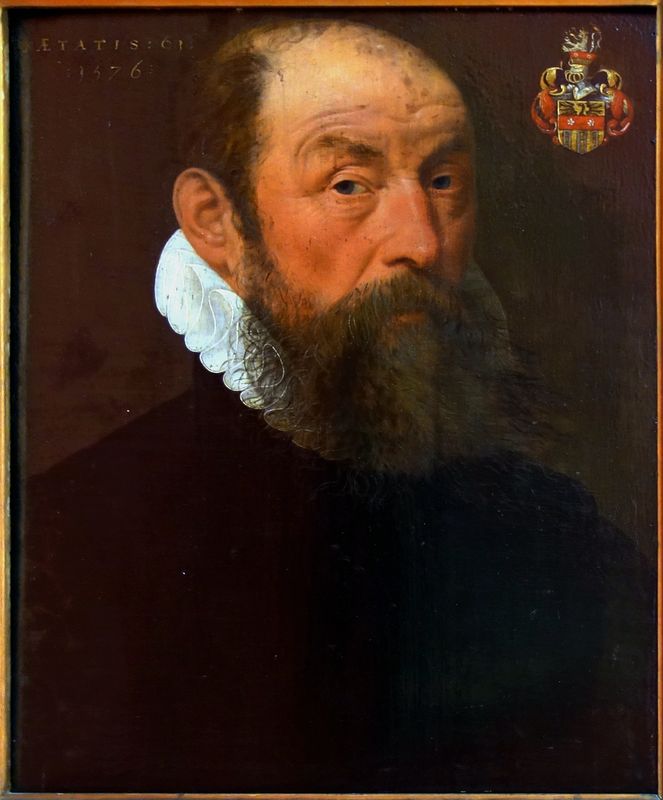
Portrait of a man
Willem van der Vliet · 1634 · Pushkin Museum of Fine Arts
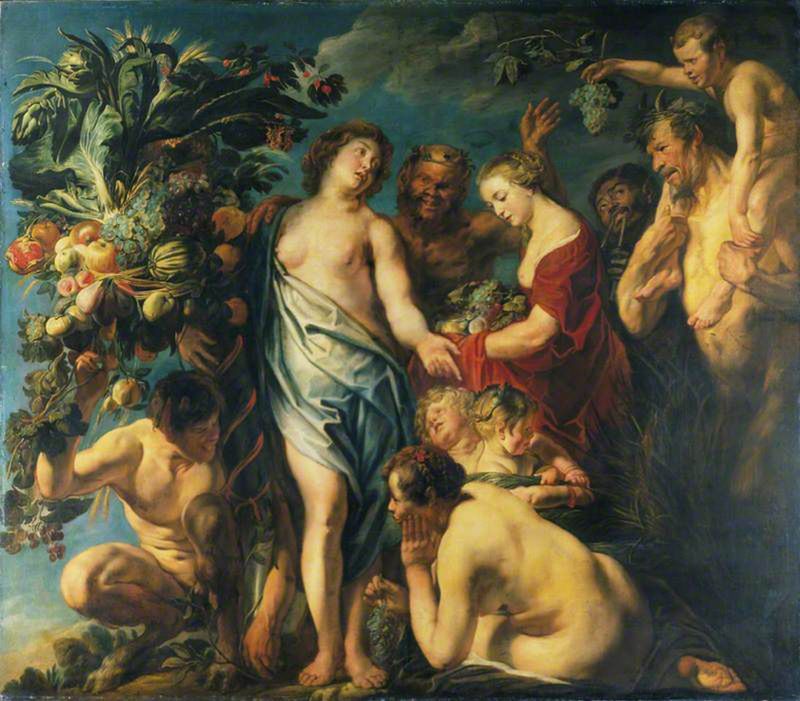 Same era · 1600s–1630s
An Allegory of Fruitfulness
Jacob Jordaens · 1620 · Wallace Collection