01Whole painting
Buildings framing the street
The two tall corner buildings lean in from both sides, and the cobbles narrow toward the court house. This funnels the eye down the street to the distant square.
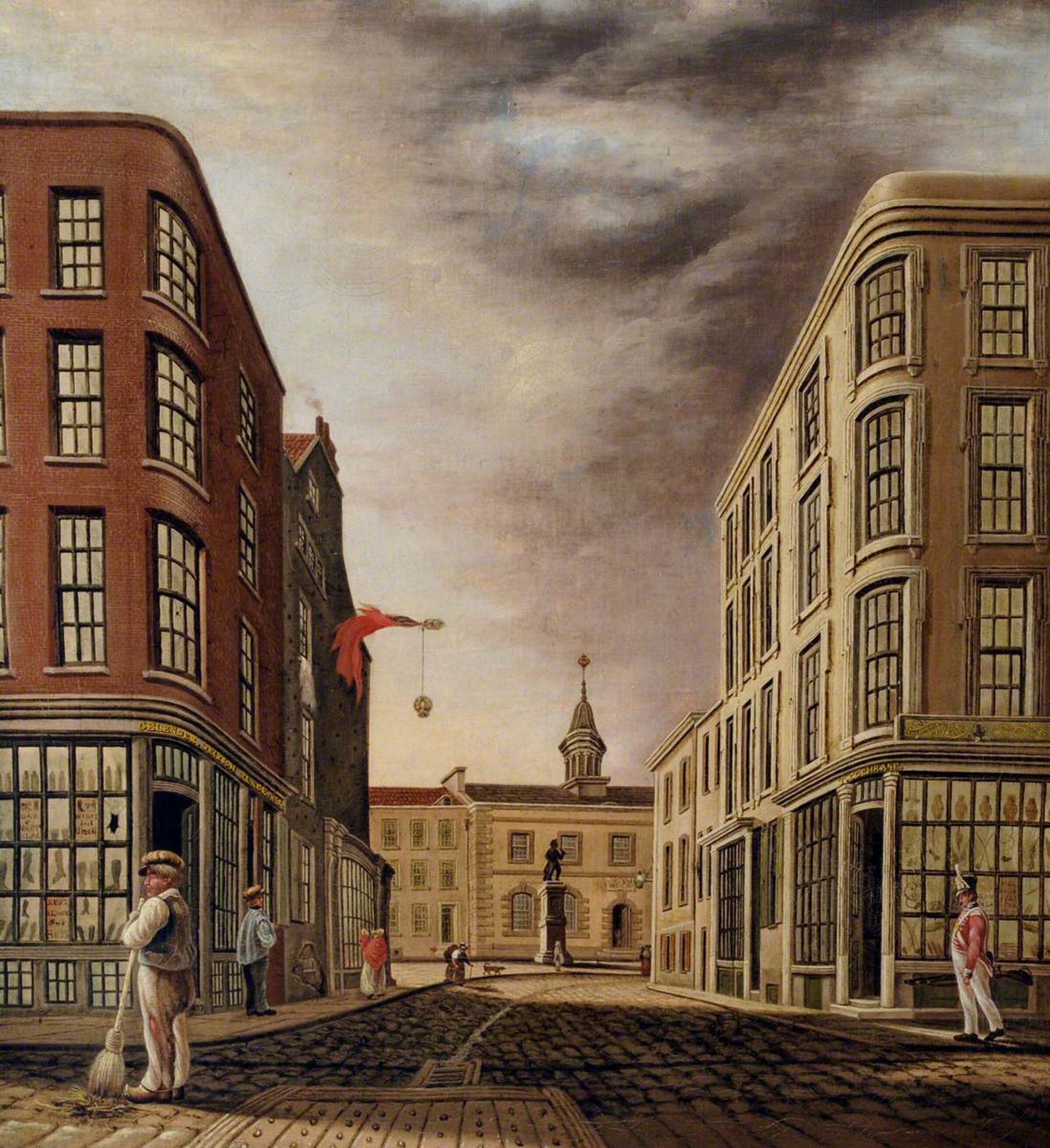
“Step back in time to 1836 St. Helier with this vivid painting of Peirson Place and the Old Court House. It's a rare, detailed window into a busy street scene from nearly two centuries ago, capturing the architecture and daily life of the period.”
This painting offers a clear, almost photographic glimpse into St. Helier's past, specifically Peirson Place and the Old Court House in 1836. The scene is bustling, capturing a moment in time with horses, carts, and figures going about their daily lives. The architecture, particularly the detailed facade of the Old Court House, is rendered with precision, suggesting the artist's keen eye for local landmarks. The light, though subtle, defines the structures and casts soft shadows, giving depth to the streetscape. It's a snapshot of urban life, preserving the character of the town before significant changes altered its appearance. Philip John Ouless, born in Jersey, created this work when he was about 19 years old, making it an early yet accomplished depiction of his home island.
Five details hide in plain sight. Pick one and we’ll show you exactly where to look.
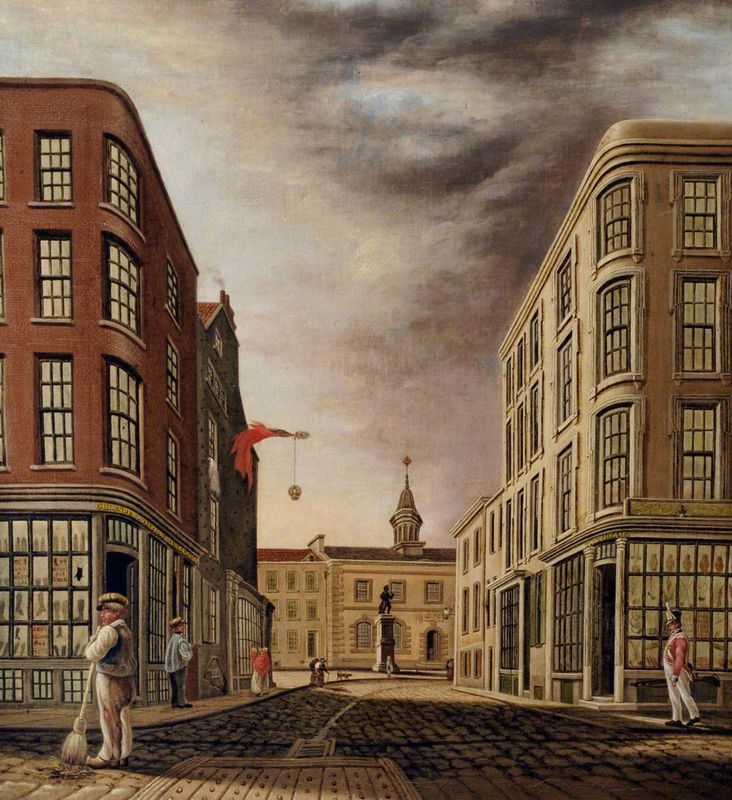
The two tall corner buildings lean in from both sides, and the cobbles narrow toward the court house. This funnels the eye down the street to the distant square.
At lower left, a man in a flat cap leans on a straw broom. He anchors the foreground and sets an everyday, working tone for the street.
At the far end of the street, a small statue on a plinth stands before a building with a cupola, which the title names as the old court house. The view draws the eye straight toward it.
At right, a soldier in a red jacket, white trousers and tall plumed hat stands by a shopfront. His bright coat is the strongest accent on this side.
A red streamer juts from the dark building at center left, with a ball hanging on a line below. It is a small, odd sign that is easy to miss against the sky.
The full narration walks you through Peirson Place and Old Court House — the story behind it, the details most visitors miss, and why it matters. Free in the Art Whisper app.
Philip John Ouless was a British painter and watercolorist, known for his detailed works.
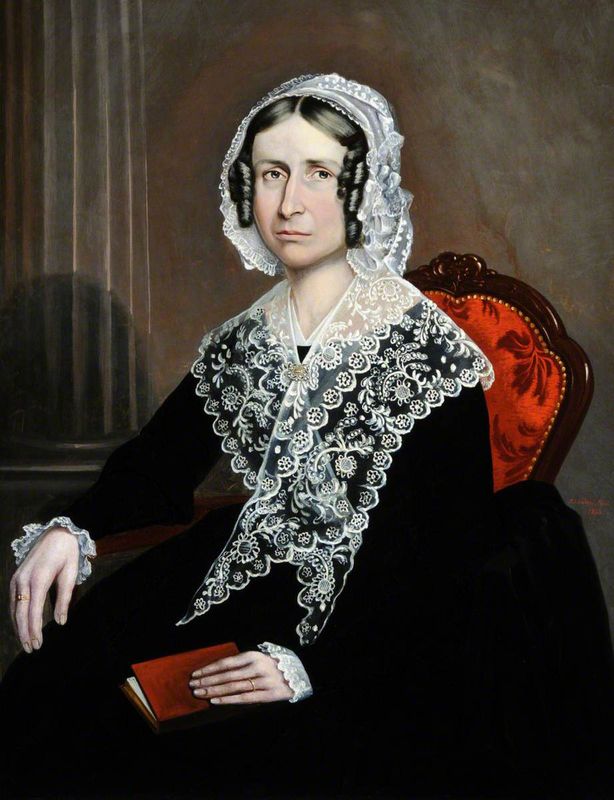 Portrait of Mary Ann (c.1796–after 1880), Wife of the Reverend George Balleine
1846 · Jersey Museum and Art Gallery
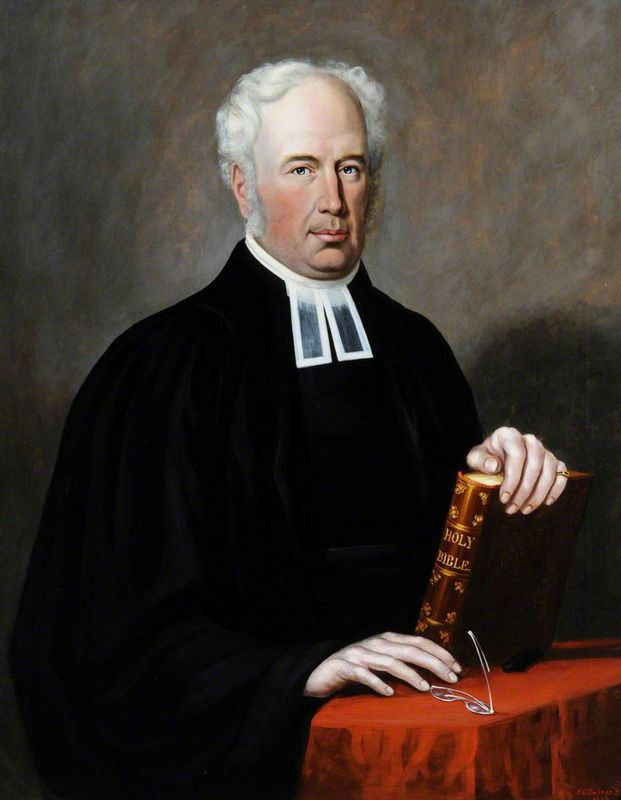 The Reverend George Balleine (1786–1856)
1846 · Jersey Museum and Art Gallery
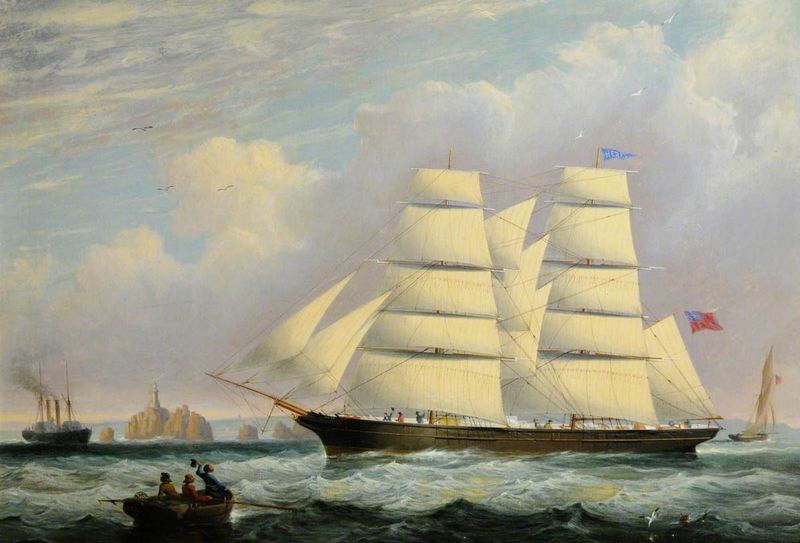 The 'Hebe' of Jersey off Corbiere, and a Paddle Steamer
1874 · Jersey Maritime Museum
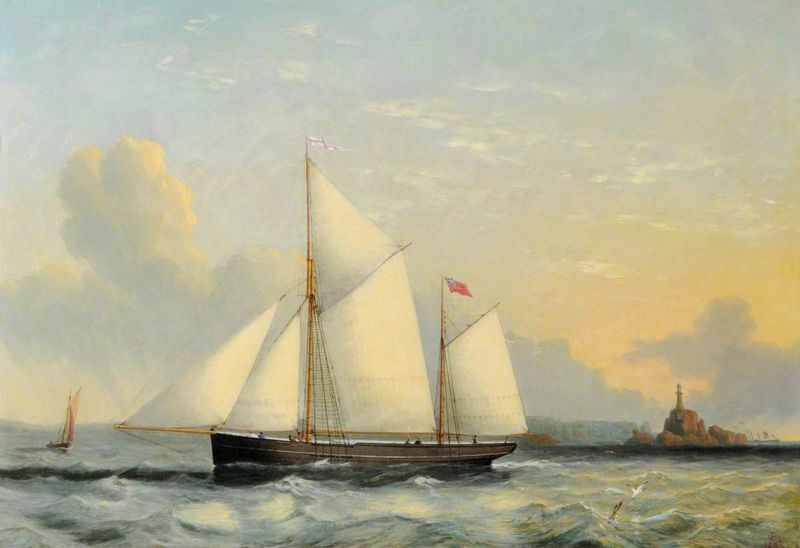 The Ketch 'Gazelle' of Jersey off Corbiere
1874 · Jersey Museum and Art Gallery
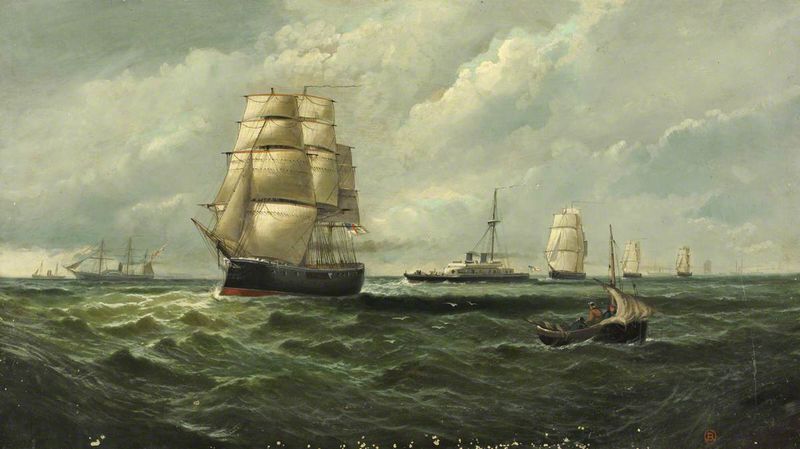 Ironclads at sea
1880 · Royal Museums Greenwich
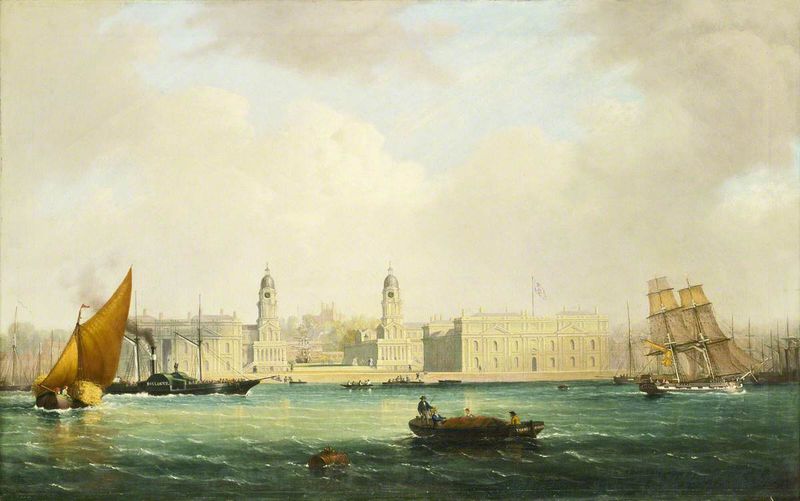 Greenwich Hospital from the north
Royal Museums Greenwich
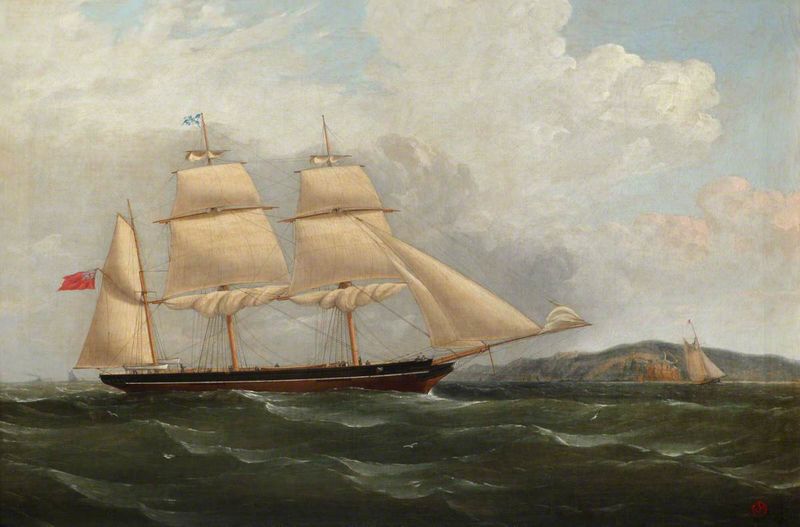 The barque Patricia
Royal Museums Greenwich
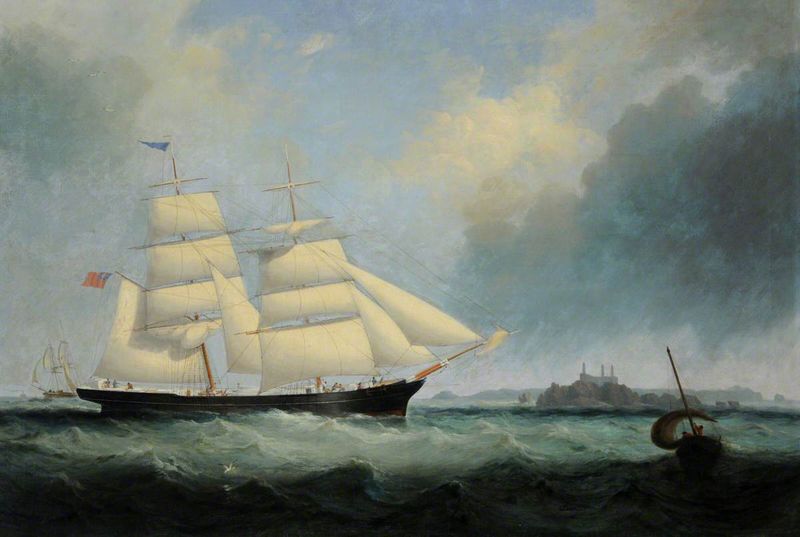 The 'Francis John' Passing the Casquets
Jersey Museum and Art Gallery
Beyond Ouless: works from the same years.
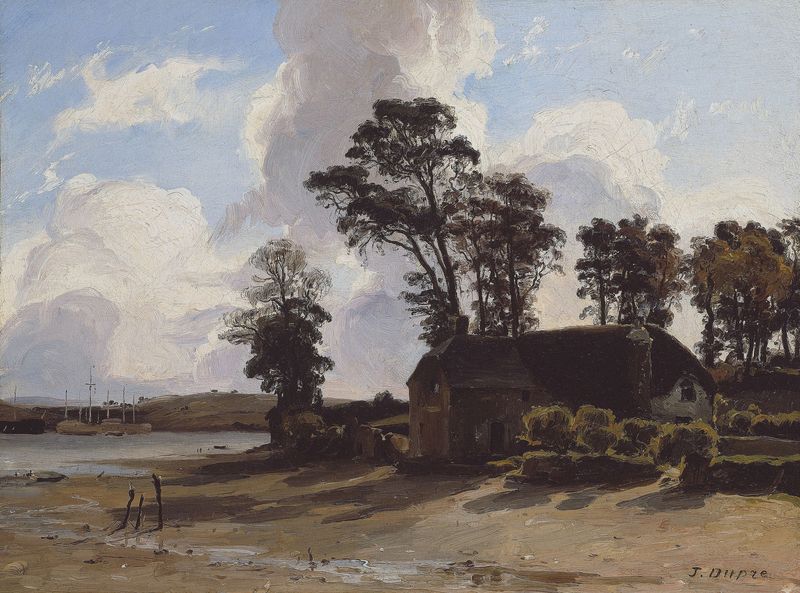 Same era · 1820s–1850s
The Estuary Farm
Léon-Victor Dupré · 1831 · Art Institute of Chicago
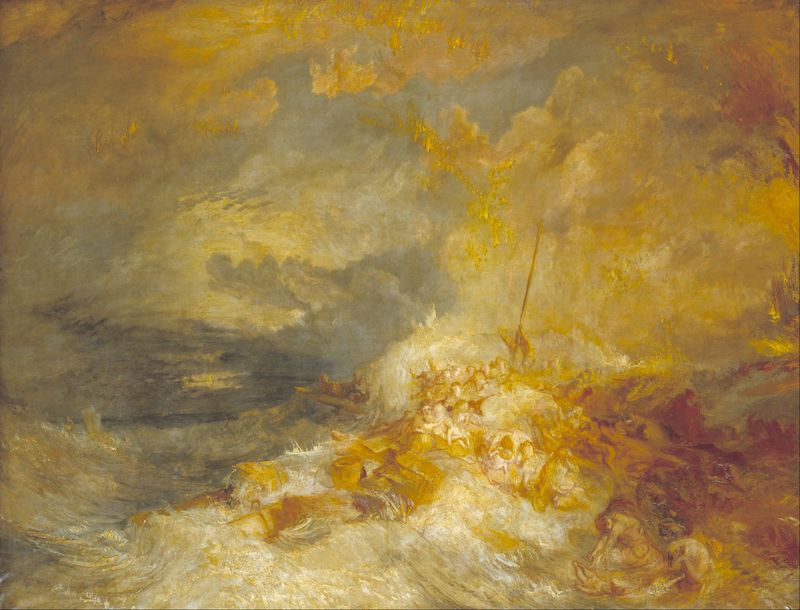 Same era · 1820s–1850s
Disaster at Sea
J. M. W. Turner · 1835 · National Gallery
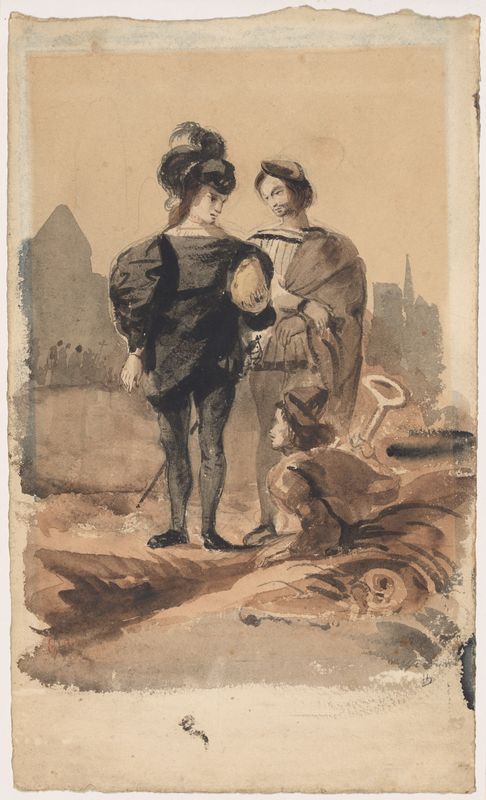 Same era · 1820s–1850s
Hamlet and Horatio in the Graveyard
Eugène Delacroix · 1839 · Department of Paintings of the Louvre
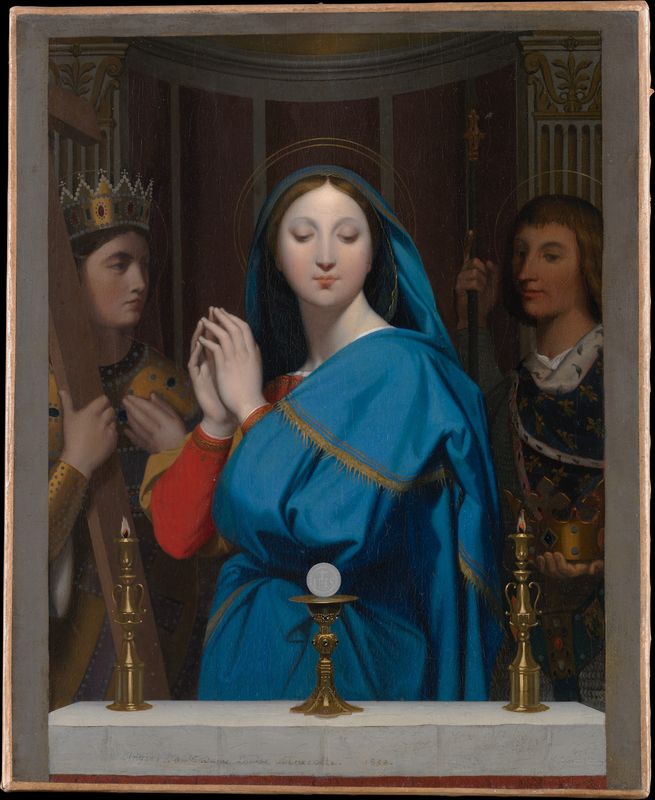 Same era · 1820s–1850s
The Virgin Adoring the Host
Jean-Auguste-Dominique Ingres · 1841 · Pushkin Museum of Fine Arts
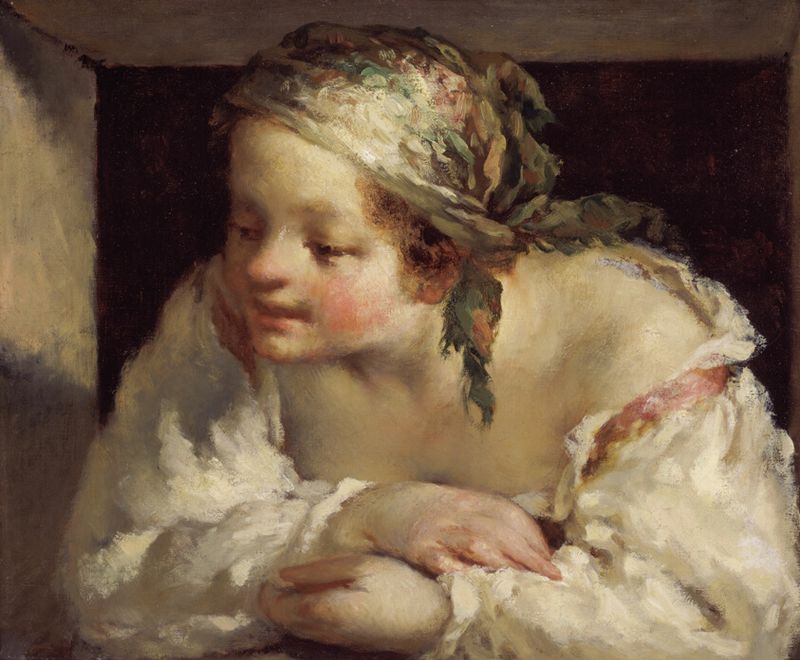 Same era · 1820s–1850s
Young Woman
Jean-François Millet · 1844 · Art Institute of Chicago
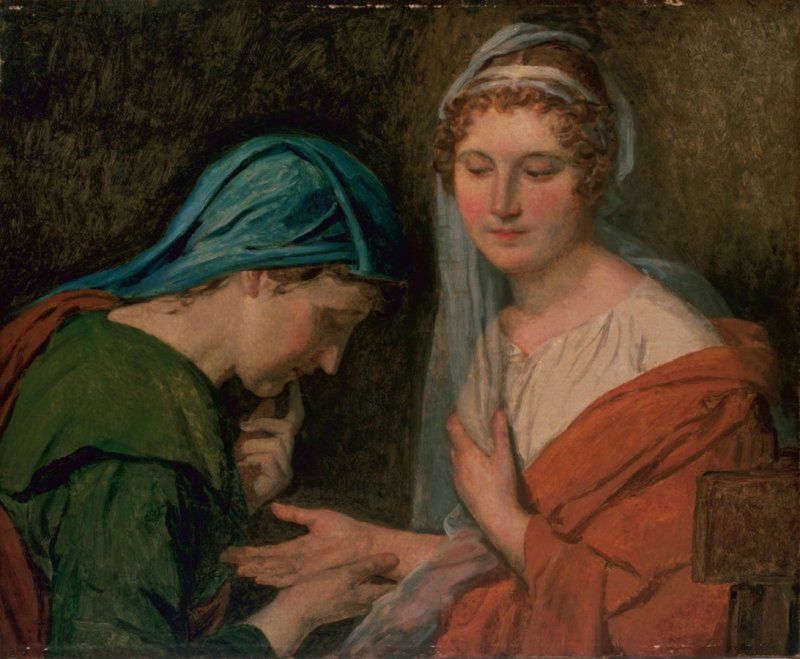 Same era · 1820s–1850s
The Fortune Teller (La Bonne Aventure)
Jacques-Louis David · 1824 · Fine Arts Museums of San Francisco
 Same era · 1820s–1850s
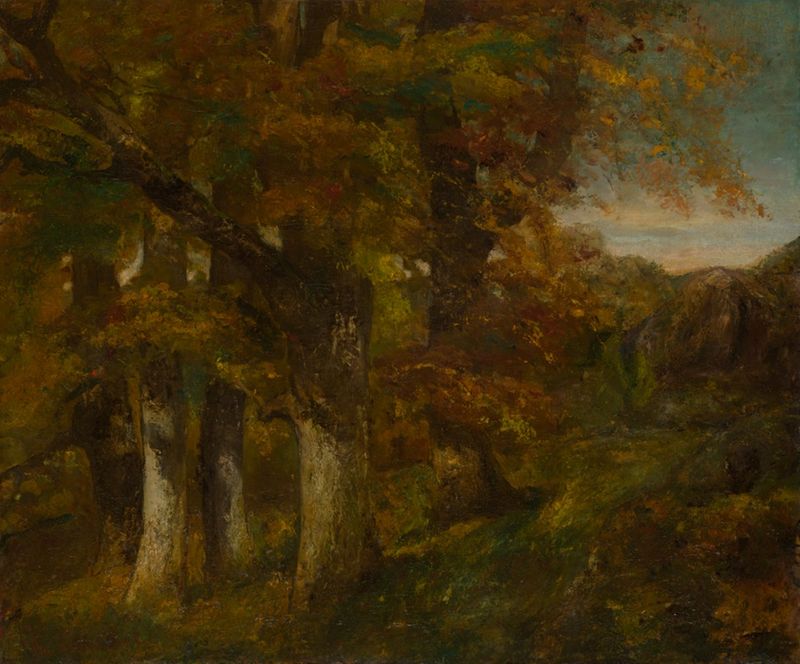
Wooded Landscape
Gustave Courbet · 1848 · Art Institute of Chicago
 Same era · 1820s–1850s
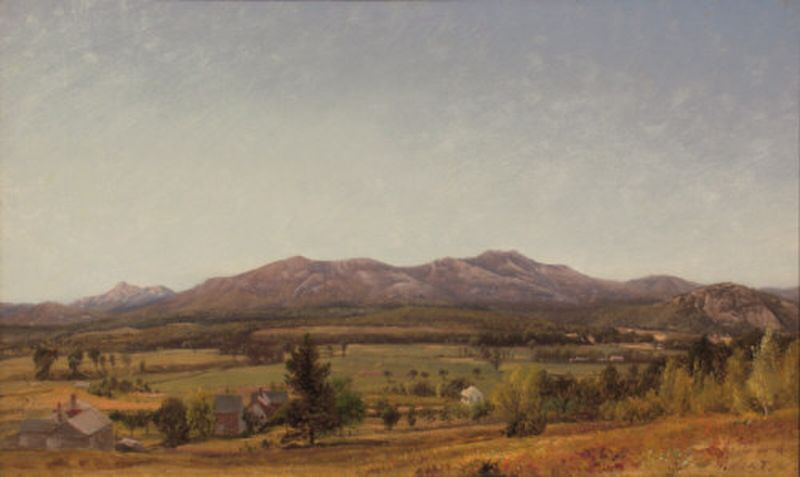
Mount Chocorua and Moat Mountain from North Conway
William Hart · 1850
 Same era · 1820s–1850s
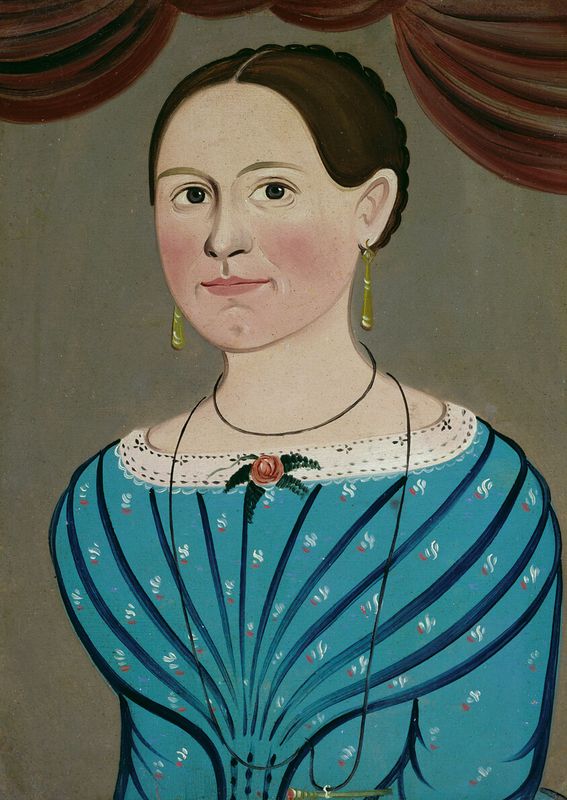
Woman in a Blue Dress
School of William Matthew Prior · 1840 · Art Institute of Chicago
 Same era · 1820s–1850s
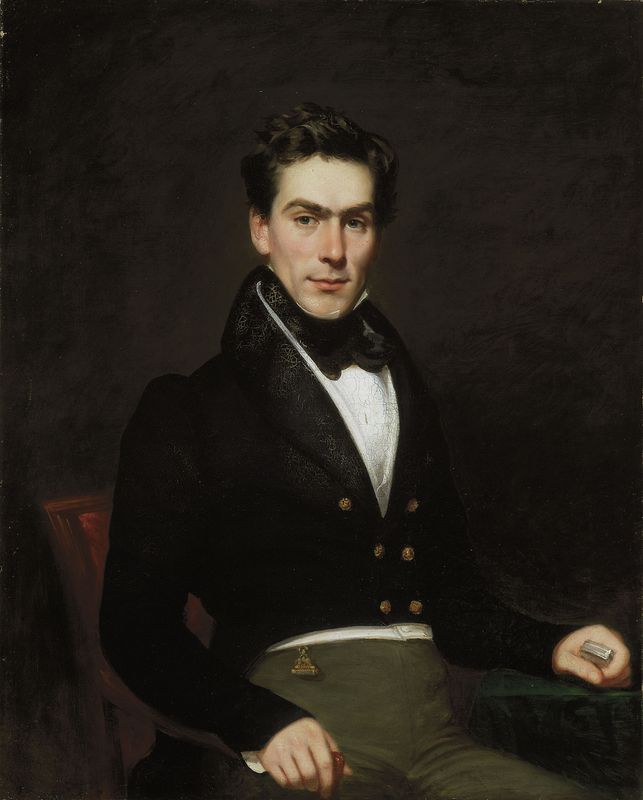
Mr. James Mackie
Samuel Alcock & Company · 1830 · Art Institute of Chicago
 Same era · 1820s–1850s
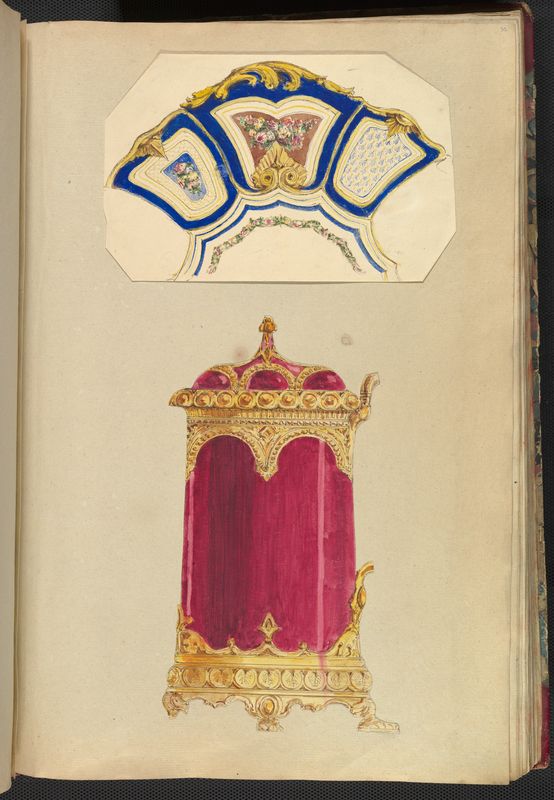
Designs for a Decorated Dish, or Platter, and a Biscuit Barrel
Alfred Henry Forrester [Alfred Crowquill] · 1845 · The Metropolitan Museum of Art
 Same era · 1820s–1850s
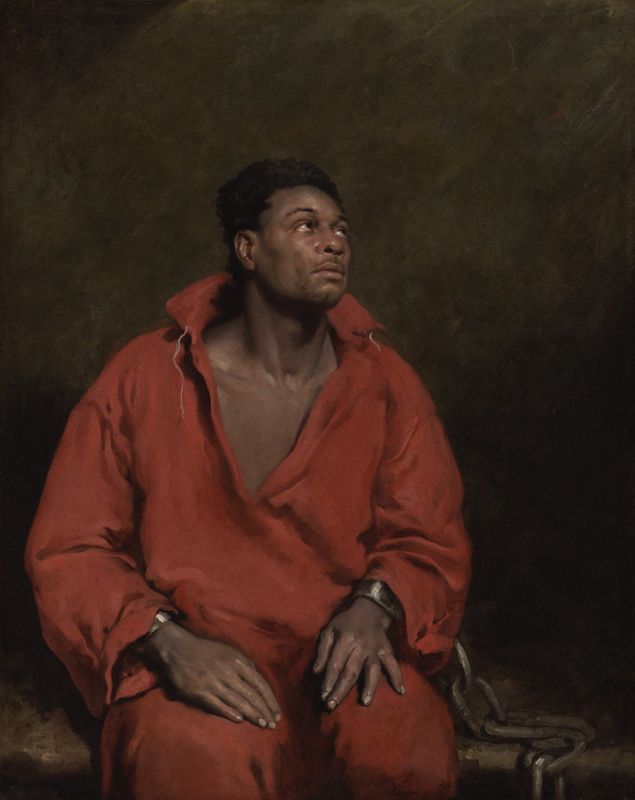
The Captive Slave (Ira Aldridge)
John Philip Simpson · 1827 · Art Institute of Chicago
