01
Two leaning trees
Two tall trunks rise right of centre, the nearer one bending left. Their branches spread across the pale sky and make it feel wide and open.
1 of 5 on the painting
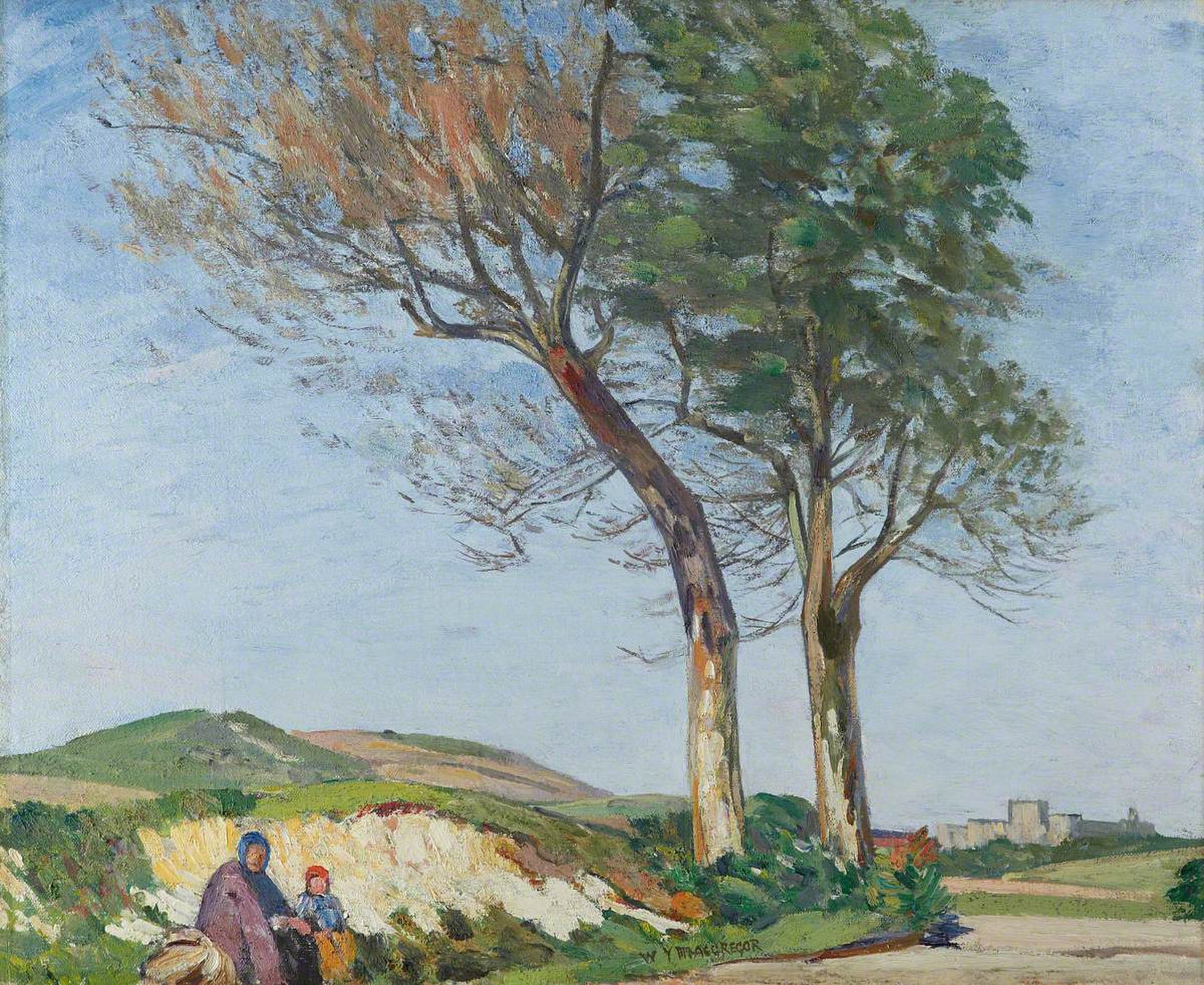
“Stop to appreciate this atmospheric coastal painting, where a dramatic, cloud-filled sky meets the sea near Dover. It's a powerful and contemplative landscape by William York Macgregor, painted late in his life.”
A dramatic sky dominates this coastal scene, with heavy, bruised clouds gathering over a stretch of water and land. The light is diffused and soft, suggesting either the calm before a storm or the quiet after one, reflecting off the water's surface. This painting, created just two years before William York Macgregor's death, shows his continued engagement with landscape, a subject he explored as a prominent figure among the Glasgow Boys. The composition draws the viewer's eye across the expansive horizon, emphasizing the raw power and subtle beauty of the natural world near Dover. It captures a moment of quiet grandeur, inviting contemplation of the vastness of the sea and sky.
Five details hide in plain sight. Pick one and we’ll show you exactly where to look.
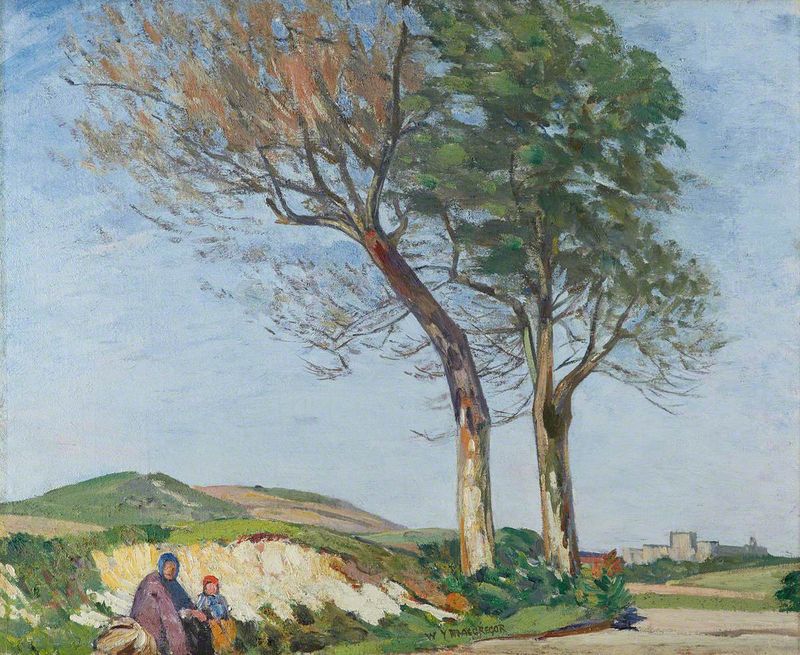
Two tall trunks rise right of centre, the nearer one bending left. Their branches spread across the pale sky and make it feel wide and open.
The left tree's leaves are quick, dragged strokes of orange and pink, and its thin twigs are scratchy lines that make the wind visible.
Look in the bottom left corner. A figure in a purple shawl and a child in a red cap sit small against the chalky bank, easy to overlook.
Thick, creamy dabs of white and yellow build the sunlit chalk bank. It is the brightest patch low in the picture and shows the paint's texture.
On the far right horizon, a pale, hazy building that looks like a castle sits in the distance. It gives the eye a place to travel to.
The full narration walks you through Near Dover — the story behind it, the details most visitors miss, and why it matters. Free in the Art Whisper app.
The shipbuilder's son who gathered rebellious Scottish painters in his Glasgow studio and changed British art forever.
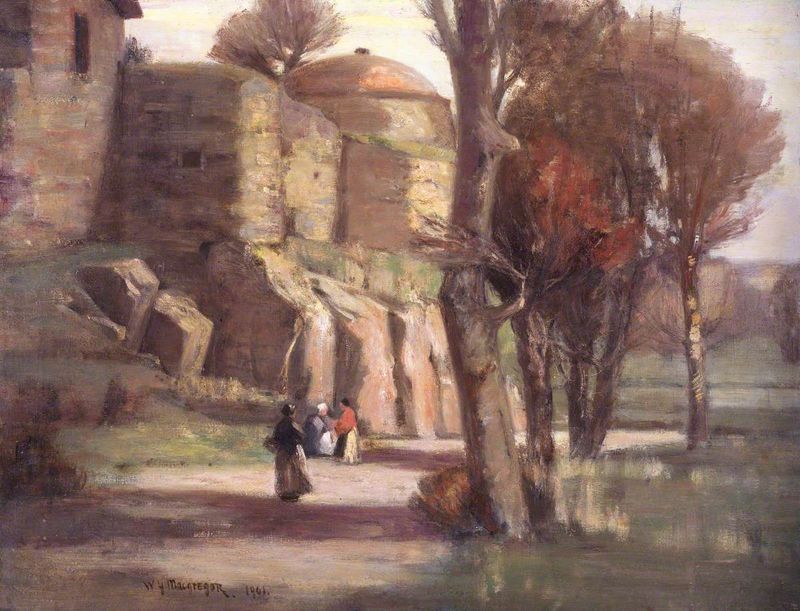 The Walls of Stirling
1901 · Royal Scottish Academy
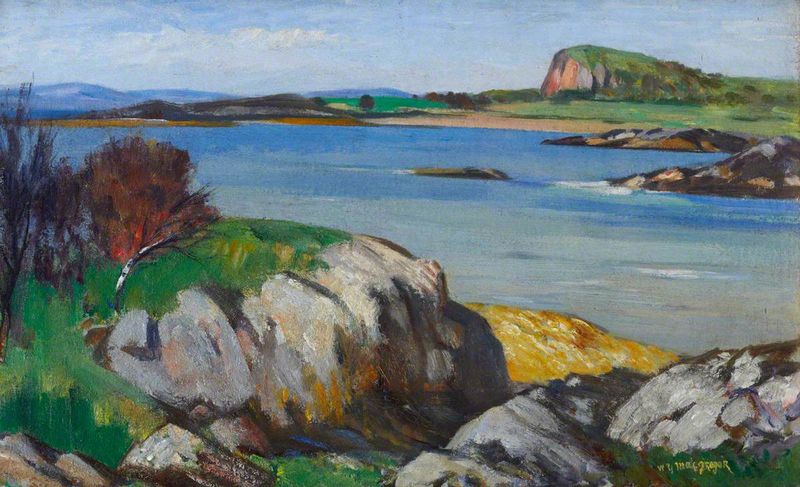 Near Ganavan, Oban
Royal Scottish Academy
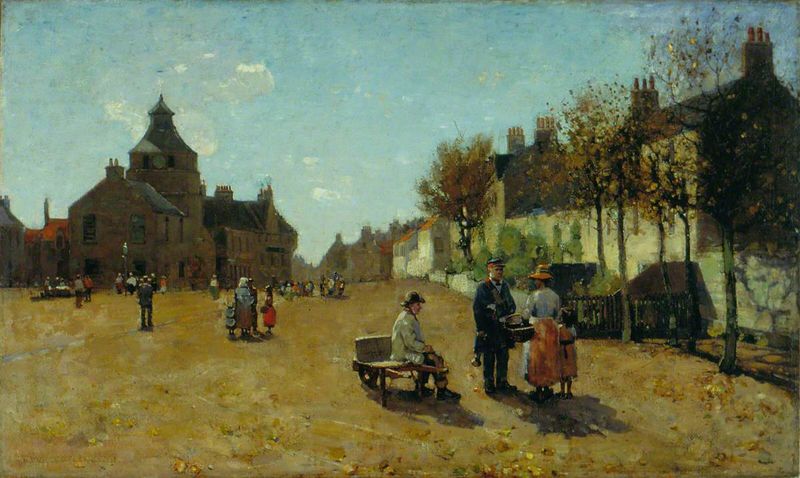 Crail
1883 · Stirling Smith Museum and Art Gallery
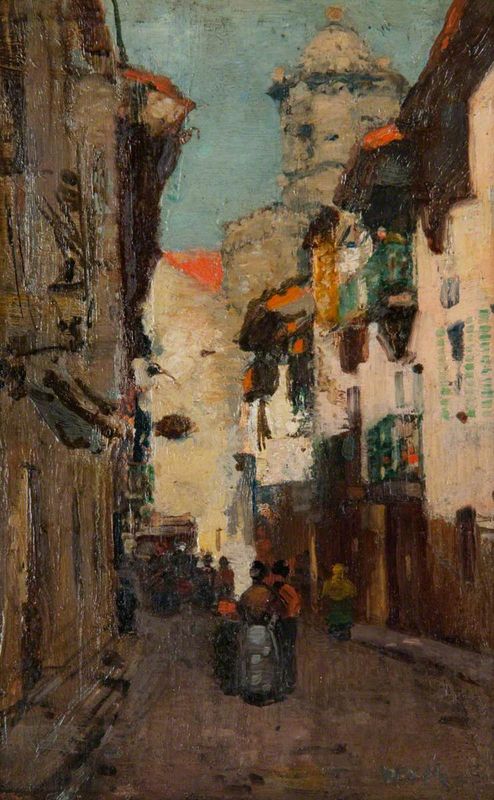 Fuenterrabia, formerly known as "Spanish Town"
1890 · Hunterian Museum and Art Gallery
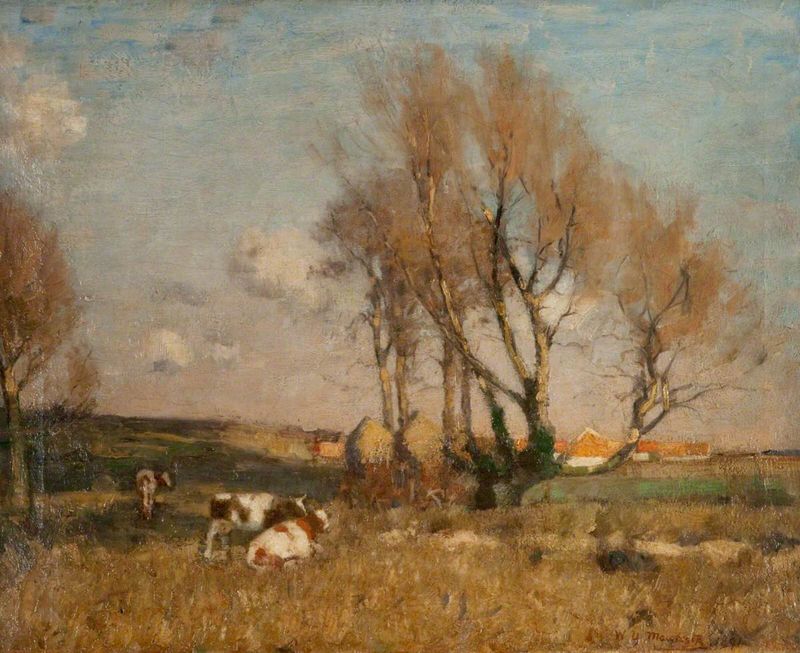 The Carse of Lecropt
1891 · Hunterian Museum and Art Gallery
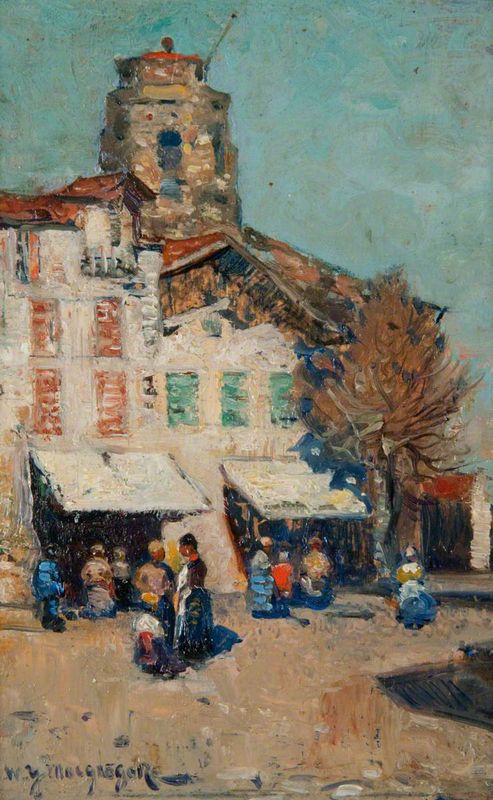 St Jean de Luz
1894 · Hunterian Museum and Art Gallery
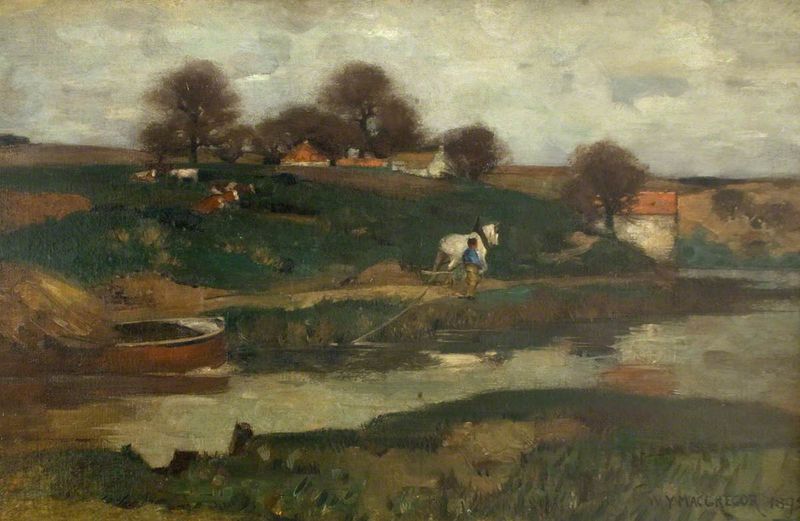 Canal (River Scene)
1895 · University of Dundee Fine Art Collections
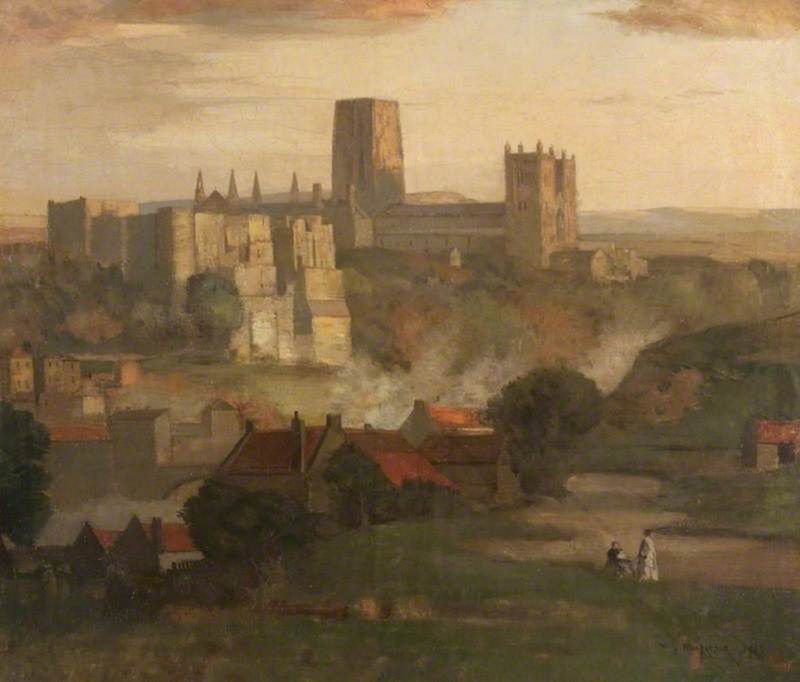 Durham, Evening
1903 · Glasgow Museums Resource Centre
Beyond Macgregor: works from the same years.
 Same era · 1900s–1930s
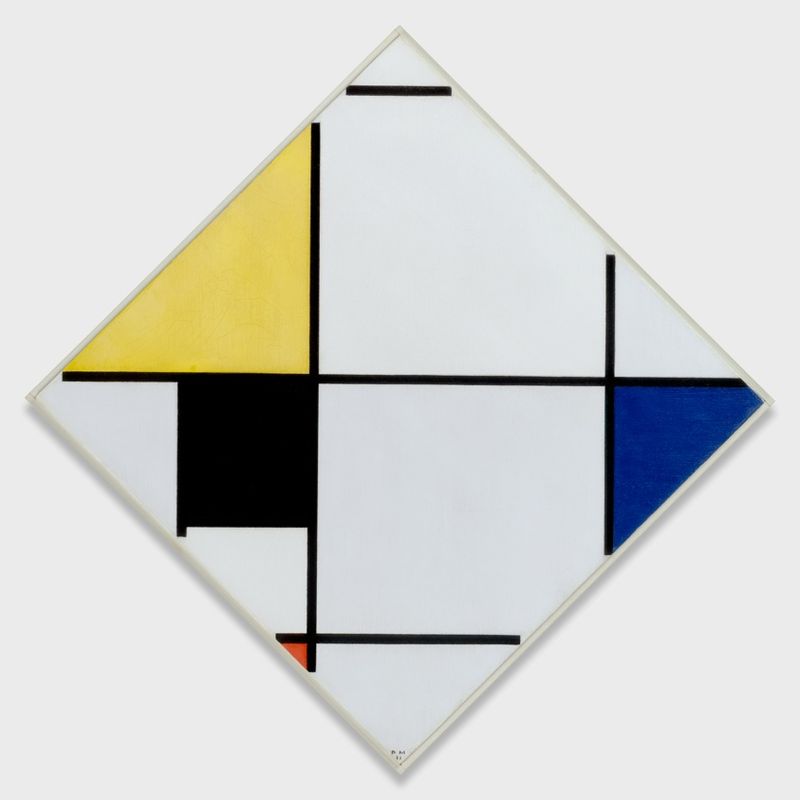
Lozenge Composition with Yellow, Black, Blue, Red, and Gray
Piet Mondrian · 1921 · Art Institute of Chicago
 Same era · 1900s–1930s
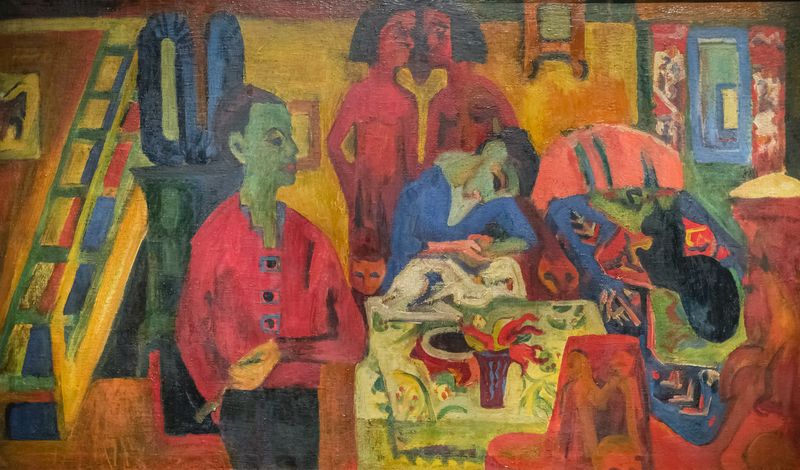
Interior with painter
Ernst Ludwig Kirchner · 1921 · Buchheim Museum of Imagination
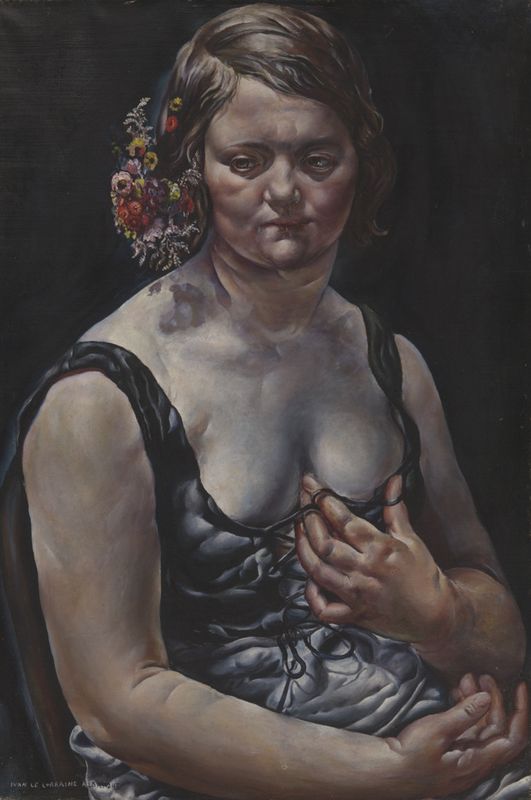 Same era · 1900s–1930s
Memories of the Past
Ivan Puni · 1927 · Art Institute of Chicago
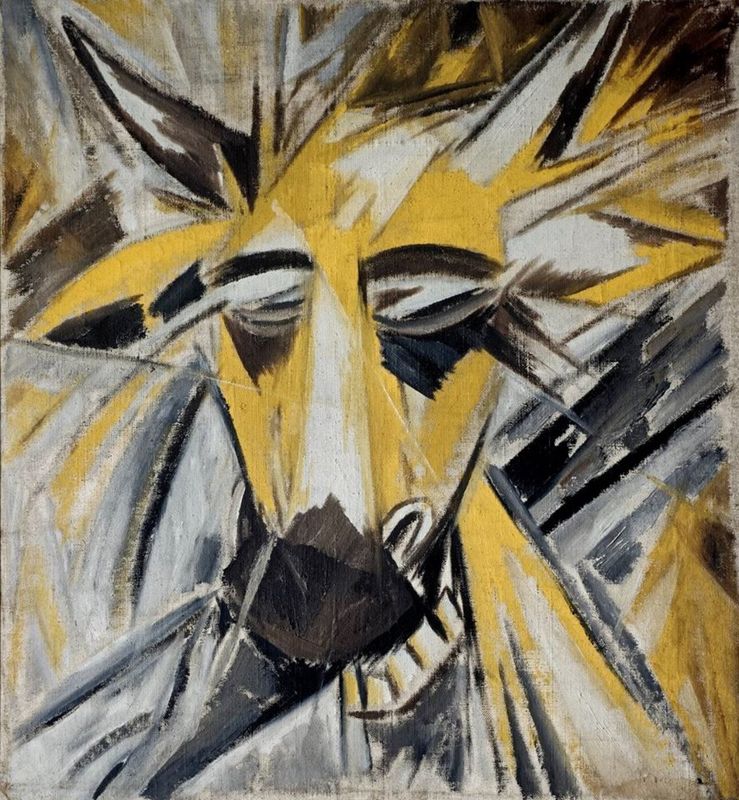 Same era · 1900s–1930s
Bull's Head
Mikhail Larionov · 1913 · Tretyakov Gallery
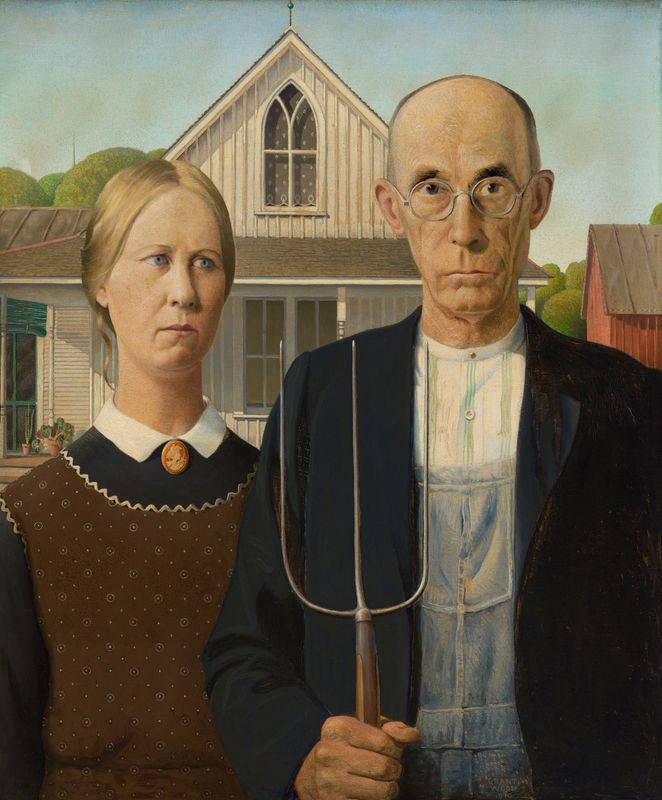 Same era · 1900s–1930s
American Gothic
Okada Saburosuke · 1930 · Art Institute of Chicago
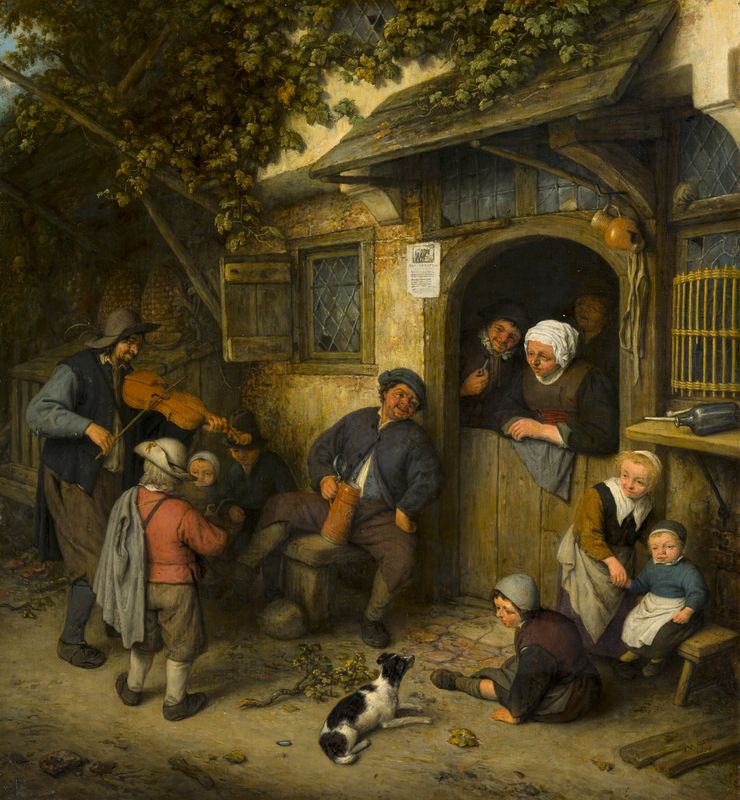 Same era · 1900s–1930s
The Fiddler
Norman Rockwell · 1921 · Brandywine Museum of Art
 Same era · 1900s–1930s
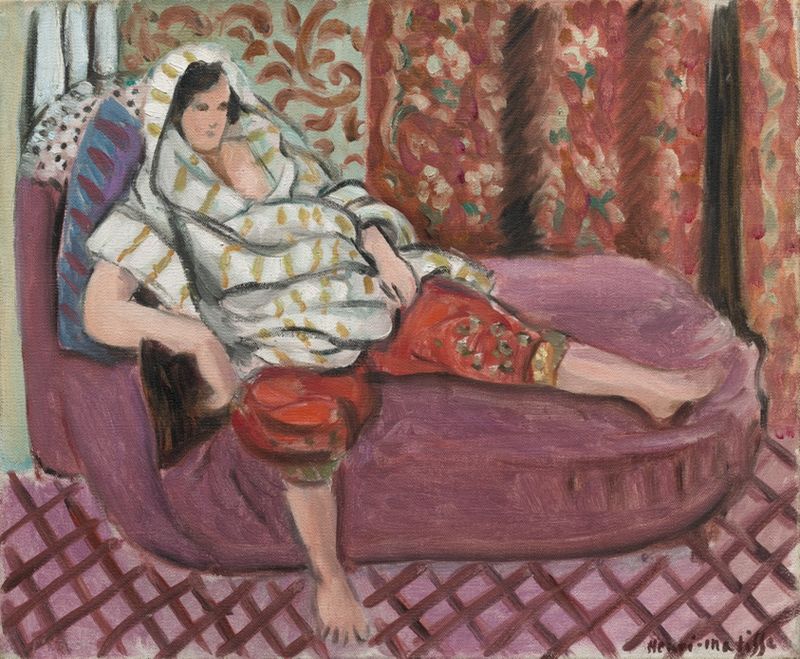
Woman on Rose Divan
Henri Matisse · 1921 · Art Institute of Chicago
 Same era · 1900s–1930s
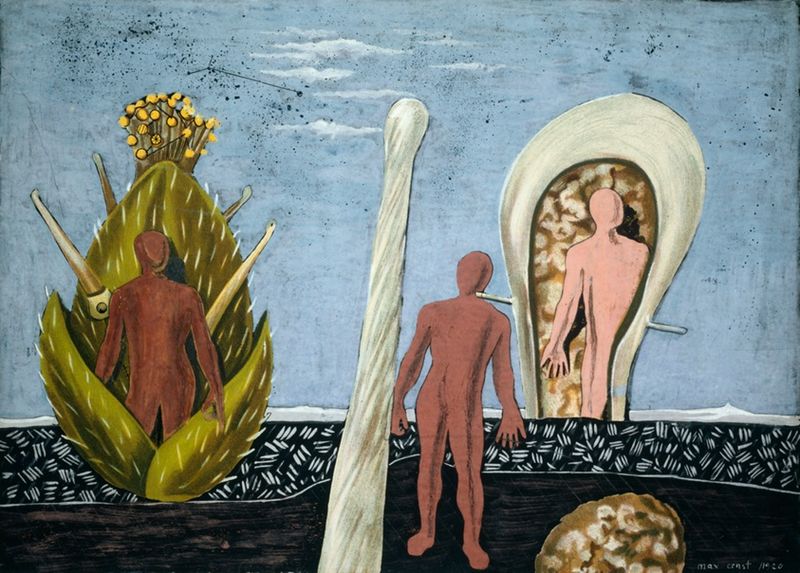
Dada Gauguin
Max Ernst · 1920 · Art Institute of Chicago
 Same era · 1900s–1930s
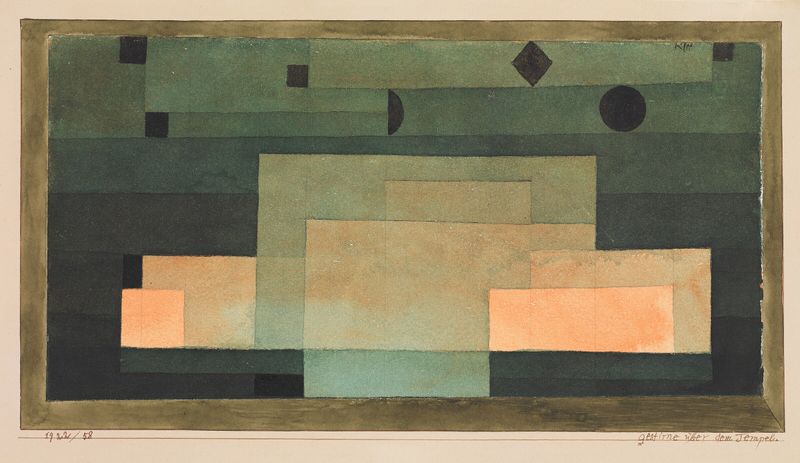
The Firmament Above the Temple
Paul Klee · 1922 · The Metropolitan Museum of Art
 Same era · 1900s–1930s
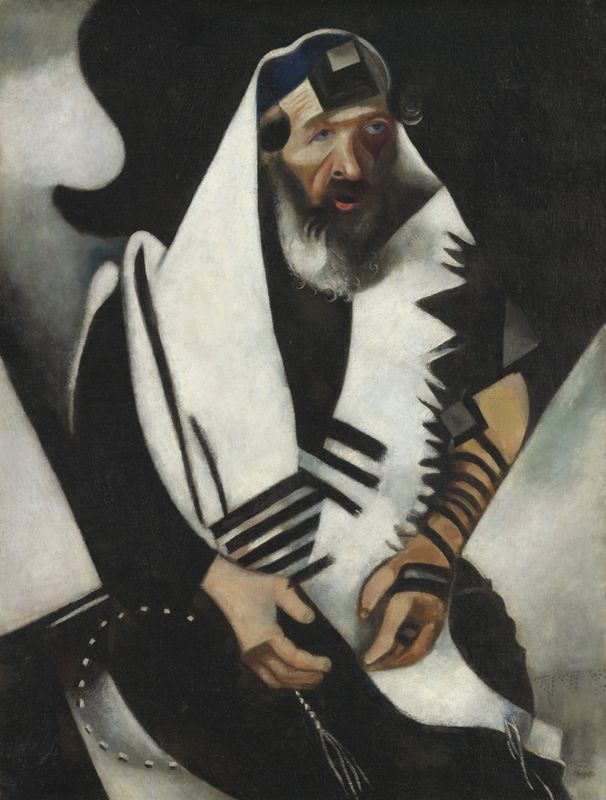
The Praying Jew
Marc Chagall · 1923 · Art Institute of Chicago
 Same era · 1900s–1930s
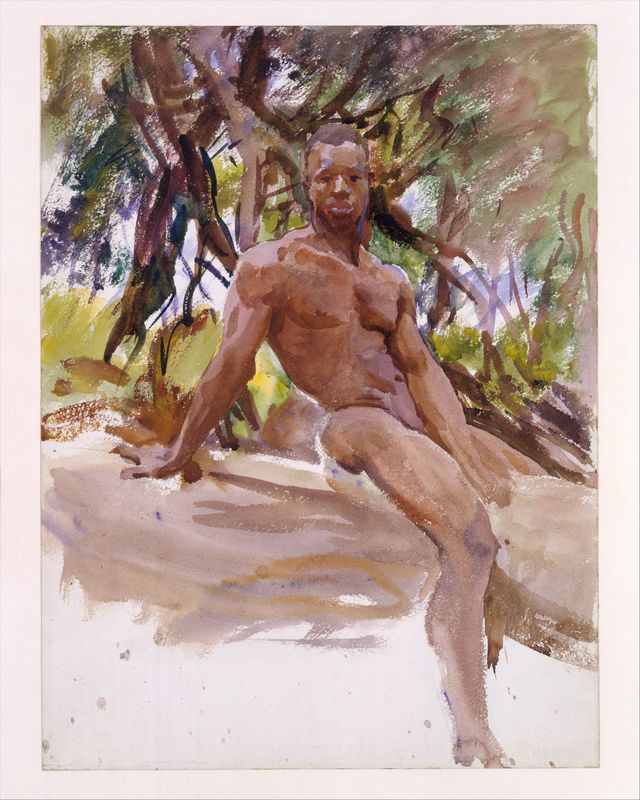
Man and Trees, Florida
John Singer Sargent · 1917 · The Metropolitan Museum of Art
 Same era · 1900s–1930s
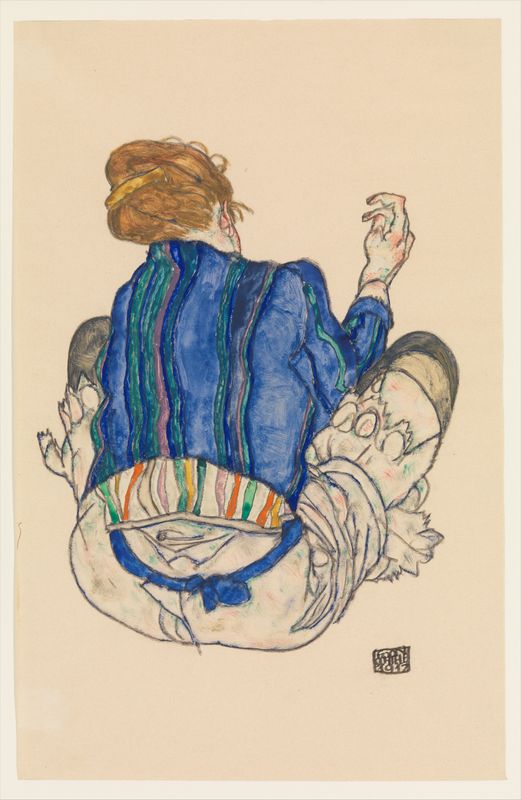
Seated Woman, Back View
Egon Schiele · 1917 · The Metropolitan Museum of Art
