01Whole painting
The pale road
The sunlit road runs straight from the bottom edge into the distance, pulling your eye toward the farm buildings between the trees.
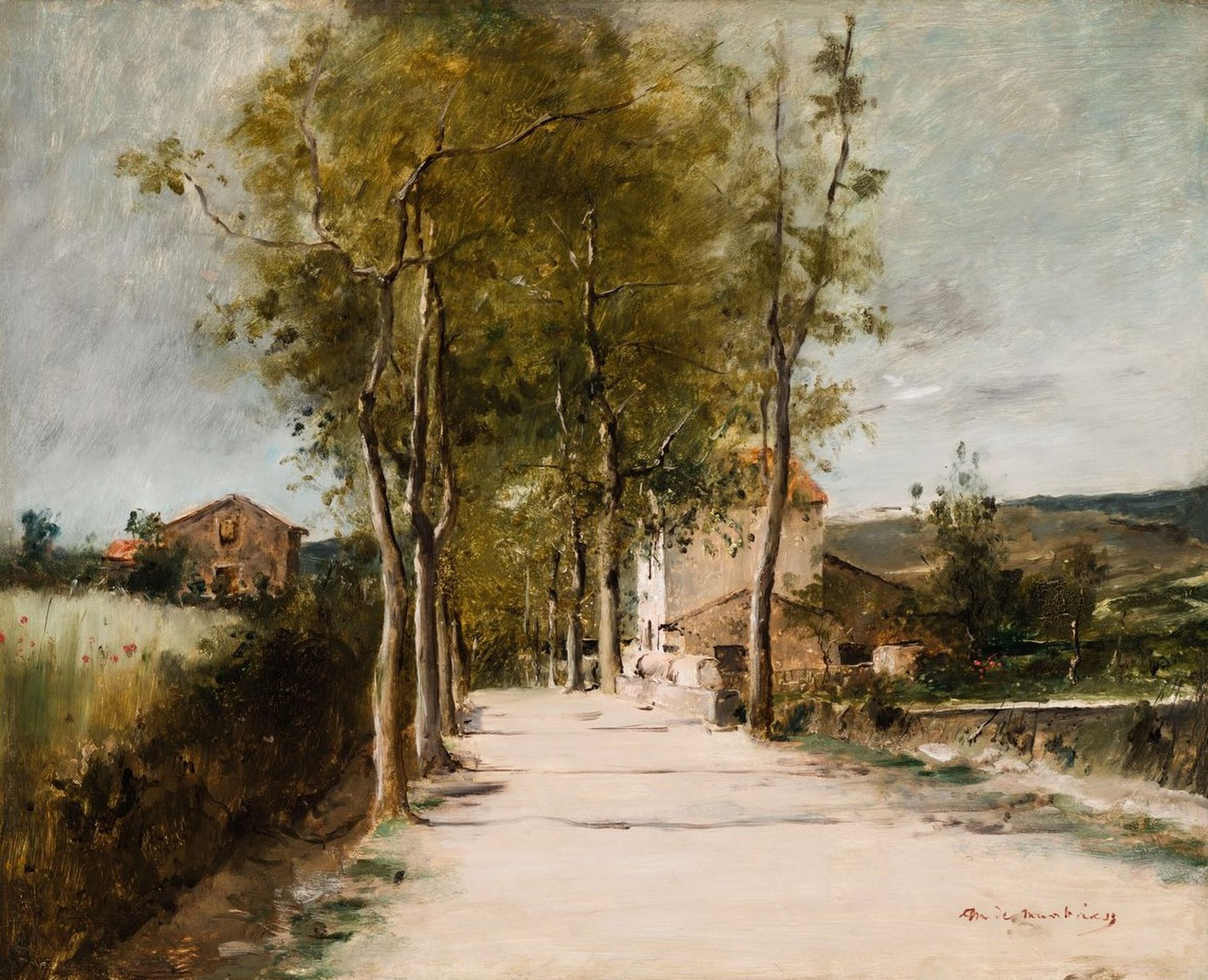
“Step into this serene landscape by Mihály Munkácsy. Notice how the tree-lined alley leads your eye to the sunlit buildings, capturing a quiet, atmospheric moment in time.”
In this 1882 painting, Mihály Munkácsy invites us into a quiet, almost melancholic scene. A narrow, tree-lined alley stretches into the distance, drawing the eye towards a cluster of buildings bathed in soft, diffused light. The artist, known for his ability to capture emotion, here evokes a sense of solitude and the subtle beauty of everyday surroundings. The brushwork, particularly in the foliage, suggests a fleeting moment, as if a breeze has just stirred the leaves. This work was created during a period when Munkácsy, having achieved international success, was also exploring fresh, richly colored landscapes, often influenced by his time working in Barbizon and the style of his friend László Paál. It offers a glimpse into his approach to landscape painting, balancing detailed observation with an atmospheric quality that speaks to the passage of time.
Five details hide in plain sight. Pick one and we’ll show you exactly where to look.
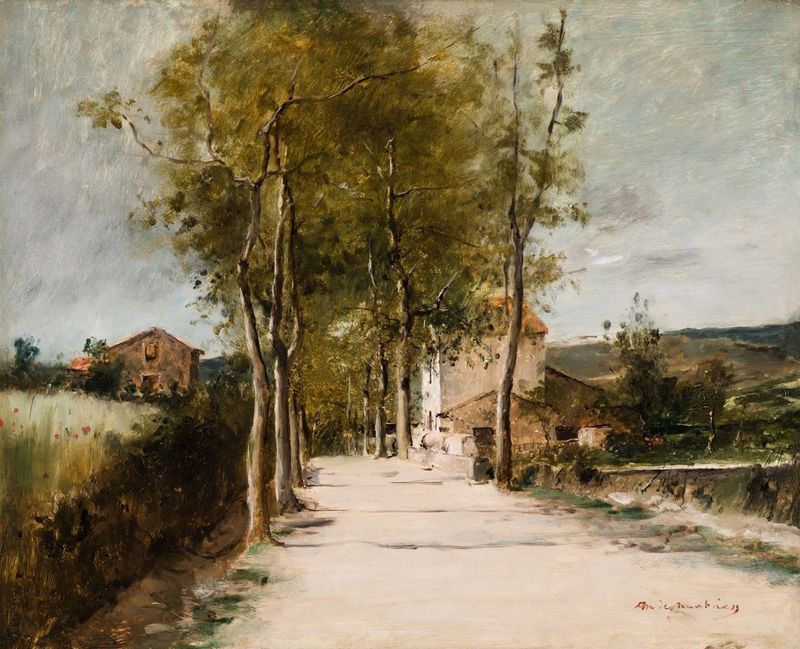
The sunlit road runs straight from the bottom edge into the distance, pulling your eye toward the farm buildings between the trees.
Tall, thin trunks lean and twist along the left side of the road, their pale bark catching light against the dark green canopy.
A pale building with an orange-red roof sits in the shade at right, near the far end of the road, with lower sheds beside it.
The gray sky is dragged on in loose, directional strokes, so it looks windy and unsettled rather than smoothly blended.
Tiny red dabs speckle the pale grass at far left, a small flash of color in an otherwise muted, earthy scene.
The full narration walks you through Landscape with Alley and Building — the story behind it, the details most visitors miss, and why it matters. Free in the Art Whisper app.
Mihály Munkácsy rose from humble beginnings in Hungary to international fame with powerful genre scenes and monumental biblical paintings like his "Christ Trilogy."
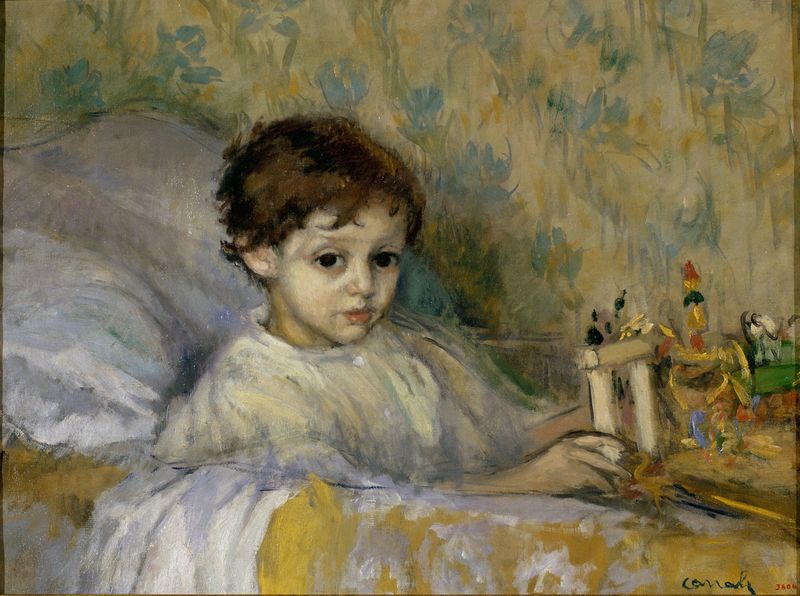 Sick Child (Beteg gyerek)
1874
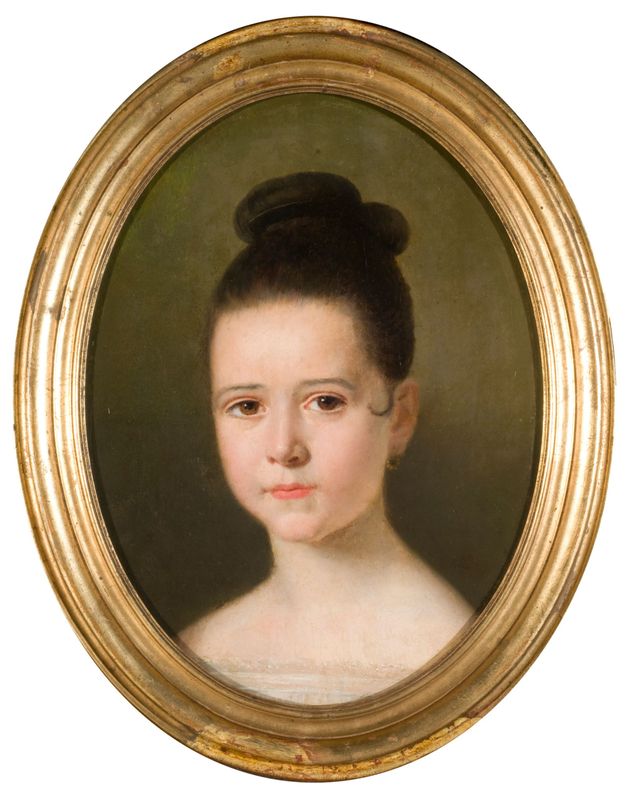 Portrait of a Girl
1874 · Hungarian National Gallery
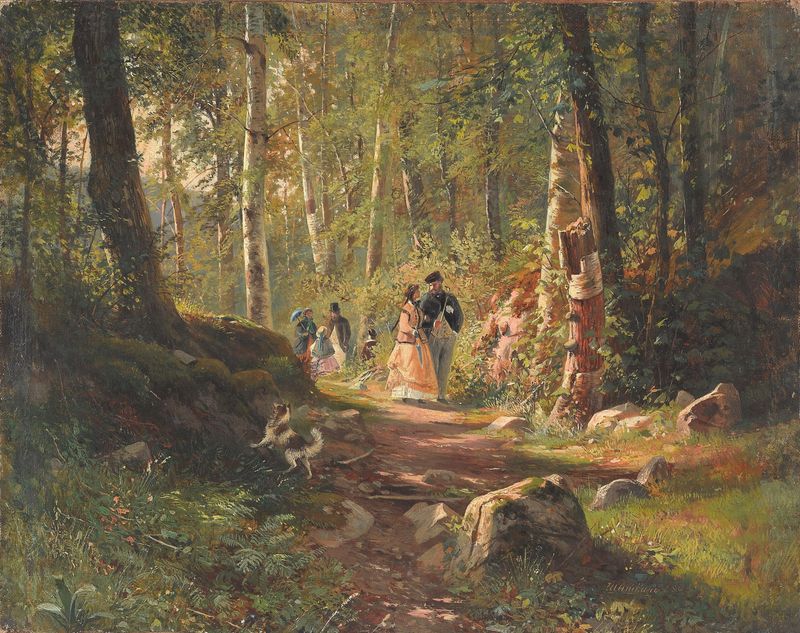 Walk in the Forest
1880 · Hungarian National Gallery
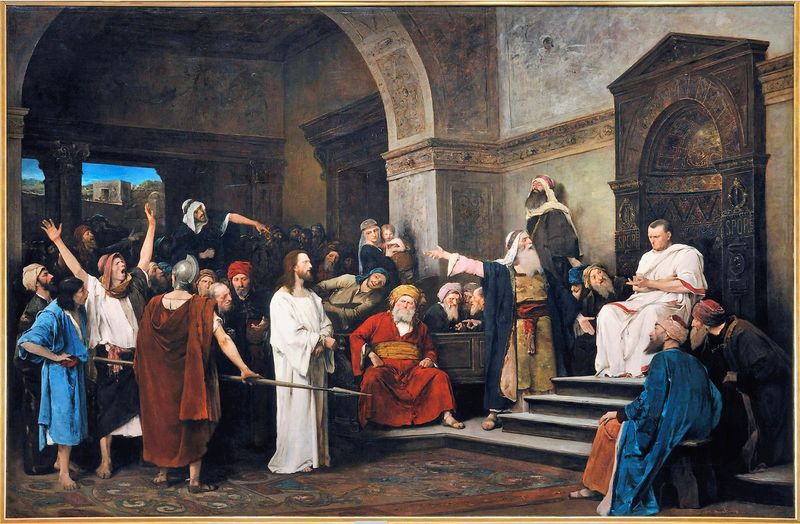 Christ before Pilate
1881 · The Metropolitan Museum of Art
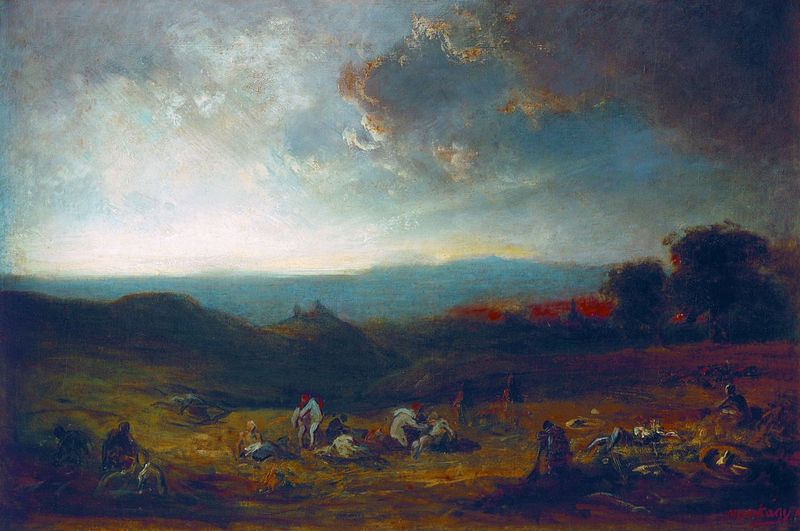 The Battlefield of Isaszeg
1867 · Hungarian National Gallery
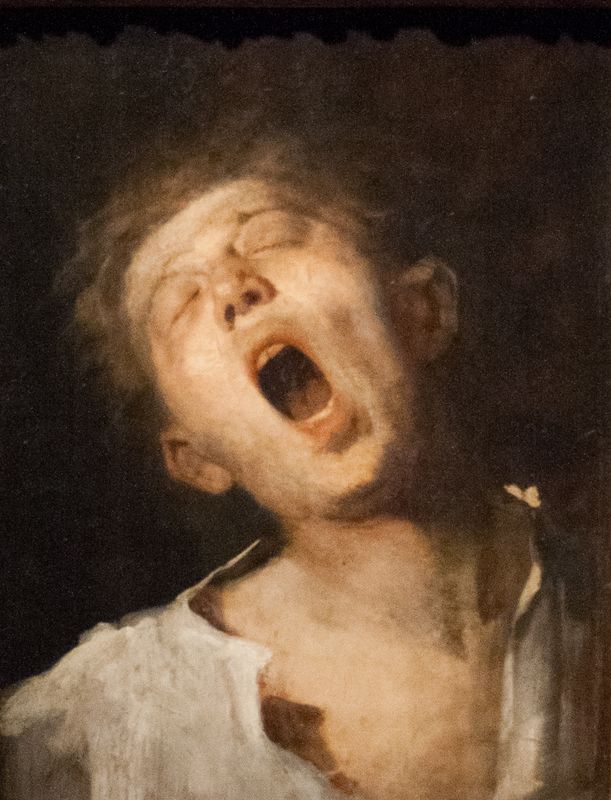 Yawning Apprentice
1868 · Hungarian National Gallery
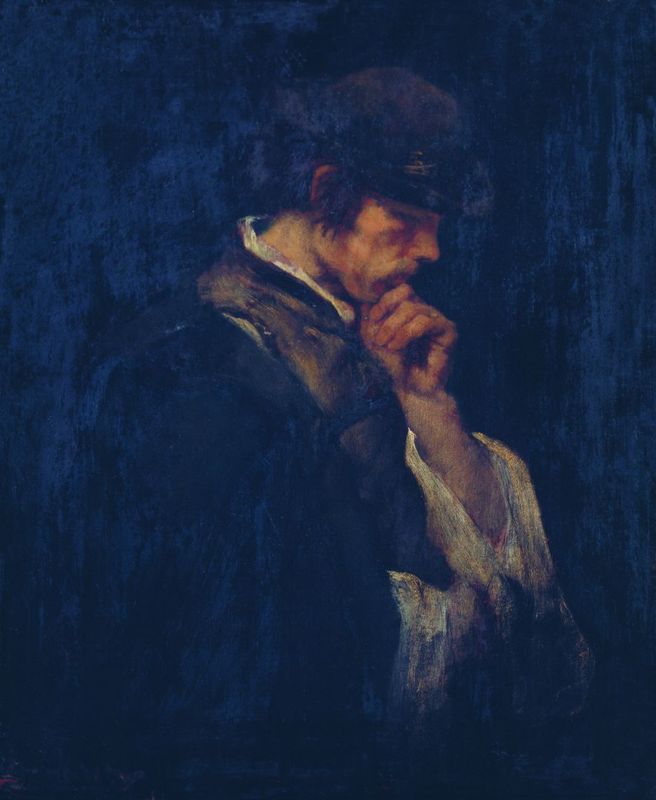 Male Study for “The Condemned Cell”
1869 · Hungarian National Gallery
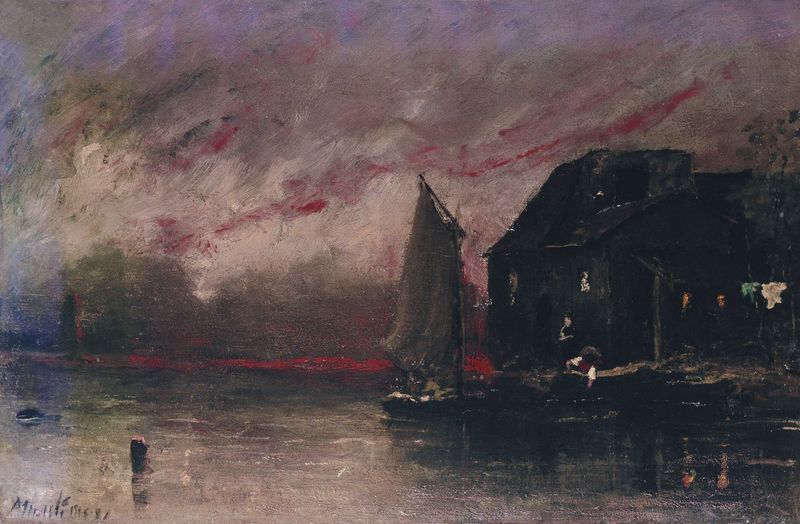 Evening Atmosphere
1870 · Hungarian National Gallery
Beyond Munkácsy: works from the same years.
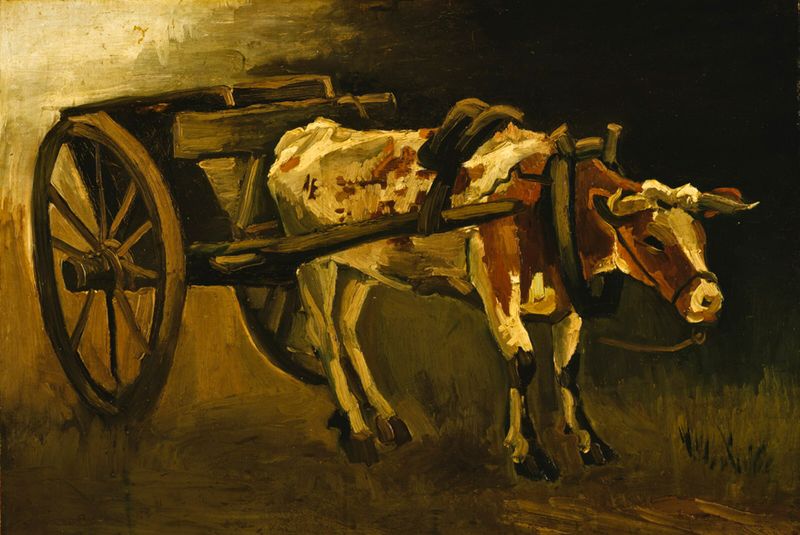 Same era · 1860s–1890s
Cart with Red and White Ox
Vincent van Gogh · 1884 · Kröller-Müller Museum
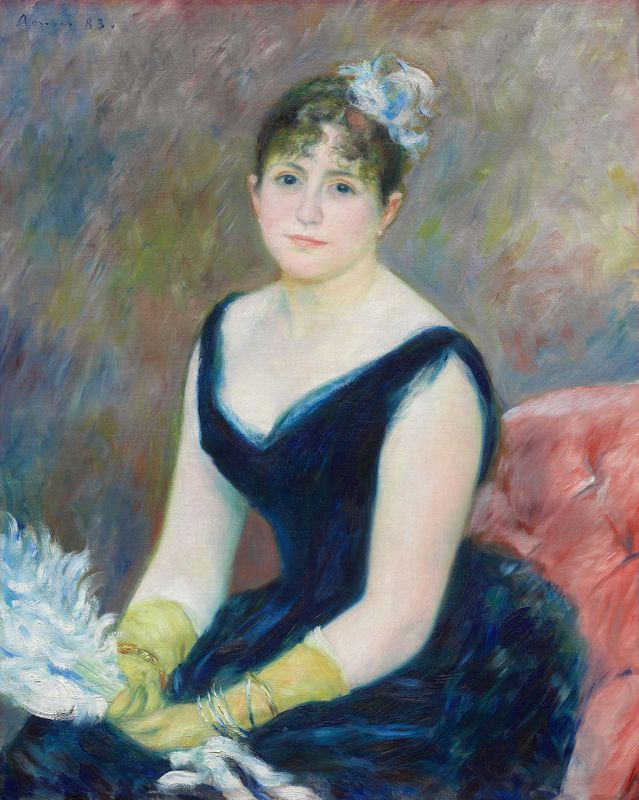 Same era · 1860s–1890s
Madame Léon Clapisson
Léon-Victor Dupré · 1883 · Art Institute of Chicago
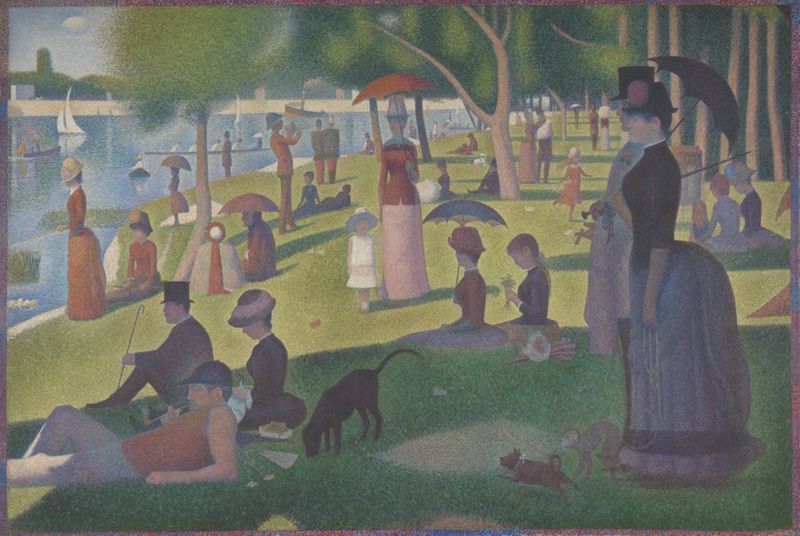 Same era · 1860s–1890s
A Sunday on La Grande Jatte — 1884
Okada Saburosuke · 1884 · Art Institute of Chicago
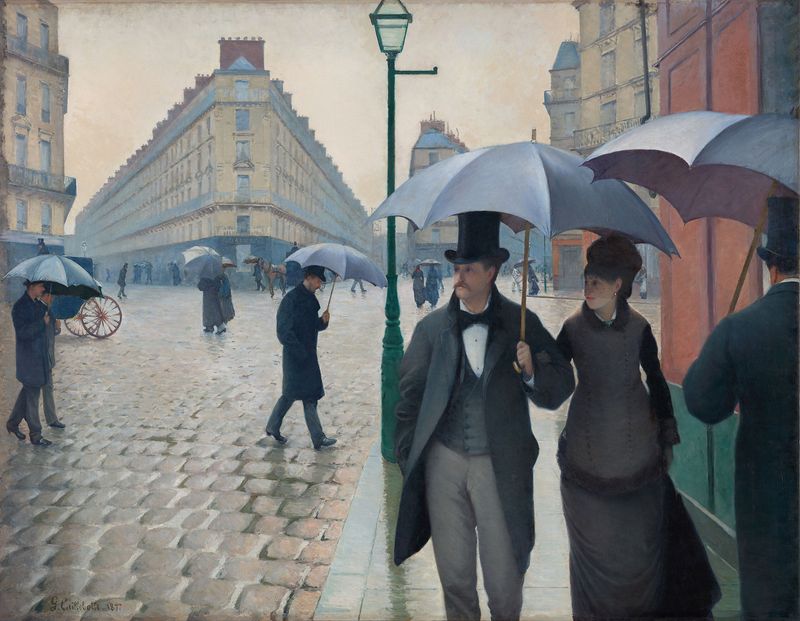 Same era · 1860s–1890s
Paris Street; Rainy Day
Kawabata Gyokushō · 1877 · Art Institute of Chicago
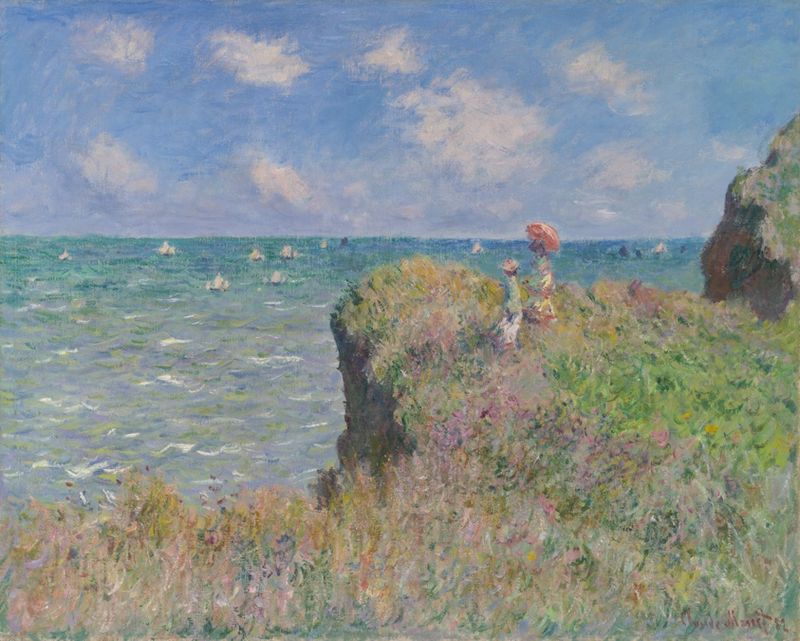 Same era · 1860s–1890s
Cliff Walk at Pourville
Claude Monet · 1882 · Art Institute of Chicago
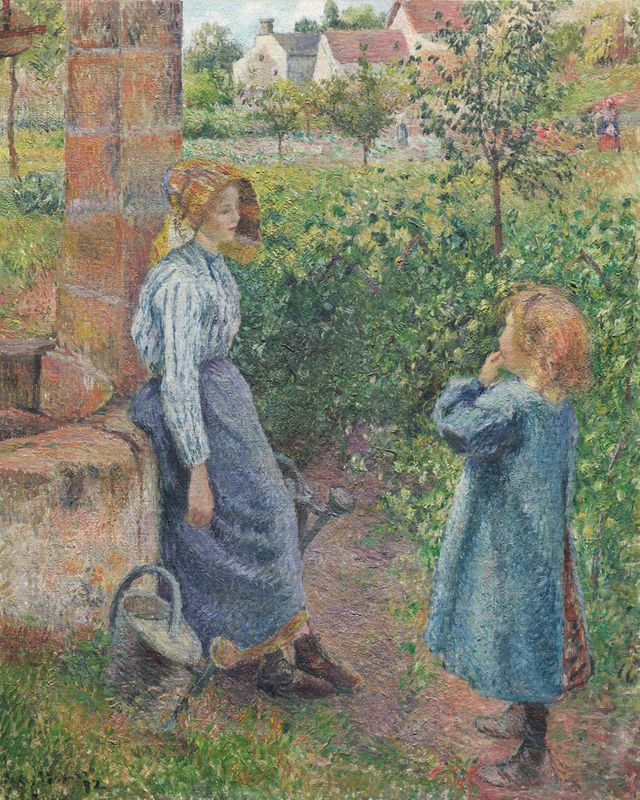 Same era · 1860s–1890s
Woman and Child at the Well
Camille Pissarro · 1882 · Art Institute of Chicago
 Same era · 1860s–1890s
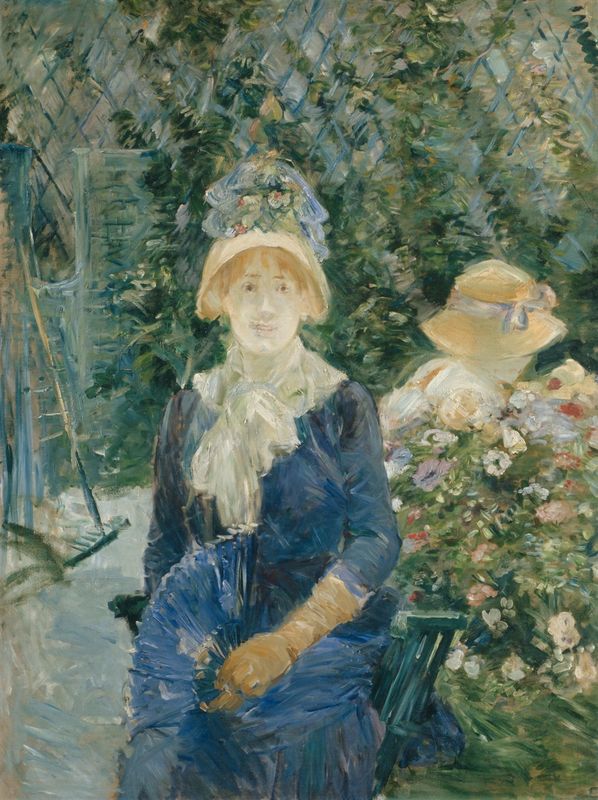
Woman in a Garden
Berthe Morisot · 1882 · Art Institute of Chicago
 Same era · 1860s–1890s
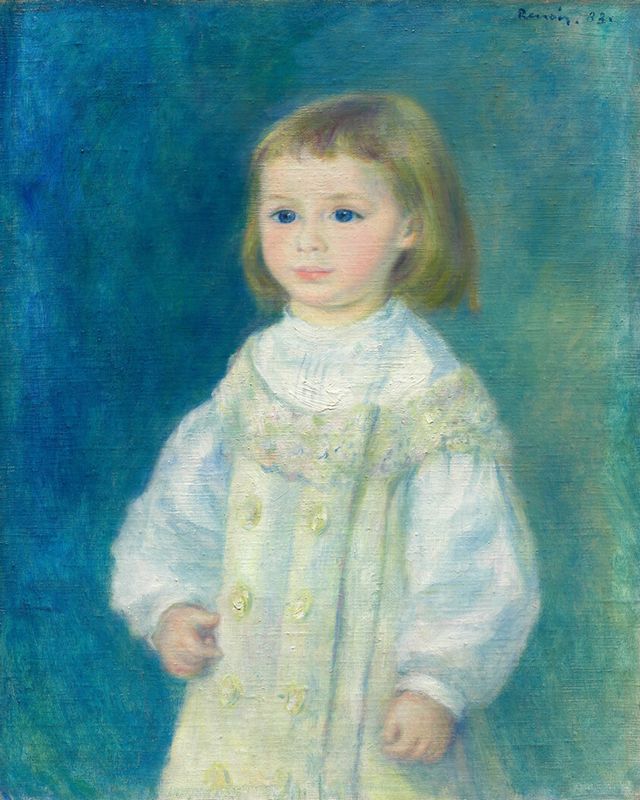
Lucie Berard (Child in White)
Pierre-Auguste Renoir · 1883 · Art Institute of Chicago
 Same era · 1860s–1890s
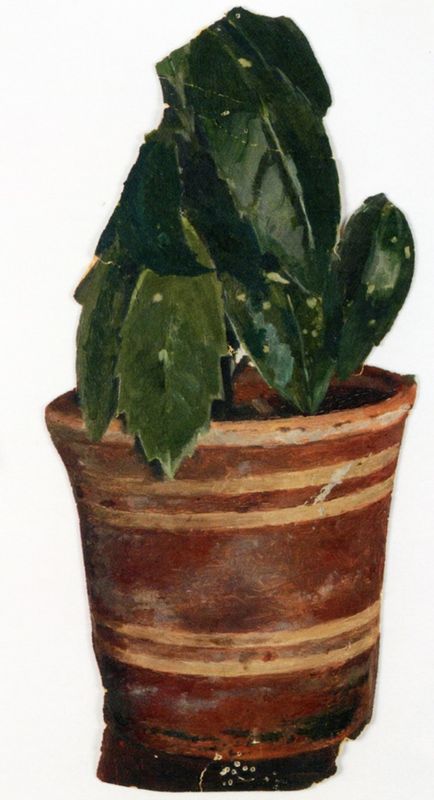
Potted Plant
Edvard Munch · 1881 · Munch Museum
 Same era · 1860s–1890s
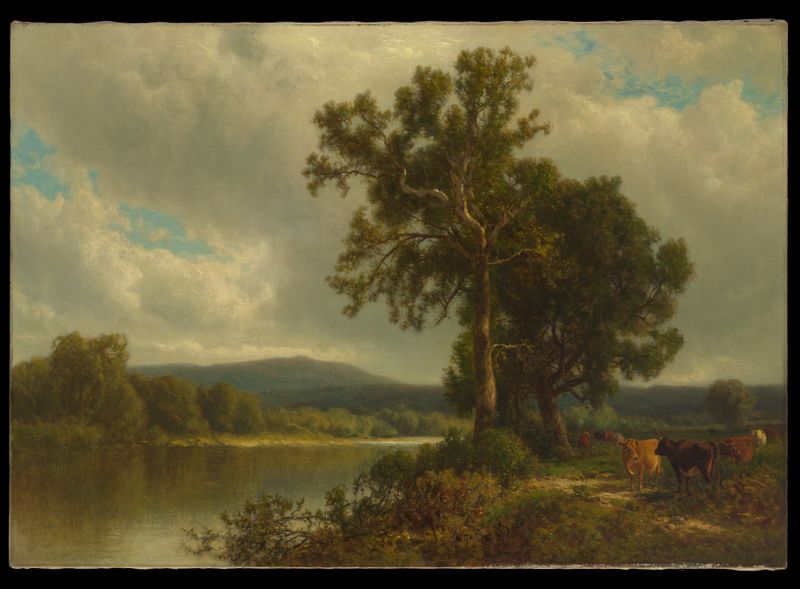
Scene at Napanoch
William Hart · 1883 · The Metropolitan Museum of Art
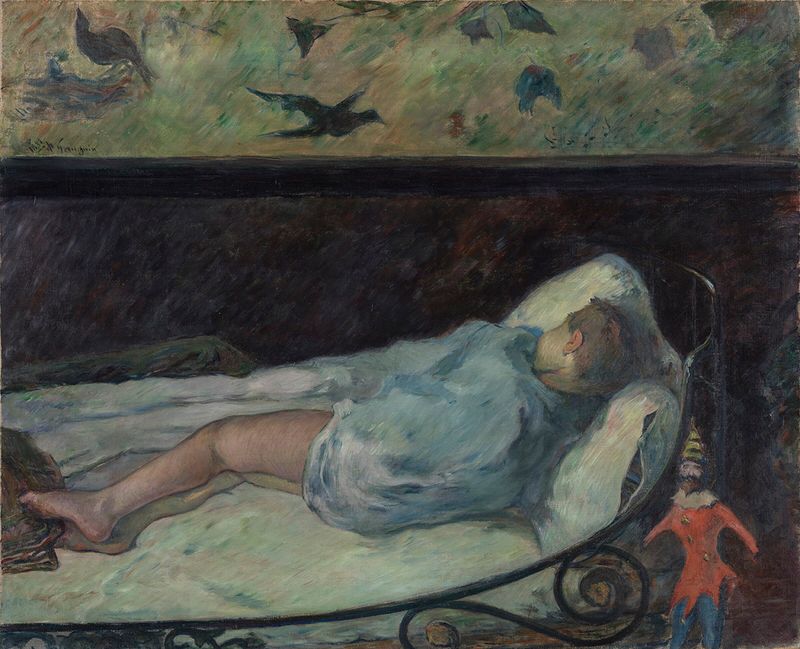 Same era · 1860s–1890s
The Little One Is Dreaming, Etude
Paul Gauguin · 1881 · Ordrupgaard
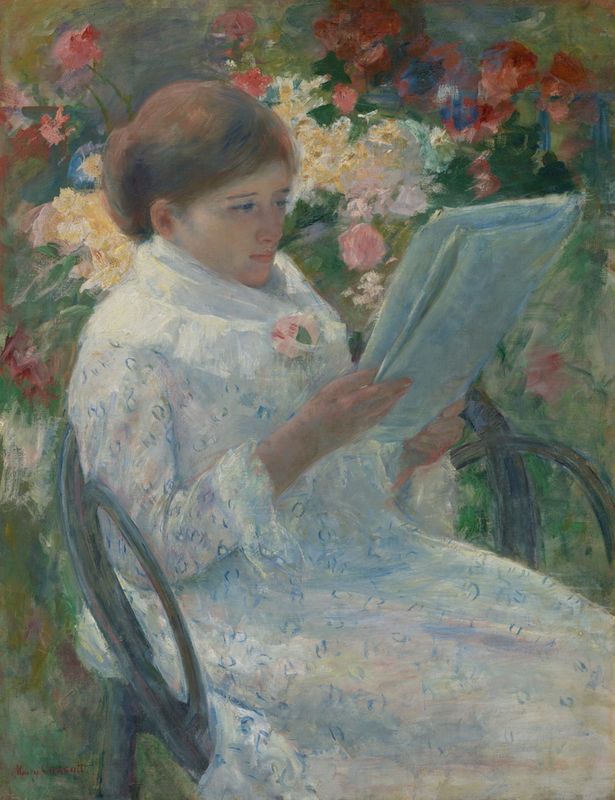 Same era · 1860s–1890s
On a Balcony
Mary Cassatt · 1879 · Art Institute of Chicago
