01Whole painting
Light pattern on dark grid
The design is a pale pattern against a dark square grid, like a negative. In pattern books like this, each square of the grid can be read as one stitch or mesh to copy.
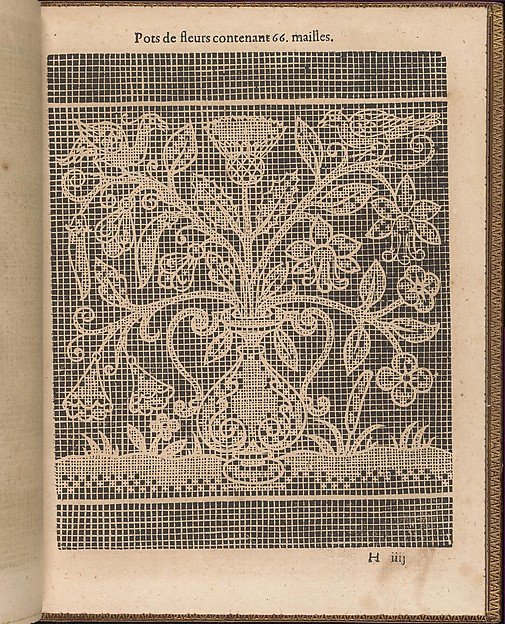
“Step into the world of 17th-century needlework with this intricate woodcut. It's a rare surviving pattern from a book that guided artisans in creating beautiful embroidered designs, showing us the detailed artistry of a bygone era.”
This woodcut, from Matthias Mignerak's 1605 pattern book, "La Pratique de l'Aiguille" (The Practice of the Needle), offers a glimpse into the intricate world of early 17th-century needlework. Unlike many surviving textiles from the period, which are often fragmented or faded, this print provides a crisp, clear design intended to guide embroiderers. The central motif features a delicate floral arrangement, a common theme in decorative arts of the time, enclosed within a symmetrical border. Looking closely, you can see how the lines, though printed, mimic the precise stitches of embroidery, suggesting different textures and depths. This page, like others in the book, served as a vital resource for artisans, allowing them to replicate fashionable patterns and elevate everyday objects through the art of the needle. It speaks to a time when domestic crafts were both a practical skill and a significant artistic expression.
Five details hide in plain sight. Pick one and we’ll show you exactly where to look.
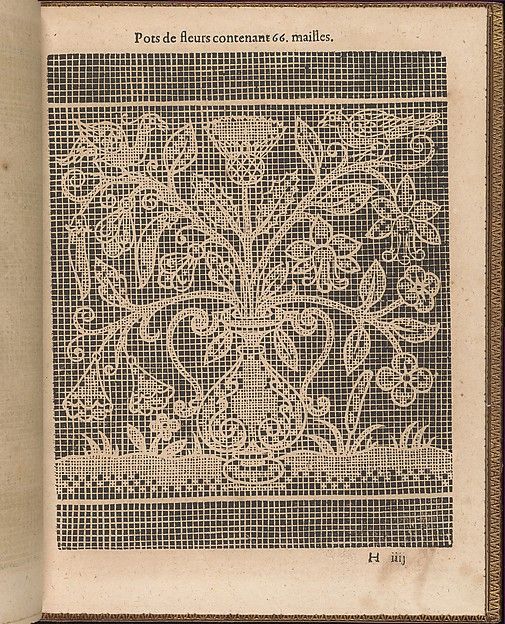
The design is a pale pattern against a dark square grid, like a negative. In pattern books like this, each square of the grid can be read as one stitch or mesh to copy.
The swelling vase sits at the center, with curling scrolls on its belly. The main stems of the bouquet rise from its narrow neck.
A small bird sits in the top left corner, with its wing and tail built from stepped lines. Even a living creature is reduced to blocks of squares.
Look closely at the scrolling tendrils. Their smooth curves are really built from tiny stair-steps, because the grid only allows whole squares.
A wavy strip of ground with small grass tufts anchors the bouquet. Plain gridded bands above and below frame the design like a border.
The full narration walks you through La Pratique de l'Aiguille, page 31 (recto) — the story behind it, the details most visitors miss, and why it matters. Free in the Art Whisper app.
Matthias Mignerak's 1605 pattern book 'La Pratique de l'Aiguille' put fine needlework into the hands of everyday embroiderers.
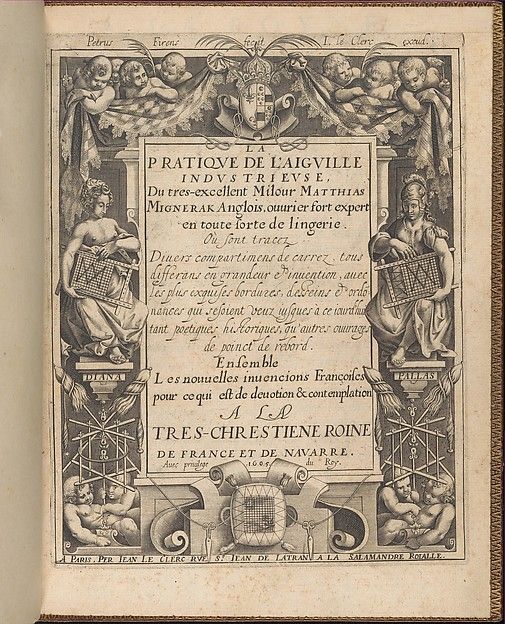 La Pratique de l'Aiguille
1605 · The Metropolitan Museum of Art
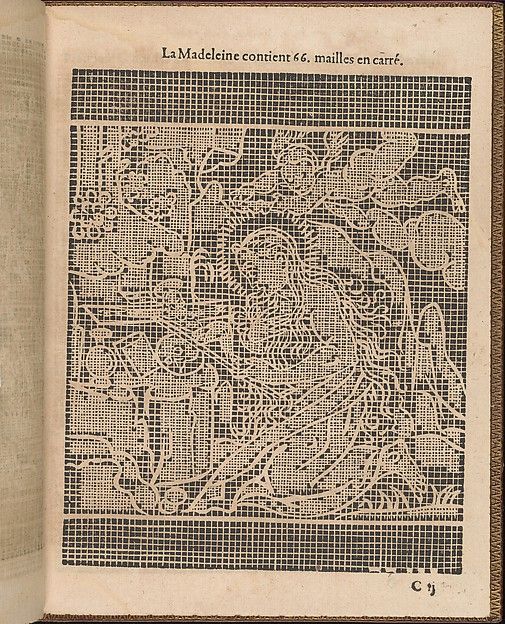 La Pratique de l'Aiguille, page 10 (recto)
1605 · The Metropolitan Museum of Art
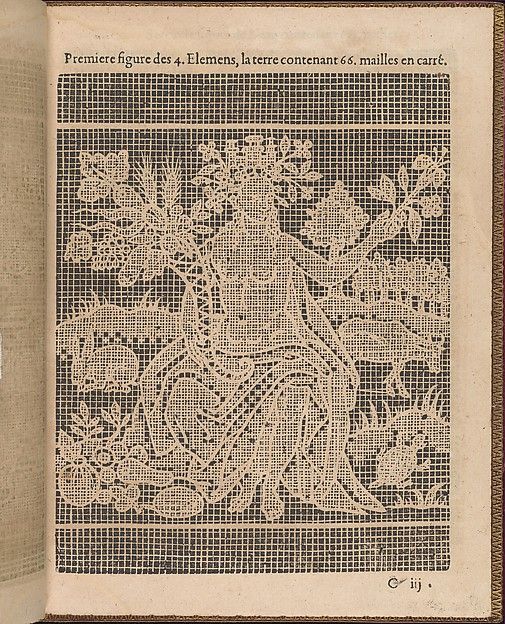 La Pratique de l'Aiguille, page 11 (recto)
1605 · The Metropolitan Museum of Art
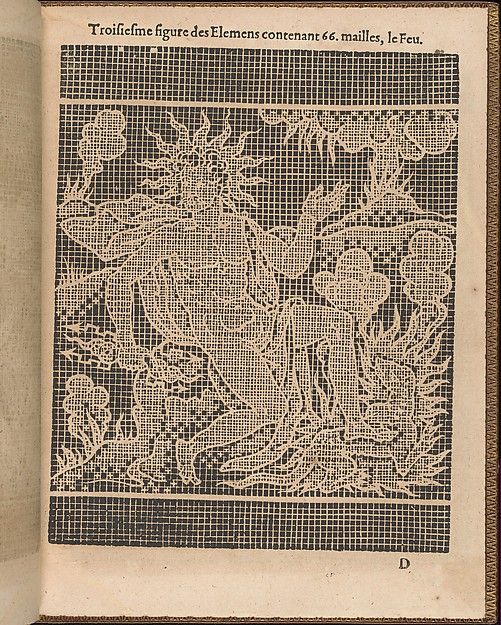 La Pratique de l'Aiguille, page 12 (recto)
1605 · The Metropolitan Museum of Art
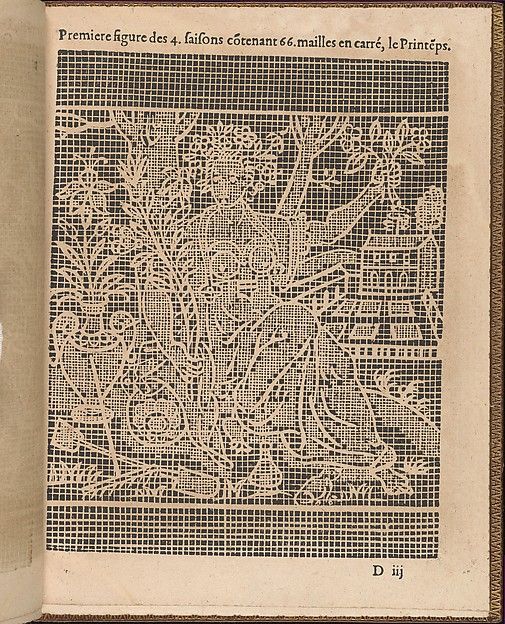 La Pratique de l'Aiguille, page 14 (recto)
1605 · The Metropolitan Museum of Art
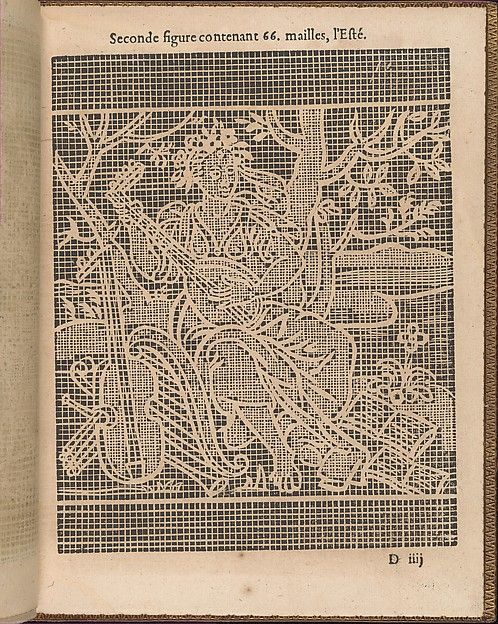 La Pratique de l'Aiguille, page 15 (recto)
1605 · The Metropolitan Museum of Art
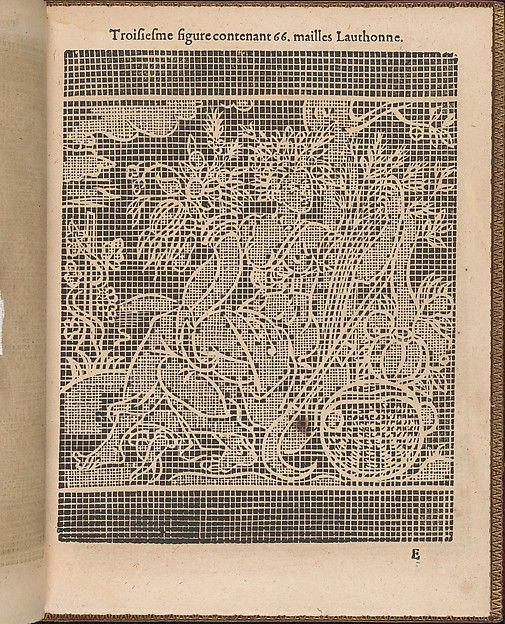 La Pratique de l'Aiguille, page 16 (recto)
1605 · The Metropolitan Museum of Art
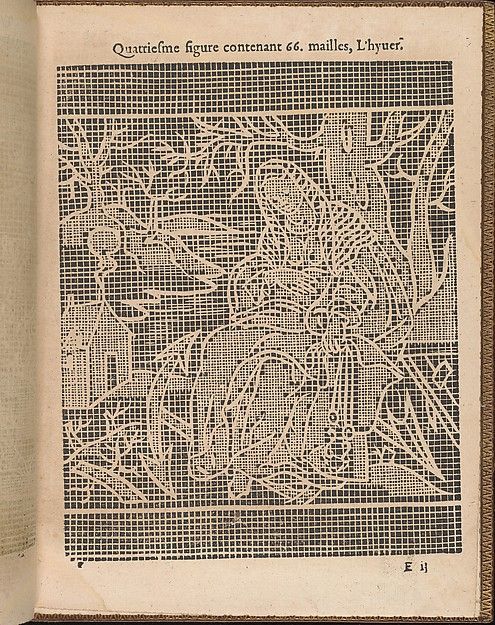 La Pratique de l'Aiguille, page 17 (recto)
1605 · The Metropolitan Museum of Art
Beyond Mignerak: works from the same years.
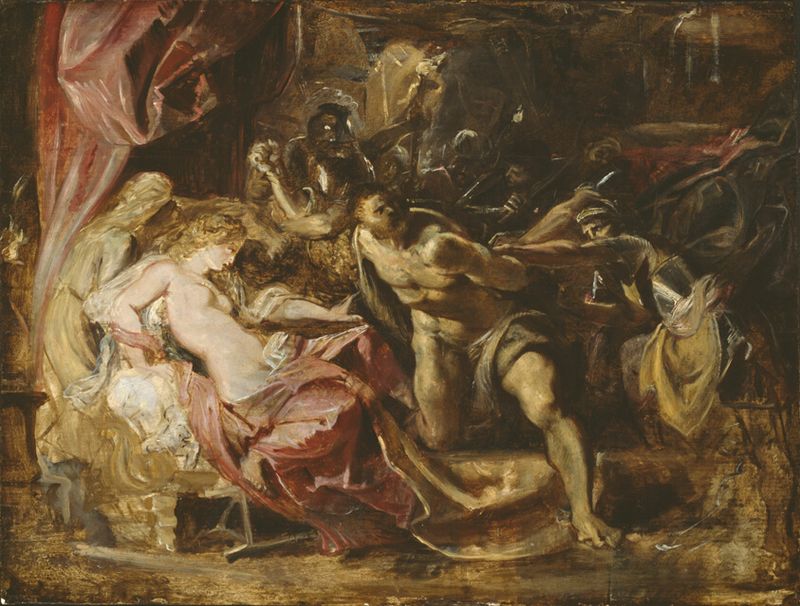 Same era · 1590s–1620s
The Capture of Samson
Peter Paul Rubens · 1609 · Art Institute of Chicago
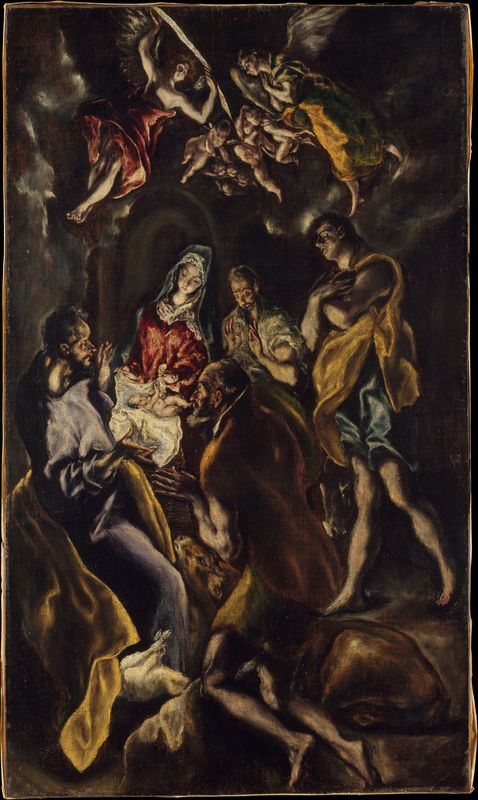 Same era · 1590s–1620s
The Adoration of the Shepherds
El Greco · 1610
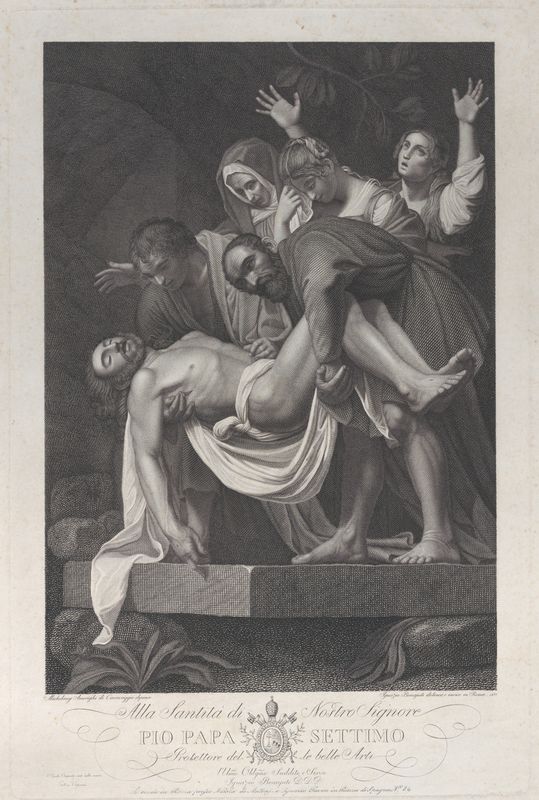 Same era · 1590s–1620s
The Entombment of Christ
Caravaggio · 1600 · Pinacoteca Vaticana
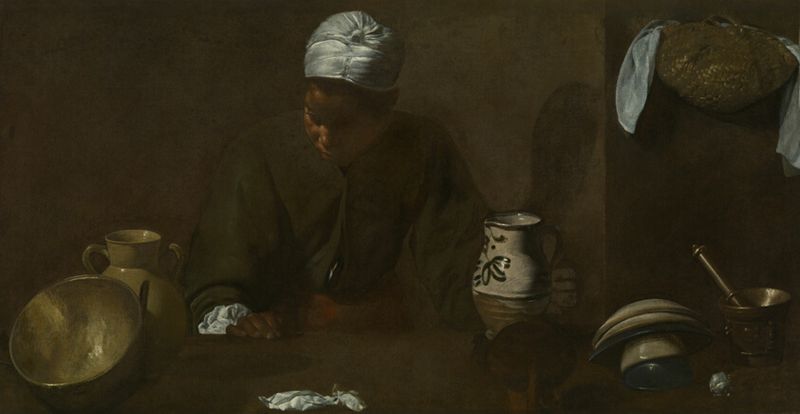 Same era · 1590s–1620s
Kitchen Scene
Diego Velázquez · 1618 · Art Institute of Chicago
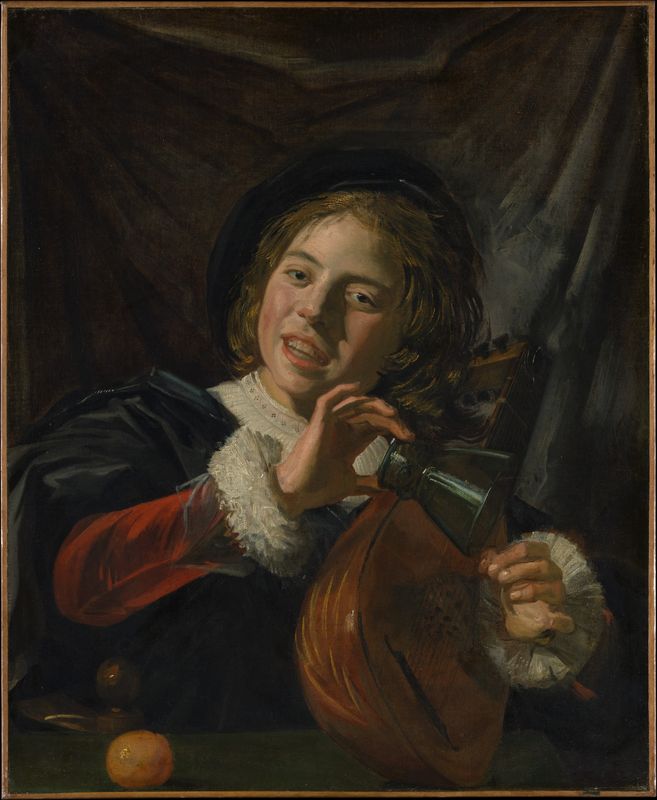 Same era · 1590s–1620s
Boy with a Lute
Frans Hals · 1620 · The Metropolitan Museum of Art
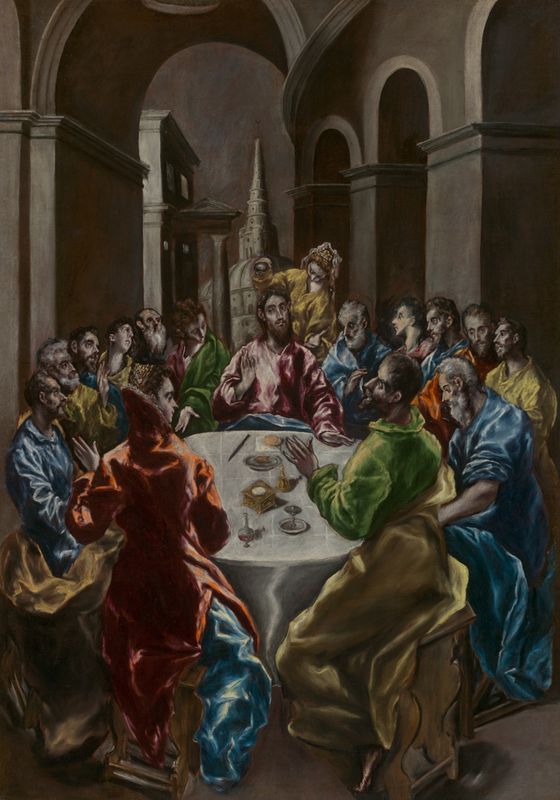 Same era · 1590s–1620s
The Feast in the House of Simon
El Greco (Doménikos Theotokópoulos) and workshop · 1608 · Art Institute of Chicago
 Same era · 1590s–1620s
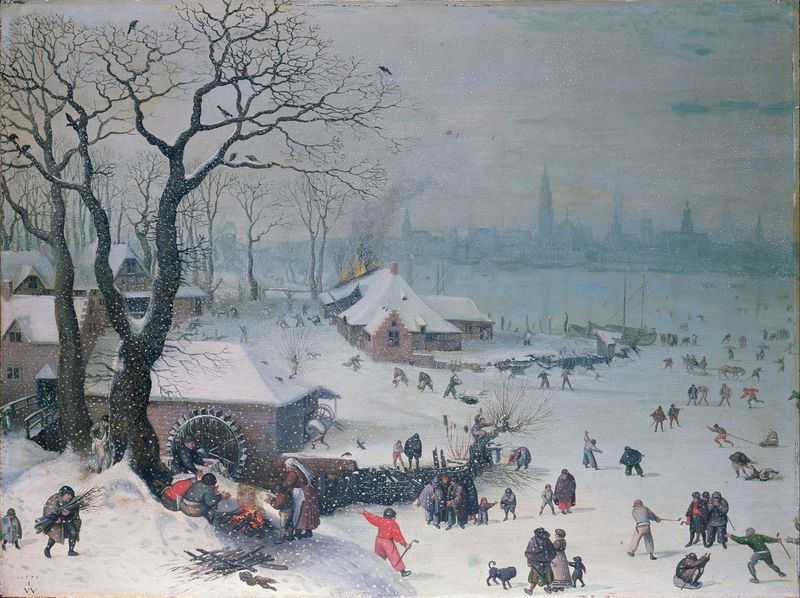
Winter Landscape with Snowfall near Antwerp
Jan Brueghel the Elder · 1610
 Same era · 1590s–1620s
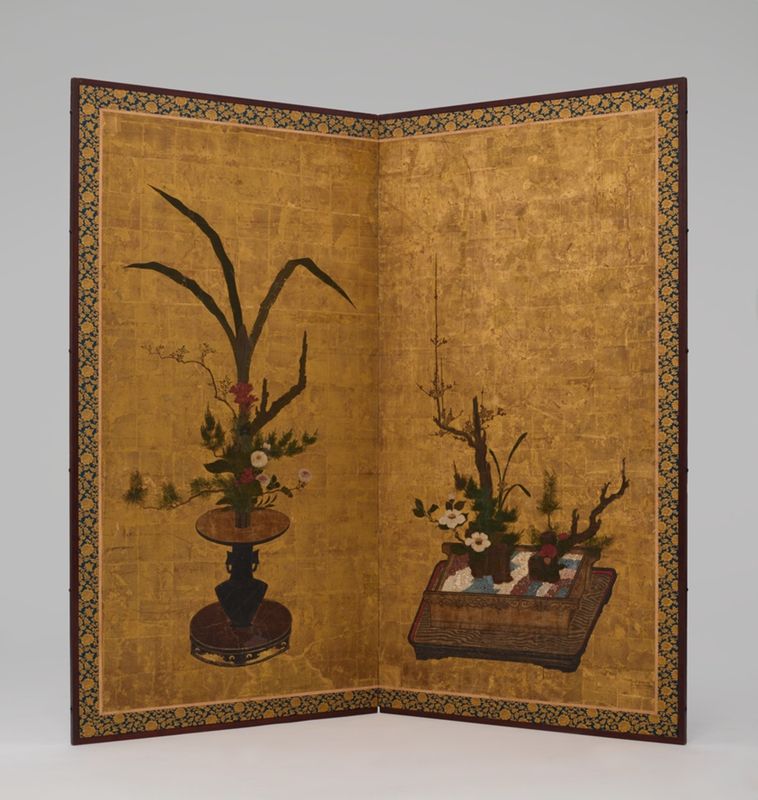
Flower Arrangements
Artist Unknown - The Mercat Cross, Aberdeen · 1595 · Art Institute of Chicago
 Same era · 1590s–1620s
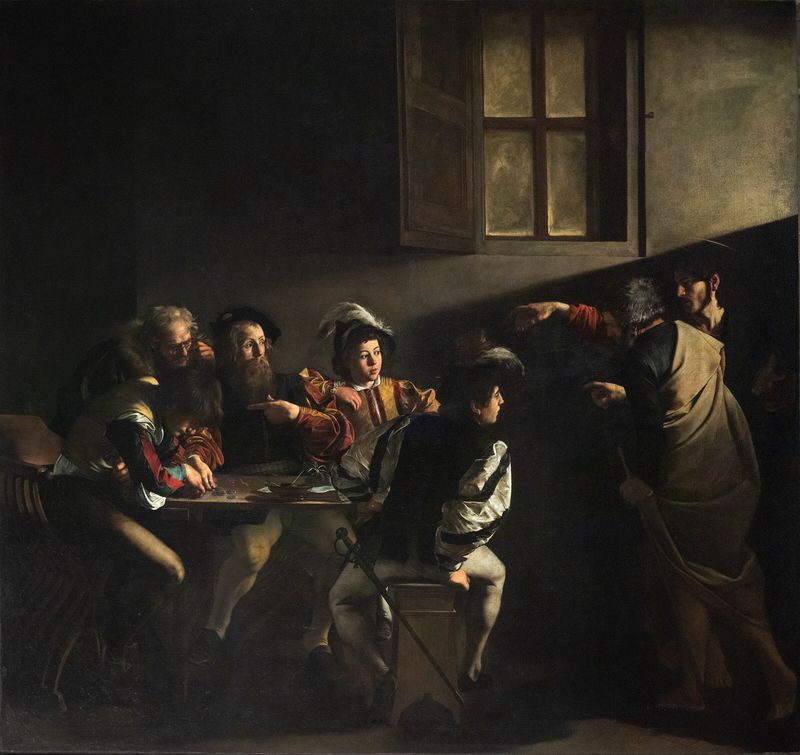
The Calling of Saint Matthew
Hendrick ter Brugghen · 1609 · Museum of Fine Arts, Budapest
 Same era · 1590s–1620s
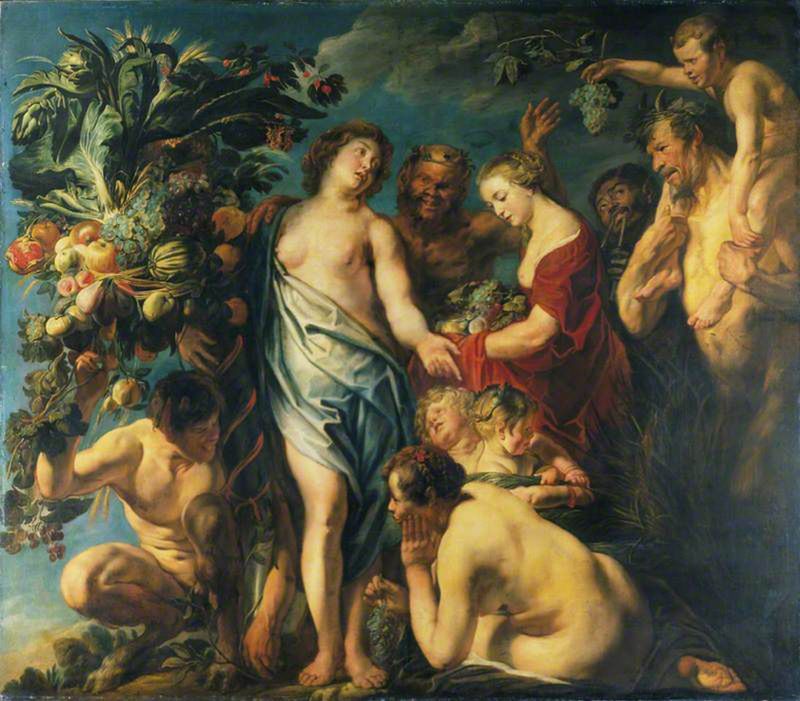
An Allegory of Fruitfulness
Jacob Jordaens · 1620 · Wallace Collection
 Same era · 1590s–1620s
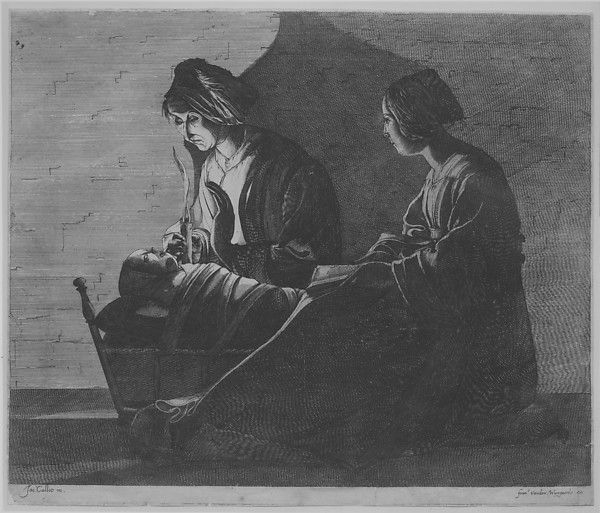
The Virgin and Child with Saint Anne
Georges de La Tour · 1600 · The Metropolitan Museum of Art
 Same era · 1590s–1620s
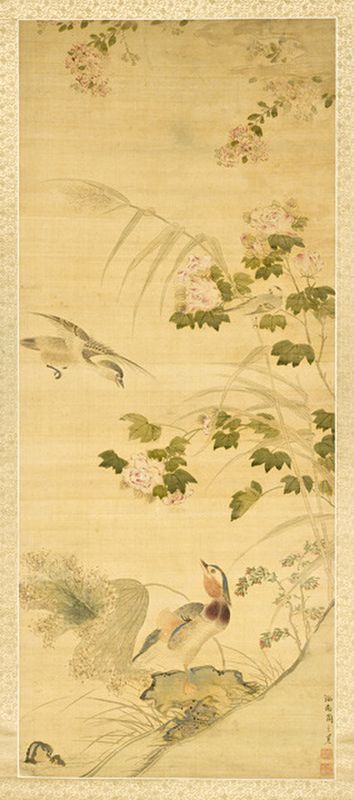
Flowers and Birds
Zhou Zhimian · 1595 · Los Angeles County Museum of Art
