
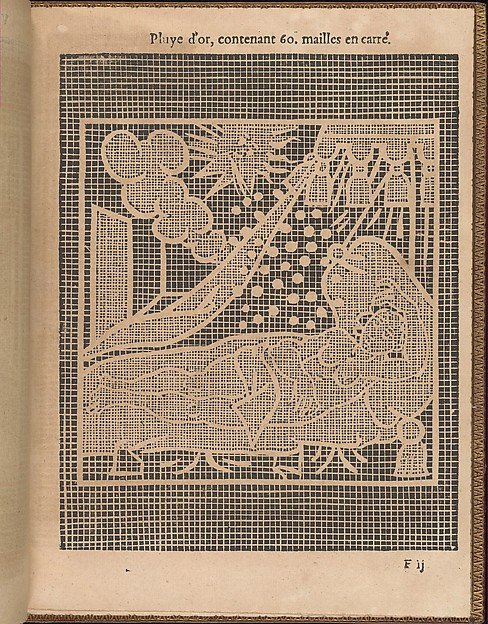
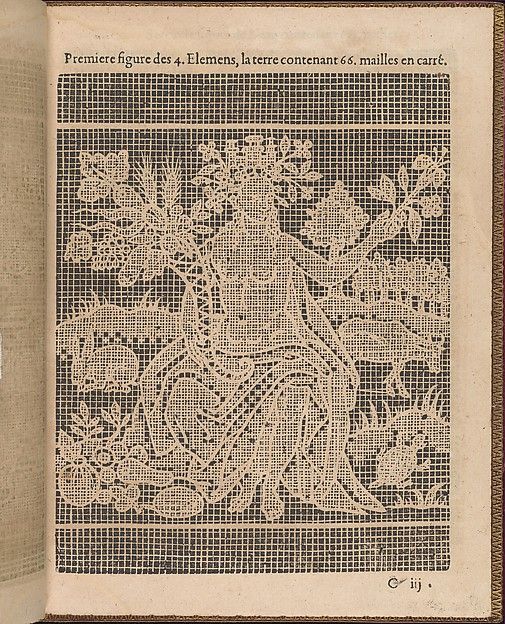
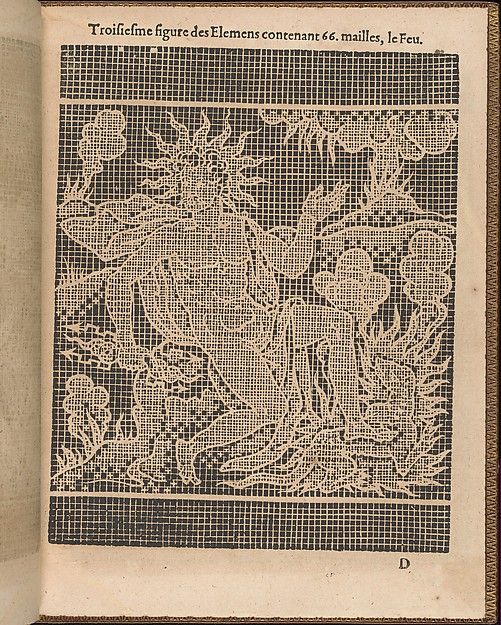
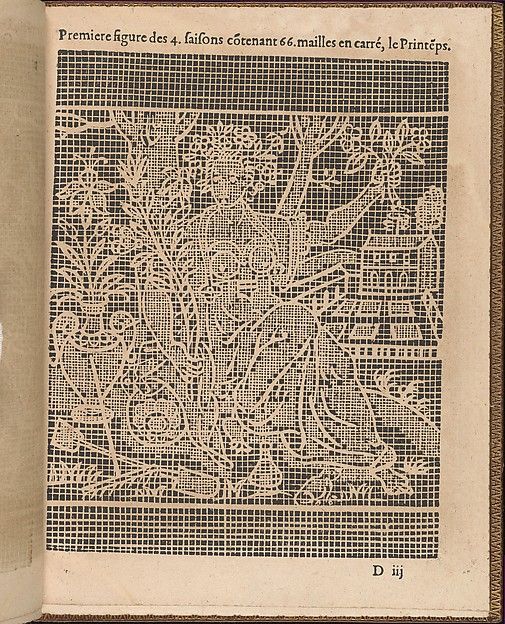
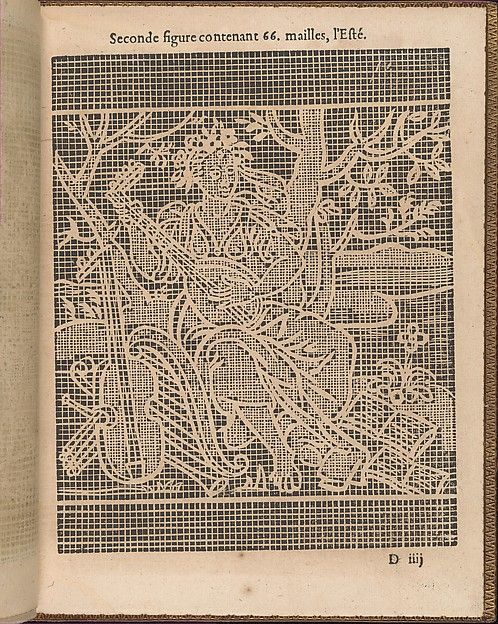
“This woodcut is a page from a rare 17th-century pattern book for needlework, offering a detailed glimpse into the intricate designs that once adorned European textiles and fashion.”
This intricate woodcut, from Matthias Mignerak's 1605 pattern book "La Pratique de l'Aiguille" (The Practice of the Needle), offers a glimpse into the sophisticated world of 17th-century needlework design. Page 21 presents a dense, symmetrical arrangement of floral and foliate motifs, characteristic of the elaborate embroidery popular in European courts and wealthy households. The design features a central, stylized flower, flanked by curling tendrils and smaller blossoms, all rendered with the precise lines and stark contrasts inherent to the woodcut technique. This wasn't just decorative art; it served as a practical guide, providing templates for embroiderers to replicate on textiles, from fashionable garments to household linens. The patterns reflect a period when needlework was both a domestic skill and a significant artistic endeavor, requiring immense patience and precision to translate these printed designs into thread.
- Artist
- Matthias Mignerak
- Date
- 1605
- Medium
- Woodcut
- Location
- The Metropolitan Museum of Art
- Dimensions
- Overall: 9 1/4 x 7 1/16 in. (23.5 x 18 cm)
- Collection
- Drawings and Prints
- Credit line
- Rogers Fund, 1920
What to Notice
Four details hide in plain sight. Here’s where to look.
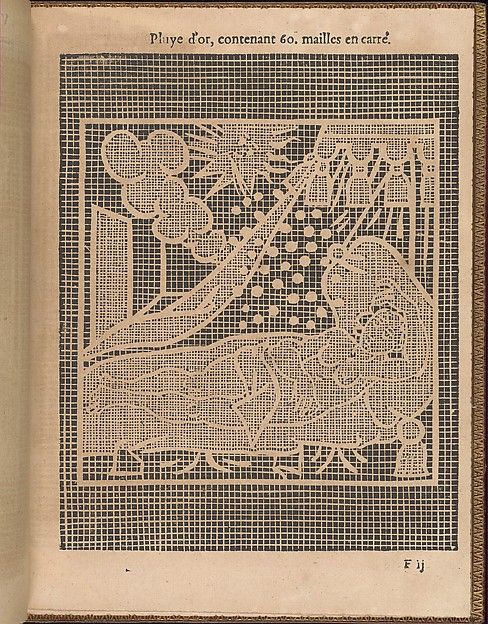
The central, symmetrical floral motif, a common element in period embroidery.
The delicate, curling tendrils and leaves that fill the entire page.
The crisp, dark lines of the woodcut, defining each element.
The small, repeated floral accents nestled within the larger design.
Stand in front of it and listen
The full narration walks you through La Pratique de l'Aiguille, page 21 (recto) — the story behind it, the details most visitors miss, and why it matters. Free in the Art Whisper app.
Matthias Mignerak
Matthias Mignerak's 1605 pattern book 'La Pratique de l'Aiguille' put fine needlework into the hands of everyday embroiderers.
Further Works by Mignerak
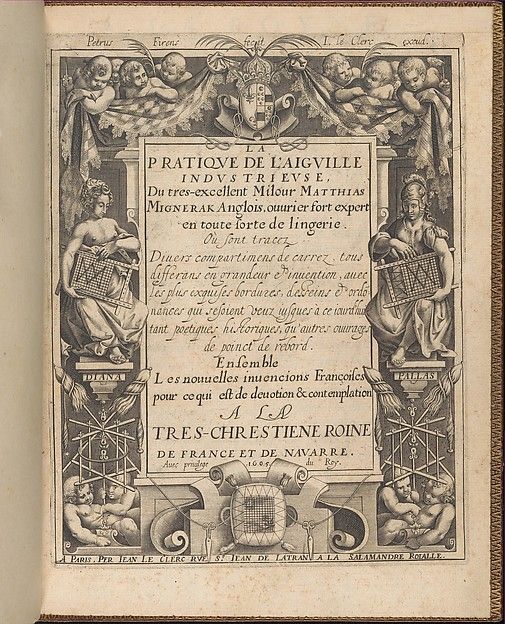 La Pratique de l'Aiguille
1605 · The Metropolitan Museum of Art
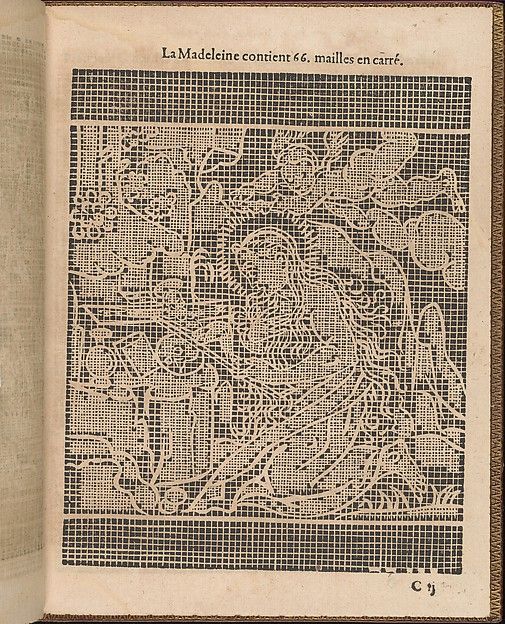 La Pratique de l'Aiguille, page 10 (recto)
1605 · The Metropolitan Museum of Art
 La Pratique de l'Aiguille, page 11 (recto)
1605 · The Metropolitan Museum of Art
 La Pratique de l'Aiguille, page 12 (recto)
1605 · The Metropolitan Museum of Art
 La Pratique de l'Aiguille, page 14 (recto)
1605 · The Metropolitan Museum of Art
 La Pratique de l'Aiguille, page 15 (recto)
1605 · The Metropolitan Museum of Art
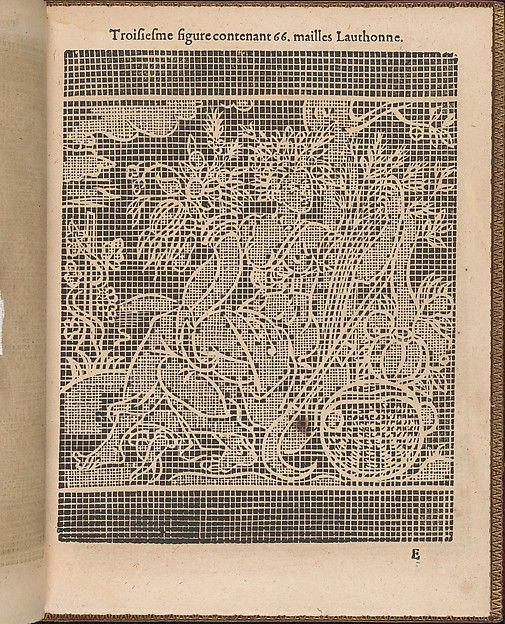 La Pratique de l'Aiguille, page 16 (recto)
1605 · The Metropolitan Museum of Art
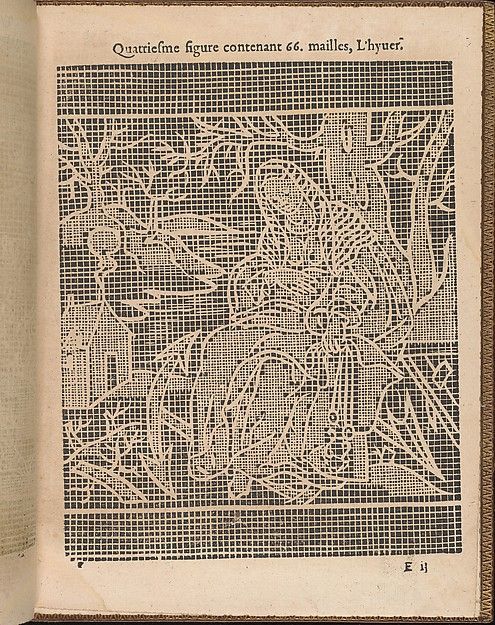 La Pratique de l'Aiguille, page 17 (recto)
1605 · The Metropolitan Museum of Art
More works to explore
Beyond Mignerak: works from the same years.
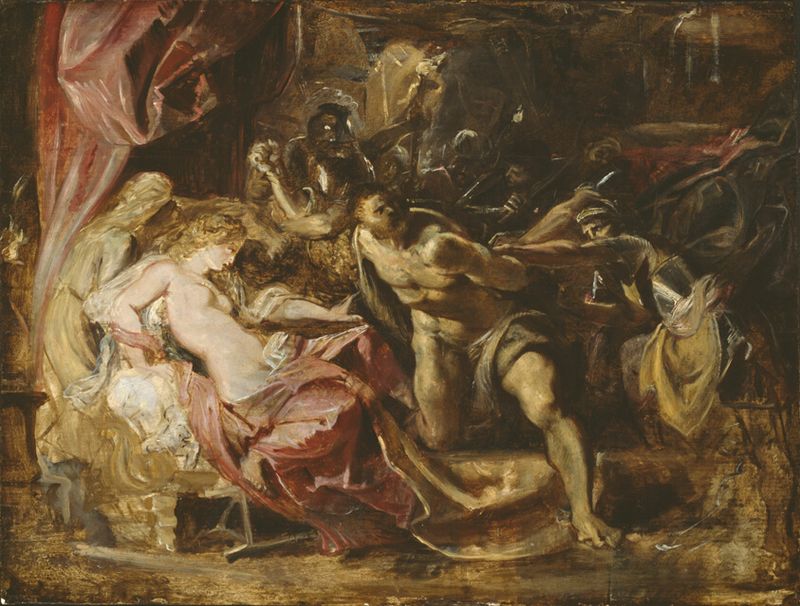 Same era · 1590s–1620s
The Capture of Samson
Peter Paul Rubens · 1609 · Art Institute of Chicago
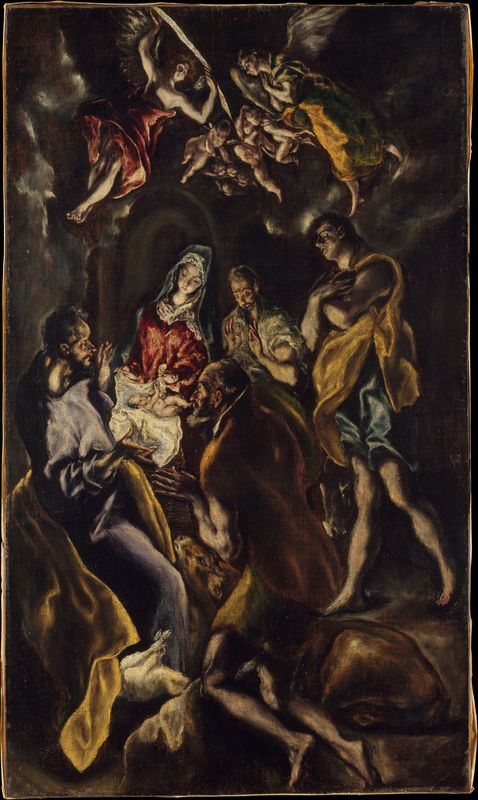 Same era · 1590s–1620s
The Adoration of the Shepherds
El Greco · 1610
 Same era · 1590s–1620s
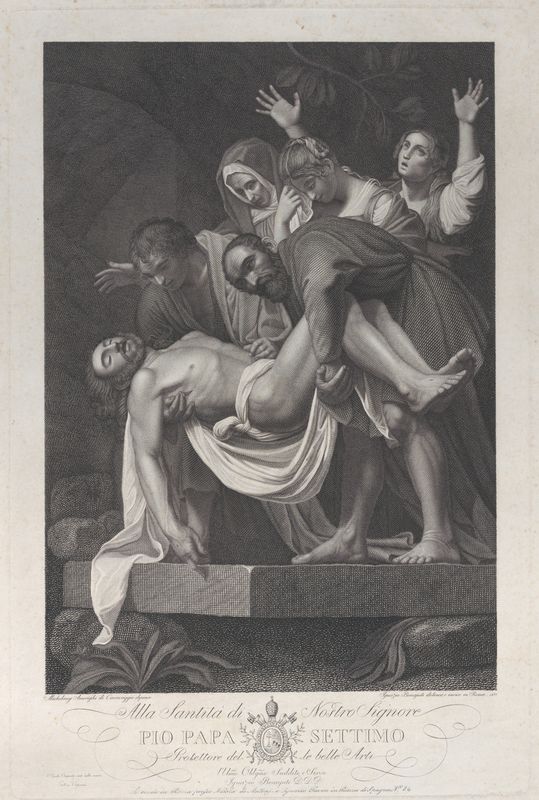
The Entombment of Christ
Caravaggio · 1600 · Pinacoteca Vaticana
 Same era · 1590s–1620s
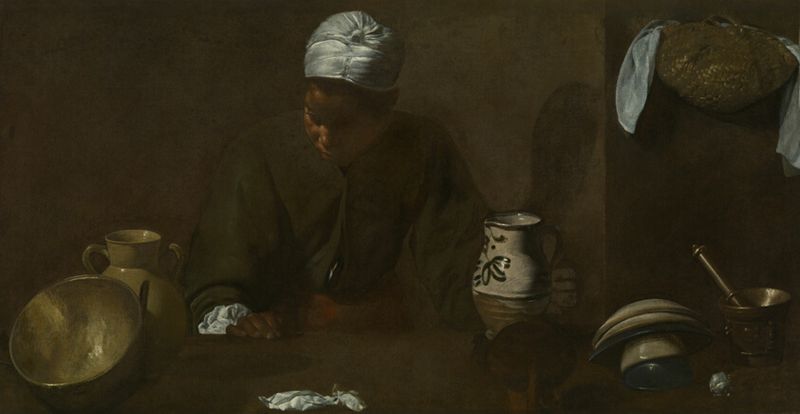
Kitchen Scene
Diego Velázquez · 1618 · Art Institute of Chicago
 Same era · 1590s–1620s
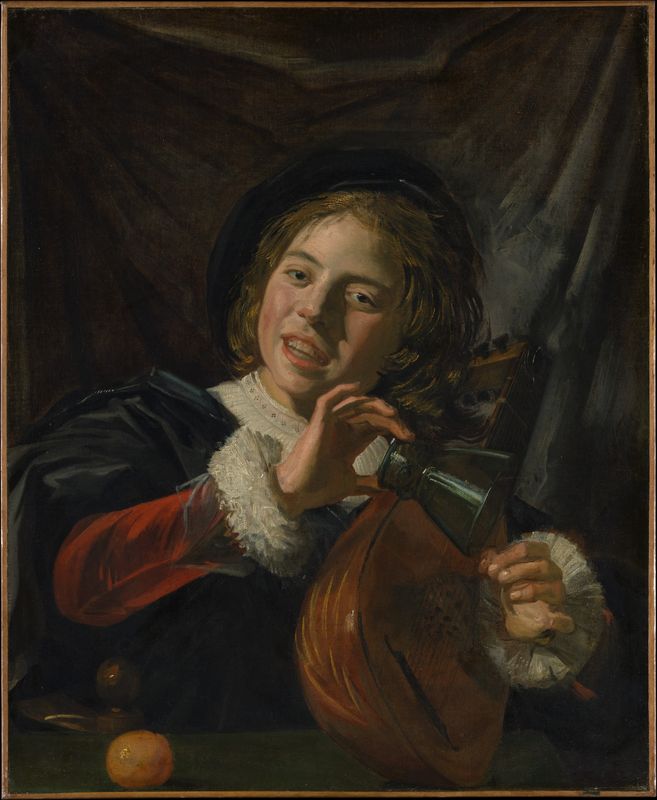
Boy with a Lute
Frans Hals · 1620 · The Metropolitan Museum of Art
 Same era · 1590s–1620s
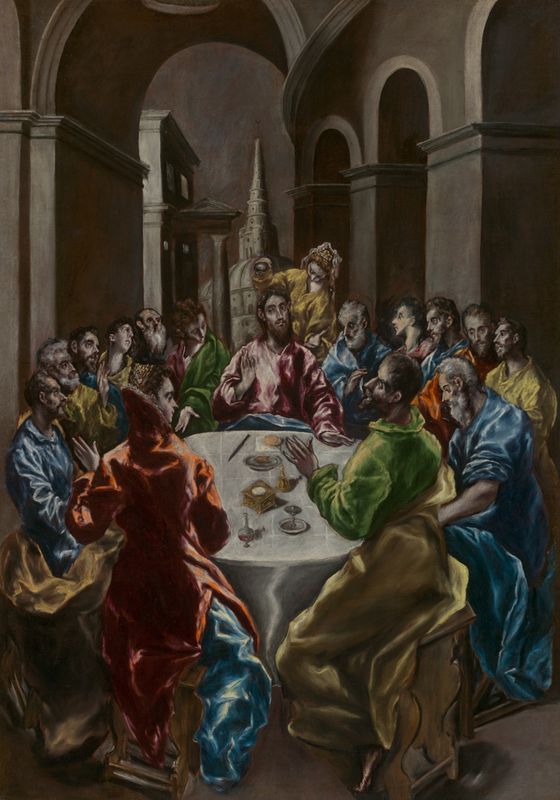
The Feast in the House of Simon
El Greco (Doménikos Theotokópoulos) and workshop · 1608 · Art Institute of Chicago
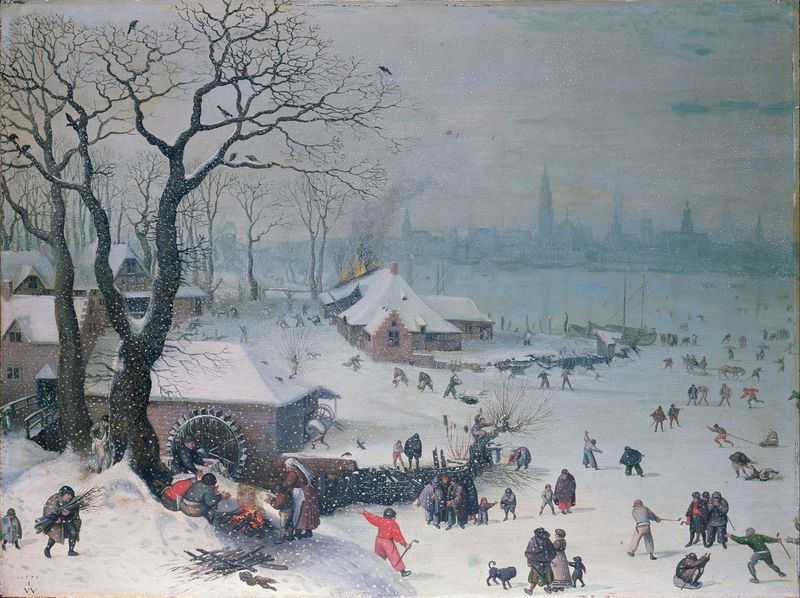 Same era · 1590s–1620s
Winter Landscape with Snowfall near Antwerp
Jan Brueghel the Elder · 1610
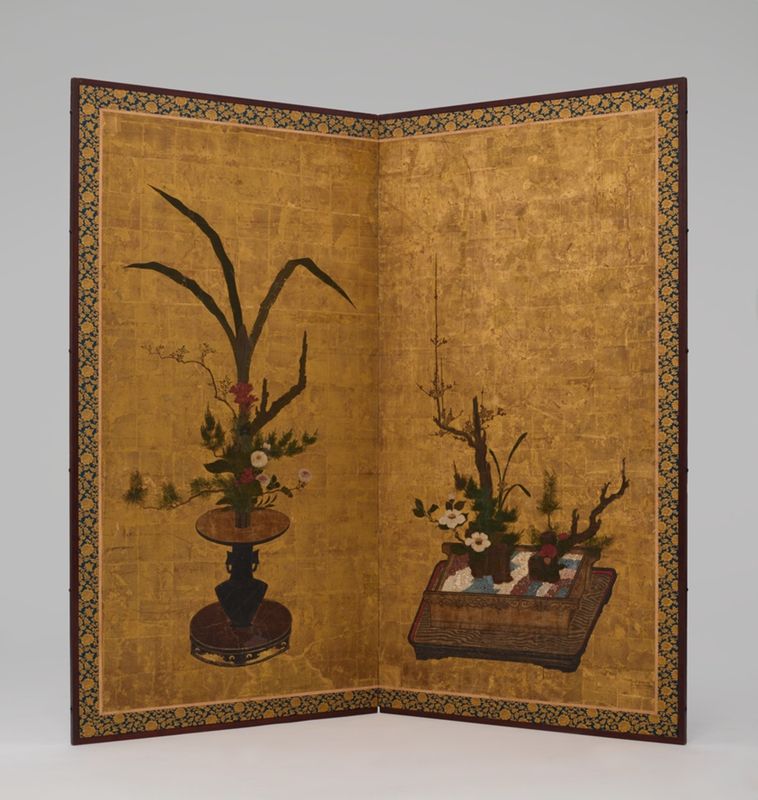 Same era · 1590s–1620s
Flower Arrangements
Artist Unknown - The Mercat Cross, Aberdeen · 1595 · Art Institute of Chicago
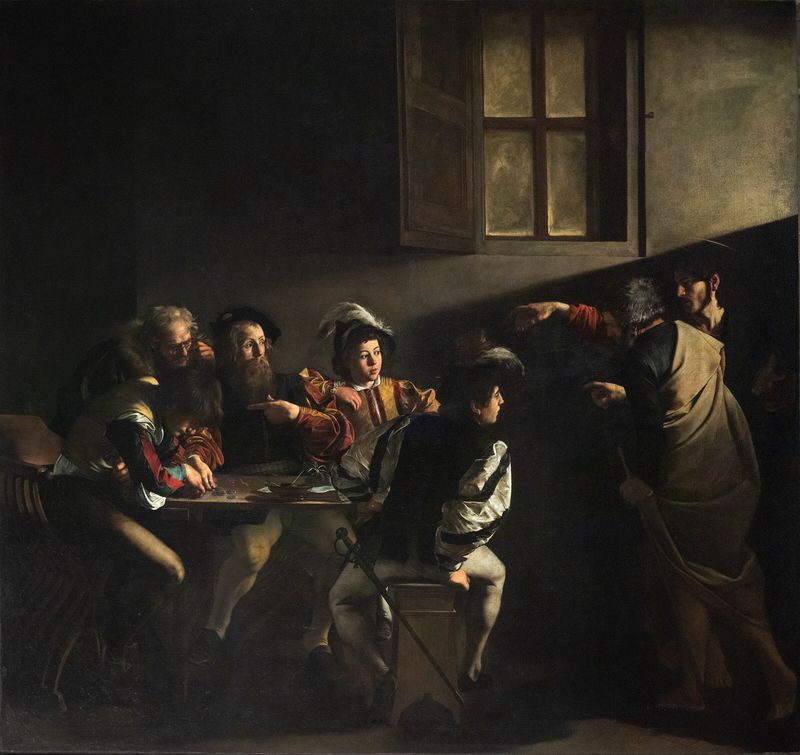 Same era · 1590s–1620s
The Calling of Saint Matthew
Hendrick ter Brugghen · 1609 · Museum of Fine Arts, Budapest
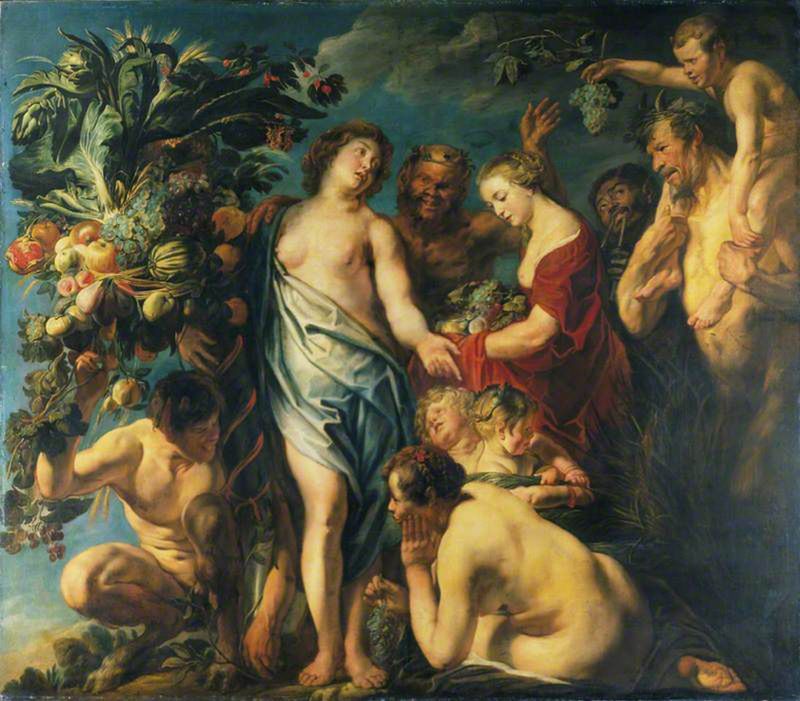 Same era · 1590s–1620s
An Allegory of Fruitfulness
Jacob Jordaens · 1620 · Wallace Collection
 Same era · 1590s–1620s
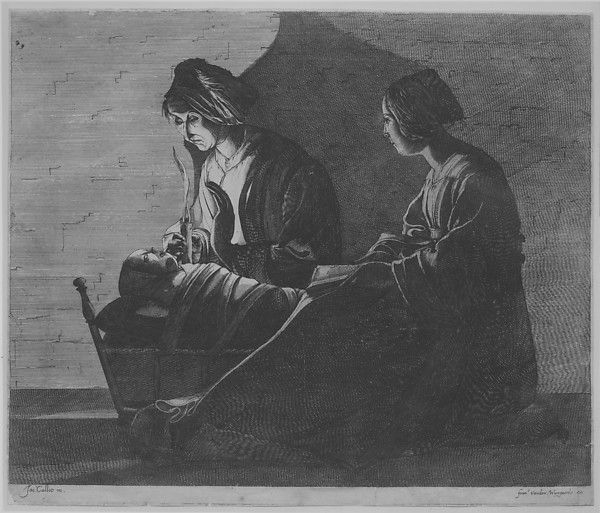
The Virgin and Child with Saint Anne
Georges de La Tour · 1600 · The Metropolitan Museum of Art
 Same era · 1590s–1620s
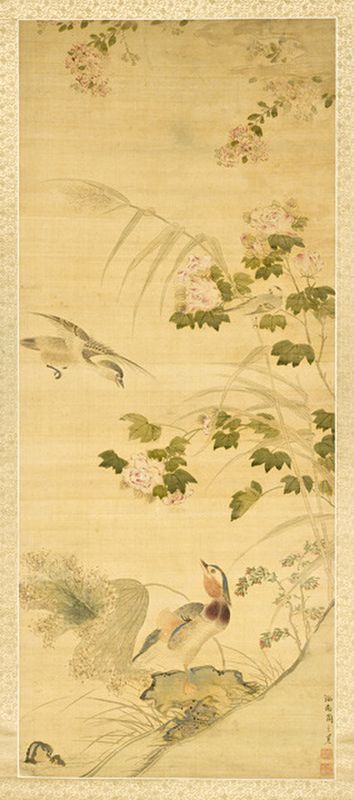
Flowers and Birds
Zhou Zhimian · 1595 · Los Angeles County Museum of Art