01
Venus standing
Venus stands tall in the center, drawn in pale lines against the grid. Long hair falls down her back and one arm is raised at the right.
1 of 5 on the painting
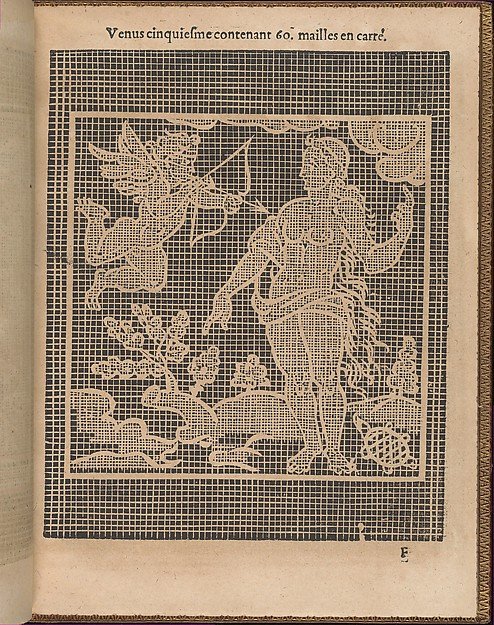
“This woodcut offers a precise pattern for needlework from 1605, revealing the intricate designs that inspired artisans in the early 17th century. It's a fascinating example of how artistic prints guided domestic craft.”
This woodcut, "La Pratique de l'Aiguille, page 20," presents a delicate design for a piece of needlework, likely intended for embroidery or lace. The intricate pattern features a central floral motif, possibly a stylized carnation or rose, surrounded by scrolling tendrils and smaller blossoms. The design fills the page with a sense of organic growth, yet maintains a precise, symmetrical balance typical of early 17th-century pattern books. Such prints served as essential guides for artisans, allowing them to replicate fashionable designs for clothing, household linens, and decorative items. The clarity of the lines, achieved through the woodcut technique, ensures that even the smallest details of the pattern are easily discernible, making it practical for transfer onto fabric. This page is one of many from a larger volume, offering a glimpse into the rich visual culture and domestic arts of the period.
Five details hide in plain sight. Pick one and we’ll show you exactly where to look.
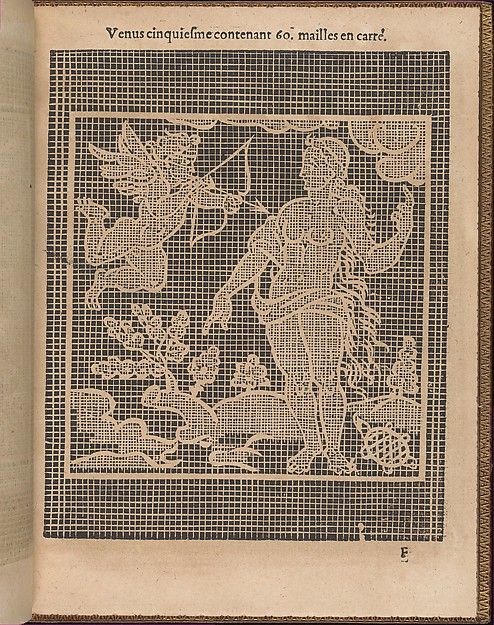
Venus stands tall in the center, drawn in pale lines against the grid. Long hair falls down her back and one arm is raised at the right.
At upper left, a winged Cupid kneels in the air and aims his bow. His presence suggests the central figure is Venus, goddess of love.
Look at the heavy grid of tiny squares that fills the whole page. Each square can be filled or left empty, so the picture works as a pattern for needlework.
A row of animals crouches along the bottom, forming a base for the tall figure. Their low shapes contrast with her upright body.
Near Venus's feet on the right, a turtle with a patterned shell is built from the same squares. It is easy to miss among the animals.
The full narration walks you through La Pratique de l'Aiguille, page 20 (recto) — the story behind it, the details most visitors miss, and why it matters. Free in the Art Whisper app.
Matthias Mignerak's 1605 pattern book 'La Pratique de l'Aiguille' put fine needlework into the hands of everyday embroiderers.
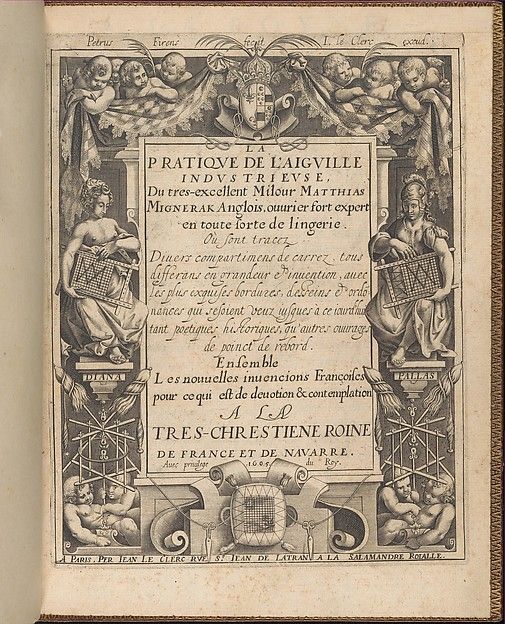 La Pratique de l'Aiguille
1605 · The Metropolitan Museum of Art
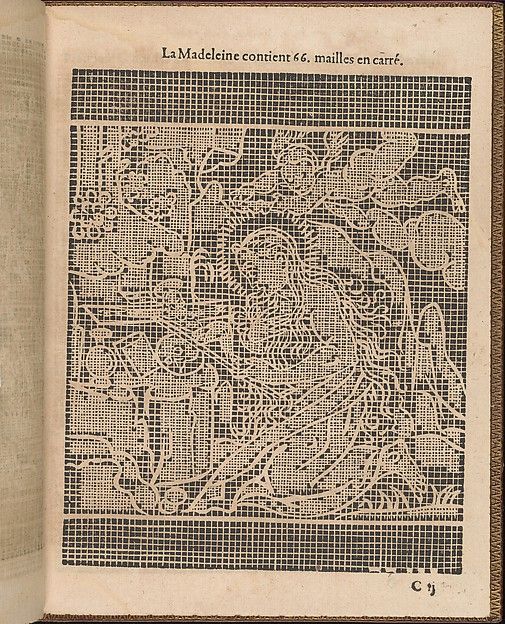 La Pratique de l'Aiguille, page 10 (recto)
1605 · The Metropolitan Museum of Art
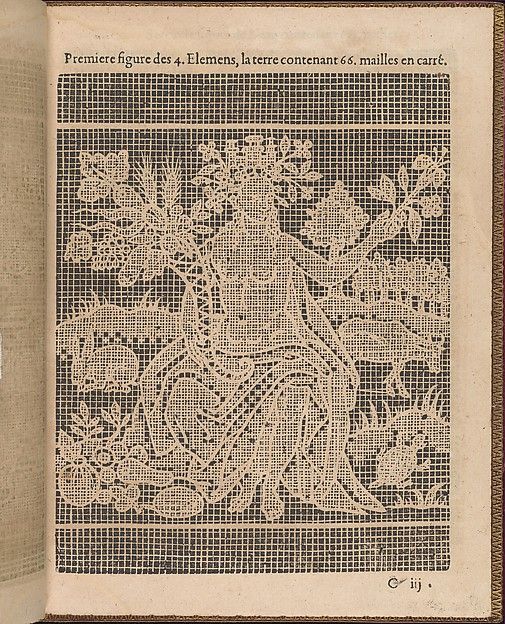 La Pratique de l'Aiguille, page 11 (recto)
1605 · The Metropolitan Museum of Art
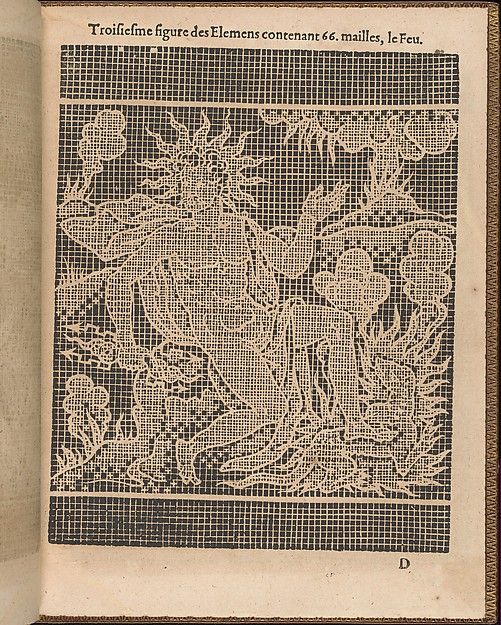 La Pratique de l'Aiguille, page 12 (recto)
1605 · The Metropolitan Museum of Art
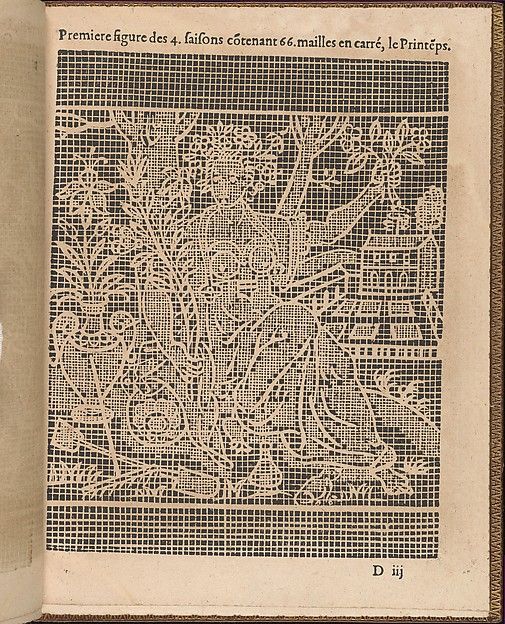 La Pratique de l'Aiguille, page 14 (recto)
1605 · The Metropolitan Museum of Art
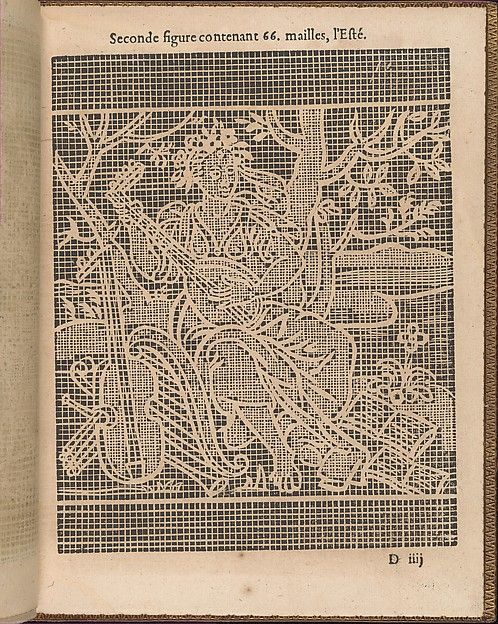 La Pratique de l'Aiguille, page 15 (recto)
1605 · The Metropolitan Museum of Art
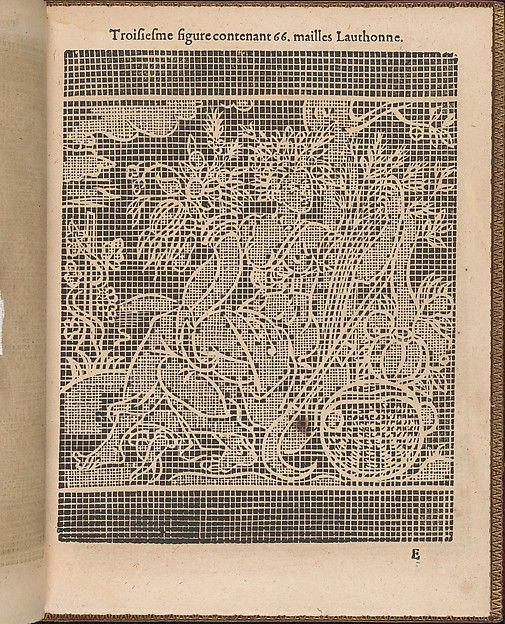 La Pratique de l'Aiguille, page 16 (recto)
1605 · The Metropolitan Museum of Art
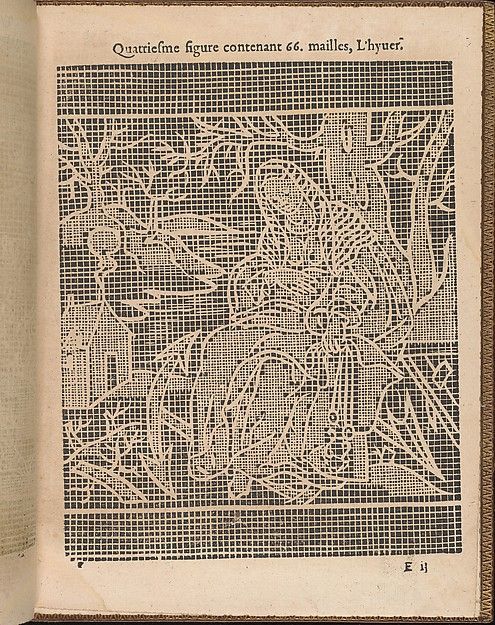 La Pratique de l'Aiguille, page 17 (recto)
1605 · The Metropolitan Museum of Art
Beyond Mignerak: works from the same years.
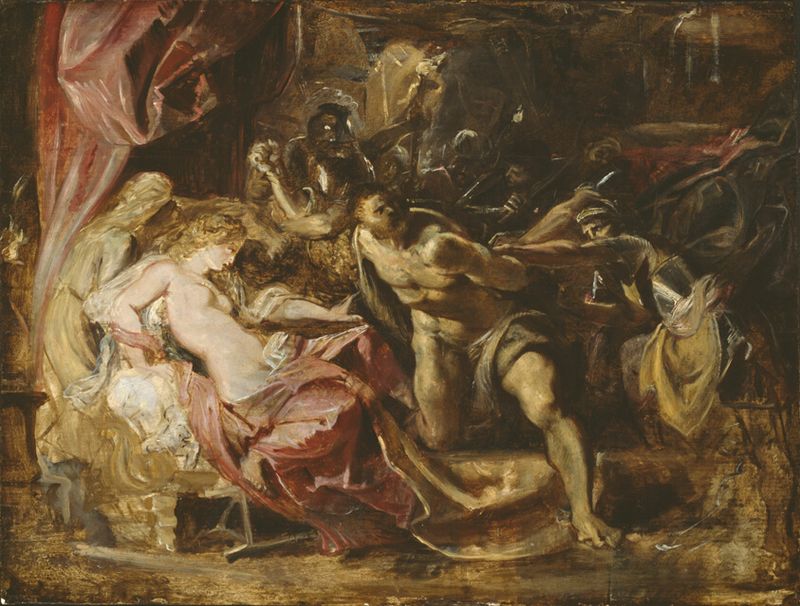 Same era · 1590s–1620s
The Capture of Samson
Peter Paul Rubens · 1609 · Art Institute of Chicago
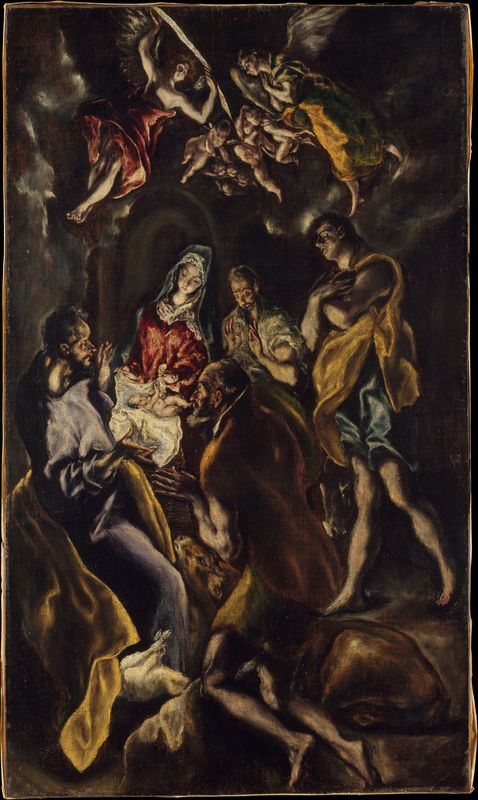 Same era · 1590s–1620s
The Adoration of the Shepherds
El Greco · 1610
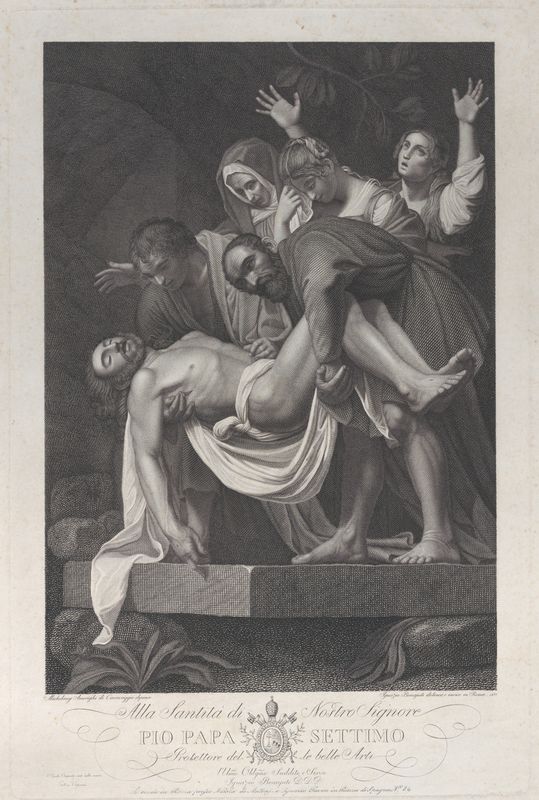 Same era · 1590s–1620s
The Entombment of Christ
Caravaggio · 1600 · Pinacoteca Vaticana
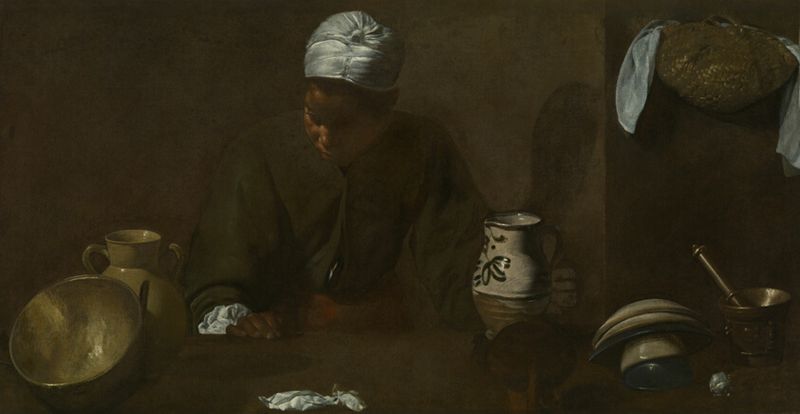 Same era · 1590s–1620s
Kitchen Scene
Diego Velázquez · 1618 · Art Institute of Chicago
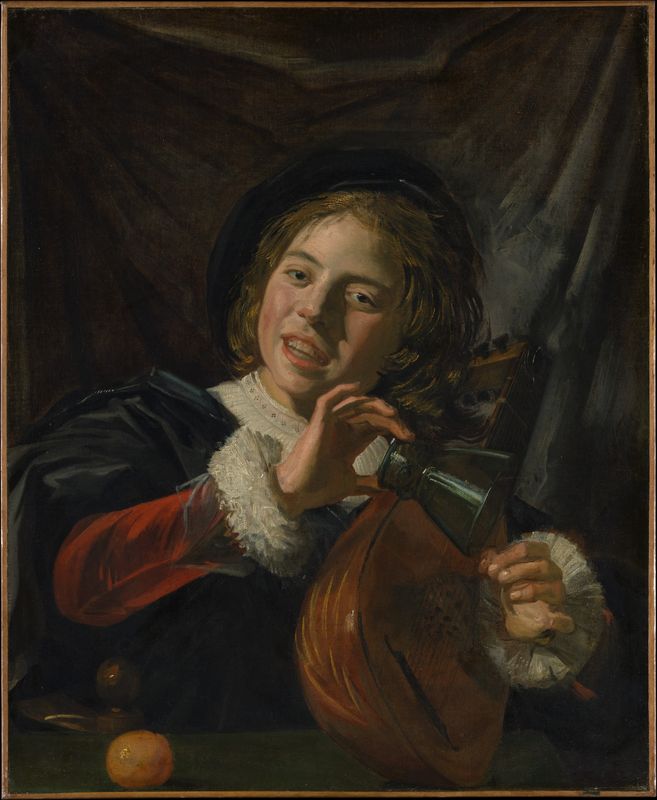 Same era · 1590s–1620s
Boy with a Lute
Frans Hals · 1620 · The Metropolitan Museum of Art
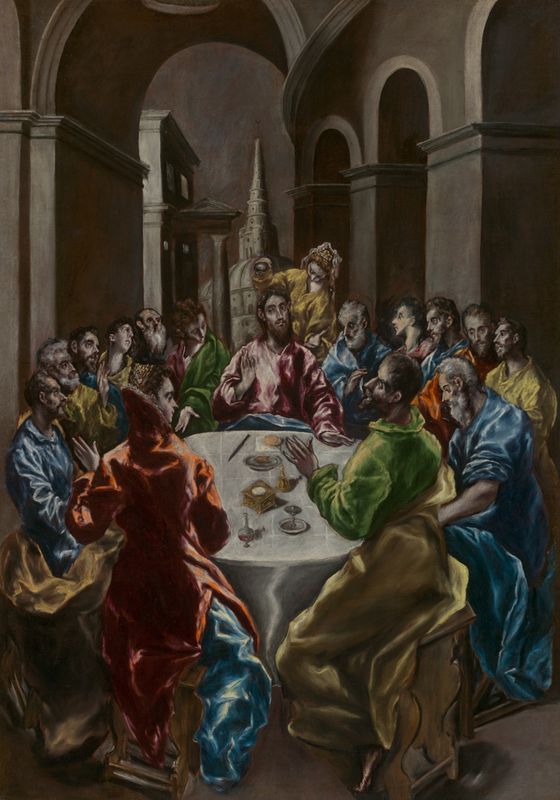 Same era · 1590s–1620s
The Feast in the House of Simon
El Greco (Doménikos Theotokópoulos) and workshop · 1608 · Art Institute of Chicago
 Same era · 1590s–1620s
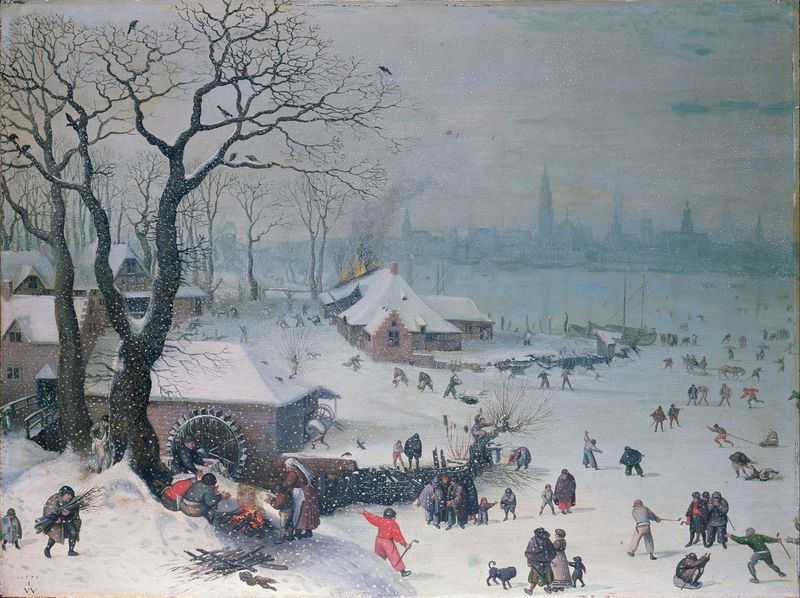
Winter Landscape with Snowfall near Antwerp
Jan Brueghel the Elder · 1610
 Same era · 1590s–1620s
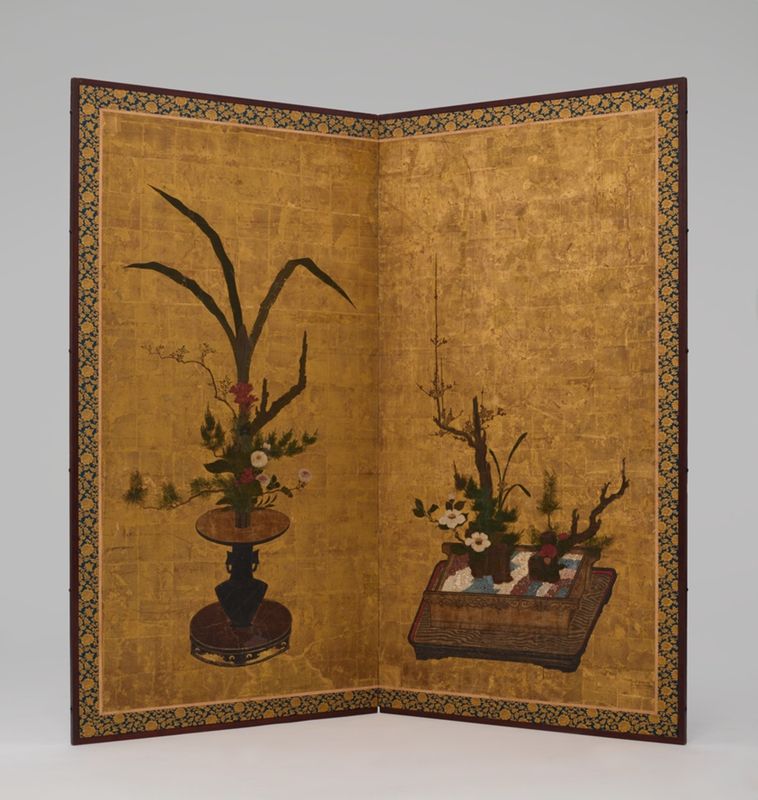
Flower Arrangements
Artist Unknown - The Mercat Cross, Aberdeen · 1595 · Art Institute of Chicago
 Same era · 1590s–1620s
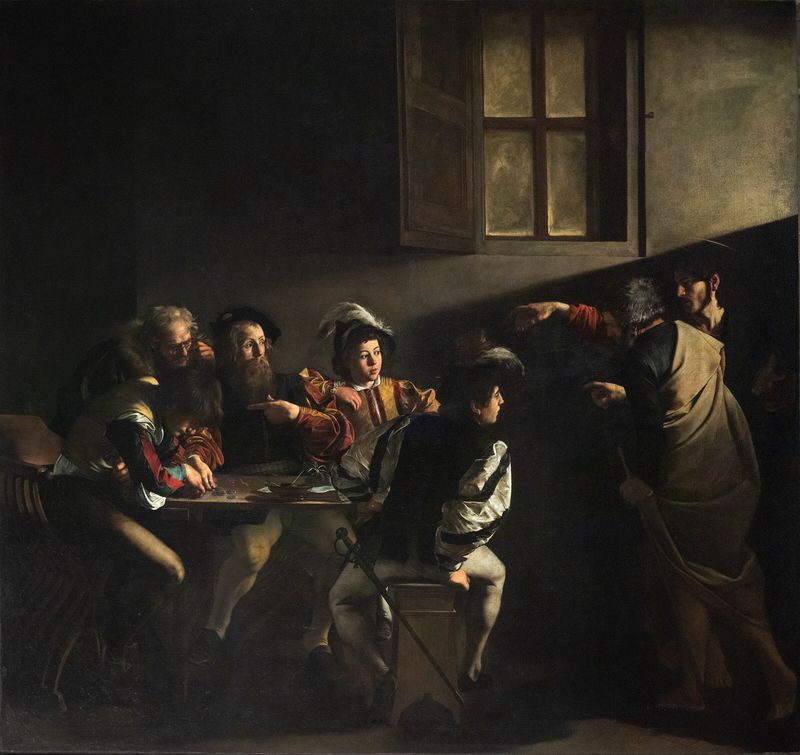
The Calling of Saint Matthew
Hendrick ter Brugghen · 1609 · Museum of Fine Arts, Budapest
 Same era · 1590s–1620s
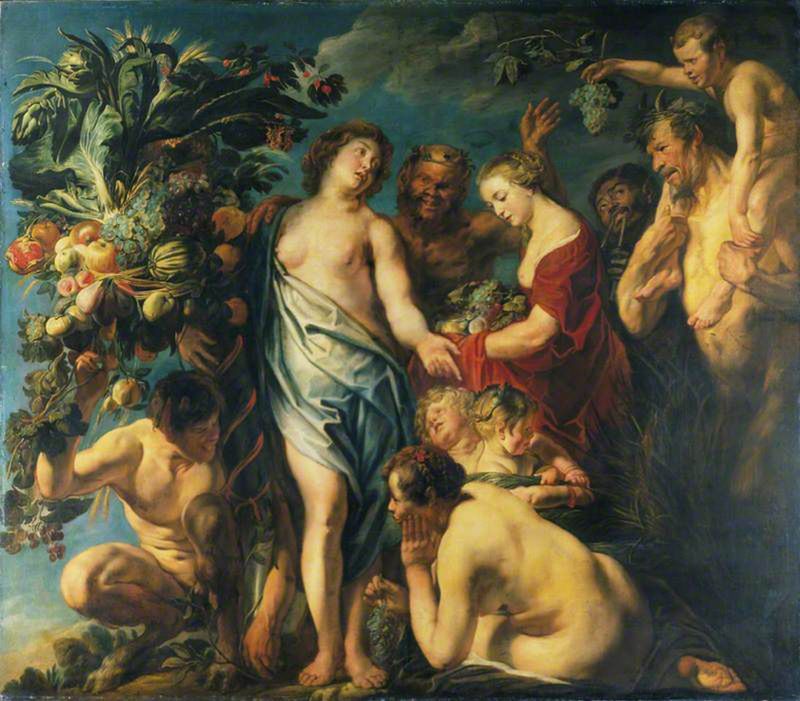
An Allegory of Fruitfulness
Jacob Jordaens · 1620 · Wallace Collection
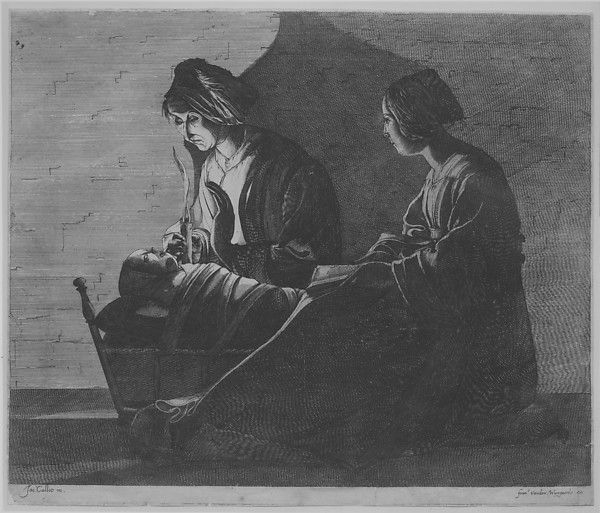 Same era · 1590s–1620s
The Virgin and Child with Saint Anne
Georges de La Tour · 1600 · The Metropolitan Museum of Art
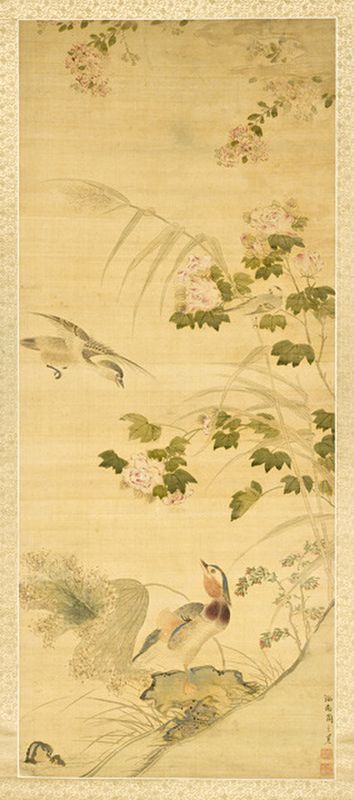 Same era · 1590s–1620s
Flowers and Birds
Zhou Zhimian · 1595 · Los Angeles County Museum of Art
