
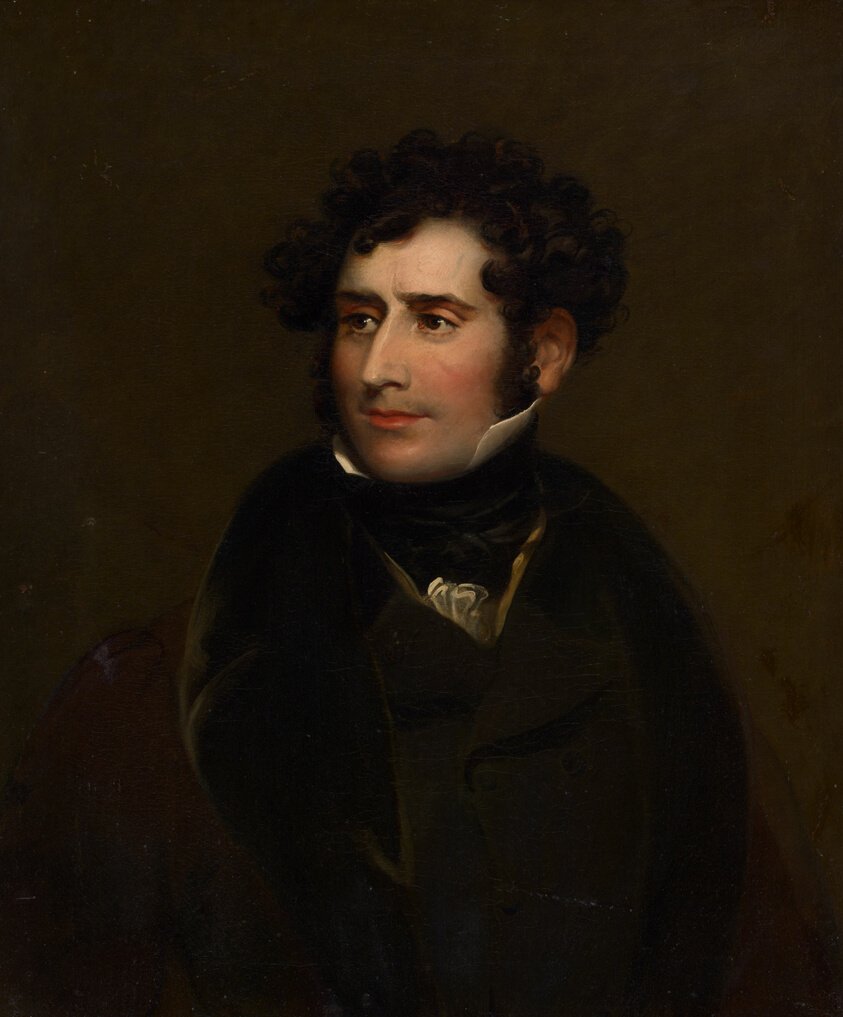
“Stop and observe the captivating intensity of actor James William Wallack in this 1835 portrait. It captures the very essence of theatrical presence, inviting you to imagine the drama unfolding before him.”
In this engaging portrait, the actor James William Wallack commands attention, leaning forward with an intensity that suggests a dramatic moment on stage. He’s depicted with a dark, almost brooding gaze, his mouth slightly open as if about to deliver a line or react to an unseen cue. The artist, Charles Robert Leslie, captures Wallack not in a specific role, but in a heightened state of theatrical presence, allowing the viewer to imagine the drama unfolding. The rich, dark tones of his coat and the subtle highlights on his face and cravat draw the eye directly to his expressive features, emphasizing the psychological depth of the performance. Painted in 1835, this work reflects the era’s fascination with celebrated performers, offering a glimpse into the charismatic power of a stage star.
- Artist
- Charles Robert Leslie
- Date
- 1835
- Medium
- Oil on canvas
- Location
- Art Institute of Chicago
- Dimensions
- 76.8 × 64 cm (30 1/4 × 25 3/16 in.)
- Collection
- Arts of the Americas
- Culture
- United States
- Credit line
- Friends of American Art Collection; Goodman Fund
What to Notice
Four details hide in plain sight. Here’s where to look.
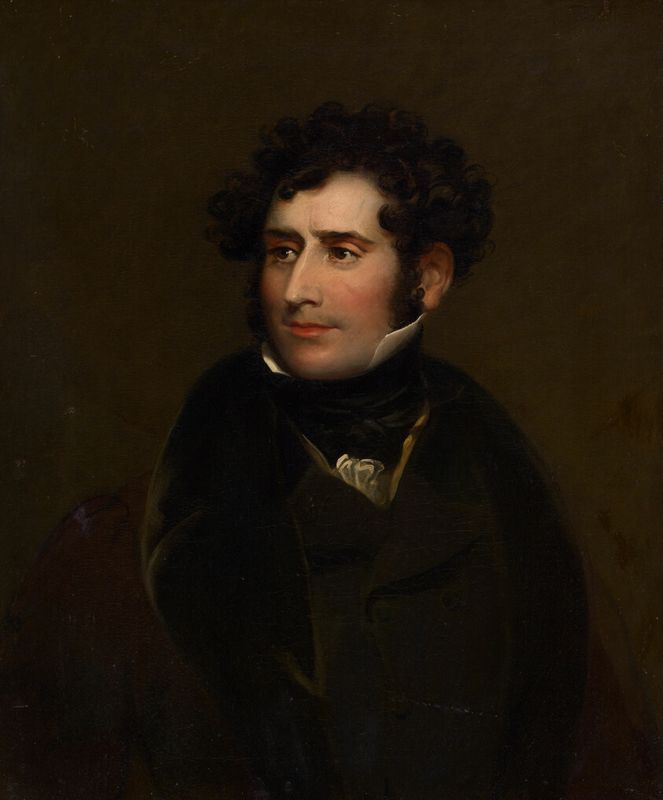
Wallack's intense gaze, fixed on something beyond the frame.
The subtle sheen on his black coat, indicating fine fabric.
The crisp white of his cravat, contrasting with the dark attire.
The way his left hand rests lightly, yet purposefully, on his lap.
Stand in front of it and listen
The full narration walks you through James William Wallack — the story behind it, the details most visitors miss, and why it matters. Free in the Art Whisper app.
Charles Robert Leslie
Charles Robert Leslie, an American genre painter, was celebrated for bringing literary scenes to life on canvas, from Shakespeare to Cervantes.
More works to explore
Beyond Leslie: works from the same years.
 Same era · 1820s–1850s
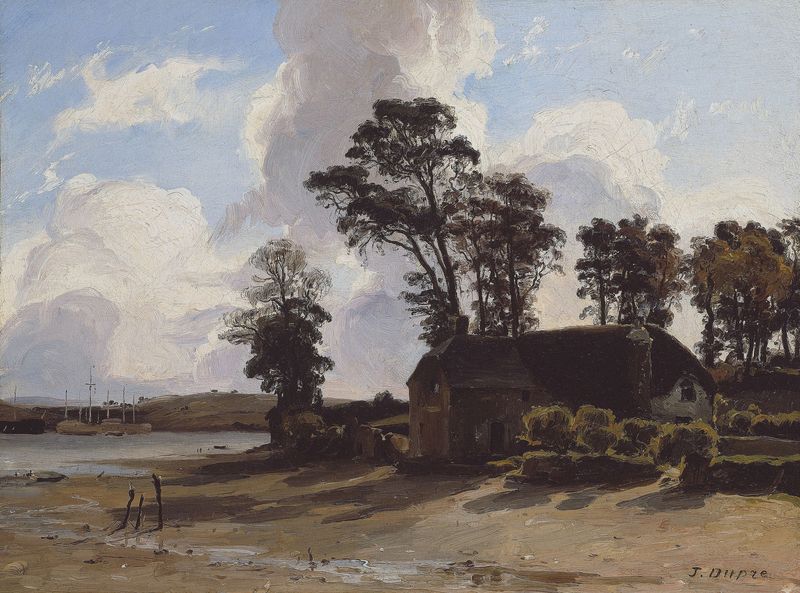
The Estuary Farm
Léon-Victor Dupré · 1831 · Art Institute of Chicago
 Same era · 1820s–1850s
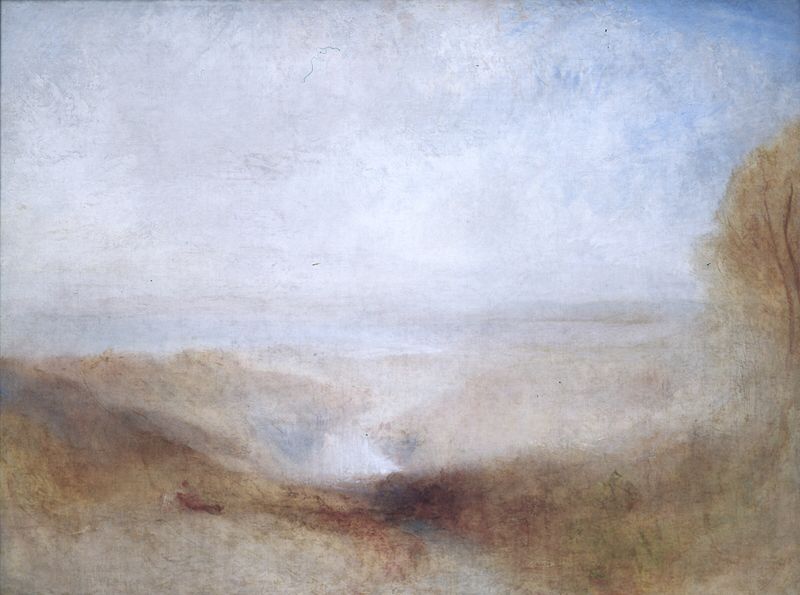
Landscape with a river and a bay in the background
J. M. W. Turner · 1835 · Department of Paintings of the Louvre
 Same era · 1820s–1850s
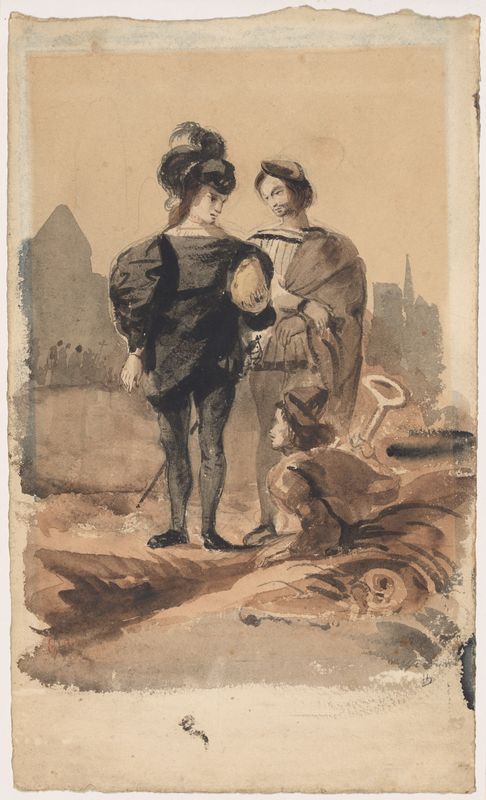
Hamlet and Horatio in the Graveyard
Eugène Delacroix · 1839 · Department of Paintings of the Louvre
 Same era · 1820s–1850s
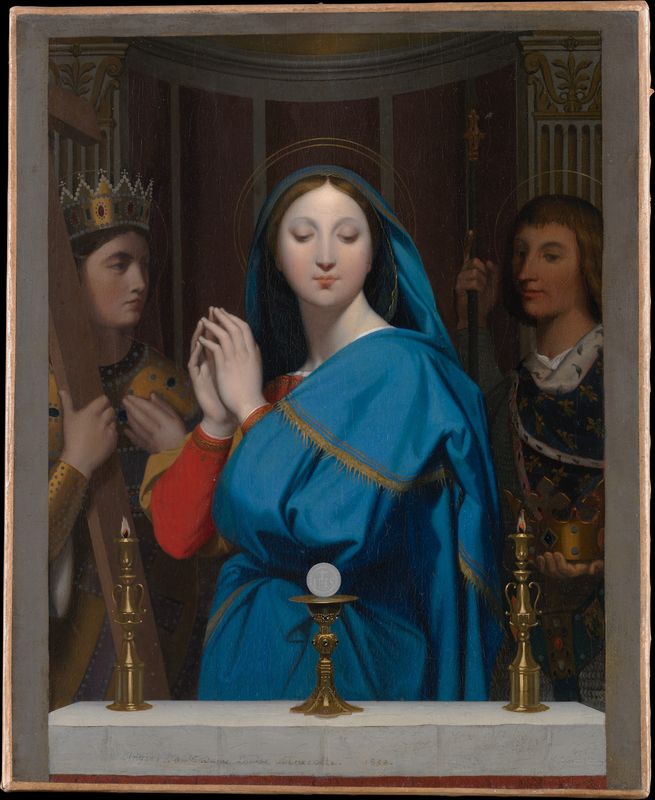
The Virgin Adoring the Host
Jean-Auguste-Dominique Ingres · 1841 · Pushkin Museum of Fine Arts
 Same era · 1820s–1850s
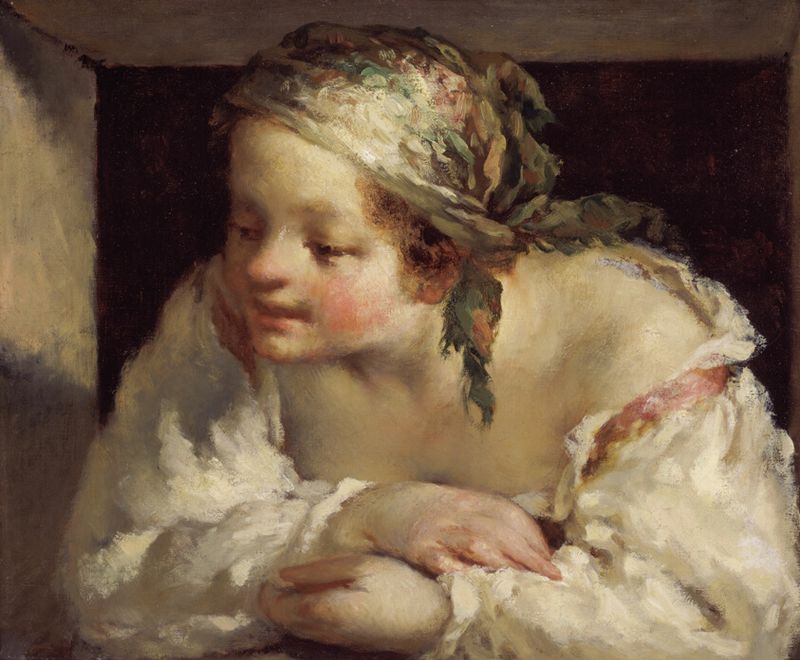
Young Woman
Jean-François Millet · 1844 · Art Institute of Chicago
 Same era · 1820s–1850s
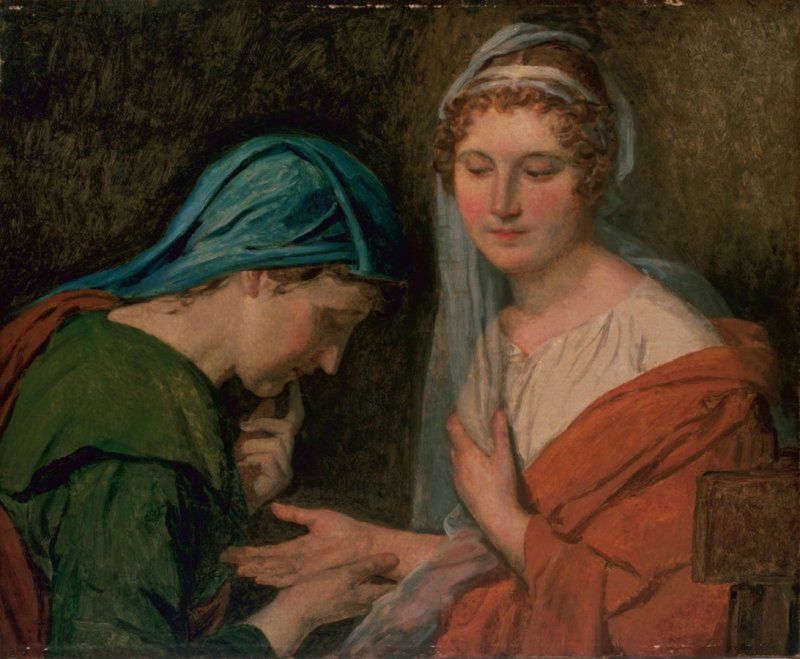
The Fortune Teller (La Bonne Aventure)
Jacques-Louis David · 1824 · Fine Arts Museums of San Francisco
 Same era · 1820s–1850s
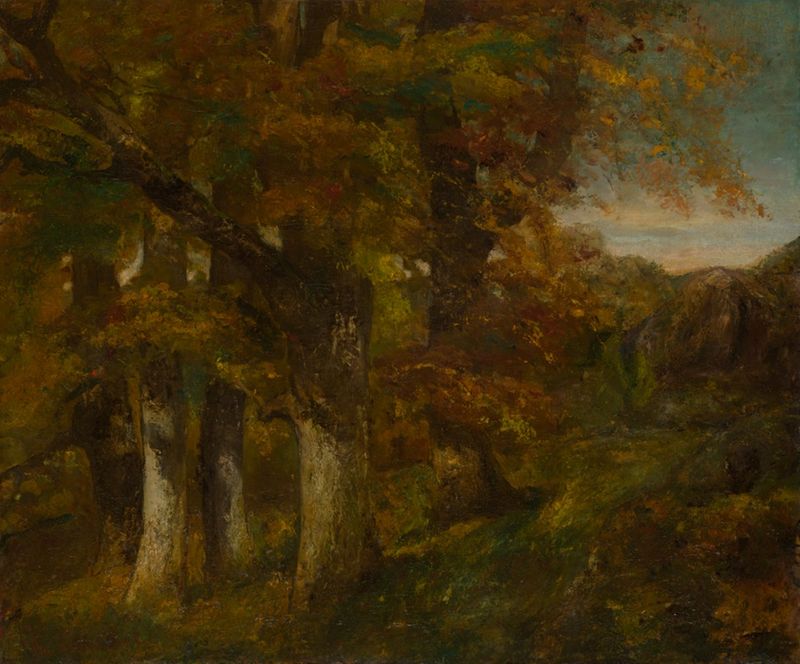
Wooded Landscape
Gustave Courbet · 1848 · Art Institute of Chicago
 Same era · 1820s–1850s
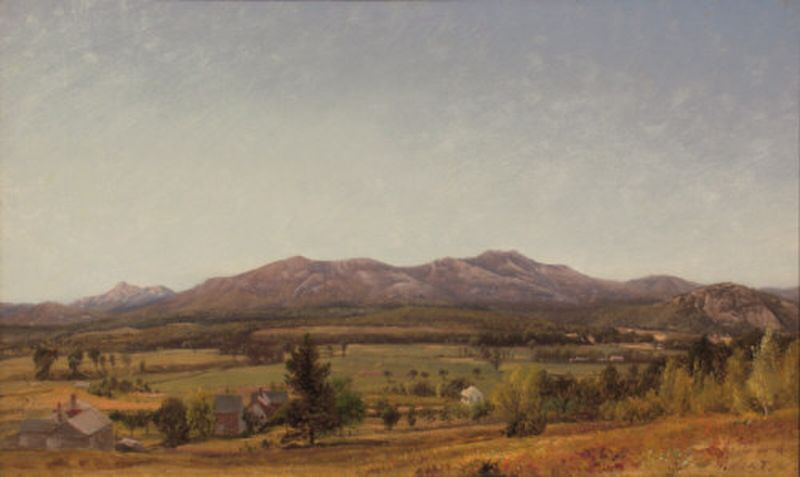
Mount Chocorua and Moat Mountain from North Conway
William Hart · 1850
 Same era · 1820s–1850s
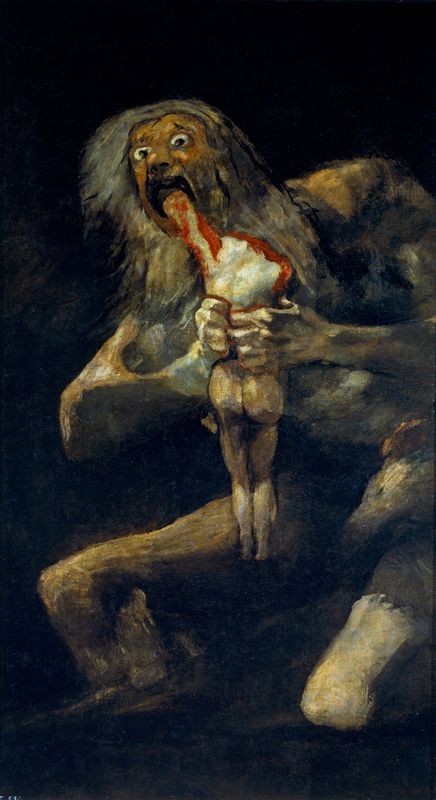
Saturn Devouring His Son
Francisco Goya · 1820 · Museo del Prado
 Same era · 1820s–1850s
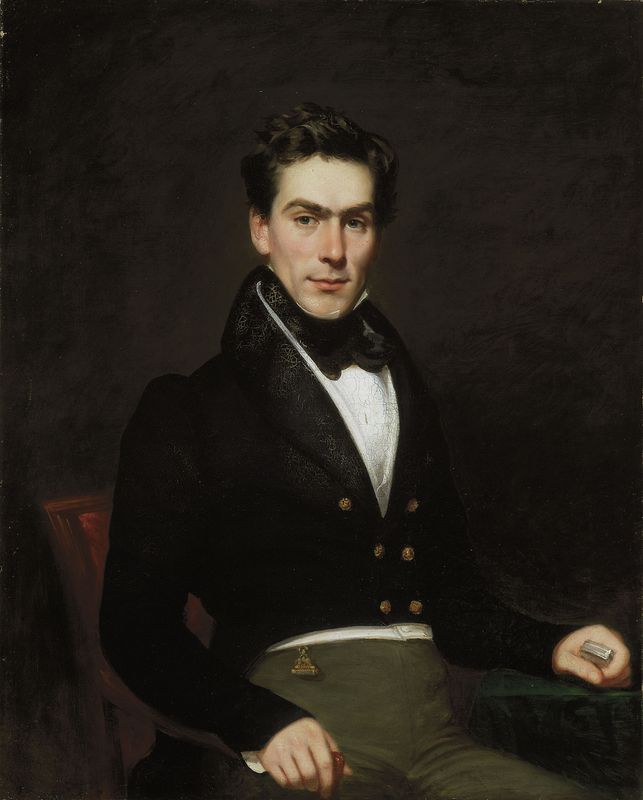
Mr. James Mackie
Samuel Alcock & Company · 1830 · Art Institute of Chicago
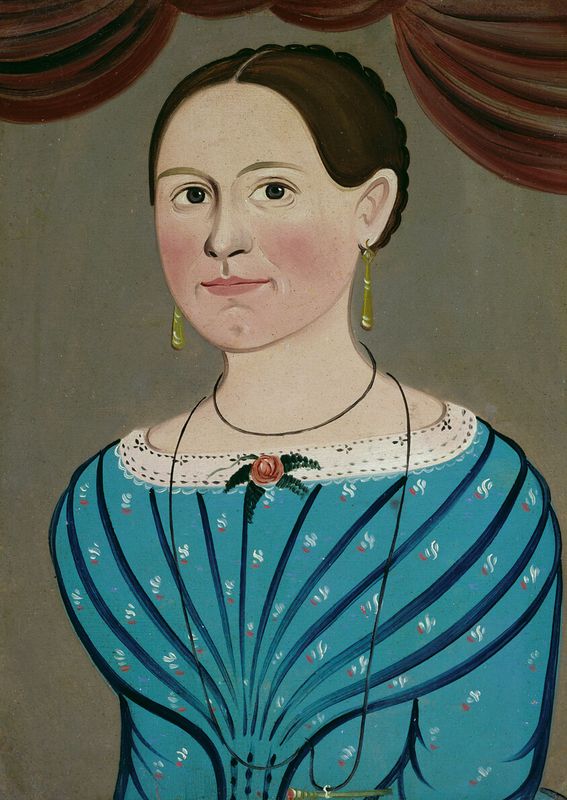 Same era · 1820s–1850s
Woman in a Blue Dress
School of William Matthew Prior · 1840 · Art Institute of Chicago
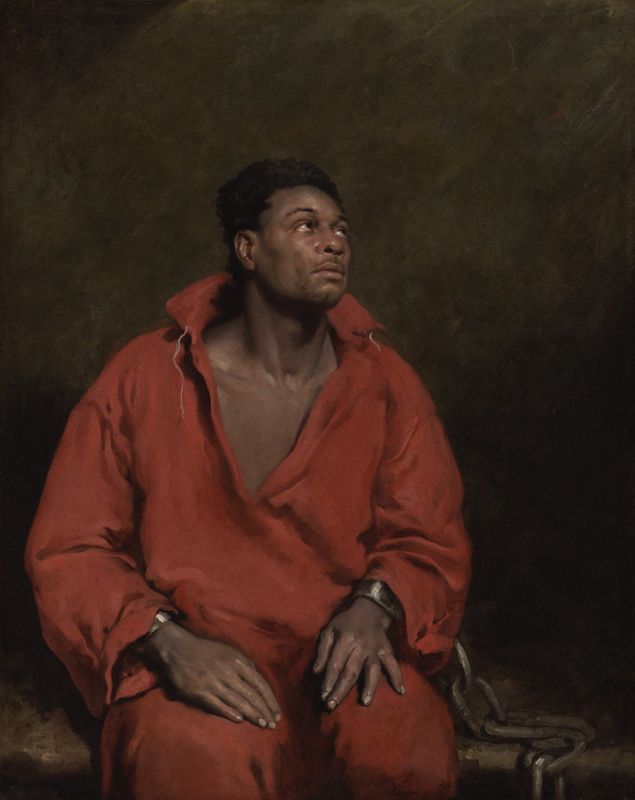 Same era · 1820s–1850s
The Captive Slave (Ira Aldridge)
John Philip Simpson · 1827 · Art Institute of Chicago