
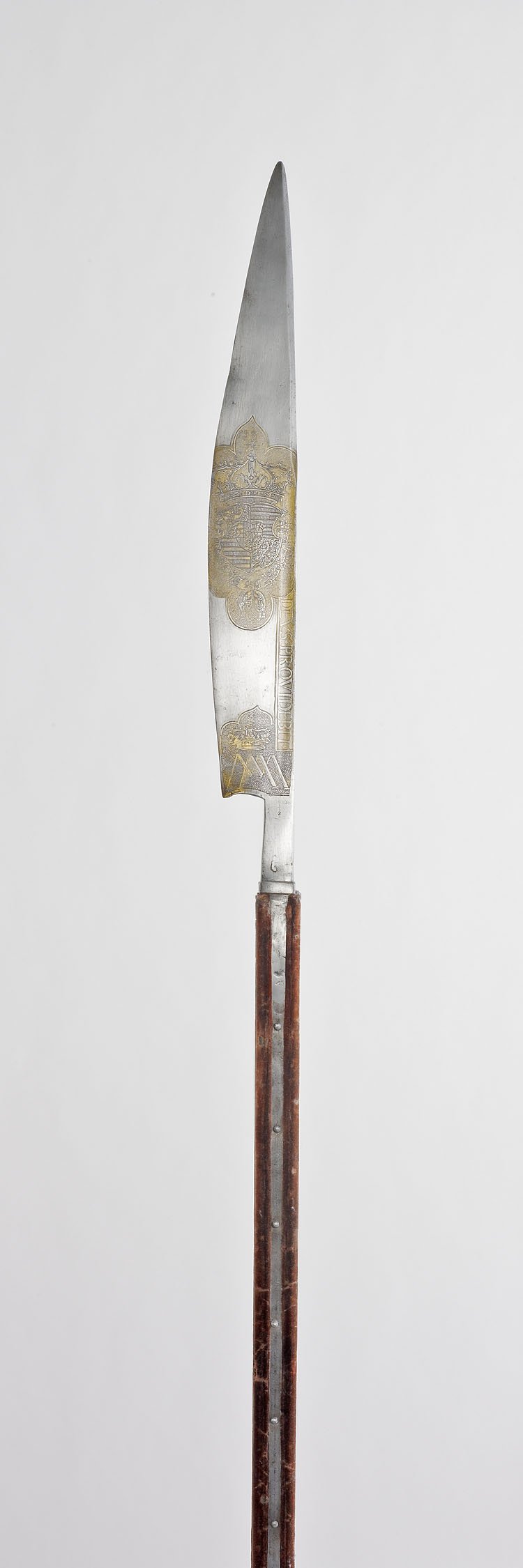
“Stop to admire this glaive, a stunning example of a ceremonial weapon from the mid-16th century. It’s not just a blade, but a gilded symbol of power and luxury, crafted for a king’s bodyguard.”
This glaive, a ceremonial pole arm, was crafted for the bodyguard of Maximilian II, who would become Emperor of the Holy Roman Empire. More than just a weapon, it's a statement piece, showcasing the intricate artistry and wealth associated with royalty in the mid-16th century. While such weapons were once vital in battle, by this era, firearms had begun to diminish their military importance. This shift meant that pole arms like this one were increasingly reserved for parades, sporting contests, and the ceremonial duties of princely guards. Its elaborate embellishments, including gilding and the use of velvet, highlight its role in projecting power and prestige rather than solely for combat. The blade itself would have offered a perfect canvas for displaying coats of arms or other regal decorations, signaling the status of its owner.
- Artist
- Maximilian Pirner
- Medium
- Steel, iron, gilding, oak and silk textile (velvet)
- Location
- Art Institute of Chicago
- Dimensions
- Blade with socket L. 65.4 cm (25 3/4 in.) Wt. 5 lb. 13 oz.
- Collection
- Applied Arts of Europe
- Culture
- Austria
- Credit line
- George F. Harding Collection
What to Notice
Five details hide in plain sight. Here’s where to look.
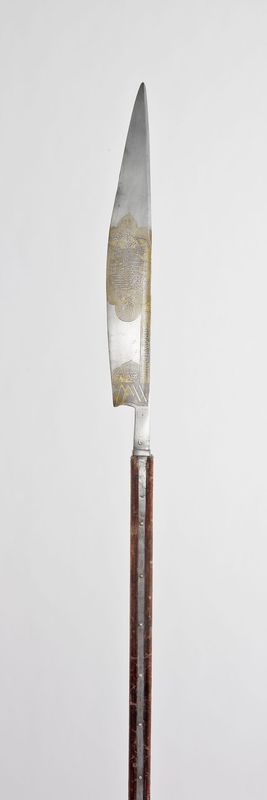
The intricate gilding on the steel blade, indicating its ceremonial purpose.
The rich velvet textile on the handle, a luxurious material for a royal guard.
The sharp, pointed tip of the blade, despite its decorative nature.
The robust oak shaft, providing a sturdy foundation for the ornate head.
1 more detail is waiting.
See all 5 in Art Whisper →Stand in front of it and listen
The full narration walks you through Glaive for the Bodyguard of King of Hungry and Bohemia (Later Emperor) Maximilian II — the story behind it, the details most visitors miss, and why it matters. Free in the Art Whisper app.
Maximilian Pirner
1854–1924 · Austria–HungaryMaximilian Pirner, a Czech painter, explored classical mythology and the macabre, mastering a "sinuous line" while being a member of the Vienna Secession.
Further Works by Pirner
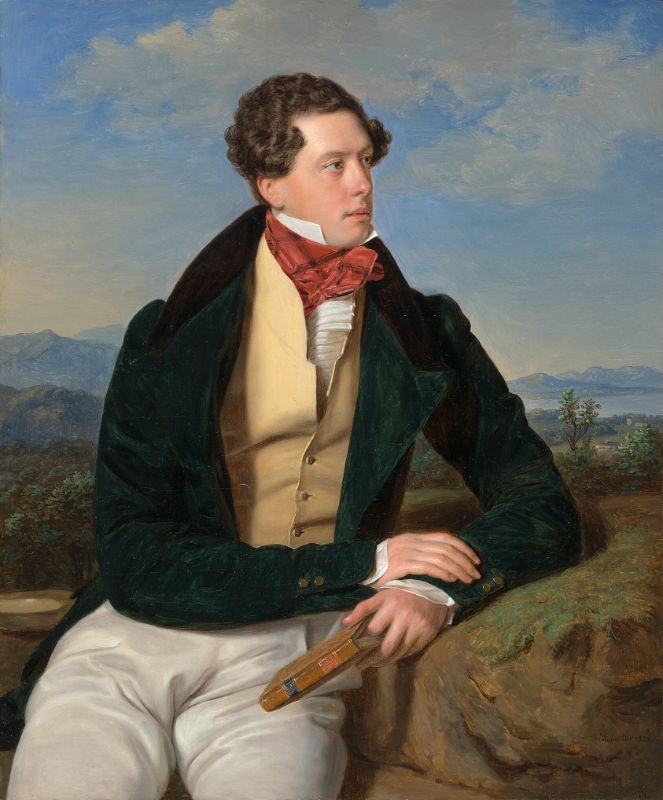 The Actor Maximilian Korn in a Landscape
Art Institute of Chicago
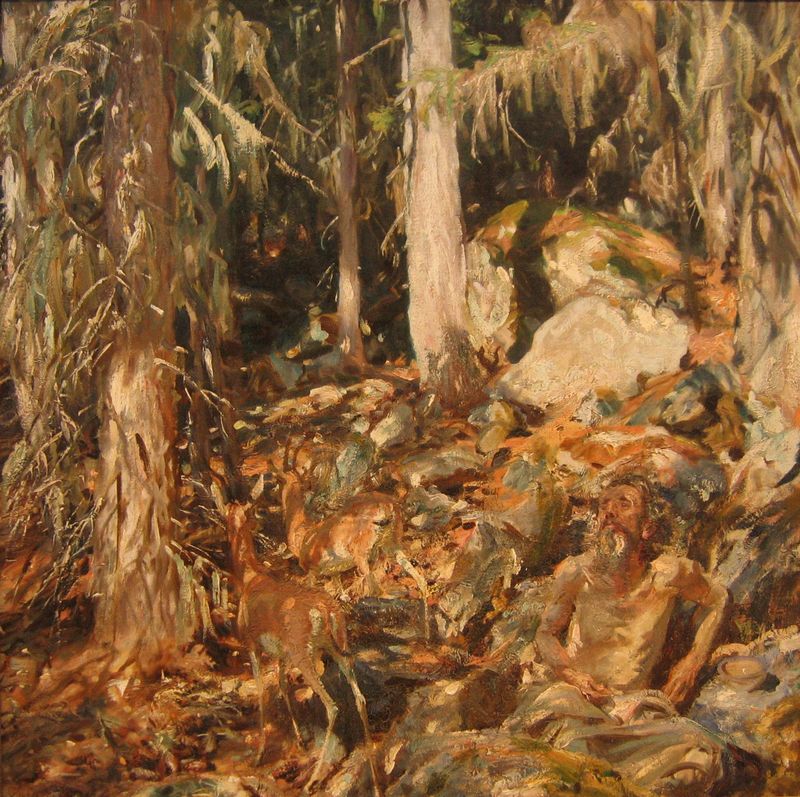 The Hermit (Poustevník)
1878
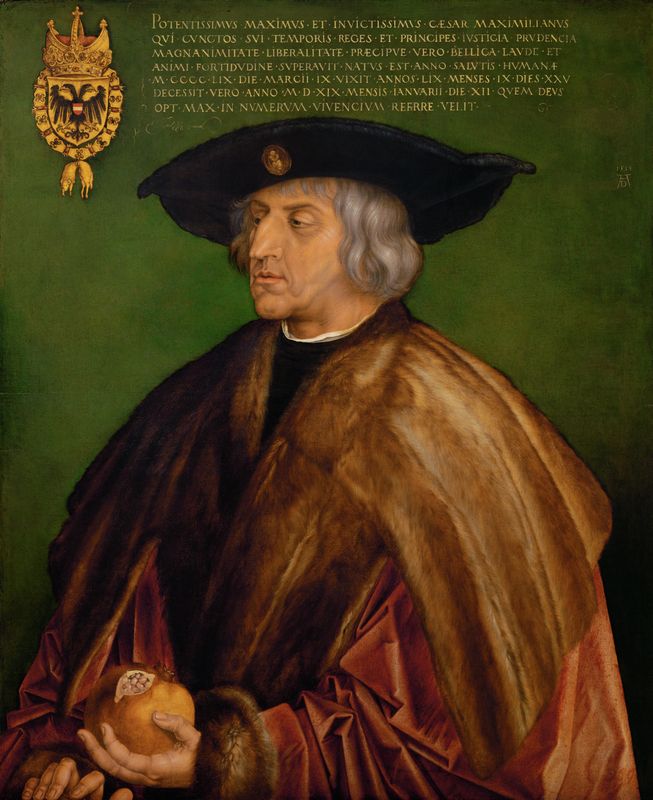 Emperor Maximilian I
Art Institute of Chicago
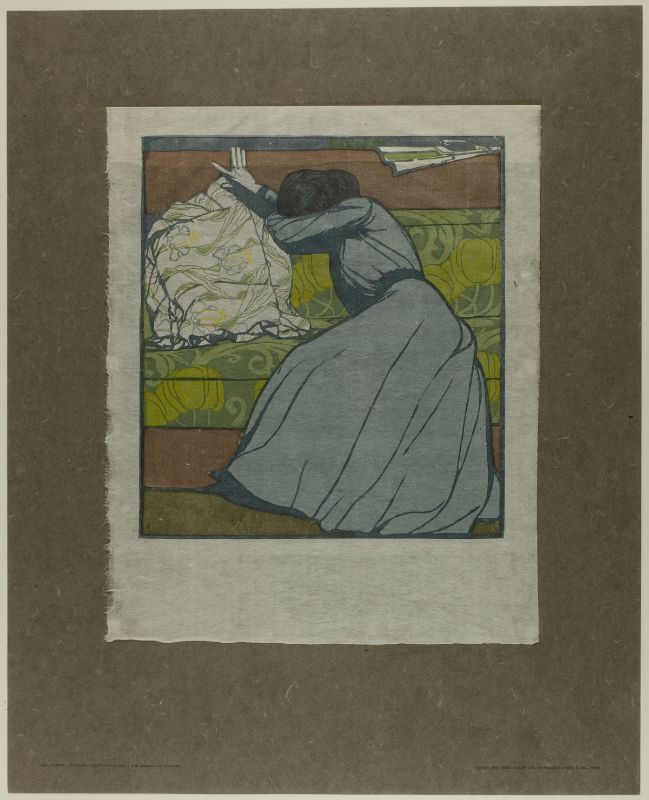 The Pillow
1903 · Art Institute of Chicago
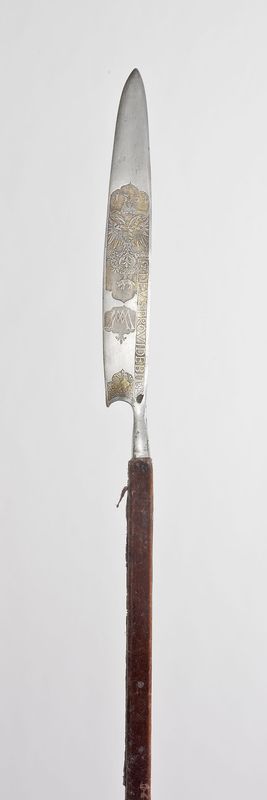 Glaive for the Bodyguard of Emperor Maximilian II
Art Institute of Chicago
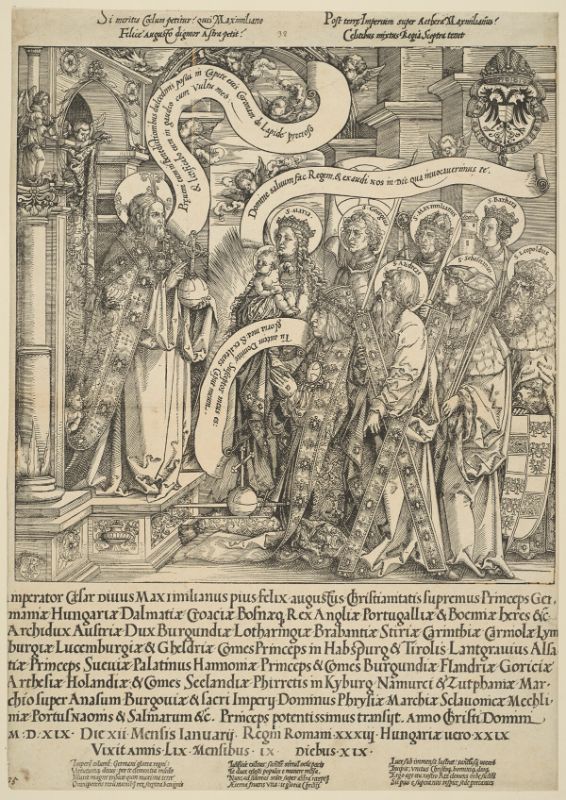 The Emperor Maximilian Presented to Christ by His Patron Saints
Art Institute of Chicago
 The Marriage of Maximilian of Austria with Mary of Burgundy
Art Institute of Chicago
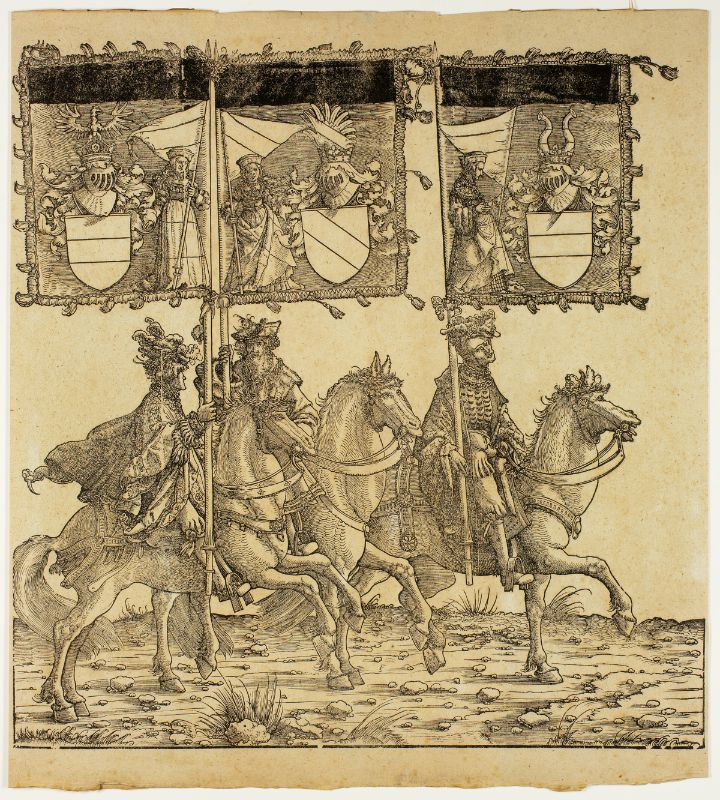 Triumph of Maximilian
Art Institute of Chicago