
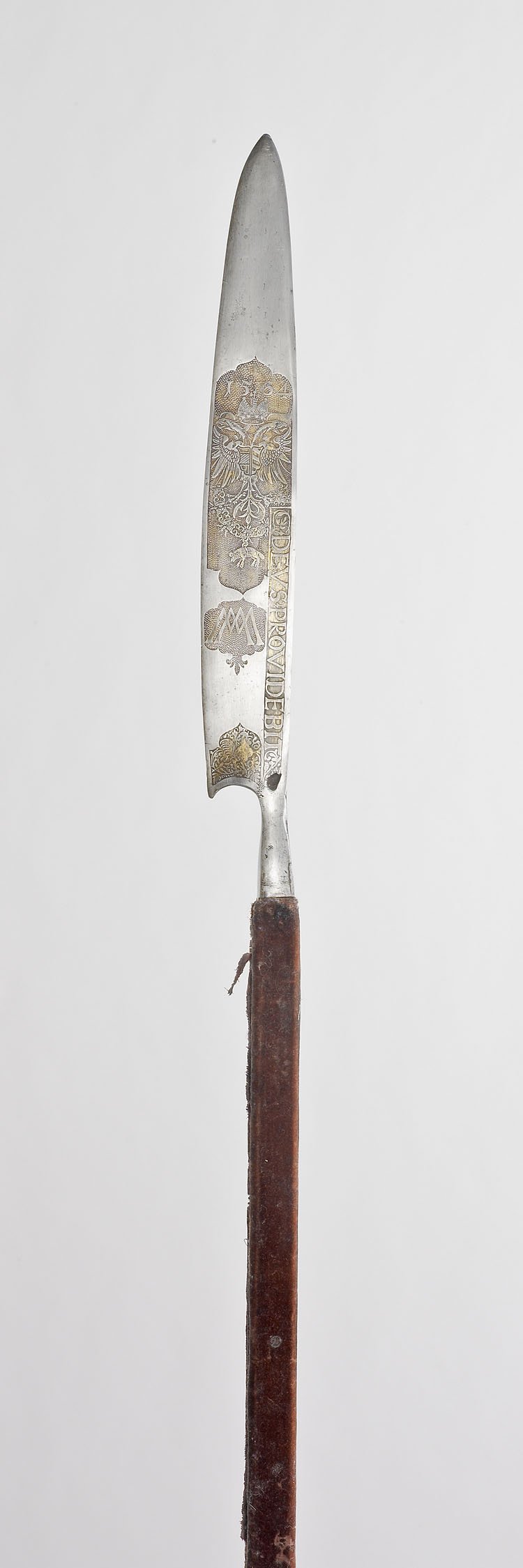
“Stop to admire this elaborately decorated glaive, a ceremonial weapon made for Emperor Maximilian II's bodyguard. It's a luxurious example of how arms became symbols of power and prestige in 16th-century courts.”
This imposing glaive, a type of pole arm, was crafted for the bodyguard of Emperor Maximilian II in 1564. More than just a weapon, it's a testament to the ceremonial grandeur of the Habsburg court. By the mid-16th century, as firearms became more prevalent in warfare, elaborate pole arms like this one transitioned from battlefields to parade grounds, serving as symbols of status and authority for princely guards. The blade, with its distinctive shape, offered a perfect canvas for rich embellishment, reflecting the prestige of its owner and the emperor it protected. Its combination of steel, iron, gilding, oak, and silk velvet speaks to the luxurious materials and skilled craftsmanship invested in objects of imperial display.
- Artist
- Maximilian Pirner
- Medium
- Steel, iron, gilding, oak, and silk textile (velvet)
- Location
- Art Institute of Chicago
- Dimensions
- H.: 215.9 cm (85 in.); Blade with socket: H.: 62.6 cm (24 5/8 in.)
- Collection
- Applied Arts of Europe
- Culture
- Austria
- Credit line
- George F. Harding Collection
What to Notice
Four details hide in plain sight. Here’s where to look.
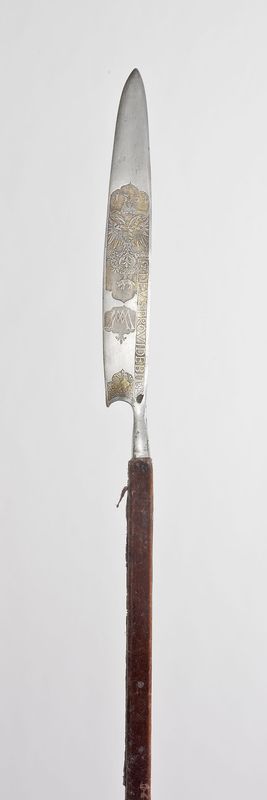
Observe the intricate gilding on the blade, highlighting decorative motifs.
Notice the rich red silk velvet that still adorns the oak shaft.
Look closely at the detailed etching on the steel blade itself.
See how the blade's shape transitions into its socket, designed for a sturdy grip.
Stand in front of it and listen
The full narration walks you through Glaive for the Bodyguard of Emperor Maximilian II — the story behind it, the details most visitors miss, and why it matters. Free in the Art Whisper app.
Maximilian Pirner
1854–1924 · Austria–HungaryMaximilian Pirner, a Czech painter, explored classical mythology and the macabre, mastering a "sinuous line" while being a member of the Vienna Secession.
Further Works by Pirner
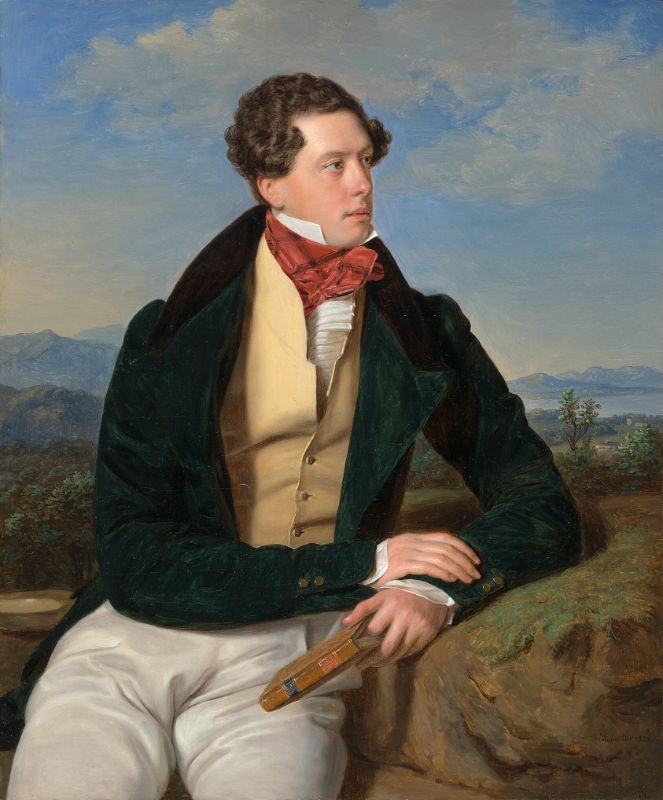 The Actor Maximilian Korn in a Landscape
Art Institute of Chicago
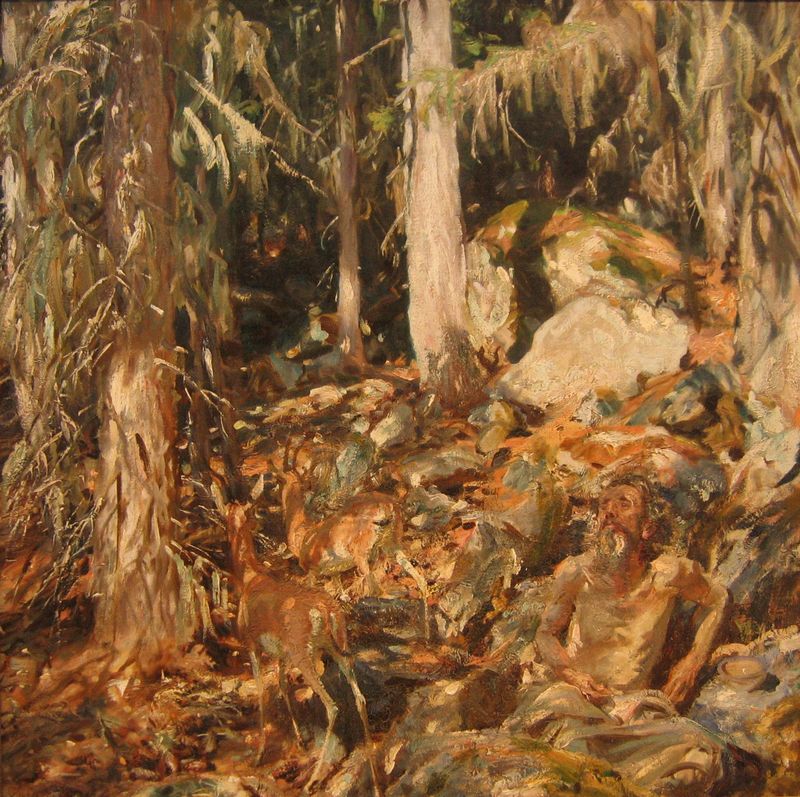 The Hermit (Poustevník)
1878
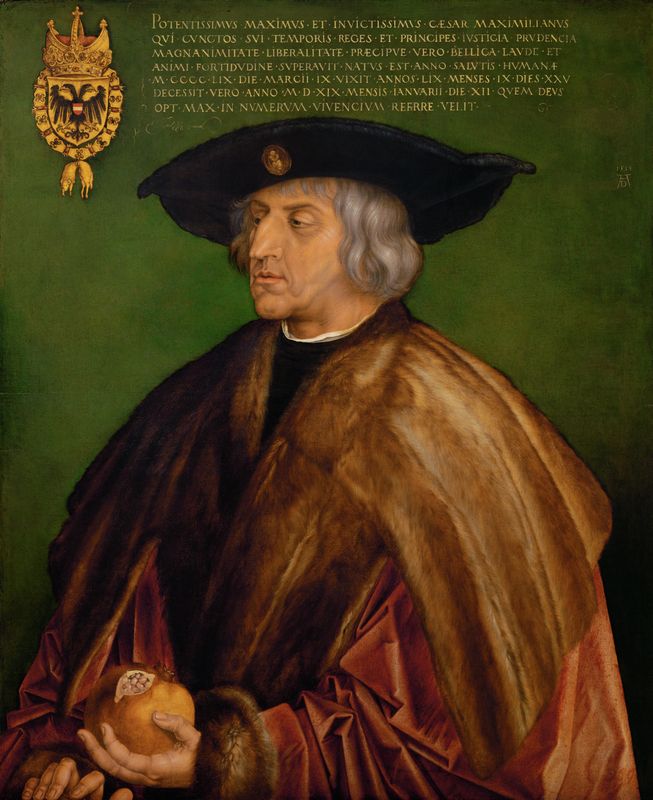 Emperor Maximilian I
Art Institute of Chicago
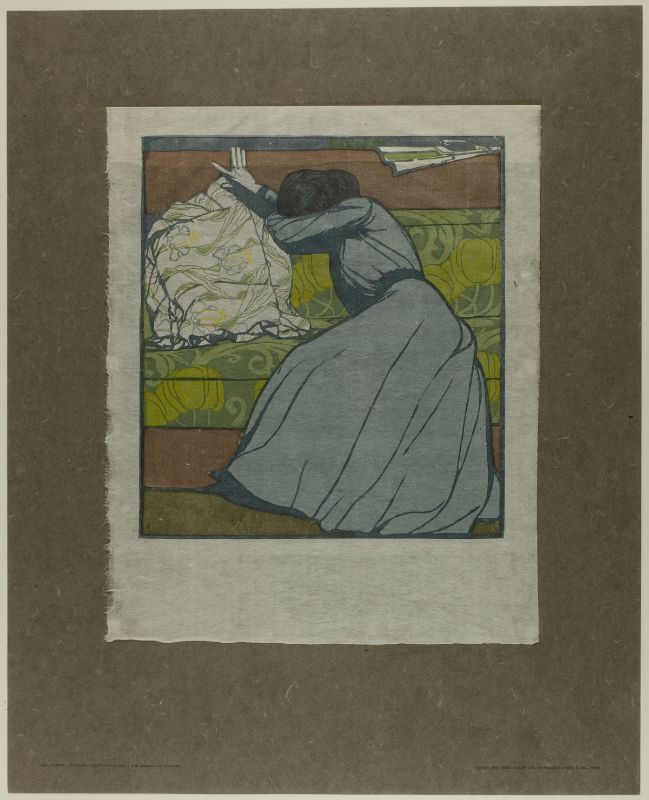 The Pillow
1903 · Art Institute of Chicago
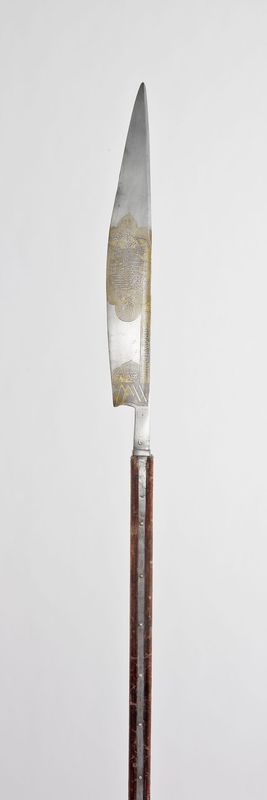 Glaive for the Bodyguard of King of Hungry and Bohemia (Later Emperor) Maximilian II
Art Institute of Chicago
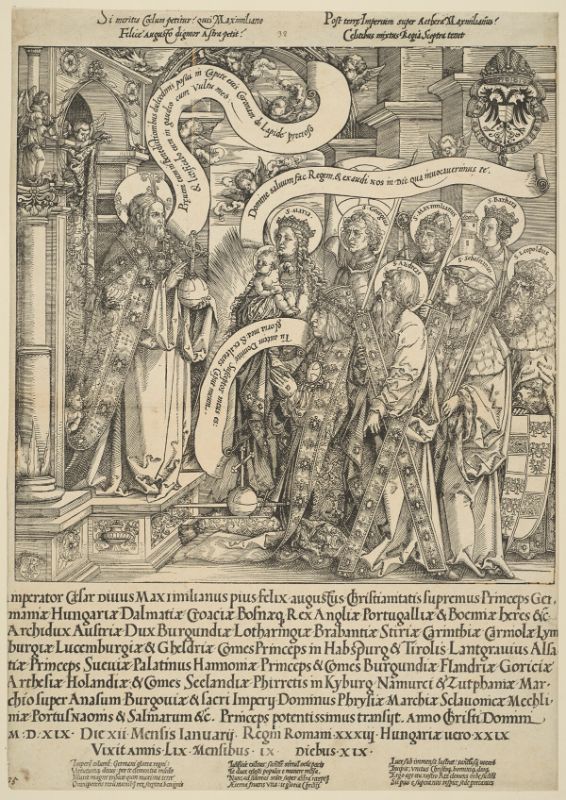 The Emperor Maximilian Presented to Christ by His Patron Saints
Art Institute of Chicago
 The Marriage of Maximilian of Austria with Mary of Burgundy
Art Institute of Chicago
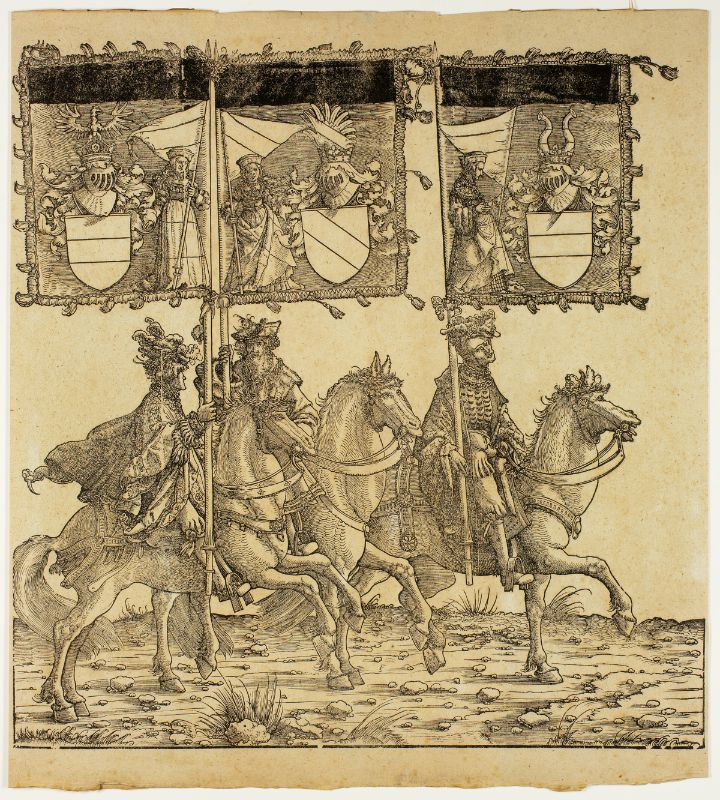 Triumph of Maximilian
Art Institute of Chicago