
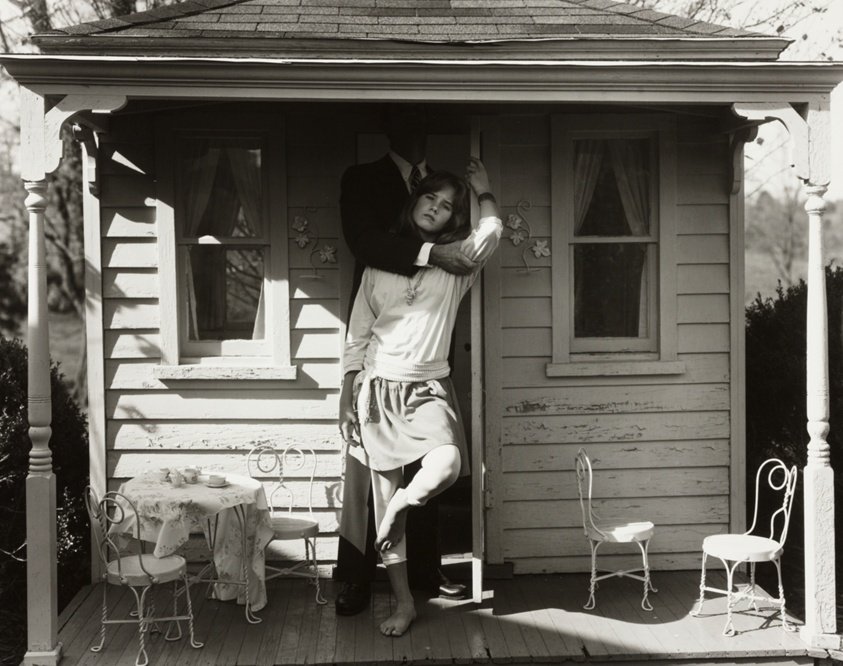
- Artist
- Sally Mann
- Date
- 1983
- Medium
- Gelatin silver print
- Location
- Art Institute of Chicago
- Dimensions
- Image: 19.3 × 24.5 cm (7 5/8 × 9 11/16 in.); Paper: 20.2 × 25.3 cm (8 × 10 in.)
Sally Mann
1951 · United StatesSally Mann (born Sally Turner Munger; May 1, 1951) is an American photographer known for making large format black and white photographs of people and places in her immediate surroundings: her children, husband, and rural landscapes, as well as self-portraits. == Early life and education == Born in Lexington, Virginia, Mann was the third of three children. Her father, Robert S. Munger, was a general practitioner, and her mother, Elizabeth Evans Munger, ran the bookstore at Washington and Lee University in Lexington. Mann was introduced to photography by her father, who encouraged her interest; his 5x7 camera became the basis of her use of large-format cameras today. Mann began to photograph when she was sixteen. Most of her photographs and writings are tied to Lexington, Virginia. Mann graduated from The Putney School in 1969, and attended Bennington College and Friends World College. She earned a BA summa cum laude from Hollins College (now Hollins University) in 1974 and an MA in creative writing in 1975. She took up photography at Putney where she has said her motive was to be alone in the darkroom with her boyfriend. Mann has never had any formal training in photography and she "never read[s] about photography". == Early career == After graduation from Hollins College, Mann worked as a photographer at Washington and Lee University. In the mid-1970s she photographed the construction of its new law school building, the Lewis Hall (now the Sydney Lewis Hall). These photographs were the basis of her first solo exhibition in late 1977 at the Corcoran Gallery of Art in Washington, DC. The Corcoran Gallery of Art published a catalogue of Mann's images titled "The Lewis Law Portfolio". Some of images had a surreal aspect; they were also included as part of her first book, Second Sight, published in 1984. While Mann explored a variety of genres as she was maturing in the 1970s, she truly found her trade with her book, At Twelve: Portraits of Young Women (Aperture, 1988). In 1995, she was featured in an issue of Aperture: "On Location with: Henri Cartier-Bresson, Graciela Iturbide, Barbara Kruger, Sally Mann, Andres Serrano, Clarissa Sligh" which was illustrated with photographs. === At Twelve: Portraits of Young Women === Her second collection, At Twelve: Portraits of Young Women, published in 1988, stimulated minor controversy. The images "captured the confusing emotions and developing identities of adolescent girls [and the] expressive printing style lent a dramatic and brooding mood to all of her images". In the preface to the book, author Ann Beattie wrote "when a girl is twelve years old, she often wants – or says she wants – less involvement with adults. … [It is] a time in which the girls yearn for freedom and adults feel their own grip on things becoming a little tenuous, as they realize that they have to let their children go." Beattie says that Mann's photographs do not "glamorize the world, but they don't make it into something more unpleasant than it is, either". The girls photographed in this series are shown "vulnerable in their youthfulness" but Mann focuses on the strength that the girls possess. Referring to "Untitled", an image from the book shown here, Mann says that the young girl was extremely reluctant to stand closer to her mother's boyfriend. Mann said that she thought it was strange because "it was their peculiar familiarity that had provoked this photograph in the first place". Mann did not want to crop out the girl's elbow but the girl refused to move in closer. According to Mann, several months later, the girl's mother shot her boyfriend in the face with a .22. In court the mother "testified that while she worked nights at a local truck stop he was ‘at home partying and harassing my daughter.'" Mann said "the child put it to me somewhat more directly". Mann says that she now looks at this photograph with "a jaggy chill of realization". === Immediate Family and controversy === Mann became widely known for Immediate Family, her third collection, first exhibited in 1990 by Edwynn Houk Gallery in New York City and published as a monograph in 1992. In a cover story for The New York Times Magazine, Richard B. Woodward wrote that "probably no photographer in history has enjoyed such a burst of success in the art world". The article detailed a federal prosecutor having informed Mann that “no fewer than eight pictures she had chosen for the traveling exhibition [“Immediate Family”] could subject her to arrest.” Immediate Family appeared at a time when politicians were cracking down on even the suspicion of child pornography to appeal to their constituents, forcing artists to justify their work and leading many to self-censor. According to writer Bruce Handy, the Christian right conflated naturalistic nudes of children by Mann and Jock Sturges with sexualized images by photographers such as David Hamilton. Mann considered these photographs to be "natural through the eyes of a mother since she has seen her children in every state: happy, sad, playful, sick, bloodied, angry and even naked". Deborah Chambers, in her work on family photo albums, reflects on their idyllic nature but also argues they rarely convey the actual experience of the family. Mann's work takes these idyllic photos meant for semi-private consumption and brings them to the public sphere. By working collaboratively with her children, Mann uses these idealized family photos to create a narrative from her children's perspectives. Critics agreed, saying her "vision in large measure [is] accurate and a welcome corrective to familiar notions of youth as a time of unalloyed sweetness and innocence". They said that the book "created a place that looked like Eden, then cast upon it the subdued and shifting light of nostalgia, sexuality, and death". When Time magazine named her "America's Best Photographer" in 2001, it wrote: Mann recorded a combination of spontaneous and carefully arranged moments of childhood repose and revealingly — sometimes unnervingly — imaginative play. What the outraged critics of her child nudes failed to grant was the patent devotion involved throughout the project and the delighted complicity of her son and daughters in so many of the solemn or playful events. No other collection of family photographs is remotely like it, in both its naked candor and the fervor of its maternal curiosity and care. Dr. Aaron Esman, a child psychiatrist at the Payne Whitney Clinic, believes that Mann is serious about her work and that she has "no intention to jeopardize her children or use them for pornographic images". He says that the nude photographs don't appear to be erotically stimulating to anyone but a "case-hardened pedophile or a rather dogmatic religious fundamentalist". Mann stated, "I didn't expect the controversy over the pictures of my children. I was just a mother photographing her children as they were growing up. I was exploring different subjects with them." == Later career == Mann's fourth book, Still Time, published in 1994, was based on the catalogue of a traveling exhibition that included more than 20 years of her photography. The 60 images included more photographs of her children but also earlier landscapes with color and abstract photographs. In the mid-1990s, Mann began photographing landscapes on wet plate collodion 8x10 inch glass negatives and used the same 100-year-old 8x10 format bellows view camera that she had used for all the previous bodies of work. These landscapes were first seen in Still Time, and later featured in two shows presented by the Edwynn Houk Gallery in NYC: Sally Mann – Mother Land: Recent Landscapes of Georgia and Virginia in 1997, and then in Deep South: Landscapes of Louisiana and Mississippi in 1999. Many of these large (40"x50") black-and-white and manipulated prints were taken using the 19th century "wet plate" process, or collodion, in which glass plates are coated with collodion, dipped in silver ni
More from Contemporary Art
More works to explore
Beyond Mann and Contemporary Art: works from the same years.
 Same era · 1960s–1990s
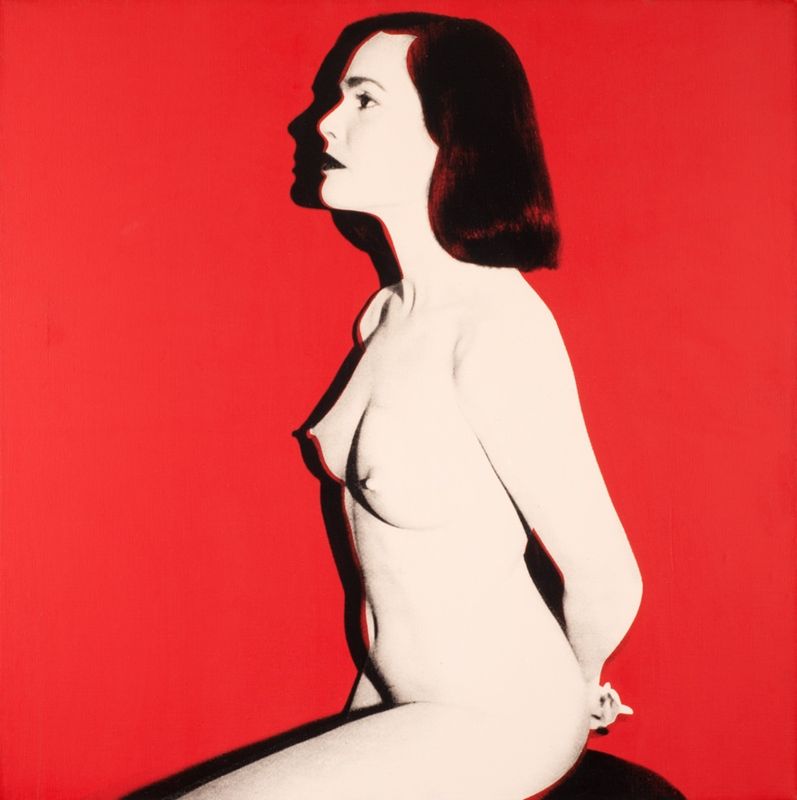
Pat Hearn
Andy Warhol · 1985 · Art Institute of Chicago
 Same era · 1960s–1990s
Unfinished painting
Keith Haring · 1989
 Same era · 1960s–1990s
Untitled (Portrait of Ross in L.A.)
Félix González-Torres · 1991
 Same era · 1960s–1990s
Artist's Studio "Foot Medication"
Roy Lichtenstein · 1974 · Art Institute of Chicago
 Same era · 1960s–1990s
Corpse and Mirror II
Jasper Johns · 1974 · Art Institute of Chicago
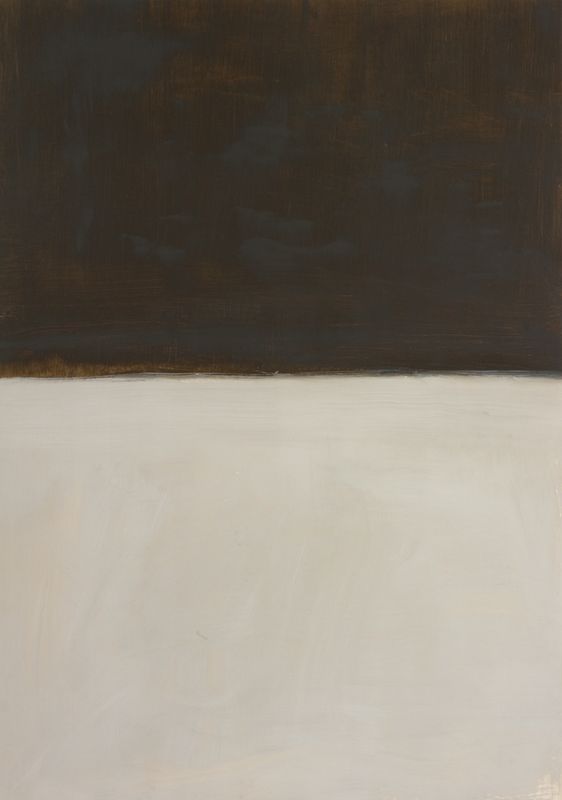 Same era · 1960s–1990s
Untitled (Brown and Gray)
Mark Rothko · 1969 · The Metropolitan Museum of Art
 Same era · 1960s–1990s
Wu Street
Xu Bing · 1993 · Art Institute of Chicago
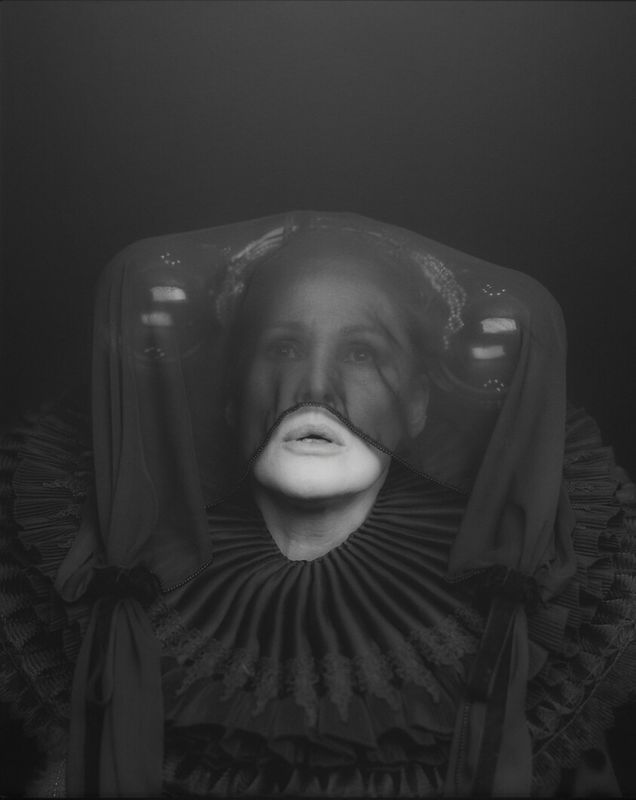 Same era · 1960s–1990s
Cremaster 5: The Queen of Chain
Matthew Barney · 1997 · Art Institute of Chicago
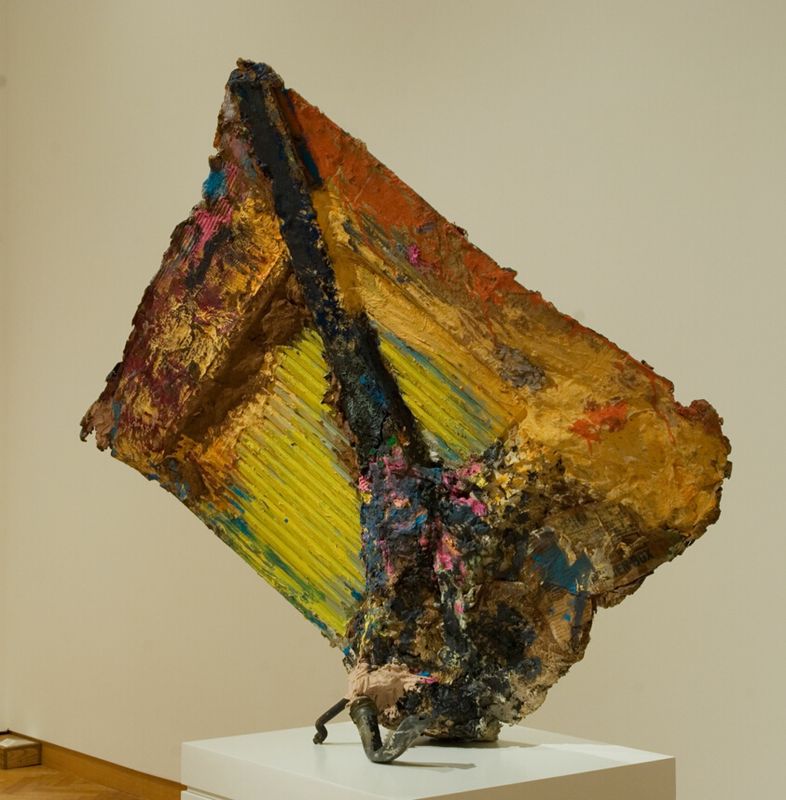 Same era · 1960s–1990s
Krach
Philip West · 1987 · Art Institute of Chicago
 Same era · 1960s–1990s
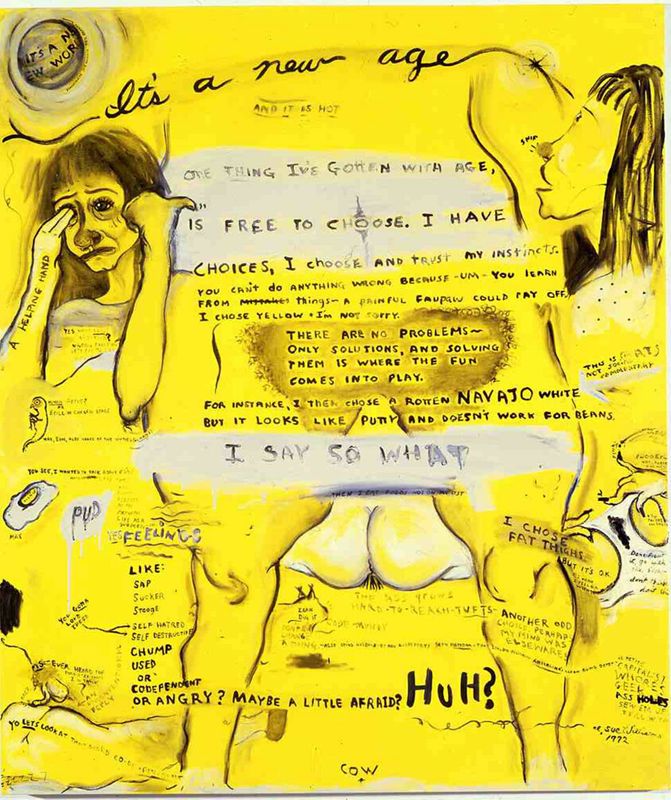
It's a New Age
William Hook · 1992 · Art Institute of Chicago
 Same era · 1960s–1990s
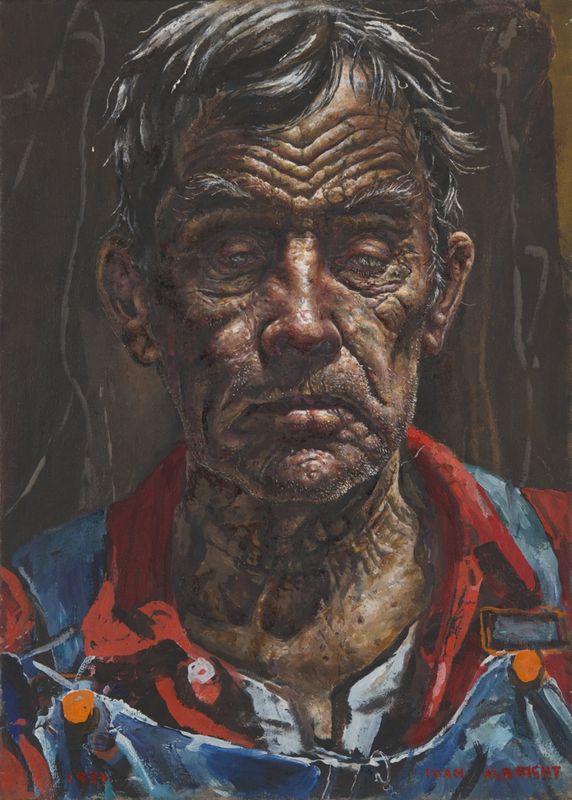
A Face from Georgia
Ivan Albright · 1970 · Art Institute of Chicago
 Same era · 1960s–1990s
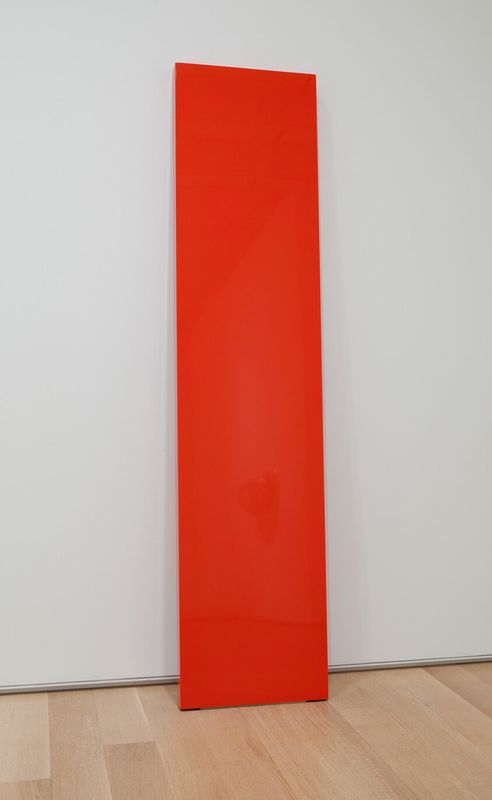
Red Plank
John McCracken · 1969 · Art Institute of Chicago