

“Walk into a contemporary art gallery and you might find a shark preserved in formaldehyde, a canvas splattered with bright industrial paint, or a video loop playing on a screen mounted to the wall.”
That is kind of the point. Contemporary art, which emerged in the 1970s and continues today, resists any single definition on purpose. It is not a style or a school so much as an ongoing conversation, one that spans the entire globe and pulls in ideas from politics, identity, technology, pop culture, and personal history all at once.
What sets it apart from earlier modern art is the sheer refusal to follow a single organizing idea. Movements like Impressionism or Cubism had recognizable rules and visual signatures. Contemporary art has none of that, and artists often celebrate that freedom. You will find work made from Instagram screenshots sitting next to hand-woven textiles, or a neon sign installation displayed alongside a traditional oil painting. The materials, the scale, and the subject matter are entirely up for grabs.
The questions this art asks tend to be the big ones: Who gets to tell their story? What does it mean to belong somewhere? How does technology reshape how we see ourselves and each other? Because artists today are working in an interconnected, rapidly changing world, their work reflects that restlessness. There is no finish line, no manifesto to follow. Contemporary art is still being written, right now, by artists everywhere from Lagos to Seoul to São Paulo.
- Period
- c. 1970–present
- Born in
- Worldwide
- Key artists
- Albert Oehlen, Anish Kapoor, Antony Gormley, Banksy
- Came before
- Postmodern Art and Late Modernism
- Came after
- Ongoing, with emerging sub-movements including Post-Internet Art and New Sincerity
What makes it Contemporary Art
Unexpected or Industrial Materials
Artists use anything: dead animals, mirrors, neon, trash, data. The medium is often part of the message.
e.g. The Physical Impossibility of Death in the Mind of Someone Living by Damien HirstConcept Over Craft
The idea driving the work often matters more than technical skill or visual beauty.
e.g. One and Three Chairs by Joseph KosuthIdentity and the Personal Political
Race, gender, diaspora, and body politics show up constantly as central subjects.
e.g. For Whom the Bell Tolls by Kara WalkerImmersive or Interactive Spaces
Many works ask you to walk through, respond to, or become part of the artwork itself.
e.g. Infinity Mirror Rooms by Yayoi KusamaGlobal and Cross-Cultural Dialogue
Artists borrow, remix, and challenge traditions from multiple cultures simultaneously.
e.g. Nine Dragon Heads by Nam June PaikHow to spot Contemporary Art
Three signs you’re standing in front of one — all easy to see in My Hart.
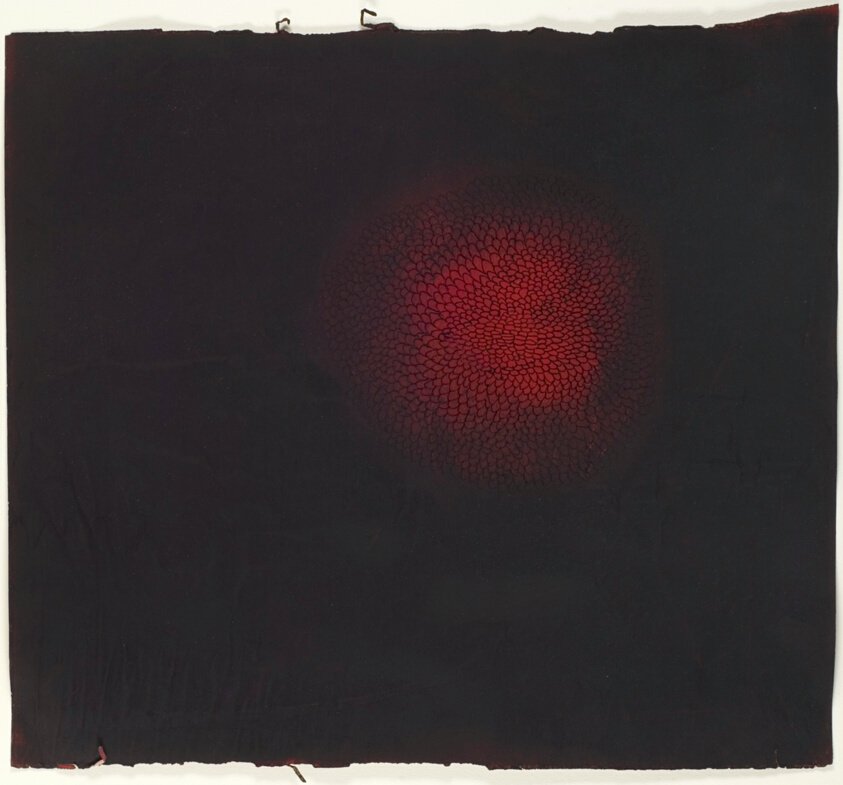
If you cannot immediately tell what material the artwork is made of, you are probably looking at contemporary art.
Look for a wall label with a lengthy conceptual statement. The text is often considered part of the work itself.
If the piece makes you ask 'Is this even art?' out loud, that reaction is almost certainly intentional.
Damien Hirst's spot paintings are so numerous that he once admitted he had personally painted very few of them himself.
The Venice Biennale, one of contemporary art's biggest stages, has been running since 1895 and still shapes careers overnight.
Some contemporary artworks exist only as a set of instructions, and whoever owns them can remake the piece anywhere they like.
The artists who defined it
Works to know
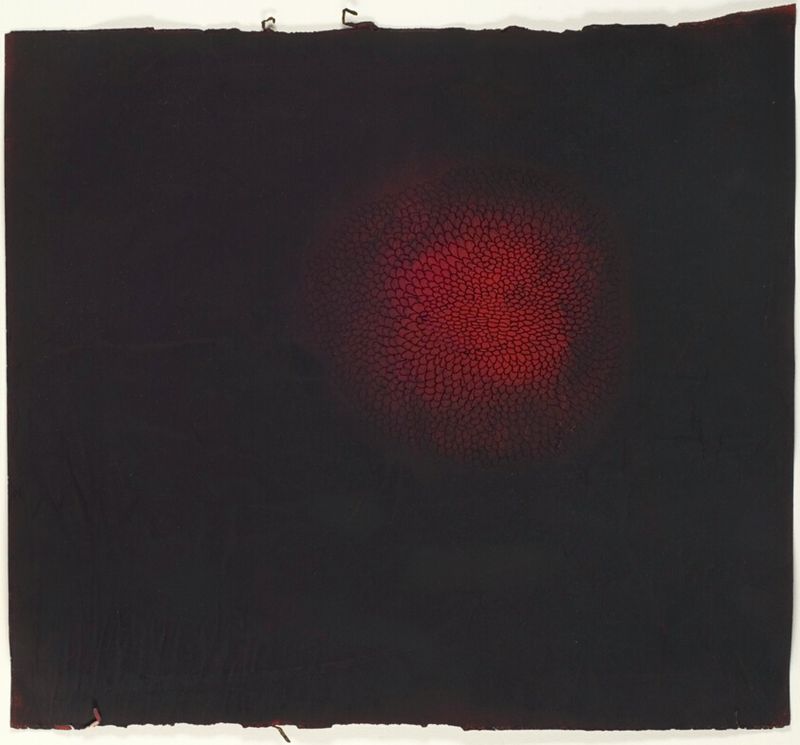 My Hart
1953 · Art Institute of Chicago
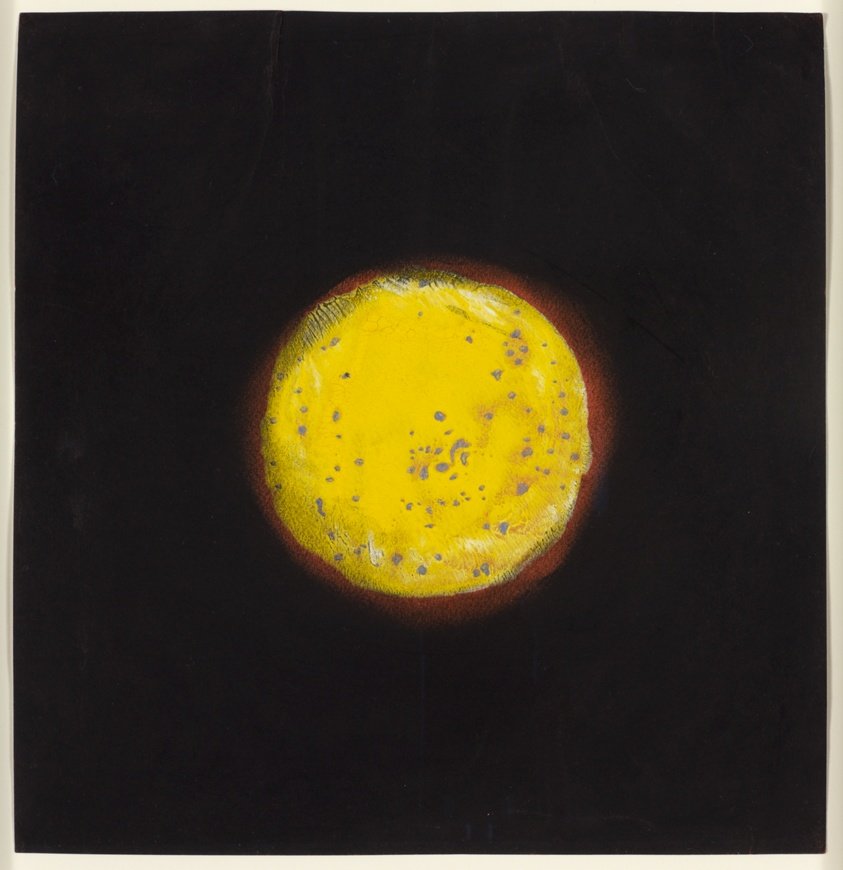
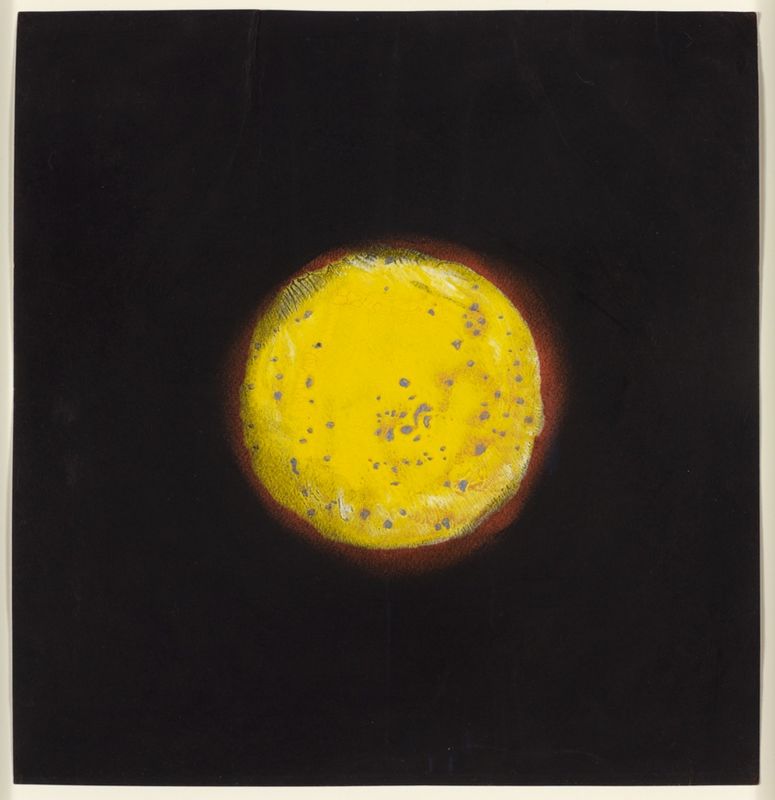 Sun Spot
1953 · Art Institute of Chicago
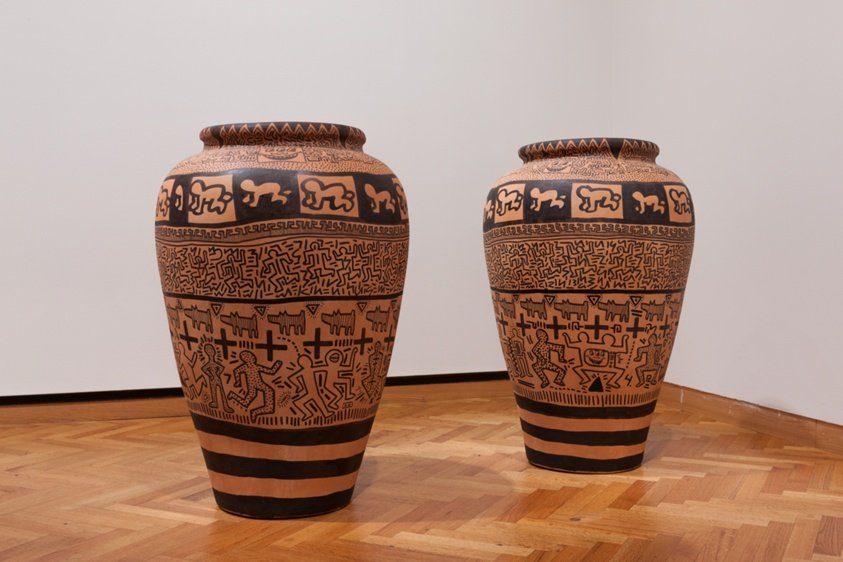
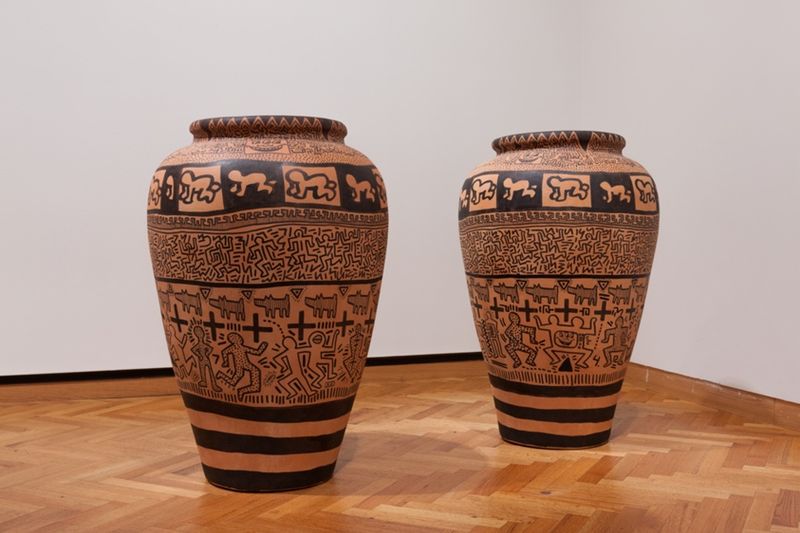 Untitled (Pair of Vases)
1981 · Art Institute of Chicago
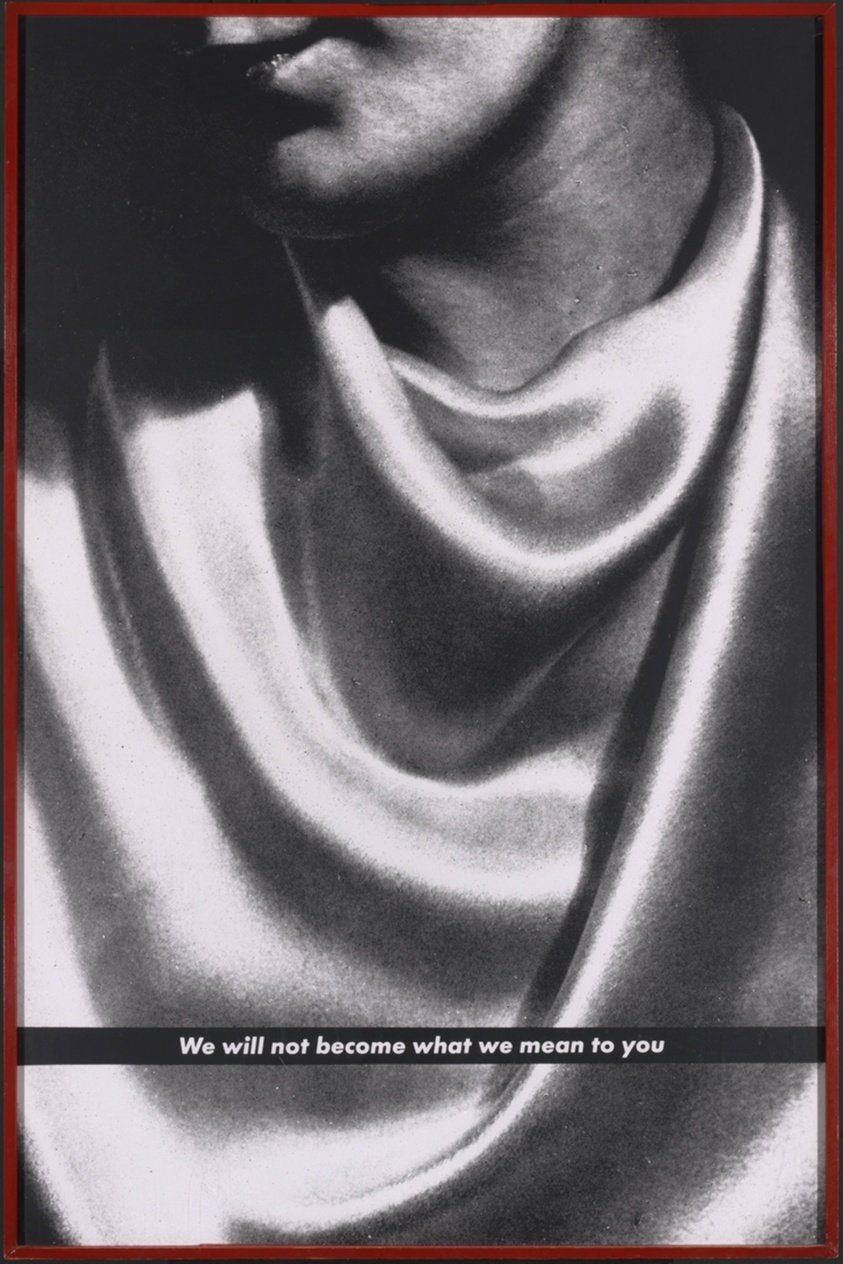
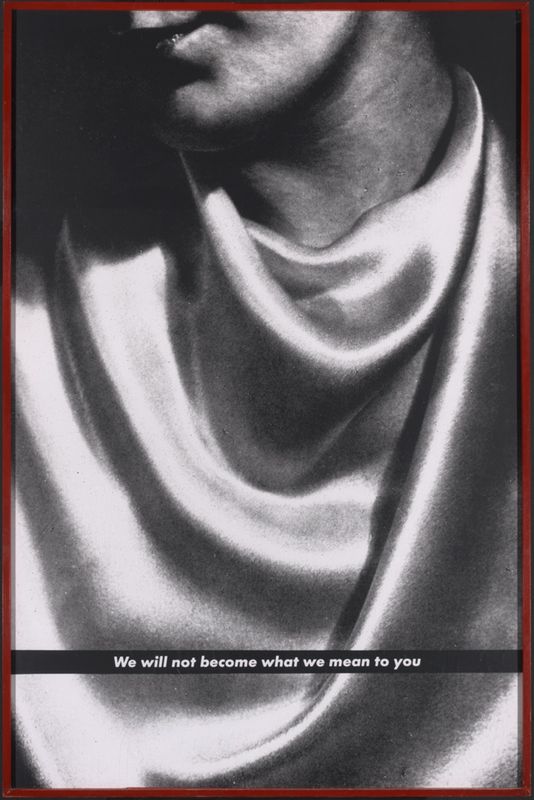 We Will Not Become What We Mean to You
1983 · Art Institute of Chicago
 Untitled (Sherry and Her Grandmother), from the series "At Twelve"
1983 · Art Institute of Chicago
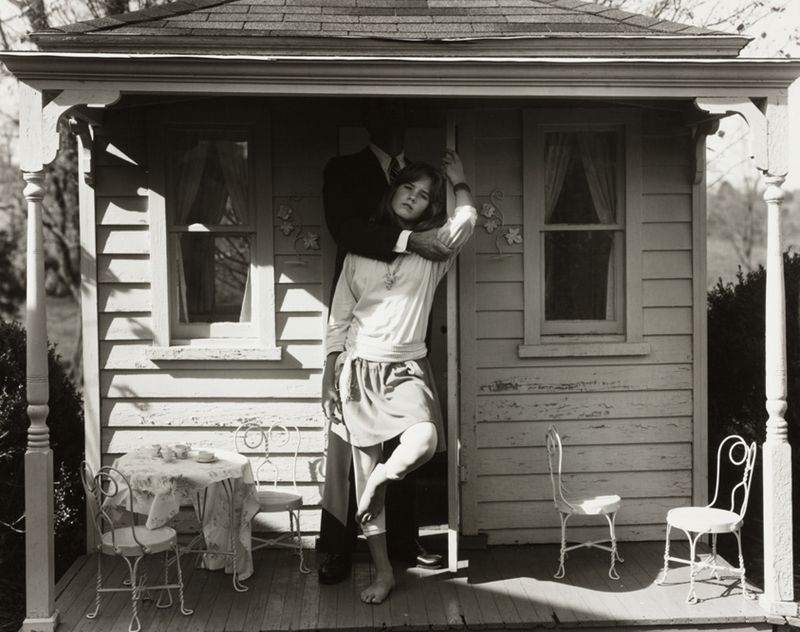 Julie, John, and Doll House, from the series "At Twelve"
1983 · Art Institute of Chicago
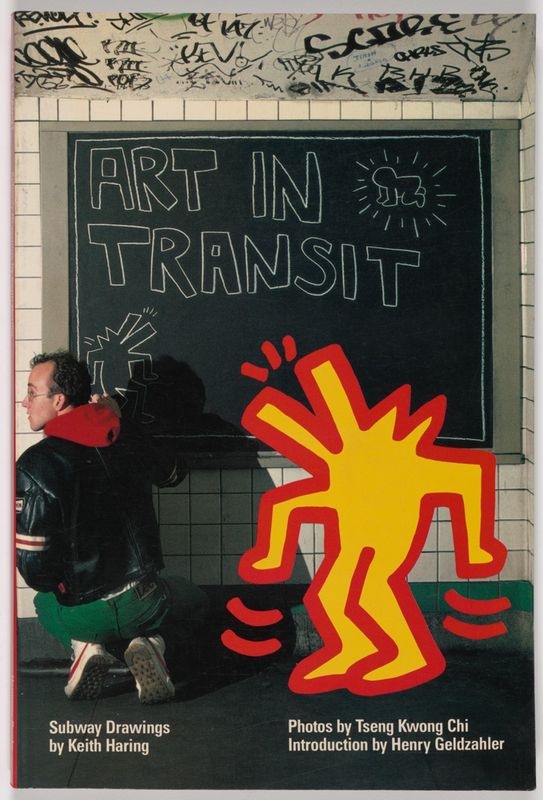 Art in Transit: Subway Drawings
1984 · Art Institute of Chicago
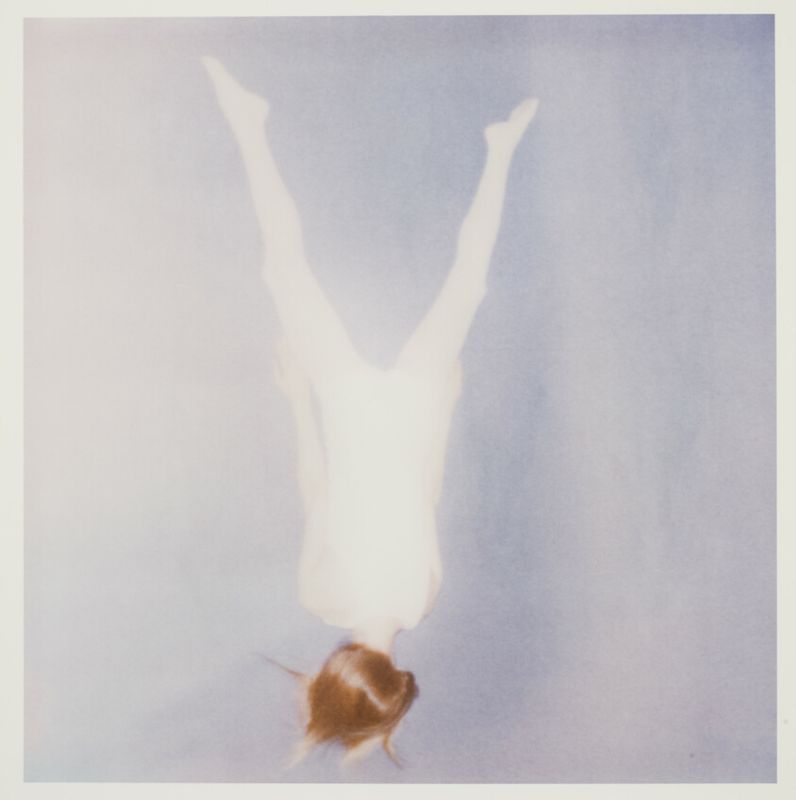 Flying Woman
1988 · Art Institute of Chicago
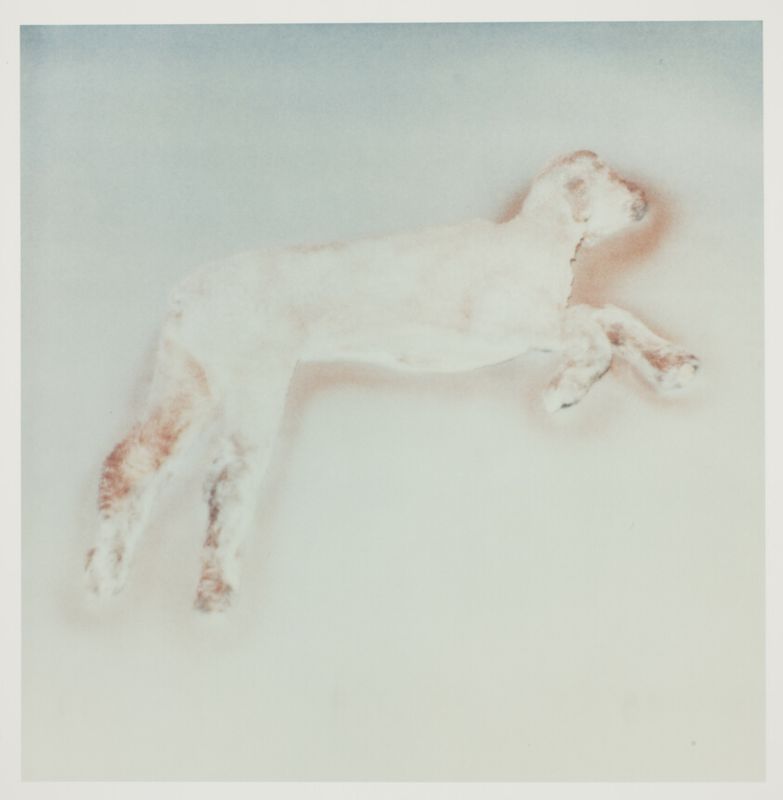 Flying Lamb
1988 · Art Institute of Chicago
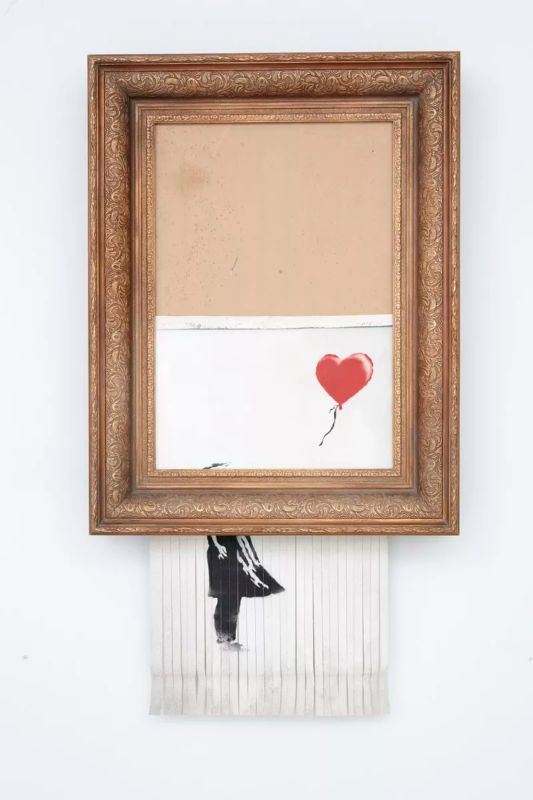 Love is in the Bin
2018
Take Contemporary Art to the museum
Point your phone at any painting and Art Whisper tells you its story — who made it, what to notice, and why it matters. Free to start.