
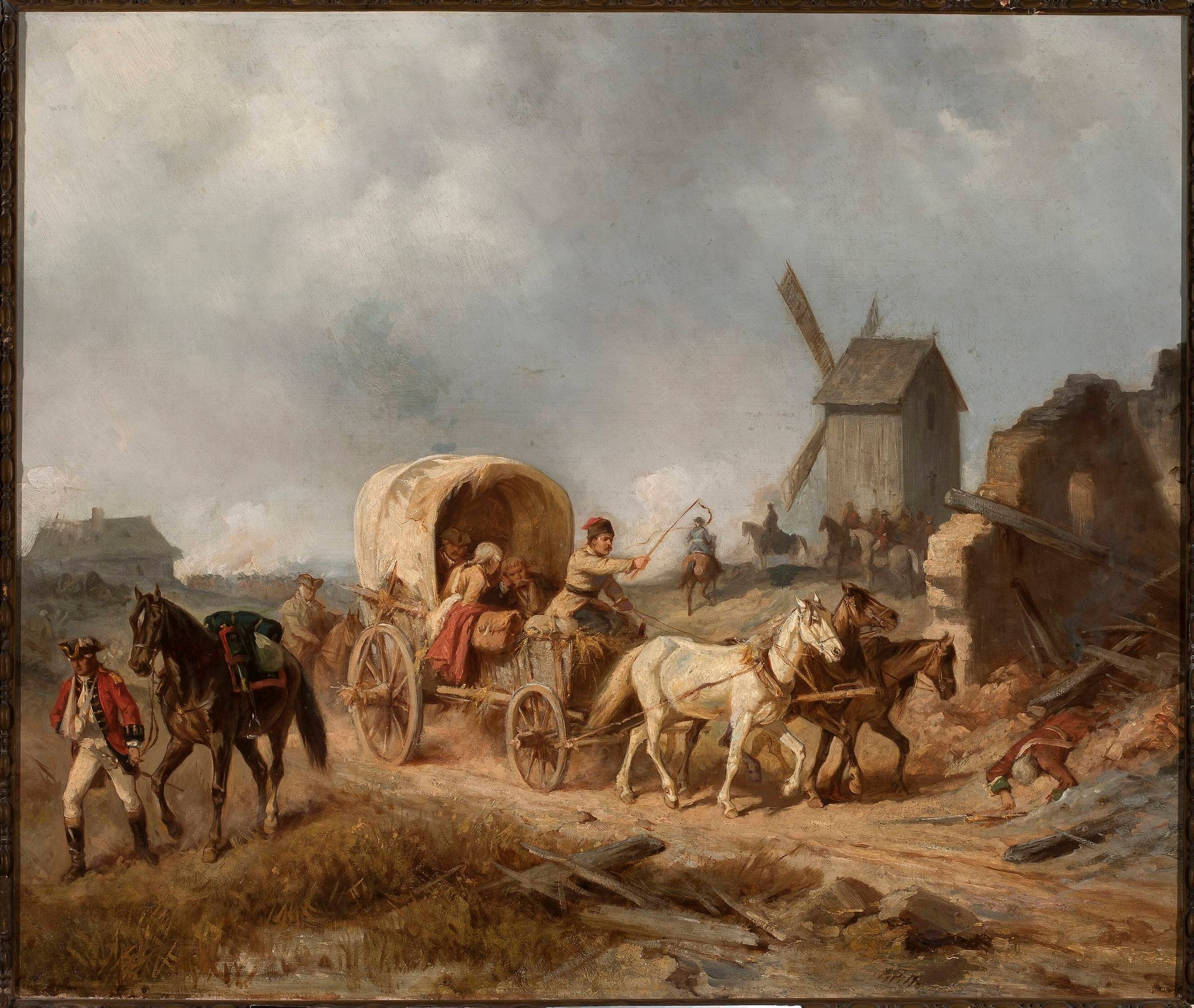
“This painting captures a poignant moment of human resilience and suffering, as a convoy of wounded soldiers makes its slow, arduous journey through a desolate, snow-laden landscape, offering a timeless reflection on the cost of conflict.”
In "Convoy of the Wounded," a somber procession unfolds across a snow-covered landscape, capturing a moment of profound human struggle. The scene centers on a horse-drawn cart laden with injured soldiers, their forms huddled and vulnerable against the harsh winter elements. Pillati uses a muted palette, dominated by grays, browns, and the stark white of the snow, to emphasize the bleakness and suffering. The composition draws the viewer's eye along the diagonal line of the convoy, creating a sense of movement and the arduous journey ahead. This painting, created in 1868, reflects the anxieties and realities of conflict, a theme that resonated deeply in a period marked by various European upheavals. The artist's focus on the human cost of war, rather than heroic battle, offers a poignant and timeless commentary.
- Artist
- Henryk Pillati
- Date
- 1868
- Medium
- Oil on canvas
- Location
- National Museum in Warsaw
What to Notice
Five details hide in plain sight. Here’s where to look.
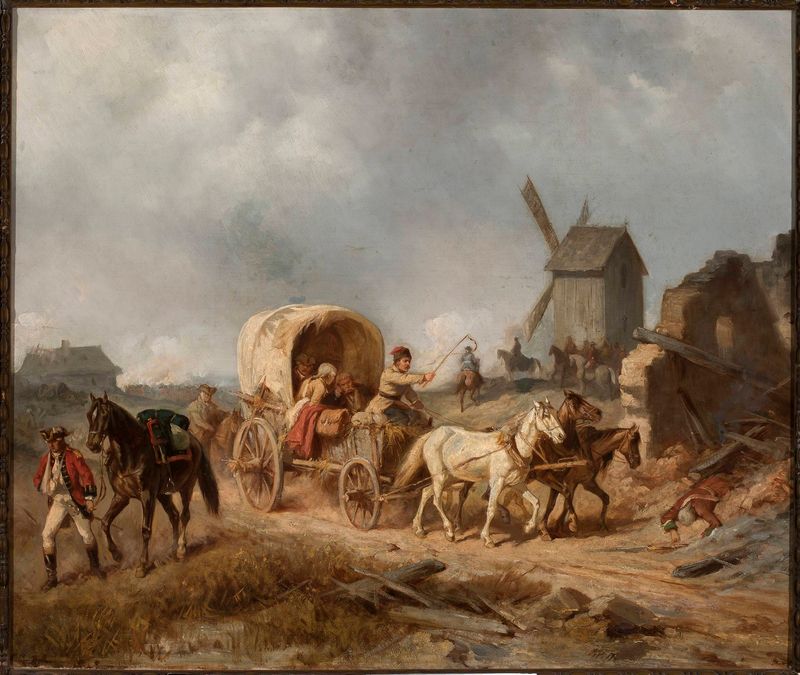
The slumped postures of the wounded in the cart, conveying their exhaustion.
The expressions of the figures accompanying the convoy, showing concern and resolve.
The stark contrast between the dark figures and the bright, snow-covered ground.
The barren trees in the background, reinforcing the desolate atmosphere.
1 more detail is waiting.
See all 5 in Art Whisper →Stand in front of it and listen
The full narration walks you through Convoy of the wounded — the story behind it, the details most visitors miss, and why it matters. Free in the Art Whisper app.
Henryk Pillati
1832–1894 · Congress PolandHenryk Pillati, a Polish illustrator and history painter, navigated a challenging life to create art, from decorating Vistula River steamships to illustrating literary classics.
Further Works by Pillati
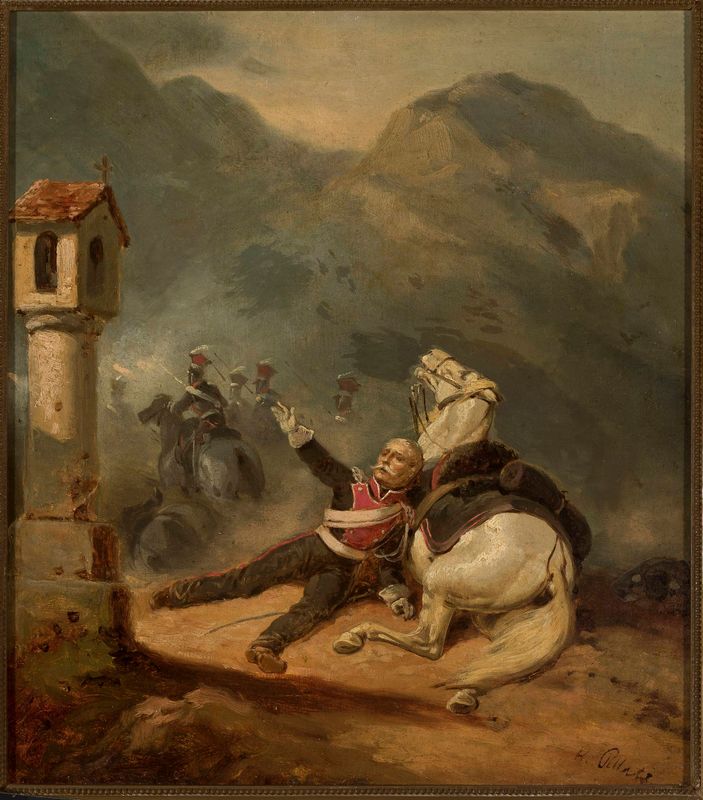 Wounded uhlan by the wayside shrine
1853 · National Museum in Warsaw
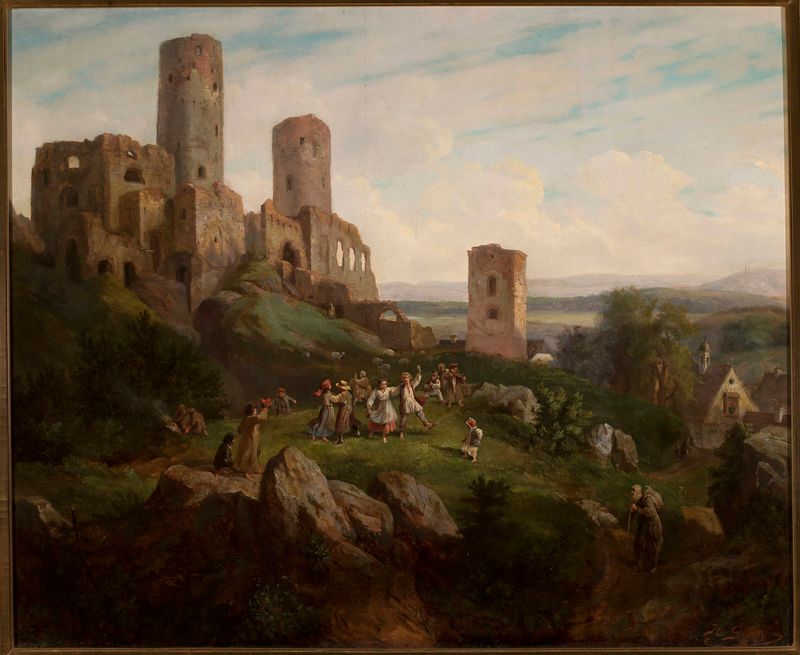 Ruins of the castle – merry-making in Tenczynek
1855 · National Museum in Warsaw
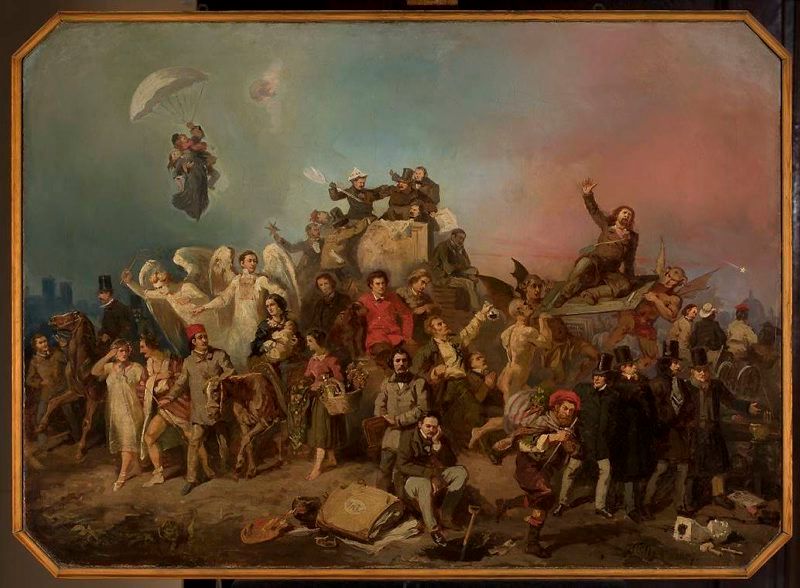 Dispersion of nations
1857 · National Museum in Warsaw
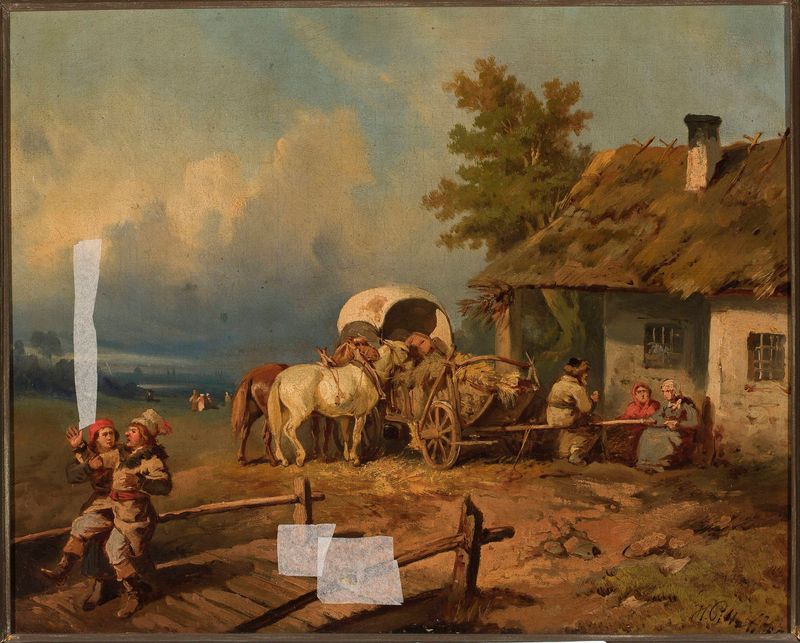 Return from the fair
1857 · National Museum in Warsaw
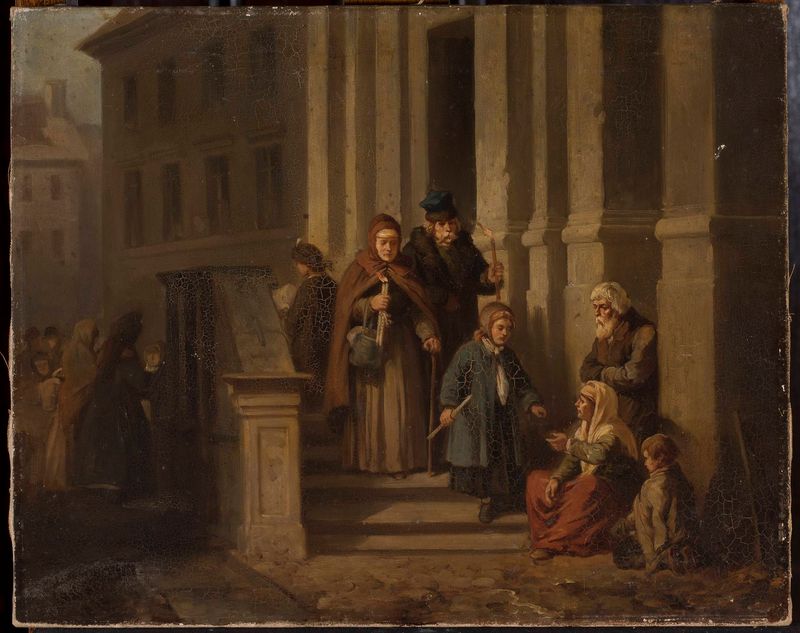 In front of the church
1862 · National Museum in Warsaw
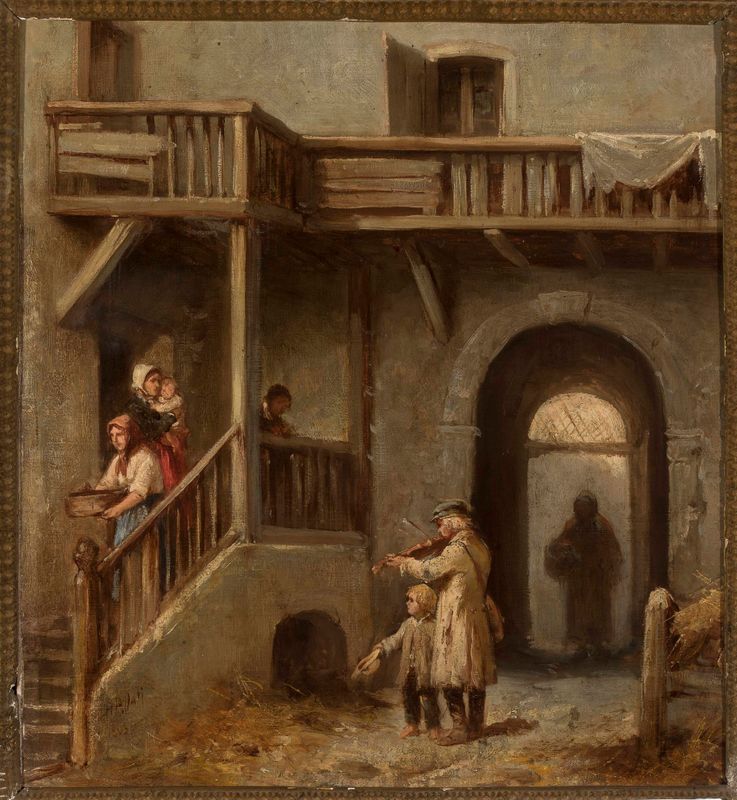 Street fiddler
1863 · National Museum in Warsaw
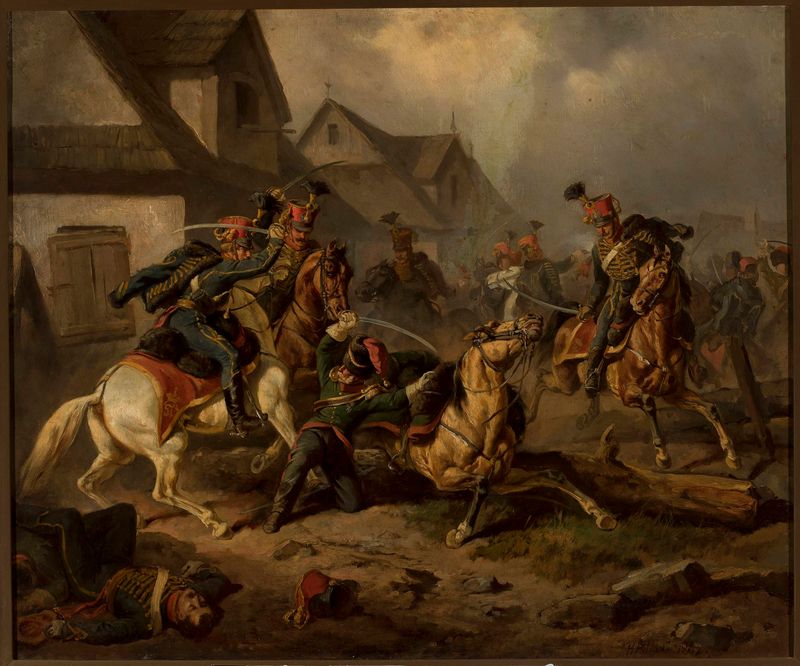 Death of Berek Joselewicz.
1867 · National Museum in Warsaw
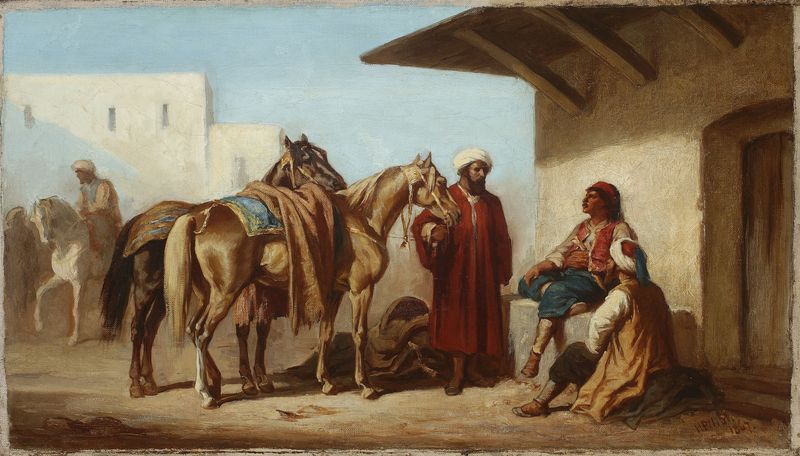 Eastern scene – Selling horses
1867 · National Museum in Warsaw
More works to explore
Beyond Pillati: works from the same years.
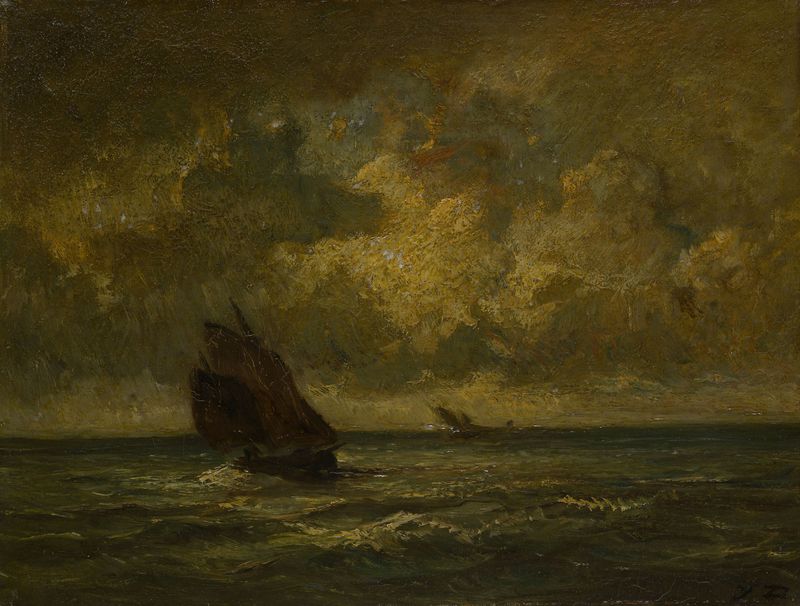 Same era · 1850s–1880s
Two Boats in a Storm
Léon-Victor Dupré · 1870 · Art Institute of Chicago
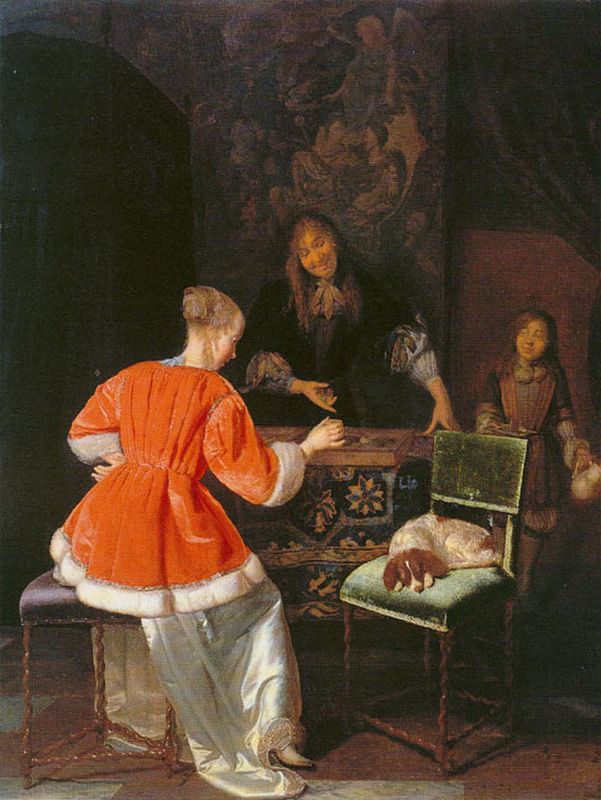 Same era · 1850s–1880s
The Backgammon Players
Philip Webb · 1861 · The Metropolitan Museum of Art
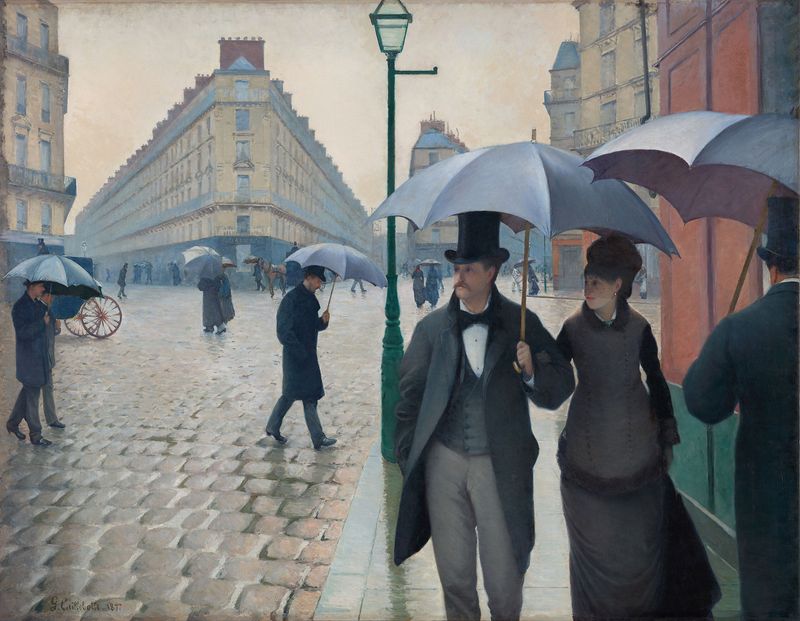 Same era · 1850s–1880s
Paris Street; Rainy Day
Kawabata Gyokushō · 1877 · Art Institute of Chicago
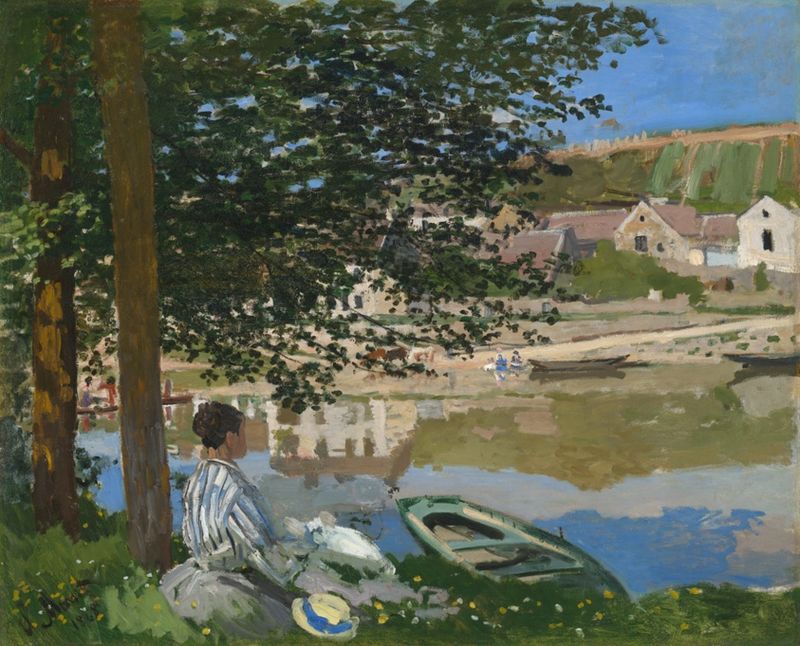 Same era · 1850s–1880s
On the Bank of the Seine, Bennecourt
Claude Monet · 1868 · Art Institute of Chicago
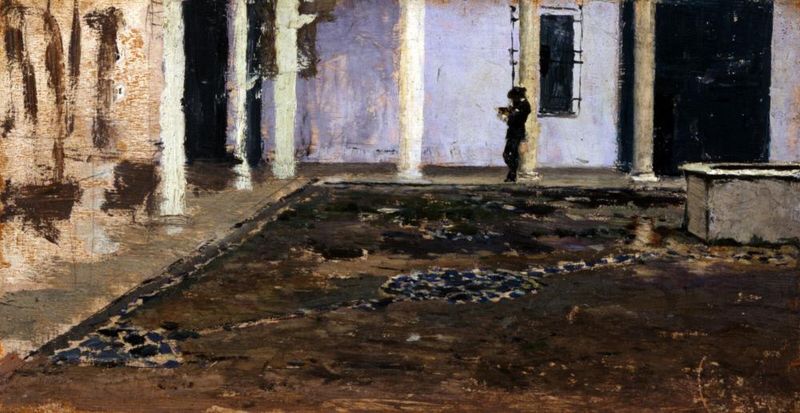 Same era · 1850s–1880s
Patio of the Palace of the Duke of Alba, Seville: Raimundo de Madrazo y Garreta painting
Mariano Fortuny Marsal · 1868 · Hispanic Society of America
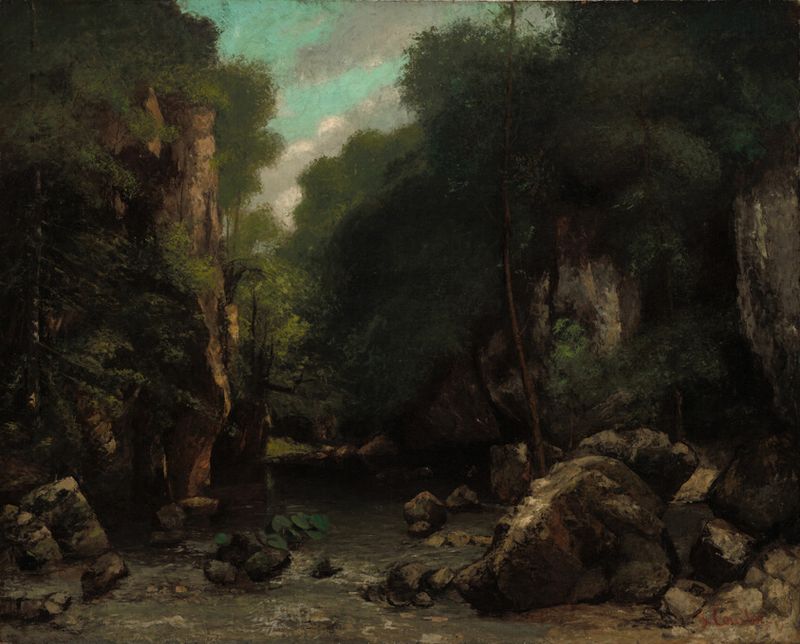 Same era · 1850s–1880s
The Valley of Les Puits-Noir
Gustave Courbet · 1868 · Art Institute of Chicago
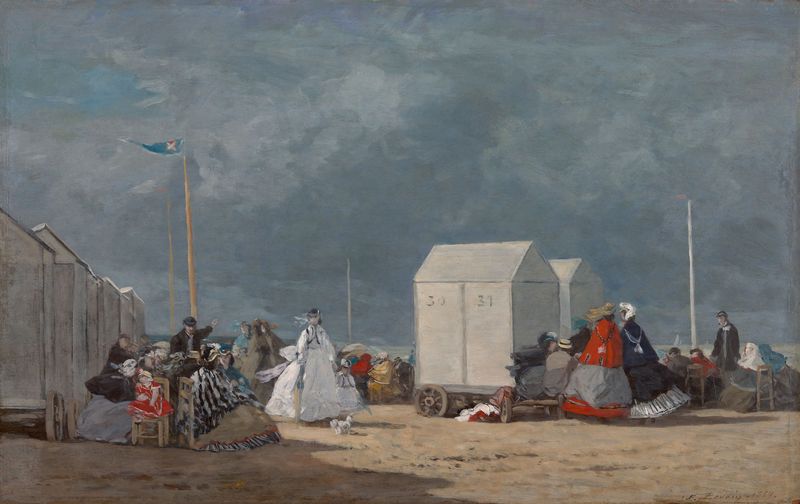 Same era · 1850s–1880s
Approaching Storm
William Hart · 1867 · Gilcrease Museum
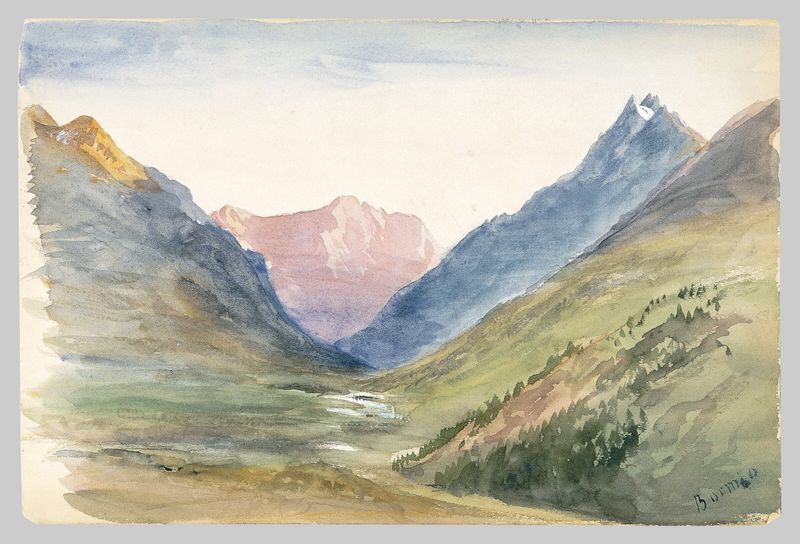 Same era · 1850s–1880s
Mountain View at Bormio (from Switzerland 1869 Sketchbook)
John Singer Sargent · 1869 · The Metropolitan Museum of Art
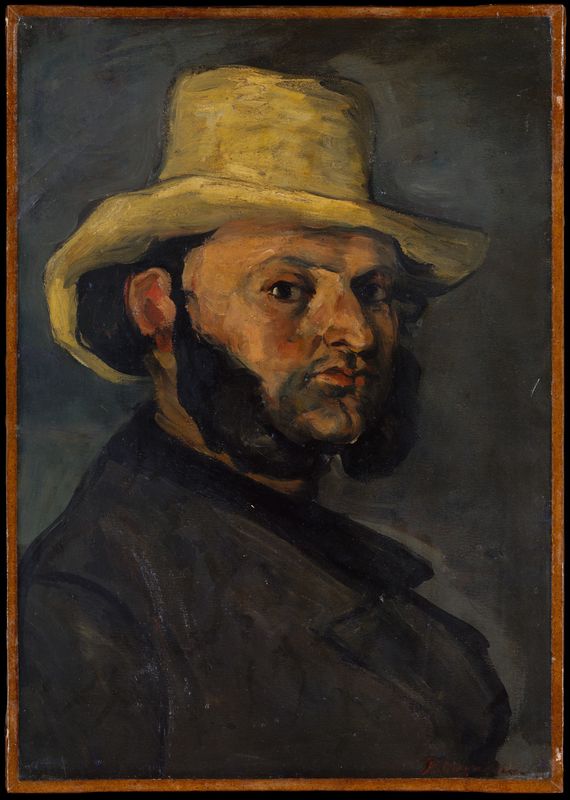 Same era · 1850s–1880s
Gustave Boyer (b. 1840) in a Straw Hat
Paul Cézanne · 1870 · The Metropolitan Museum of Art
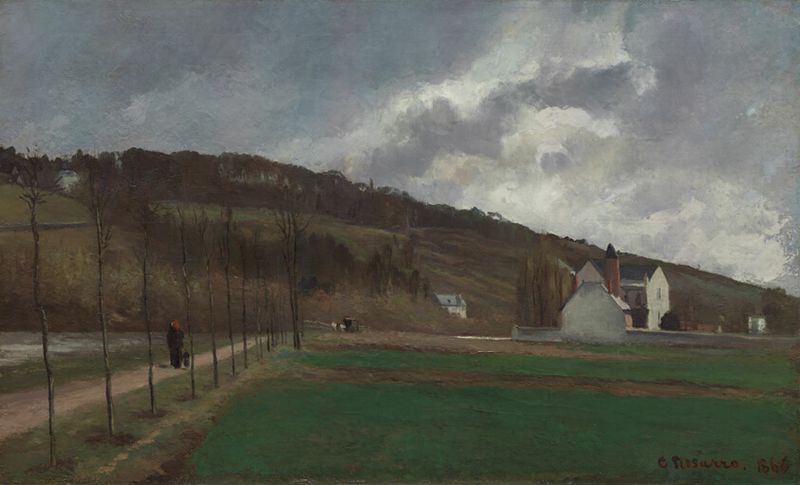 Same era · 1850s–1880s
The Banks of the Marne in Winter
Camille Pissarro · 1866 · Art Institute of Chicago
 Same era · 1850s–1880s
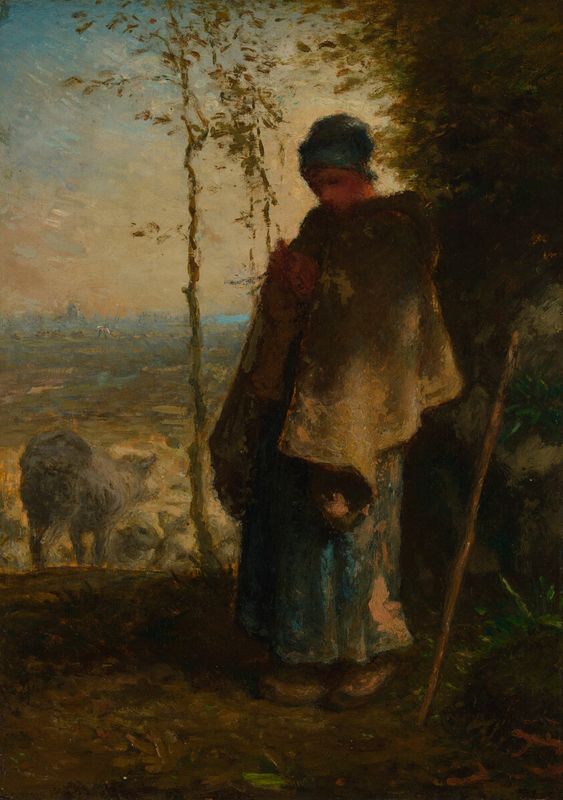
The Little Shepherdess
Jean-François Millet · 1870 · Art Institute of Chicago
 Same era · 1850s–1880s
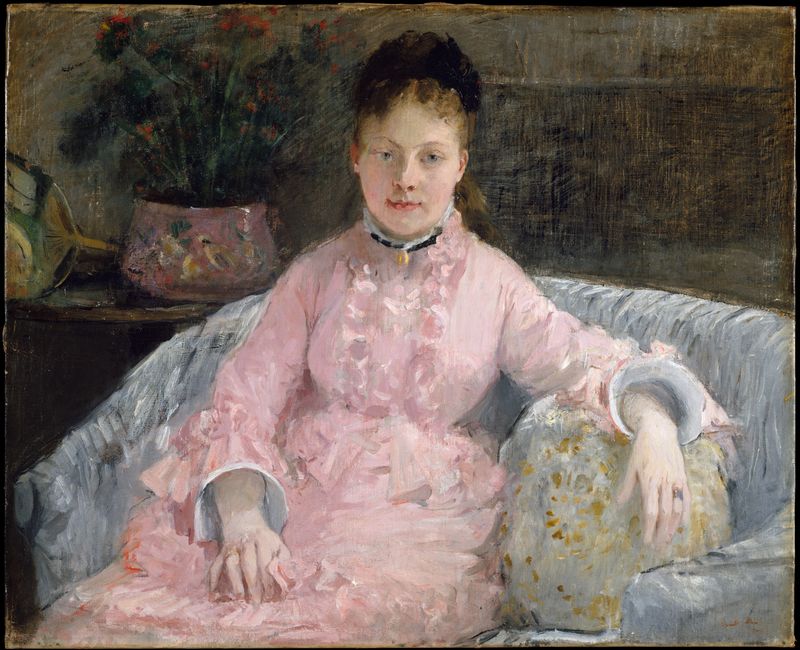
The Pink Dress (Albertie-Marguerite Carré, later Madame Ferdinand-Henri Himmes, 1854–1935)
Berthe Morisot · 1870 · Metropolitan Museum of Art