01
The low moon
Find the small white moon just above the horizon, near the center of the picture. Its glow breaks through the clouds and sets the cool, silvery mood of the scene.
1 of 5 on the painting
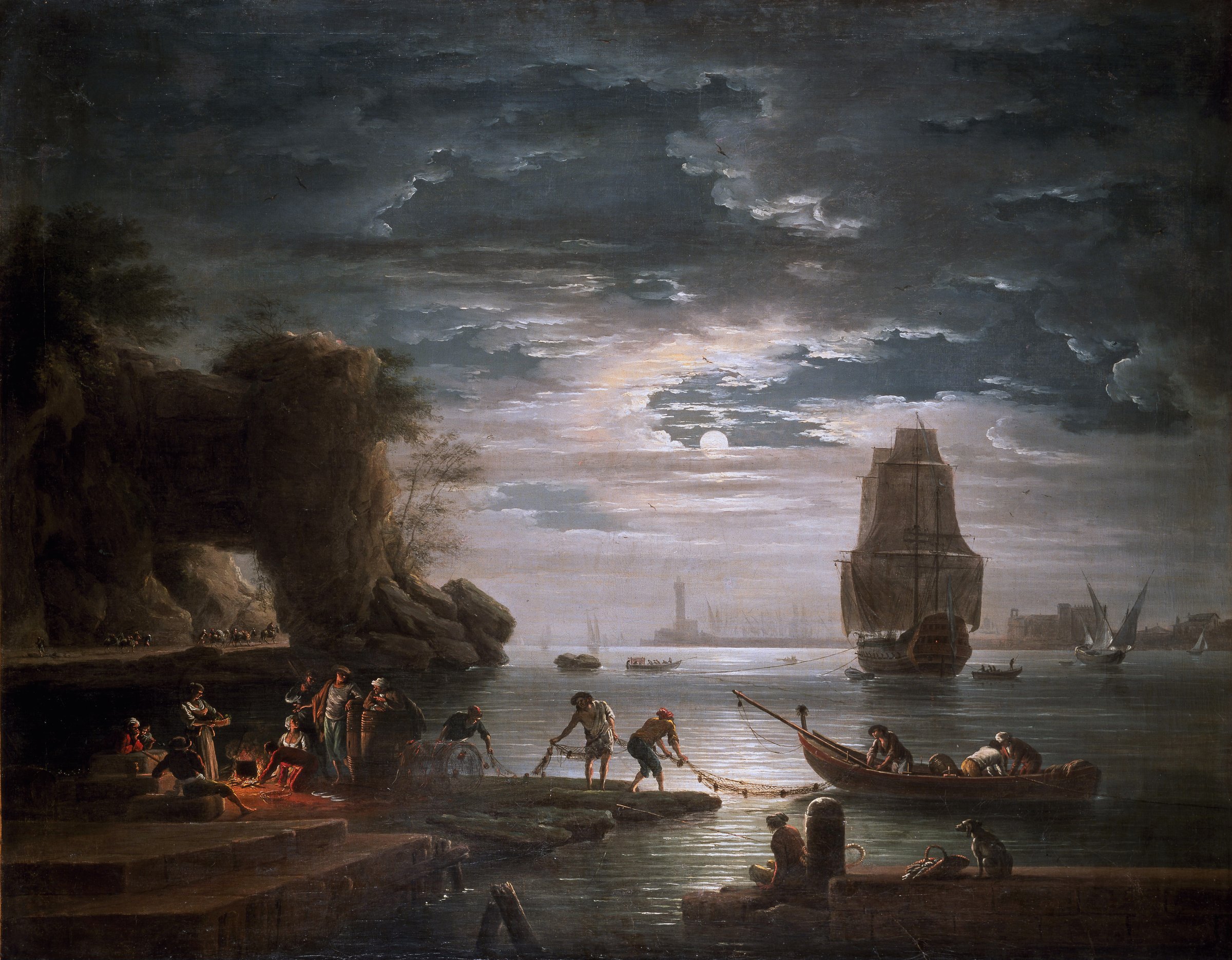
“This "Coastal Scene" by William Hart offers a tranquil glimpse into the Hudson River School's appreciation for light and atmosphere, inviting you to find peace in its quiet beauty.”
A gentle light illuminates this tranquil "Coastal Scene," capturing a moment of quiet serenity. The painting, dated 1865, shows a calm body of water reflecting the soft glow of the sky, with a hazy horizon suggesting either dawn or dusk. The artist, William Hart, was a prominent member of the Hudson River School, a movement that celebrated the grandeur and peacefulness of American landscapes. Here, the focus isn't on dramatic peaks or vast wilderness, but on the subtle interplay of light and water, creating a sense of intimate observation. This work exemplifies the Hudson River School's emphasis on atmosphere and careful rendering of nature's details, inviting viewers to pause and appreciate the quiet beauty of the scene.
Five details hide in plain sight. Pick one and we’ll show you exactly where to look.
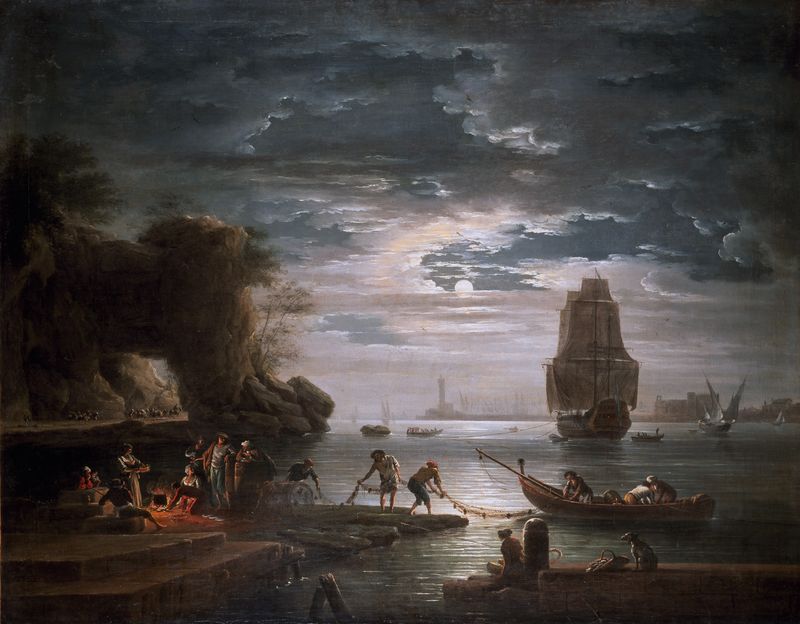
Find the small white moon just above the horizon, near the center of the picture. Its glow breaks through the clouds and sets the cool, silvery mood of the scene.
Look at the clouds around the moon. Their edges catch bright light while the masses behind stay heavy and dark, giving the sky real drama and depth.
Two men on a rocky ledge pull a net toward the boat. Moonlight on the water behind them turns their bodies into strong, dark shapes.
On the left, a group of people gathers around a small fire. Warm orange light on the ground and nearby figures stands out against the cool, dark tones of the night.
On the right, a large sailing ship sits dark against the pale sky. Its full sails and rigging add scale and a sense of distance to the calm harbor.
The full narration walks you through Coastal Scene — the story behind it, the details most visitors miss, and why it matters. Free in the Art Whisper app.
William Hart, a Scottish-born American landscape and cattle painter, became a prominent figure in the Hudson River School, known for his atmospheric depictions of light and shadow.
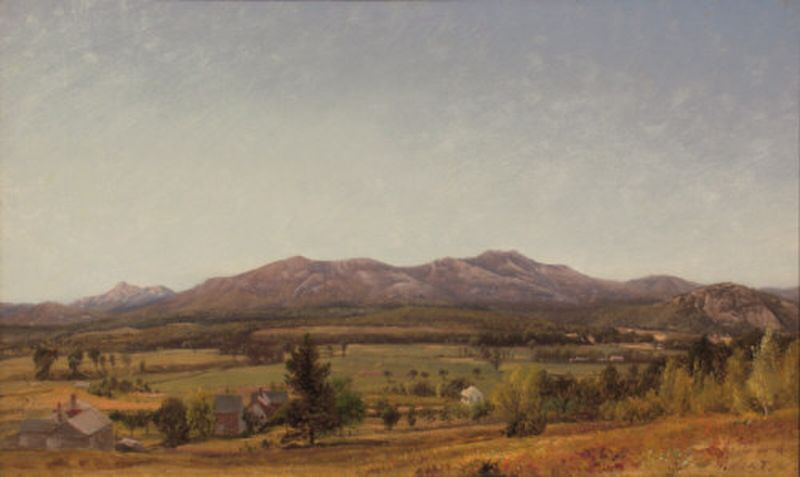 Mount Chocorua and Moat Mountain from North Conway
1850
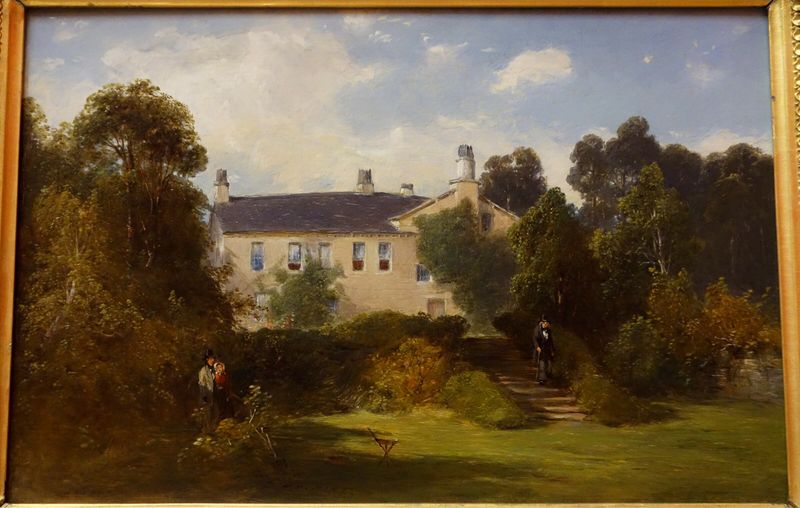 Wordsworth Manor
1852
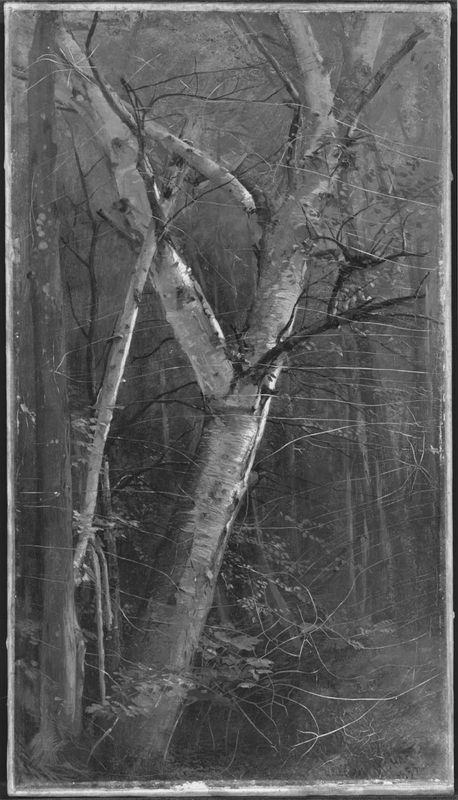 Birches
1855 · Museum of Fine Arts Boston
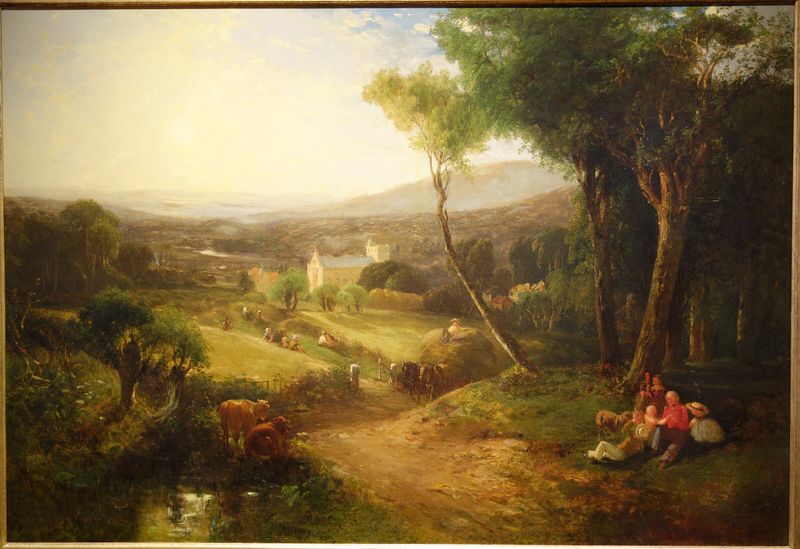 Peace and Plenty
1855 · New Britain Museum of American Art
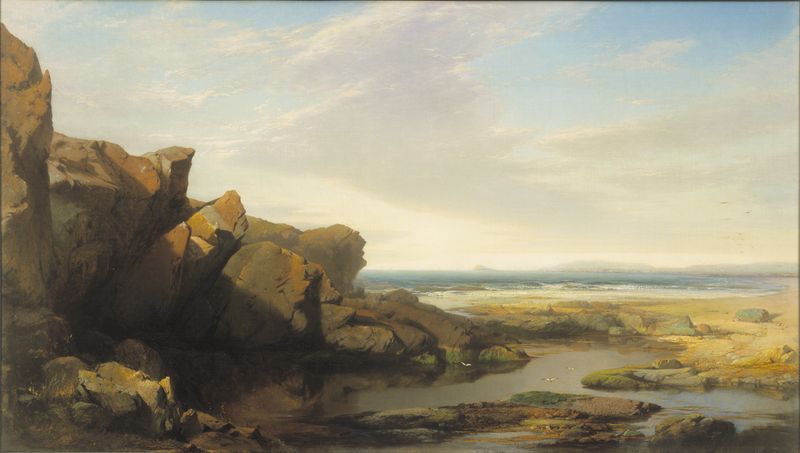 Pools by the Seaside
1861 · Buffalo AKG Art Museum
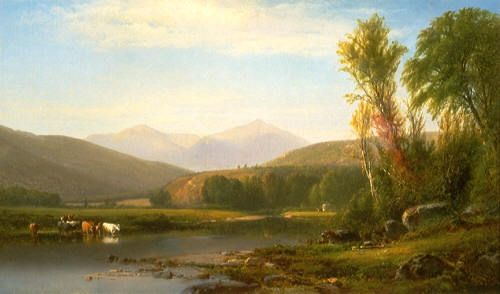 Mount Madison from the Androscoggin River
1862
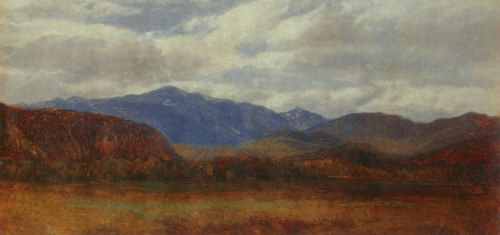 Mount Washington from the Intervale
1865
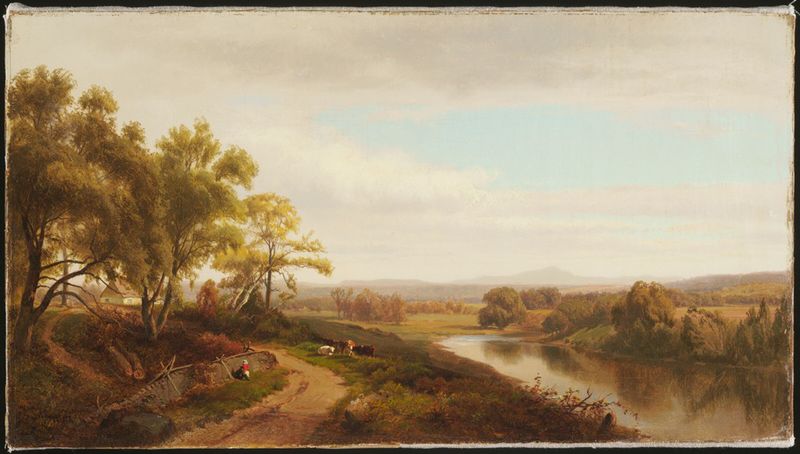 Valley of the Bedford
1865 · Fogg Museum
Beyond Hart: works from the same years.
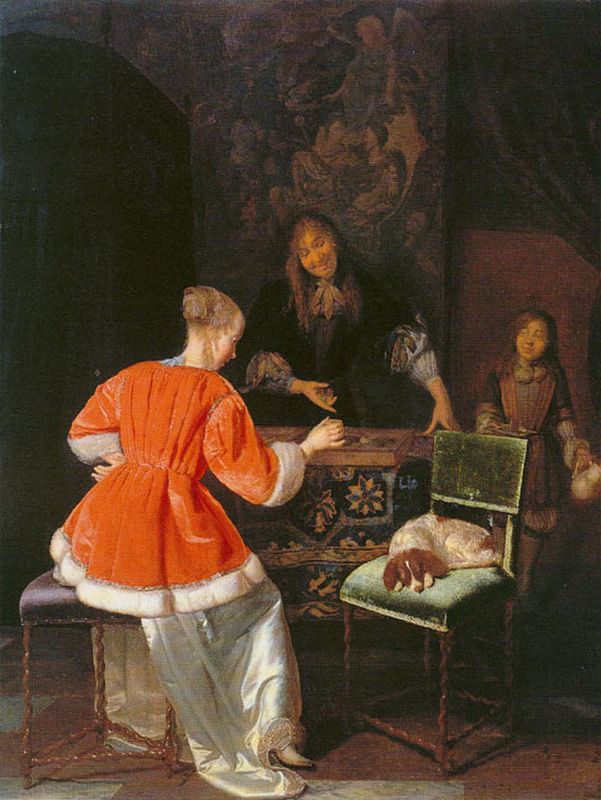 Same era · 1850s–1880s
The Backgammon Players
Philip Webb · 1861 · The Metropolitan Museum of Art
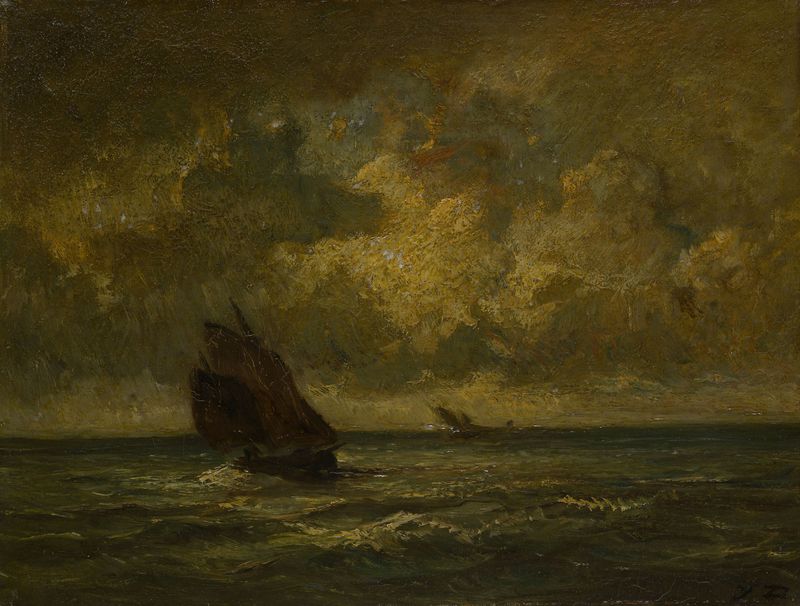 Same era · 1850s–1880s
Two Boats in a Storm
Léon-Victor Dupré · 1870 · Art Institute of Chicago
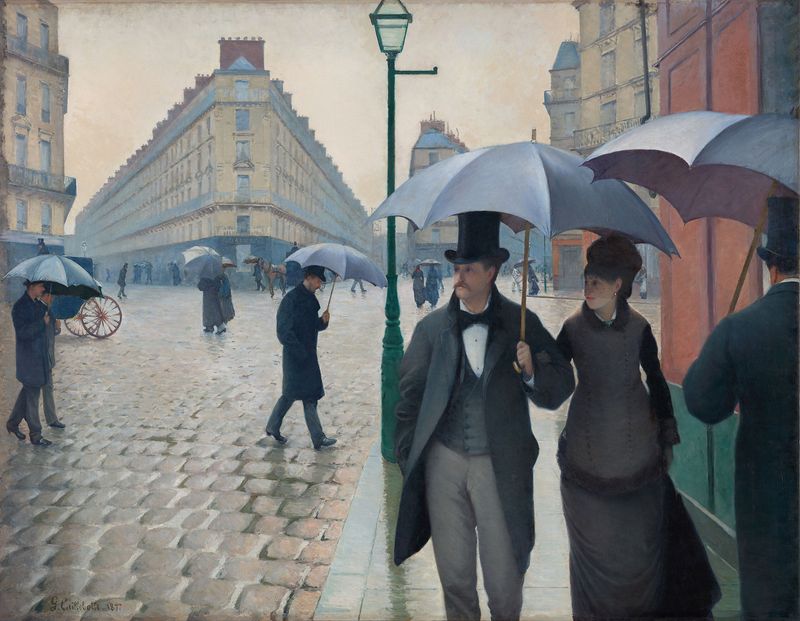 Same era · 1850s–1880s
Paris Street; Rainy Day
Kawabata Gyokushō · 1877 · Art Institute of Chicago
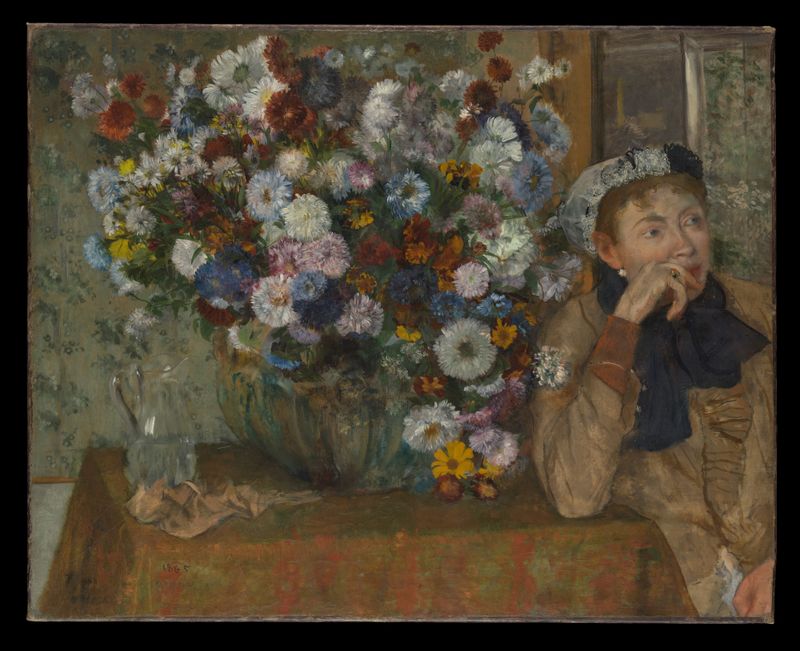 Same era · 1850s–1880s
A Woman Seated beside a Vase of Flowers (Madame Paul Valpinçon?)
Edgar Degas · 1865 · The Metropolitan Museum of Art
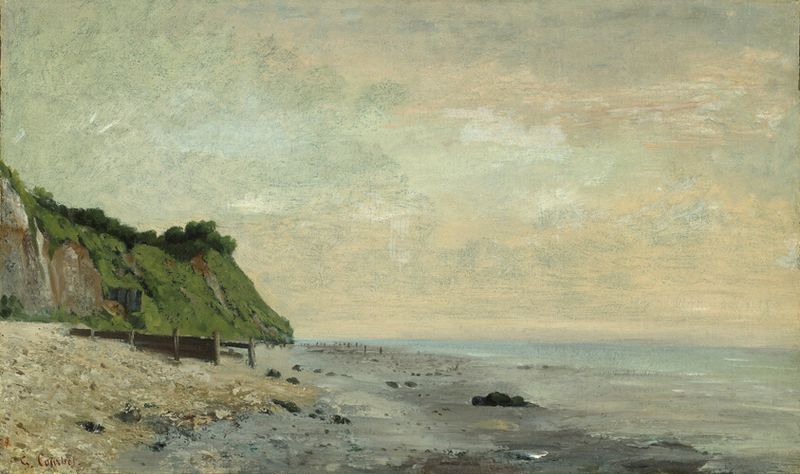 Same era · 1850s–1880s
Cliffs on the Sea Coast: Small Beach, Sunrise (Falaise au bord de la mer, vu Petite Plage, soleil levant)
Gustave Courbet · 1865 · Art Institute of Chicago
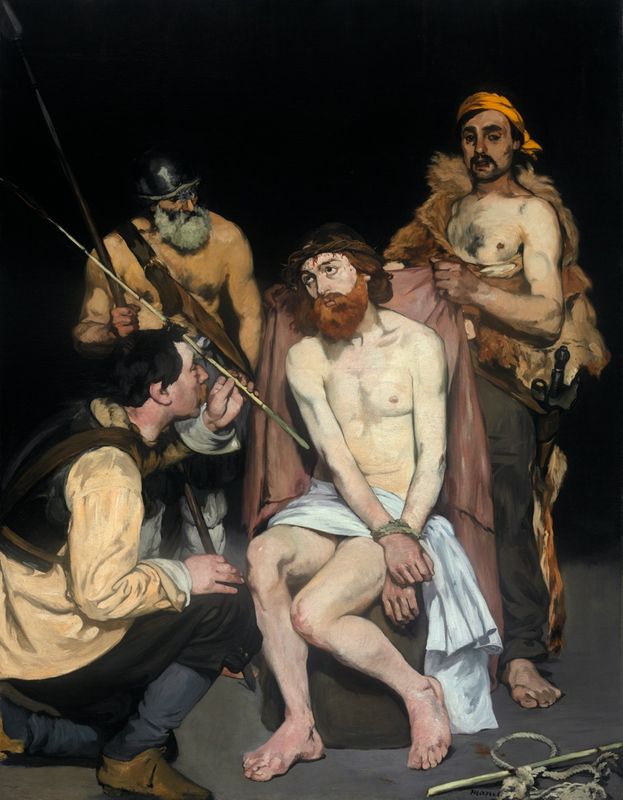 Same era · 1850s–1880s
Jesus Mocked by the Soldiers
Édouard Manet · 1865 · Art Institute of Chicago
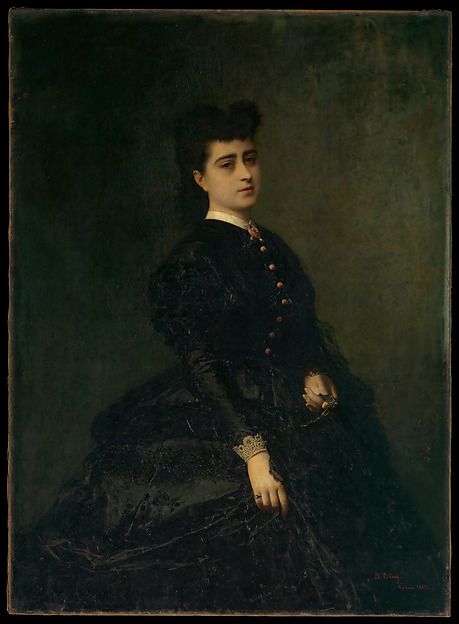 Same era · 1850s–1880s
Mirope Savati Gaye
Mariano Fortuny Marsal · 1865 · The Metropolitan Museum of Art
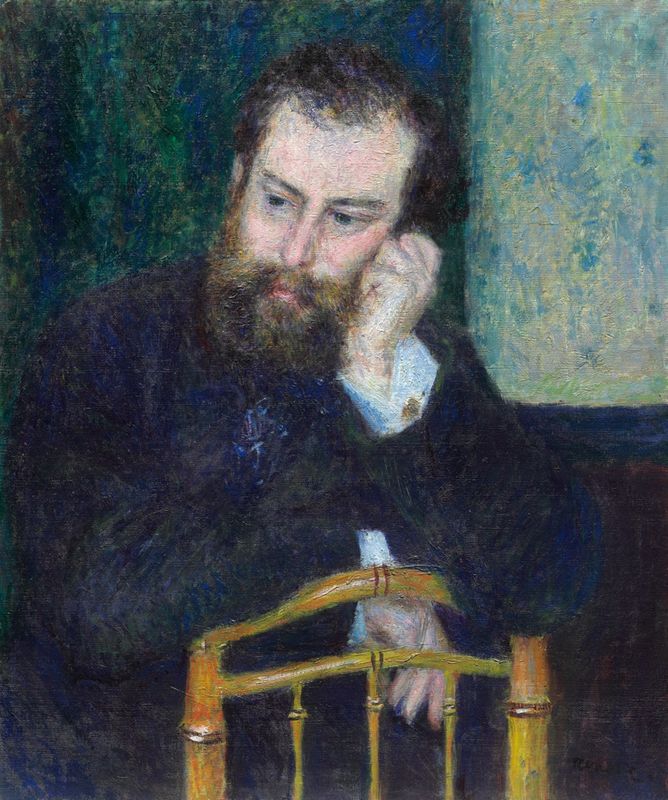 Same era · 1850s–1880s
Alfred Sisley
Pierre-Auguste Renoir · 1864 · Foundation E.G. Bührle Collection
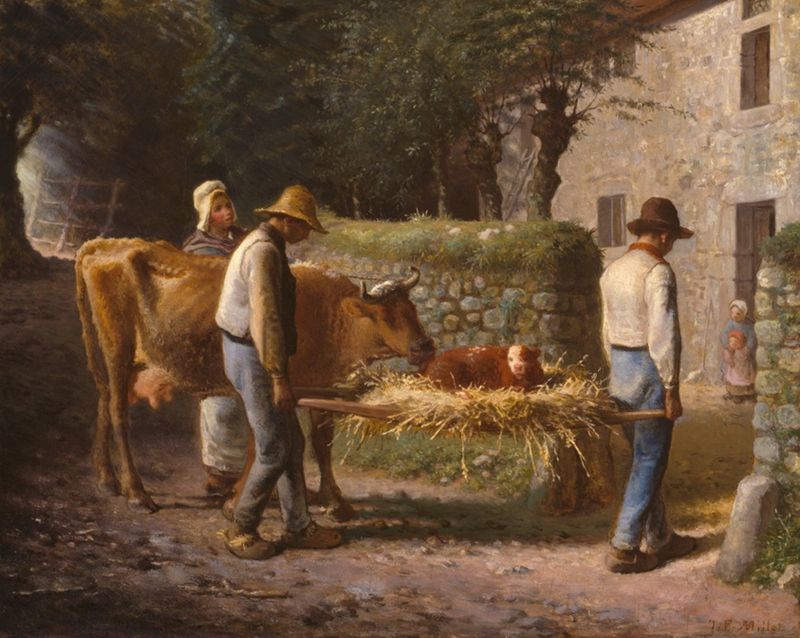 Same era · 1850s–1880s
Peasants Bringing Home a Calf Born in the Fields
Jean-François Millet · 1864 · Art Institute of Chicago
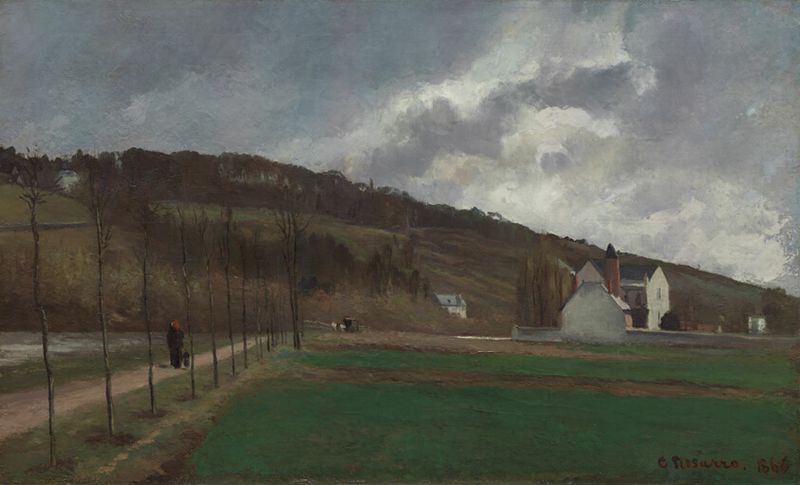 Same era · 1850s–1880s
The Banks of the Marne in Winter
Camille Pissarro · 1866 · Art Institute of Chicago
 Same era · 1850s–1880s
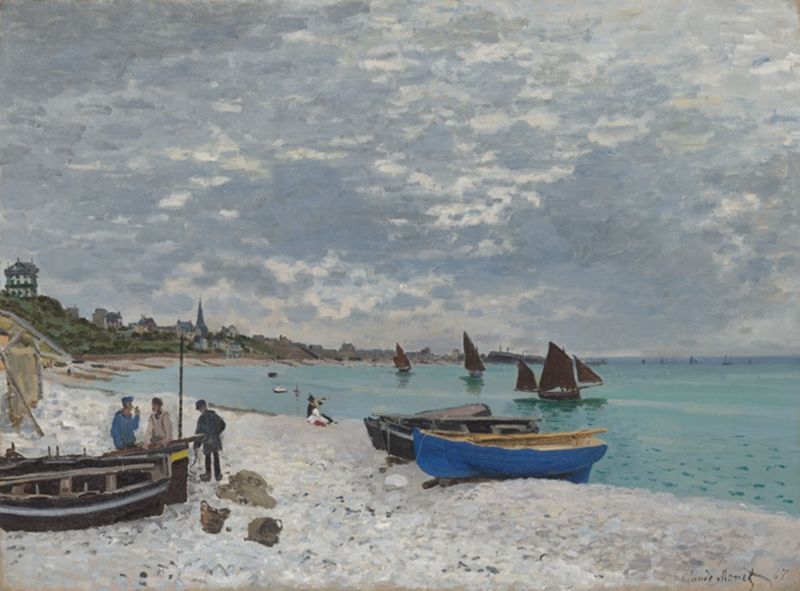
The Beach at Sainte-Adresse
Claude Monet · 1867 · Art Institute of Chicago
 Same era · 1850s–1880s
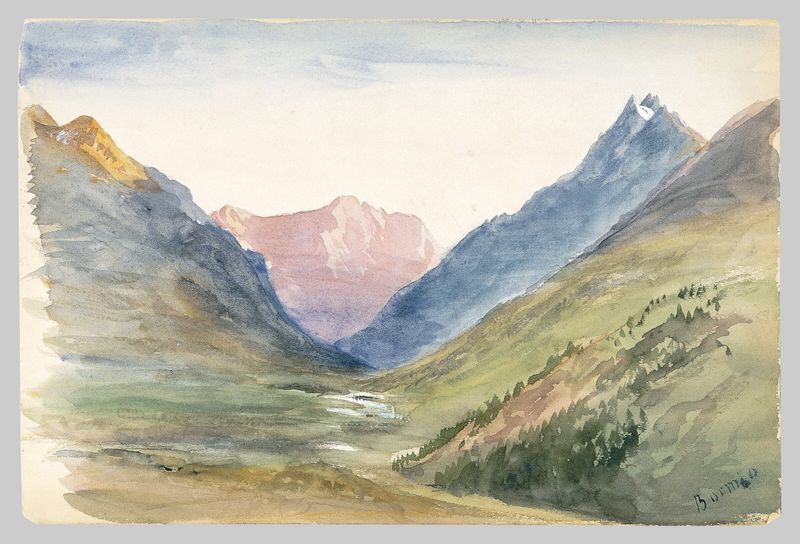
Mountain View at Bormio (from Switzerland 1869 Sketchbook)
John Singer Sargent · 1869 · The Metropolitan Museum of Art
