01
The arched bridge
The dark green footbridge arcs across the upper half like a curtain rail. Its steady curve is the one firm structure in a picture of soft, shifting touches.
1 of 5 on the painting
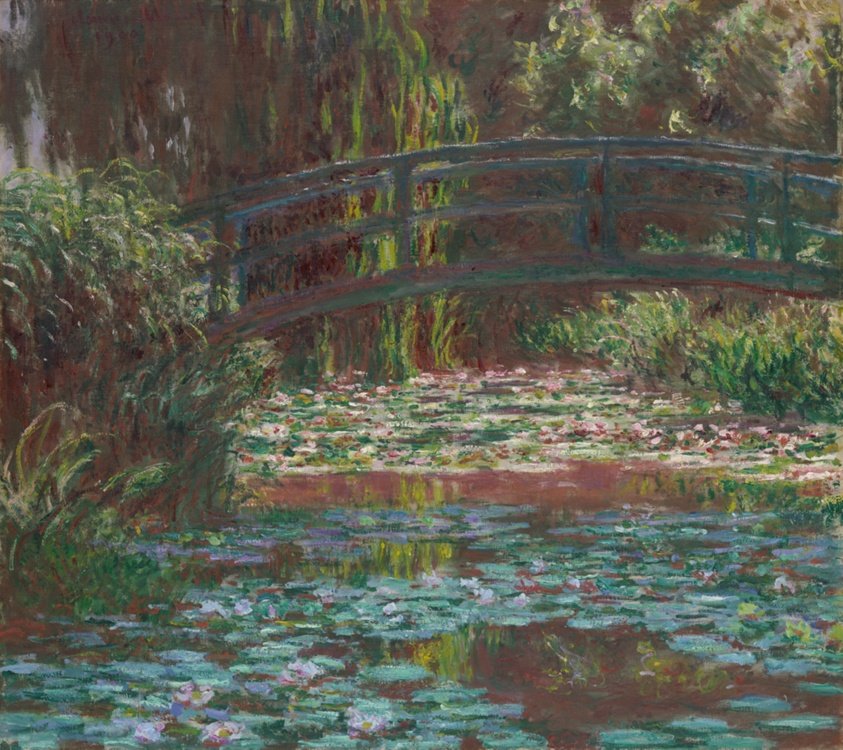
“Stop to appreciate how Monet transforms a simple garden pond into a complex study of light, reflection, and natural beauty. This painting invites you to immerse yourself in the shimmering surface and intricate details of his famous water lily series.”
The surface of the water shimmers with an array of greens, blues, and purples, reflecting the unseen sky and surrounding foliage. In this painting, Monet captures a moment from the water lily pond in his garden at Giverny, a subject that would captivate him for the last two decades of his life. The bridge itself, a Japanese-style footbridge, arches gracefully across the scene, its dark green structure providing a strong horizontal element against the fluid reflections below. Look closely at the texture of the oil paint, applied in visible brushstrokes that suggest the movement of light and the organic forms of the lilies. This work, painted in 1899, showcases the artist's dedication to observing and rendering the subtle shifts of light and atmosphere, making the water's surface a vibrant, living entity.
Five details hide in plain sight. Pick one and we’ll show you exactly where to look.
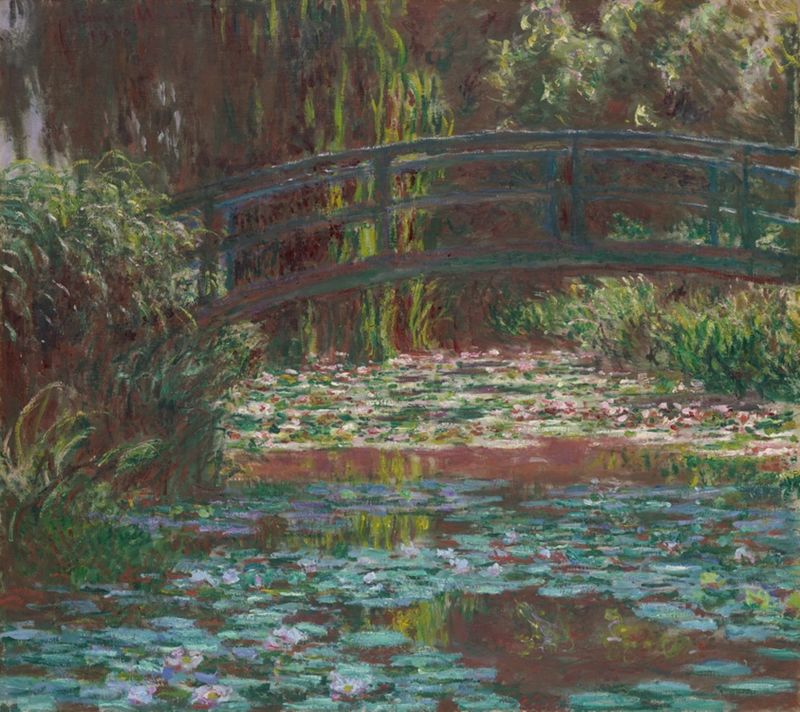
The dark green footbridge arcs across the upper half like a curtain rail. Its steady curve is the one firm structure in a picture of soft, shifting touches.
Yellow-green streaks run down into the water below the bridge. They read as the willow's reflection, stretched into vertical bars that shimmer against the dark red-brown water.
A strip of rusty red water runs across the middle of the pond. It separates the far lilies from the near ones and helps push the pond back in space.
Look at the foreground pads. Each is a small, flat stroke of teal or blue-green, and the pink blooms are just flicks of paint laid on top.
On the left, the bushes are built from quick, slanting strokes of green, yellow and brown. The leaves are suggested by energy rather than drawn one by one.
The full narration walks you through Water Lily Pond — the story behind it, the details most visitors miss, and why it matters. Free in the Art Whisper app.
Claude Monet, the visionary founder of Impressionism, transformed how we see light and nature, famously capturing the same scene repeatedly to reveal fleeting moments.
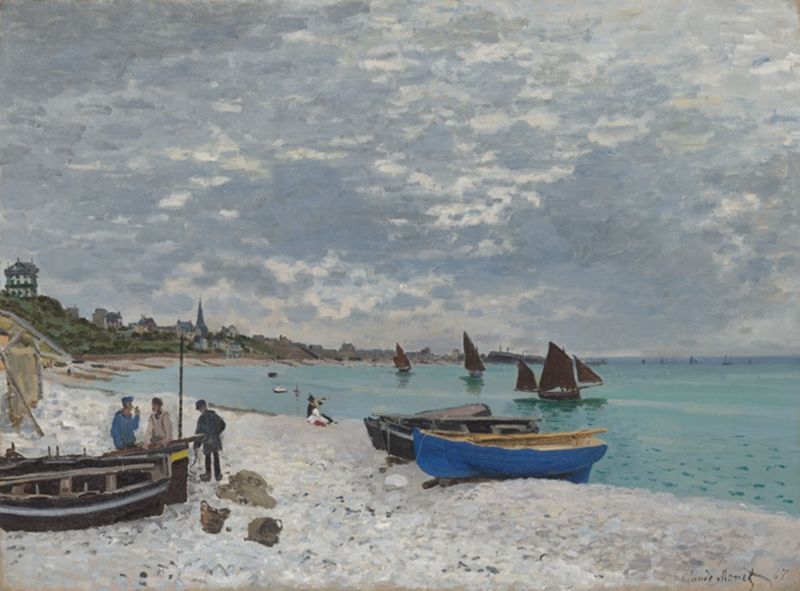 The Beach at Sainte-Adresse
1867 · Art Institute of Chicago
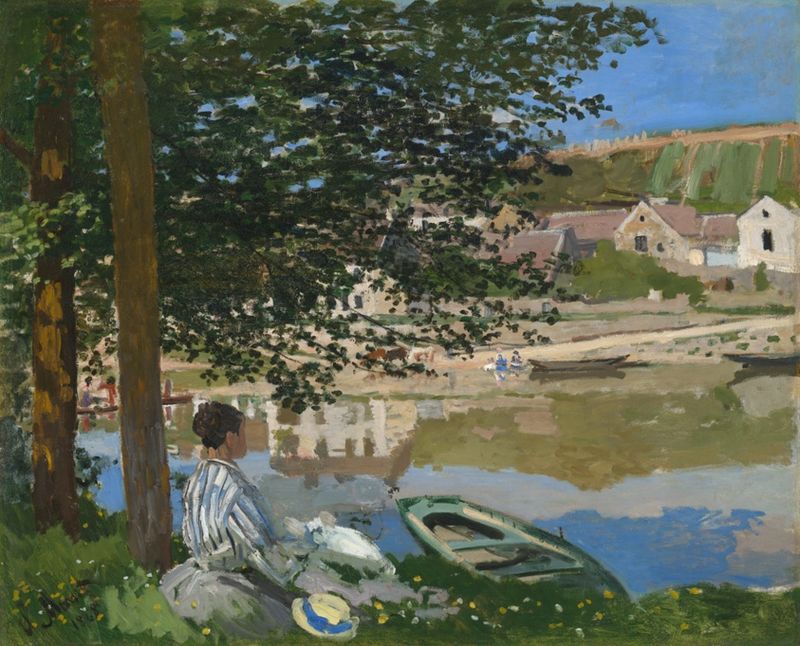 On the Bank of the Seine, Bennecourt
1868 · Art Institute of Chicago
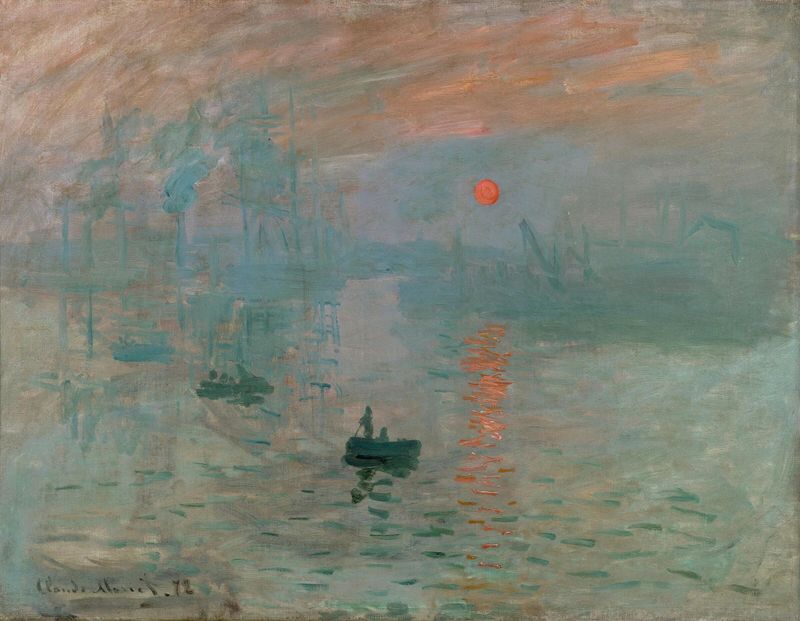 Impression, Sunrise
1872 · Musée Marmottan Monet
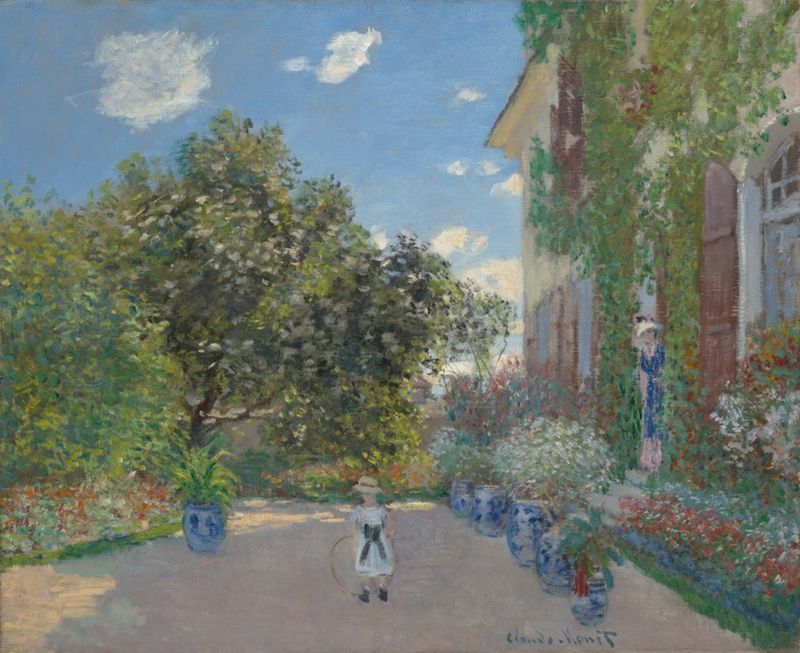 The Artist's House at Argenteuil
1873 · Art Institute of Chicago
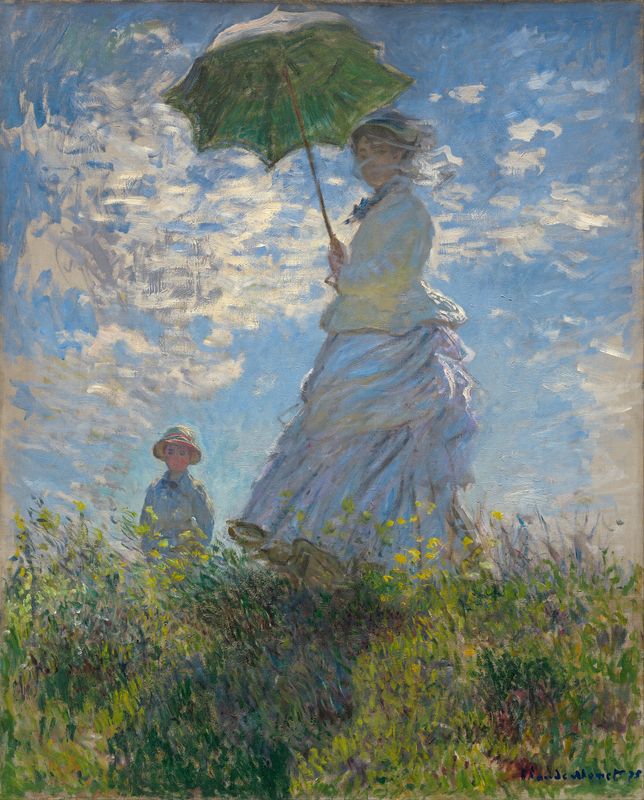 Woman with a Parasol – Madame Monet and Her Son
1875 · National Gallery of Art
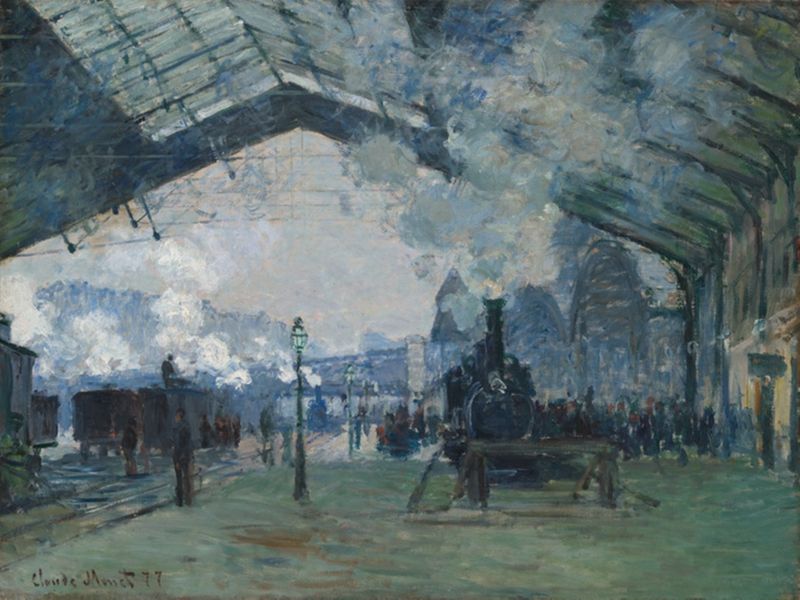 Arrival of the Normandy Train, Gare Saint-Lazare
1877 · Art Institute of Chicago
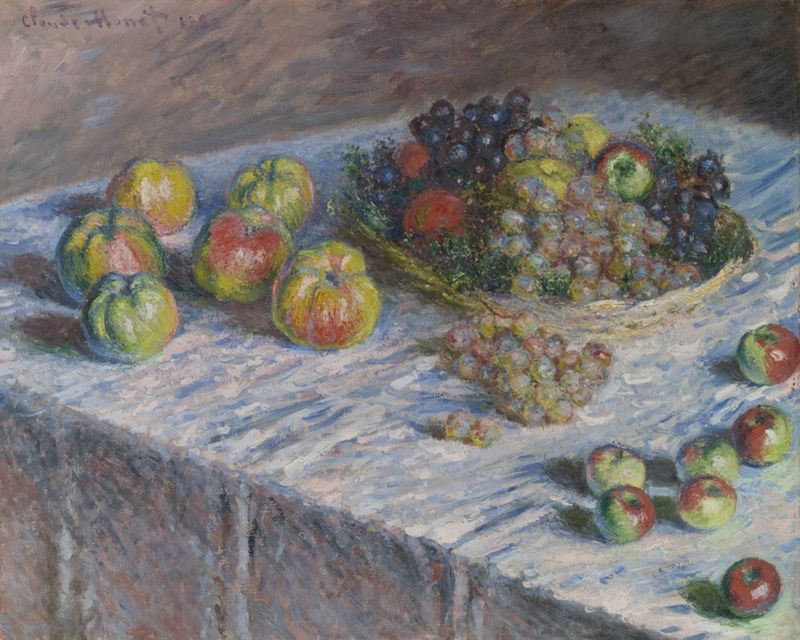 Apples and Grapes
1880 · Art Institute of Chicago
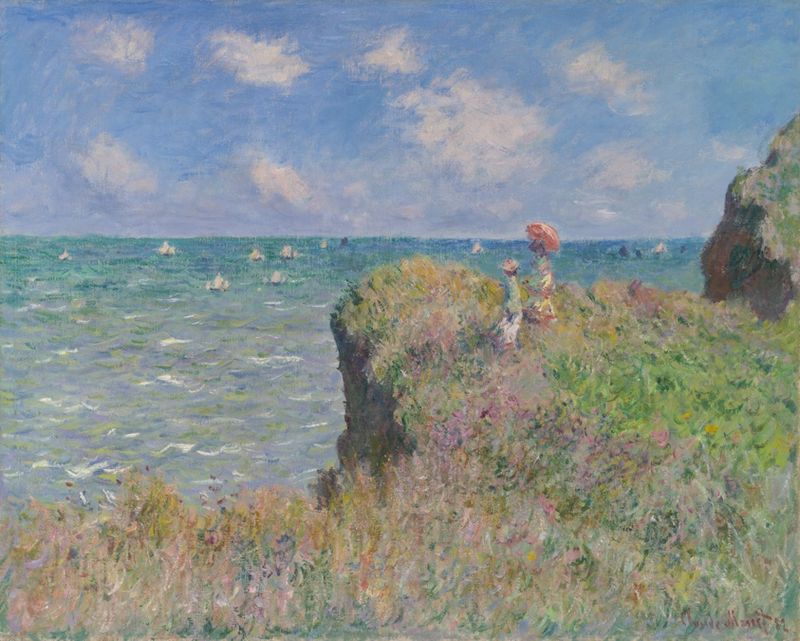 Cliff Walk at Pourville
1882 · Art Institute of Chicago
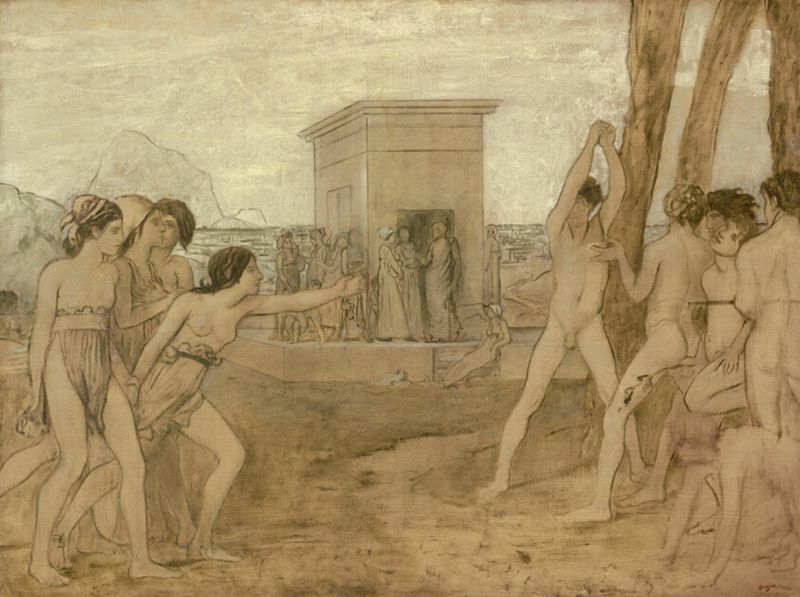 Young Spartan Girls Challenging Boys
Degas · 1860 · Art Institute of Chicago
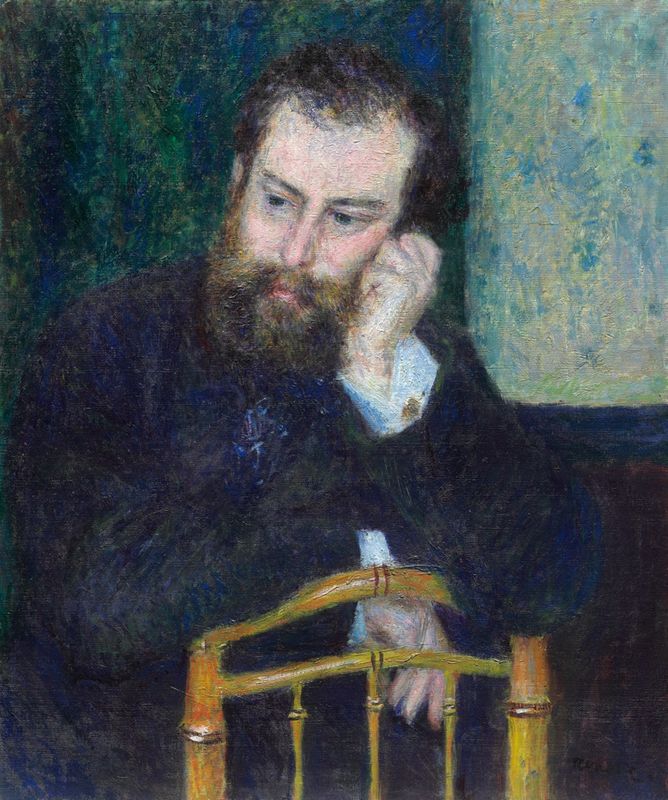 Alfred Sisley
Renoir · 1864 · Foundation E.G. Bührle Collection
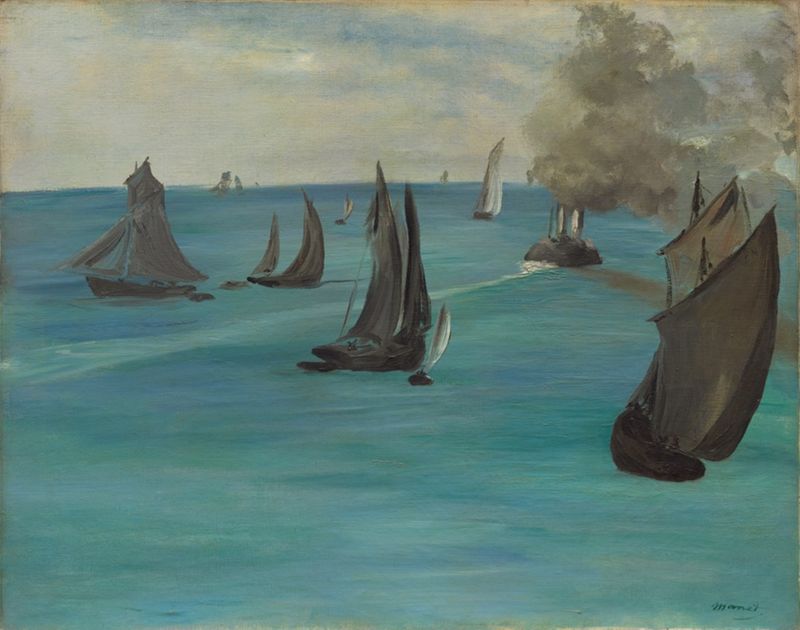 Sea View, Calm Weather (Vue de mer, temps calme)
Manet · 1864 · Art Institute of Chicago
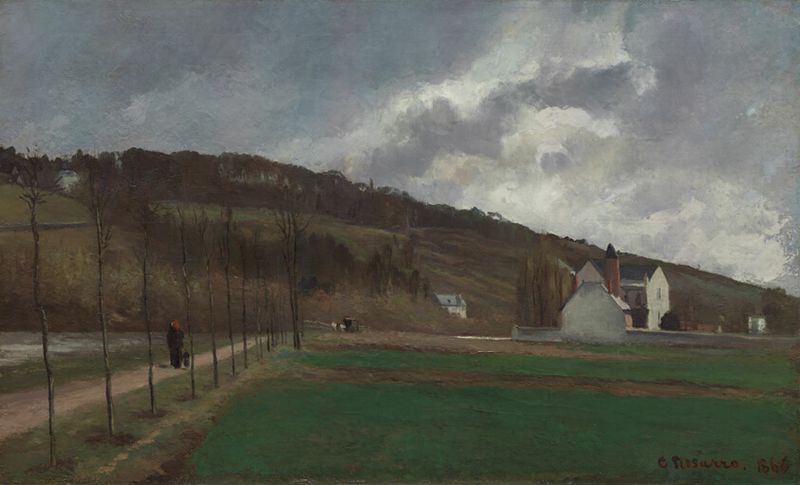 The Banks of the Marne in Winter
Pissarro · 1866 · Art Institute of Chicago
Beyond Monet and Impressionism: works from the same years.
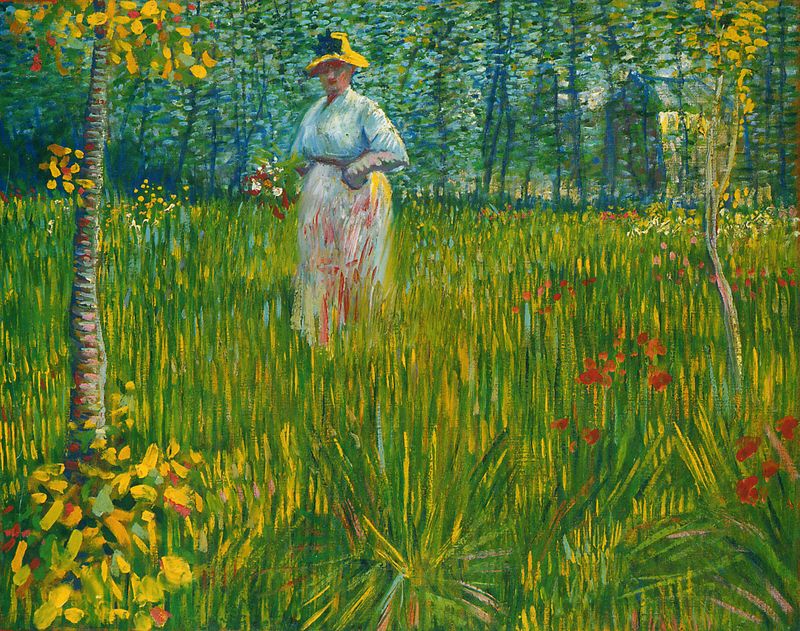 Same era · 1880s–1910s
A Woman Walking in a Garden
Vincent van Gogh · 1887 · Frans Buffa & sons
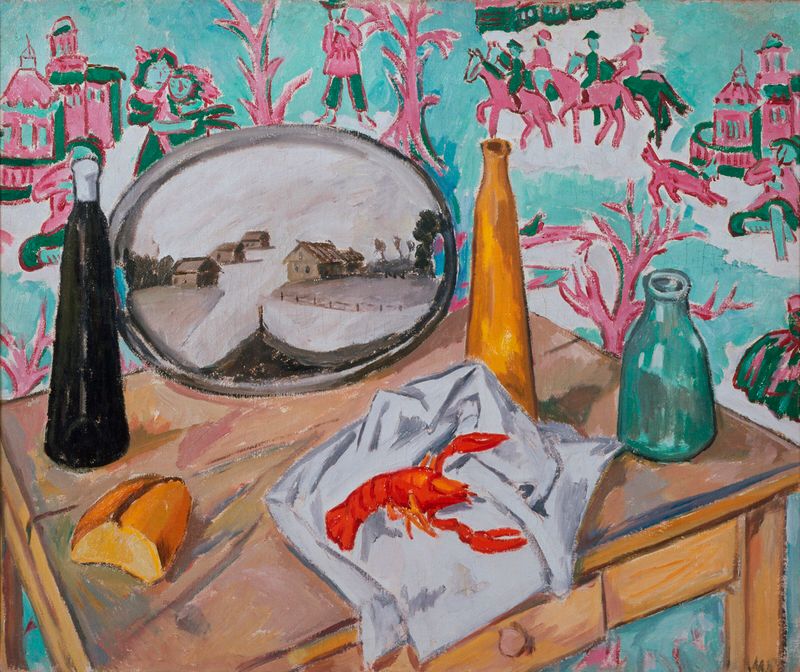 Same era · 1880s–1910s
Still Life with Crayfish
Mikhail Larionov · 1900 · Museum Ludwig
 Same era · 1880s–1910s
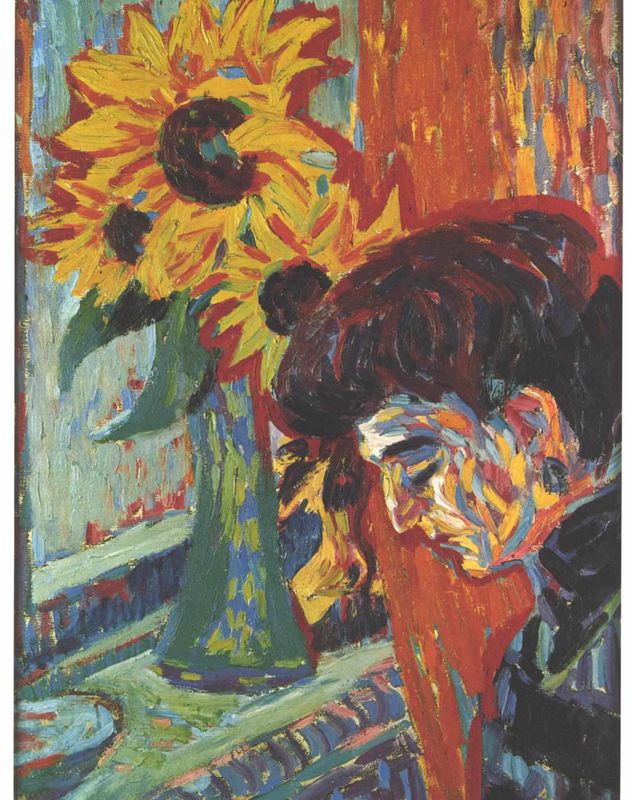
Frauenkopf vor Sonnenblumen
Ernst Ludwig Kirchner · 1906 · Museum Frieder Burda
 Same era · 1880s–1910s
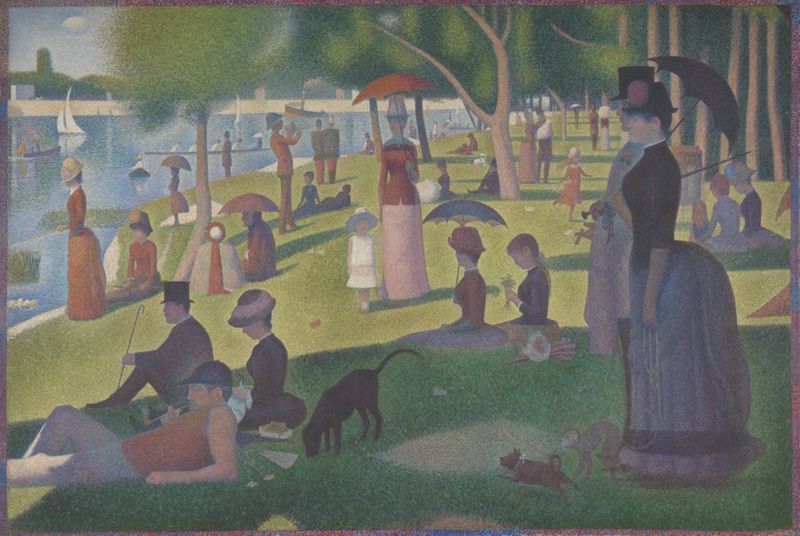
A Sunday on La Grande Jatte — 1884
Okada Saburosuke · 1884 · Art Institute of Chicago
 Same era · 1880s–1910s
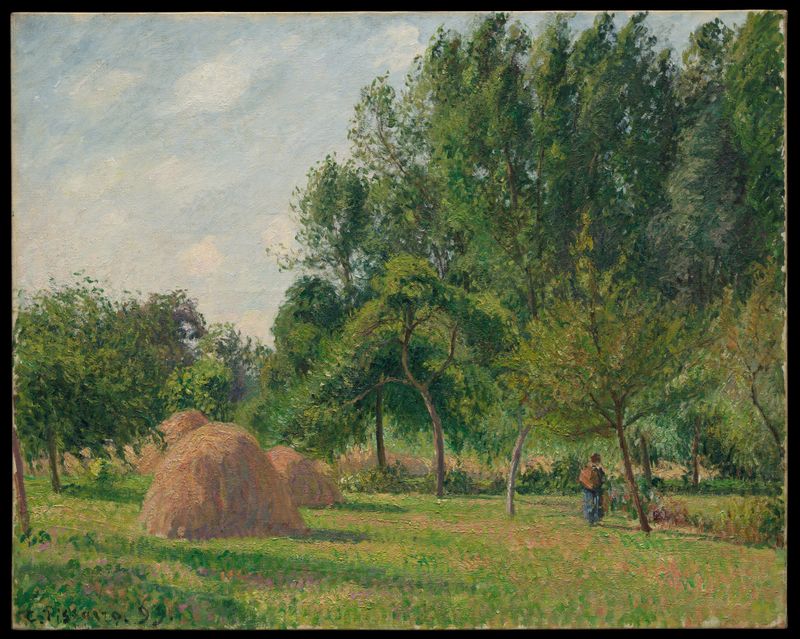
Haystacks, Morning, Eragny
Camille Pissarro · 1899 · The Metropolitan Museum of Art
 Same era · 1880s–1910s
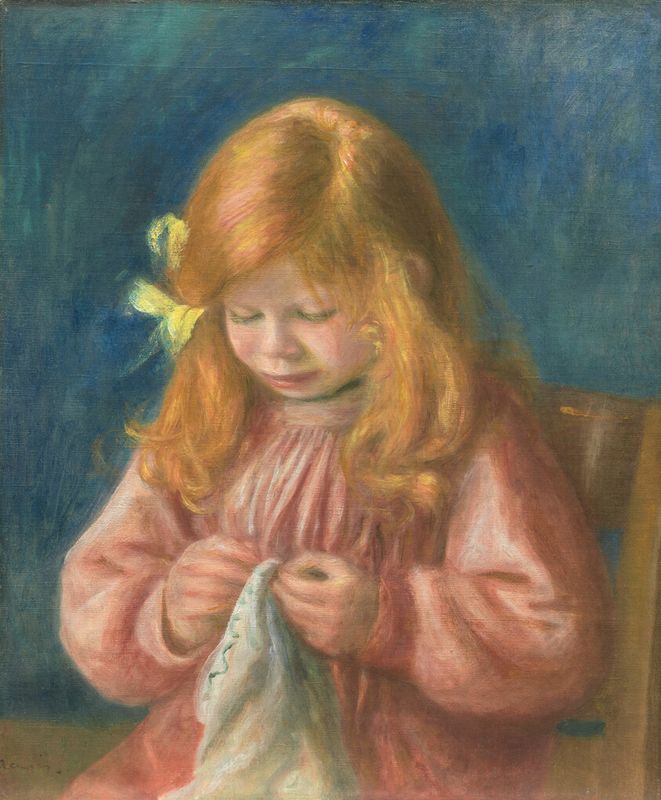
Jean Renoir Sewing
Pierre-Auguste Renoir · 1899 · Art Institute of Chicago
 Same era · 1880s–1910s
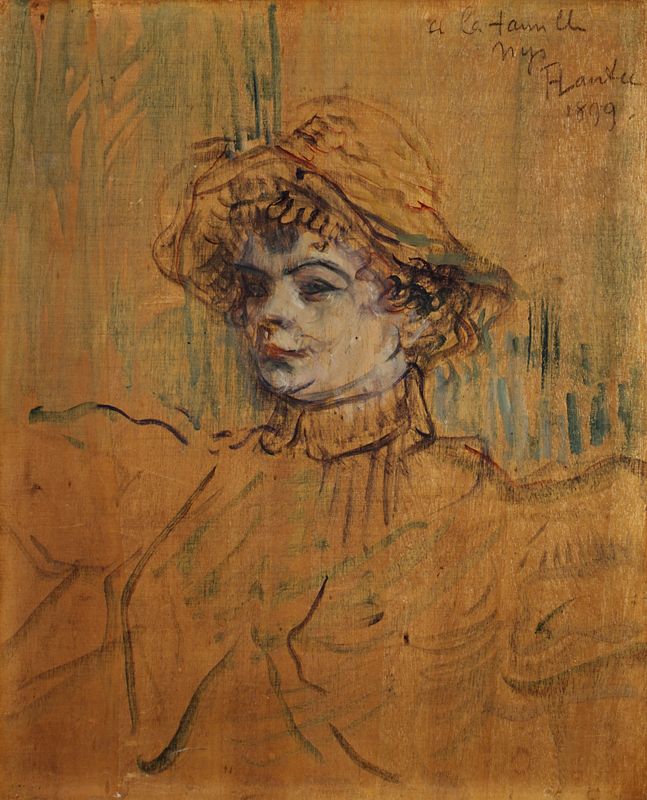
Mademoiselle Nys
Henri de Toulouse-Lautrec · 1899 · The Metropolitan Museum of Art
 Same era · 1880s–1910s
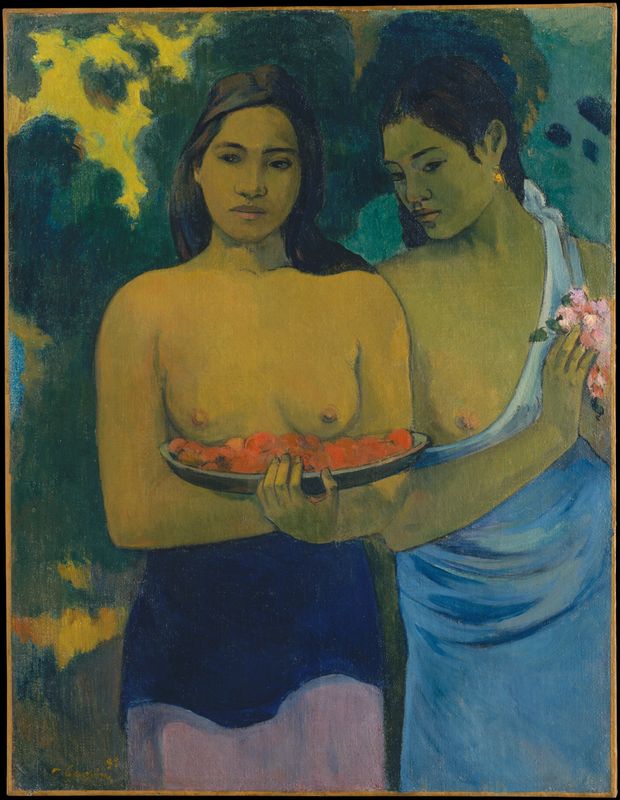
Two Tahitian Women
Paul Gauguin · 1899 · The Metropolitan Museum of Art
 Same era · 1880s–1910s
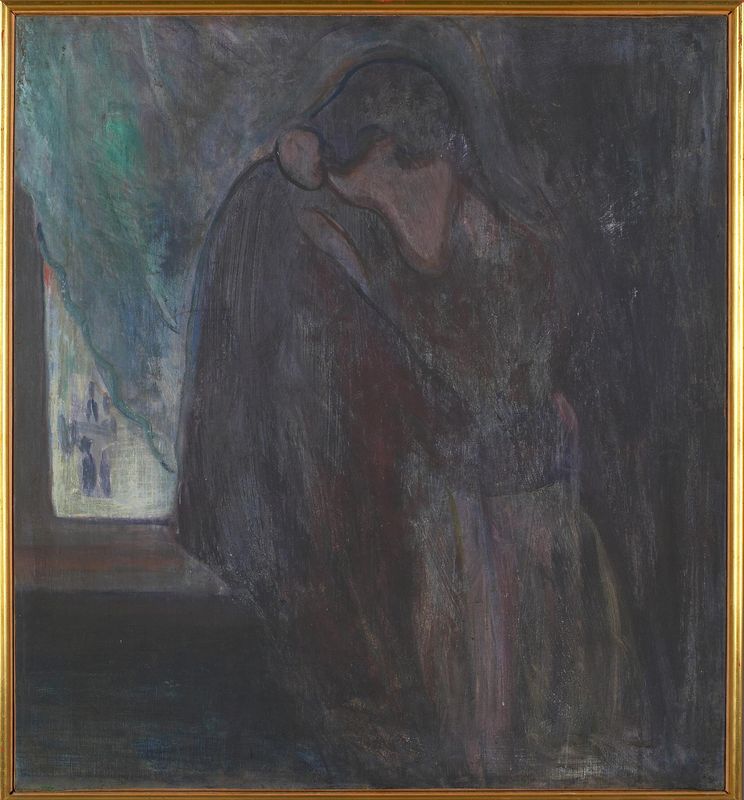
The Kiss
Edvard Munch · 1897 · Munch Museum
 Same era · 1880s–1910s
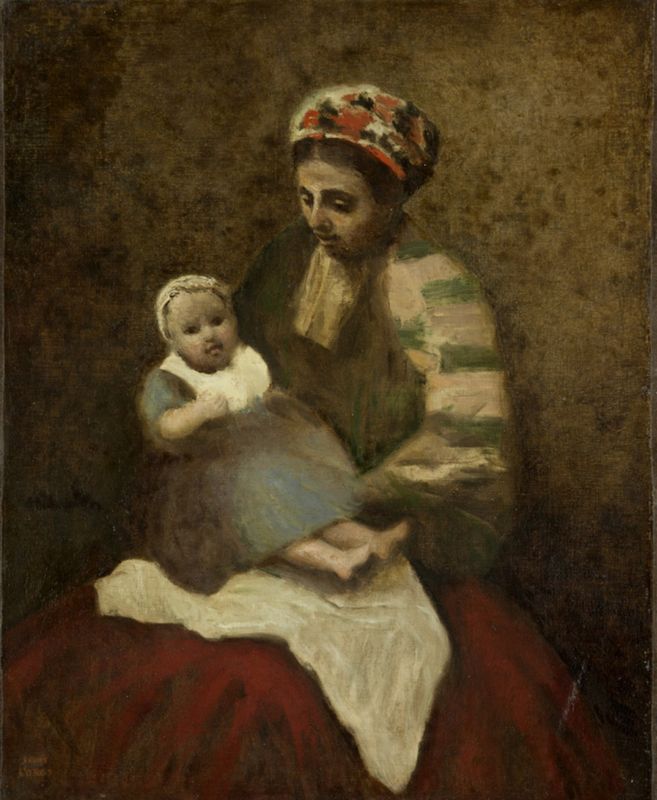
Nurse and Child
Mary Cassatt · 1896 · The Metropolitan Museum of Art
 Same era · 1880s–1910s
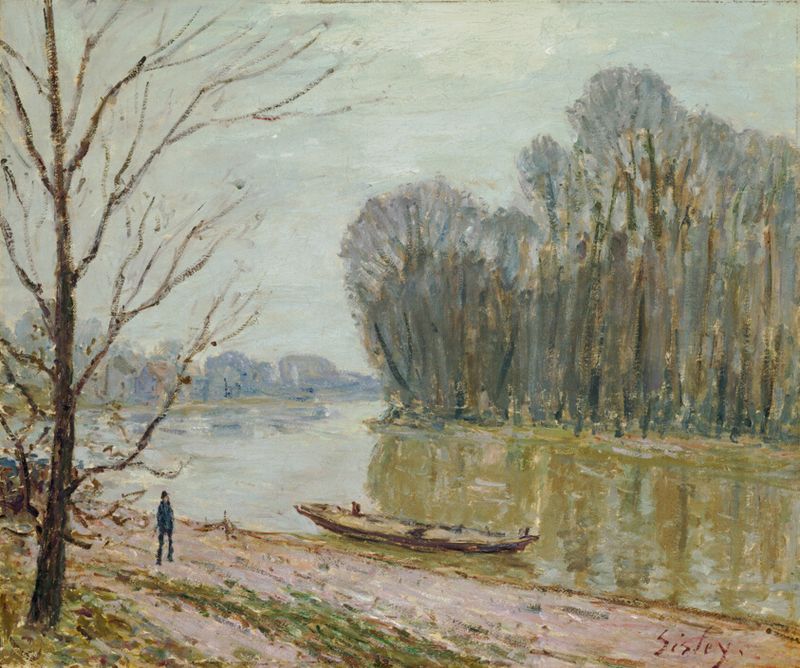
The Loire
Alfred Sisley · 1896 · Art Institute of Chicago
 Same era · 1880s–1910s
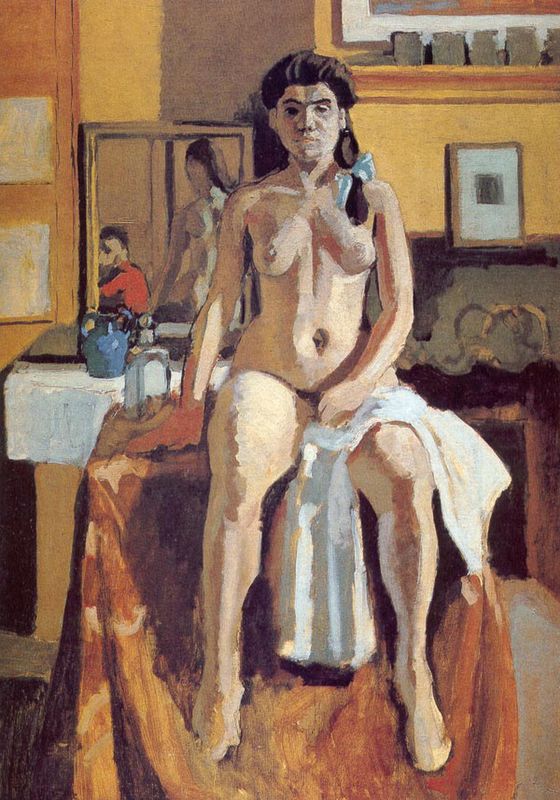
Carmelina
Henri Matisse · 1903 · Museum of Fine Arts Boston
