01
Glowing red hair
Look at the hair falling around her face. Streaks of orange, gold and pink make it glow against the cool blue behind.
1 of 4 on the painting
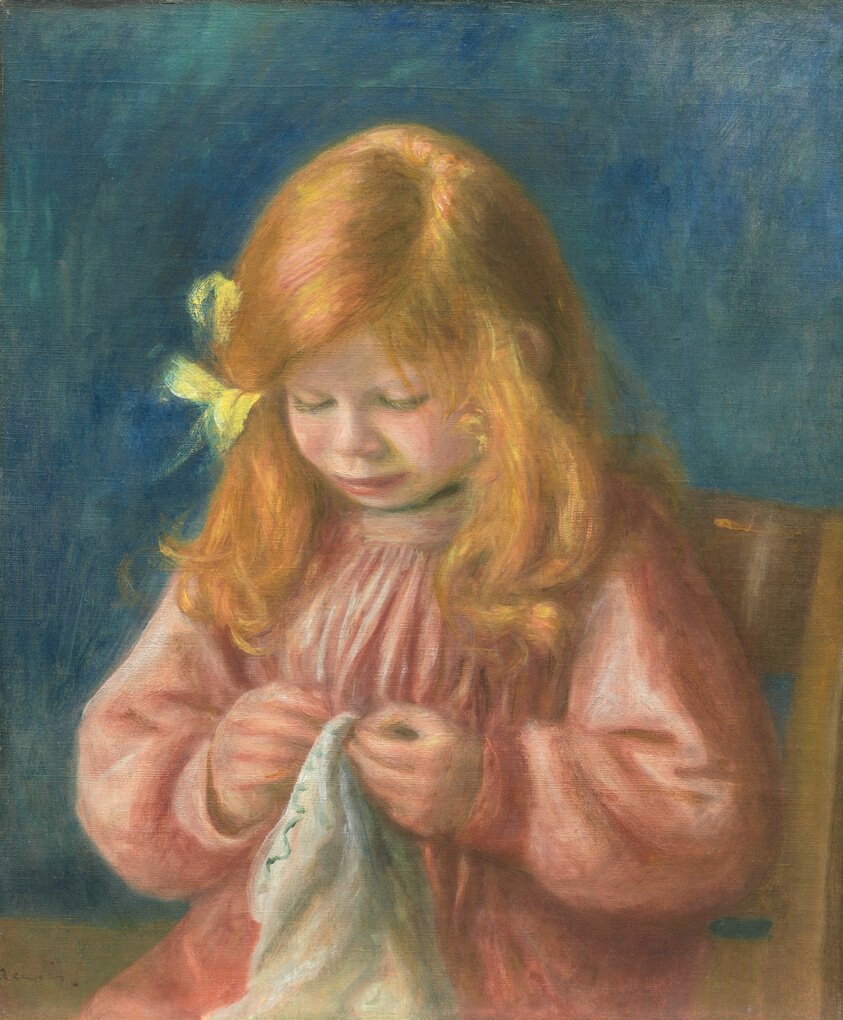
“Stop and observe this tender portrait of the artist's son, Jean Renoir, captured in a moment of quiet concentration while sewing. It's a beautiful example of Impressionist light and brushwork applied to an intimate, domestic scene.”
In this intimate portrait, a young Jean Renoir, son of the artist, is engrossed in his sewing. He sits in profile, his head bent, focusing intently on the fabric in his hands. The soft light, characteristic of Impressionism, falls gently on his face and the rumpled white cloth, highlighting the quiet concentration of the moment. The brushstrokes are loose and visible, particularly in the background, giving a sense of immediacy and capturing the fleeting quality of light and atmosphere. This domestic scene offers a glimpse into the artist's personal life, a tender observation of his son engaged in a commonplace activity, rendered with warmth and sensitivity. The year 1899 places this work late in the artist's career, long after his initial involvement with the Impressionist movement, yet the painting retains that style's emphasis on light and everyday subject matter.
Five details hide in plain sight. Pick one and we’ll show you exactly where to look.
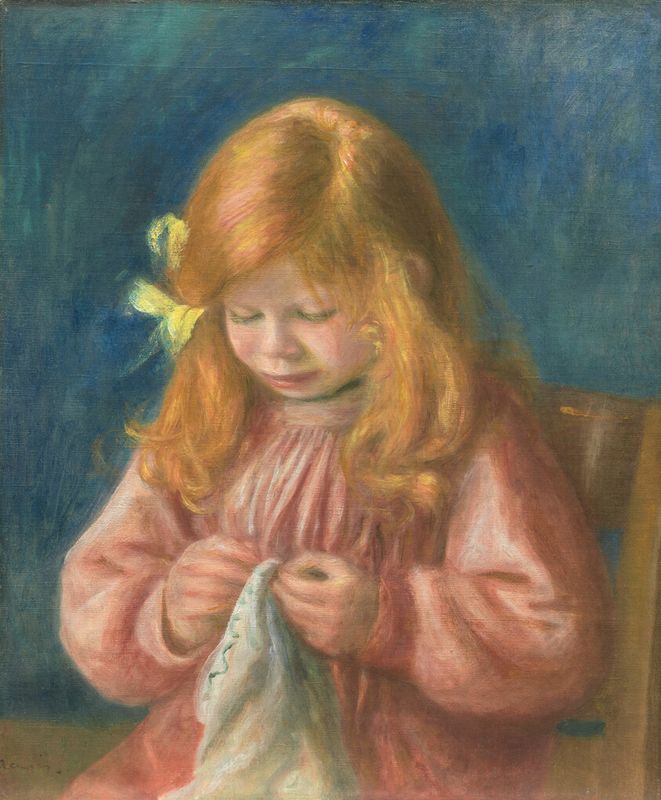
Look at the hair falling around her face. Streaks of orange, gold and pink make it glow against the cool blue behind.
Her eyes are lowered and her lips are slightly pursed. Soft pink strokes show a child absorbed in her work, not posing for us.
Her small hands hold the cloth together, with the fingers painted in loose, blurred strokes. A tiny dark spot near the right hand suggests the needle, and the quiet action sits right here.
Vertical strokes of pink, cream and rose form the gathered yoke of her dress, suggesting soft folds without any hard outline.
Her orange hair and pink dress fill the center against a deep blue field. The tilted head and arms lead your eye down to the cloth.
The full narration walks you through Jean Renoir Sewing — the story behind it, the details most visitors miss, and why it matters. Free in the Art Whisper app.
Pierre-Auguste Renoir, a leading Impressionist, painted lively scenes of Parisian life and celebrated feminine beauty.
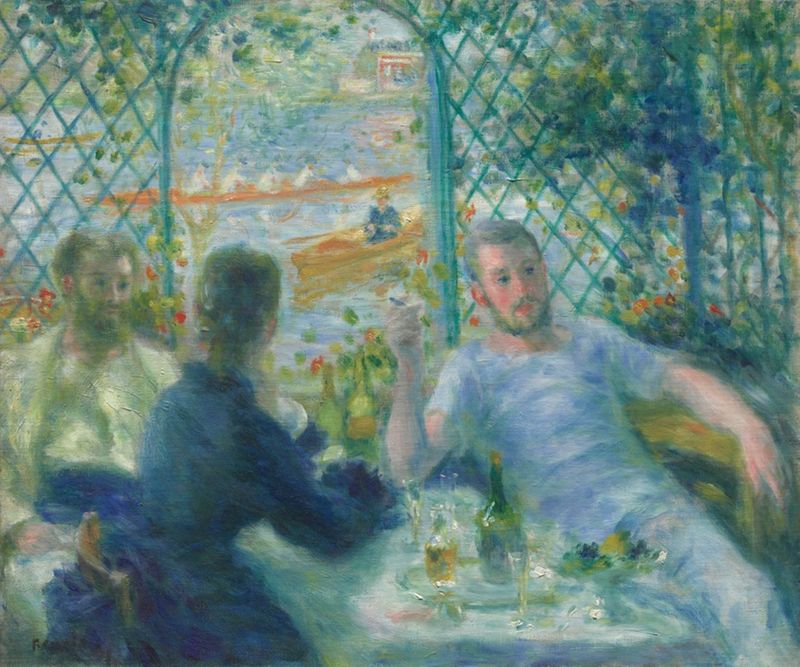 Lunch at the Restaurant Fournaise (The Rowers' Lunch)
1875 · Art Institute of Chicago
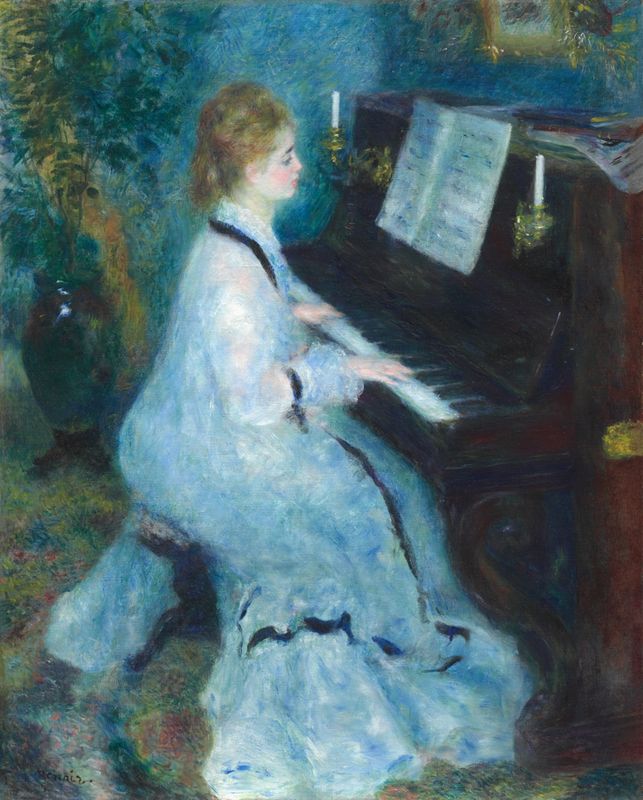 Woman at the Piano
1875 · Art Institute of Chicago
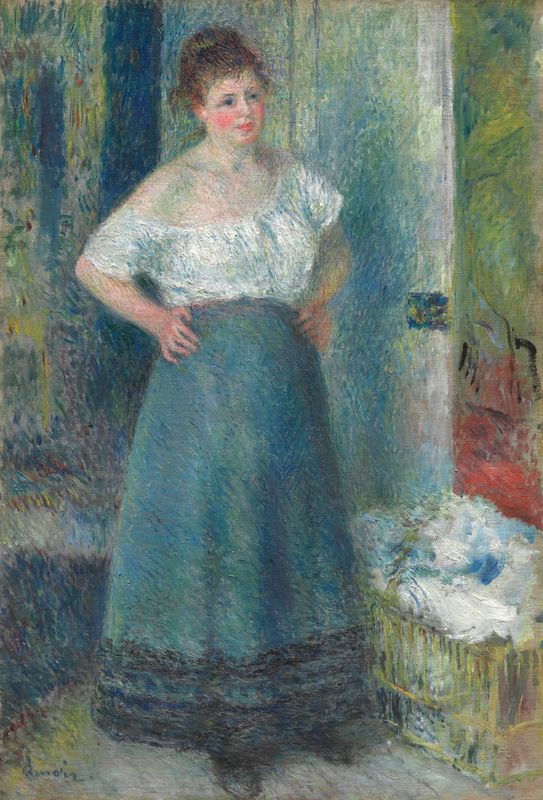 The Laundress
1877 · Art Institute of Chicago
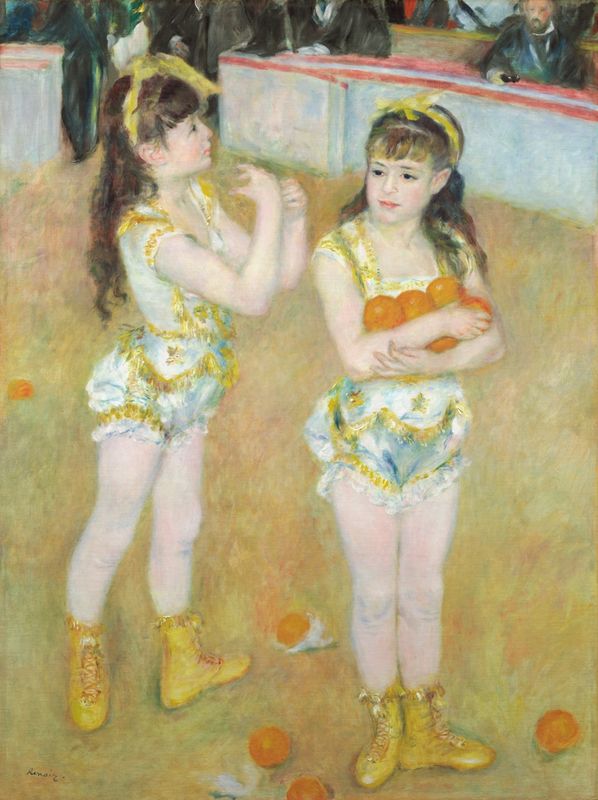 Acrobats at the Cirque Fernando (Francisca and Angelina Wartenberg)
1879 · Art Institute of Chicago
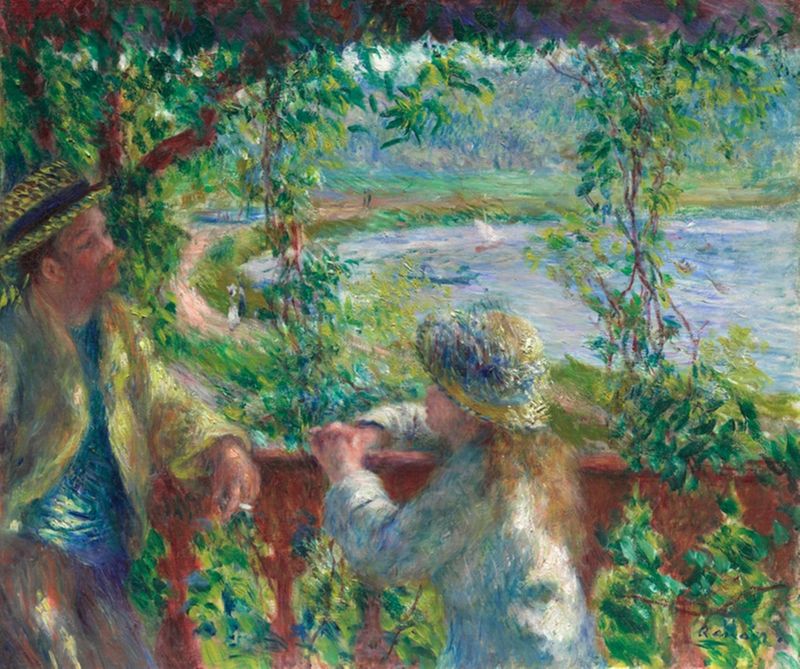 Near the Lake
1879 · Art Institute of Chicago
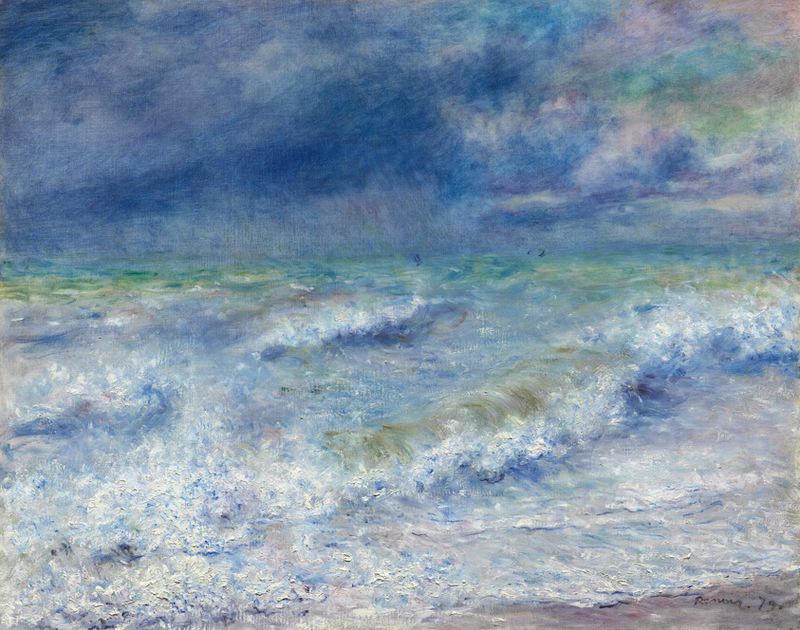 Seascape
1879 · Art Institute of Chicago
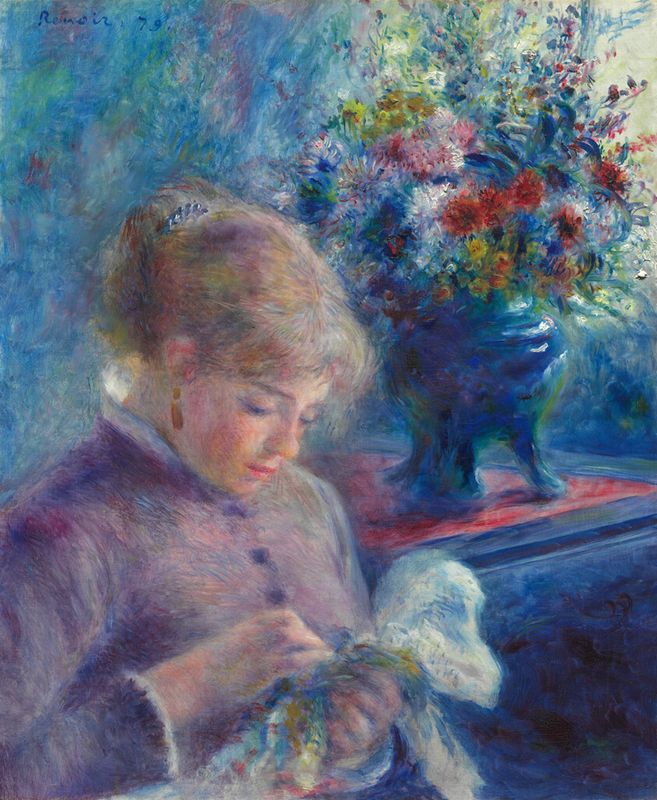 Young Woman Sewing
1879 · Art Institute of Chicago
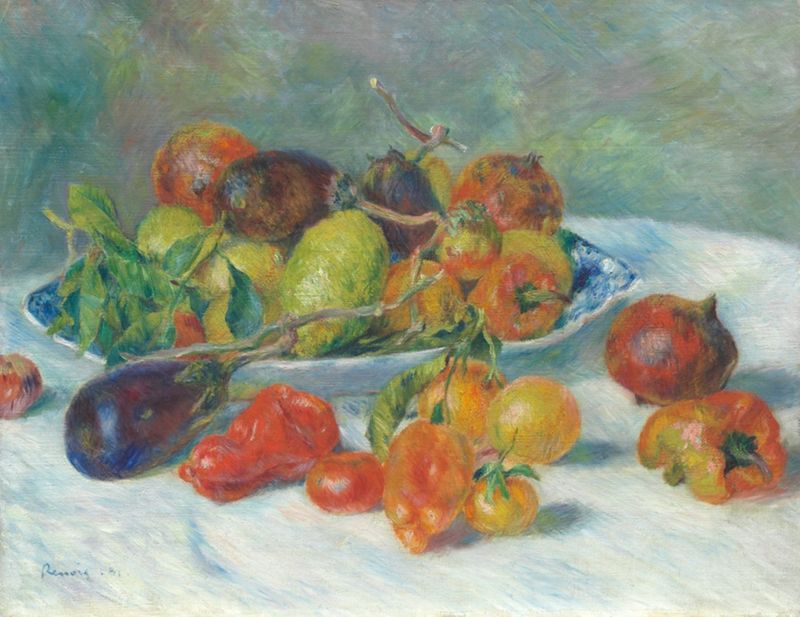 Fruits of the Midi
1881 · Art Institute of Chicago
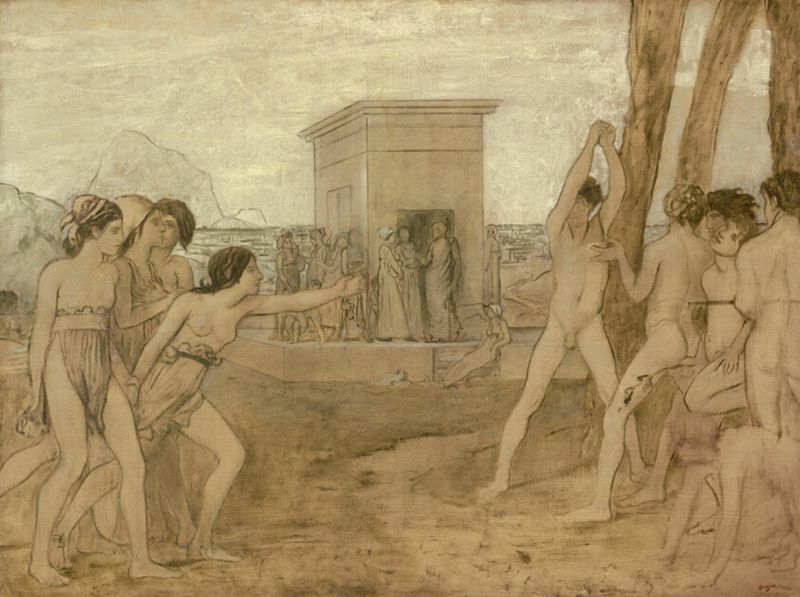 Young Spartan Girls Challenging Boys
Degas · 1860 · Art Institute of Chicago
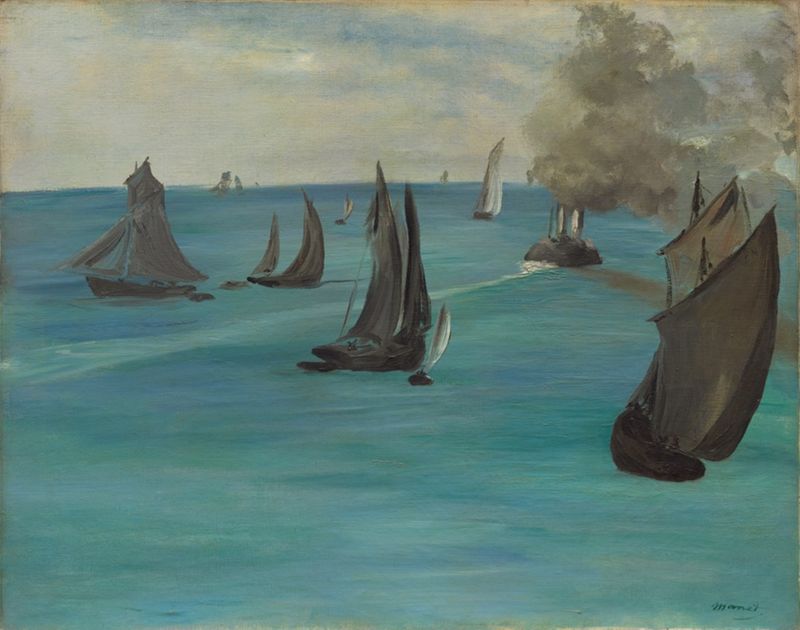 Sea View, Calm Weather (Vue de mer, temps calme)
Manet · 1864 · Art Institute of Chicago
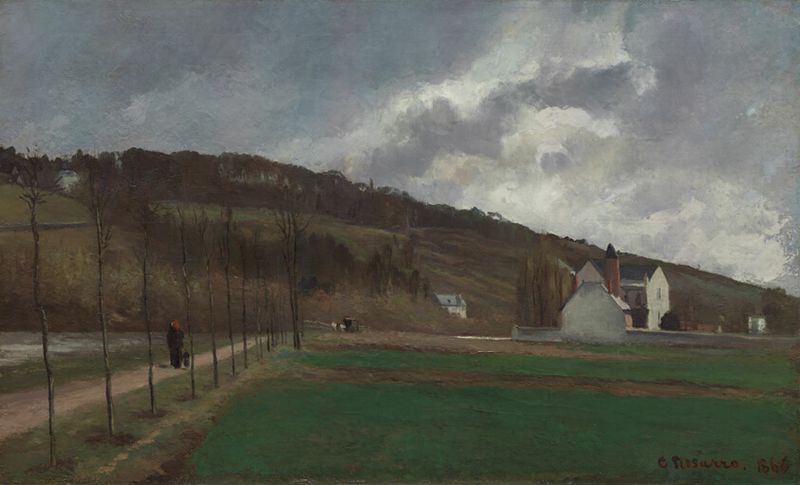 The Banks of the Marne in Winter
Pissarro · 1866 · Art Institute of Chicago
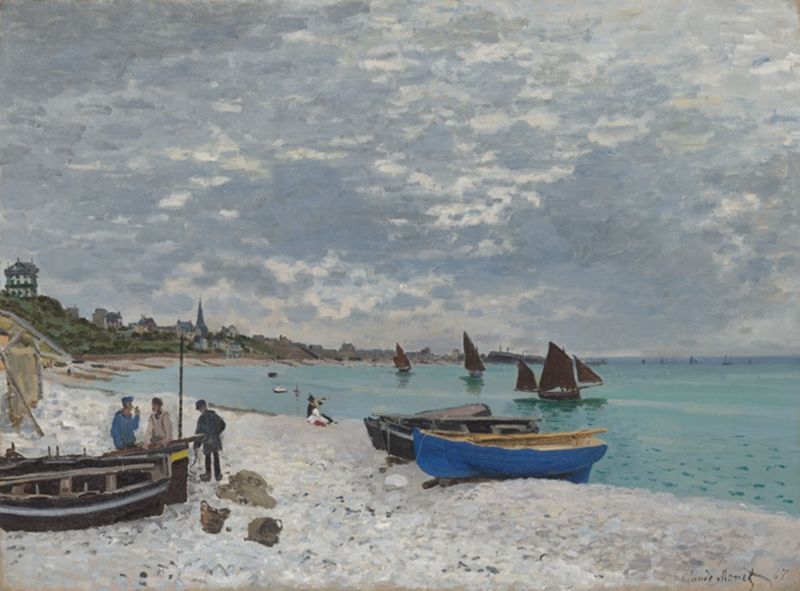 The Beach at Sainte-Adresse
Monet · 1867 · Art Institute of Chicago
Beyond Renoir and Impressionism: works from the same years.
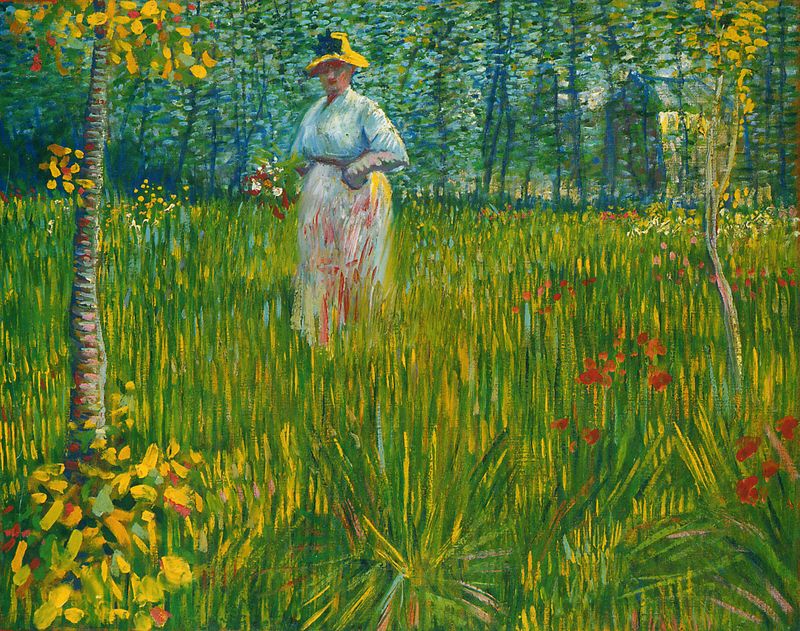 Same era · 1880s–1910s
A Woman Walking in a Garden
Vincent van Gogh · 1887 · Frans Buffa & sons
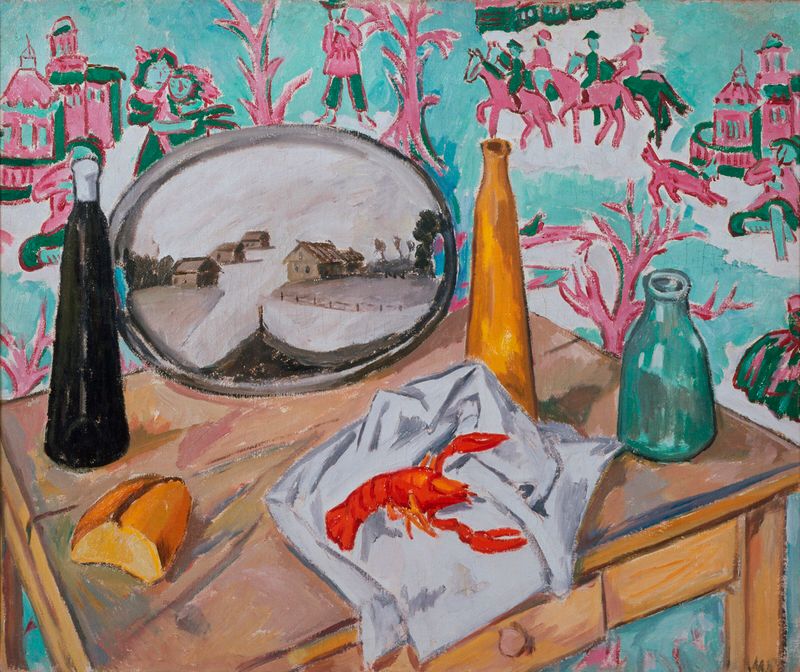 Same era · 1880s–1910s
Still Life with Crayfish
Mikhail Larionov · 1900 · Museum Ludwig
 Same era · 1880s–1910s
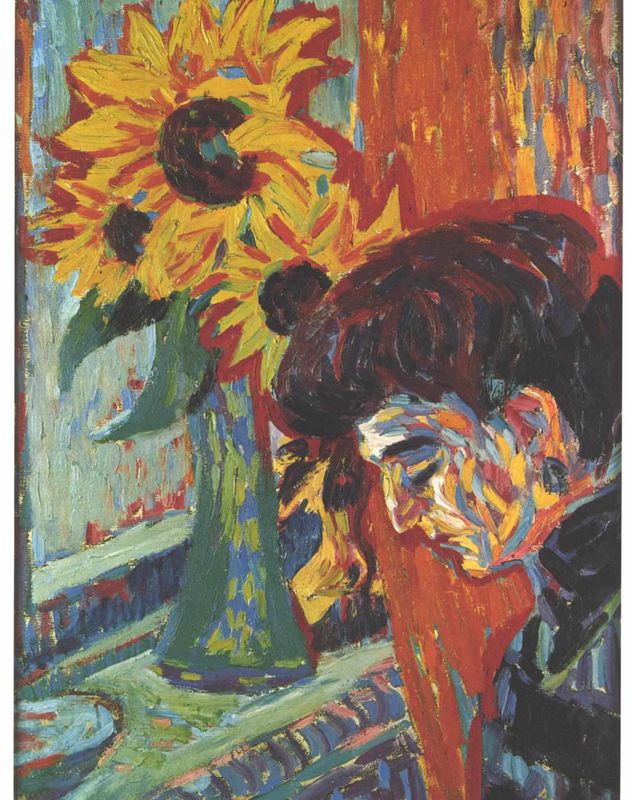
Frauenkopf vor Sonnenblumen
Ernst Ludwig Kirchner · 1906 · Museum Frieder Burda
 Same era · 1880s–1910s
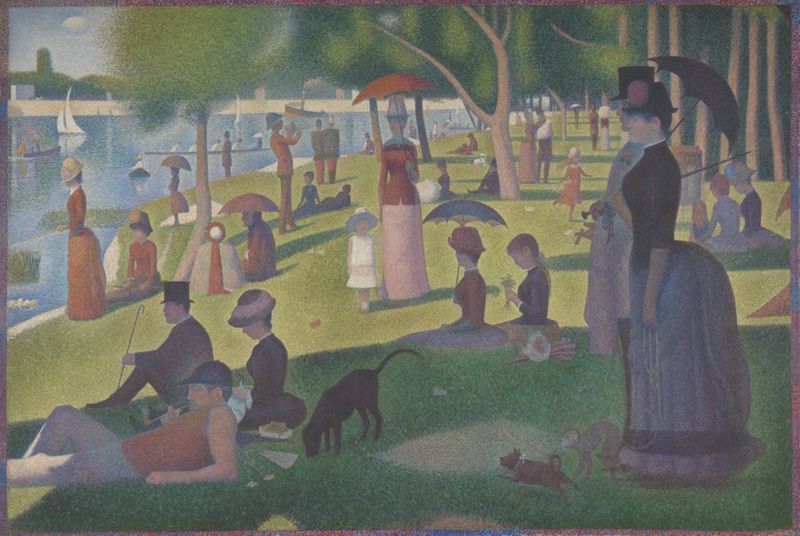
A Sunday on La Grande Jatte — 1884
Okada Saburosuke · 1884 · Art Institute of Chicago
 Same era · 1880s–1910s
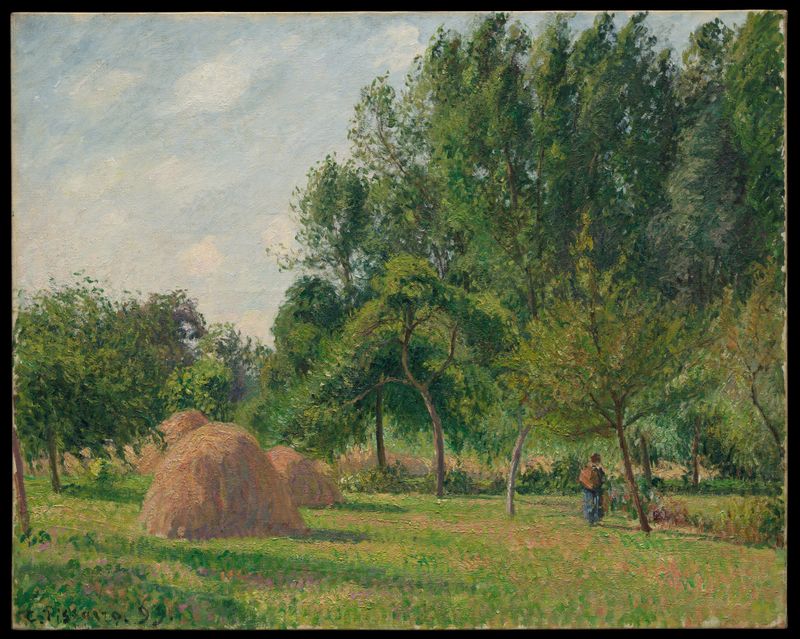
Haystacks, Morning, Eragny
Camille Pissarro · 1899 · The Metropolitan Museum of Art
 Same era · 1880s–1910s
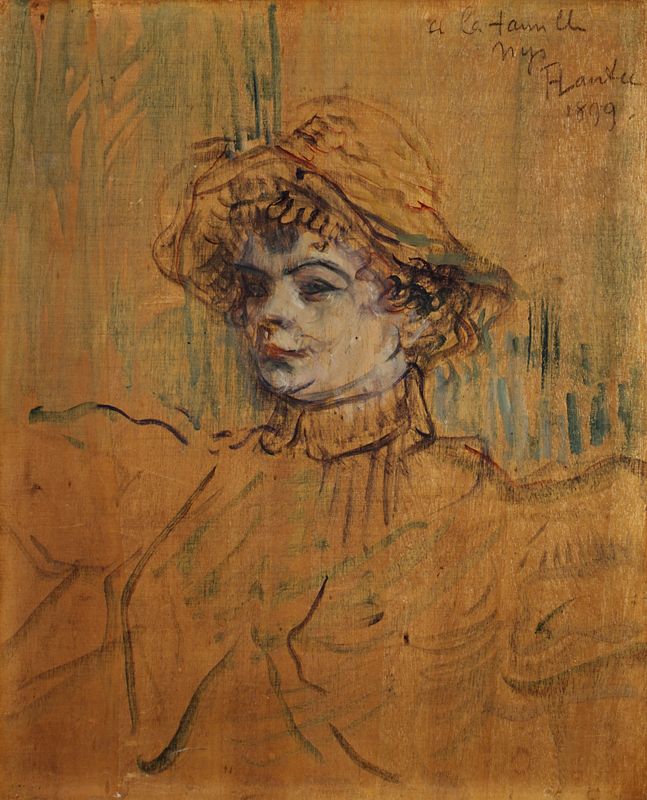
Mademoiselle Nys
Henri de Toulouse-Lautrec · 1899 · The Metropolitan Museum of Art
 Same era · 1880s–1910s
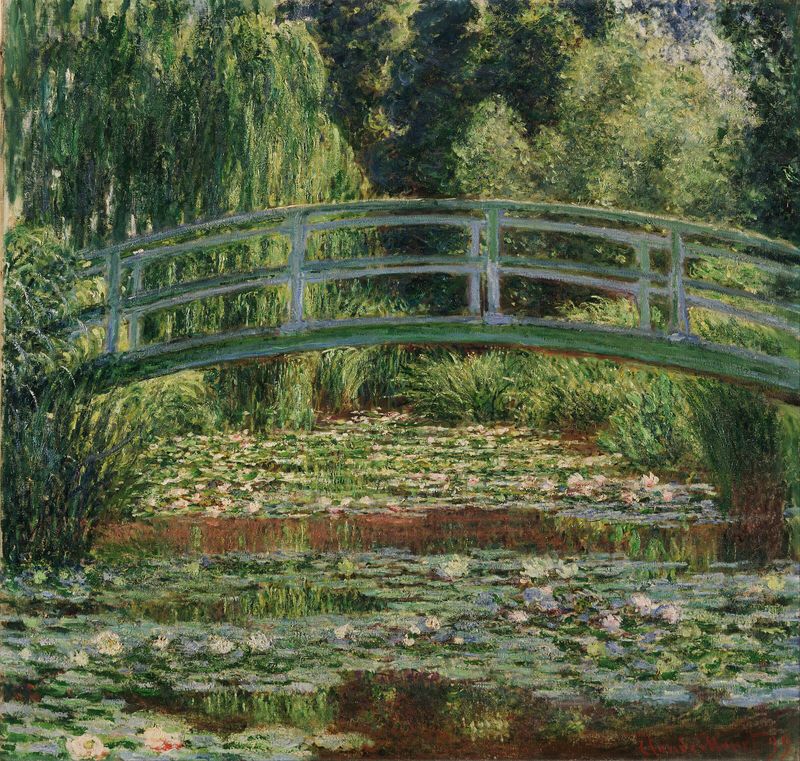
The Japanese Footbridge and the Water Lily Pool, Giverny
Claude Monet · 1899 · Philadelphia Museum of Art
 Same era · 1880s–1910s
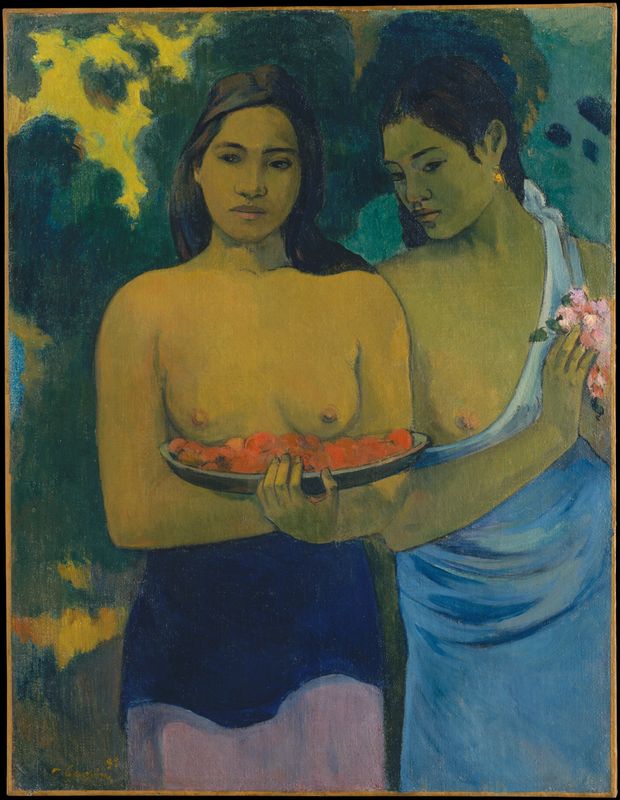
Two Tahitian Women
Paul Gauguin · 1899 · The Metropolitan Museum of Art
 Same era · 1880s–1910s
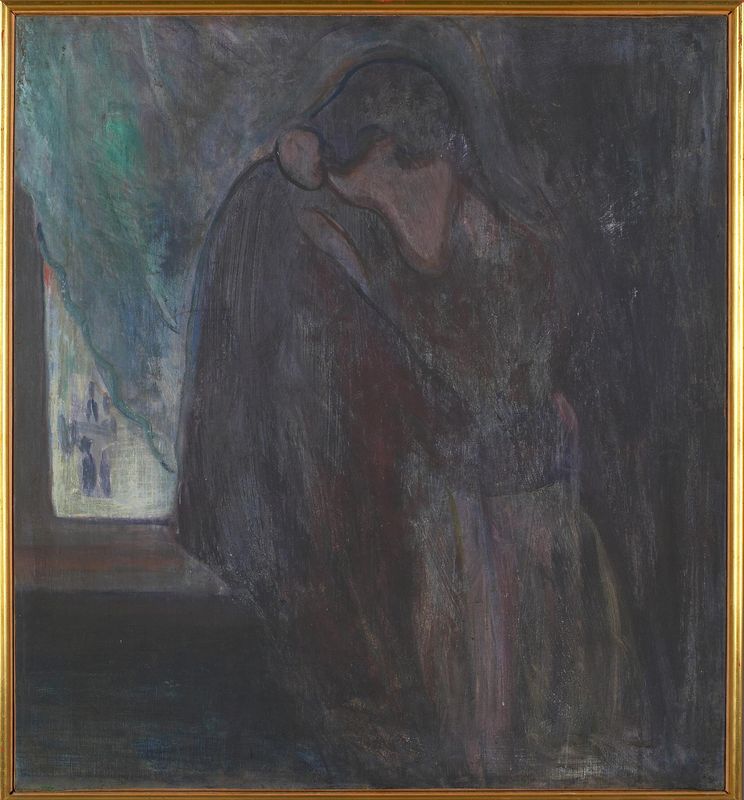
The Kiss
Edvard Munch · 1897 · Munch Museum
 Same era · 1880s–1910s
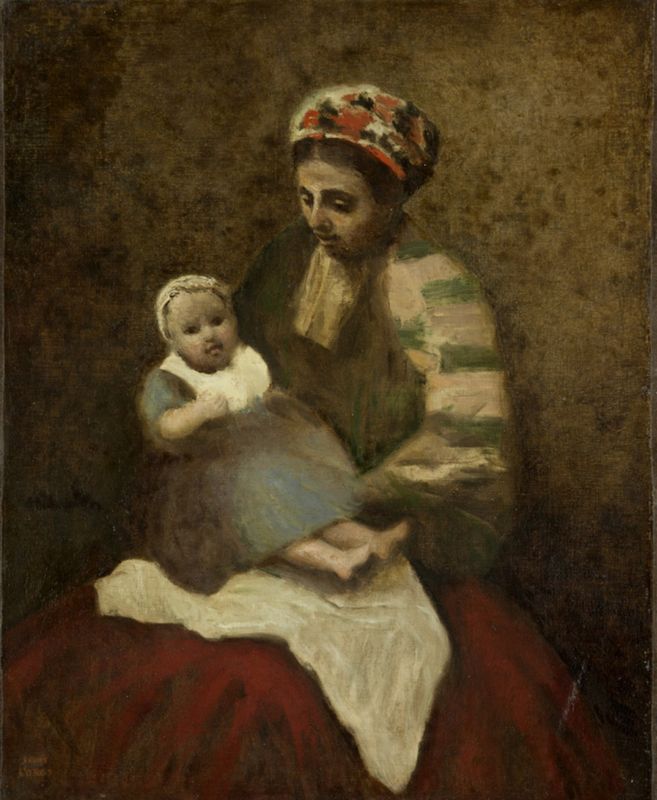
Nurse and Child
Mary Cassatt · 1896 · The Metropolitan Museum of Art
 Same era · 1880s–1910s
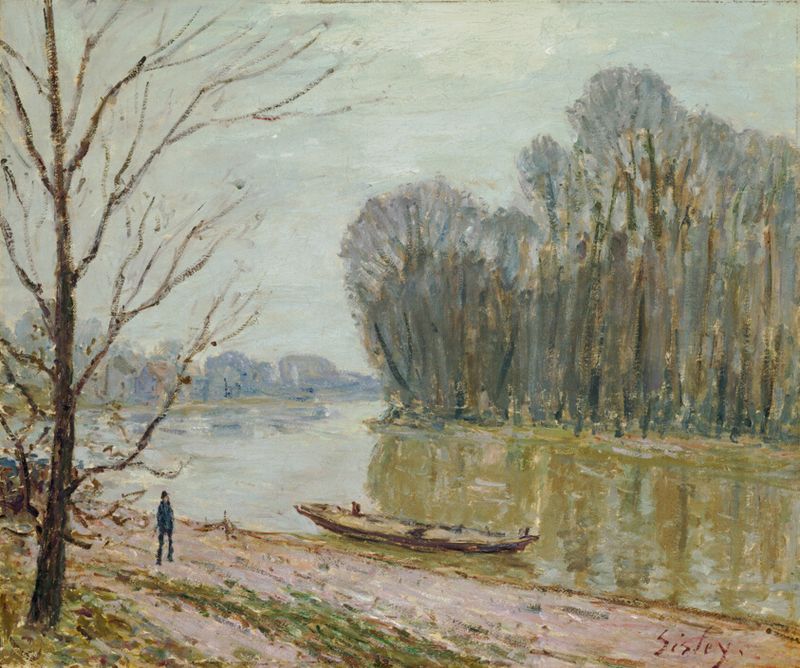
The Loire
Alfred Sisley · 1896 · Art Institute of Chicago
 Same era · 1880s–1910s
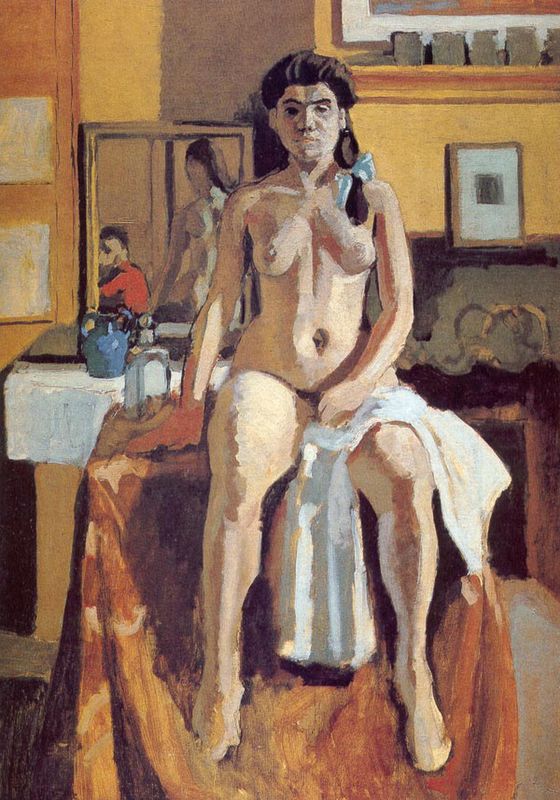
Carmelina
Henri Matisse · 1903 · Museum of Fine Arts Boston
