
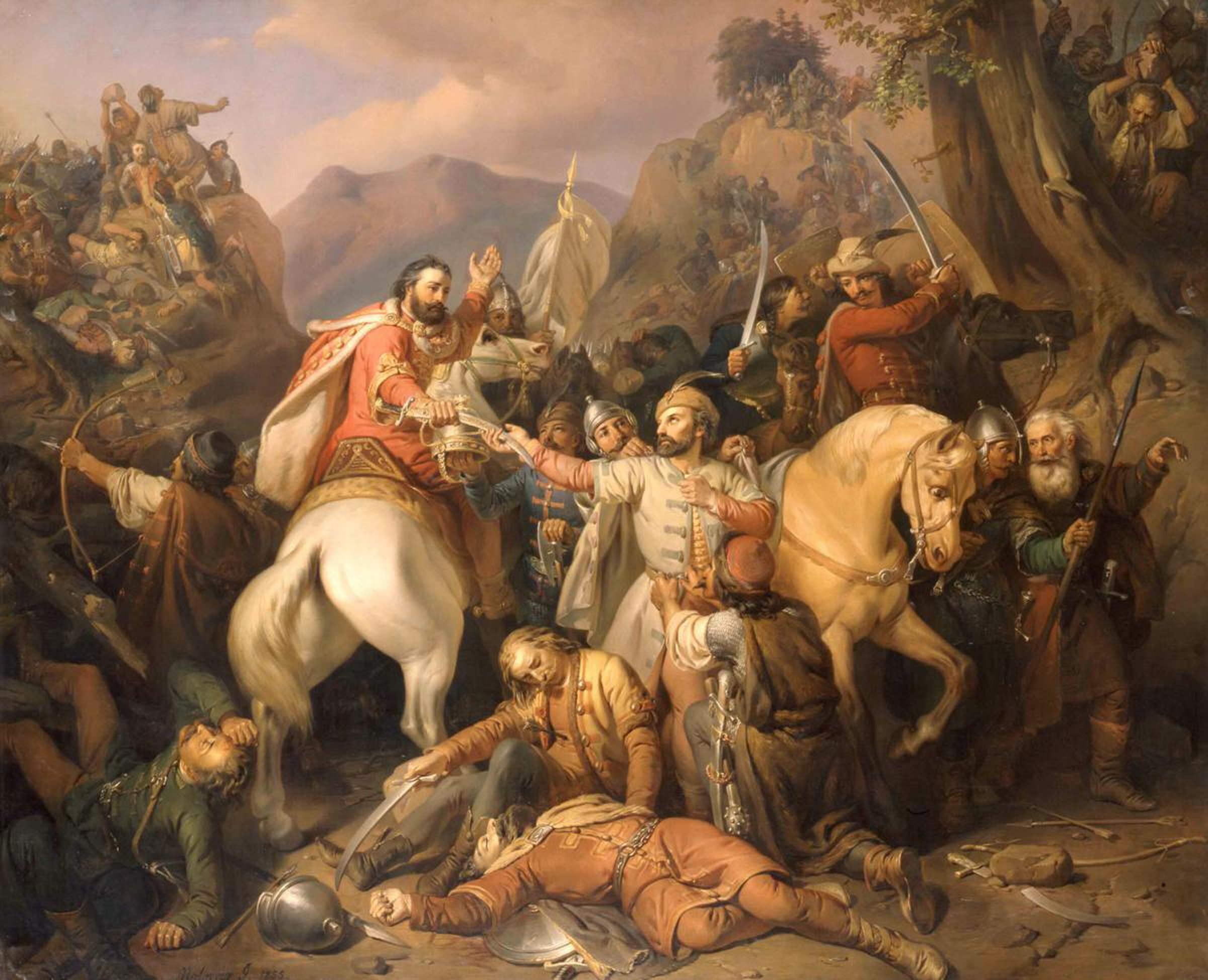
“Stop to witness a moment of ultimate sacrifice: a warrior throws himself in front of his king, dramatically lit amid the chaos of battle. This painting captures a vivid historical narrative of heroism and loyalty.”
This dramatic painting, created in 1855, captures a pivotal moment of self-sacrifice from Hungarian history. In the center, a warrior, Dezső, shields King Charles Robert from an enemy's blow, his body a bulwark against the violence. The scene is filled with dynamic energy, from the thrusting spears and swords to the contorted expressions of the combatants. Notice the stark contrast between the bright, almost theatrical lighting on the central figures and the darker, more chaotic background, emphasizing the hero's ultimate act. József Molnár, who had recently returned to Hungary after studying in Venice, Rome, and Munich, painted this work during a period when he focused on historical and landscape subjects. Here, he uses the canvas to evoke a powerful sense of national identity and valor.
- Artist
- József Molnár
- Date
- 1855
- Location
- Hungarian National Gallery
What to Notice
Five details hide in plain sight. Here’s where to look.
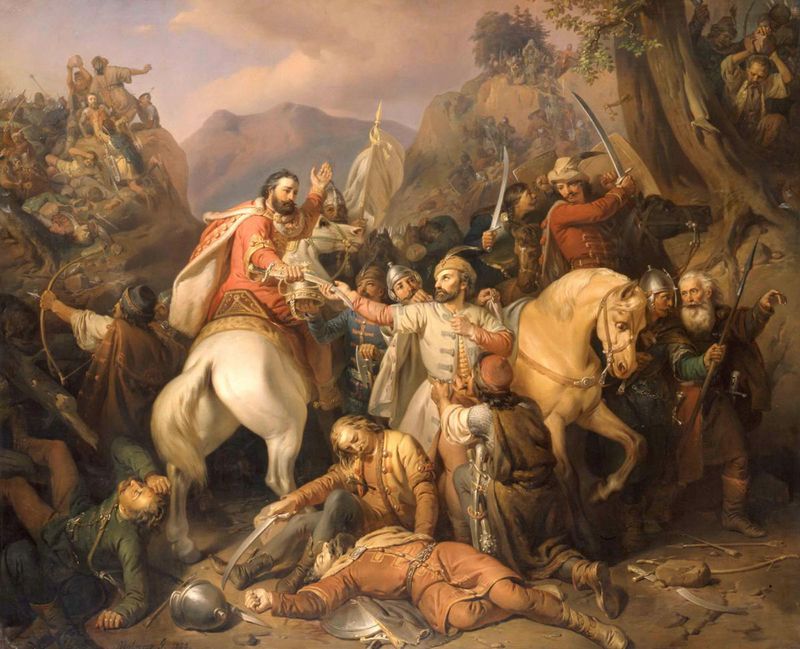
The glint of light on the king's crown, contrasting with the warrior's dark armor.
The fallen standard on the ground, signaling the chaos of battle.
The intricate details of the armor and weaponry.
The expressions of fear and determination on the faces of the soldiers.
1 more detail is waiting.
See all 5 in Art Whisper →Stand in front of it and listen
The full narration walks you through Warrior Dezső Sacrifices his Life for King Charles Robert — the story behind it, the details most visitors miss, and why it matters. Free in the Art Whisper app.
József Molnár
1821–1899 · HungaryJózsef Molnár was a Hungarian painter known for his landscapes and historical scenes, who also spent time painting portraits in Stuttgart.
Further Works by Molnár
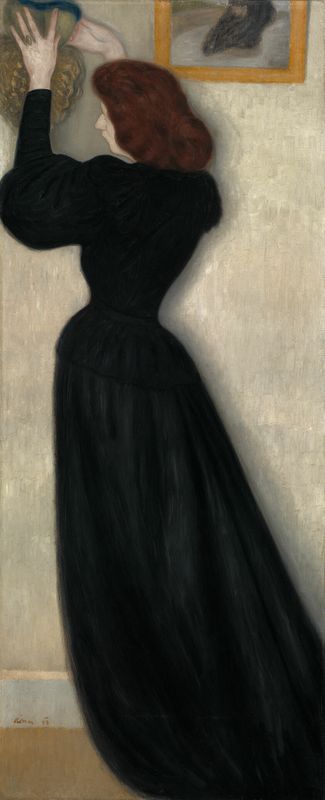 Slender Woman with Vase
1894 · Art Institute of Chicago
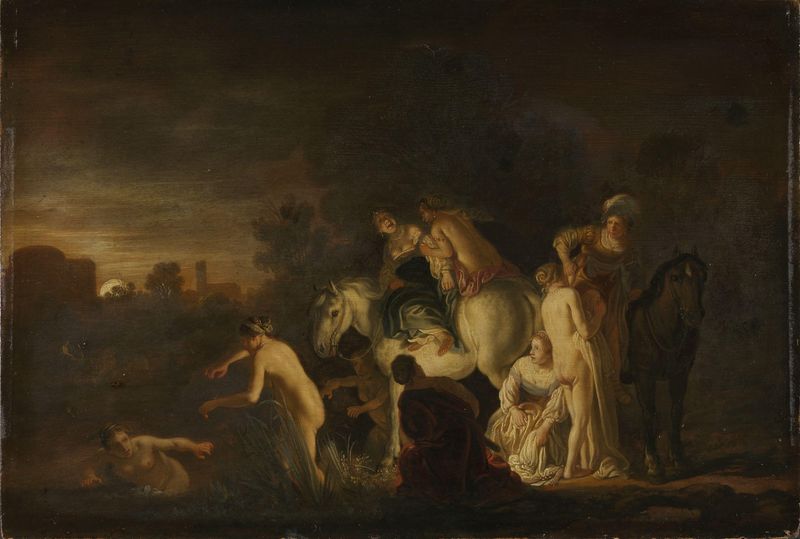 Bathing Women
1880 · Hungarian National Gallery
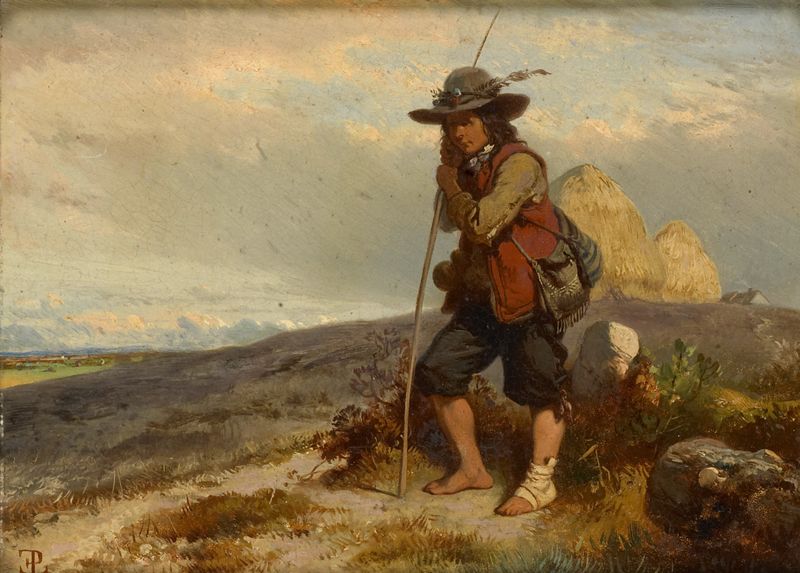 Shepherd Boy
Hungarian National Gallery
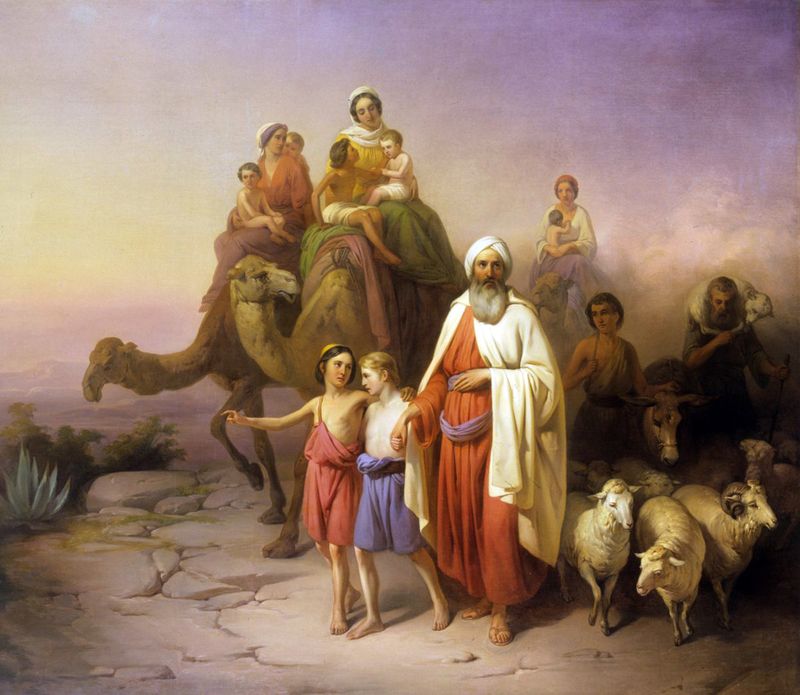 The Departure of Abraham
1850 · Hungarian National Gallery
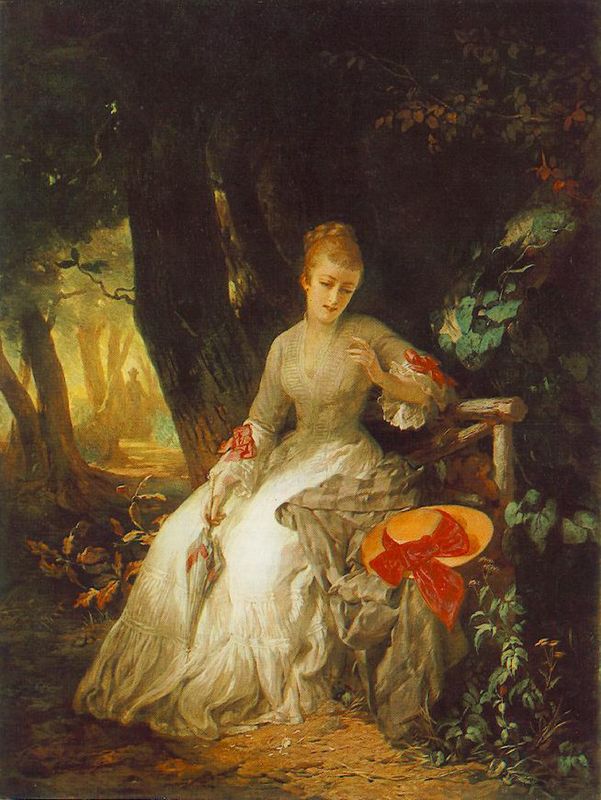 Randezvous
1879 · Hungarian National Gallery
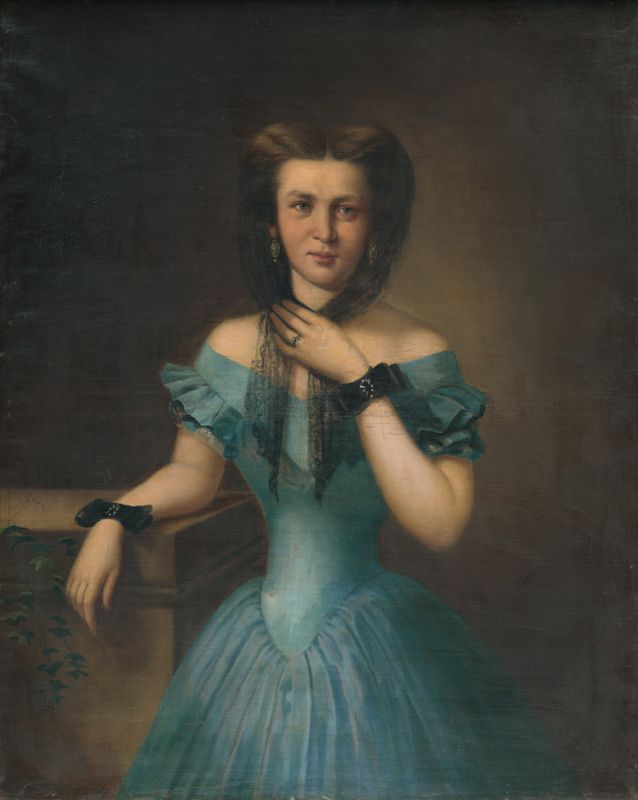 Portrait of a widow
1850 · Ernest Zmeták Art Gallery
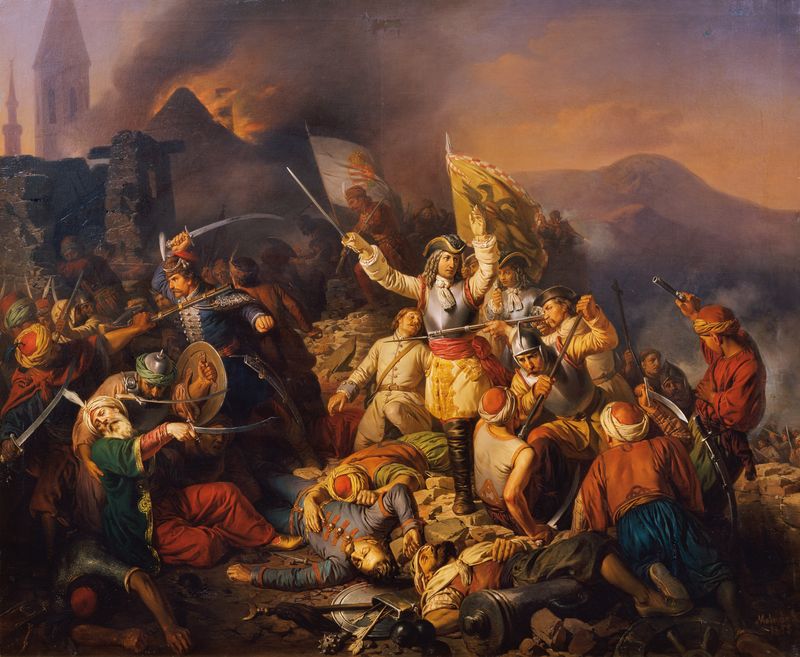 Die Rückeroberung Ofens aus der Hand der Türken im Jahr 1686
1858 · Kunsthistorisches Museum
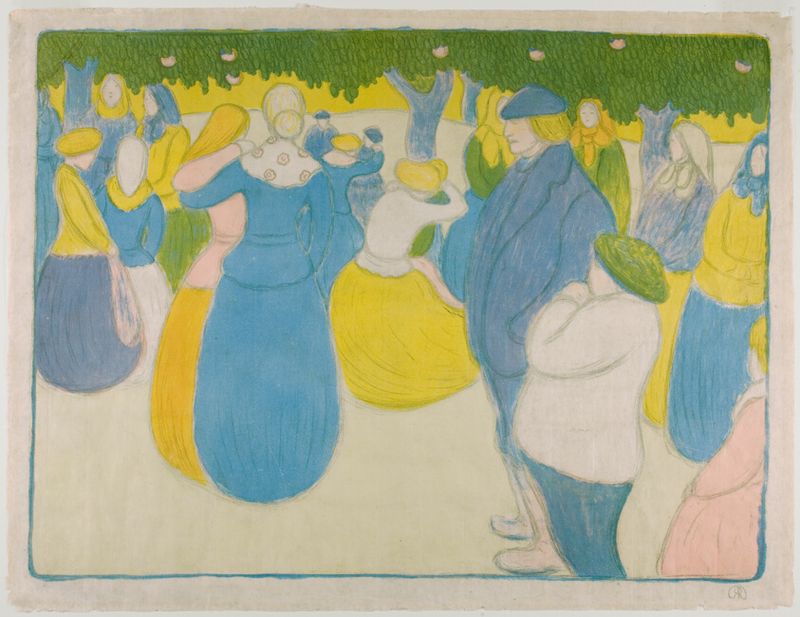 Festival in Bretagne
1895 · Art Institute of Chicago
More works to explore
Beyond Molnár: works from the same years.
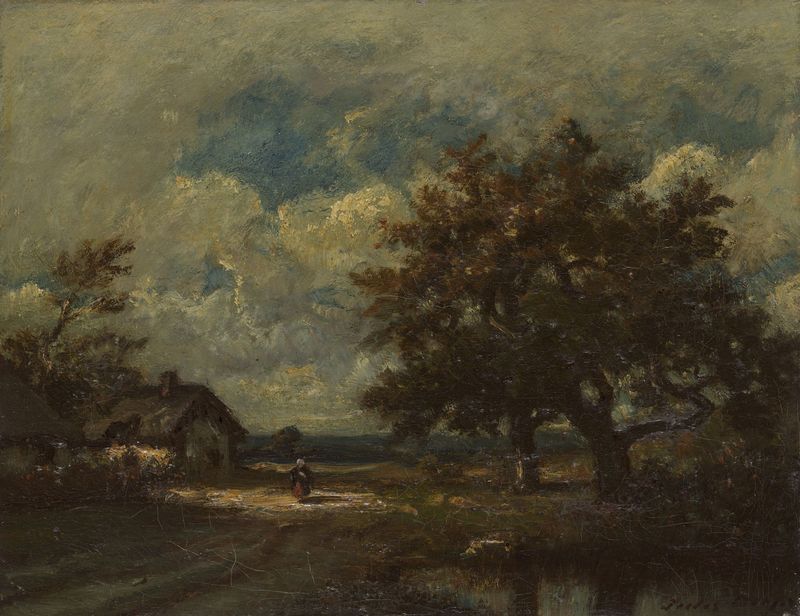 Same era · 1840s–1870s
The Cottage by the Roadside, Stormy Sky
Léon-Victor Dupré · 1855 · Art Institute of Chicago
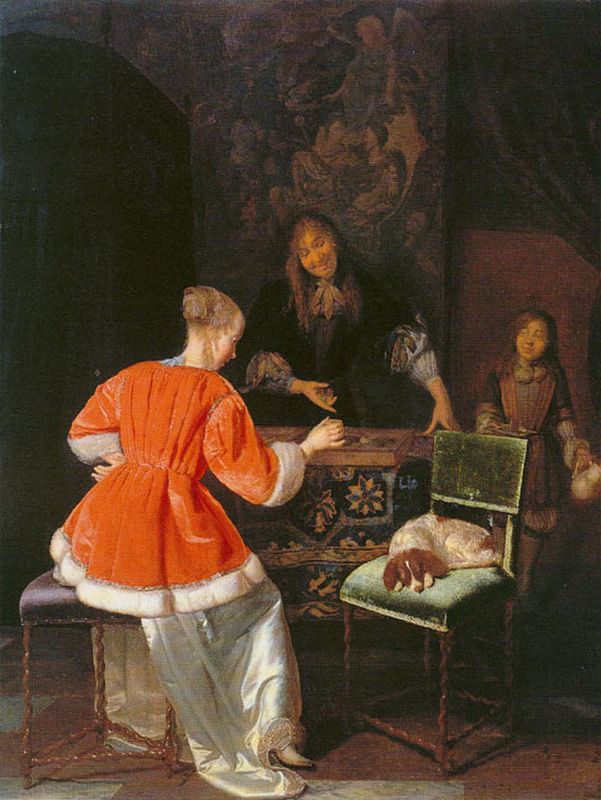 Same era · 1840s–1870s
The Backgammon Players
Philip Webb · 1861 · The Metropolitan Museum of Art
 Same era · 1840s–1870s
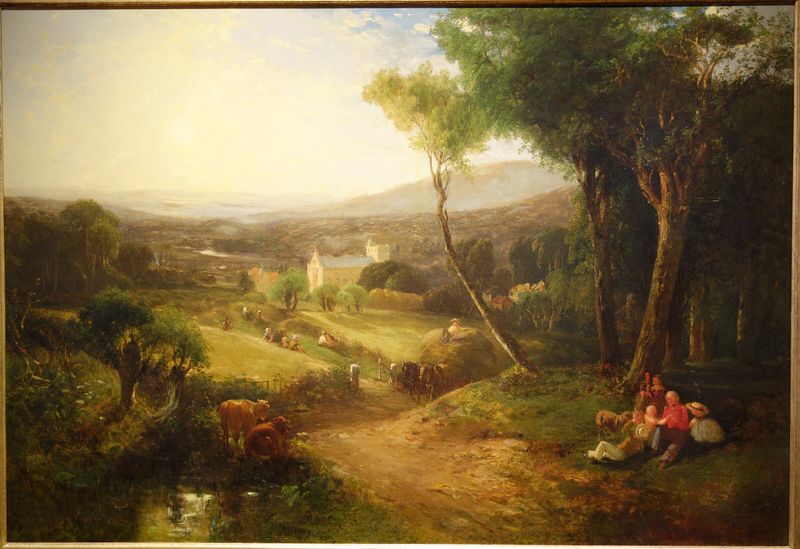
Peace and Plenty
William Hart · 1855 · New Britain Museum of American Art
 Same era · 1840s–1870s
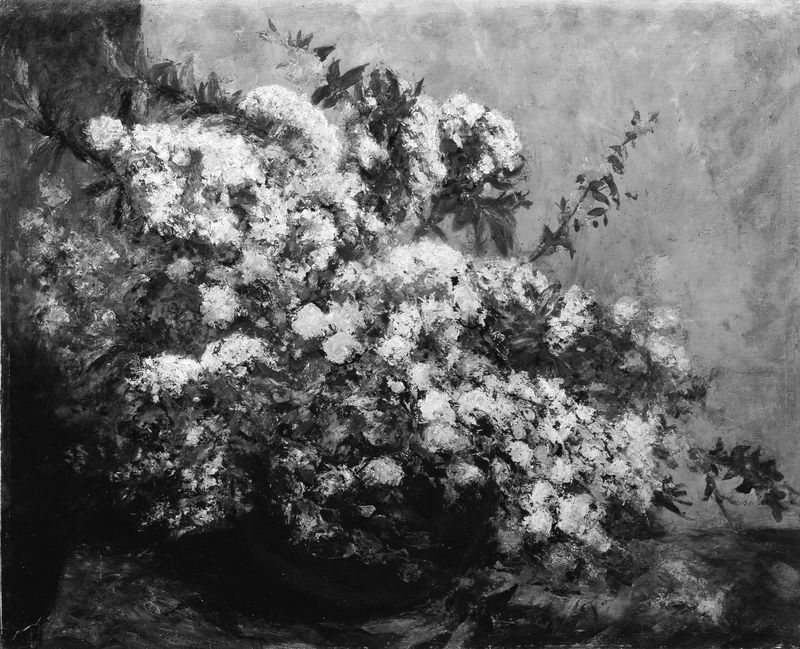
Spring Flowers
Gustave Courbet · 1855 · The Metropolitan Museum of Art
 Same era · 1840s–1870s
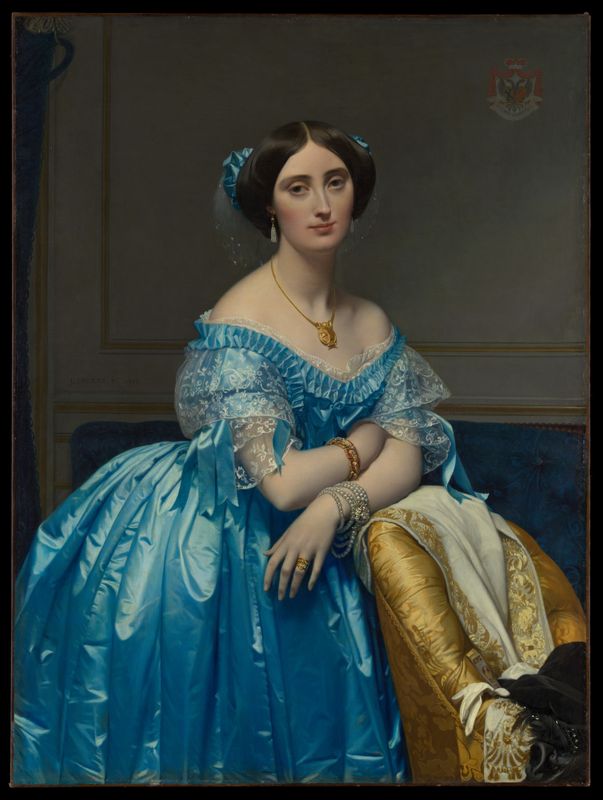
Joséphine-Éléonore-Marie-Pauline de Galard de Brassac de Béarn (1825–1860), Princesse de Broglie
Jean-Auguste-Dominique Ingres · 1853 · Metropolitan Museum of Art
 Same era · 1840s–1870s
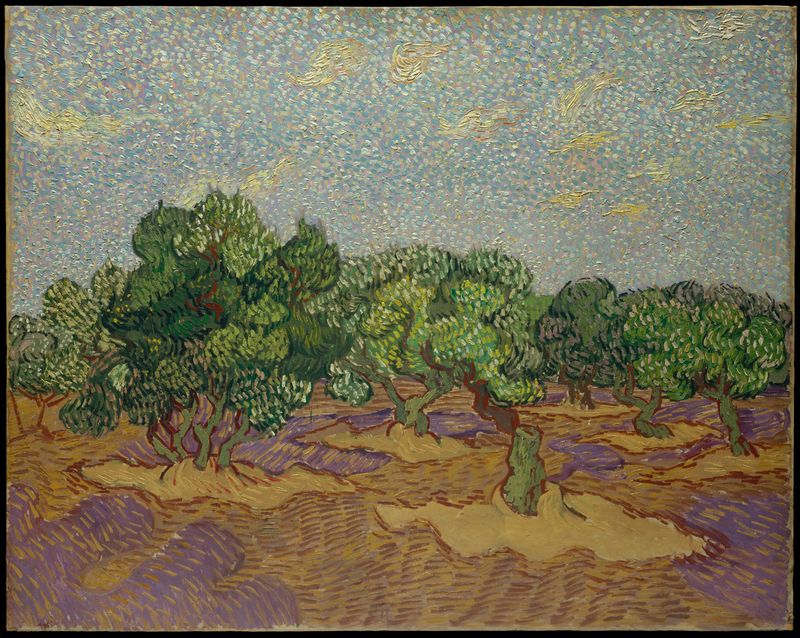
Olive Trees
Vincent van Gogh · 1853 · The Metropolitan Museum of Art
 Same era · 1840s–1870s
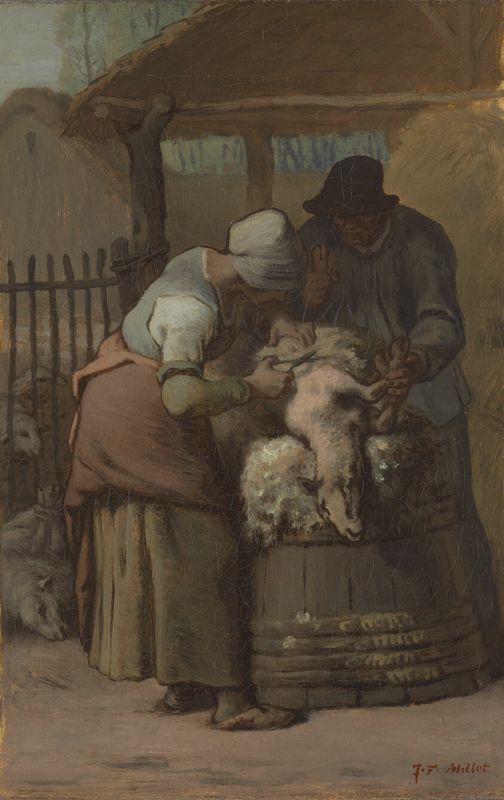
The Sheepshearers
Jean-François Millet · 1857 · Art Institute of Chicago
 Same era · 1840s–1870s
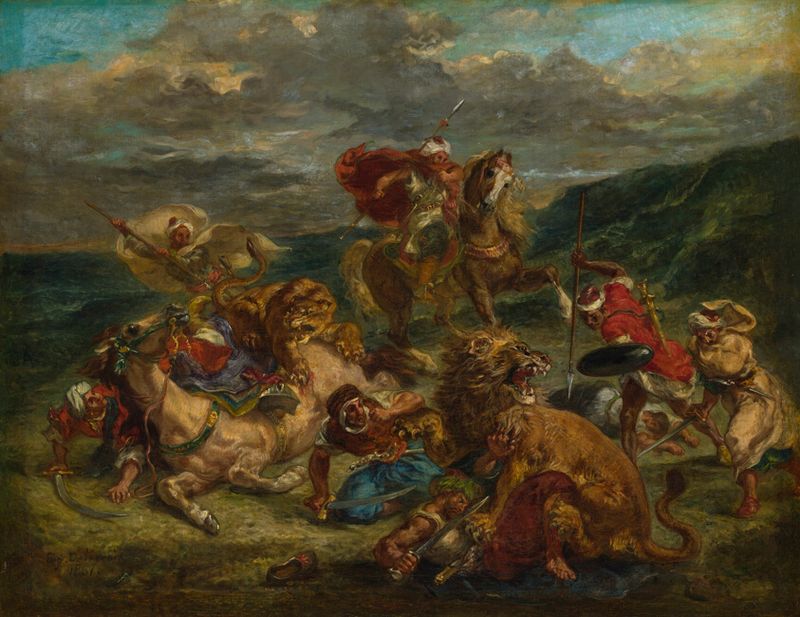
Lion Hunt
Eugène Delacroix · 1858 · Museum of Fine Arts Boston
 Same era · 1840s–1870s
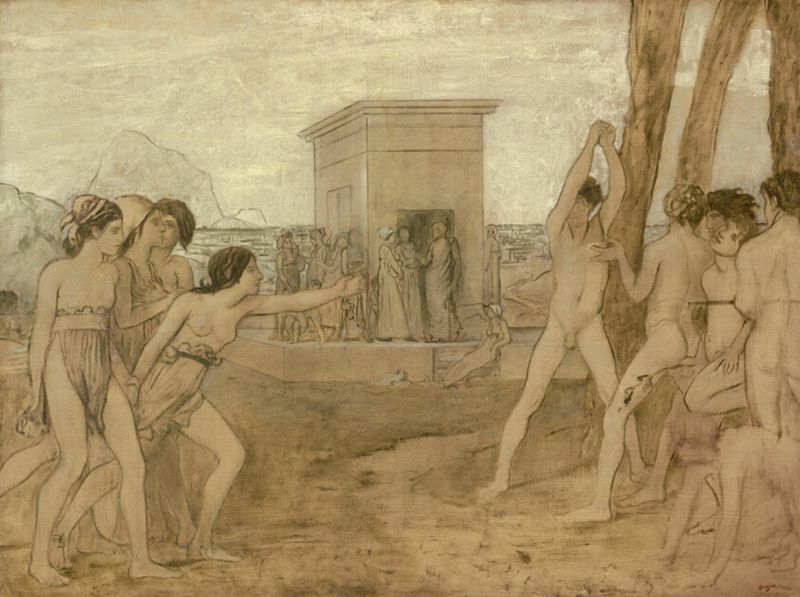
Young Spartan Girls Challenging Boys
Edgar Degas · 1860 · Art Institute of Chicago
 Same era · 1840s–1870s
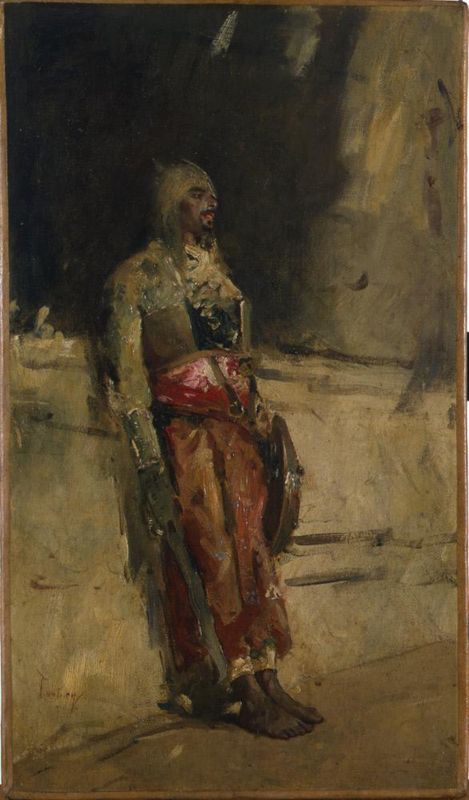
An Arab Warrior
Mariano Fortuny Marsal · 1862 · Hispanic Society of America
 Same era · 1840s–1870s
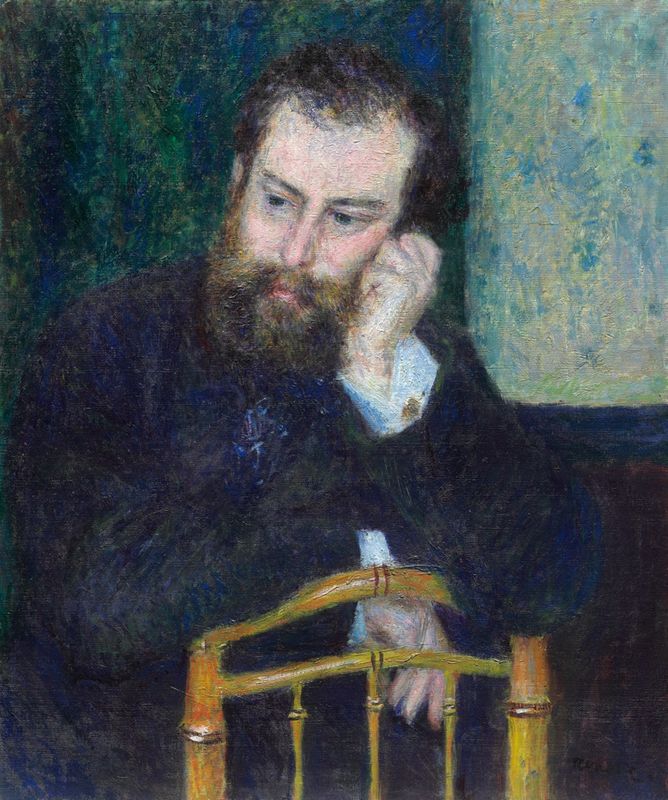
Alfred Sisley
Pierre-Auguste Renoir · 1864 · Foundation E.G. Bührle Collection
 Same era · 1840s–1870s
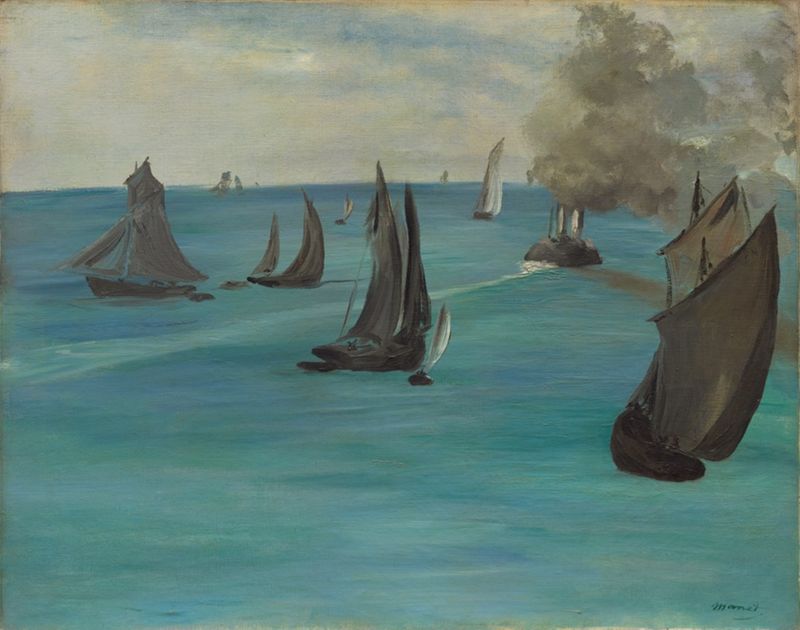
Sea View, Calm Weather (Vue de mer, temps calme)
Édouard Manet · 1864 · Art Institute of Chicago