
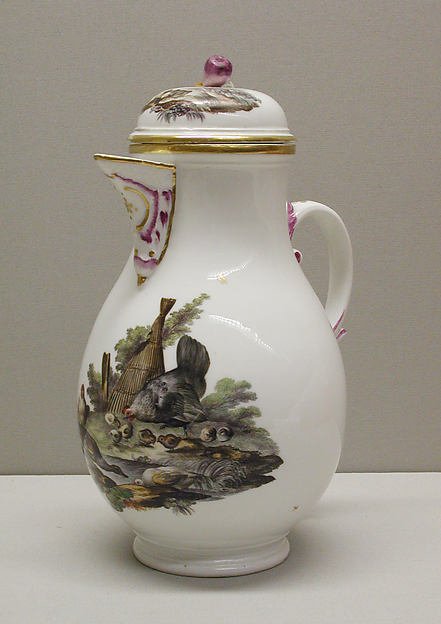
“This charming hot milk jug, made of precious hard-paste porcelain, offers a glimpse into 18th-century European elegance and the mastery of a complex material, adorned with vibrant, hand-painted flowers that still feel fresh today.”
This small, elegant jug, designed for serving hot milk, immediately catches the eye with its delicate floral decoration. Crafted from hard-paste porcelain, a material prized for its strength and brilliant white surface, it showcases the sophisticated taste of 18th-century European dining. The jug's refined form, with its gently swelling body and graceful spout, is balanced by the vibrant, hand-painted sprigs of colorful flowers that seem to dance across its surface. These naturalistic motifs, rendered with remarkable precision, reflect a broader European fascination with botany and the natural world during this period. The Höchst Manufactory, active in the German state of Mainz, was one of the early European producers of true porcelain, a closely guarded secret from China. This piece represents a moment when European artisans were not only mastering this complex material but also developing their own distinctive decorative styles, moving beyond direct imitation of Asian prototypes.
- Artist
- Höchst Manufactory
- Date
- 1770
- Medium
- Hard-paste porcelain
- Location
- The Metropolitan Museum of Art
- Dimensions
- Overall (jug .4a, confirmed): 6 1/2 × 5 3/4 × 4 in. (16.5 × 14.6 × 10.2 cm); Overall (lid .4b, confirmed): 1 1/2 × 2 3/4 × 2 3/4 in. (3.8 × 7 × 7 cm)
- Collection
- European Sculpture and Decorative Arts
- Culture
- German, Höchst
- Credit line
- Gift of Mercedes Bass, 2007
What to Notice
Five details hide in plain sight. Here’s where to look.

Observe the subtle sheen of the hard-paste porcelain.
Look closely at the individual brushstrokes in the floral details.
Note the delicate, almost translucent quality of the painted leaves.
See how the lid’s rim mirrors the jug’s opening.
1 more detail is waiting.
See all 5 in Art Whisper →Stand in front of it and listen
The full narration walks you through Hot milk jug — the story behind it, the details most visitors miss, and why it matters. Free in the Art Whisper app.
More works to explore
Beyond Manufactory: works from the same years.
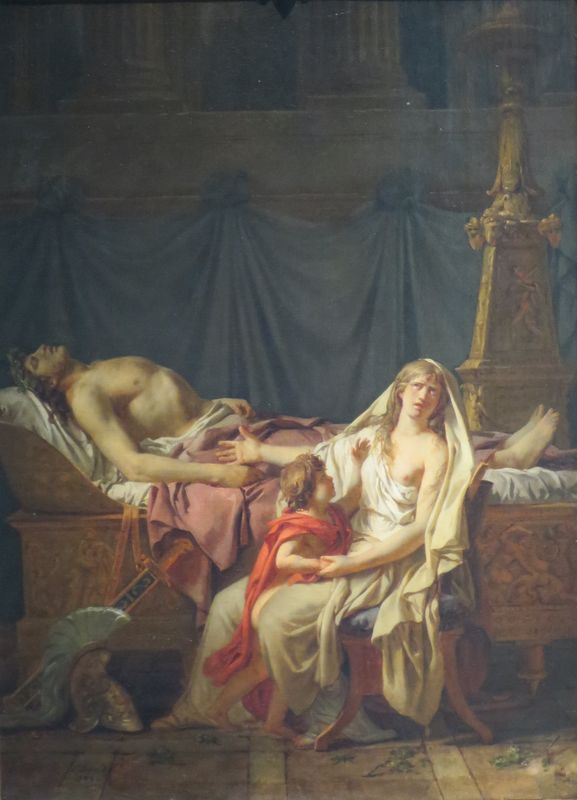 Same era · 1750s–1780s
Andromache Mourning Hector
Jacques-Louis David · 1783 · Pushkin Museum of Fine Arts
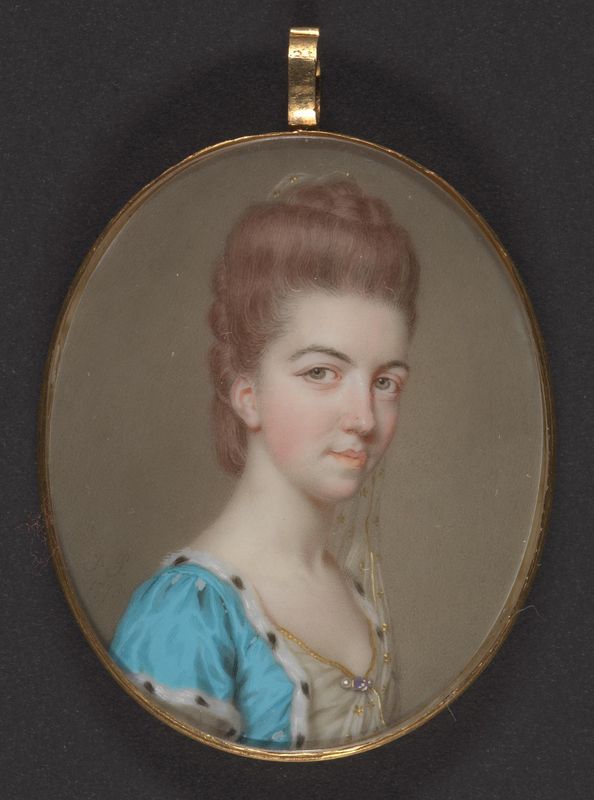 Same era · 1750s–1780s
Portrait of a Lady
John Smart of Ipswich · 1773 · Yale Center for British Art
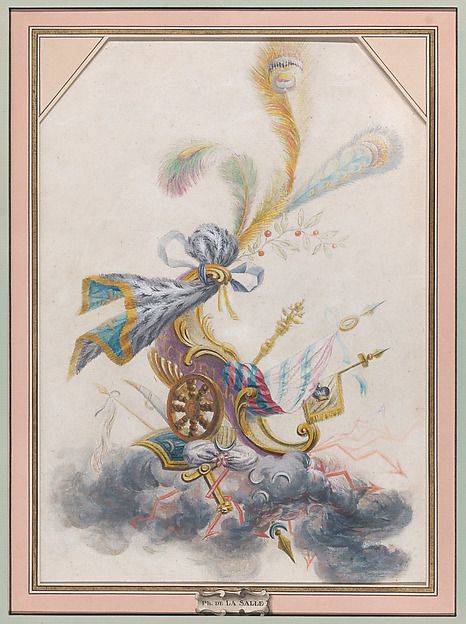 Same era · 1750s–1780s
Design for a Lampas Silk with a Triumphal Chariot on a Cloud
Philippe de la Salle · 1765 · The Metropolitan Museum of Art
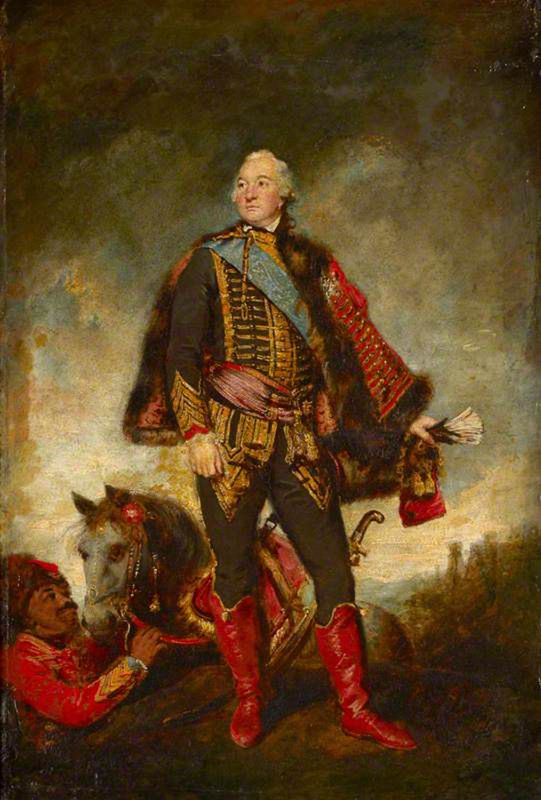 Same era · 1750s–1780s
Louis-Philippe-Joseph, Duke of Orleans 'Philippe Egalité' (1747-1793) (after Sir Joshua Reynolds)
Samuel Drummond · 1785 · National Trust
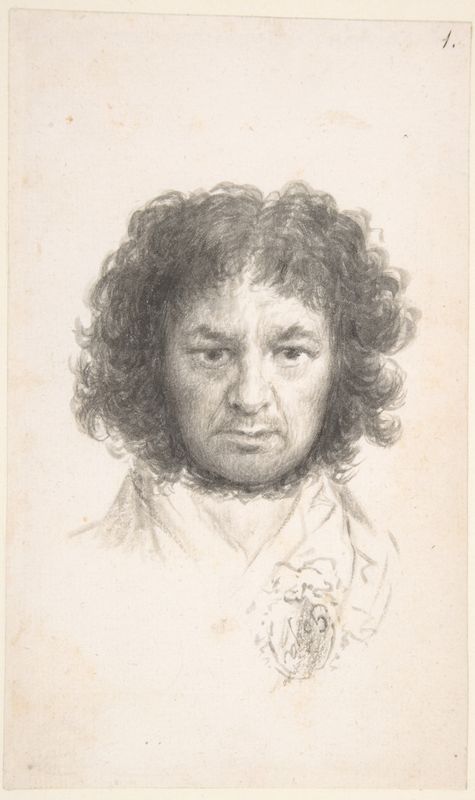 Same era · 1750s–1780s
Self-Portrait
Francisco Goya · 1783 · Musée des Beaux-Arts d'Agen
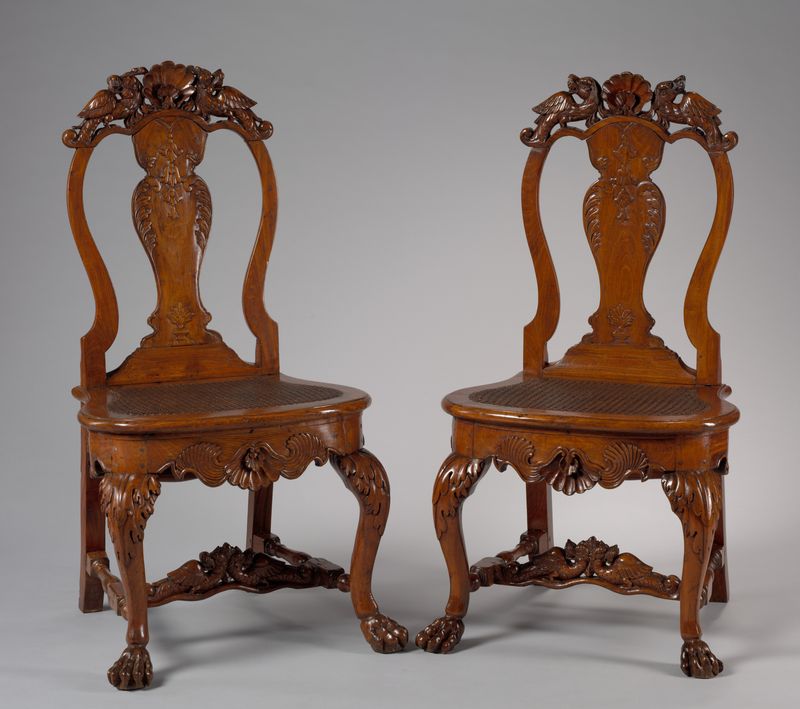 Same era · 1750s–1780s
Pair of Side Chairs
Artist Unknown - The Mercat Cross, Aberdeen · 1770 · Art Institute of Chicago
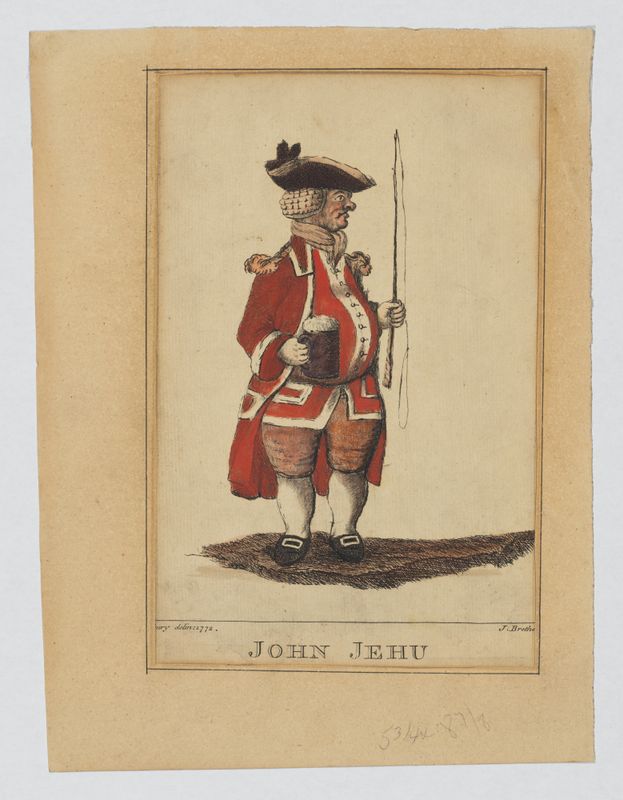 Same era · 1750s–1780s
John Jehu, L'Inghilterra
James Bretherton · 1772 · The Metropolitan Museum of Art
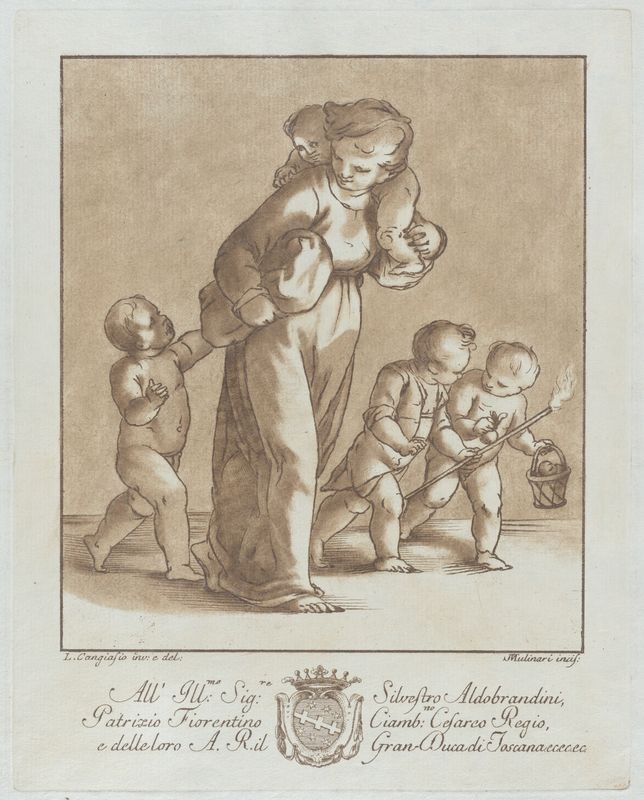 Same era · 1750s–1780s
A young girl walks towards the left with one infant on her shoulder and holding another small child's hand, while two children walk at right with a torch and a basket
Luca Cambiaso · 1775 · The Metropolitan Museum of Art
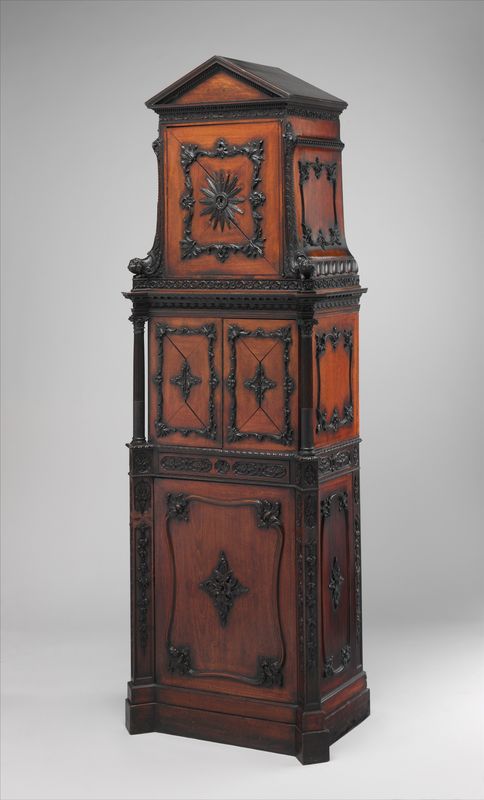 Same era · 1750s–1780s
Medal cabinet
William Vile · 1760 · The Metropolitan Museum of Art
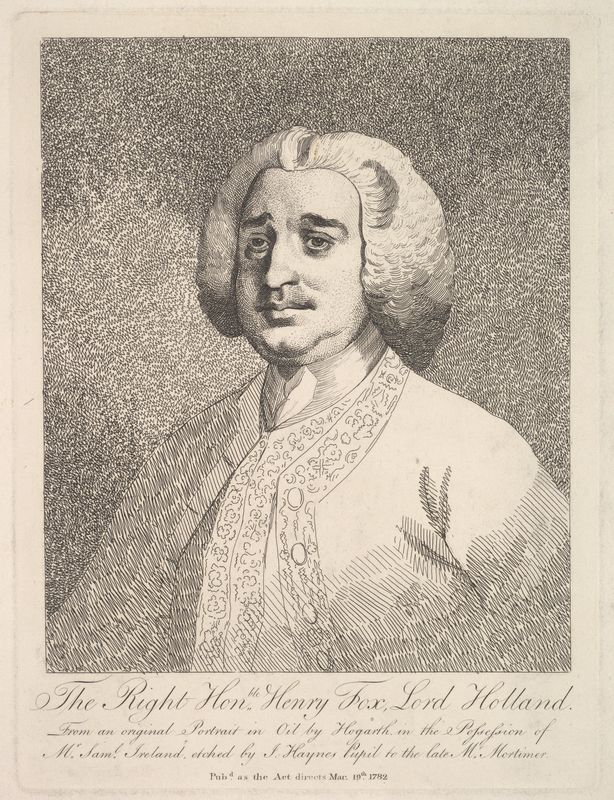 Same era · 1750s–1780s
The Right Honorable Henry Fox, Lord Holland
William Hogarth · 1782 · The Metropolitan Museum of Art
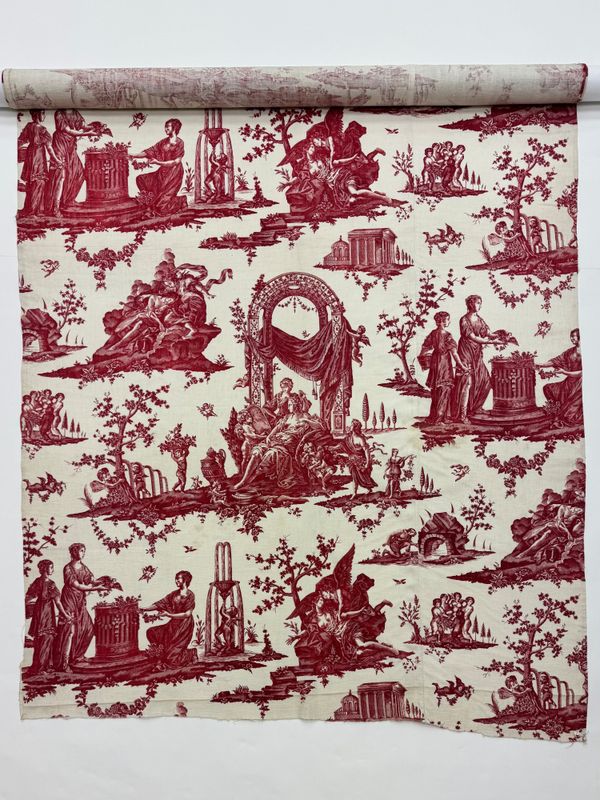 Same era · 1750s–1780s
"Venus à sa Toilette"
Favre-Petitpierre et cie · 1770 · The Metropolitan Museum of Art
 Same era · 1750s–1780s
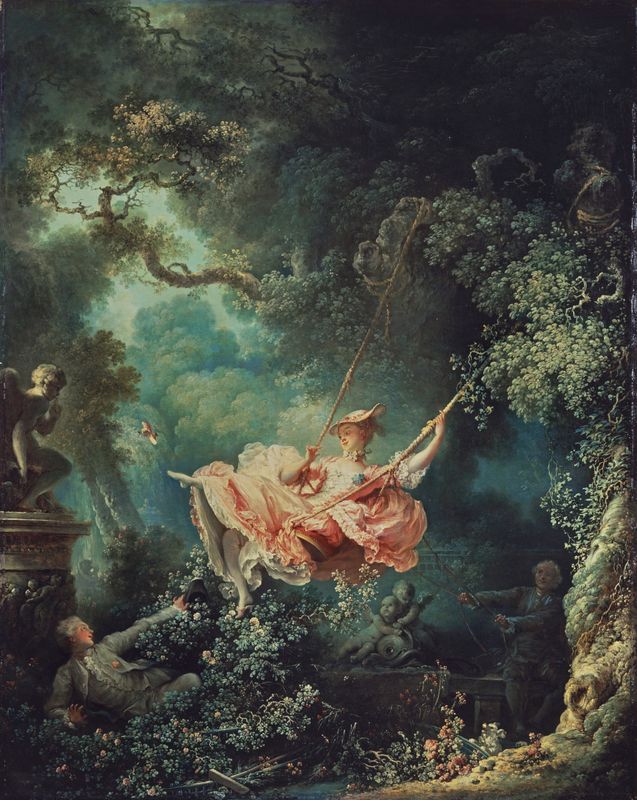
the swing
Jean-Honoré Fragonard · 1767 · Wallace Collection