01
Her wistful profile
Find the woman's face, turned away and cast downward as she rests her cheek on her hand. It sets the dreamy mood the song title promises.
1 of 4 on the painting
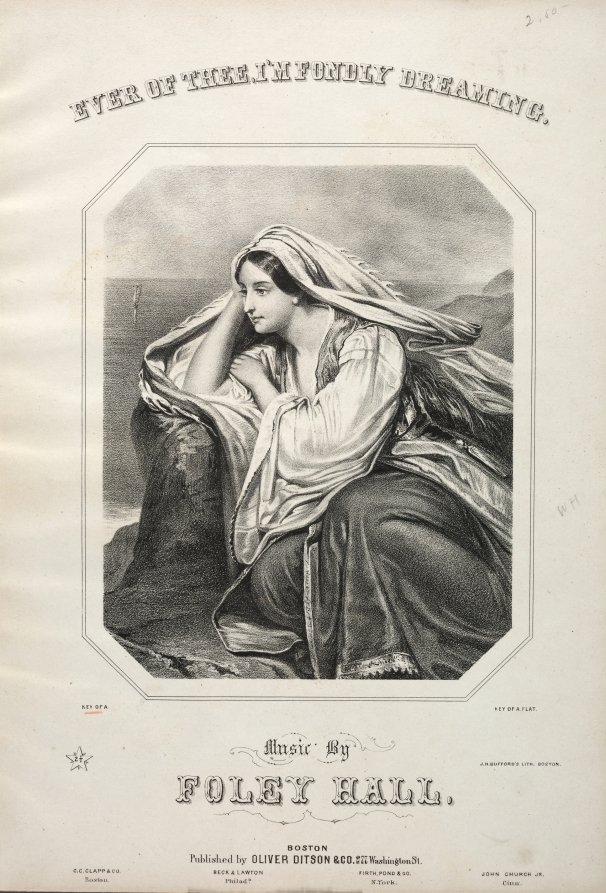
“This early work by Winslow Homer is a sentimental sheet music cover, offering a window into 19th-century American popular culture and the romantic ideals of the time.”
A young woman gazes wistfully from a window, her profile framed by dark curtains, in this charming sheet music cover. Her delicate hand rests on a book or perhaps a letter, suggesting a moment of quiet contemplation or longing. The title, "Ever of Thee, I'm Fondly Dreaming," appears above her, rendered in elegant script, perfectly capturing the romantic sentiment of the era. This lithograph, created around 1850, offers a glimpse into the popular culture of mid-19th century America, when sheet music covers were often miniature works of art designed to entice buyers. The image reflects a common theme of sentimental longing, a popular subject in both music and visual arts of the period. Winslow Homer, then an apprentice, created this work early in his career, before he became known for his iconic oil paintings and watercolors.
Five details hide in plain sight. Pick one and we’ll show you exactly where to look.
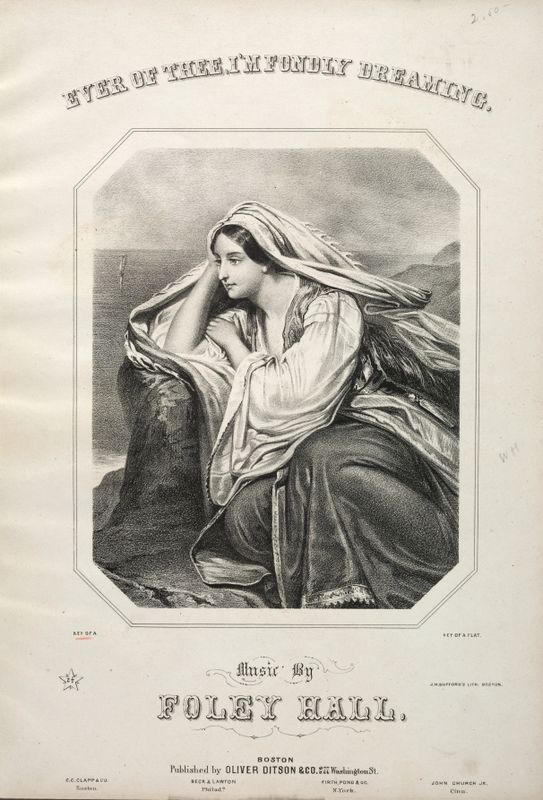
Find the woman's face, turned away and cast downward as she rests her cheek on her hand. It sets the dreamy mood the song title promises.
Follow the pale veil as it drapes over her head and sweeps off to the right. Soft grays fade into bright paper, so the cloth seems to catch light and wind.
Look at the far left horizon, where a thin mast or post rises from the flat sea. It may be a distant boat, a quiet hint at someone far away.
Look at her wide white sleeve and the hands folded beneath her chin. Fine, soft shading builds the deep folds and gives the cloth real weight.
The clipped-corner frame sets the figure apart from the lettering around her. Her curved body fills it and leads the eye from the veil down to the dark skirt.
The full narration walks you through Ever of Thee, I'm Fondly Dreaming - Sheet Music Cover — the story behind it, the details most visitors miss, and why it matters. Free in the Art Whisper app.
Winslow Homer, a largely self-taught American master, captured the raw power of the sea and the everyday lives of 19th-century America.
Beyond Homer: works from the same years.
 Same era · 1830s–1860s
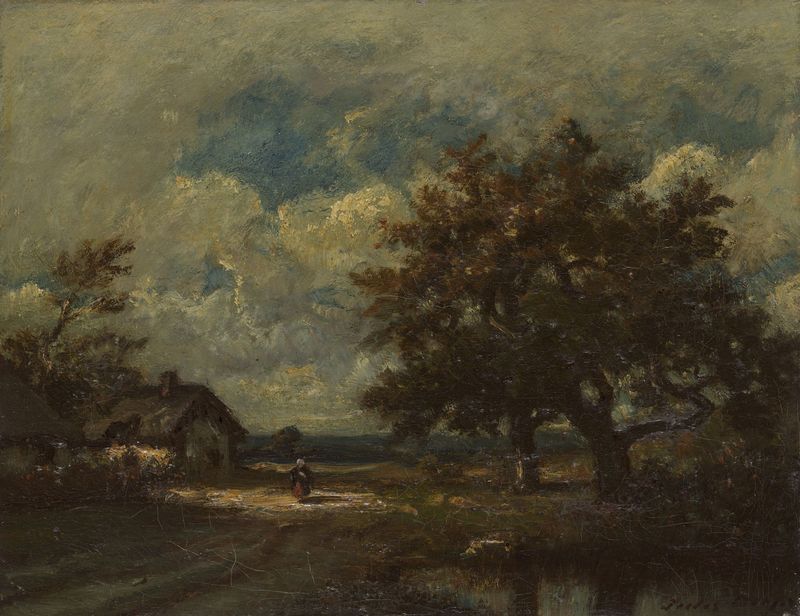
The Cottage by the Roadside, Stormy Sky
Léon-Victor Dupré · 1855 · Art Institute of Chicago
 Same era · 1830s–1860s
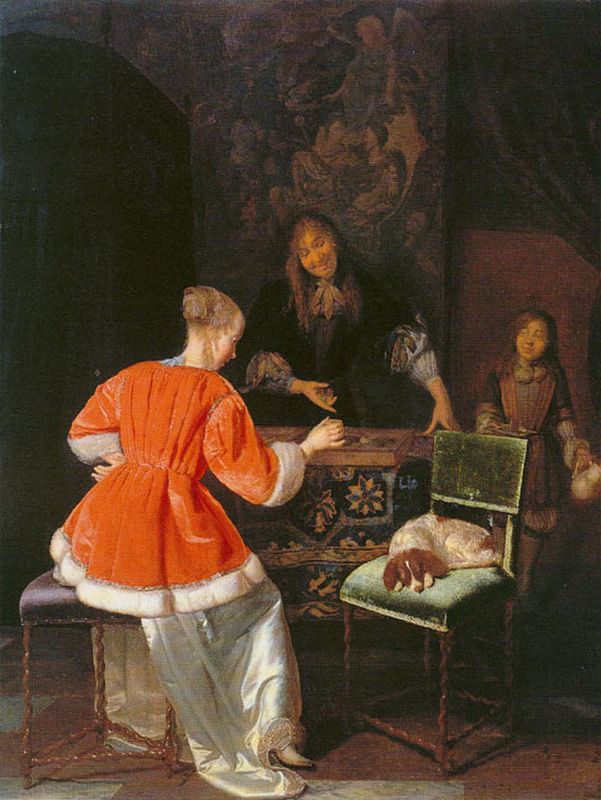
The Backgammon Players
Philip Webb · 1861 · The Metropolitan Museum of Art
 Same era · 1830s–1860s
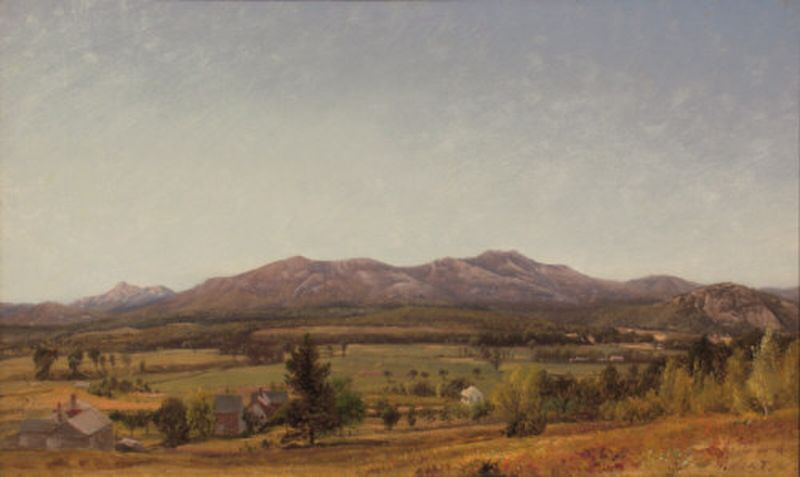
Mount Chocorua and Moat Mountain from North Conway
William Hart · 1850
 Same era · 1830s–1860s
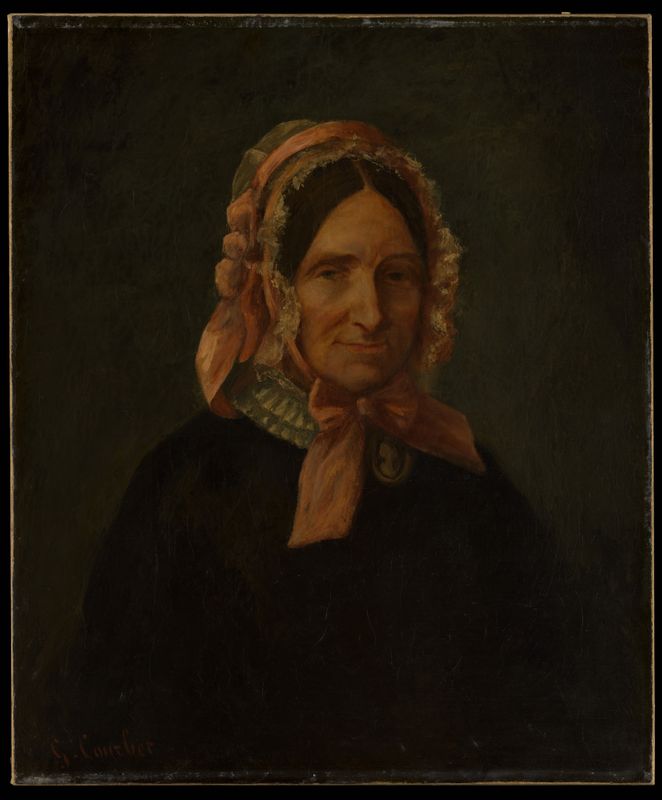
Portrait of a Woman, Called Héloïse Abélard
Gustave Courbet · 1850 · The Metropolitan Museum of Art
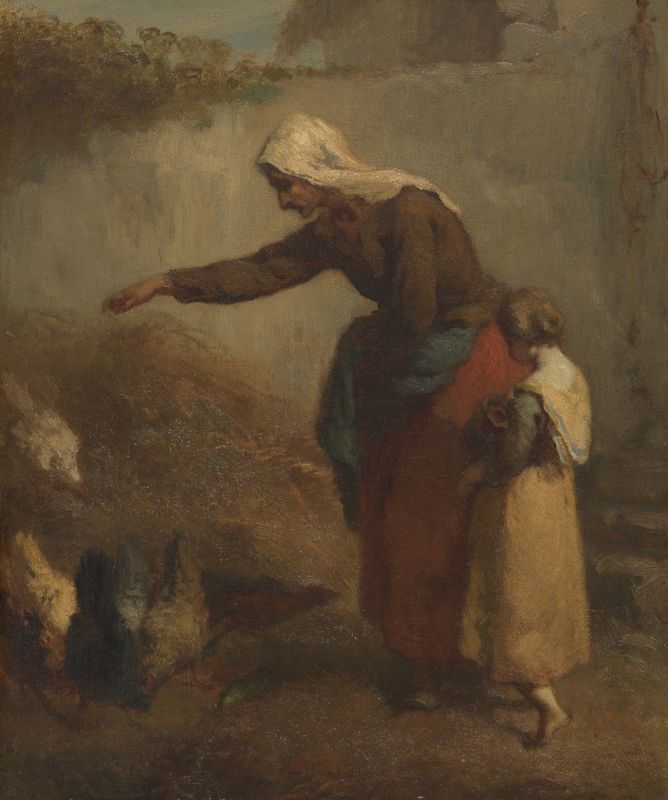 Same era · 1830s–1860s
Woman Feeding Chickens
Jean-François Millet · 1850 · Art Institute of Chicago
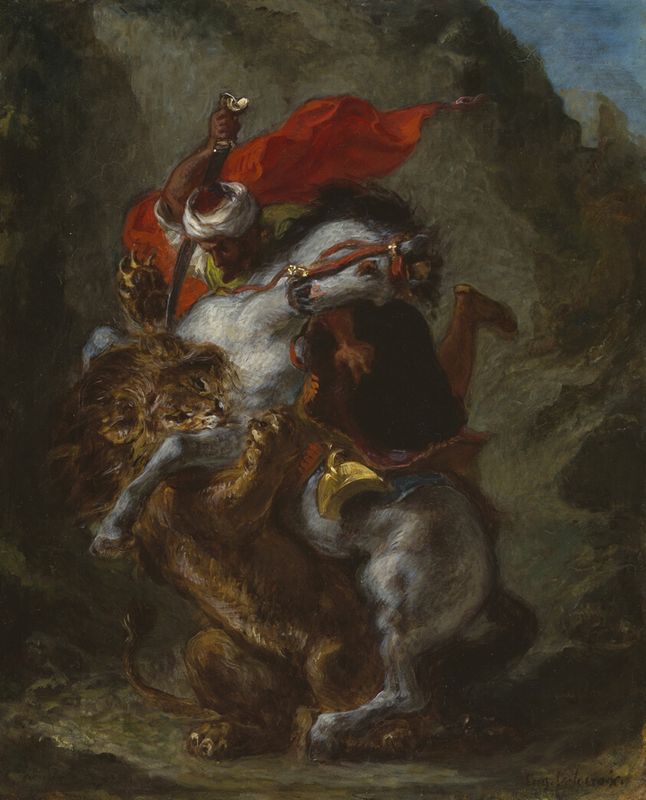 Same era · 1830s–1860s
Arab Horseman Attacked by a Lion
Eugène Delacroix · 1849 · Art Institute of Chicago
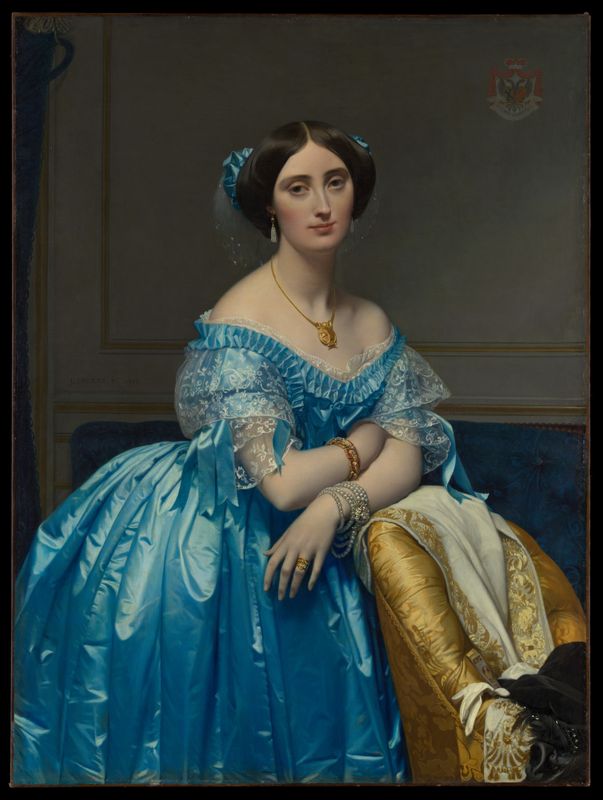 Same era · 1830s–1860s
Joséphine-Éléonore-Marie-Pauline de Galard de Brassac de Béarn (1825–1860), Princesse de Broglie
Jean-Auguste-Dominique Ingres · 1853 · Metropolitan Museum of Art
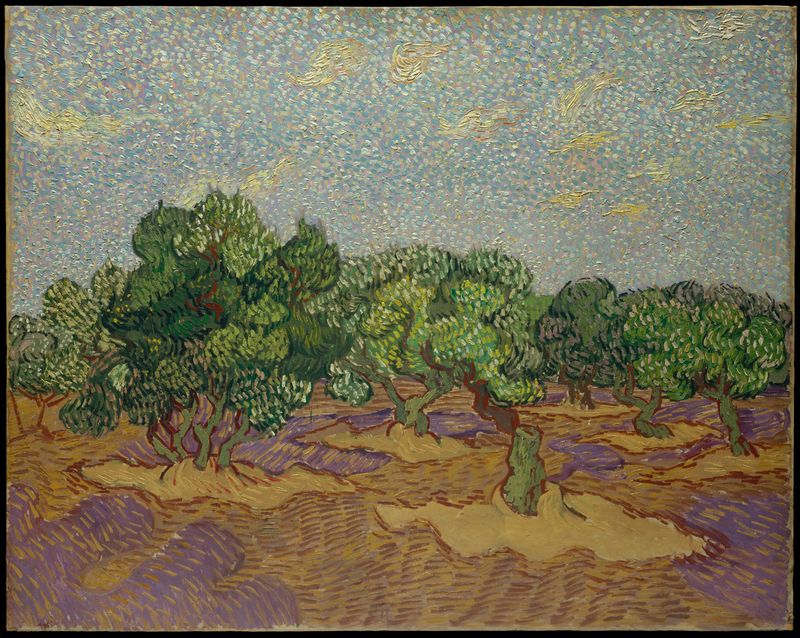 Same era · 1830s–1860s
Olive Trees
Vincent van Gogh · 1853 · The Metropolitan Museum of Art
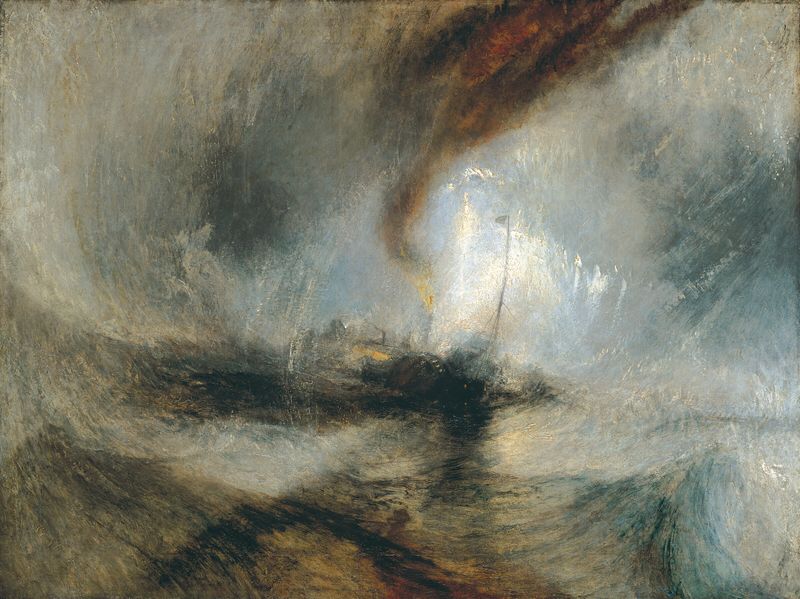 Same era · 1830s–1860s
Snow Storm: Steam-Boat off a Harbour's Mouth
J. M. W. Turner · 1842 · National Gallery
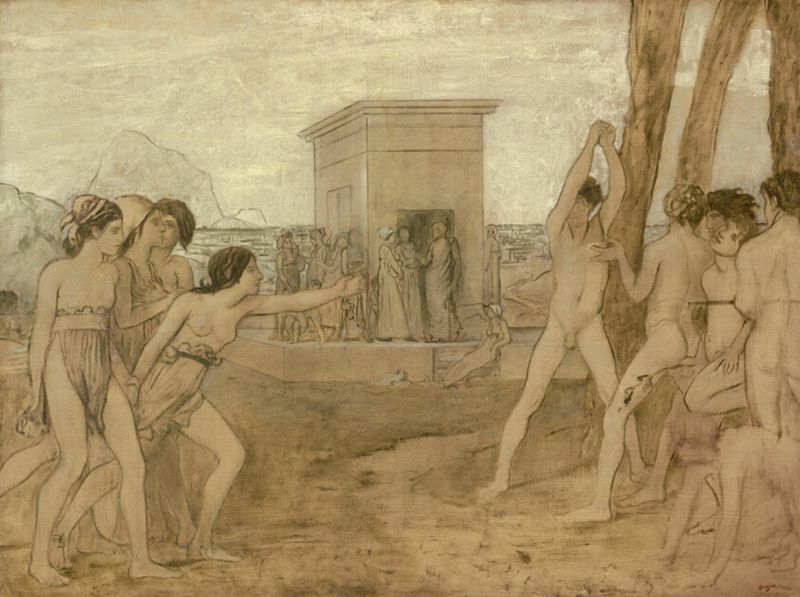 Same era · 1830s–1860s
Young Spartan Girls Challenging Boys
Edgar Degas · 1860 · Art Institute of Chicago
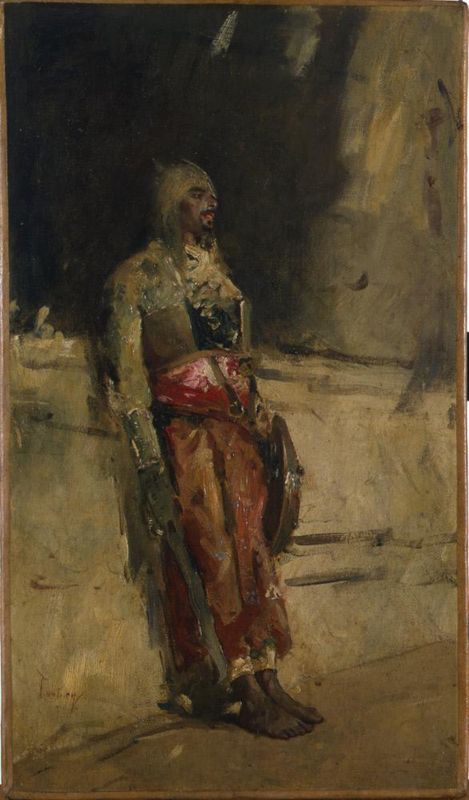 Same era · 1830s–1860s
An Arab Warrior
Mariano Fortuny Marsal · 1862 · Hispanic Society of America
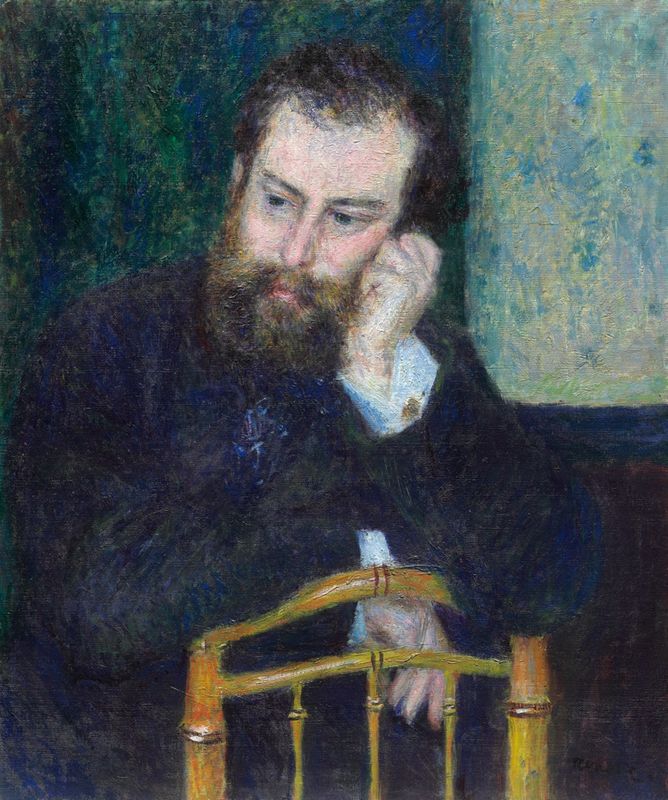 Same era · 1830s–1860s
Alfred Sisley
Pierre-Auguste Renoir · 1864 · Foundation E.G. Bührle Collection