
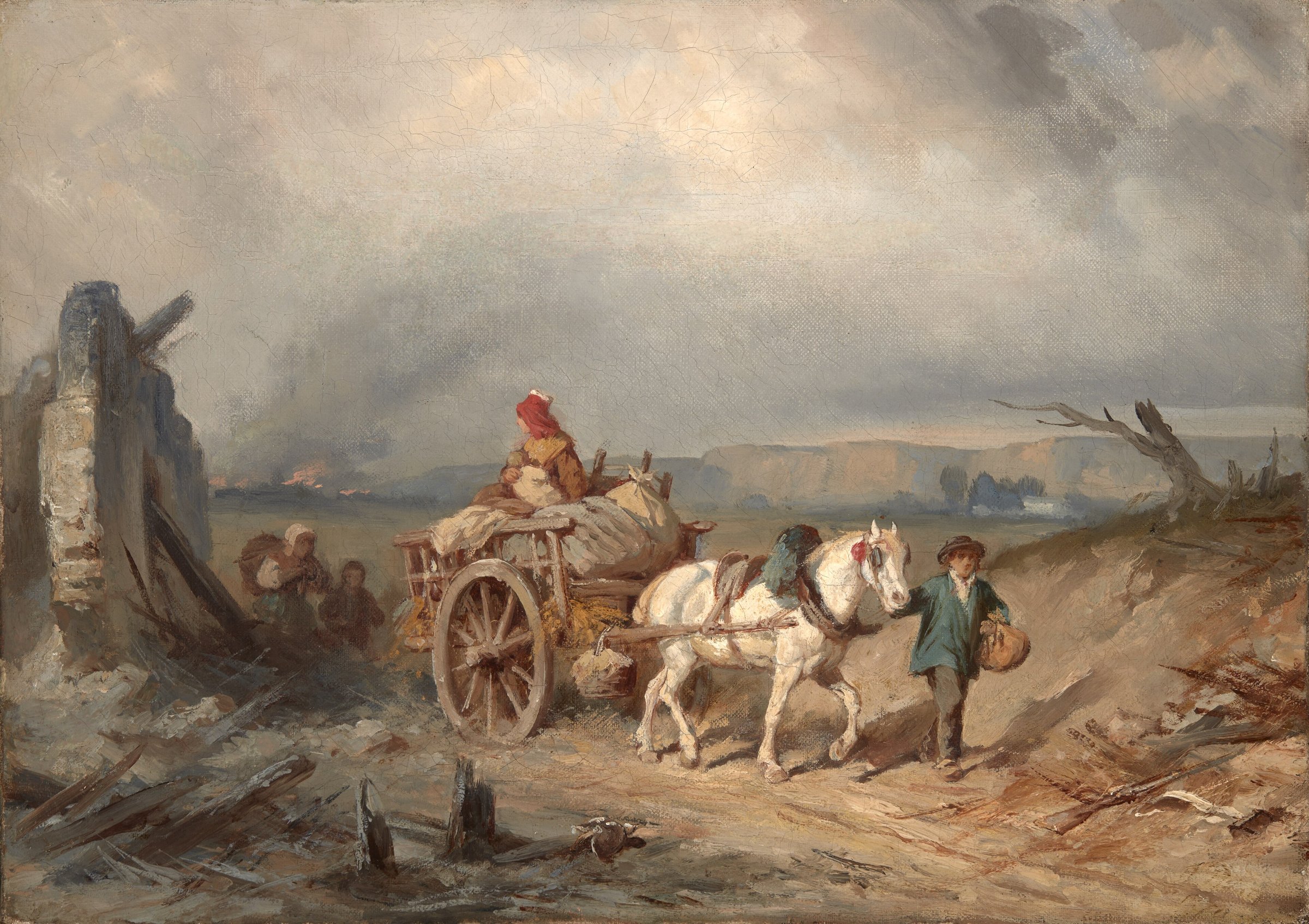
“This painting plunges you into a stark, snowy landscape where a solitary figure battles the elements, capturing a powerful sense of isolation and desperate flight. It's a vivid portrayal of human resilience against a vast, unforgiving world.”
In "Escape," a lone figure, perhaps a soldier or a refugee, navigates a desolate, snow-covered landscape. The muted palette of grays, whites, and browns emphasizes the harshness of the environment, with a heavy, overcast sky pressing down on the scene. The figure's hunched posture and the way their cloak billows slightly suggest a hurried, desperate movement, creating a sense of urgency and vulnerability. This painting, created in 1870, reflects a period marked by political unrest and conflict in Europe, particularly in Poland, where the artist Henryk Pillati lived. The work captures a universal human experience of flight and survival, using the dramatic natural setting to amplify the emotional weight of the journey. The composition draws the eye across the vast, empty expanse, making the small, isolated figure feel profoundly alone in their struggle.
- Artist
- Henryk Pillati
- Date
- 1870
- Medium
- Oil on canvas
- Location
- National Museum in Kraków
What to Notice
Five details hide in plain sight. Here’s where to look.
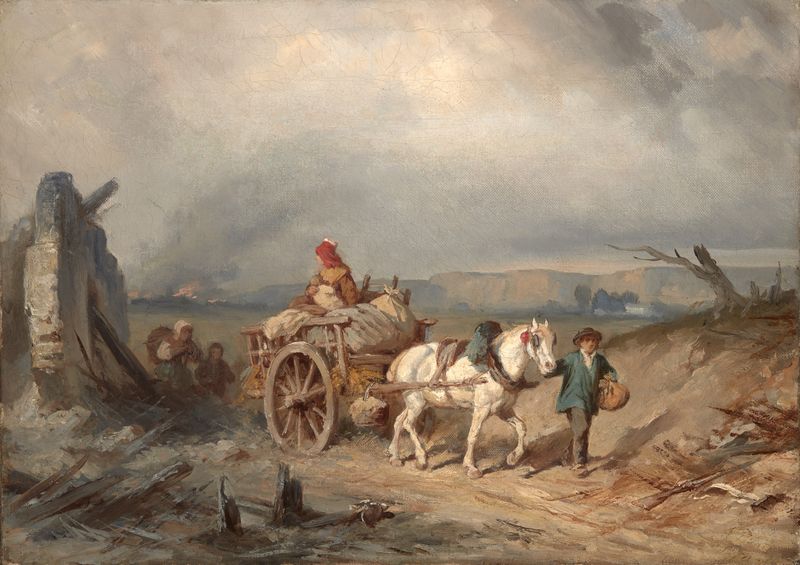
The way the figure's cloak blends with the snow, almost camouflaging them.
The stark contrast between the dark figure and the bright, barren landscape.
The faint tracks in the snow, hinting at the difficult path taken.
The subtle variations in the gray sky, suggesting a coming storm.
1 more detail is waiting.
See all 5 in Art Whisper →Stand in front of it and listen
The full narration walks you through Escape — the story behind it, the details most visitors miss, and why it matters. Free in the Art Whisper app.
Henryk Pillati
1832–1894 · Congress PolandHenryk Pillati, a Polish illustrator and history painter, navigated a challenging life to create art, from decorating Vistula River steamships to illustrating literary classics.
Further Works by Pillati
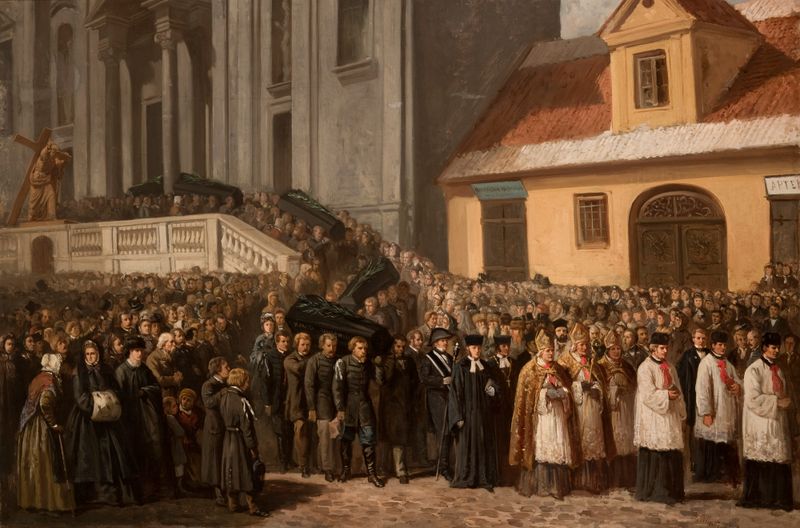 Funeral of the Five Victims of the Manifestation of 1861 in Warsaw
1865 · National Museum in Kraków
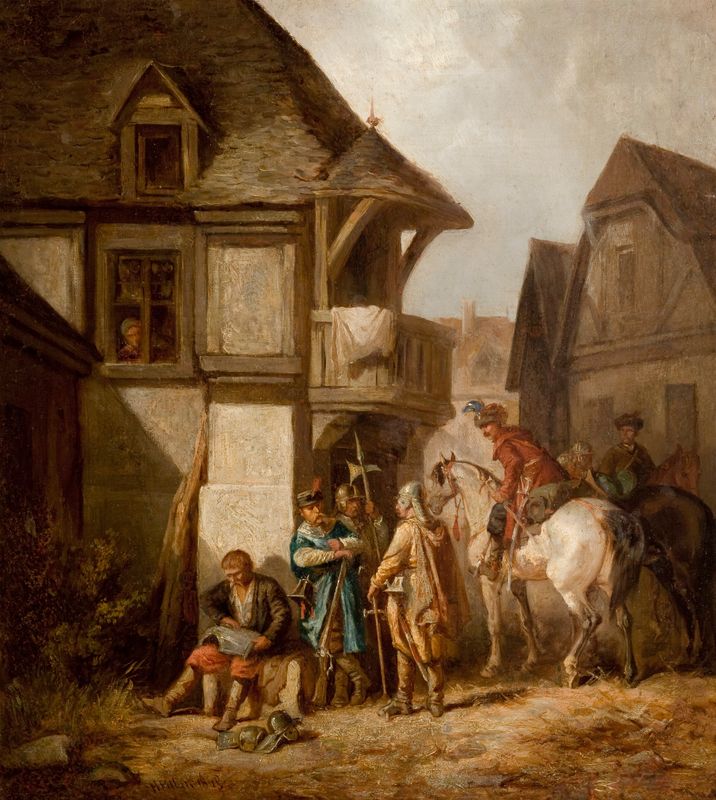 Return of the "Lisowczycy"
1868 · National Museum in Kraków
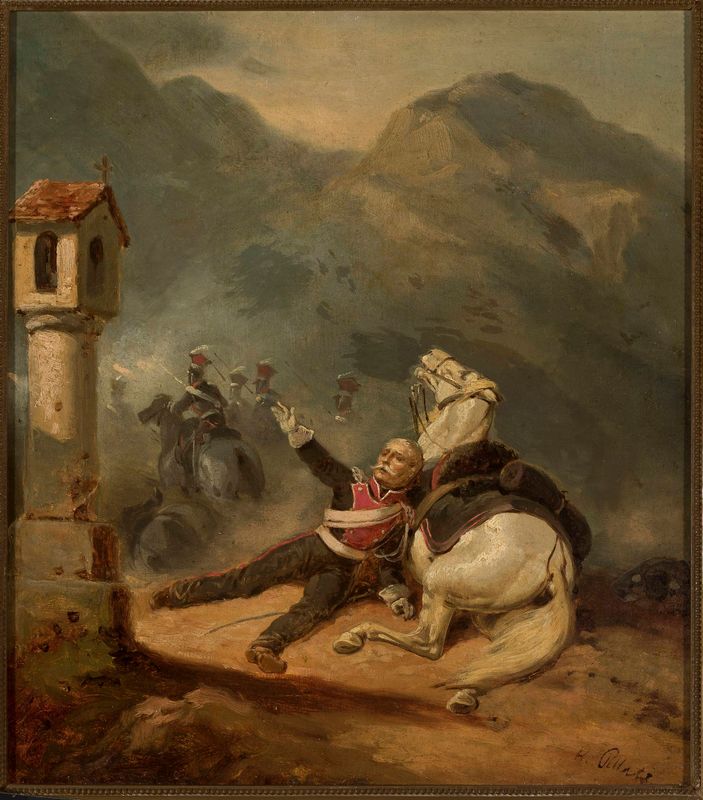 Wounded uhlan by the wayside shrine
1853 · National Museum in Warsaw
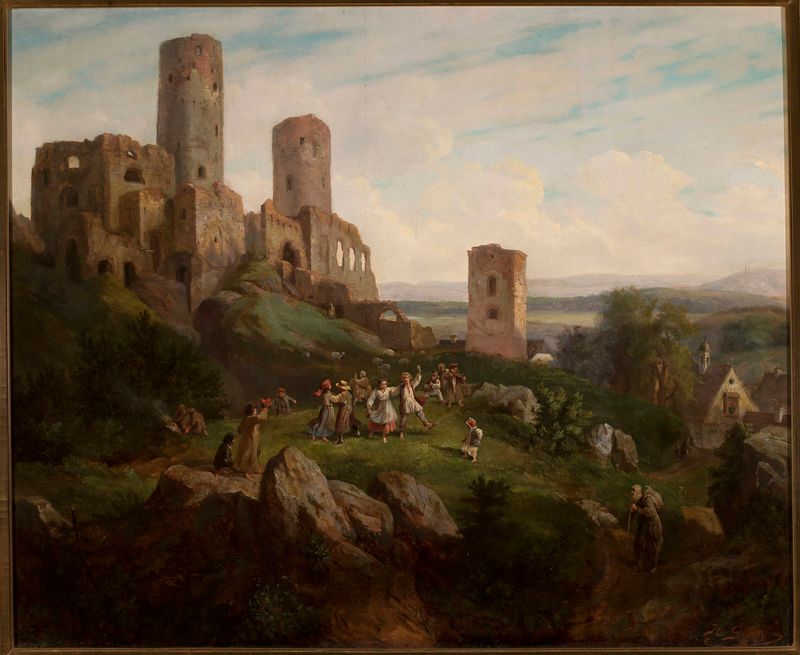 Ruins of the castle – merry-making in Tenczynek
1855 · National Museum in Warsaw
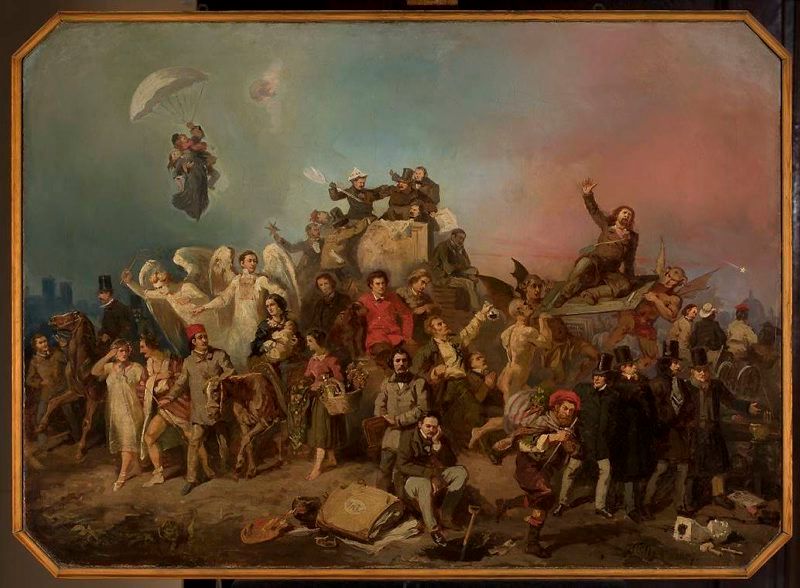 Dispersion of nations
1857 · National Museum in Warsaw
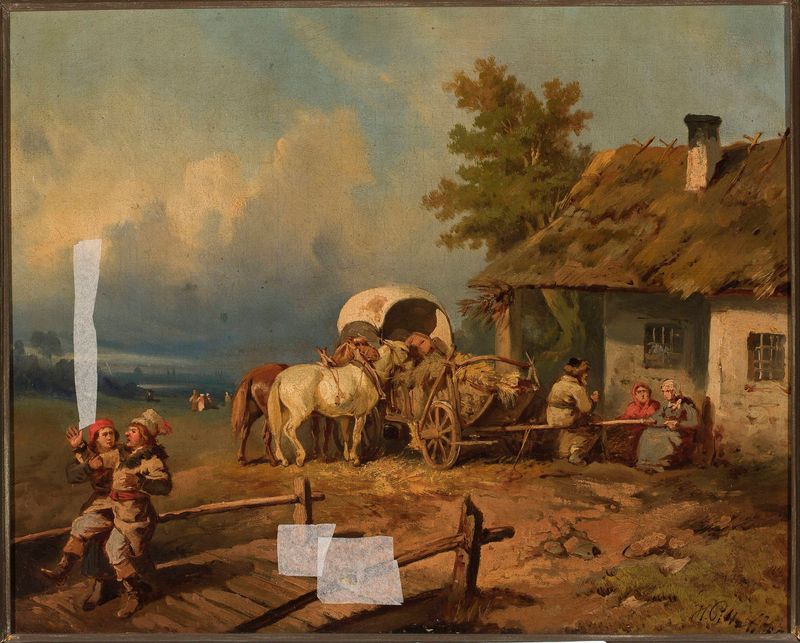 Return from the fair
1857 · National Museum in Warsaw
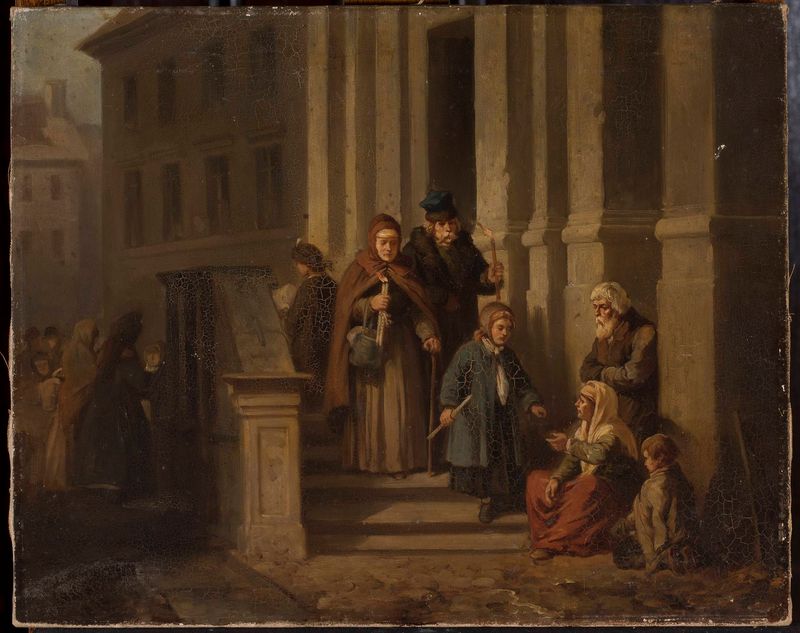 In front of the church
1862 · National Museum in Warsaw
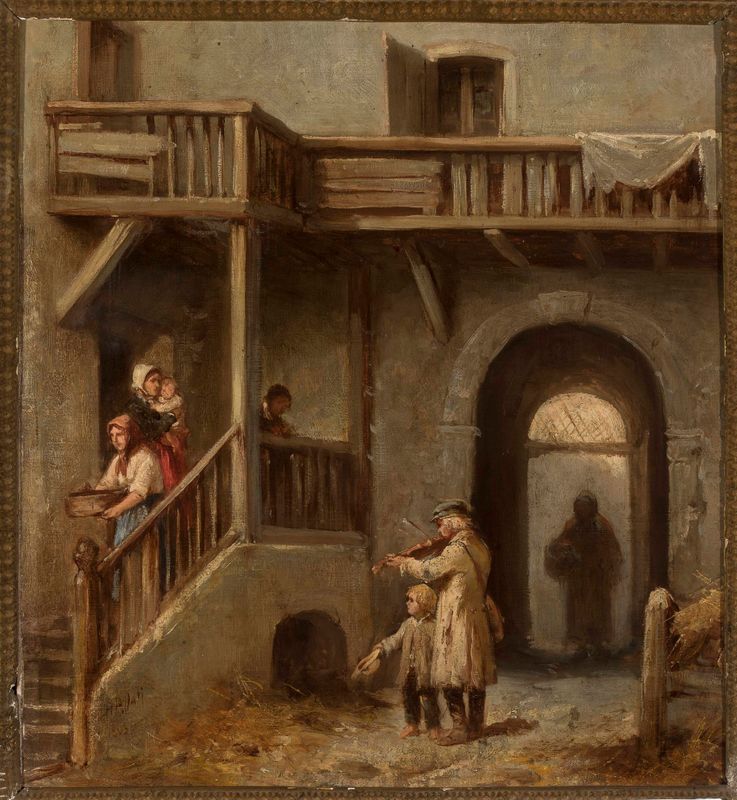 Street fiddler
1863 · National Museum in Warsaw
More works to explore
Beyond Pillati: works from the same years.
 Same era · 1850s–1880s
Cart with Red and White Ox
Vincent van Gogh · 1884 · Kröller-Müller Museum
 Same era · 1850s–1880s
Two Boats in a Storm
Léon-Victor Dupré · 1870 · Art Institute of Chicago
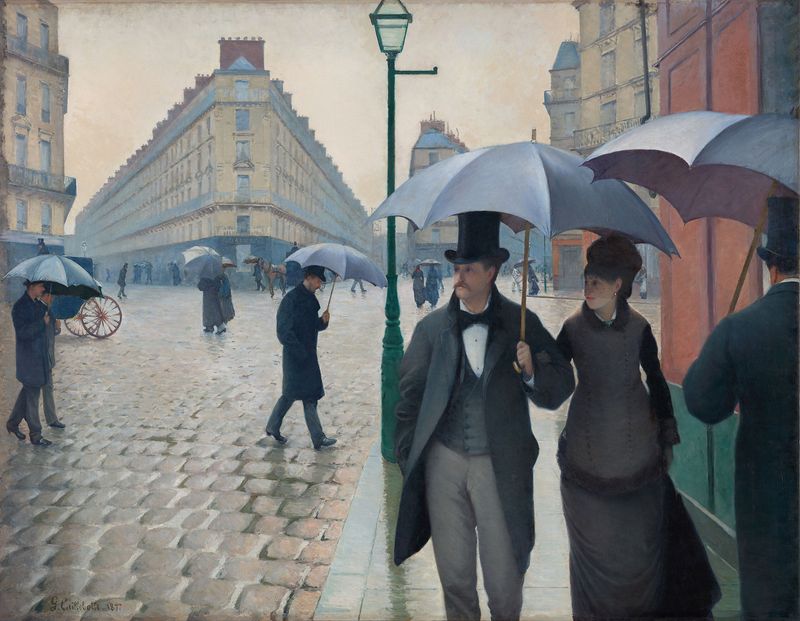 Same era · 1850s–1880s
Paris Street; Rainy Day
Kawabata Gyokushō · 1877 · Art Institute of Chicago
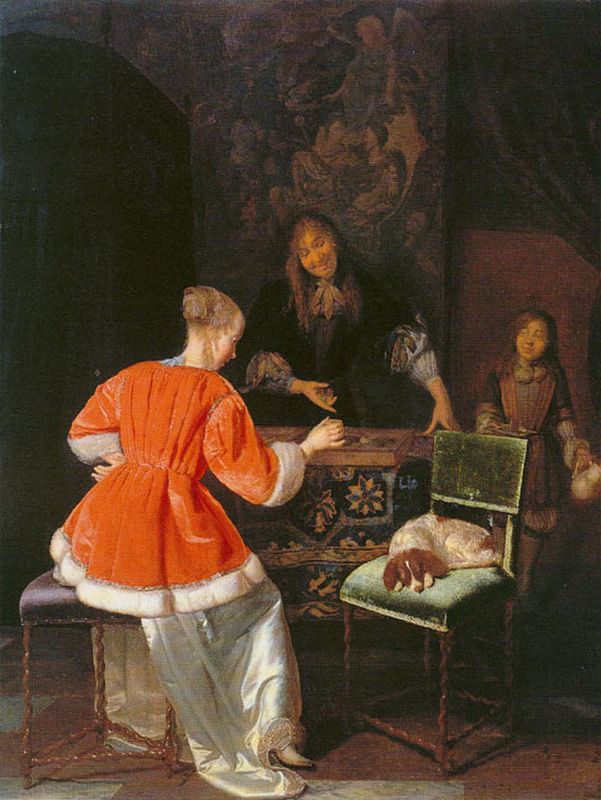 Same era · 1850s–1880s
The Backgammon Players
Philip Webb · 1861 · The Metropolitan Museum of Art
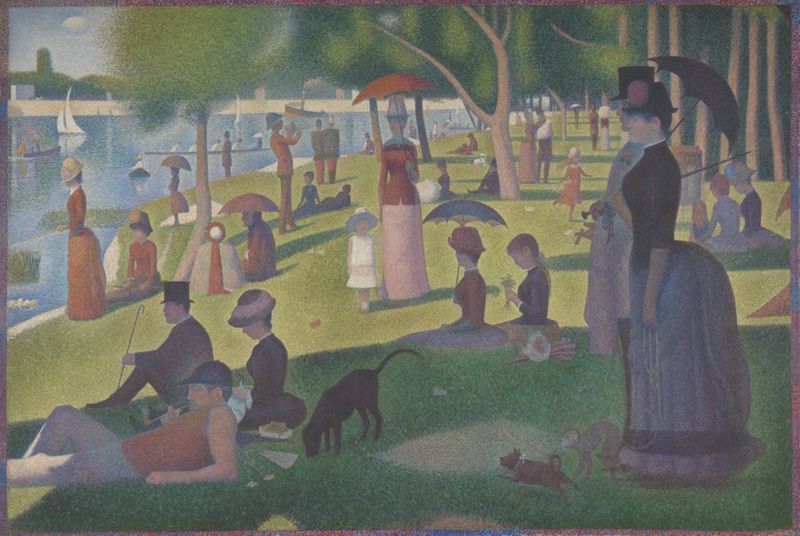 Same era · 1850s–1880s
A Sunday on La Grande Jatte — 1884
Okada Saburosuke · 1884 · Art Institute of Chicago
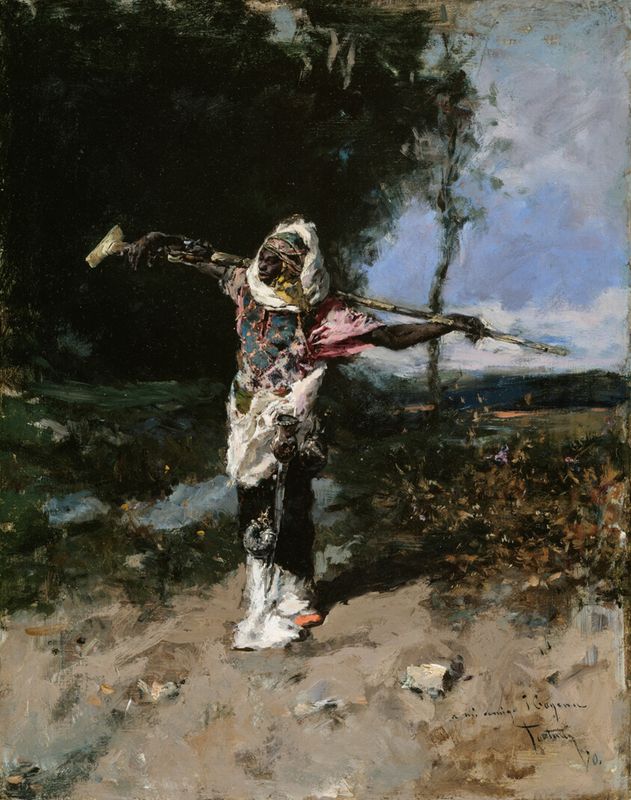 Same era · 1850s–1880s
African Chief
Mariano Fortuny Marsal · 1870 · Art Institute of Chicago
 Same era · 1850s–1880s
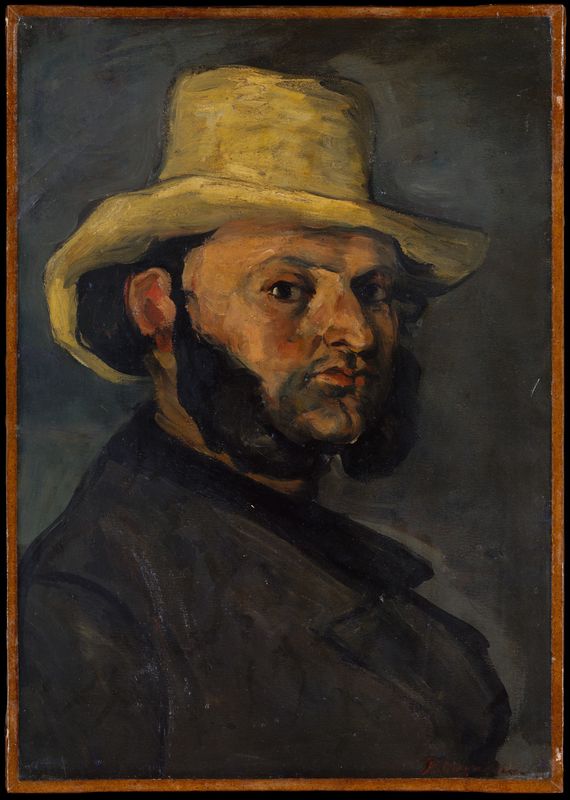
Gustave Boyer (b. 1840) in a Straw Hat
Paul Cézanne · 1870 · The Metropolitan Museum of Art
 Same era · 1850s–1880s
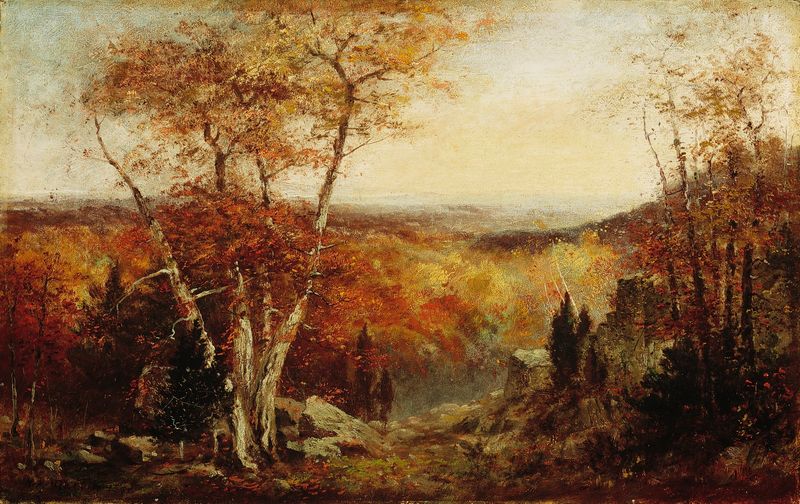
In the Adirondacks
William Hart · 1870 · Q847508
 Same era · 1850s–1880s
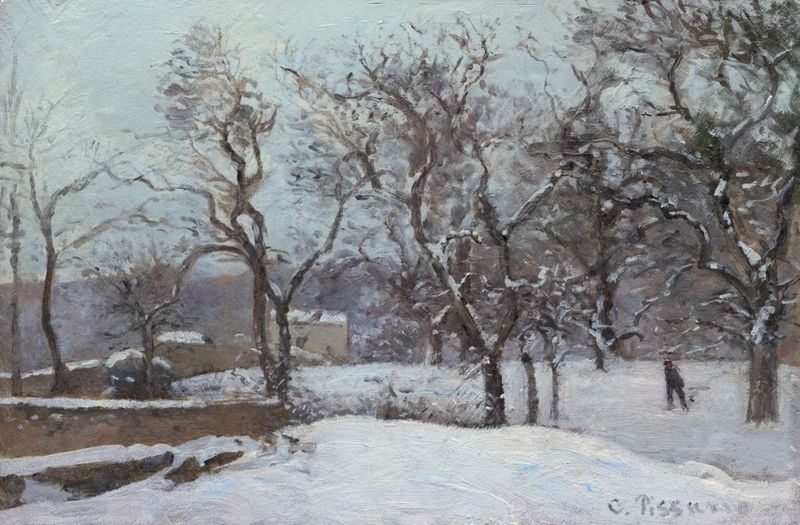
Snow at Louveciennes
Camille Pissarro · 1870 · Art Institute of Chicago
 Same era · 1850s–1880s
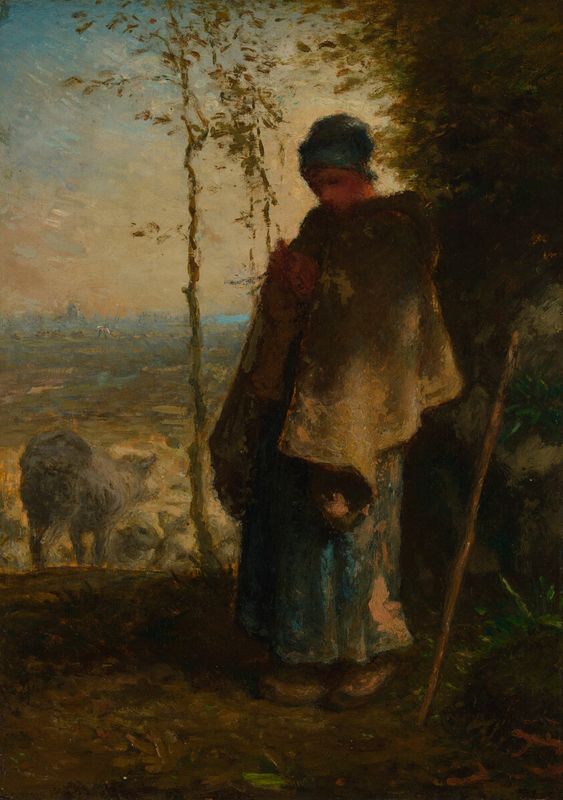
The Little Shepherdess
Jean-François Millet · 1870 · Art Institute of Chicago
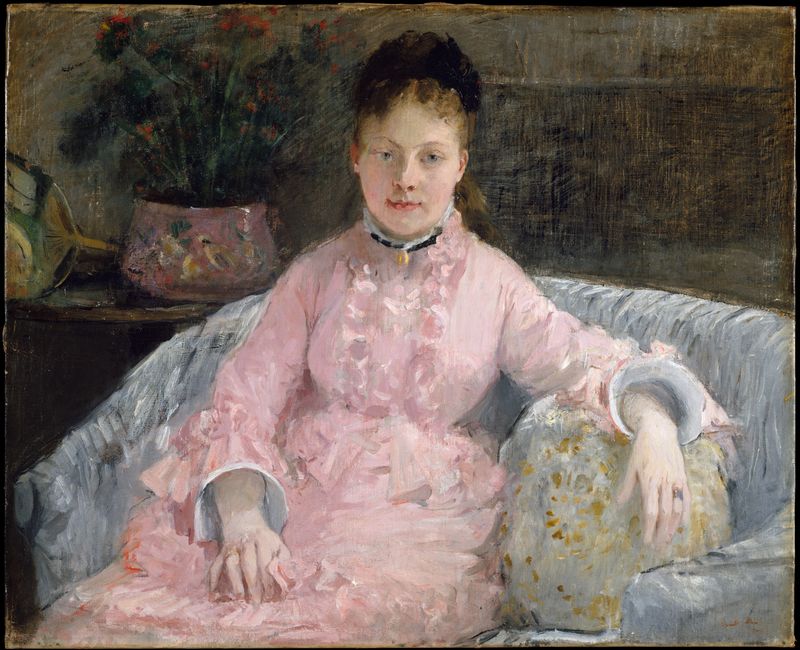 Same era · 1850s–1880s
The Pink Dress (Albertie-Marguerite Carré, later Madame Ferdinand-Henri Himmes, 1854–1935)
Berthe Morisot · 1870 · Metropolitan Museum of Art
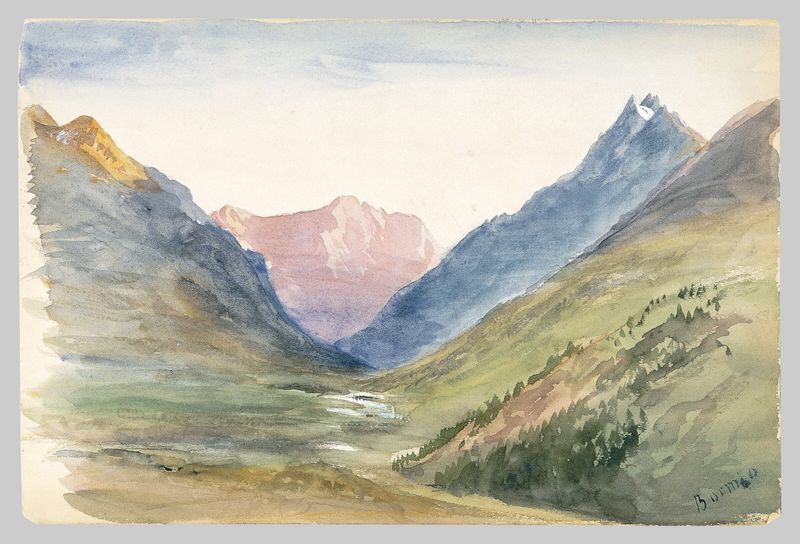 Same era · 1850s–1880s
Mountain View at Bormio (from Switzerland 1869 Sketchbook)
John Singer Sargent · 1869 · The Metropolitan Museum of Art