
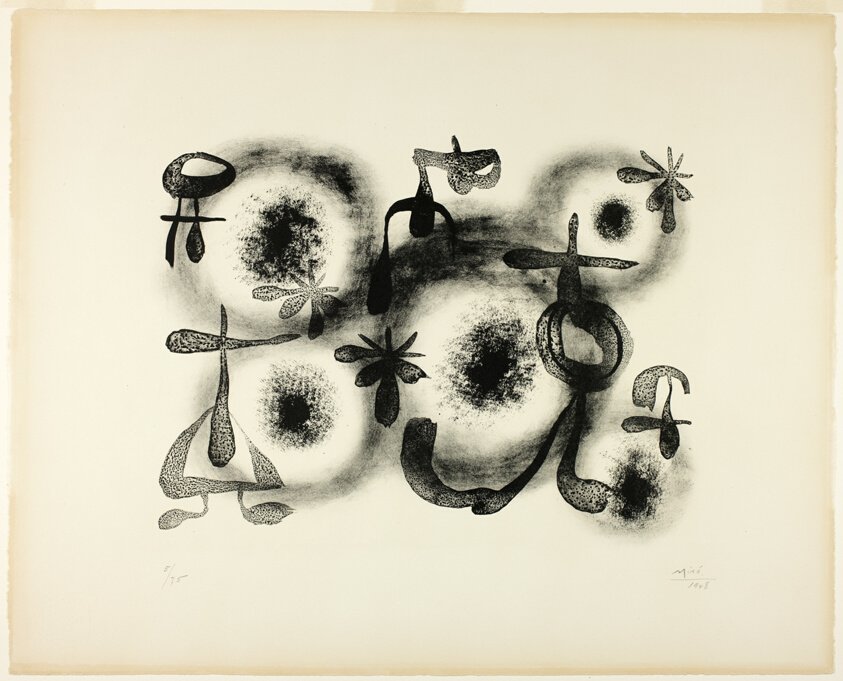
“Stop to explore this lithograph, a vibrant example of Miró's abstract language where lines and shapes dance across the paper, inviting your own interpretation of its rhythmic composition.”
In this lithograph, a dynamic interplay of forms emerges from the stark white paper, inviting the eye to trace its unique language. Bold black lines, some thick and deliberate, others thin and trailing, create an abstract landscape. You might see a cluster of energetic marks on the left, perhaps suggesting a figure or a burst of movement, while a more open, airy space dominates the right. Miró made frequent visits to Paris in the late 1940s to work on printing techniques, developing a close relationship with Fernand Mourlot, a master printer. This piece is from a period when he was deeply exploring lithography, a process that allowed for both spontaneity and precise control. The "Composition" here feels like a captured moment, a visual poem where each element, whether a solid shape or a fleeting scribble, contributes to a larger, rhythmic whole.
- Artist
- Joan Miró
- Date
- 1948
- Medium
- Lithograph in black, on white wove paper
- Location
- Art Institute of Chicago
- Dimensions
- 45 × 56 cm (17 3/4 × 22 1/16 in.)
- Collection
- Prints and Drawings
- Culture
- Spain
- Credit line
- Gift of Joseph R. Shapiro
What to Notice
Four details hide in plain sight. Here’s where to look.
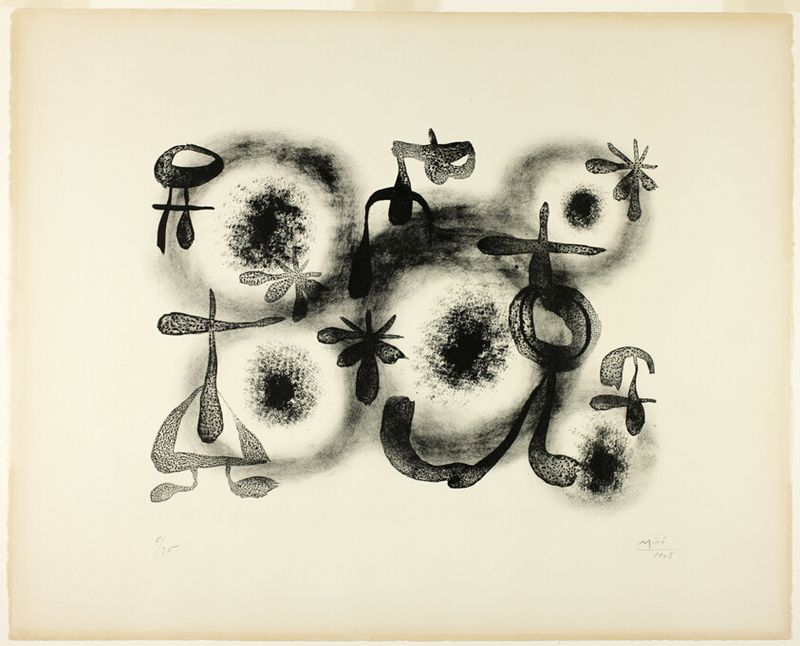
Observe the thick, almost brush-like strokes that anchor the composition.
Notice the delicate, almost calligraphic lines that weave through the heavier forms.
Look for the small, circular shapes that punctuate the design, adding a playful touch.
See how the empty white space is as important as the inked areas, creating balance.
Stand in front of it and listen
The full narration walks you through Composition, from Album 13 — the story behind it, the details most visitors miss, and why it matters. Free in the Art Whisper app.
Joan Miró
1893–1983 · SpainJoan Miró, the Catalan master, sought to 'assassinate painting' by creating a deeply personal, symbolic language that blended Surrealism with a childlike wonder.
Further Works by Miró
More works to explore
Beyond Miró: works from the same years.
 Same era · 1930s–1960s
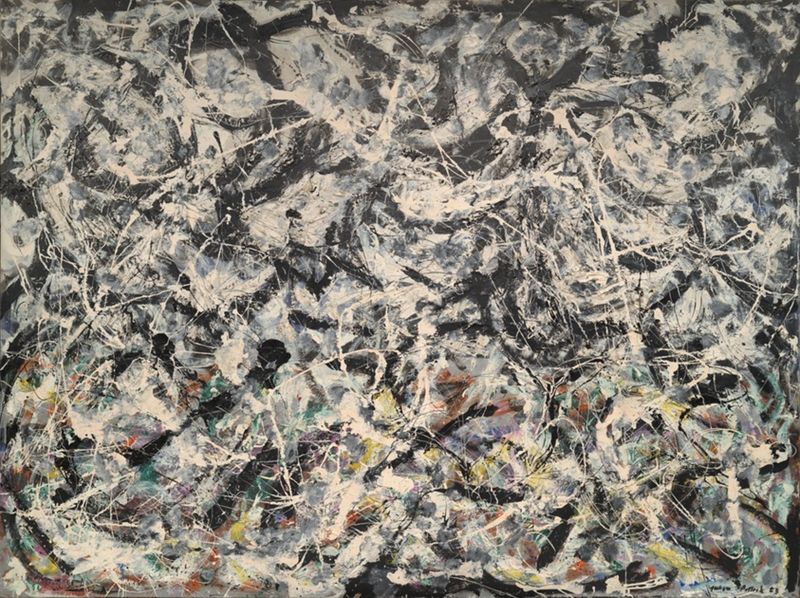
Greyed Rainbow
Jackson Pollock · 1953 · Art Institute of Chicago
 Same era · 1930s–1960s
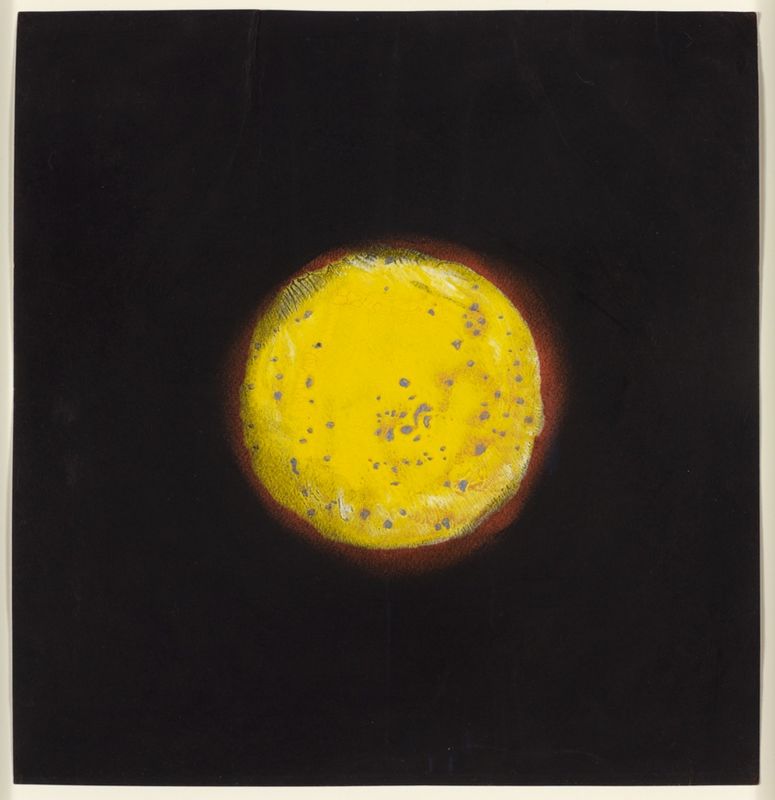
Sun Spot
Yayoi Kusama · 1953 · Art Institute of Chicago
 Same era · 1930s–1960s
Deux personnages
Pierre Alechinsky · 1950
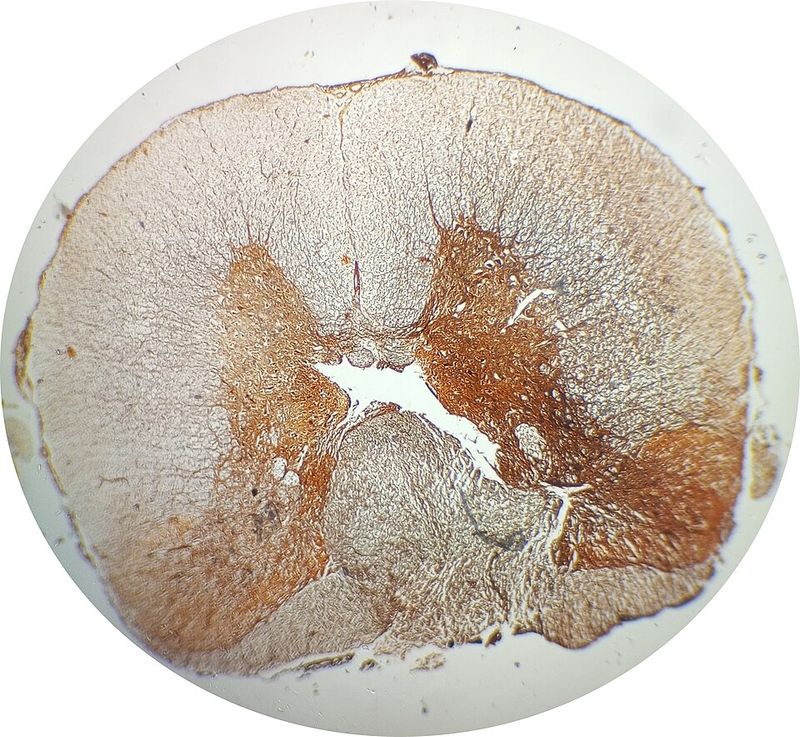 Same era · 1930s–1960s
Impregnazione
Piero Manzoni · 1958
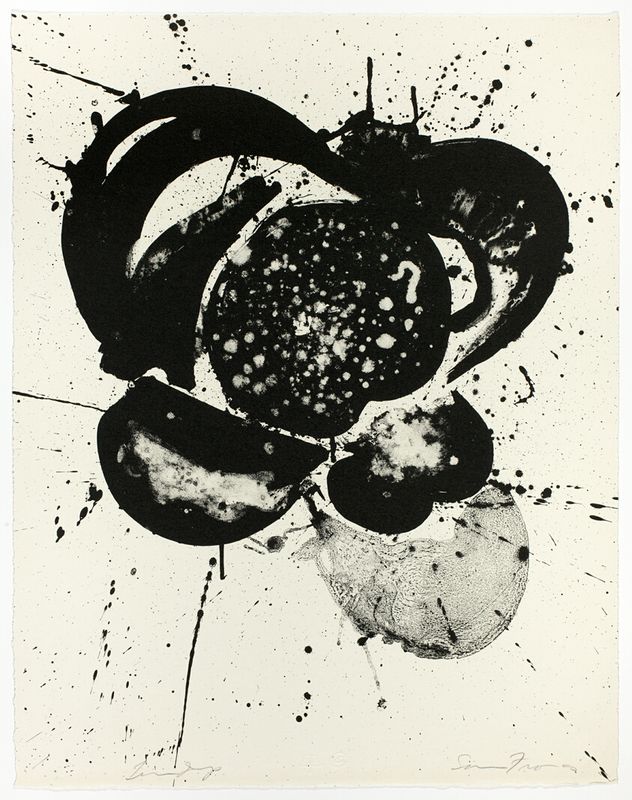 Same era · 1930s–1960s
Essai
Sam Francis · 1963 · Art Institute of Chicago
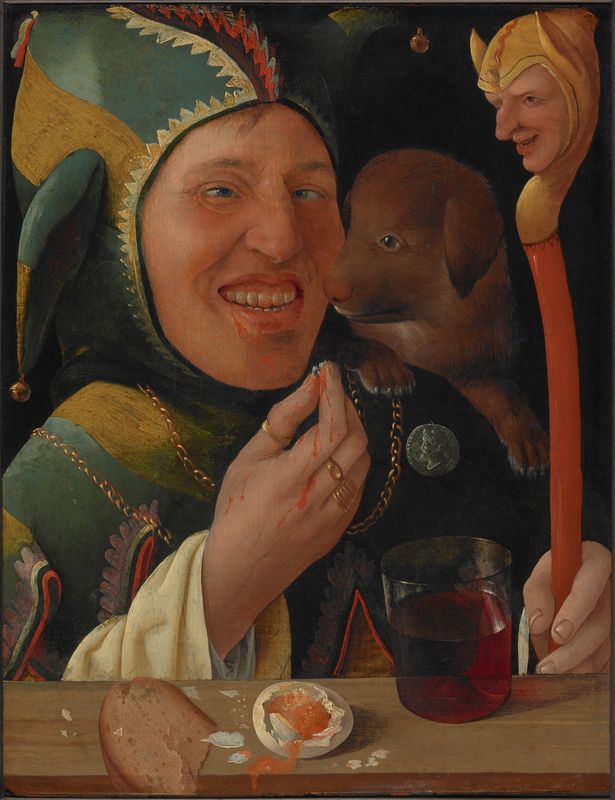 Same era · 1930s–1960s
The Jester
Philip Evergood · 1950 · Whitney Museum of American Art
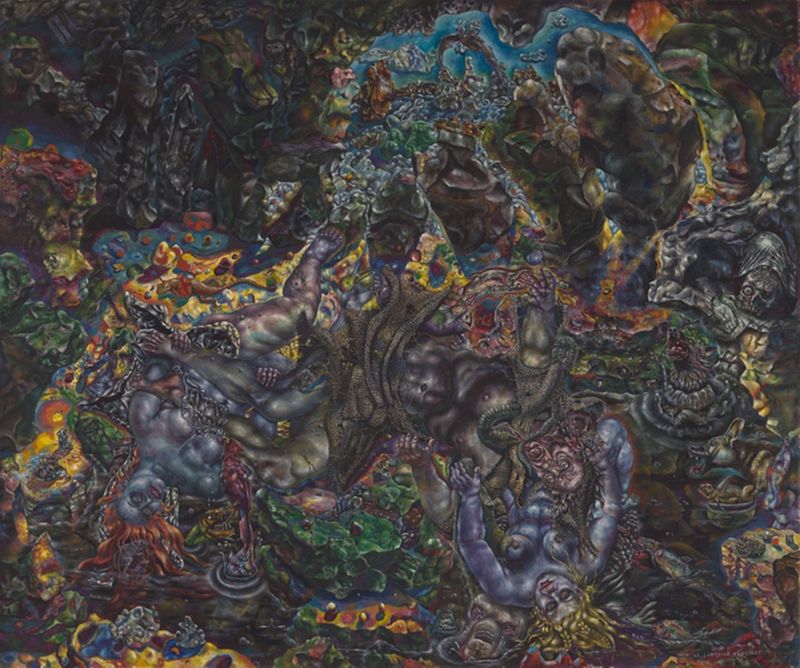 Same era · 1930s–1960s
The Temptation of St. Anthony
Ivan Puni · 1945 · Art Institute of Chicago
 Same era · 1930s–1960s
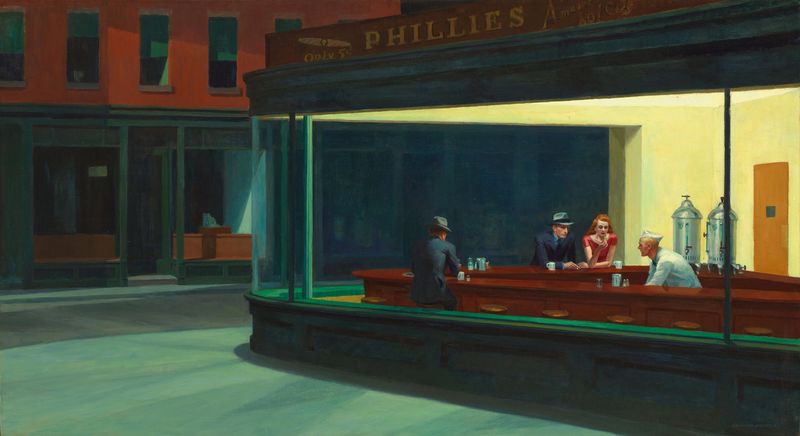
Nighthawks
Okada Saburosuke · 1942 · Art Institute of Chicago
 Same era · 1930s–1960s
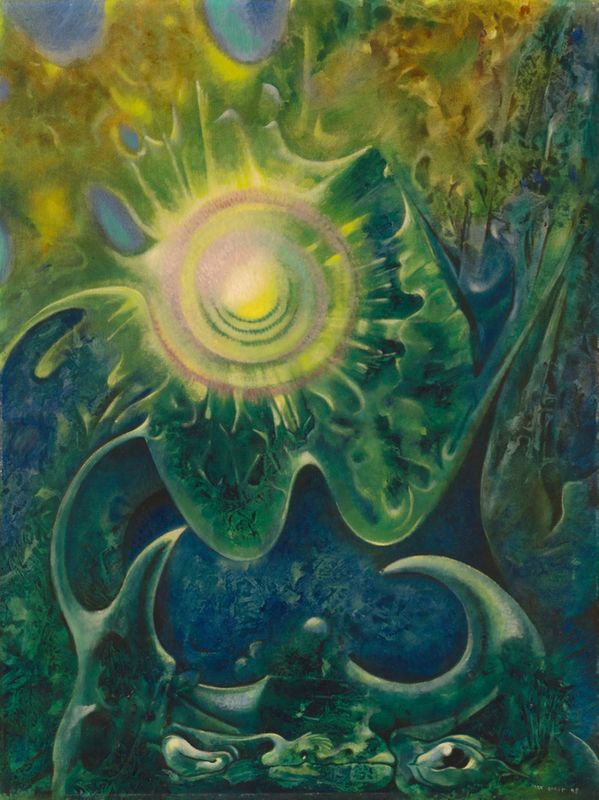
Halleluiah
Max Ernst · 1948 · Art Institute of Chicago
 Same era · 1930s–1960s
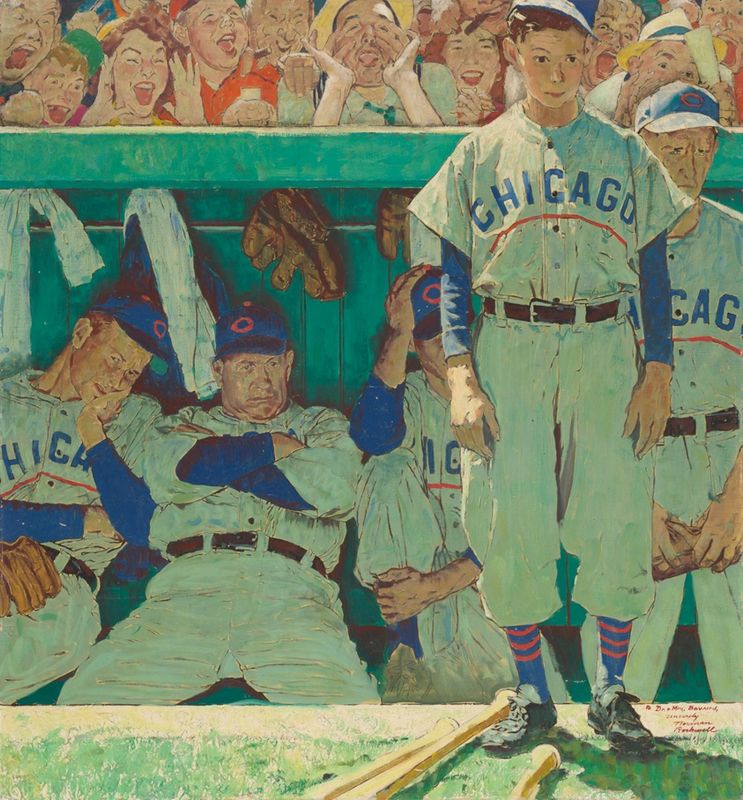
The Dugout
Norman Rockwell · 1948 · Art Institute of Chicago
 Same era · 1930s–1960s
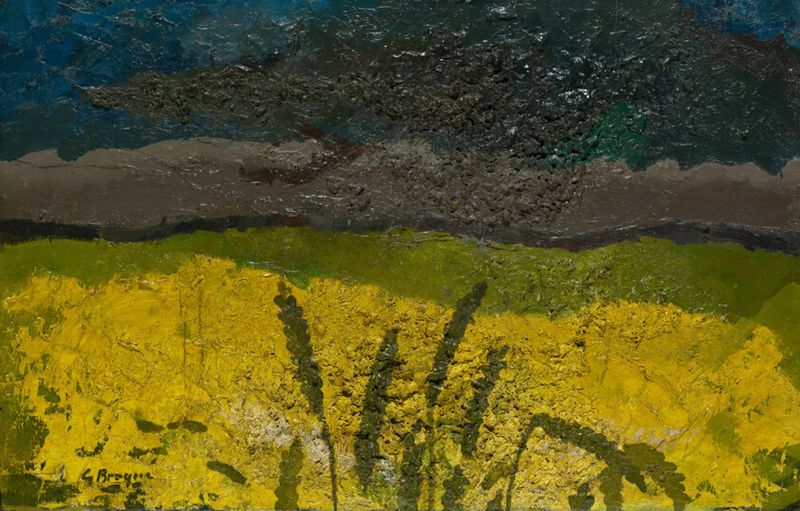
Wheatfield
Georges Braque · 1951 · Art Institute of Chicago
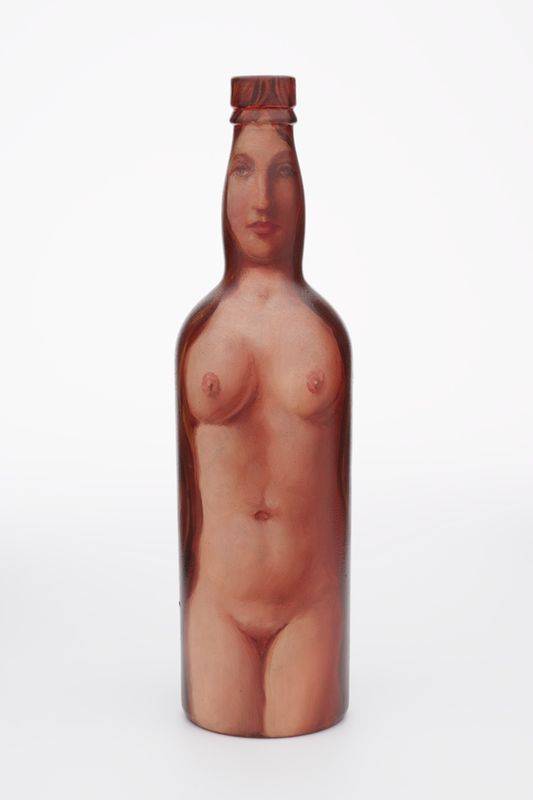 Same era · 1930s–1960s
Untitled (Woman-Bottle)
René Magritte · 1943 · Art Institute of Chicago