
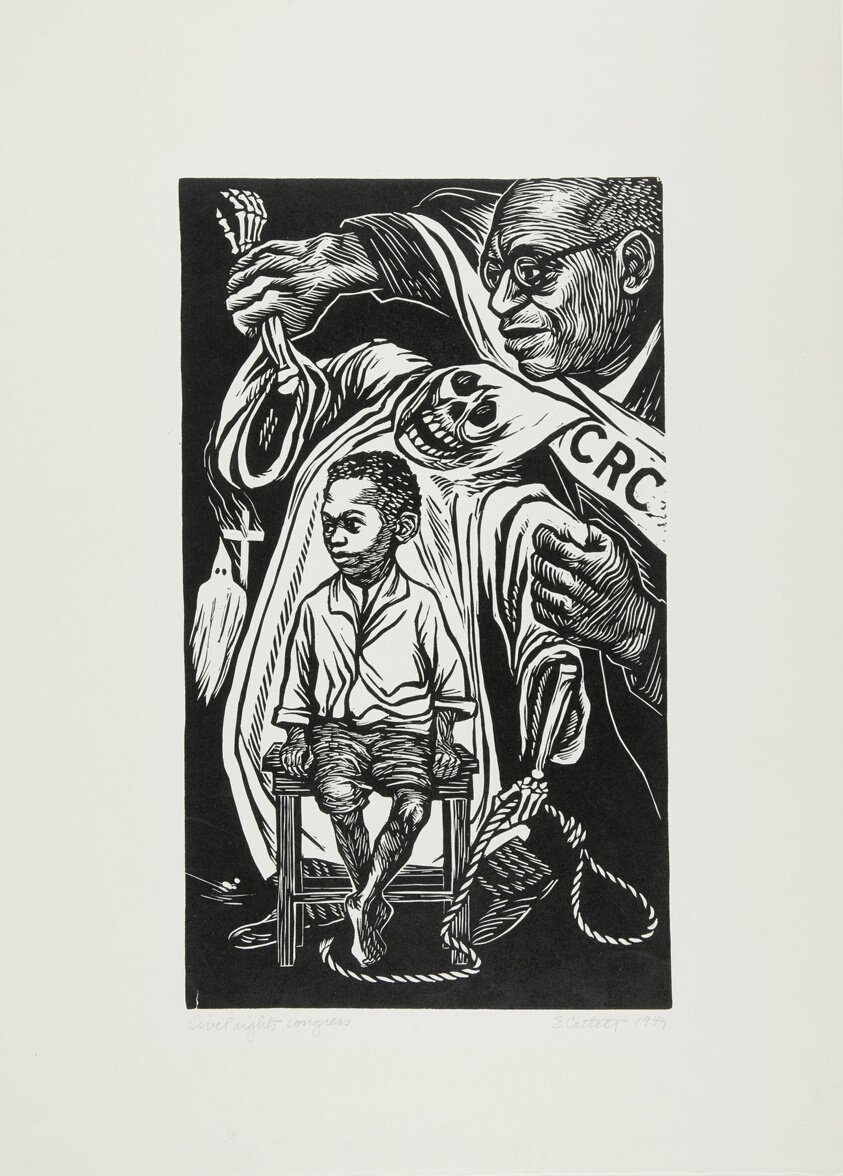
“Stop and observe this striking linocut by Elizabeth Catlett, "Civil Rights Congress." It captures a moment of profound reflection, inviting you to consider the personal weight of fighting for justice in a pivotal year for civil rights.”
This powerful linocut, "Civil Rights Congress," presents a lone figure, head bowed, hands clasped, seemingly lost in thought or prayer. The stark black and white contrasts emphasize the figure's isolation and the weight of their contemplation. The artist, Elizabeth Catlett, created this work in 1949, a period of heightened civil rights activism in the United States. The title directly references the Civil Rights Congress, an organization that fought for racial justice and civil liberties during the mid-20th century. While the specific narrative remains open to interpretation, the image evokes a sense of quiet resilience and the personal burden carried by those engaged in the struggle for equality. The raw, almost sculptural quality of the linocut medium lends itself to the gravitas of the subject, making the figure's presence feel both monumental and deeply human.
- Artist
- Elizabeth Catlett
- Date
- 1949
- Medium
- Linocut on cream wove paper
- Location
- Art Institute of Chicago
- Dimensions
- Image: 31 × 18 cm (12 1/4 × 7 1/8 in.); Sheet: 46.2 × 32.5 cm (18 1/4 × 12 13/16 in.)
What to Notice
Four details hide in plain sight. Here’s where to look.
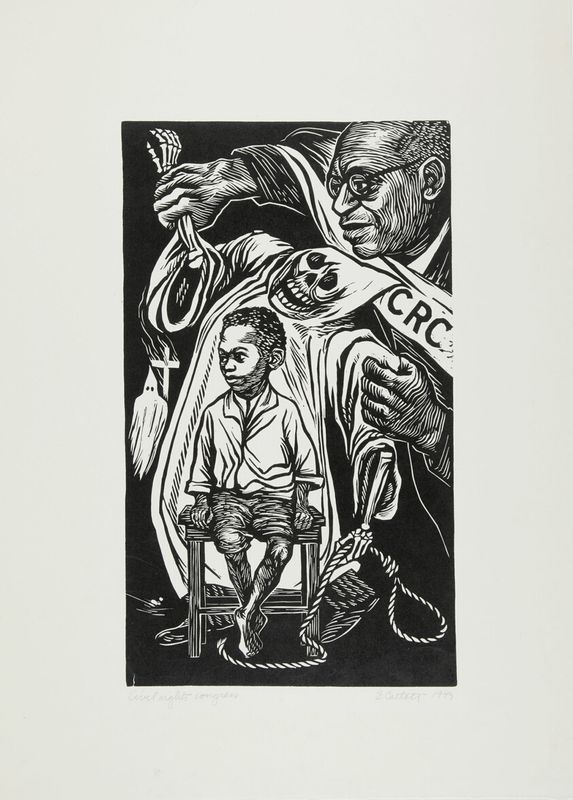
The figure's clasped hands, suggesting prayer or deep contemplation.
The sharp, angular lines defining the figure's form and drapery.
The subtle texture of the cream wove paper visible through the linocut.
The way the light seems to fall on the figure's head and shoulders.
Elizabeth Catlett
Elizabeth Catlett, a sculptor and graphic artist, powerfully depicted the Black-American experience, often focusing on the female perspective, with works like 'Sharecropper' and 'The Negro Woman' series.
More works to explore
Beyond Catlett: works from the same years.
 Same era · 1930s–1960s
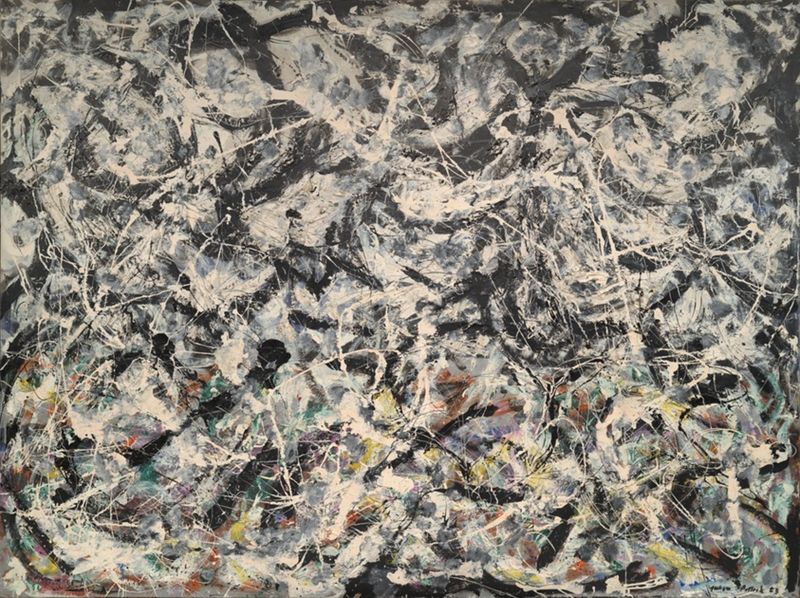
Greyed Rainbow
Jackson Pollock · 1953 · Art Institute of Chicago
 Same era · 1930s–1960s
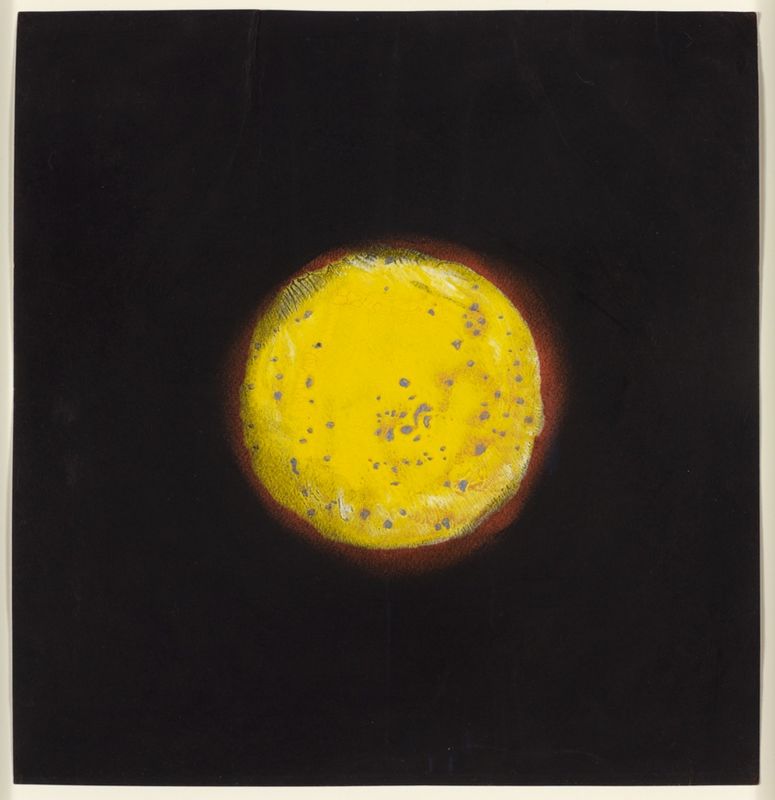
Sun Spot
Yayoi Kusama · 1953 · Art Institute of Chicago
 Same era · 1930s–1960s
Deux personnages
Pierre Alechinsky · 1950
 Same era · 1930s–1960s
Impregnazione
Piero Manzoni · 1958
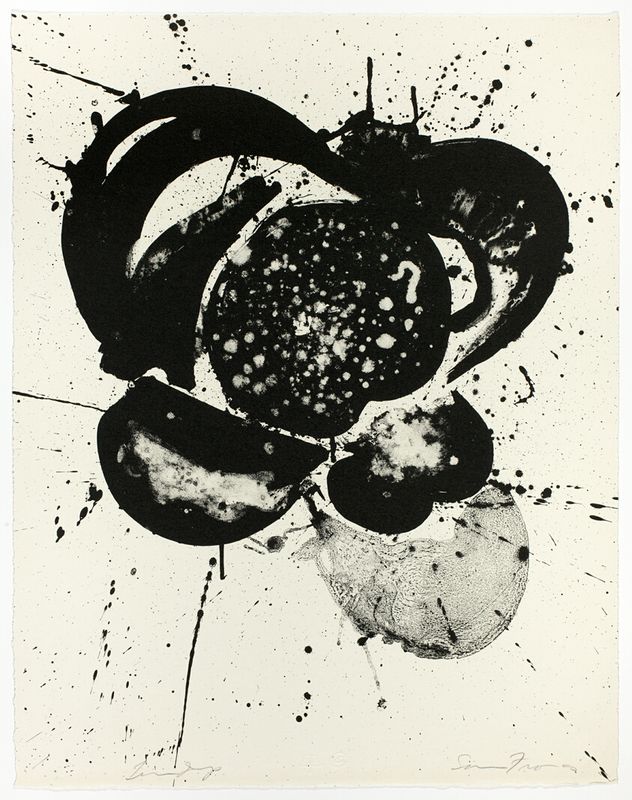 Same era · 1930s–1960s
Essai
Sam Francis · 1963 · Art Institute of Chicago
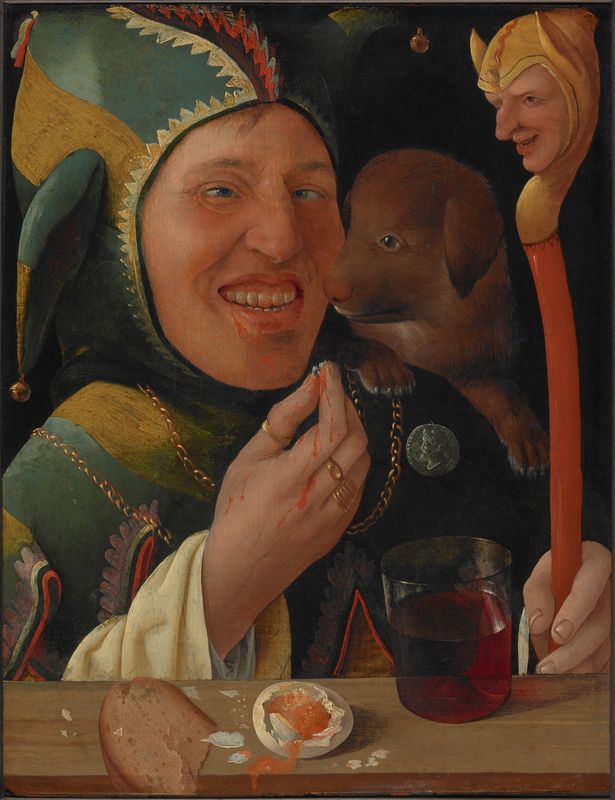 Same era · 1930s–1960s
The Jester
Philip Evergood · 1950 · Whitney Museum of American Art
 Same era · 1930s–1960s
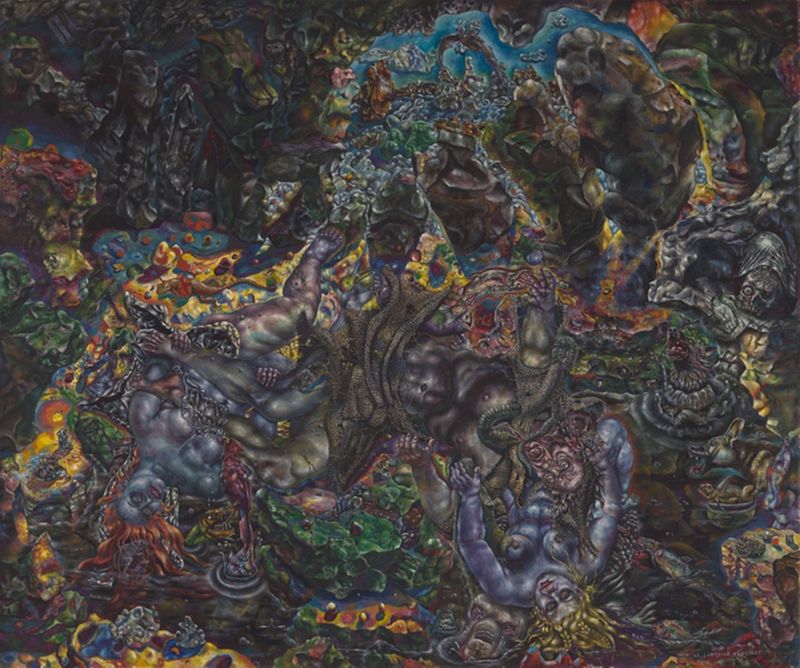
The Temptation of St. Anthony
Ivan Puni · 1945 · Art Institute of Chicago
 Same era · 1930s–1960s
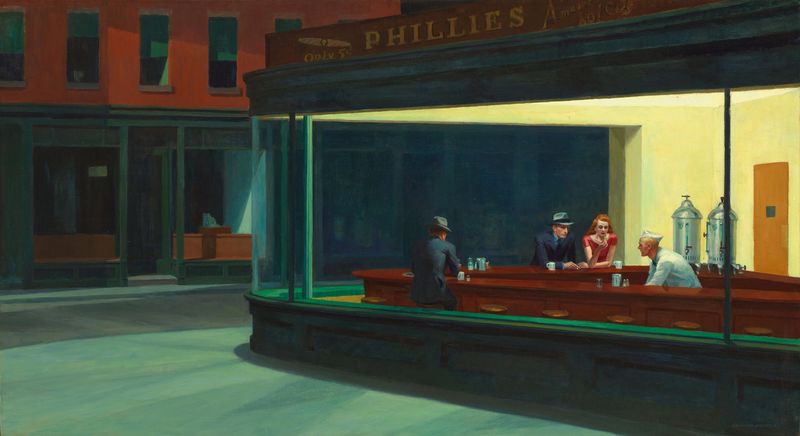
Nighthawks
Okada Saburosuke · 1942 · Art Institute of Chicago
 Same era · 1930s–1960s
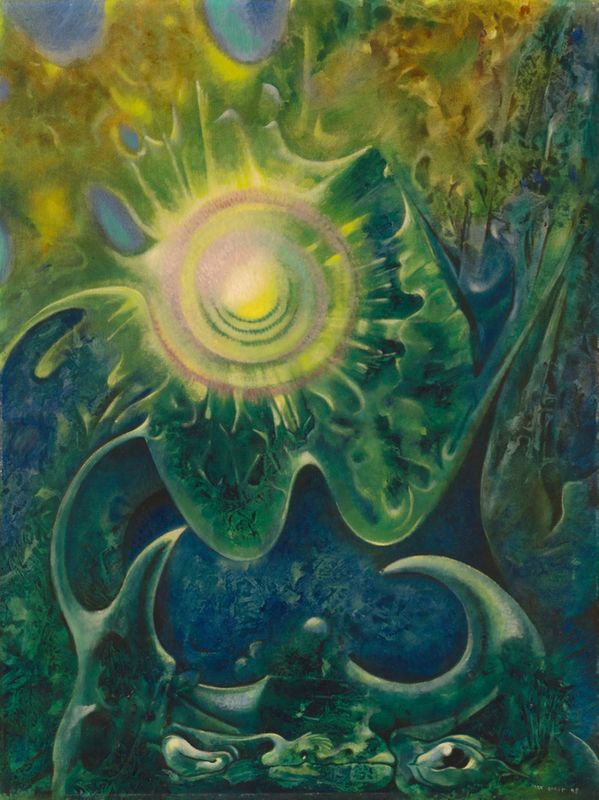
Halleluiah
Max Ernst · 1948 · Art Institute of Chicago
 Same era · 1930s–1960s
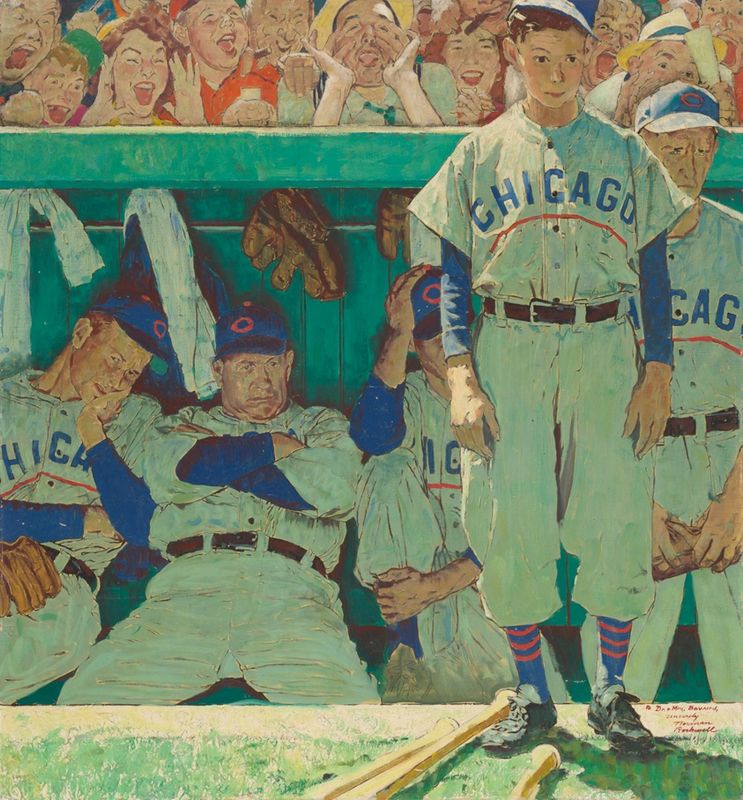
The Dugout
Norman Rockwell · 1948 · Art Institute of Chicago
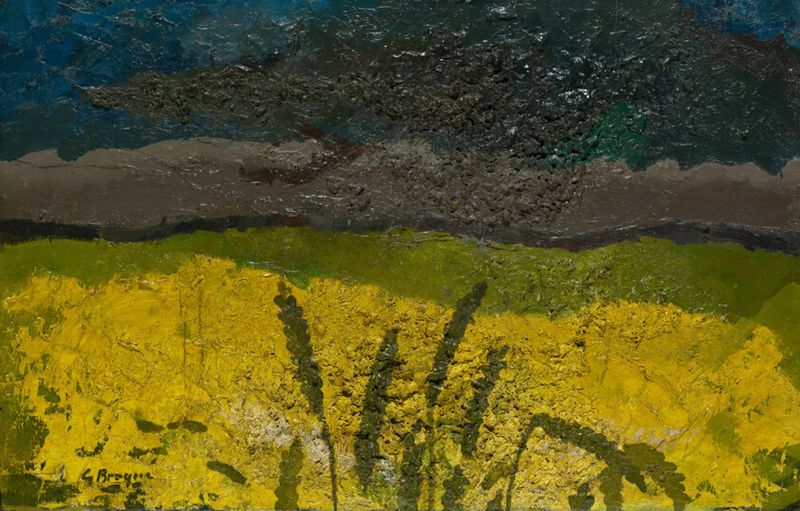 Same era · 1930s–1960s
Wheatfield
Georges Braque · 1951 · Art Institute of Chicago
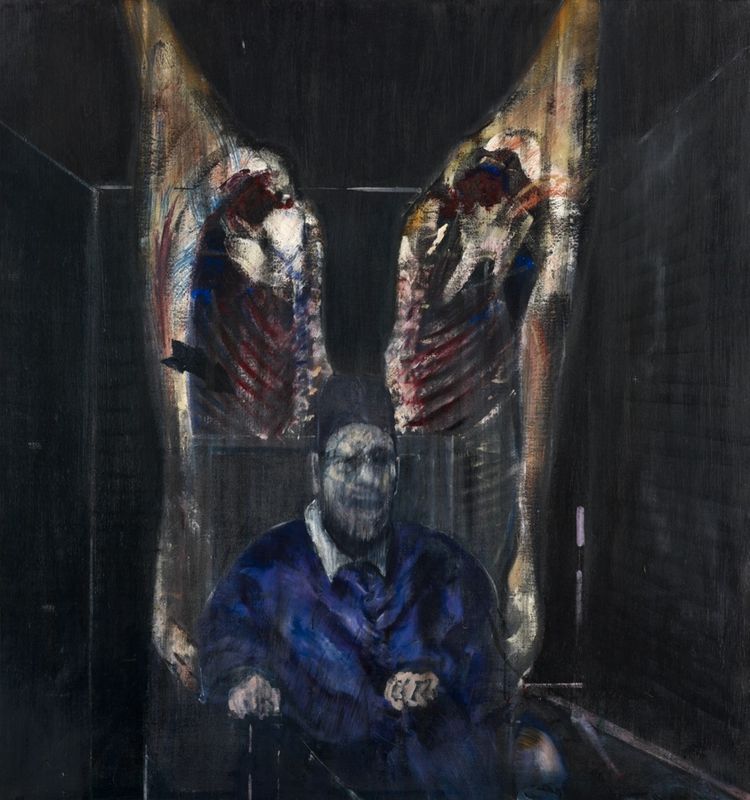 Same era · 1930s–1960s
Figure with Meat
Francis Bacon · 1954 · Art Institute of Chicago