01
The enormous nose
Follow the profile to the long, blunt nose on the right. Monet exaggerates this feature well beyond life, which drives the caricature.
1 of 5 on the painting
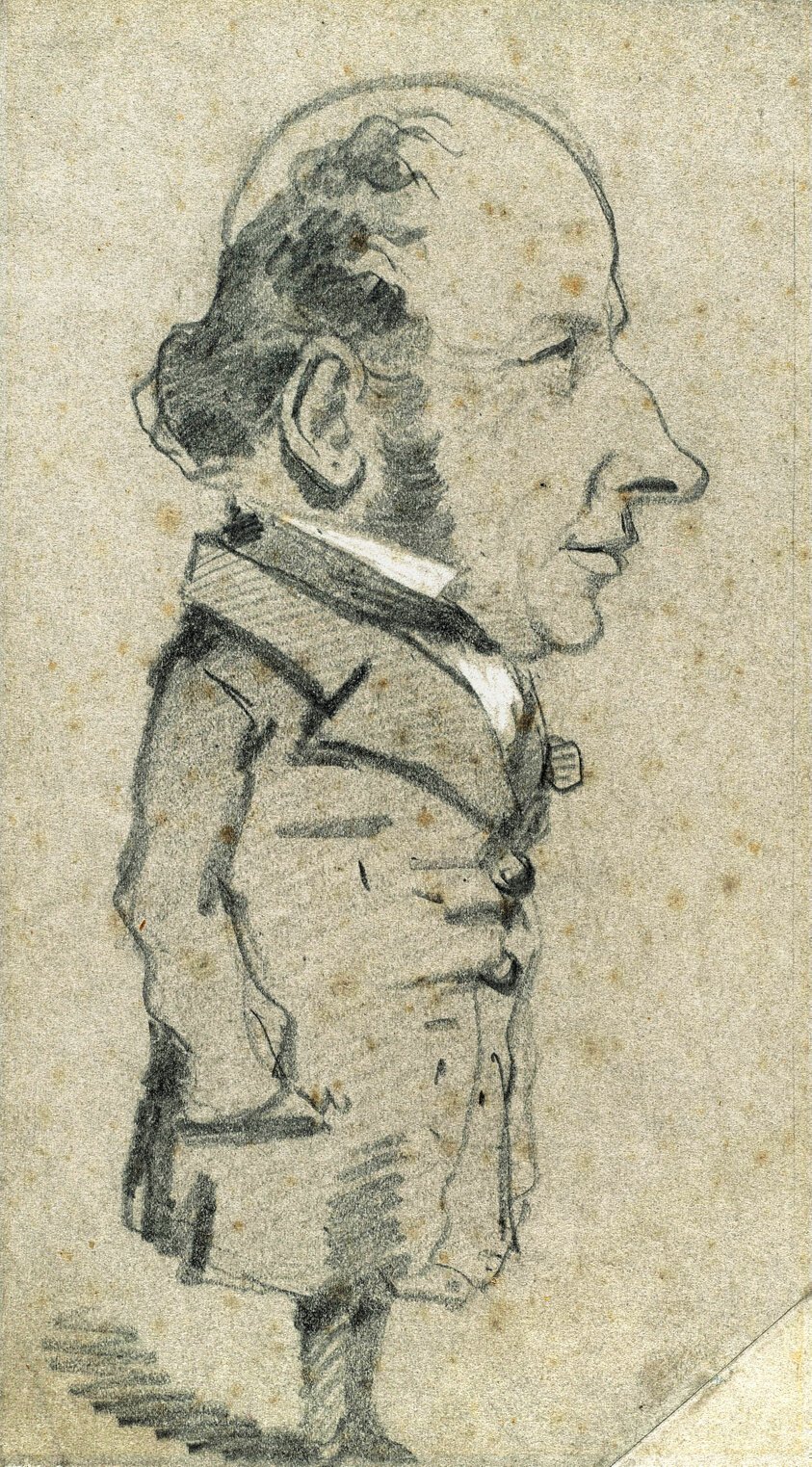
“Before his iconic landscapes, Claude Monet sketched lively caricatures like this one, showing his early talent for capturing personality with humor and sharp detail.”
In this early drawing, a young man with a prominent nose and a somewhat bewildered expression gazes out at us. He wears a top hat, slightly askew, and a high-collared coat, suggesting a certain formality despite the exaggerated features. The artist, only fifteen at the time, captures a sense of youthful observation, using stark lines and subtle shading to define the figure. This caricature, made with graphite and white chalk, reveals a playful side of the artist's early practice, a stark contrast to the luminous landscapes he would later create. It offers a glimpse into his nascent talent for capturing character, even when presented with humorous distortion. The white chalk highlights the face and collar, making the figure pop against the gray paper.
Five details hide in plain sight. Pick one and we’ll show you exactly where to look.
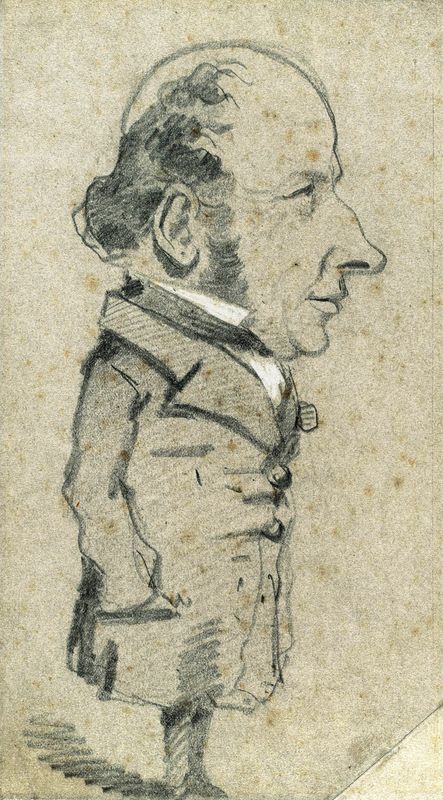
Follow the profile to the long, blunt nose on the right. Monet exaggerates this feature well beyond life, which drives the caricature.
The thin outline of the huge bare skull rises above the face. It looks almost like a balloon floating over the dark hair below.
Look at the thick, smudged graphite of the hair and sideburn around the ear and neck. It is the darkest mass in the drawing and contrasts with the pale, bare scalp.
A flash of white chalk shows at the collar and shirt front. It is one of the few bright spots on the gray paper and sets off the chin.
Trace down from the large head to the compact body and the small feet. The shrinking scale makes the figure look top-heavy.
The full narration walks you through Caricature of Eugène Marcel — the story behind it, the details most visitors miss, and why it matters. Free in the Art Whisper app.
Claude Monet, the visionary founder of Impressionism, transformed how we see light and nature, famously capturing the same scene repeatedly to reveal fleeting moments.
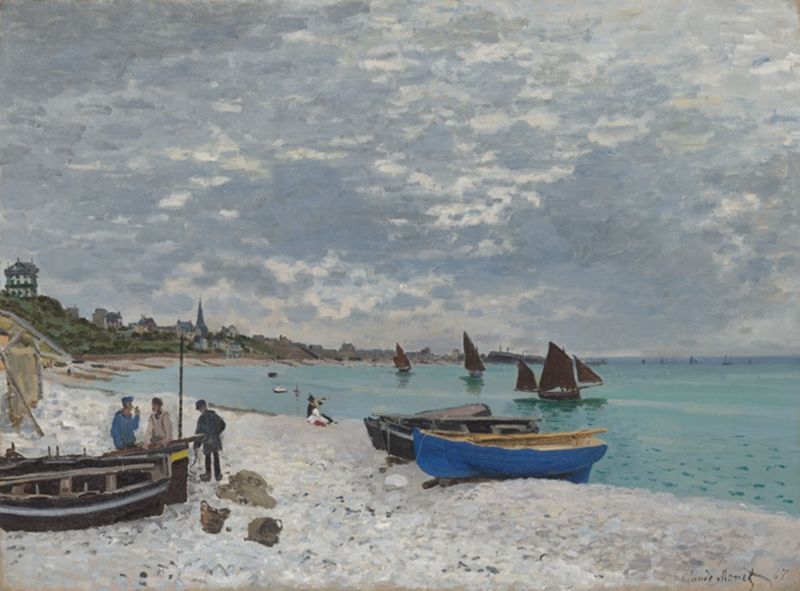 The Beach at Sainte-Adresse
1867 · Art Institute of Chicago
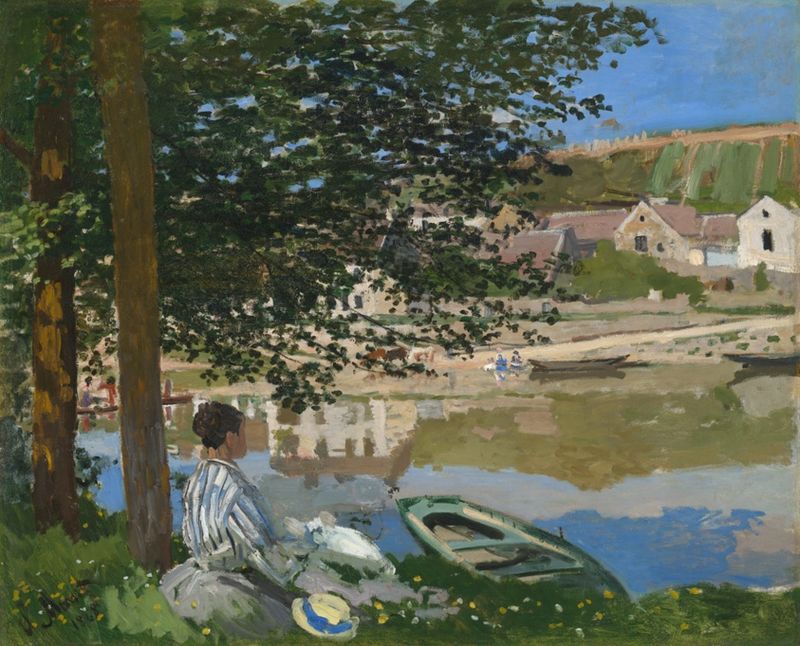 On the Bank of the Seine, Bennecourt
1868 · Art Institute of Chicago
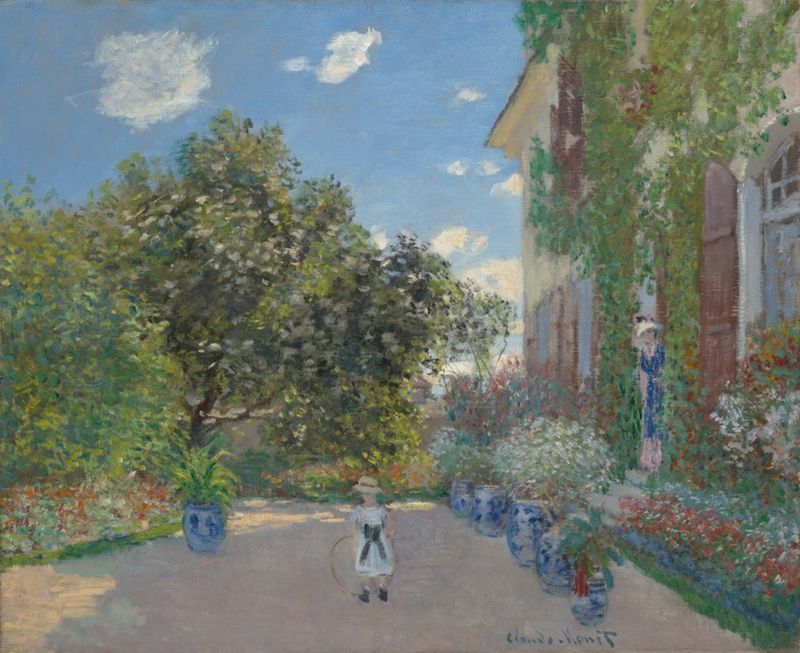 The Artist's House at Argenteuil
1873 · Art Institute of Chicago
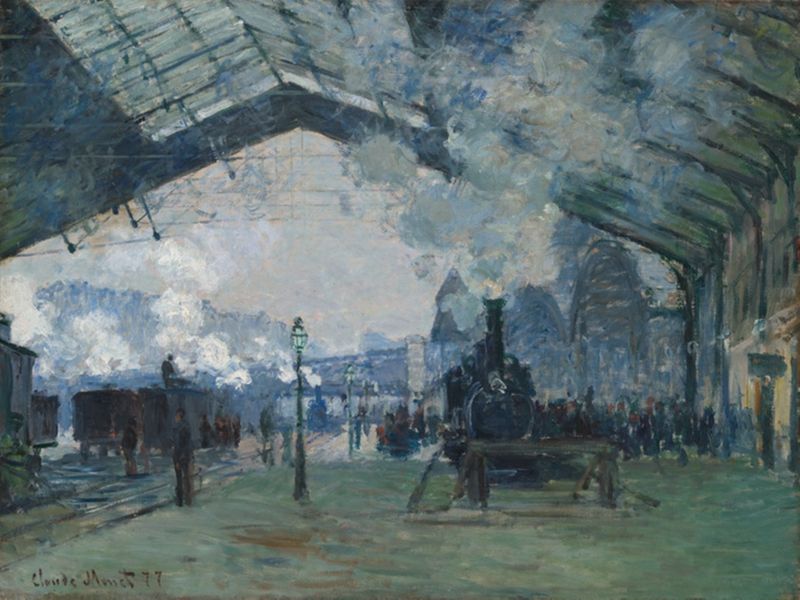 Arrival of the Normandy Train, Gare Saint-Lazare
1877 · Art Institute of Chicago
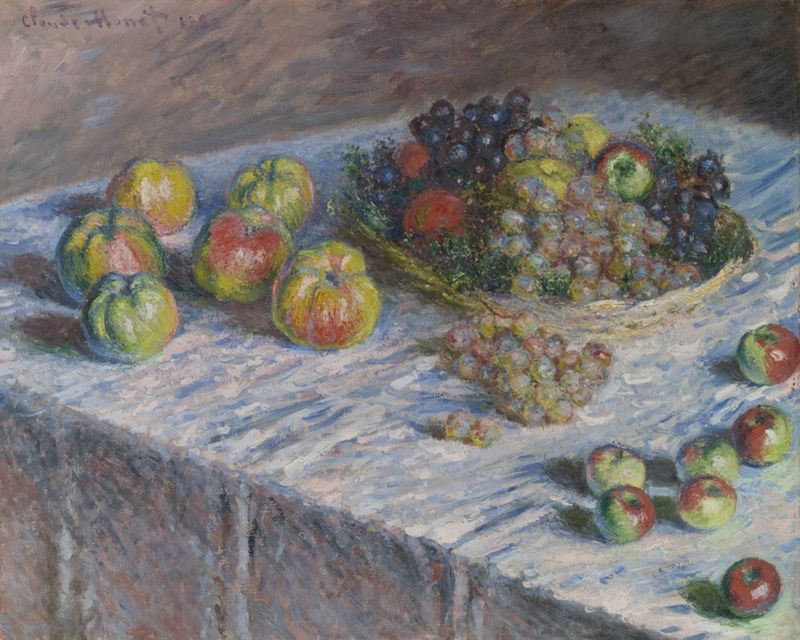 Apples and Grapes
1880 · Art Institute of Chicago
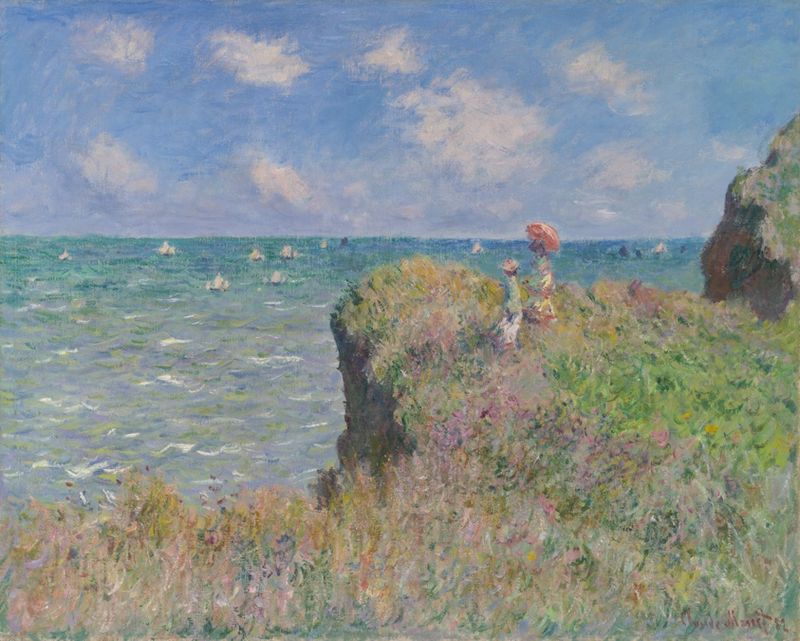 Cliff Walk at Pourville
1882 · Art Institute of Chicago
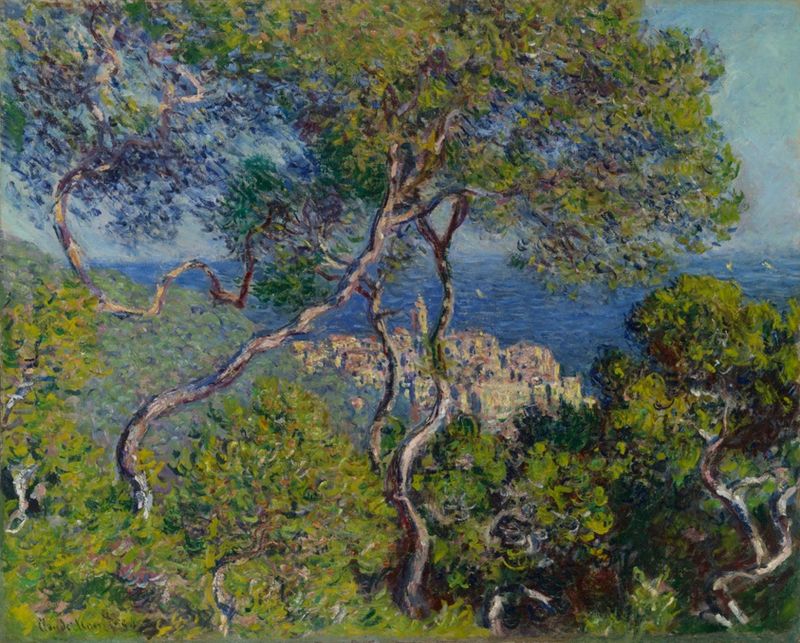 Bordighera
1884 · Art Institute of Chicago
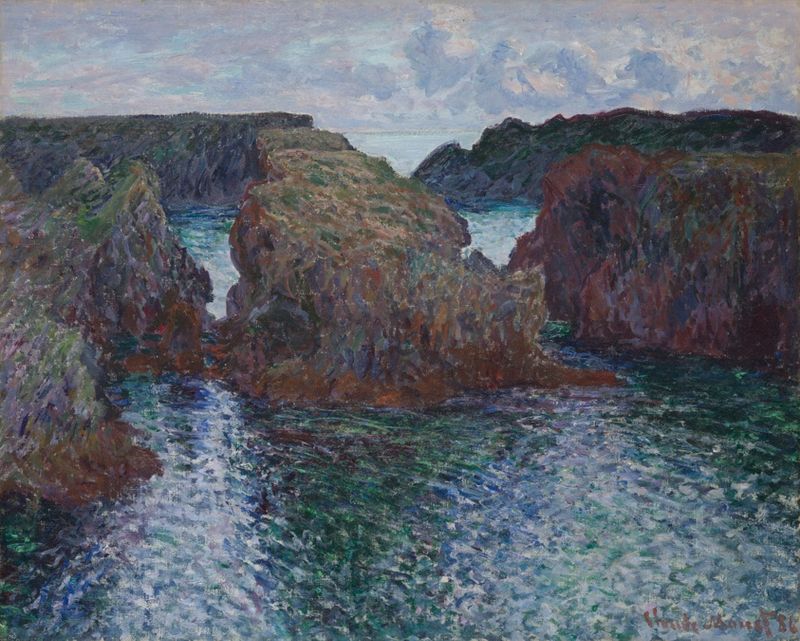 Rocks at Port-Goulphar, Belle-Île
1886 · Art Institute of Chicago
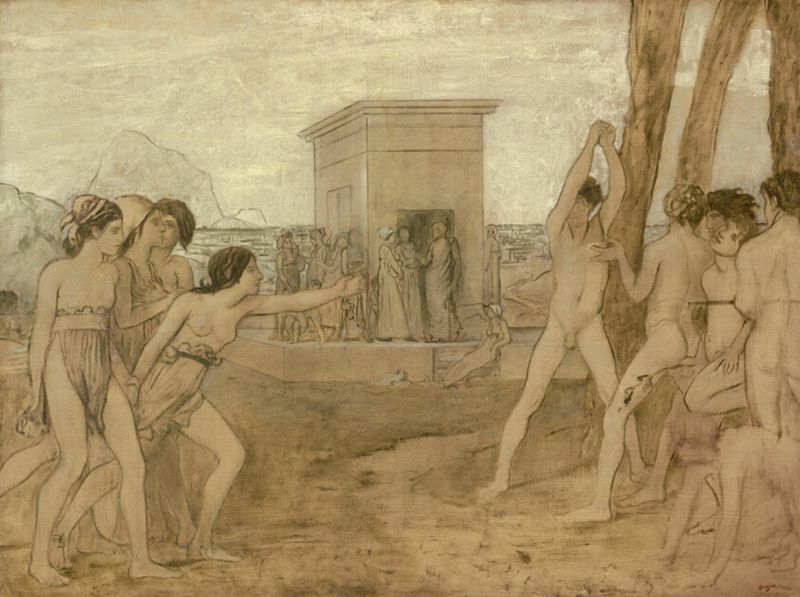 Young Spartan Girls Challenging Boys
Degas · 1860 · Art Institute of Chicago
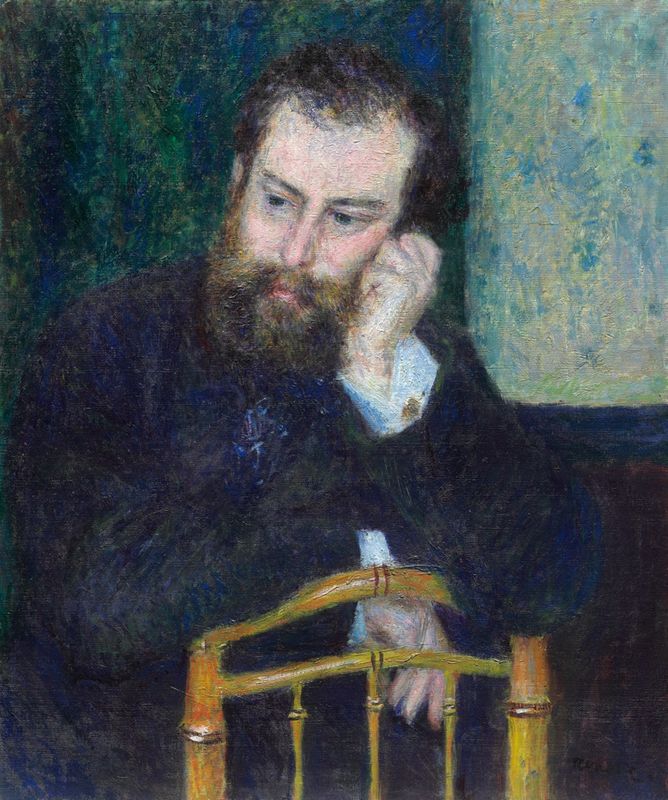 Alfred Sisley
Renoir · 1864 · Foundation E.G. Bührle Collection
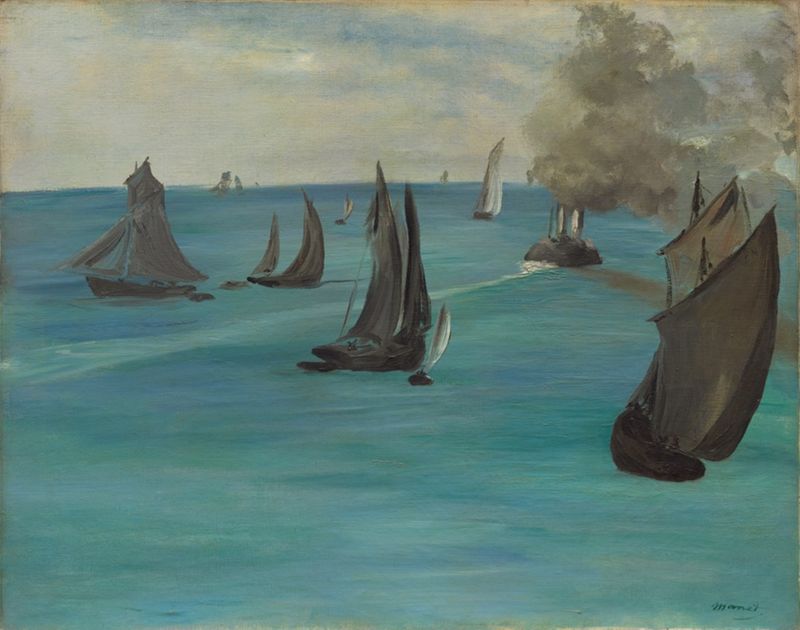 Sea View, Calm Weather (Vue de mer, temps calme)
Manet · 1864 · Art Institute of Chicago
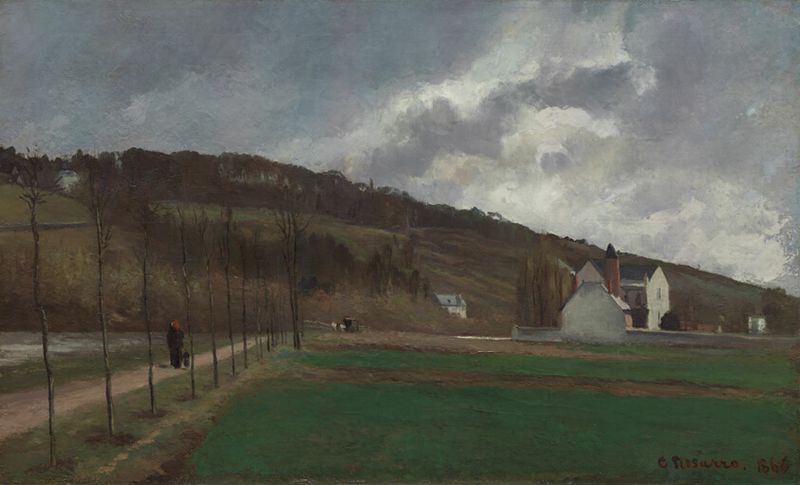 The Banks of the Marne in Winter
Pissarro · 1866 · Art Institute of Chicago
Beyond Monet and Impressionism: works from the same years.
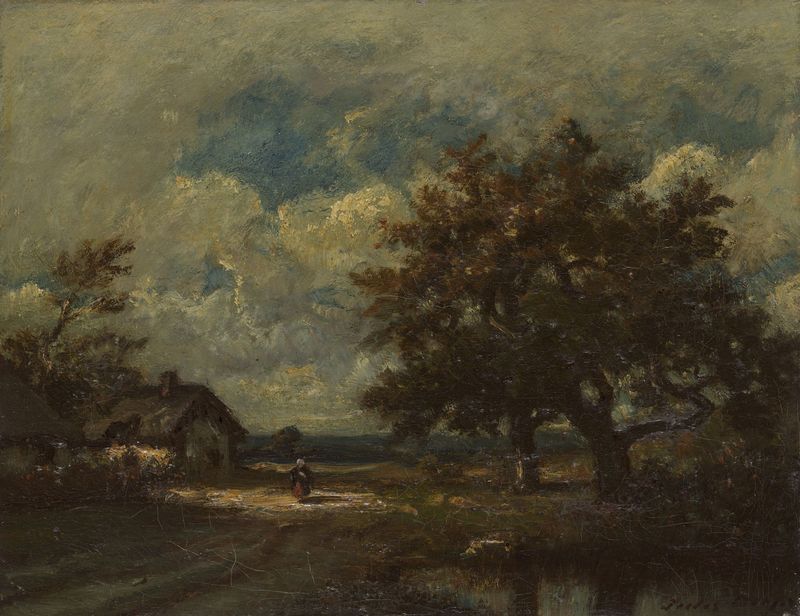 Same era · 1840s–1870s
The Cottage by the Roadside, Stormy Sky
Léon-Victor Dupré · 1855 · Art Institute of Chicago
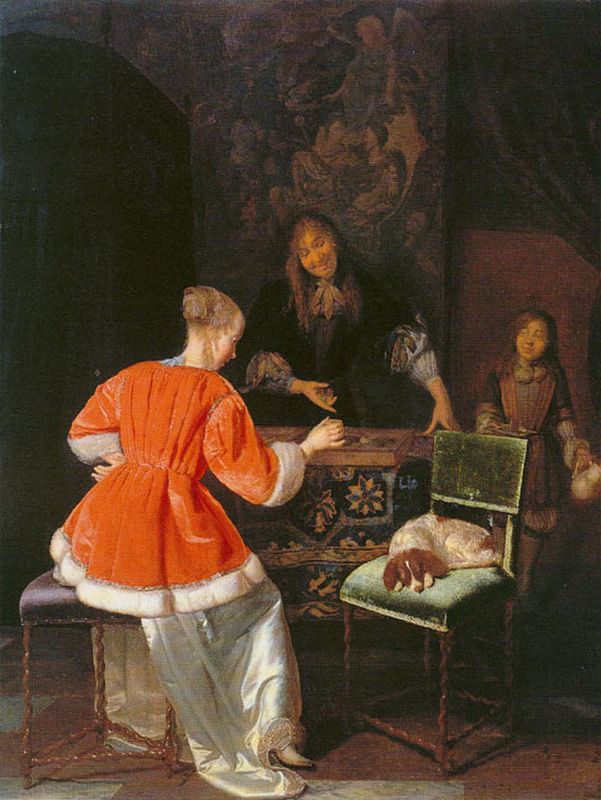 Same era · 1840s–1870s
The Backgammon Players
Philip Webb · 1861 · The Metropolitan Museum of Art
 Same era · 1840s–1870s
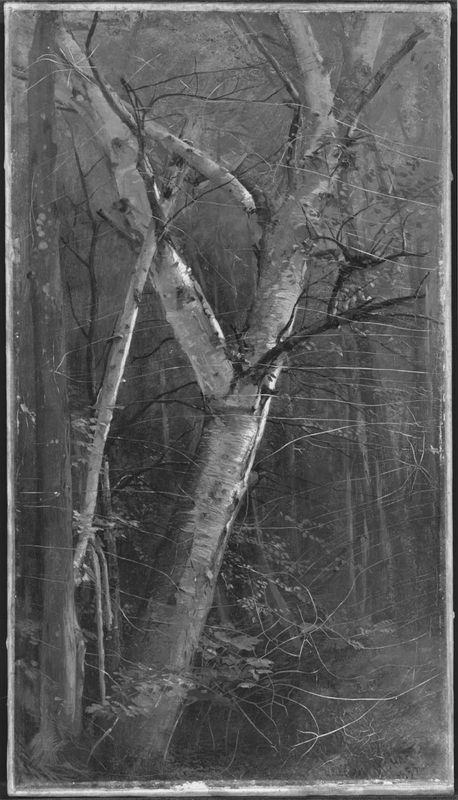
Birches
William Hart · 1855 · Museum of Fine Arts Boston
 Same era · 1840s–1870s
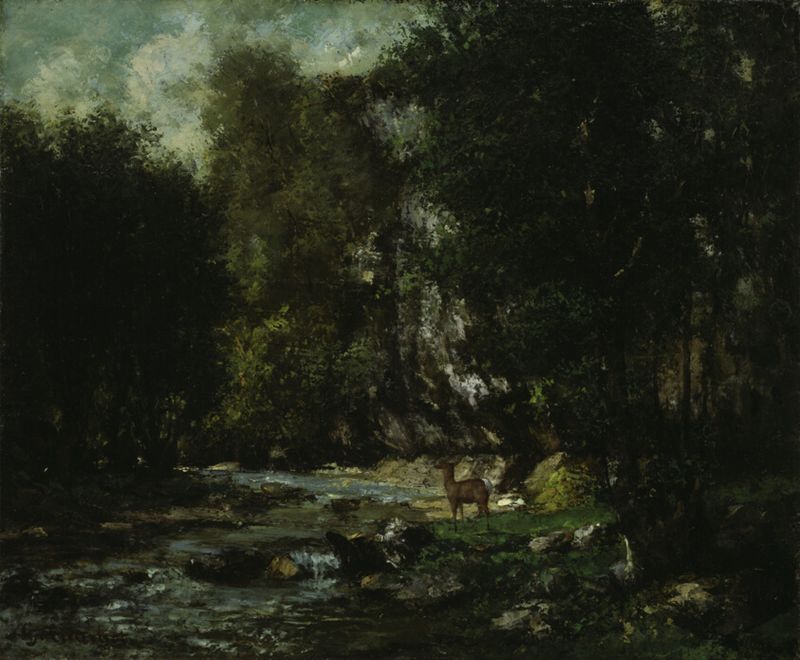
The Brook of Les Puits-Noir
Gustave Courbet · 1855 · Art Institute of Chicago
 Same era · 1840s–1870s
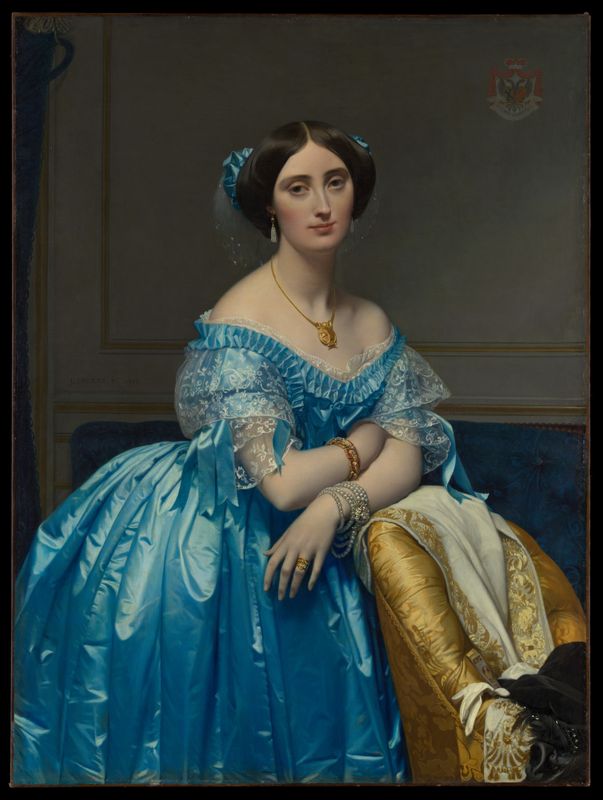
Joséphine-Éléonore-Marie-Pauline de Galard de Brassac de Béarn (1825–1860), Princesse de Broglie
Jean-Auguste-Dominique Ingres · 1853 · Metropolitan Museum of Art
 Same era · 1840s–1870s
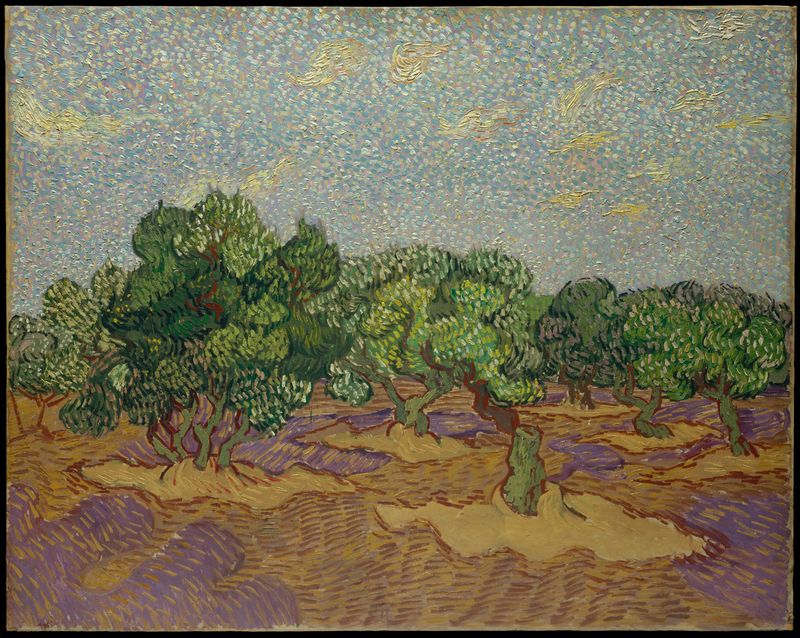
Olive Trees
Vincent van Gogh · 1853 · The Metropolitan Museum of Art
 Same era · 1840s–1870s
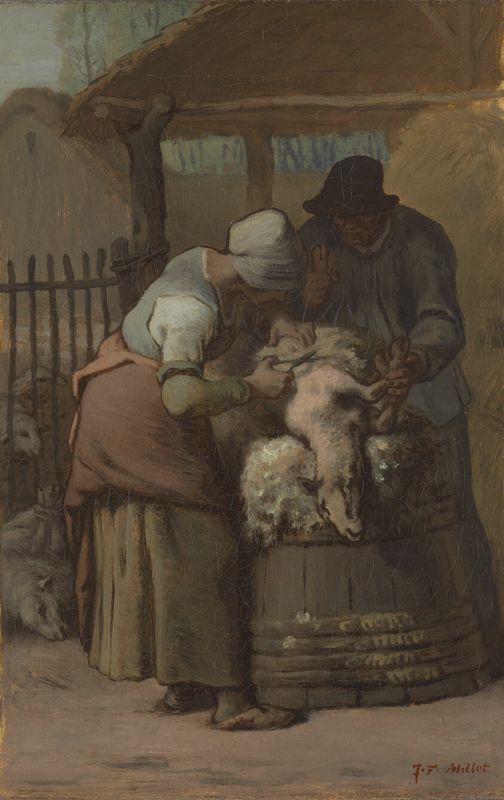
The Sheepshearers
Jean-François Millet · 1857 · Art Institute of Chicago
 Same era · 1840s–1870s
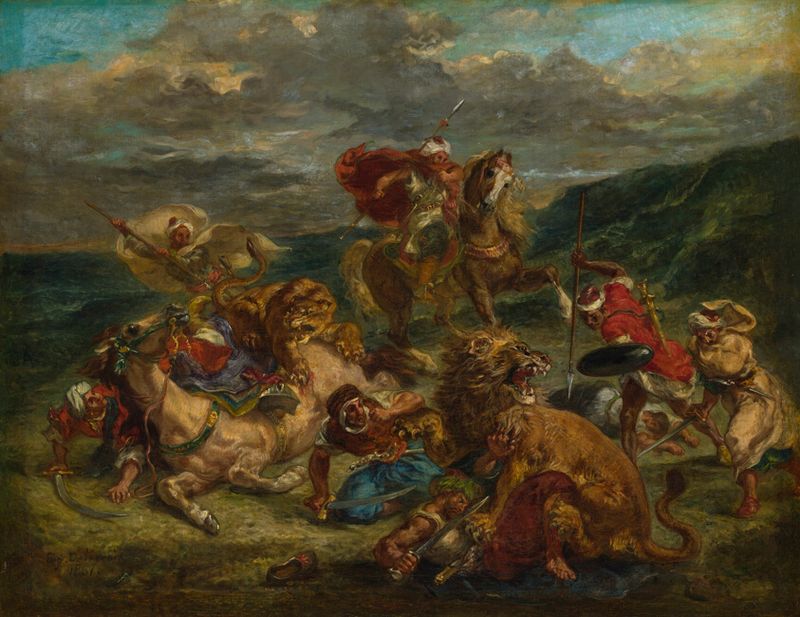
Lion Hunt
Eugène Delacroix · 1858 · Museum of Fine Arts Boston
 Same era · 1840s–1870s
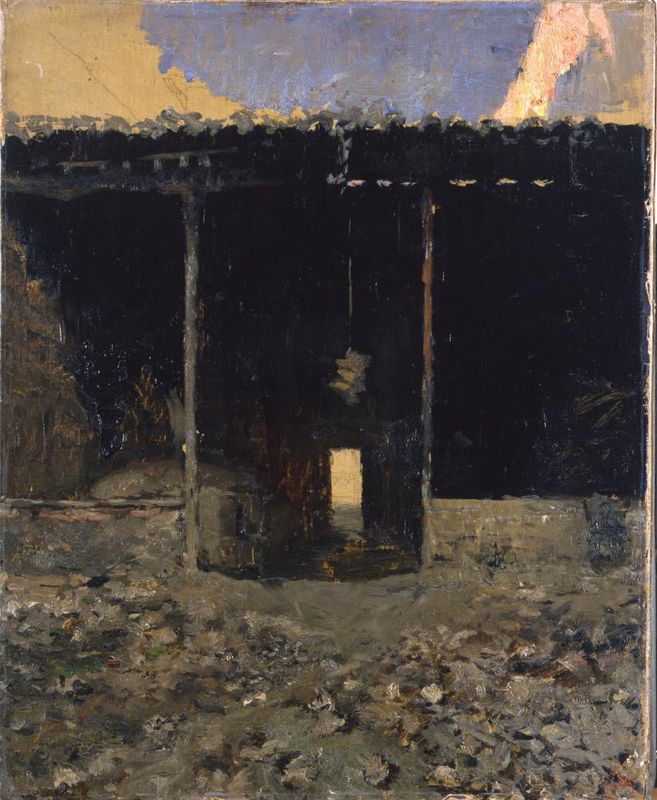
A Sketch
Mariano Fortuny Marsal · 1862 · Hispanic Society of America
 Same era · 1840s–1870s
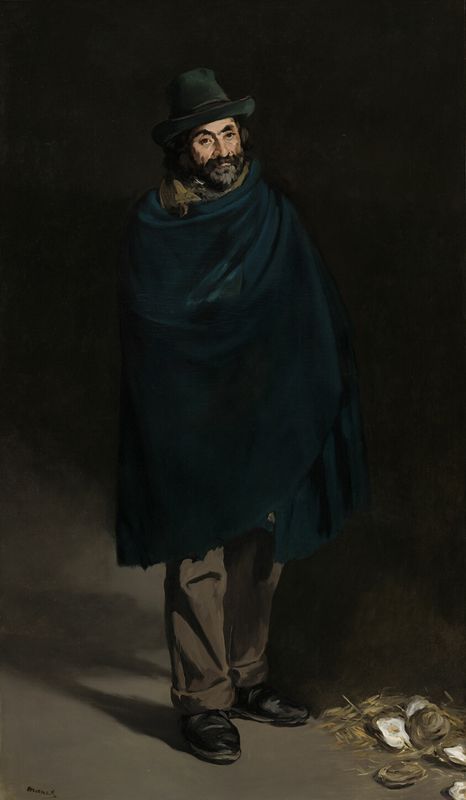
Beggar with Oysters (Philosopher)
Édouard Manet · 1864 · Art Institute of Chicago
 Same era · 1840s–1870s
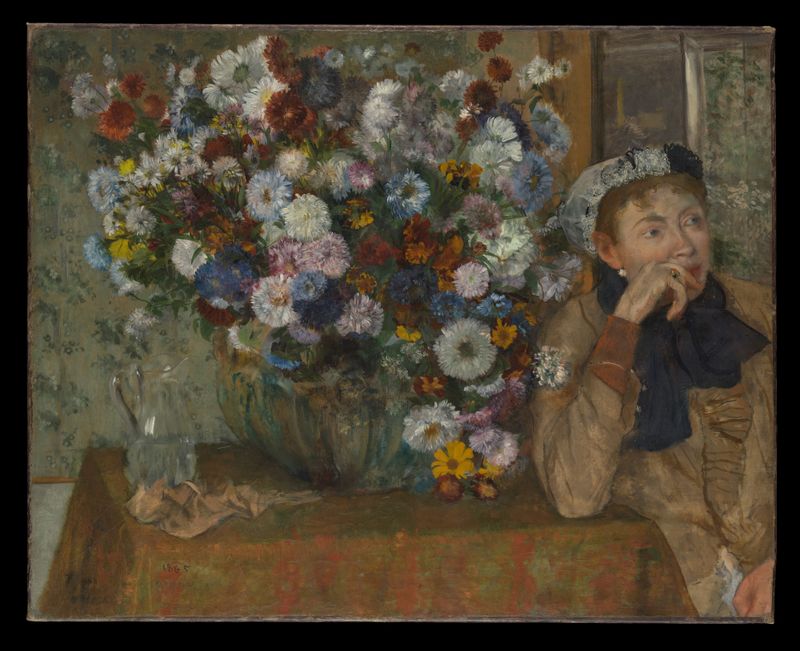
A Woman Seated beside a Vase of Flowers (Madame Paul Valpinçon?)
Edgar Degas · 1865 · The Metropolitan Museum of Art
 Same era · 1840s–1870s
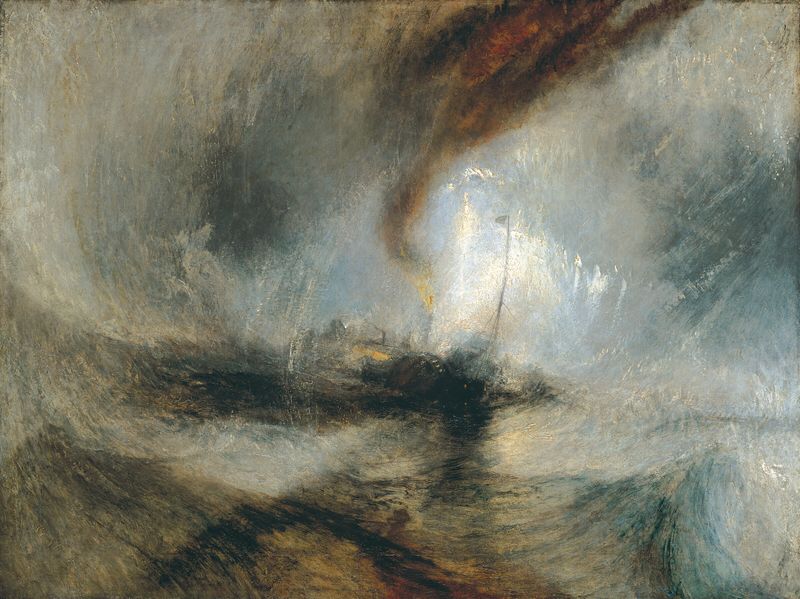
Snow Storm: Steam-Boat off a Harbour's Mouth
J. M. W. Turner · 1842 · National Gallery
