01
The enormous nose
Start at the huge, bulbous nose pushing far out to the left. Monet stretches it past all reason, and the whole joke hangs on it.
1 of 5 on the painting
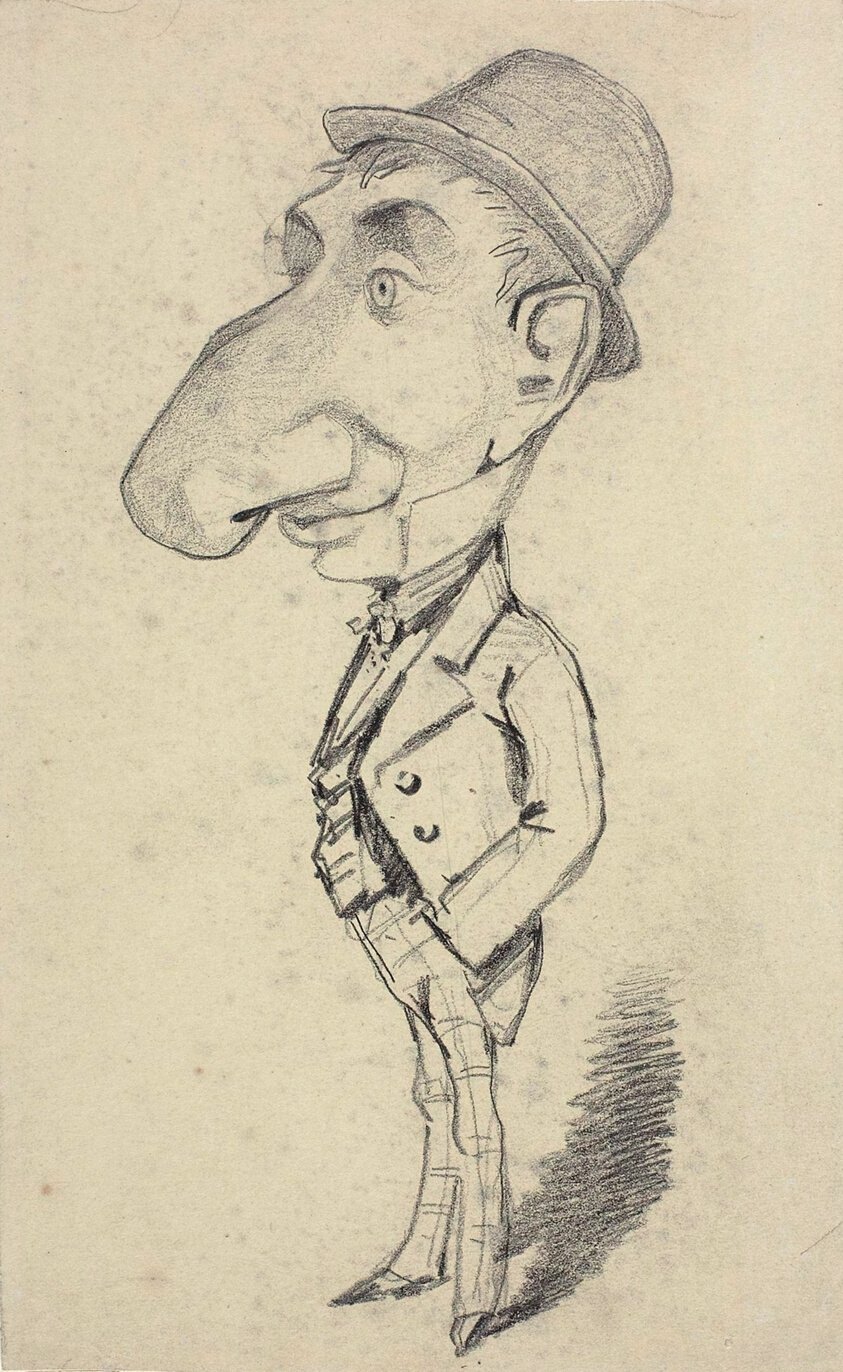
“Before he became known for his luminous landscapes, a teenage Claude Monet honed his skills with lively caricatures like this one, showcasing his early talent for capturing human character with wit and precision.”
This playful graphite drawing, made when the artist was just 15, captures a man in profile, his most striking feature an exaggerated, almost comical nose. The drawing is a caricature, a popular form of entertainment in mid-19th century France. The artist, then a teenager in Le Havre, was already gaining a local reputation for these witty portraits, often selling them for a few francs. Here, the man's head is tilted slightly back, his chin jutting out, creating a dynamic silhouette against the tan paper. Though simple in its execution, the sketch shows a keen eye for observation and a confident hand, suggesting an early talent for capturing personality and form. The delicate shading around the man's neck and the subtle lines defining his hair add a touch of refinement to an otherwise bold and humorous portrayal.
Five details hide in plain sight. Pick one and we’ll show you exactly where to look.
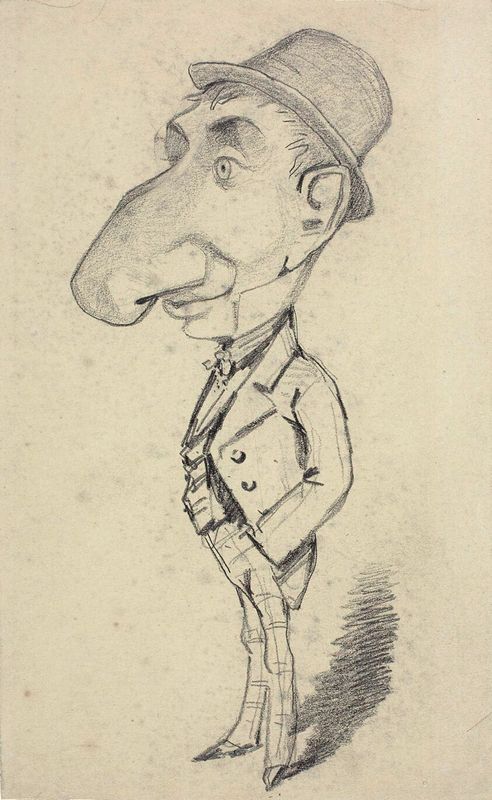
Start at the huge, bulbous nose pushing far out to the left. Monet stretches it past all reason, and the whole joke hangs on it.
Find the small round eye under the heavy brow. Its wide, steady stare sits against the giant nose and gives the man a slightly startled look.
The round hat sits on top of the head, drawn with light, loose lines. Its rounded crown suggests a bowler, a common town hat of the period.
Notice how the coat and waistcoat get heavy, dark pencil, while the face stays soft and light. The contrast pulls attention to the buttons and lapels.
On the right, dense slanting strokes form a dark shadow on the ground. It anchors the small feet and gives the figure a bit of weight on the page.
The full narration walks you through Caricature of a Man with a Large Nose — the story behind it, the details most visitors miss, and why it matters. Free in the Art Whisper app.
Claude Monet, the visionary founder of Impressionism, transformed how we see light and nature, famously capturing the same scene repeatedly to reveal fleeting moments.
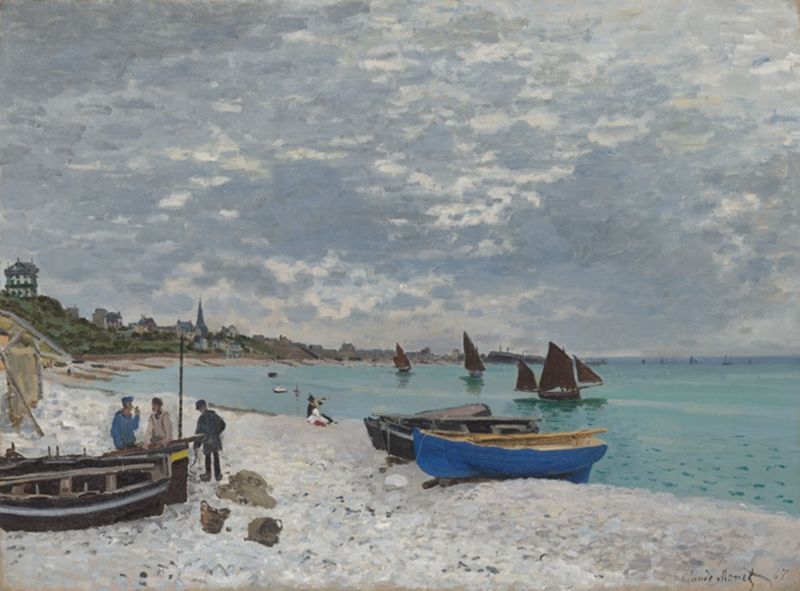 The Beach at Sainte-Adresse
1867 · Art Institute of Chicago
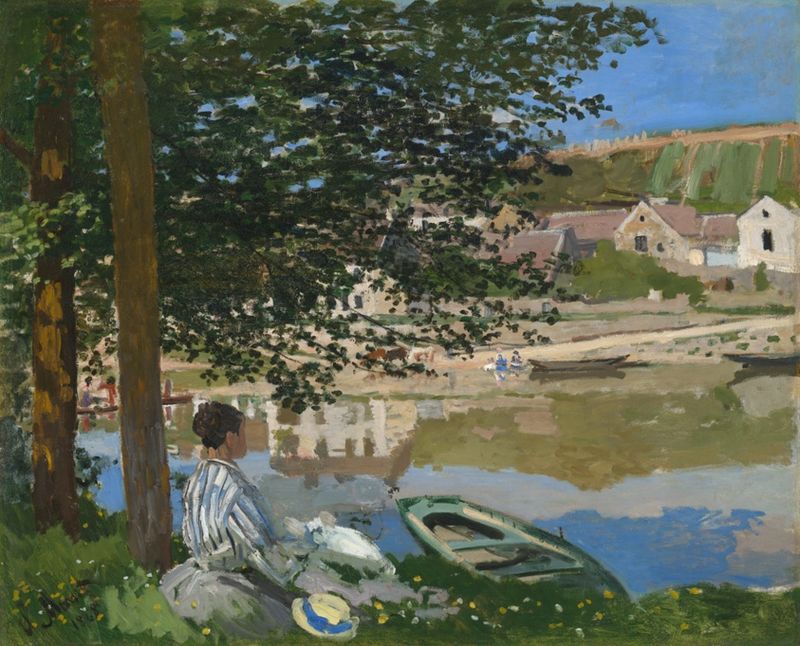 On the Bank of the Seine, Bennecourt
1868 · Art Institute of Chicago
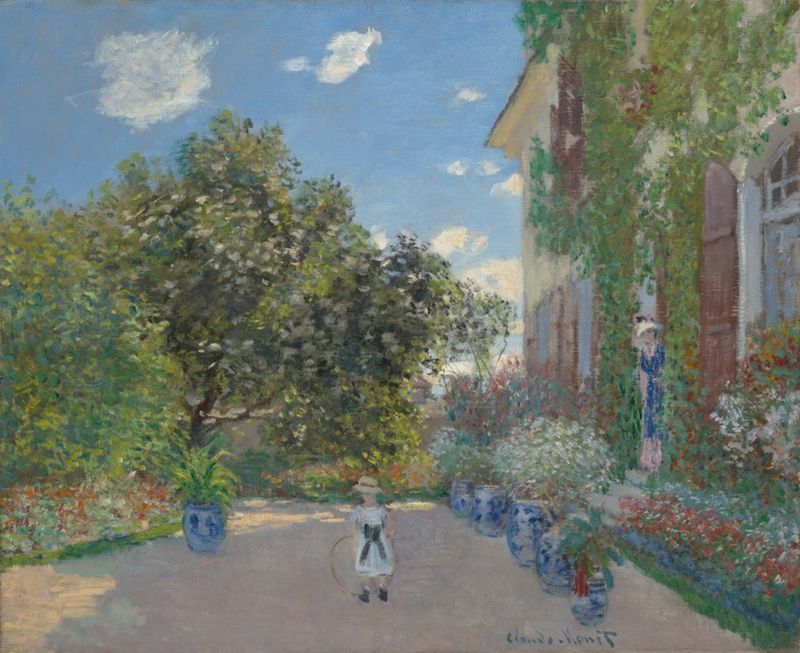 The Artist's House at Argenteuil
1873 · Art Institute of Chicago
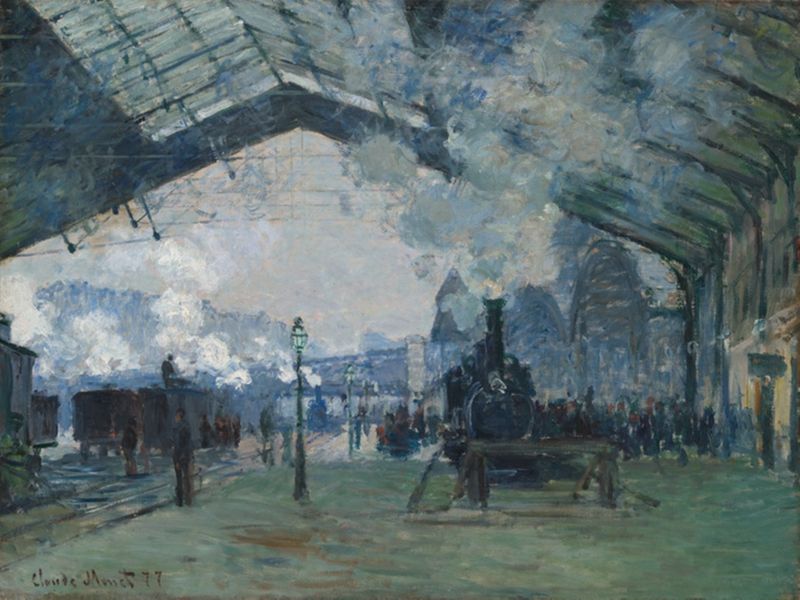 Arrival of the Normandy Train, Gare Saint-Lazare
1877 · Art Institute of Chicago
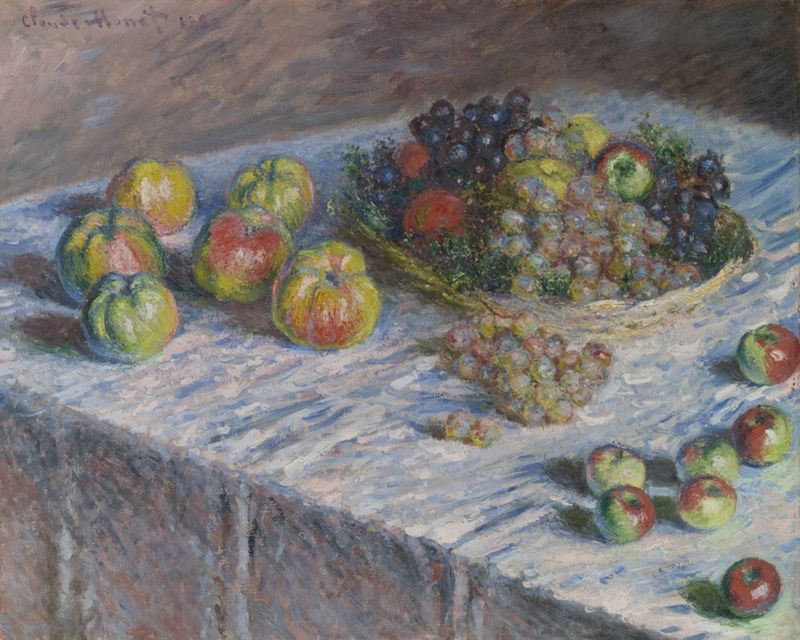 Apples and Grapes
1880 · Art Institute of Chicago
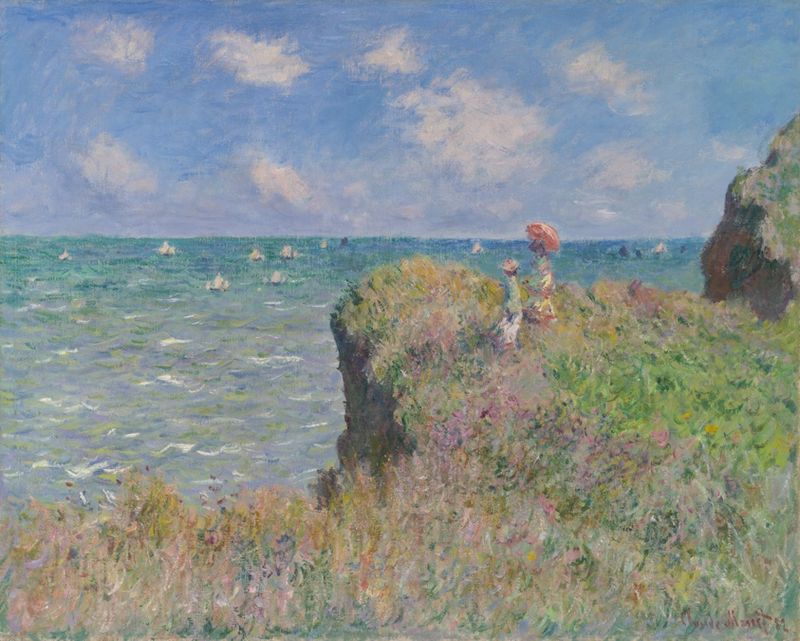 Cliff Walk at Pourville
1882 · Art Institute of Chicago
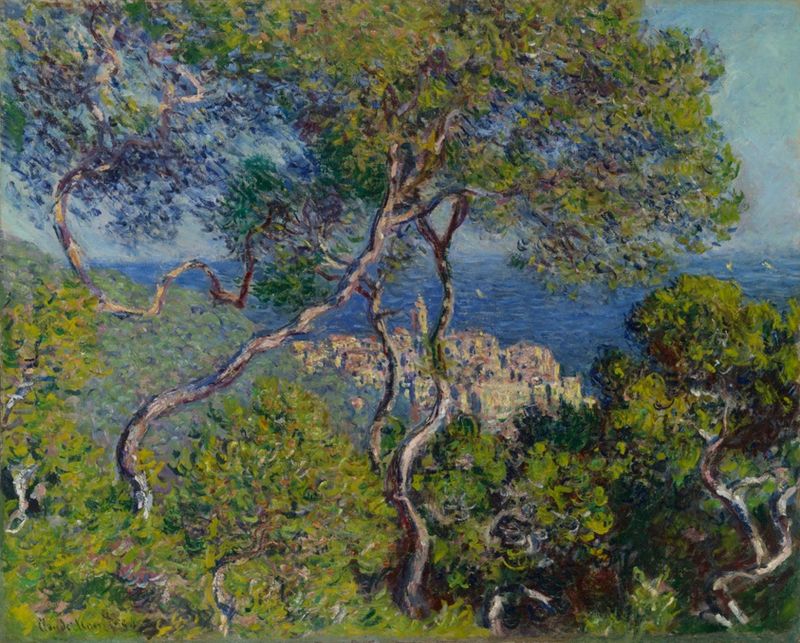 Bordighera
1884 · Art Institute of Chicago
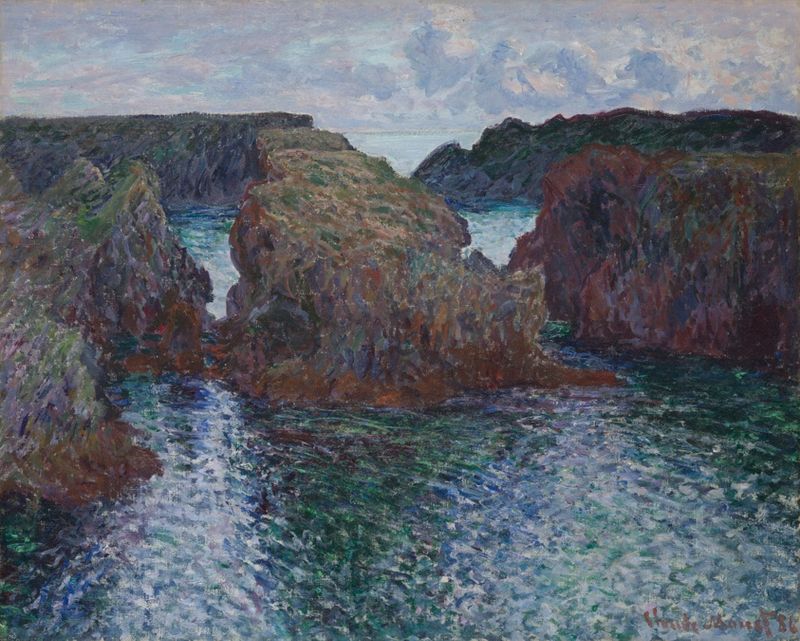 Rocks at Port-Goulphar, Belle-Île
1886 · Art Institute of Chicago
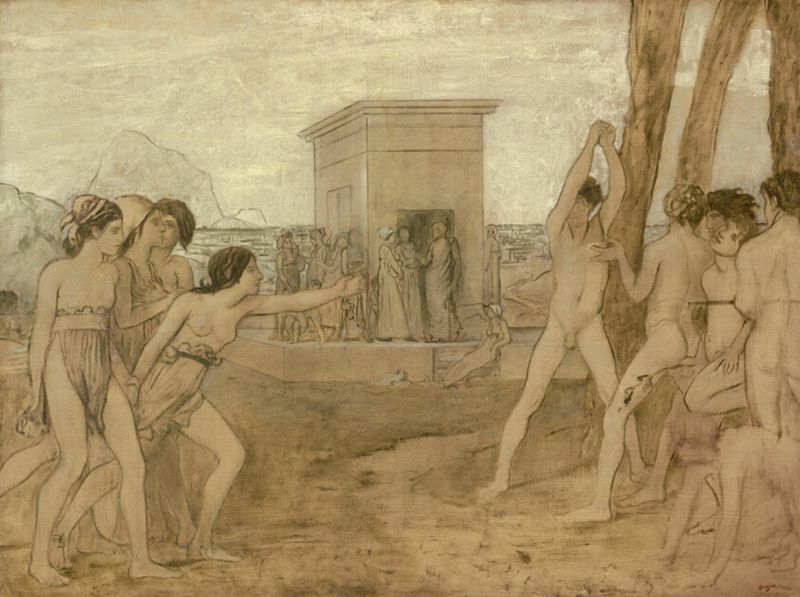 Young Spartan Girls Challenging Boys
Degas · 1860 · Art Institute of Chicago
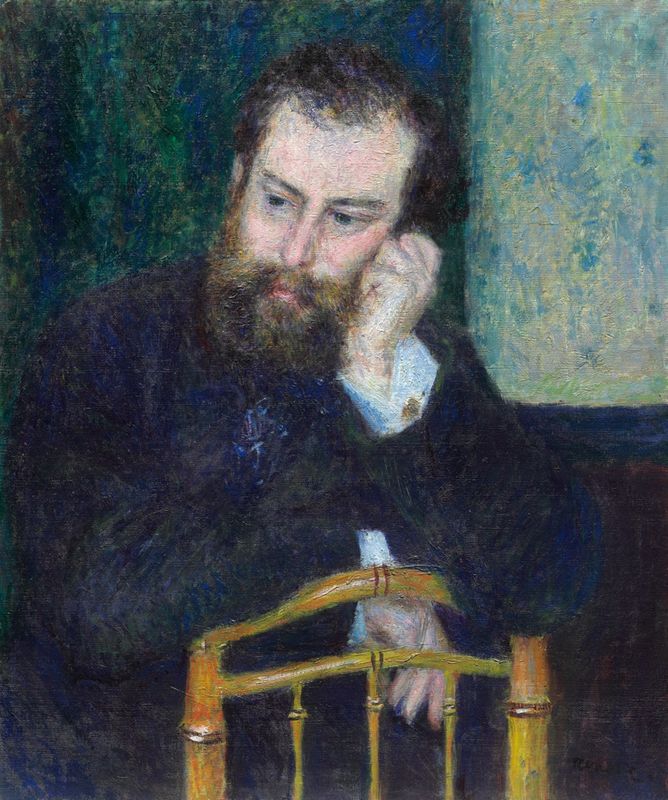 Alfred Sisley
Renoir · 1864 · Foundation E.G. Bührle Collection
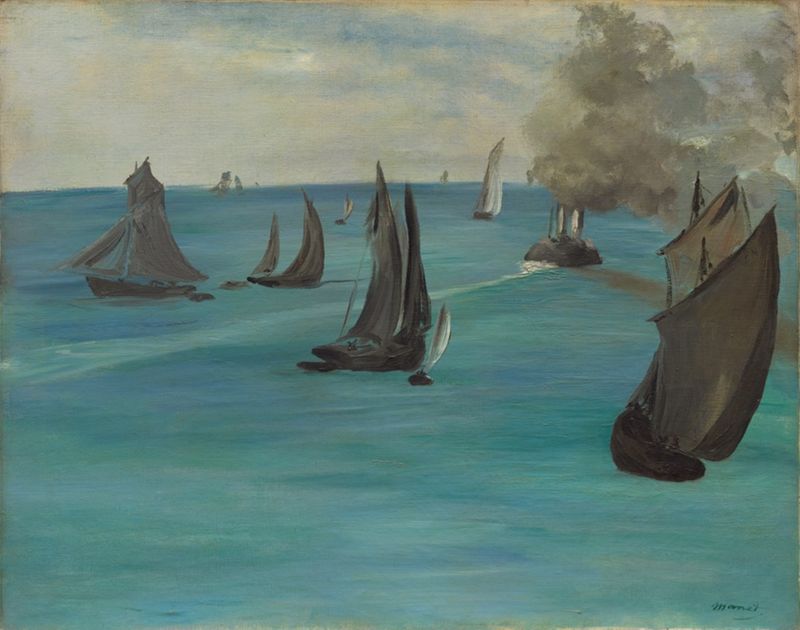 Sea View, Calm Weather (Vue de mer, temps calme)
Manet · 1864 · Art Institute of Chicago
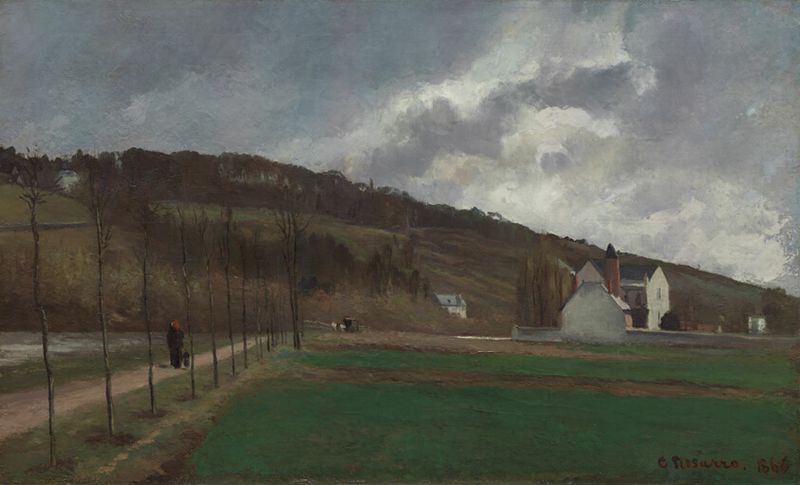 The Banks of the Marne in Winter
Pissarro · 1866 · Art Institute of Chicago
Beyond Monet and Impressionism: works from the same years.
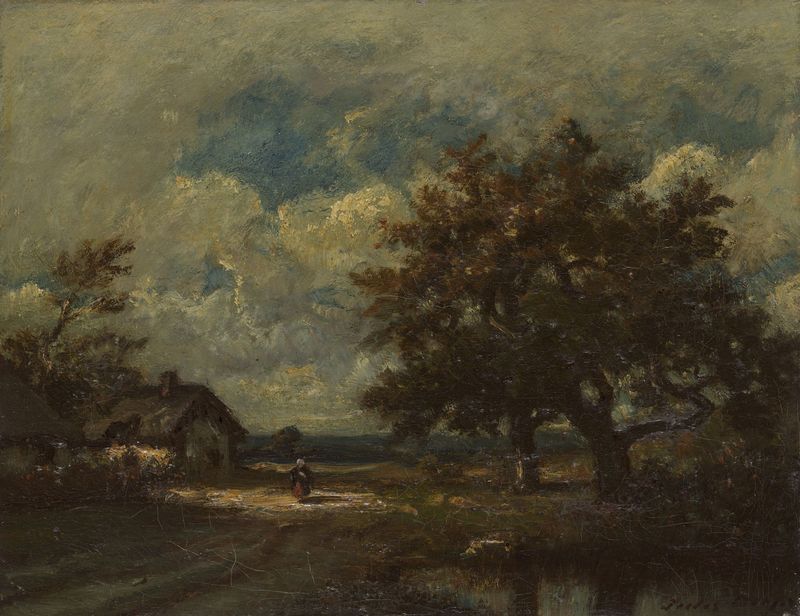 Same era · 1840s–1870s
The Cottage by the Roadside, Stormy Sky
Léon-Victor Dupré · 1855 · Art Institute of Chicago
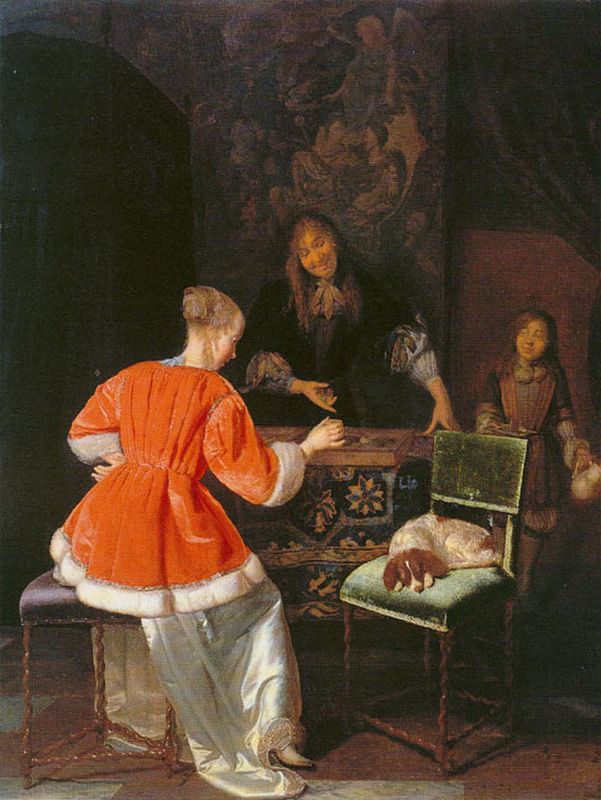 Same era · 1840s–1870s
The Backgammon Players
Philip Webb · 1861 · The Metropolitan Museum of Art
 Same era · 1840s–1870s
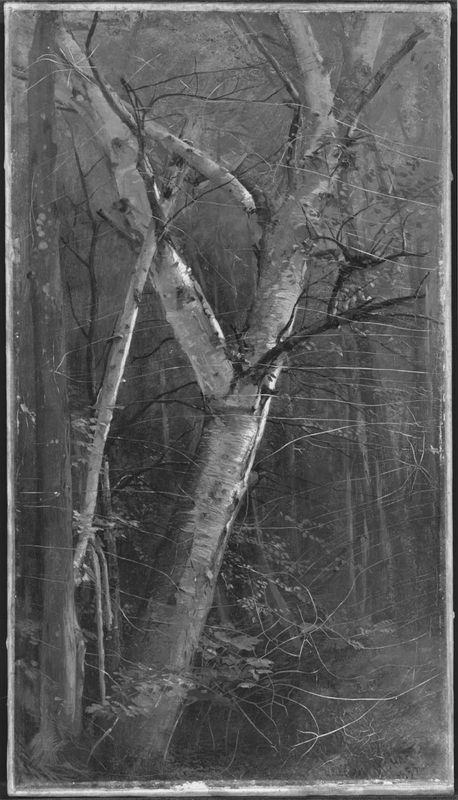
Birches
William Hart · 1855 · Museum of Fine Arts Boston
 Same era · 1840s–1870s
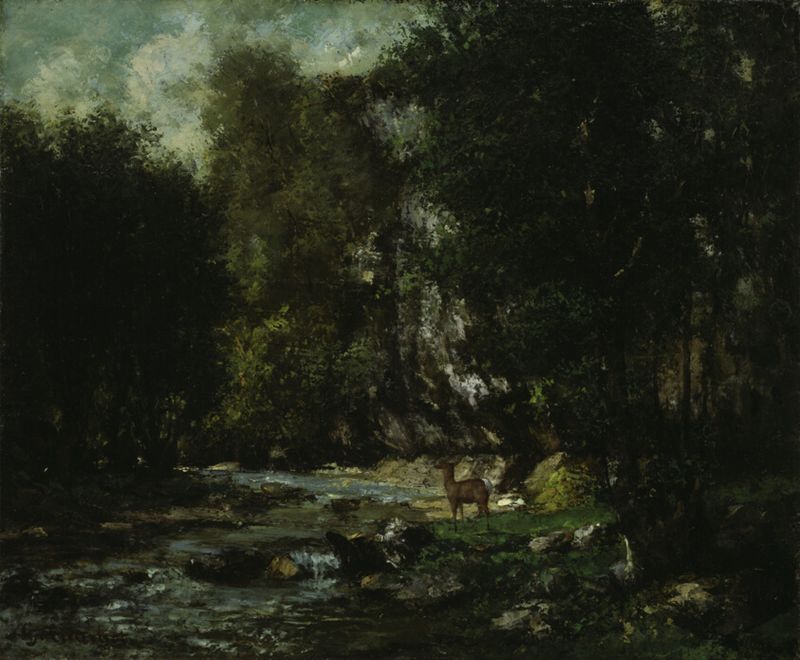
The Brook of Les Puits-Noir
Gustave Courbet · 1855 · Art Institute of Chicago
 Same era · 1840s–1870s
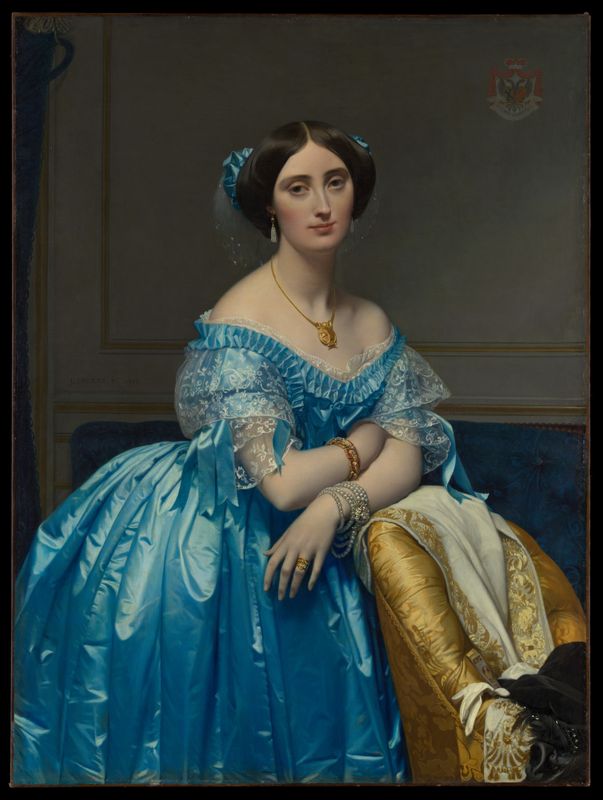
Joséphine-Éléonore-Marie-Pauline de Galard de Brassac de Béarn (1825–1860), Princesse de Broglie
Jean-Auguste-Dominique Ingres · 1853 · Metropolitan Museum of Art
 Same era · 1840s–1870s
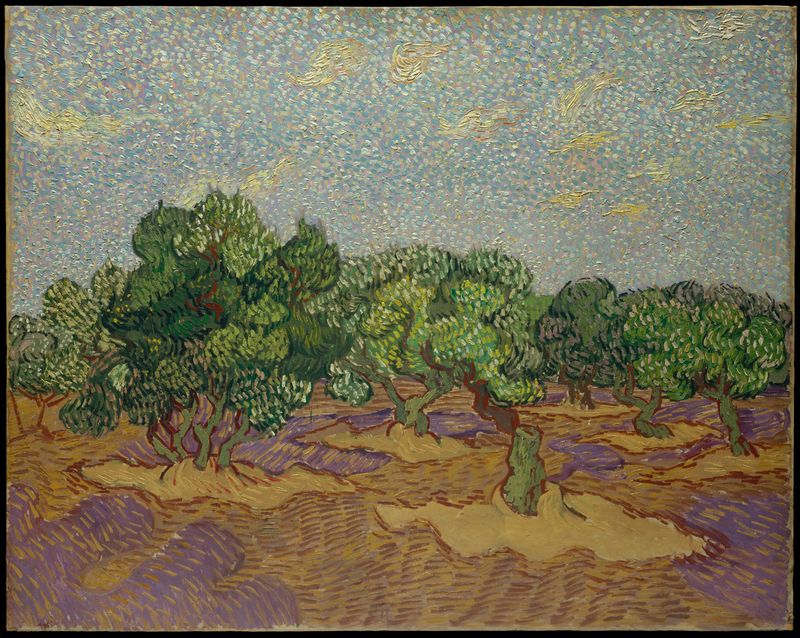
Olive Trees
Vincent van Gogh · 1853 · The Metropolitan Museum of Art
 Same era · 1840s–1870s
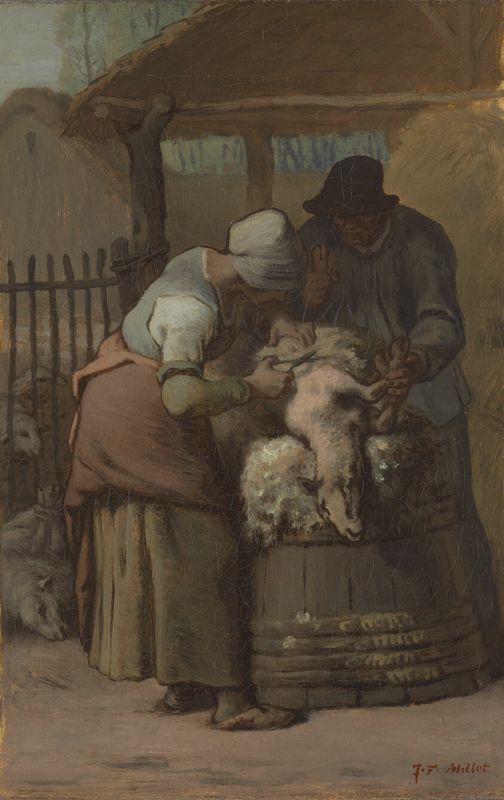
The Sheepshearers
Jean-François Millet · 1857 · Art Institute of Chicago
 Same era · 1840s–1870s
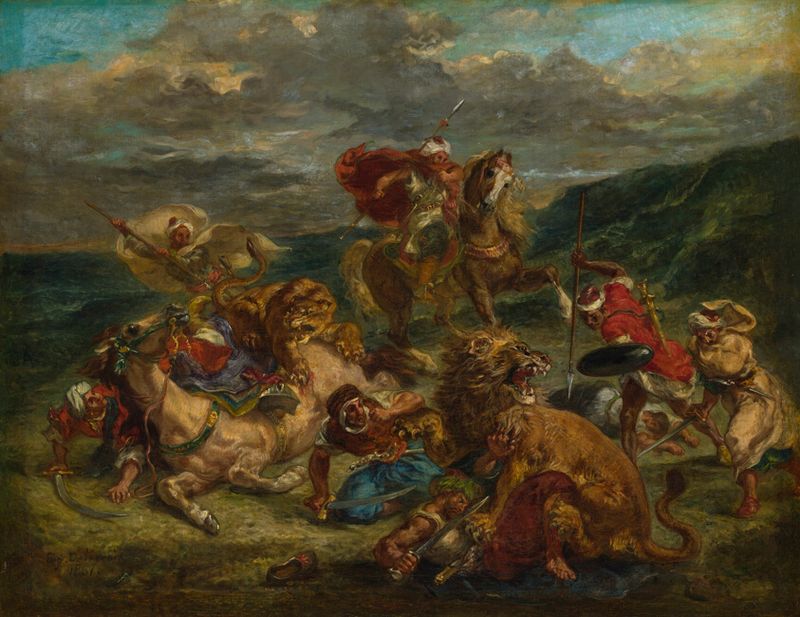
Lion Hunt
Eugène Delacroix · 1858 · Museum of Fine Arts Boston
 Same era · 1840s–1870s
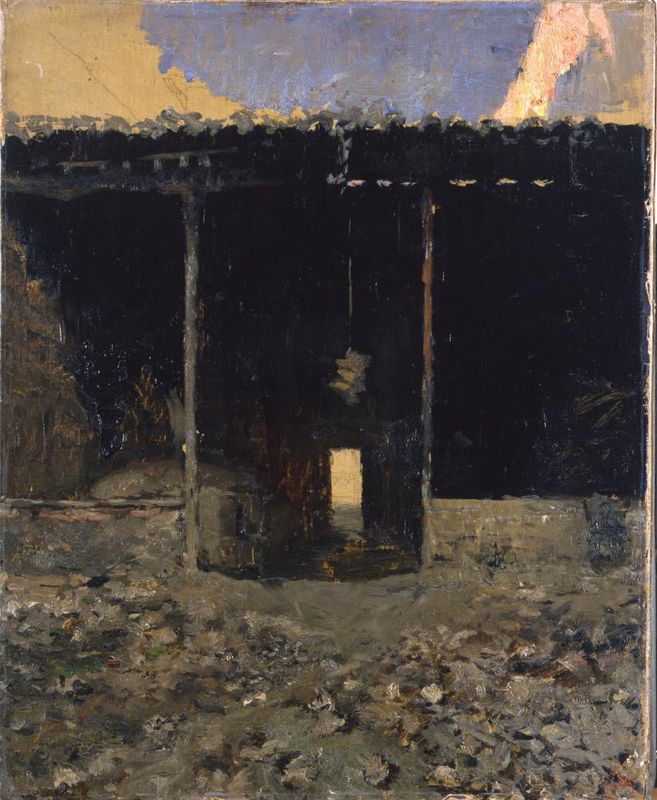
A Sketch
Mariano Fortuny Marsal · 1862 · Hispanic Society of America
 Same era · 1840s–1870s
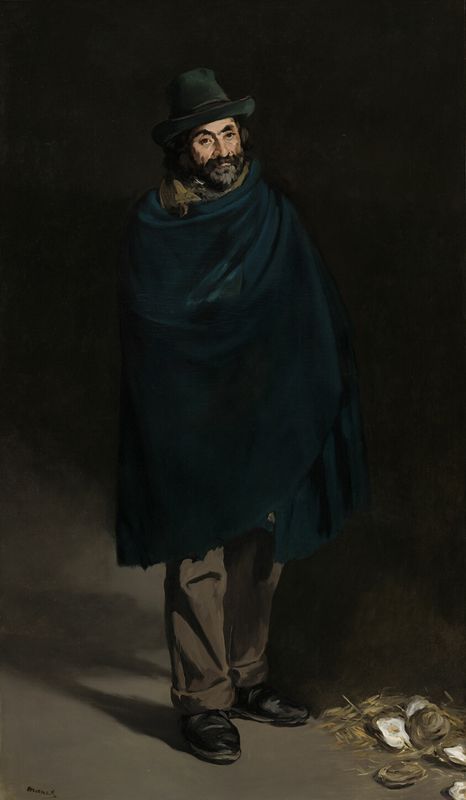
Beggar with Oysters (Philosopher)
Édouard Manet · 1864 · Art Institute of Chicago
 Same era · 1840s–1870s
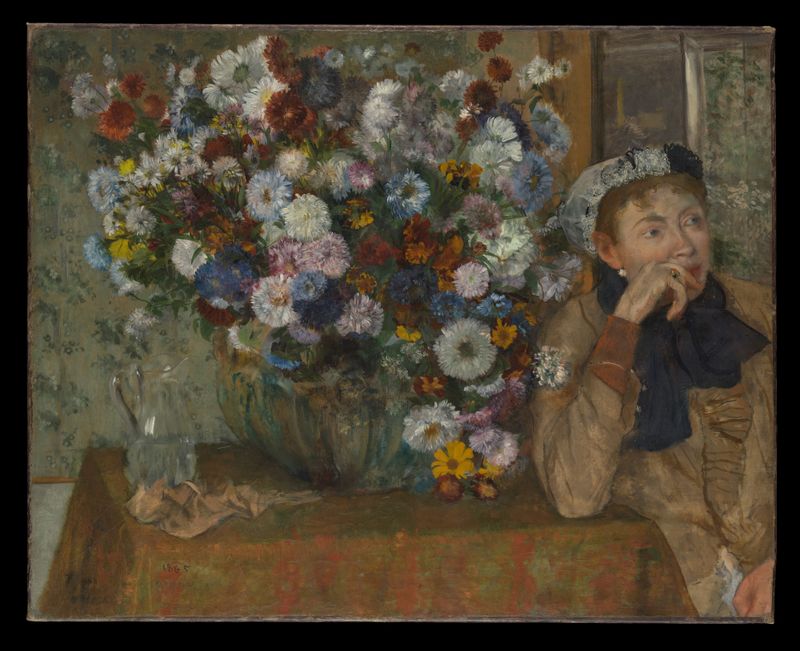
A Woman Seated beside a Vase of Flowers (Madame Paul Valpinçon?)
Edgar Degas · 1865 · The Metropolitan Museum of Art
 Same era · 1840s–1870s
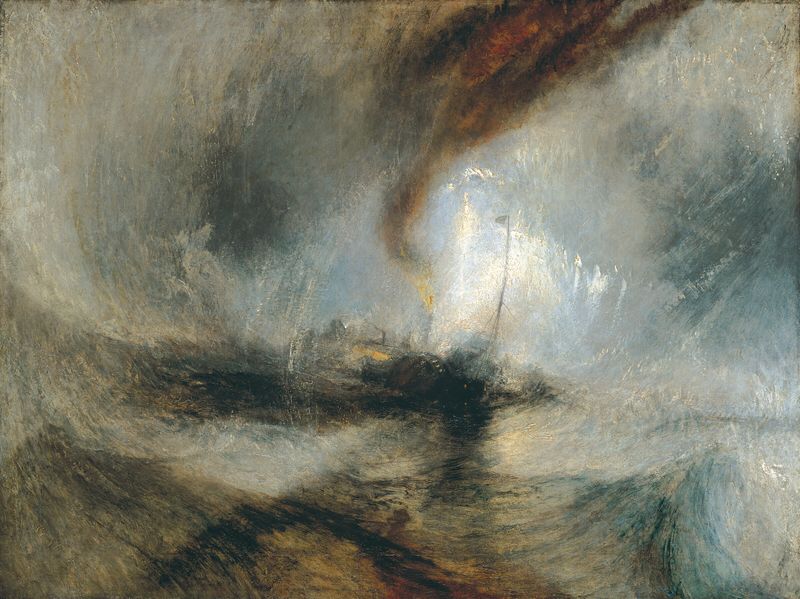
Snow Storm: Steam-Boat off a Harbour's Mouth
J. M. W. Turner · 1842 · National Gallery
