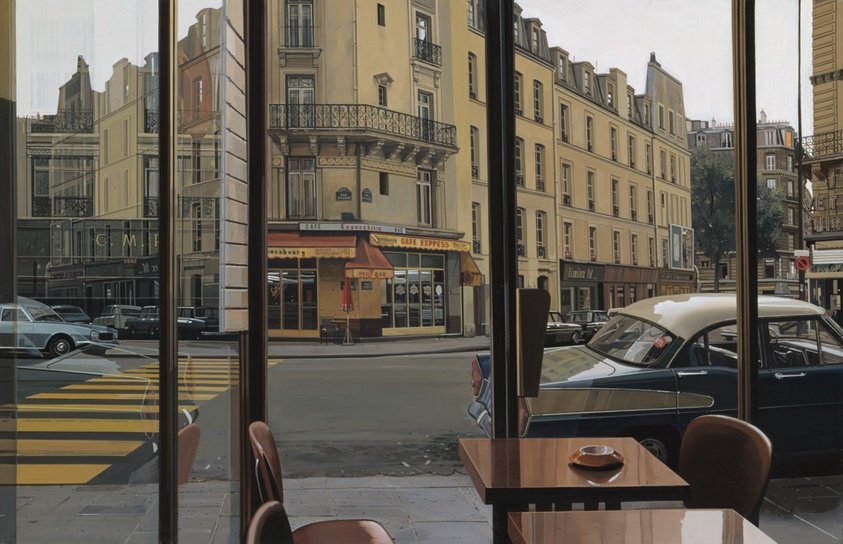
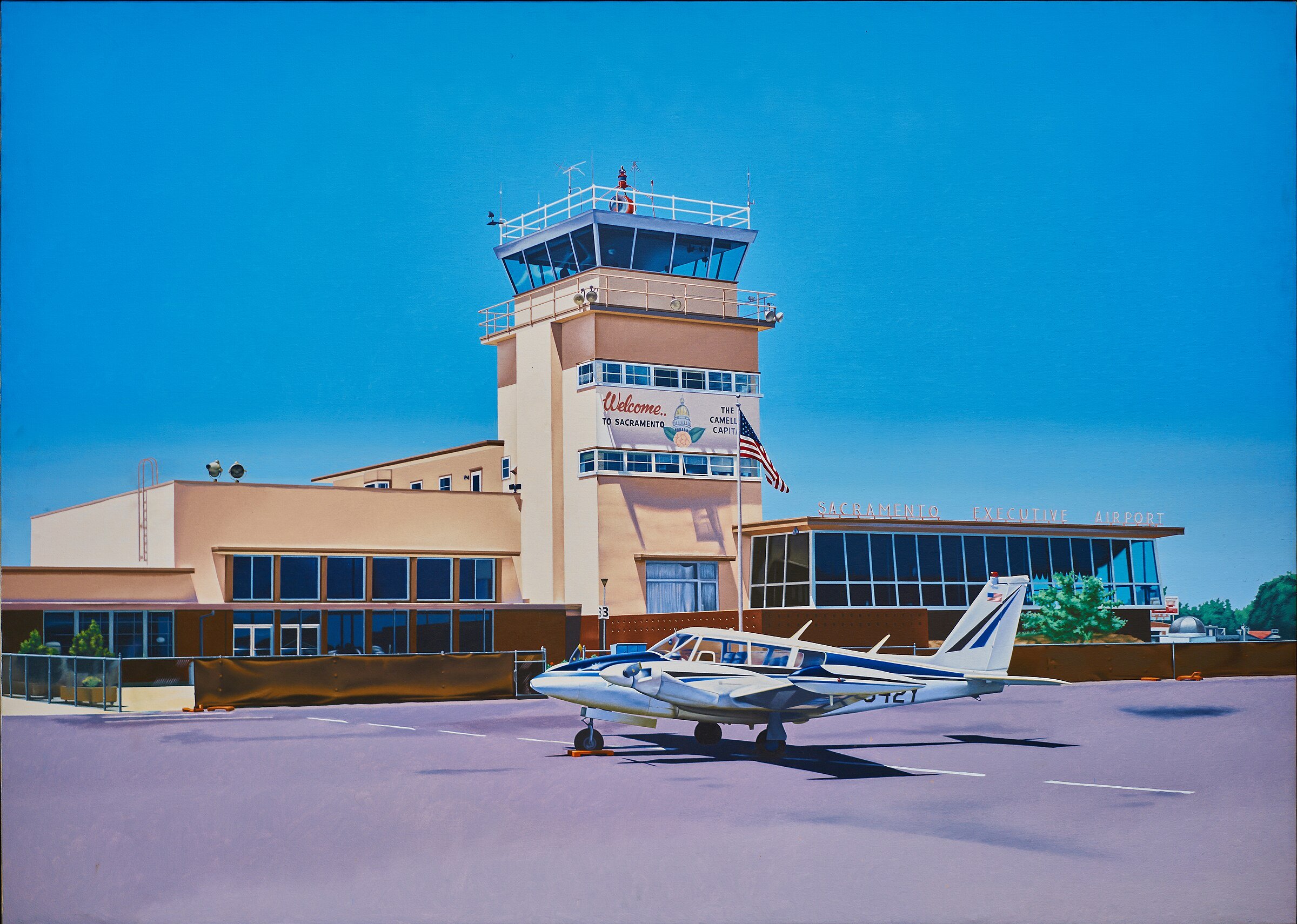
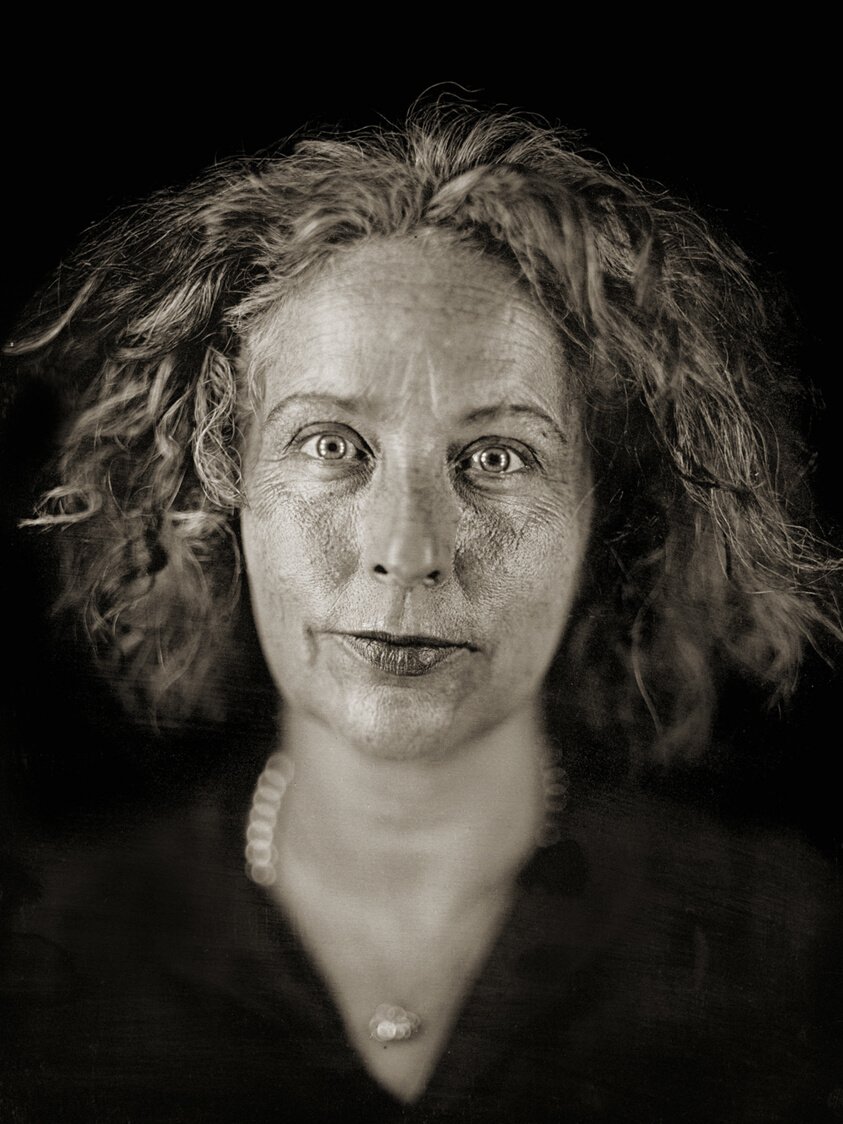

“Imagine standing in front of a painting so lifelike you have to resist the urge to reach out and touch it.”
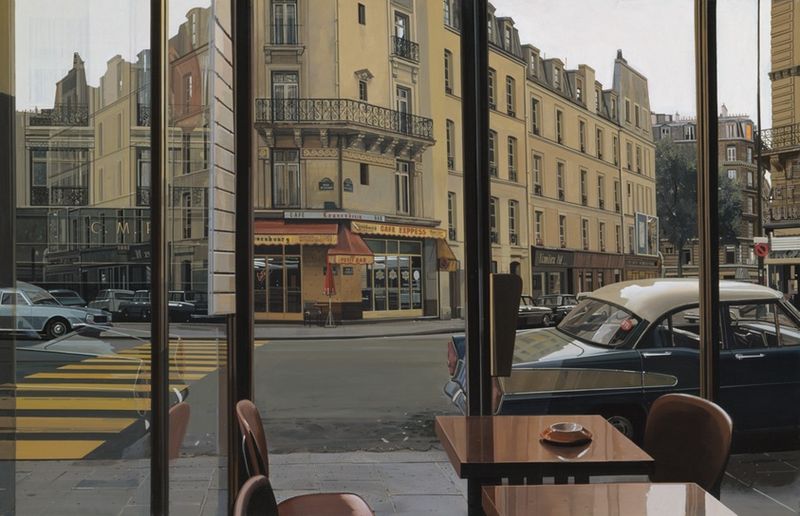
That's Photorealism, and yes, it's actually a painting, not a photograph. Born in New York City in the late 1960s, this movement took the art world by storm by doing something that seemed almost perverse: at the exact moment when photography had become ubiquitous and Abstract Expressionism had dominated for decades, these artists decided to painstakingly hand-paint images that looked exactly like photographs—down to the reflections on a chrome bumper or the fluorescent glow of a diner sign.
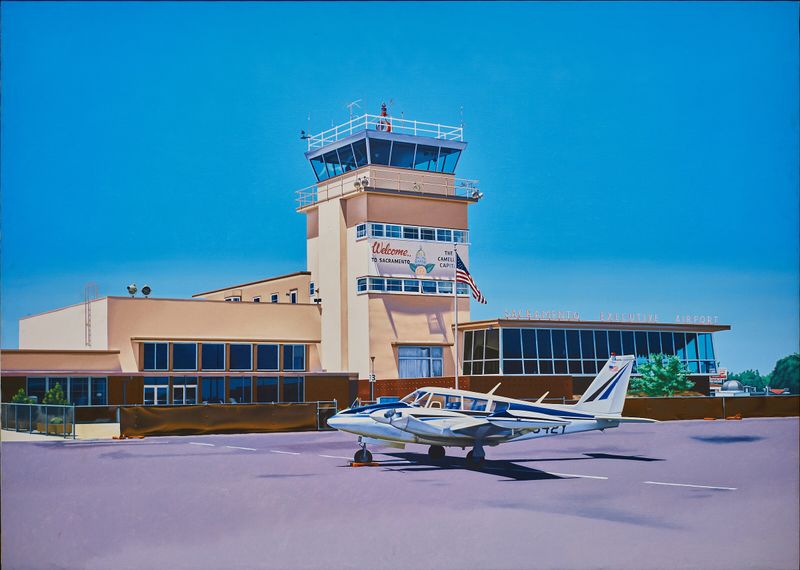
What makes Photorealism so distinctive is its almost obsessive attention to detail and its cool, detached quality. These artists weren't trying to add emotion or interpretation—they were fascinated by the camera's mechanical eye and wanted to explore what happened when human hands reproduced that vision. They often worked from photographs (sometimes projecting them onto canvas), painting every mundane detail of American life: diners, storefronts, cars, city streets, even the graininess of the photograph itself. The subject matter was deliberately ordinary, even banal—this wasn't about making beautiful scenes more beautiful, but about seeing the extraordinary precision in everyday life.
From across the room, you might actually mistake a Photorealist work for a photograph. But step closer and you'll see something remarkable: the incredible technical skill required to hand-render all those reflections, shadows, and minute details. There's a fascinating tension in these works—they're simultaneously hot (requiring incredible labor and skill) and cold (presenting their subjects with photographic objectivity). By the 1980s, the movement had largely run its course, but its influence on contemporary painting remains enormous.
- Period
- c. 1968–1985
- Peak
- around 1975
- Born in
- New York City, United States
- Key artists
- Audrey Flack, Ben Schonzeit, Chuck Close, Davis Cone
- Came before
- Pop Art
- Came after
- Neo-Expressionism
When it happened
- CAME BEFOREPop Art
- ~1968 · STARTED
- ~1975 · PEAKED
- ~1985 · ENDED
- CAME AFTERNeo-Expressionism
What makes it Photorealism
Photographic Source Material
Painted from photographs, often reproducing photographic effects like shallow depth of field, lens flare, or grain
e.g. Airstream by Ralph GoingsExtreme Detail & Sharp Focus
Every reflection, shadow, and surface texture rendered with meticulous precision across the entire composition
e.g. Central Savings by Richard EstesMundane American Subject Matter
Diners, storefronts, cars, motorcycles—celebrating ordinary consumer culture with no obvious emotional commentary
e.g. Double Islandscape by Richard EstesReflective Surfaces Everywhere
Chrome, glass, water—surfaces that mirror and multiply the world, showing off technical virtuosity
e.g. Triple Self-Portrait by Chuck CloseEmotional Detachment
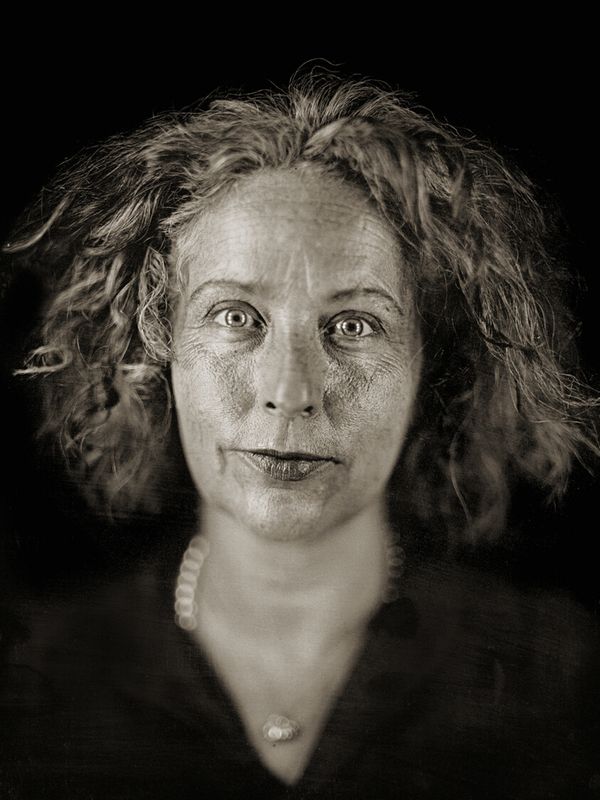
Cool, objective presentation without visible brushstrokes or obvious artistic interpretation of the scene
e.g. Big Self-Portrait by Chuck CloseHow to spot Photorealism
Three signs you’re standing in front of one — all easy to see in Self-Portrait.
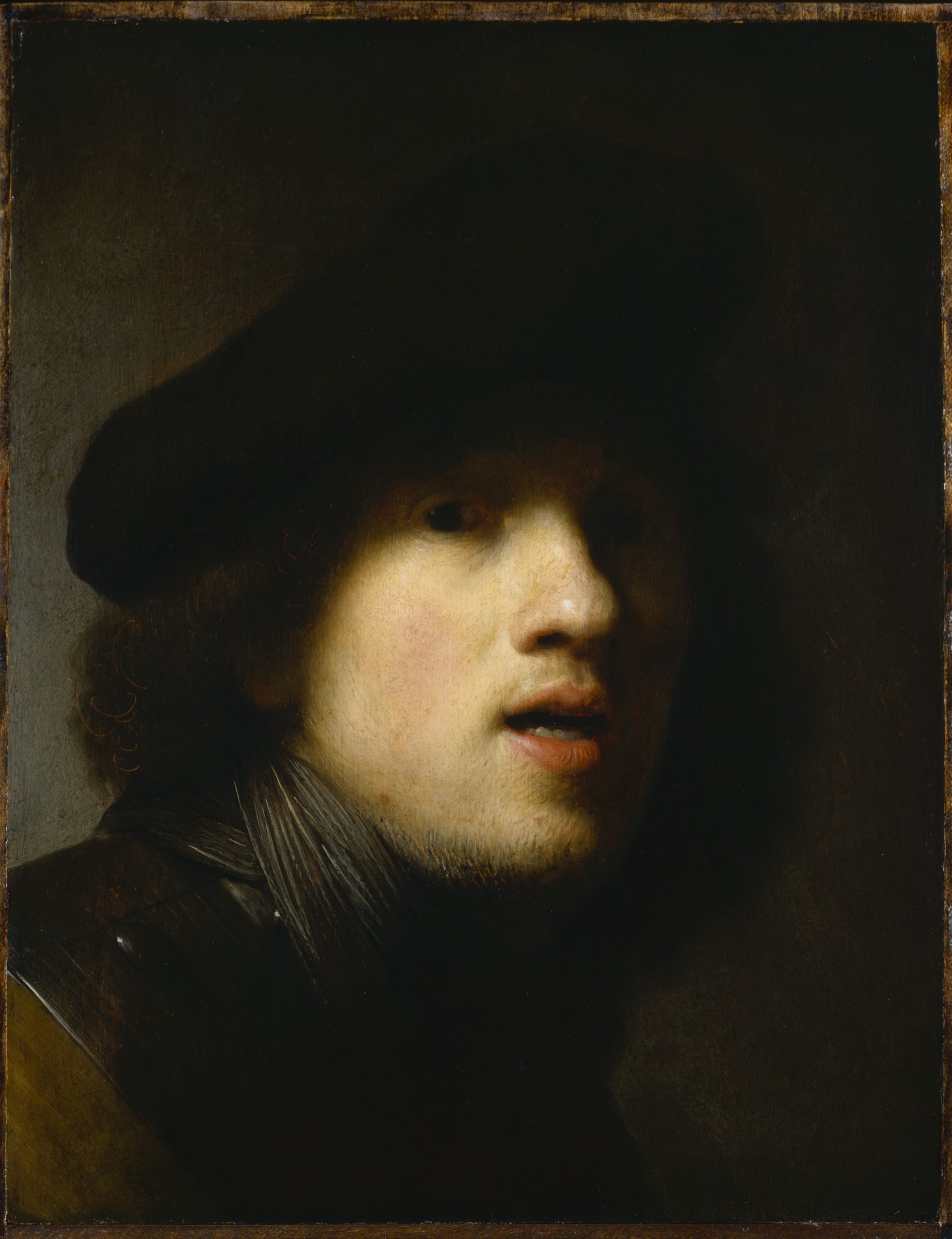
Look for paintings that could fool you into thinking they're photographs—if you're squinting to see brushstrokes, you're probably looking at Photorealism.
Check for lots of reflective surfaces like chrome, glass storefronts, or water that show complex, accurate reflections of surrounding environments.
Notice the ordinary subject matter: American diners, cars, storefronts, street scenes—everyday life rendered with extraordinary technical precision.
Chuck Close created massive 9-foot-tall portrait heads using an airbrush and a grid system, taking months to complete a single face.
Many Photorealists used projectors to trace photographs onto canvas—a technique historically considered 'cheating' that they embraced openly.
The movement was originally called 'Superrealism' and 'Hyperrealism' before 'Photorealism' stuck as the defining term.
The artists who defined it
Works to know
Take Photorealism to the museum
Point your phone at any painting and Art Whisper tells you its story — who made it, what to notice, and why it matters. Free to start.