
“Picture this: you're walking through a gallery and suddenly the dreamy, emotional paintings give way to something that feels almost uncomfortably real.”
The people look tired, maybe a bit cynical. The colors are cool and controlled. Everything is painted with sharp, almost photographic precision. Welcome to Neue Sachlichkeit, or 'New Objectivity'—Germany's artistic response to the chaos of the 1920s.
After World War I shattered illusions across Europe, German artists rejected the emotional intensity of Expressionism for something harder-edged and unflinching. They wanted to show life as it really was: the war-wounded veterans on street corners, the decadence and desperation of Weimar Republic nightlife, the social inequalities laid bare. Think of it as art with a cold, clear gaze—no romantic filters, no comforting abstractions. Artists like Otto Dix, George Grosz, and Christian Schad painted portraits and scenes that feel like visual documentaries, capturing everything from corrupt politicians to struggling workers with surgical precision.
What makes Neue Sachlichkeit distinctive is this tension between technical perfection and social critique. These artists could paint with Renaissance-level detail, but they used that skill to create images that were often satirical, disturbing, or politically charged. It's realism, but realism with an agenda—showing you exactly what society looked like when you stripped away the pretense. The movement split into roughly two camps: the 'verists' who were more political and grotesque, and the 'classicists' who focused on timeless, almost magic-realist scenes. Both shared that characteristic cool detachment and razor-sharp clarity.
- Period
- c. 1918–1933
- Peak
- around 1925
- Born in
- Germany
- Key artists
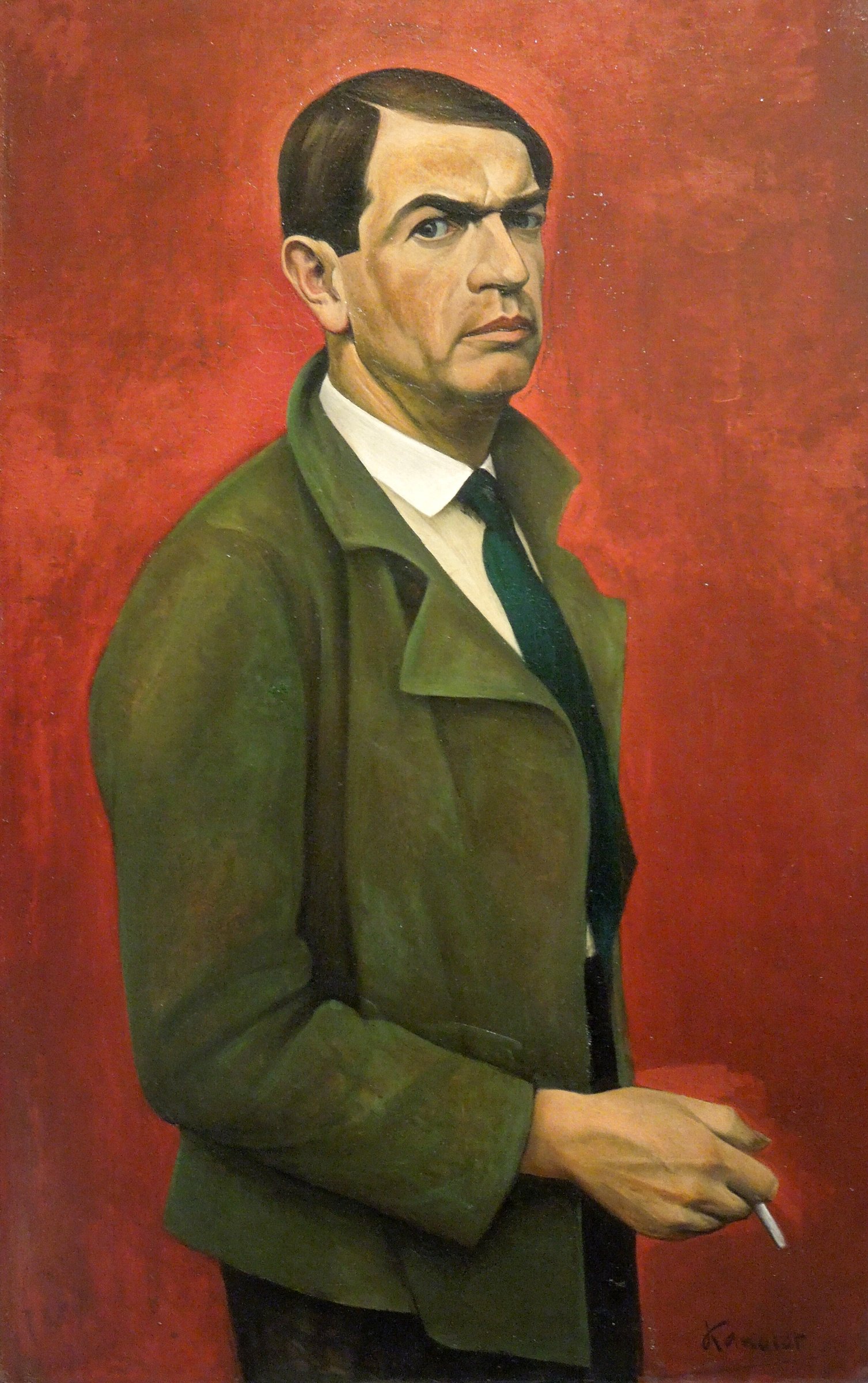
- Alexander Kanoldt, Carl Grossberg, Christian Schad, Conrad Felixmüller
- Came before
- German Expressionism
- Came after
- Nazi-approved art and exile movements
When it happened
- CAME BEFOREGerman Expressionism
- ~1918 · STARTED
- ~1925 · PEAKED
- ~1933 · ENDED
- CAME AFTERNazi-approved art and exile movements
What makes it Neue Sachlichkeit
Clinical, Almost Photographic Detail
Every wrinkle, blemish, and texture rendered with cold precision—like a high-definition photograph before cameras could do that.
e.g. Portrait of the Journalist Sylvia von Harden by Otto DixUnflattering, Honest Portrayals
No beautification here—subjects look tired, cynical, or world-weary. Beauty takes a back seat to psychological truth.
e.g. The Pillars of Society by George GroszCool, Muted Color Palettes
Lots of grays, browns, and pale flesh tones. Even bright colors feel controlled and deliberate, never emotionally heated.
e.g. Metropolis by Otto DixSharp Contours and Flat Lighting
Forms are clearly defined with hard edges. Lighting is even and revealing, eliminating romantic shadows and mystery.
e.g. Self-Portrait by Christian SchadSocial Commentary Through Realism
Scenes of urban life, prostitution, poverty, and political corruption—society's underbelly rendered with documentary precision.
e.g. Eclipse of the Sun by George GroszHow to spot Neue Sachlichkeit
Three signs you’re standing in front of one — all easy to see in River Landscape (At Eisack, In the Eisack Valley).
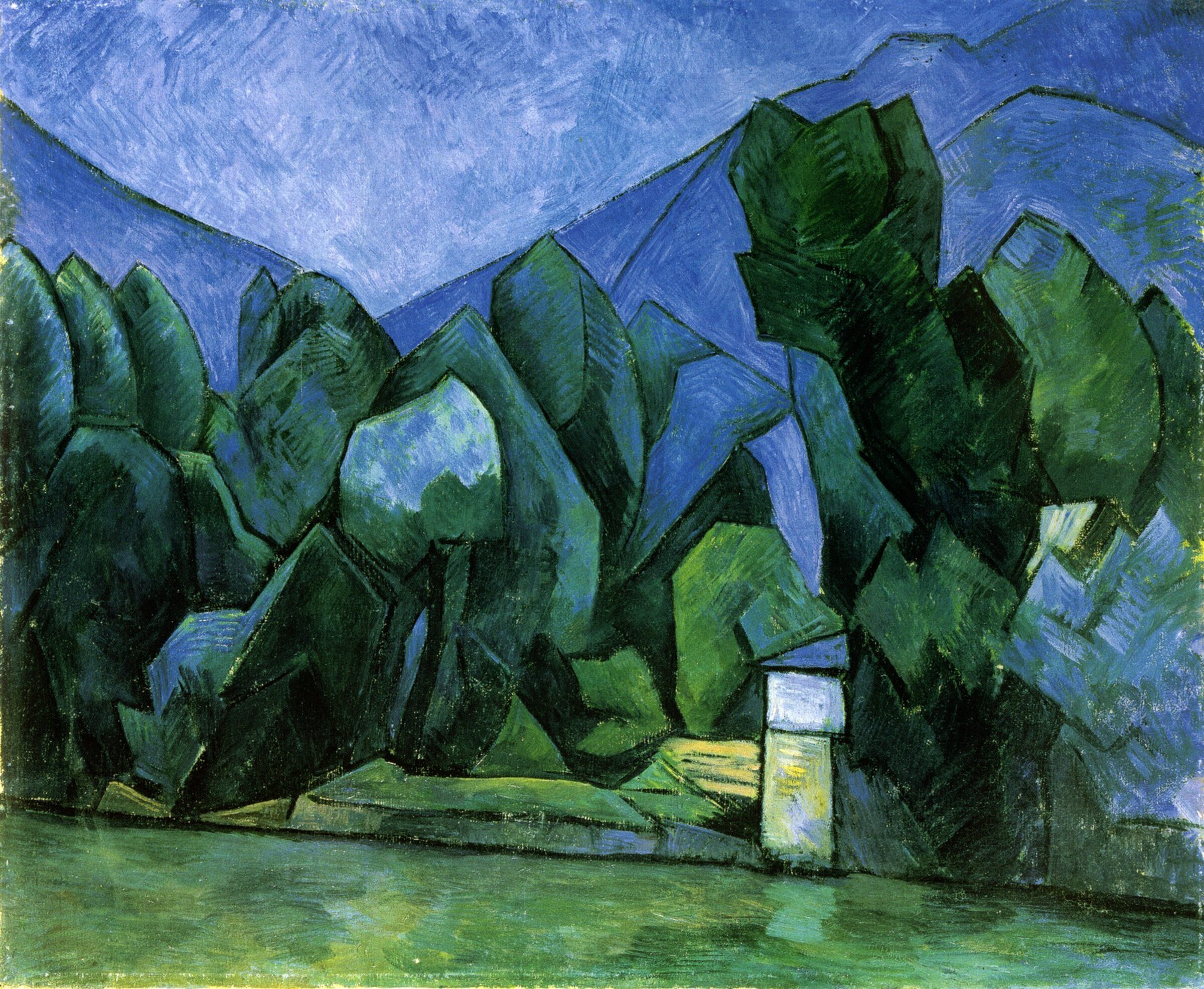
Look for hyperrealistic paintings that somehow feel cold or unsettling—like someone turned the emotional temperature way down while turning up the detail.
Check the faces: if everyone looks exhausted, skeptical, or vaguely disturbed rather than idealized, you're probably looking at Neue Sachlichkeit.
Notice the sharp focus everywhere—unlike Impressionism's soft edges, these paintings are crisp from foreground to background, like everything matters equally.
The term 'Neue Sachlichkeit' came from a 1925 museum exhibition title—the curator needed a catchy name and it stuck, even though artists debated it.
Many Neue Sachlichkeit artists were later condemned by the Nazis as 'degenerate,' their works confiscated or destroyed—their unflinching realism was too threatening.
Otto Dix served in WWI and his experiences directly fueled his grotesque war paintings—he said he needed to see the horror firsthand to paint it honestly.
The artists who defined it
Works to know
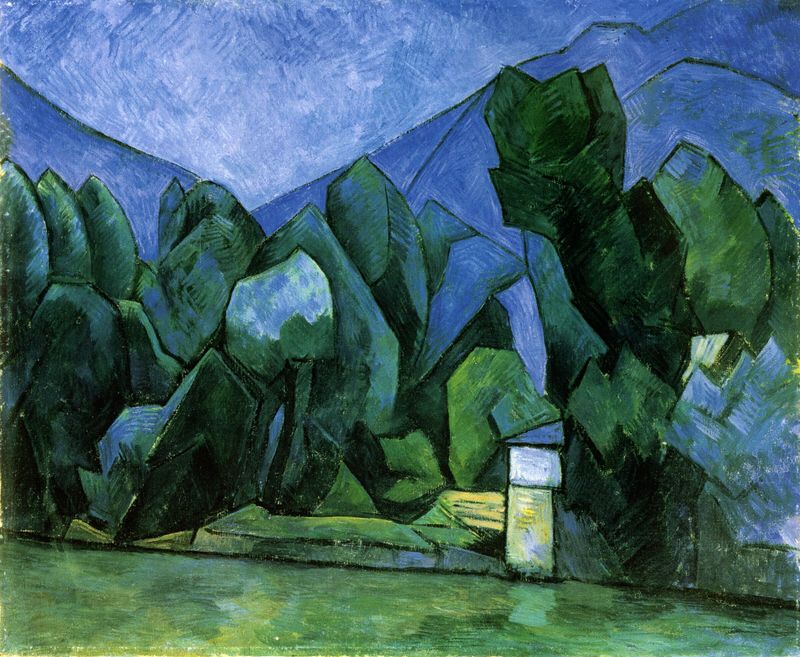 River Landscape (At Eisack, In the Eisack Valley)
1911 · Kunsthalle in Emden
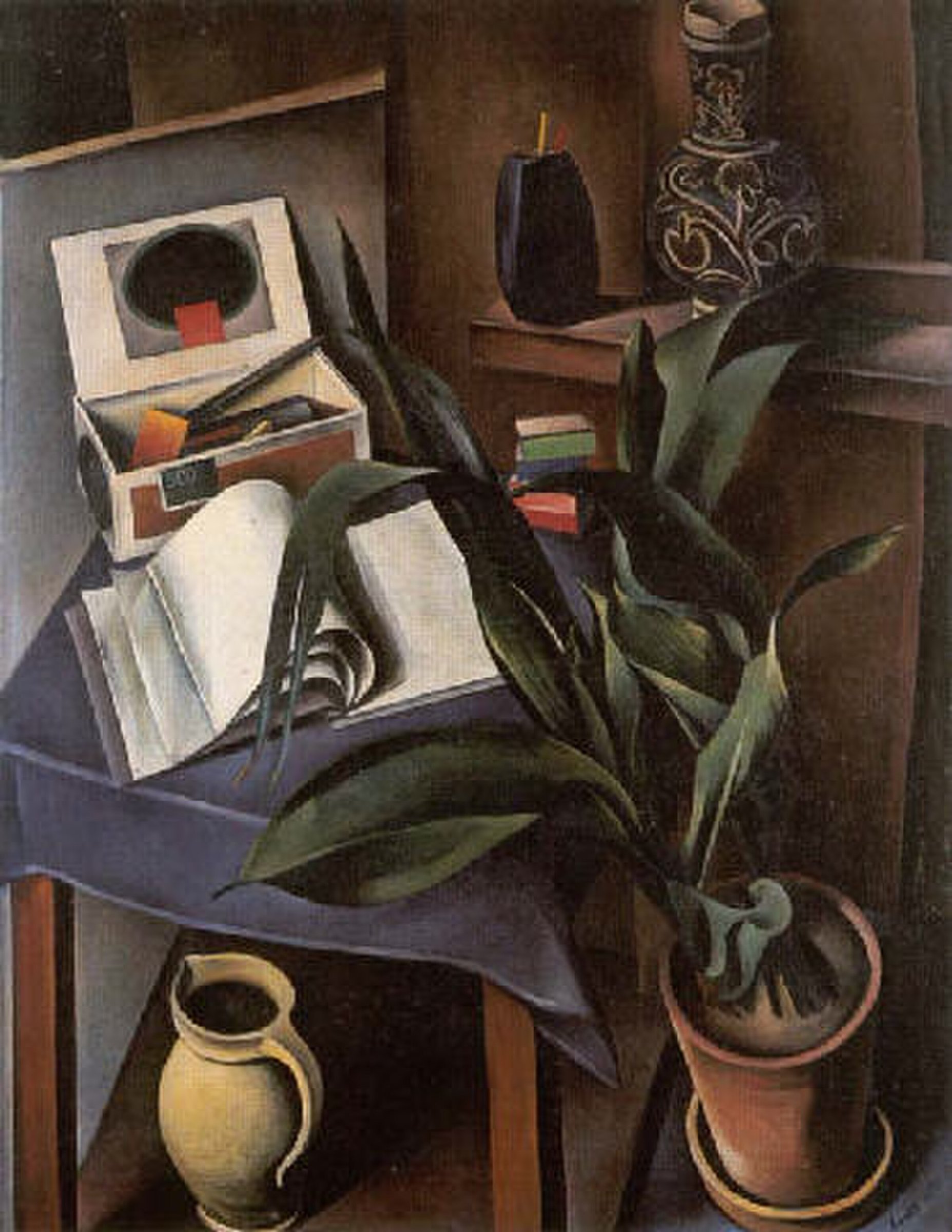
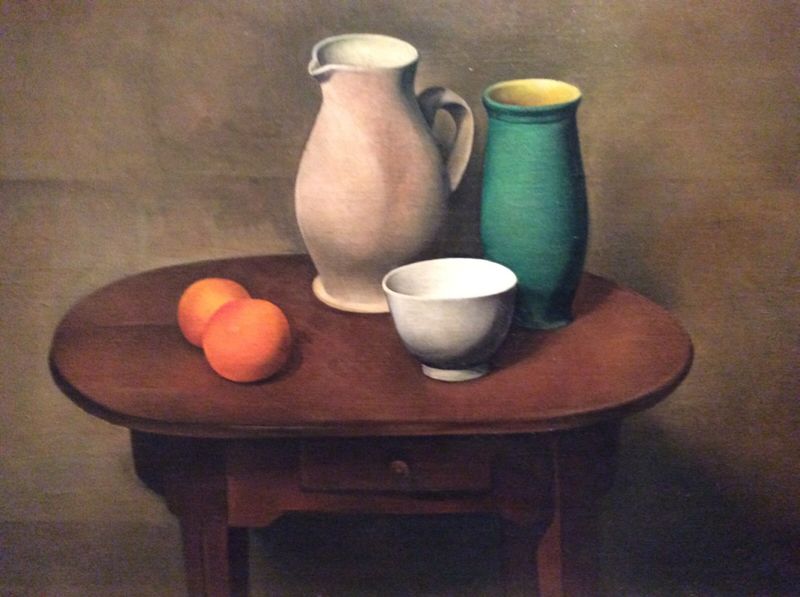 The atelier table
1924 · Osthaus-Museum Hagen
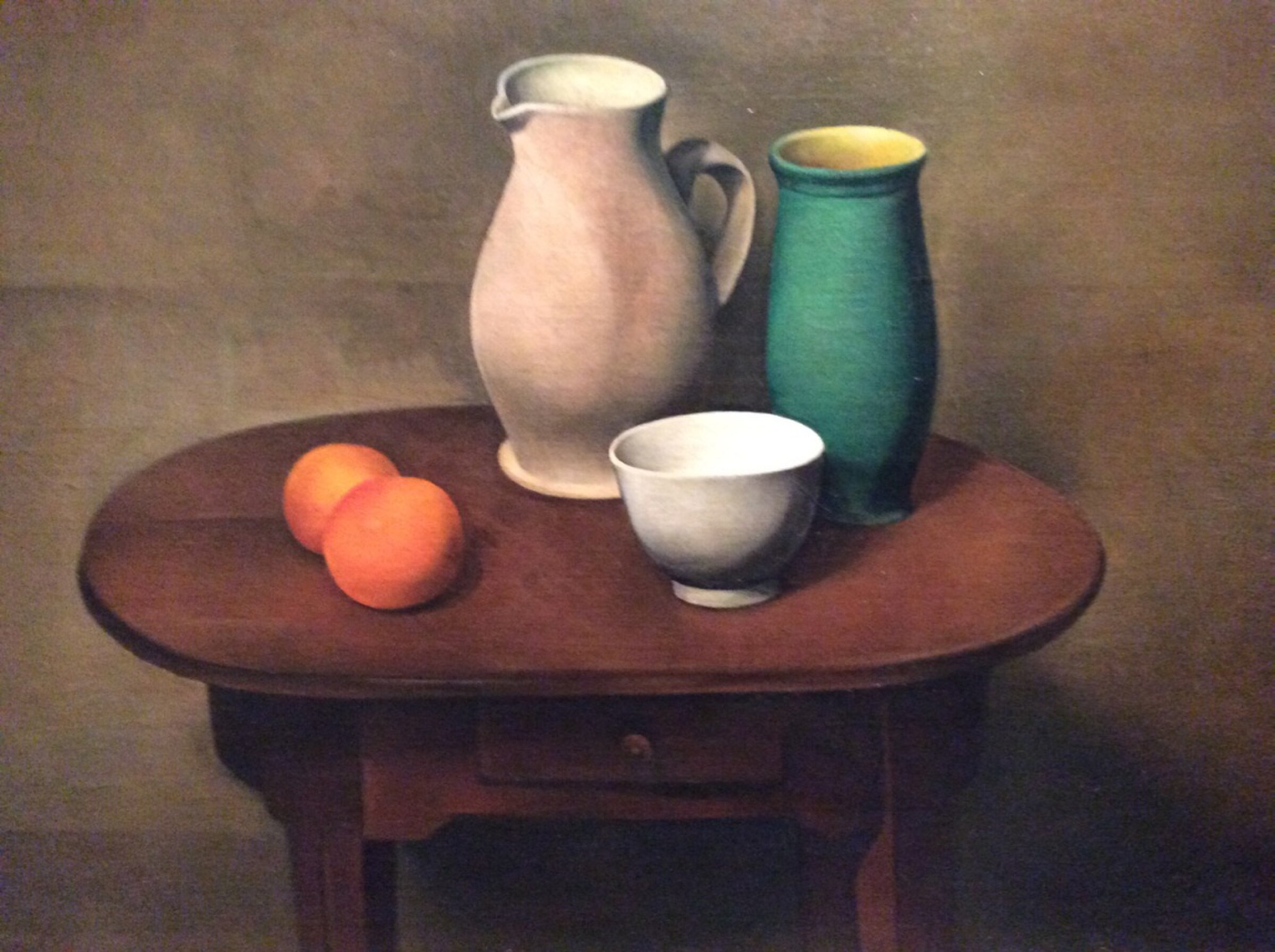
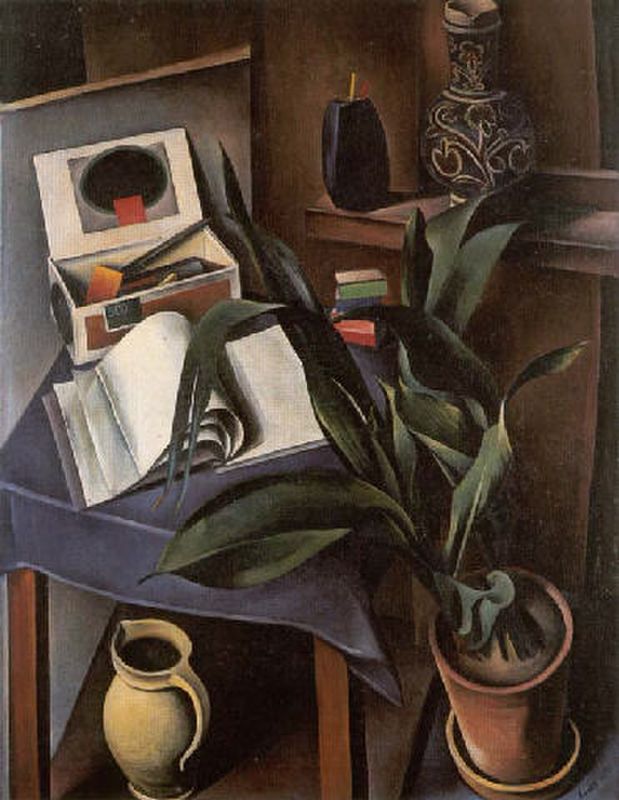 Still life
1926 · National Museum in Wrocław
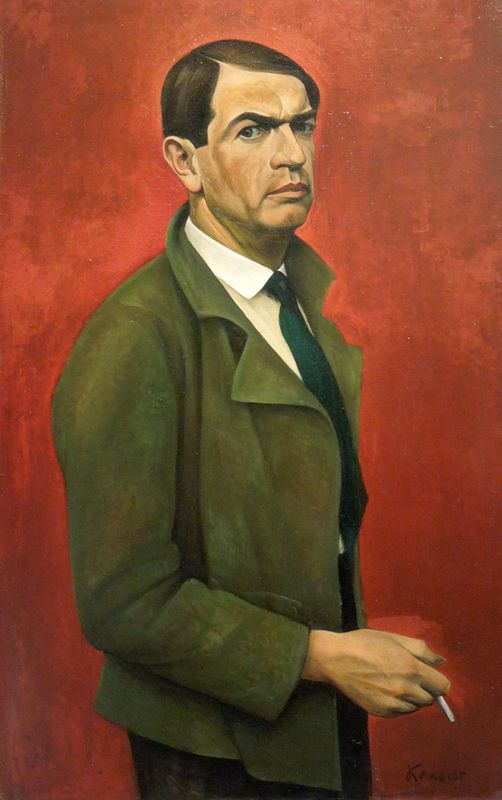 Self-Portrait
1929 · National Museum in Wrocław
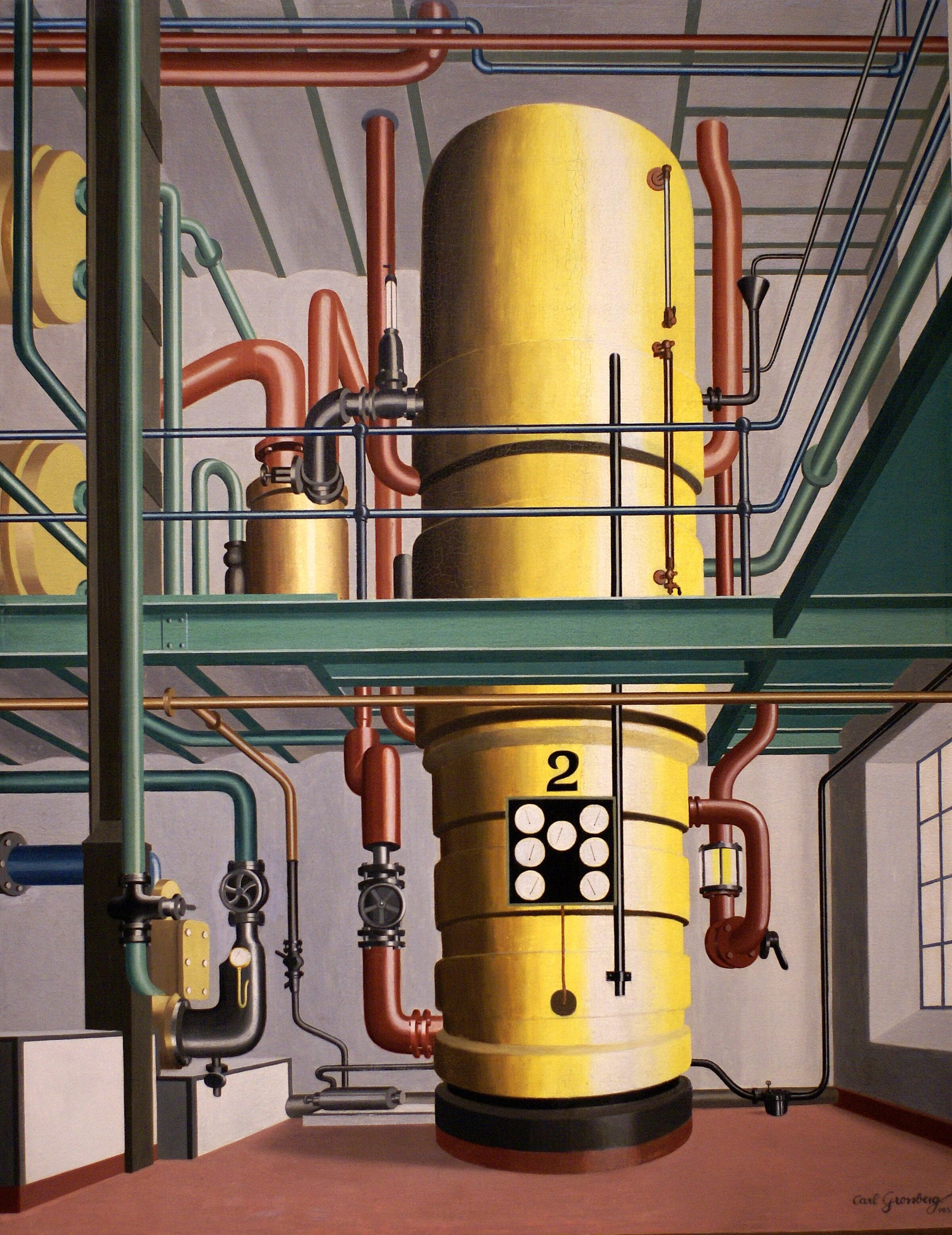
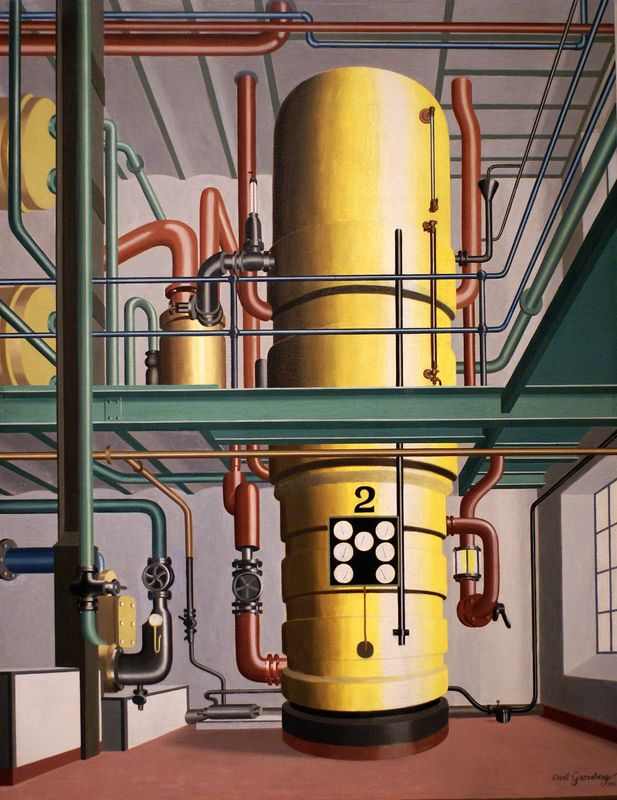 The yellow boiler
1933 · Von der Heydt Museum
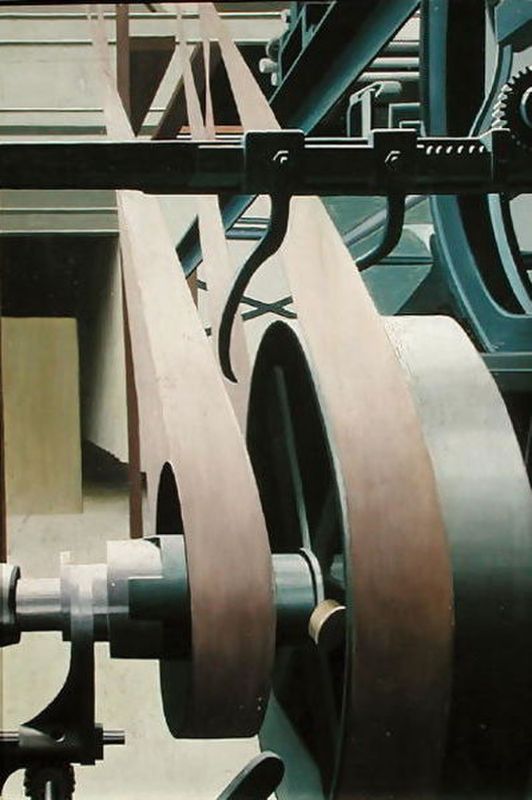 The Belts
1933
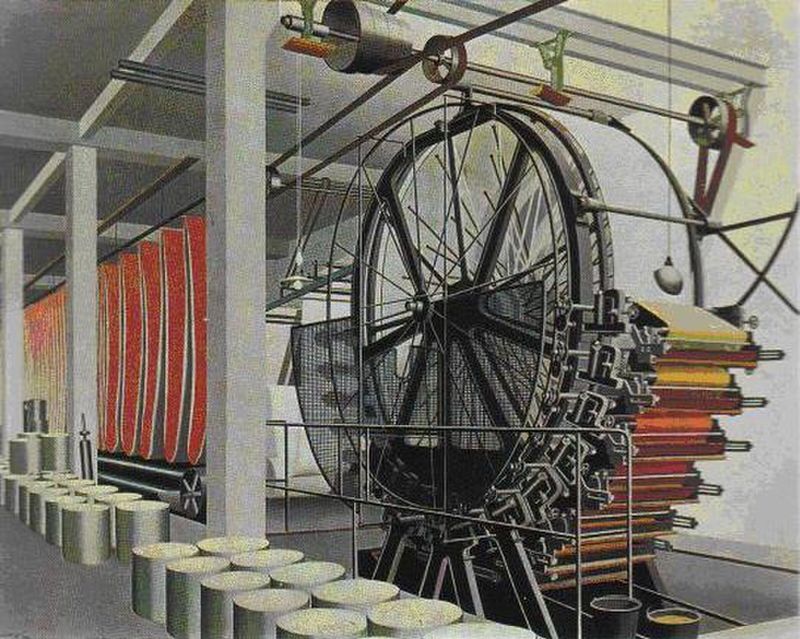 The Paper Machine
1934
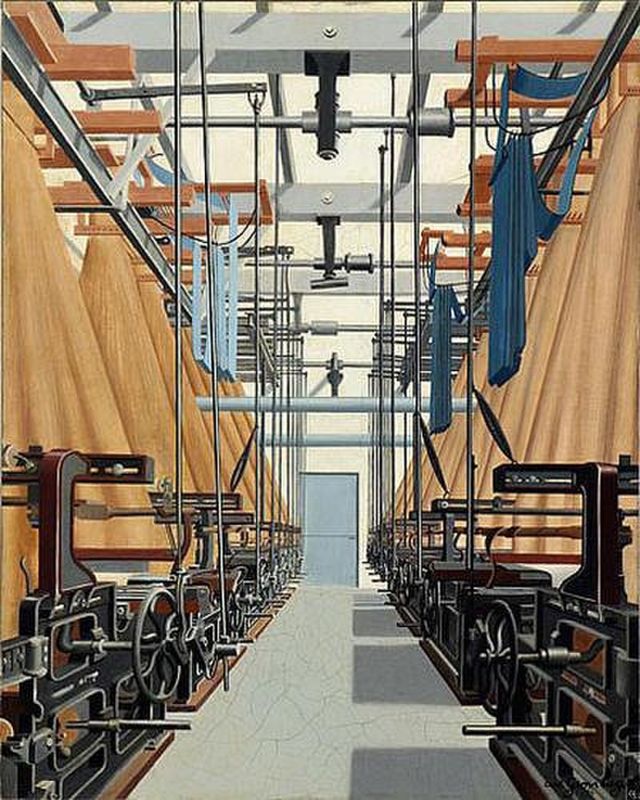 Jacquard Weaving Mill
1934
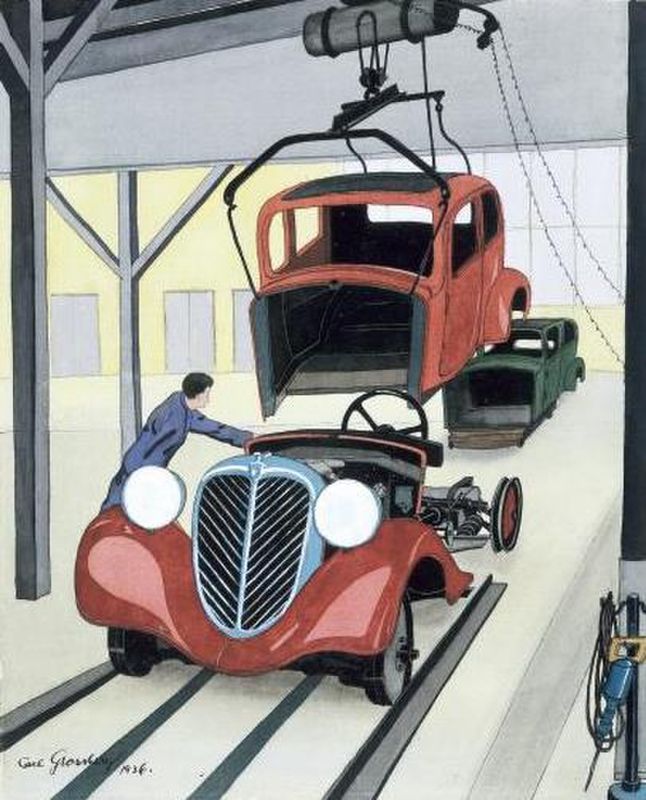 Car Factory
1936
Take Neue Sachlichkeit to the museum
Point your phone at any painting and Art Whisper tells you its story — who made it, what to notice, and why it matters. Free to start.