
“Imagine walking into a gallery and feeling like you've stepped into an ancient temple.”
The figures look like marble statues come to life—poised, dignified, impossibly graceful. That's Classicism, an art movement that swept through Europe from the 1750s to the 1850s, fueled by a passionate obsession with ancient Greece and Rome. Artists of this era believed they'd found the ultimate formula for beauty in classical antiquity, and they set out to recreate it with almost religious devotion.
What makes Classicism so distinctive is its absolute commitment to order, balance, and idealized beauty. These aren't portraits of real people caught in candid moments—they're carefully orchestrated visions of human perfection. The bodies are athletic and heroic, the poses deliberately theatrical, the compositions mathematically balanced. Everything feels intentional, refined, almost cool to the touch. Artists like Jacques-Louis David and Jean-Auguste-Dominique Ingres studied ancient sculptures obsessively, measuring proportions and copying poses, believing that the Greeks and Romans had cracked the code of eternal beauty.
This movement emerged partly as a rebellion against the frivolous excess of Rococo art that came before it—all those pastel colors and playful cherubs. Classicism offered something more serious, more moral, more grand. It coincided with the Enlightenment's emphasis on reason and order, and later became intertwined with revolutionary politics. These paintings often depicted noble sacrifices, civic duty, and heroic virtue—visual sermons about how to be a better citizen. When you spot a Classicist painting across the room, you'll recognize it immediately: it's the one that looks like a perfectly staged theatrical production, where even tragedy appears beautiful.
- Period
- c. 1750–1850
- Peak
- around 1785
- Born in
- Ancient Greece, Greece
- Key artists
- Adolf Ulrik Wertmüller, Antonio Canova, Anton Raphael Mengs, Bertel Thorvaldsen
- Came before
- Rococo
- Came after
- Romanticism
When it happened
- CAME BEFORERococo
- ~1750 · STARTED
- ~1785 · PEAKED
- ~1850 · ENDED
- CAME AFTERRomanticism
What makes it Classicism
Marble-Smooth Surfaces
Brushstrokes are invisible—the paint surface is as smooth as polished stone, giving figures an almost sculptural quality.
e.g. The Death of Marat by Jacques-Louis DavidGreek & Roman Poses
Figures stand like ancient statues: contrapposto stance, draped in togas, striking noble profiles borrowed from antiquity.
e.g. Oath of the Horatii by Jacques-Louis DavidFrieze-Like Compositions
Figures arranged in shallow space parallel to the picture plane, like actors on a stage or figures on an ancient relief.
e.g. The Grande Odalisque by Jean-Auguste-Dominique IngresIdealized Anatomy
Bodies are perfected beyond reality—muscular heroes, graceful nudes with flawless skin and proportions from classical sculpture.
e.g. Napoleon Crossing the Alps by Jacques-Louis DavidRestrained Color Palette
Cool, controlled colors—lots of whites, grays, muted earth tones. Nothing garish or emotional; everything feels deliberate.
e.g. The Intervention of the Sabine Women by Jacques-Louis DavidHow to spot Classicism
Three signs you’re standing in front of one — all easy to see in Maria Luisa of Parma.
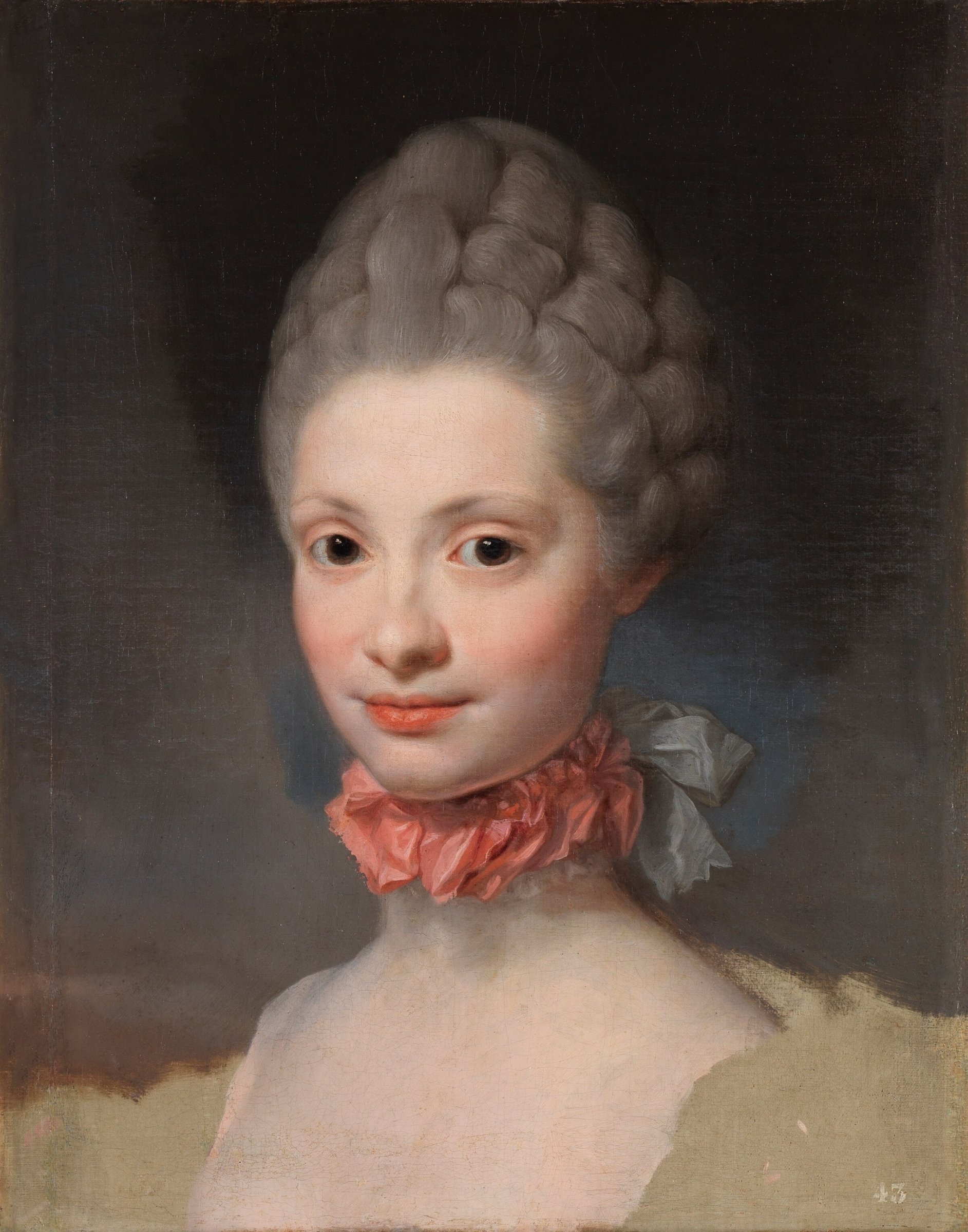
Look for invisible brushstrokes—if the surface is so smooth it could be porcelain, and figures look carved rather than painted, you've found Classicism.
Check the poses: Are people standing like Greek statues with togas and dramatic gestures? Is everything arranged like a frozen theatrical scene? That's your clue.
Notice the emotional temperature: Classicism feels cool, controlled, rational—even violent scenes appear strangely calm and composed.
Napoleon was obsessed with Classicism and hired David as his official painter to make him look like a Roman emperor in propaganda paintings.
The excavations of Pompeii in 1748 created a Classicism craze—suddenly everyone wanted furniture, fashion, and art that looked ancient Roman.
Ingres could spend years on a single painting, obsessing over every contour until it achieved mathematical perfection—he once worked on one portrait for 12 years!
The artists who defined it
Works to know
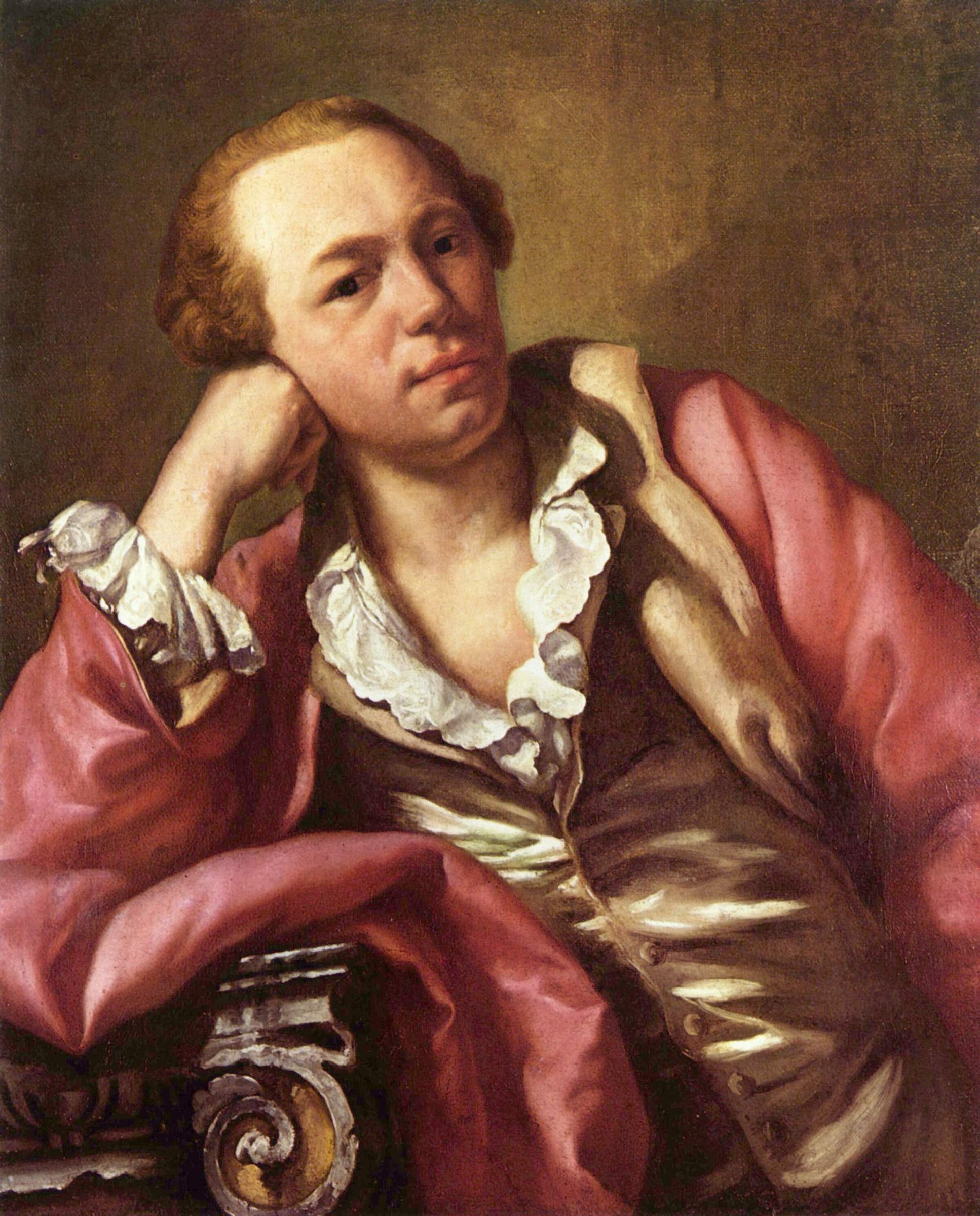
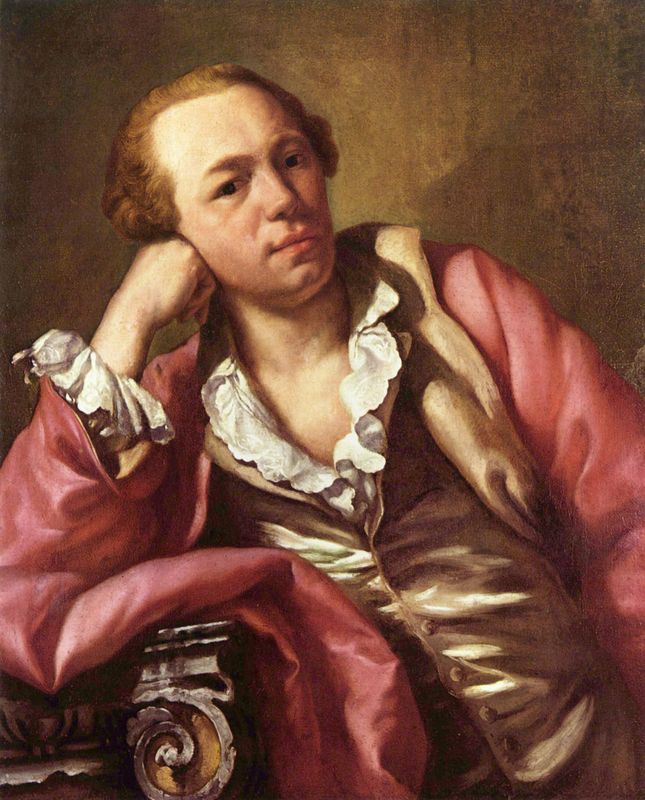 Portrait of Johann Dietrich Heumann (1724-1774)
1755 · Kunsthalle Bremen
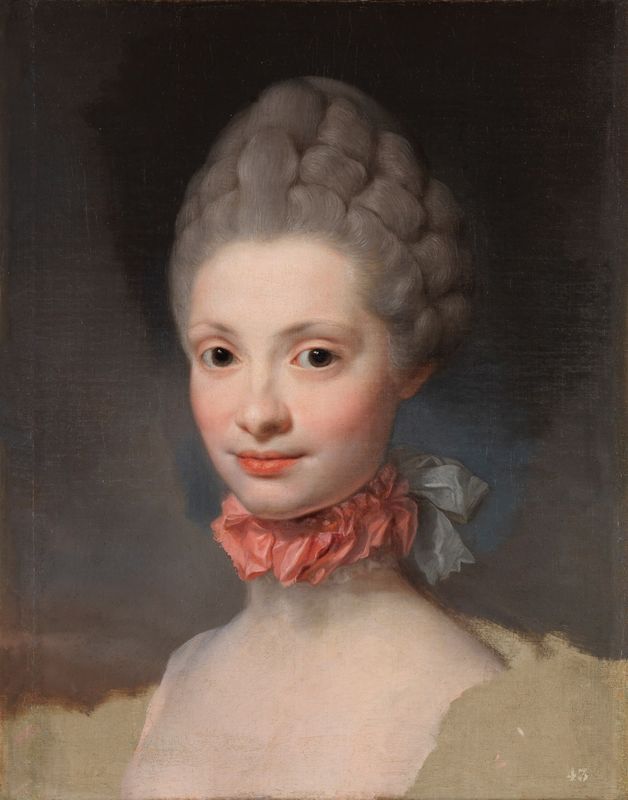 Maria Luisa of Parma
1765 · Museo del Prado
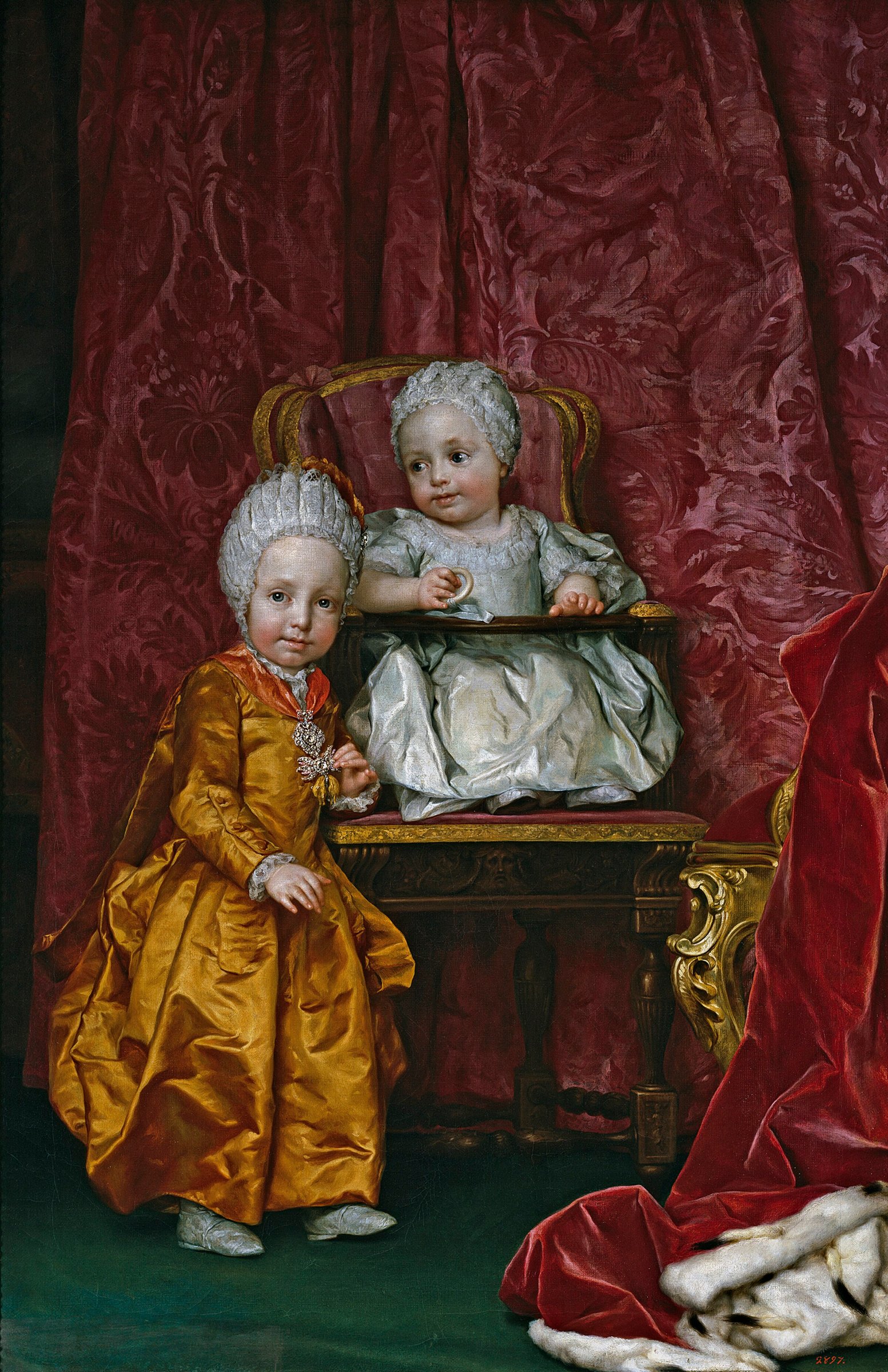
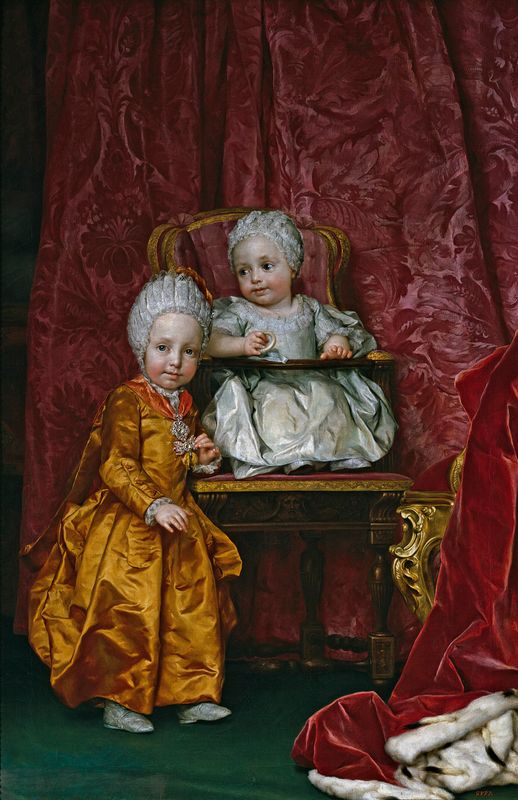 Archduke Ferdinand and Archduchess Maria Anna of Austria
1770 · Museo del Prado
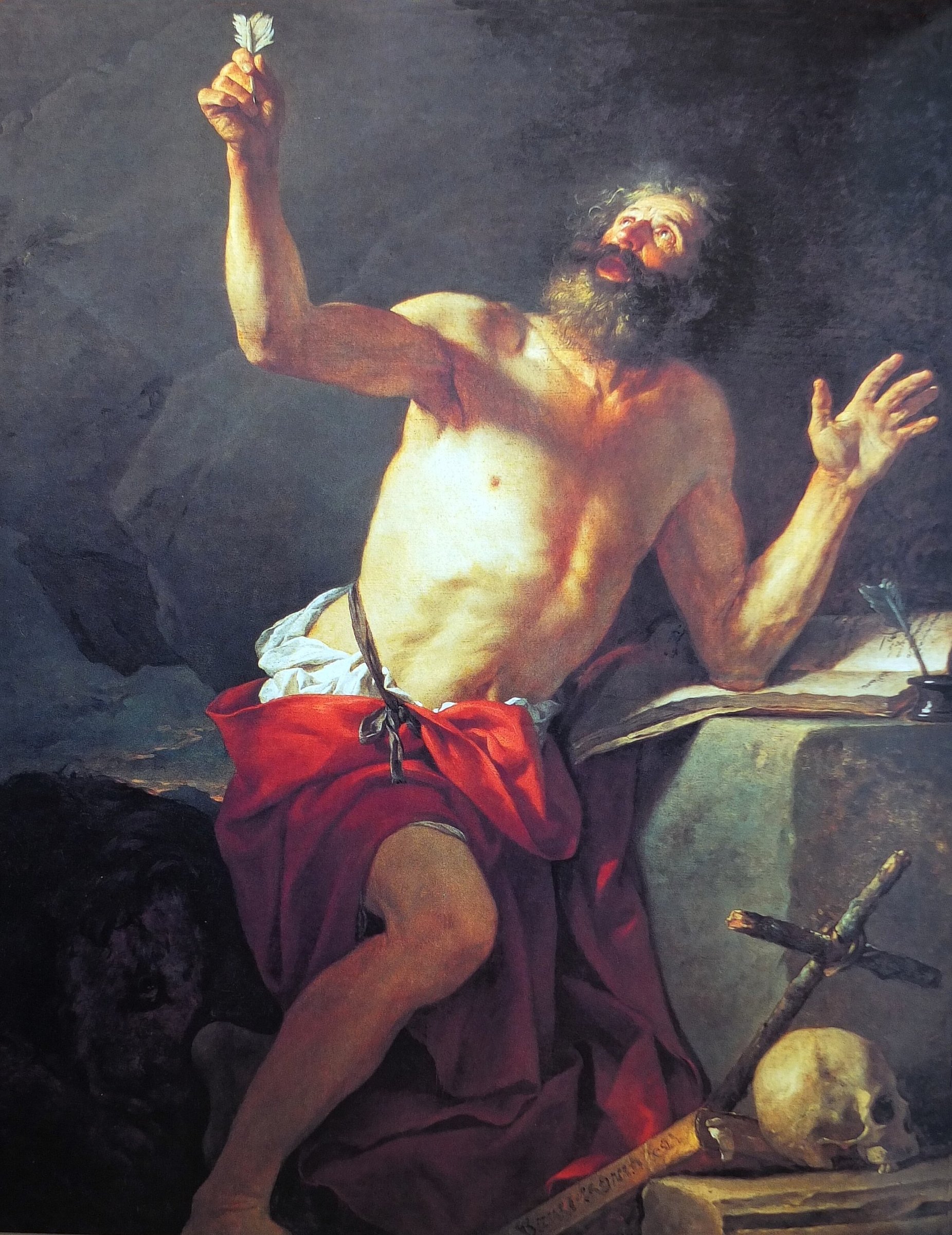
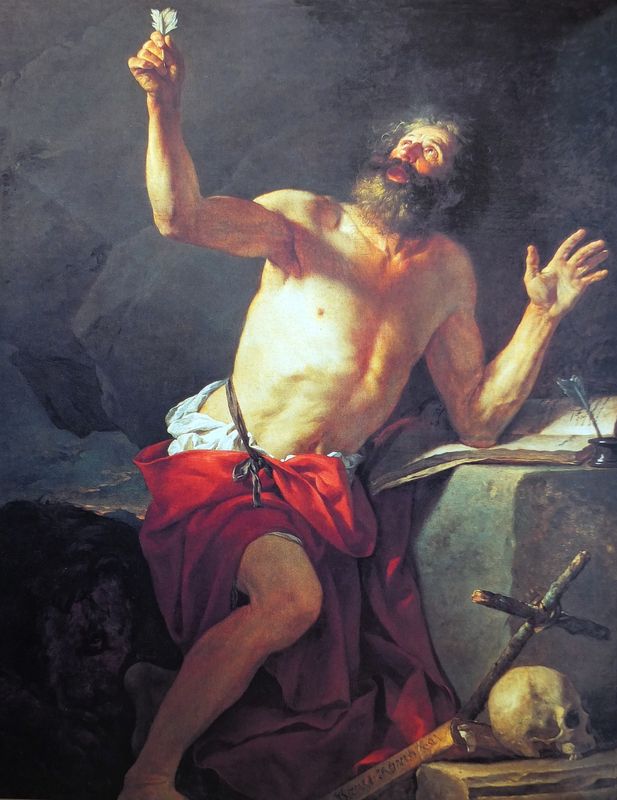 Saint Jerome Hears the Trumpet of the Last Judgment
1779 · Musée de la civilisation
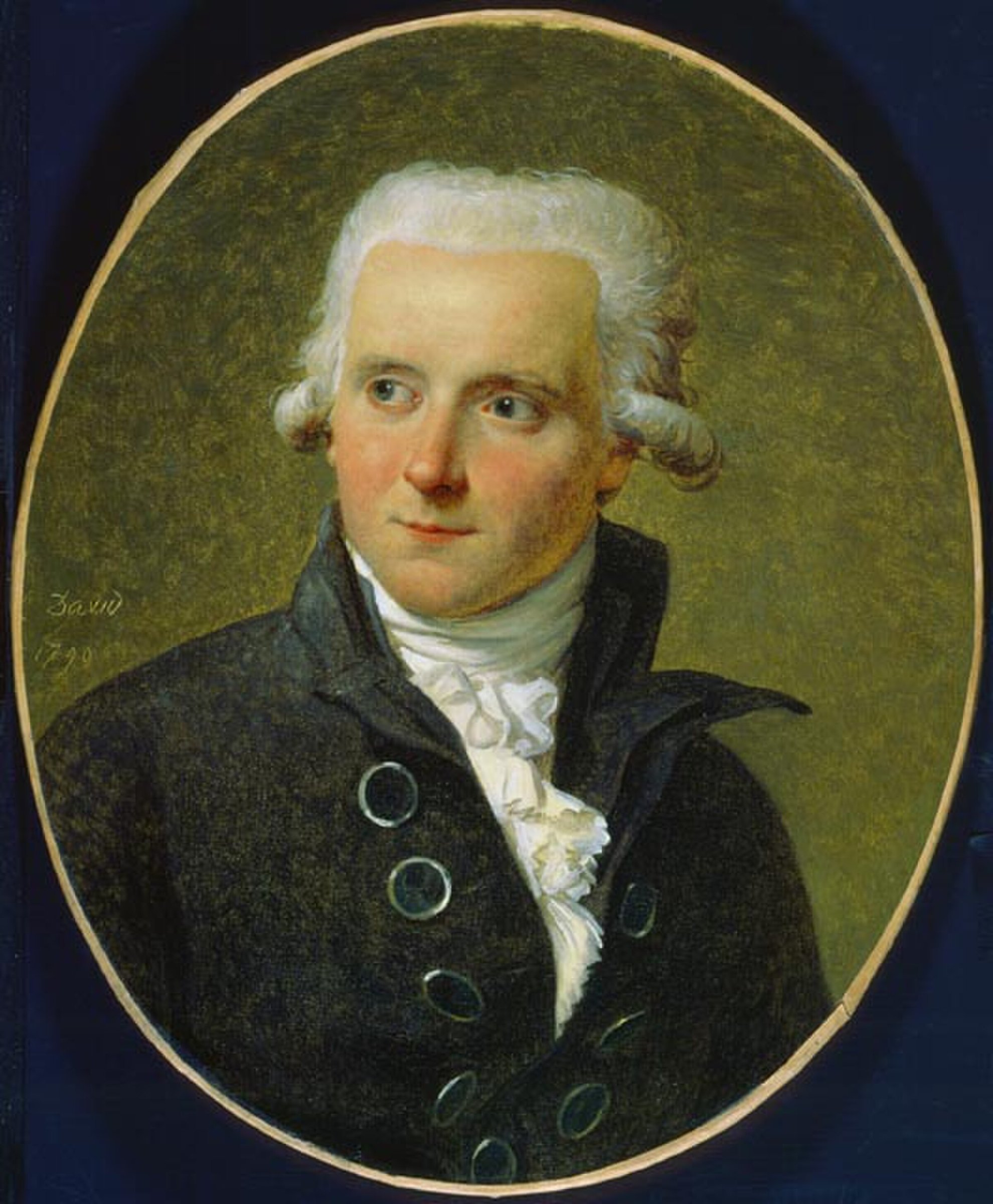
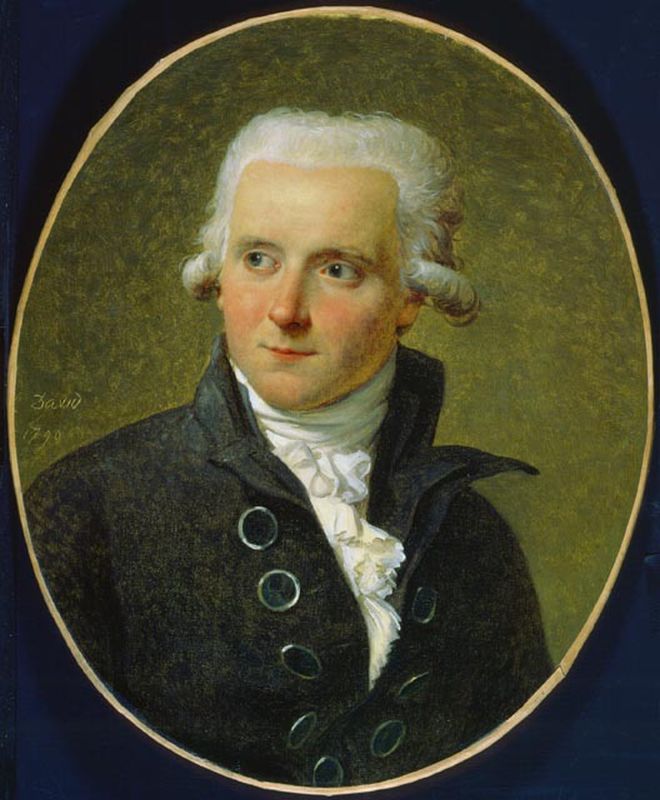 Portrait Pierre Sériziat
1790 · National Gallery of Canada
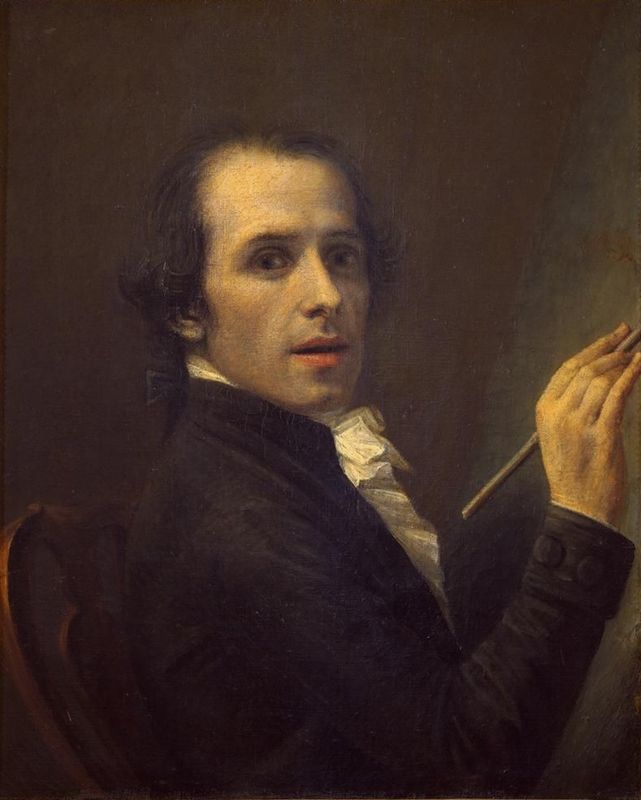 Self-portrait
1792 · Uffizi Gallery
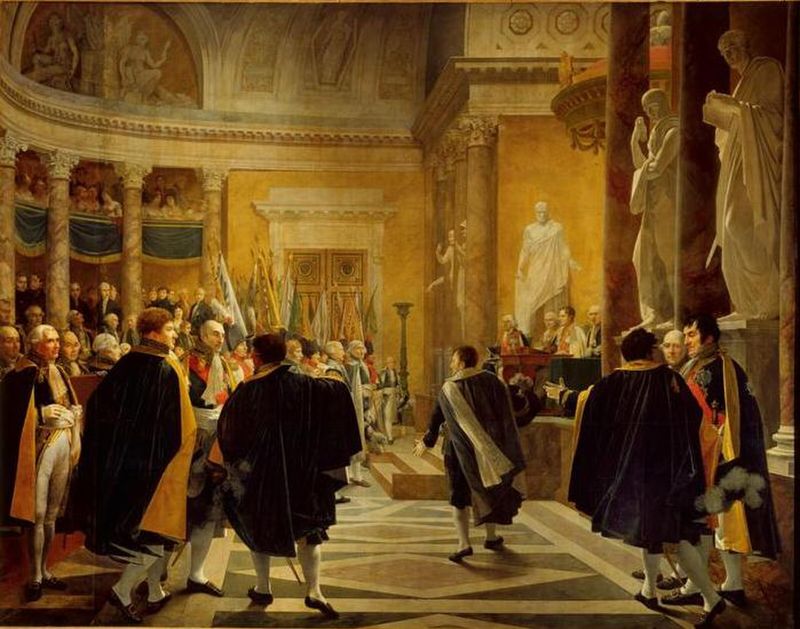 The Senate-Conservative receives the flags taken during the Austrian campaign, January 1, 1806
1811 · Palace of Versailles
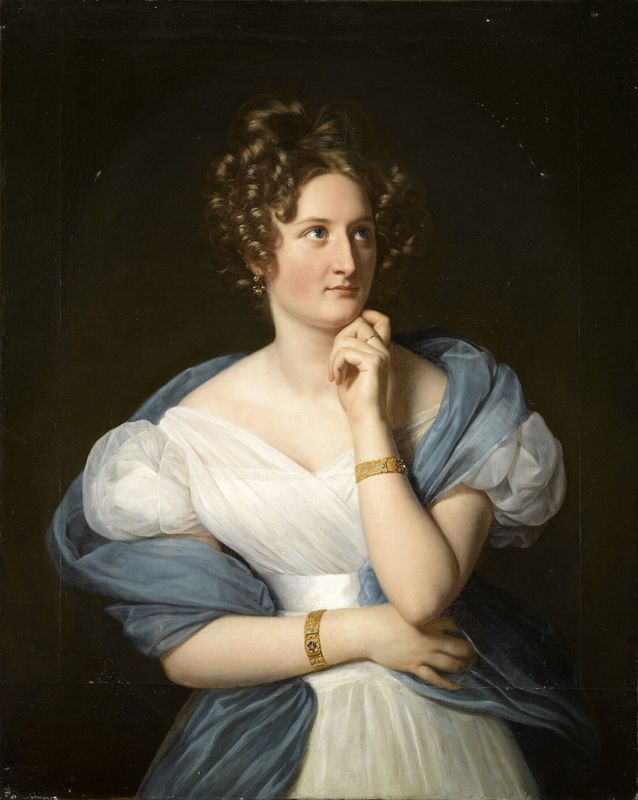 Delphine Gay
1824 · Palace of Versailles
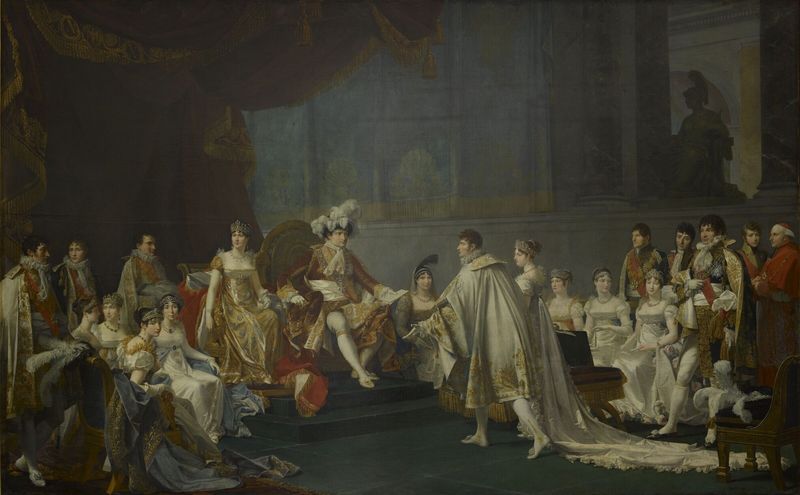 Wedding of Prince Jérôme Bonaparte and Princess Frédérique-Catherine of Wurtemberg, August 22, 1807
1850 · Palace of Versailles
Take Classicism to the museum
Point your phone at any painting and Art Whisper tells you its story — who made it, what to notice, and why it matters. Free to start.