
“Imagine walking into a room and being stopped in your tracks by a massive canvas that's nothing but a deep, resonant crimson — no figures, no drama, no story.”
Just color, breathing. That's Color Field painting. Emerging in New York City in the late 1940s and flowering through the 1950s and 60s, this movement grew out of Abstract Expressionism but took a quieter, more meditative turn. Where Abstract Expressionists like de Kooning were slashing and dripping with physical intensity, Color Field painters decided the canvas itself — soaked, stained, and flooded with hue — could carry the full emotional weight.
The name says it all: these artists created vast 'fields' of color, often applied in thin washes that soak directly into unprimed canvas, making the color feel like it lives inside the fabric rather than sitting on top of it. Think of it as the difference between wallpaper and a stained-glass window — one reflects light, the other seems to glow from within. Artists like Mark Rothko, Helen Frankenthaler, Morris Louis, and Kenneth Noland each found their own approach, but they shared a commitment to stripping away everything except color relationships and scale.
Standing in front of a Color Field painting, you're not supposed to analyze a composition — you're supposed to feel something shift inside you. The sheer scale of these works is intentional: they're designed to envelop your peripheral vision so color becomes an experience rather than an observation. Critics sometimes called it cool or cerebral, but spend a few minutes with a Rothko and you'll likely feel the opposite — these vast expanses of hue have an uncanny ability to surface emotions you didn't know you'd brought into the museum.
- Period
- c. 1971–present
- Peak
- around 1960
- Born in
- Kingdom of the Netherlands
- Key artists
- Al Held, Alma Thomas, Barnett Newman, Clyfford Still
- Came before
- Abstract Expressionism
- Came after
- Minimalism
When it happened
- CAME BEFOREAbstract Expressionism
- ~1947 · STARTED
- ~1960 · PEAKED
- CAME AFTERMinimalism
What makes it Color Field painting
Vast, Unbroken Color Expanses
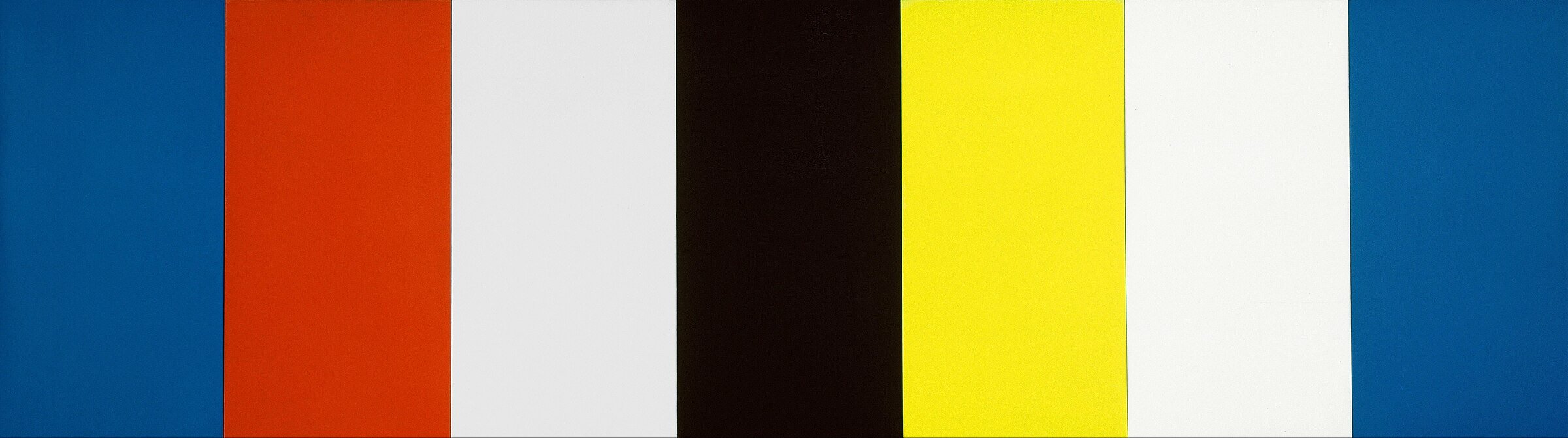
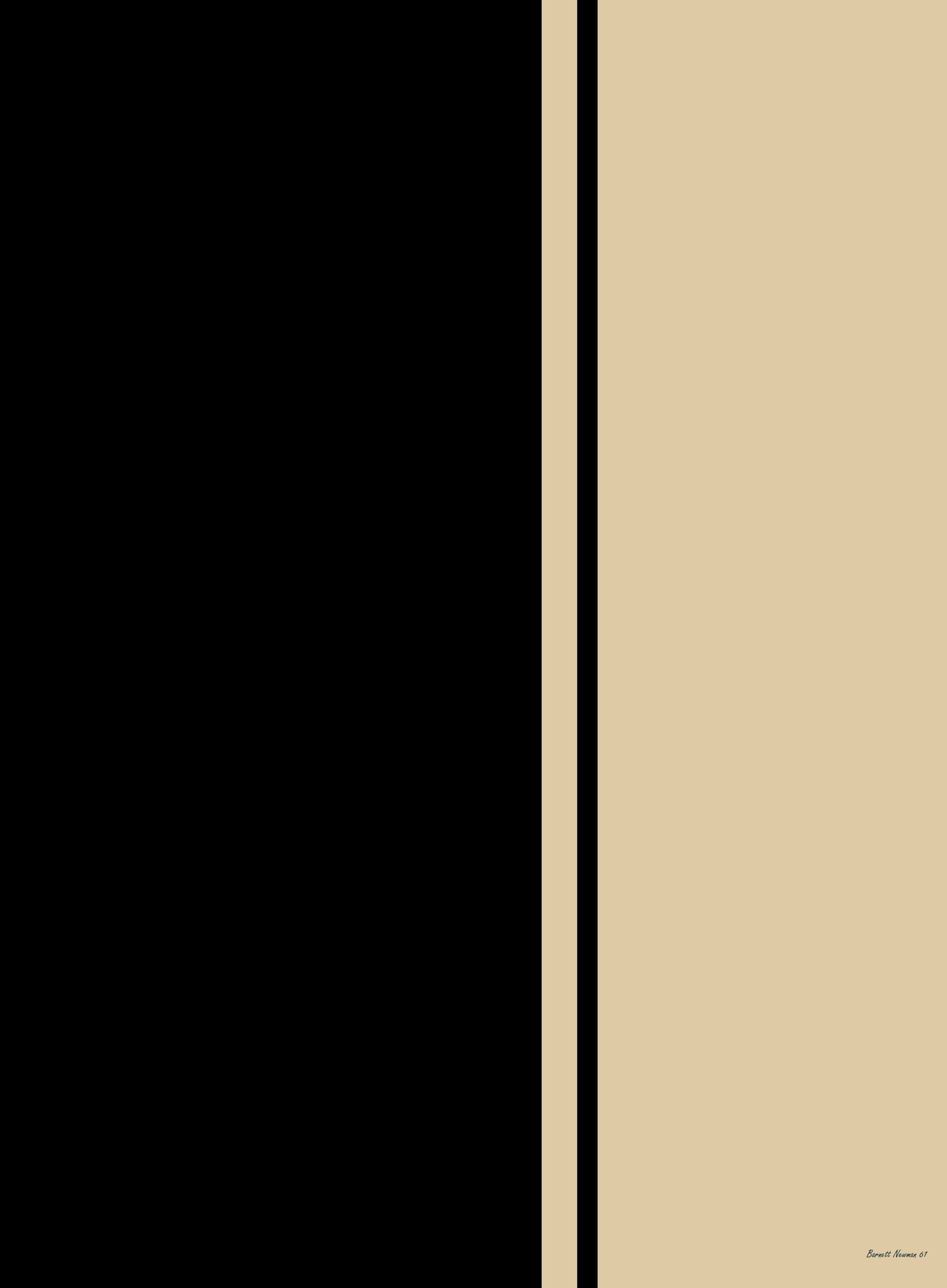
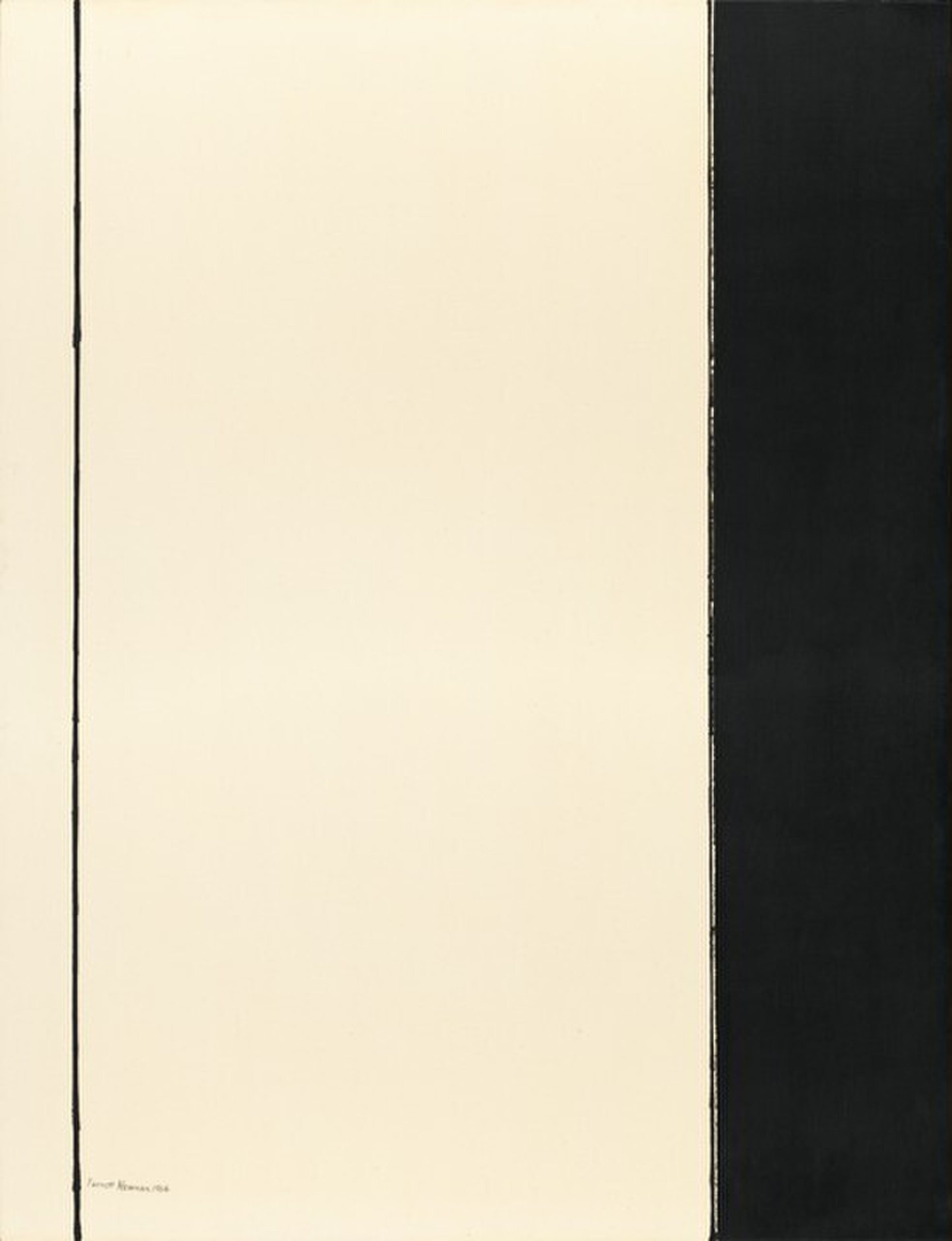
Large areas of flat, even color with no figures or objects — the color itself fills the entire visual field.
e.g. No. 61 (Rust and Blue) — Mark RothkoStained & Soaked Canvas
Paint is poured or soaked into raw, unprimed canvas, making color appear embedded in the fabric, not brushed on.
e.g. Mountains and Sea — Helen FrankenthalerMonumental Scale
Works are often wall-sized, deliberately overwhelming the viewer's visual field to make color feel immersive.
e.g. Magnum Opus — Morris LouisMinimal Brushwork & Gesture
No visible brushstrokes or energetic marks — surfaces are smooth and consistent, letting color do all the talking.
e.g. Targa — Kenneth NolandColor as Emotional Subject
Color isn't describing something else — it IS the subject, evoking mood and sensation without symbolic meaning.
e.g. Orange and Yellow — Mark RothkoHow to spot Color Field painting
Three signs you’re standing in front of one — all easy to see in Untitled (Painting).
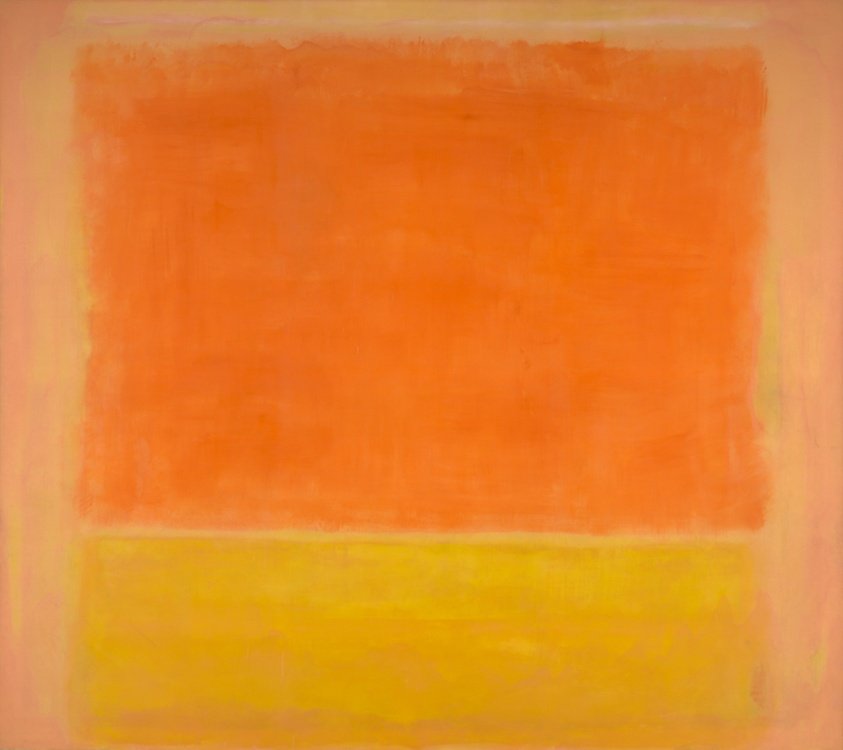
Look for huge canvases with almost no detail — if color alone fills your entire view with no figures or objects, you've found it.
Get close and check the surface: if paint looks soaked INTO the canvas rather than layered on top, that's the signature staining technique.
Step back and notice your feelings before your thoughts — Color Field works are designed to hit emotionally before you can intellectualize them.
Helen Frankenthaler invented the 'soak-stain' technique in 1952 by accident, pouring thinned paint onto canvas laid flat on her studio floor.
Mark Rothko insisted his paintings be hung low and lit dimly — he wanted viewers to feel surrounded, almost swallowed, by the color.
Many Color Field canvases are so large they couldn't fit through a standard door — artists had to roll them and install them inside galleries.
The artists who defined it
Works to know
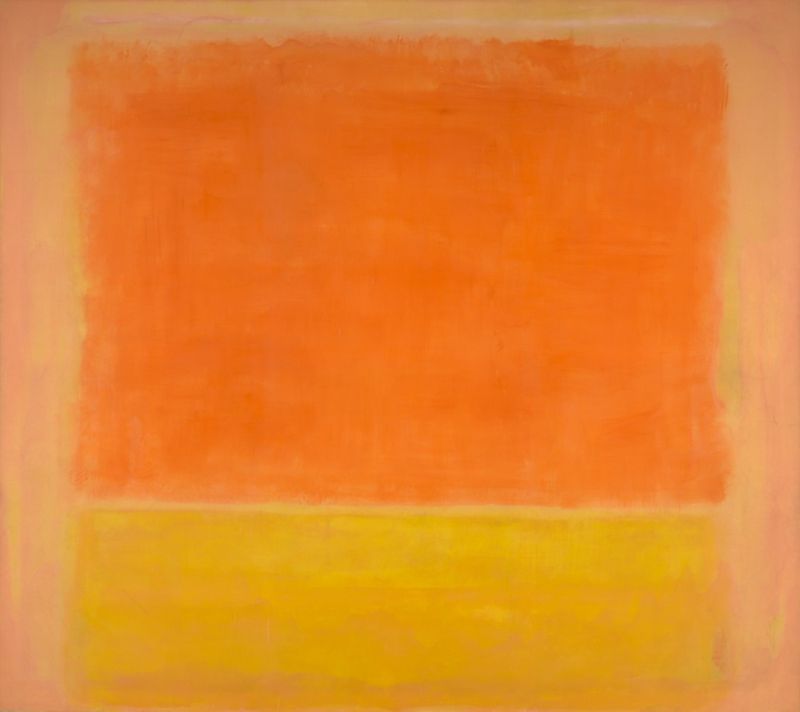 Untitled (Painting)
1953 · Art Institute of Chicago
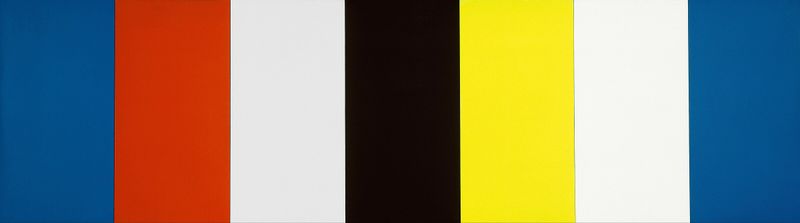 Red Yellow Blue White and Black
1953 · Art Institute of Chicago
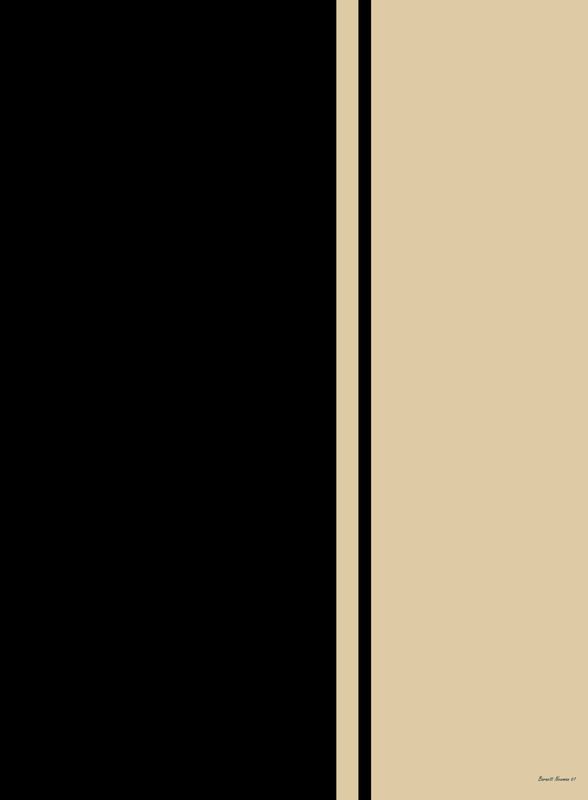 Black Fire I
1961
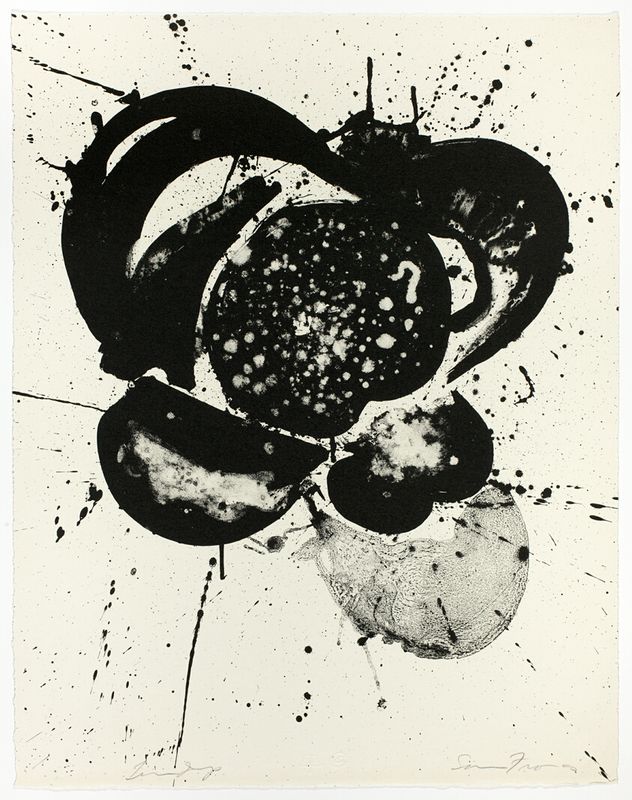 Essai
1963 · Art Institute of Chicago
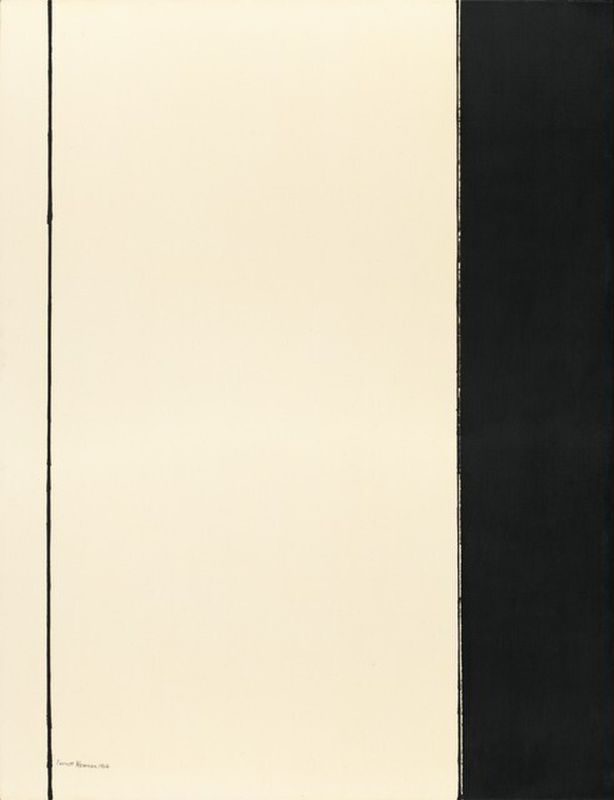 Seventh Station
1964 · National Gallery of Art
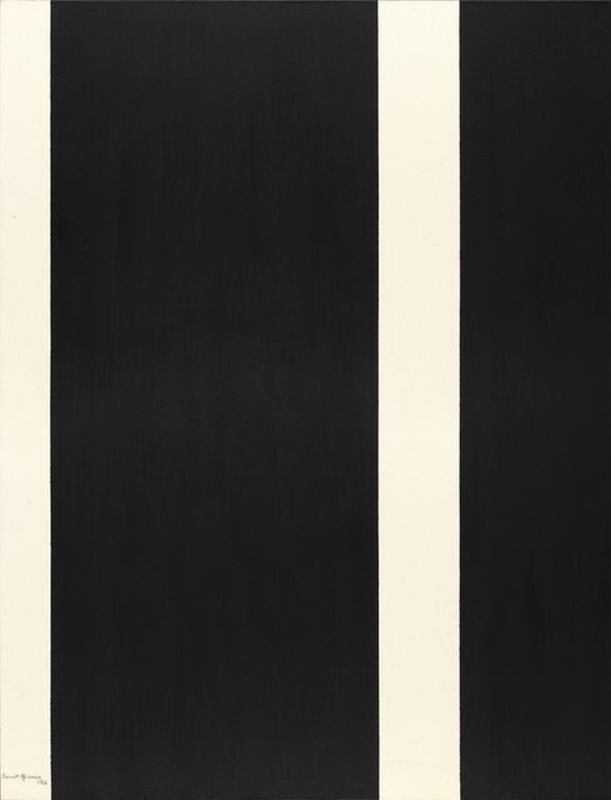 Thirteenth Station
1965 · National Gallery of Art
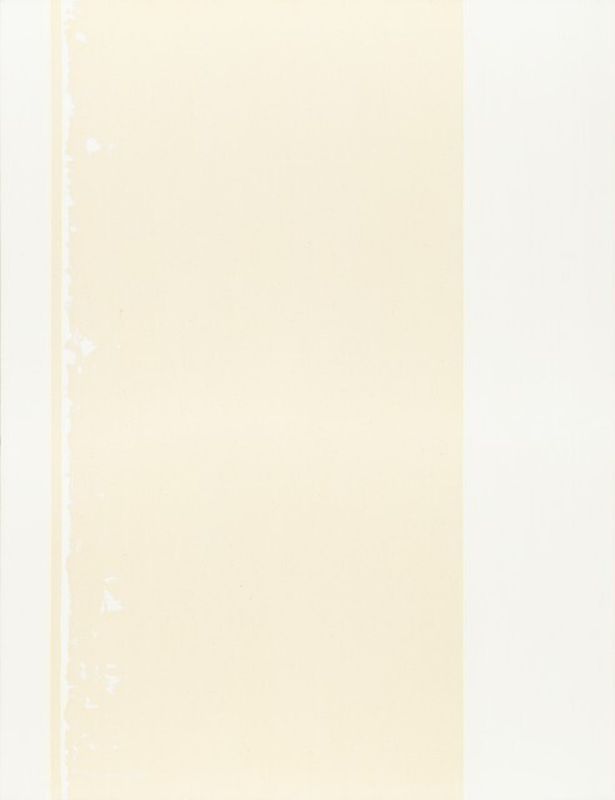 Tenth Station
1965 · National Gallery of Art
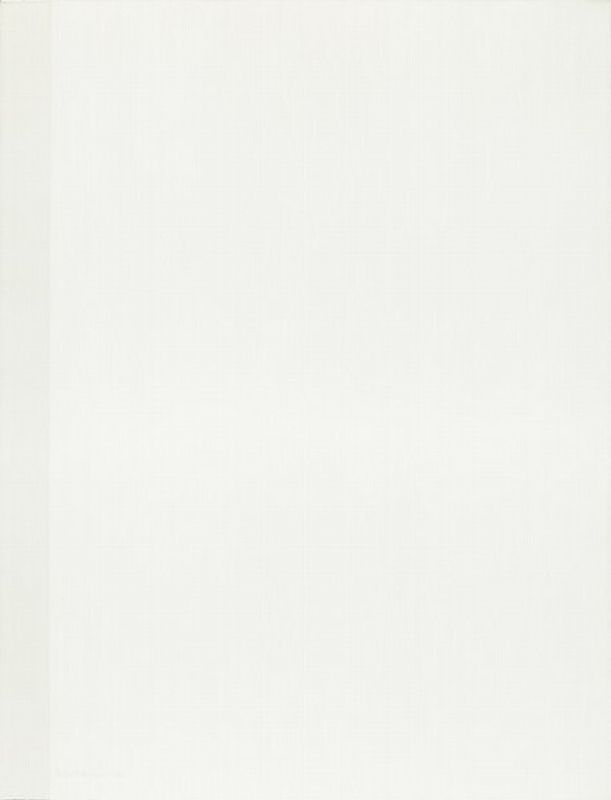 Fourteenth Station
1965 · National Gallery of Art
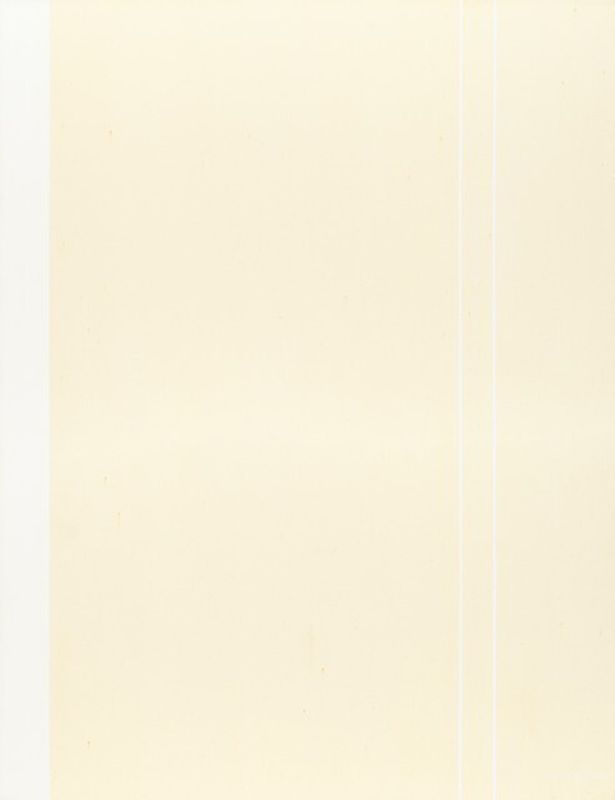 Eleventh Station
1965 · National Gallery of Art
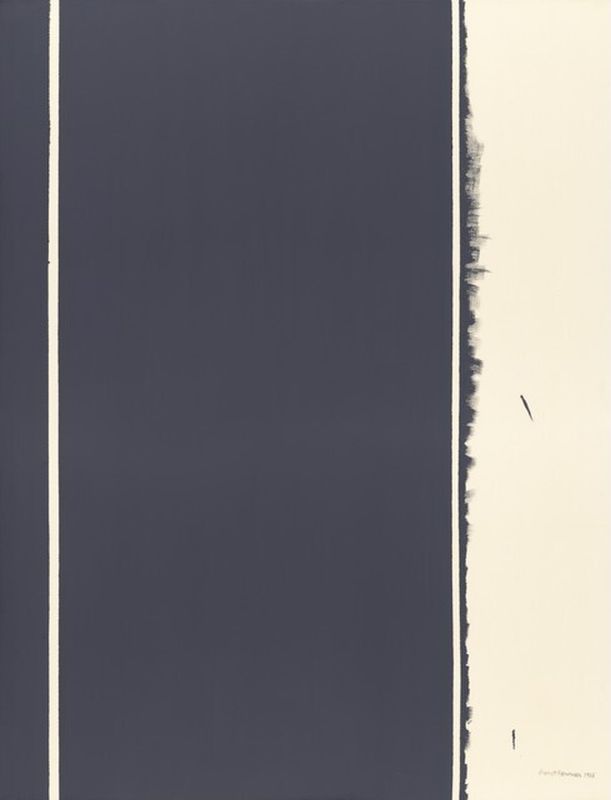 Twelfth Station
1965 · National Gallery of Art
Take Color Field painting to the museum
Point your phone at any painting and Art Whisper tells you its story — who made it, what to notice, and why it matters. Free to start.