
“Picture this: you're walking through a gallery and suddenly you're face-to-face with a massive spray-painted mural that looks like it was peeled right off a subway wall.”
That's Street Art making its museum debut. Born in the gritty neighborhoods of 1960s New York City, street art started as an act of rebellion—graffiti writers and artists claiming public spaces with spray cans, markers, and sheer audacity. What began as tags scrawled on subway cars evolved into a full-blown art movement that's now collected by major museums worldwide.
Street art is immediate, bold, and unapologetic. Unlike traditional art that waits politely in galleries, street art originally demanded your attention whether you wanted to give it or not. It's characterized by vivid colors, graphic boldness, and often carries social or political messages. You'll see everything from elaborate letter-based graffiti pieces to stenciled political statements to massive photorealistic murals. The aesthetic pulls from hip-hop culture, comic books, advertising, and punk rock—anything that's loud, visual, and speaks to the street.
What makes street art distinctive from across the room? It's usually BIG and refuses to whisper. The colors pop like they're competing with traffic and billboards—because originally, they were. Even when confined to a canvas in a museum, street art retains that raw, urgent energy. Look for drips, spray paint textures, stencil marks, or that characteristic graffiti-style lettering. There's often an element of social commentary—street artists have something to say about inequality, politics, or consumer culture. Whether it's Banksy's satirical stencils or Basquiat's frenetic crown symbols, street art brings the energy of the city sidewalk into the hushed museum space.
- Period
- c. 1960–present
- Peak
- around 1980
- Born in
- New York City, United States
- Key artists
- Banksy, Keith Haring
- Came before
- Pop Art
- Came after
- Contemporary Urban Art
When it happened
- CAME BEFOREPop Art
- ~1960 · STARTED
- ~1980 · PEAKED
- CAME AFTERContemporary Urban Art
What makes it Street art
Spray Paint Texture & Drips
Look for that distinctive aerosol can texture—slightly fuzzy edges, occasional drips, and layered colors with visible overspray.
e.g. Crack is Wack by Keith HaringBold Graphic Lettering
Elaborate, stylized letters—often bubble letters, wildstyle, or blocky tags—that are more about form than readability.
e.g. Subway Graffiti Pieces by DONDIStenciled Imagery
Crisp, repeated images created with stencils—perfect for making political statements quickly and reproducing iconic symbols.
e.g. Girl with Balloon by BanksyRaw, Unfinished Aesthetic
Intentionally rough edges, visible corrections, and that 'done-in-one-night' urgency that honors the movement's guerrilla origins.
e.g. Untitled (Skull) by Jean-Michel BasquiatSocial & Political Commentary
Direct messages about inequality, consumerism, or authority—street art rarely stays neutral about the world it inhabits.
e.g. Obey Giant by Shepard FaireyHow to spot Street art
Three signs you’re standing in front of one — all easy to see in Landscape.
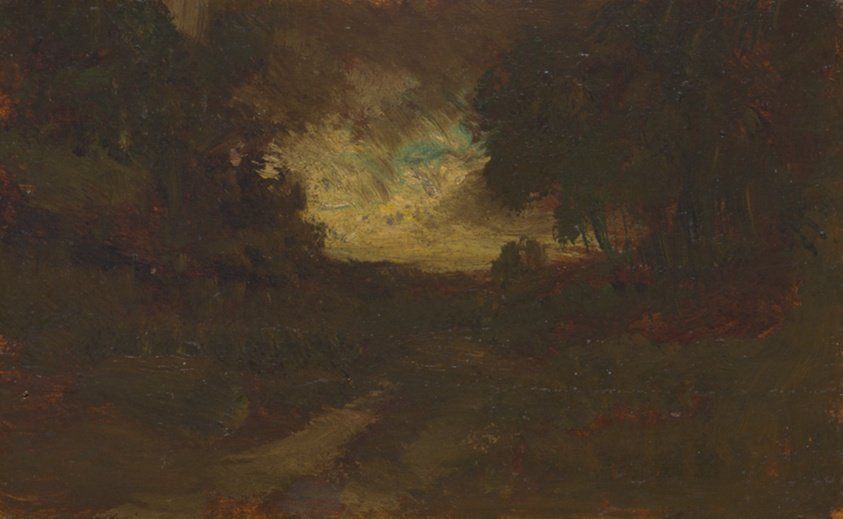
Look for spray paint texture—that slightly fuzzy, layered quality with occasional drips that screams 'aerosol can,' not paintbrush.
Check for urban imagery: subway cars, cityscapes, brick walls, or references to hip-hop culture, often with bold, saturated colors.
Notice the scale and attitude—street art tends to be large, graphic, and direct, like it's shouting rather than whispering its message.
NYC spent over $300 million fighting graffiti in the 1970s-80s. Today, those same subway pieces sell for millions at auction.
Banksy's shredded 'Girl with Balloon' increased in value after it self-destructed at auction—from $1.4M to an estimated $25M+.
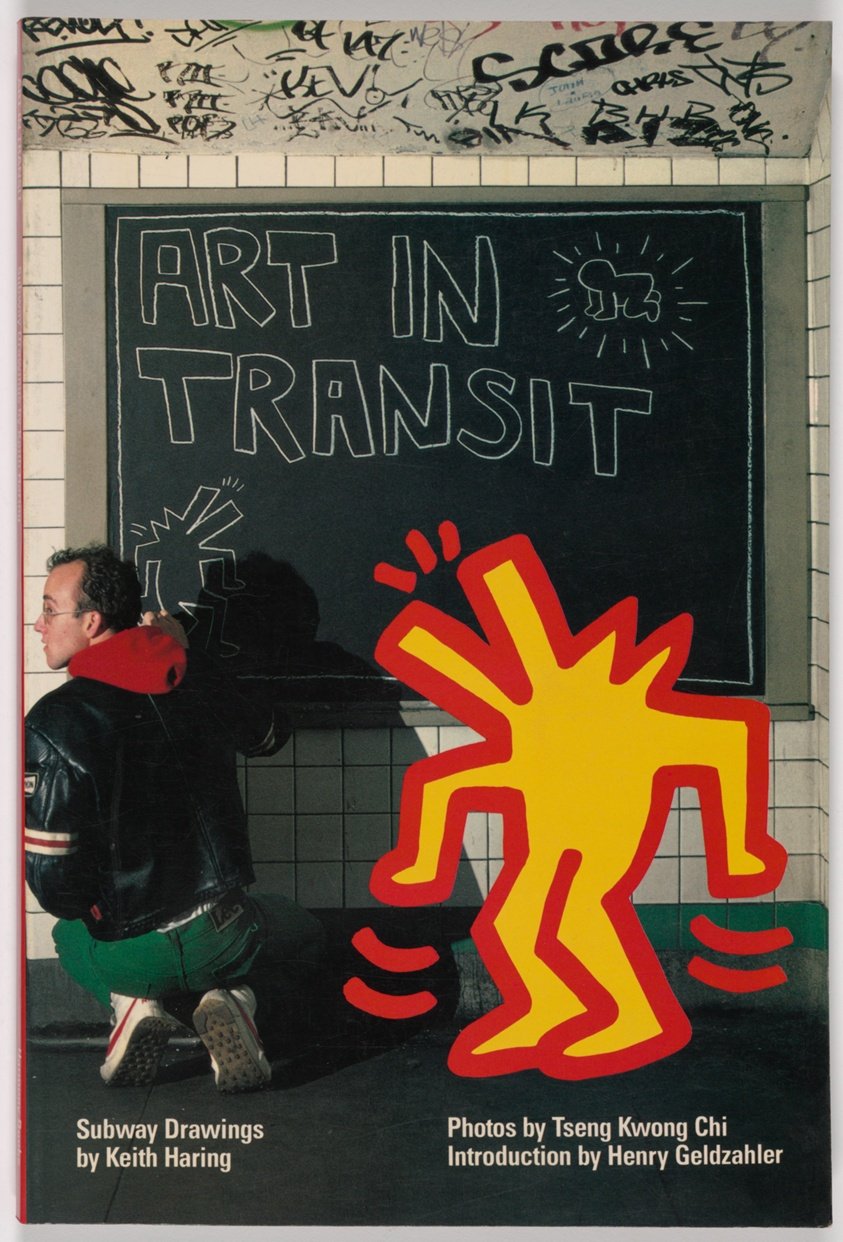
Keith Haring created over 40 subway drawings in unused NYC advertising spaces, offering 'free art for the people' during his morning commute.
The artists who defined it
Works to know
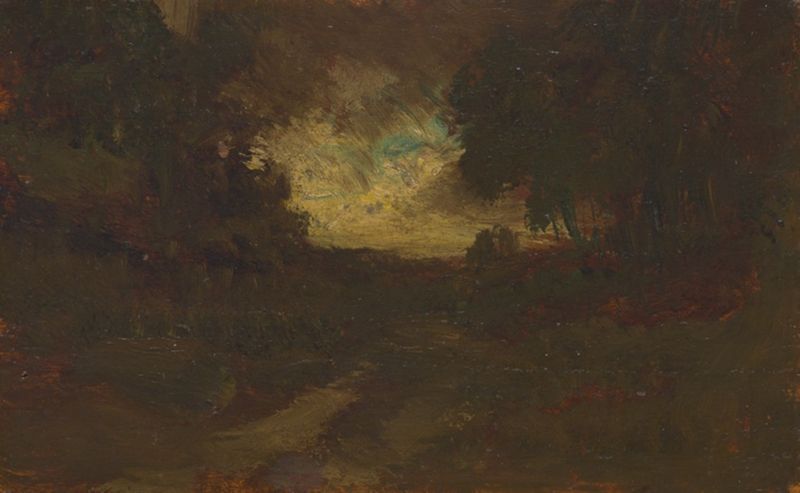 Landscape
1868 · Art Institute of Chicago
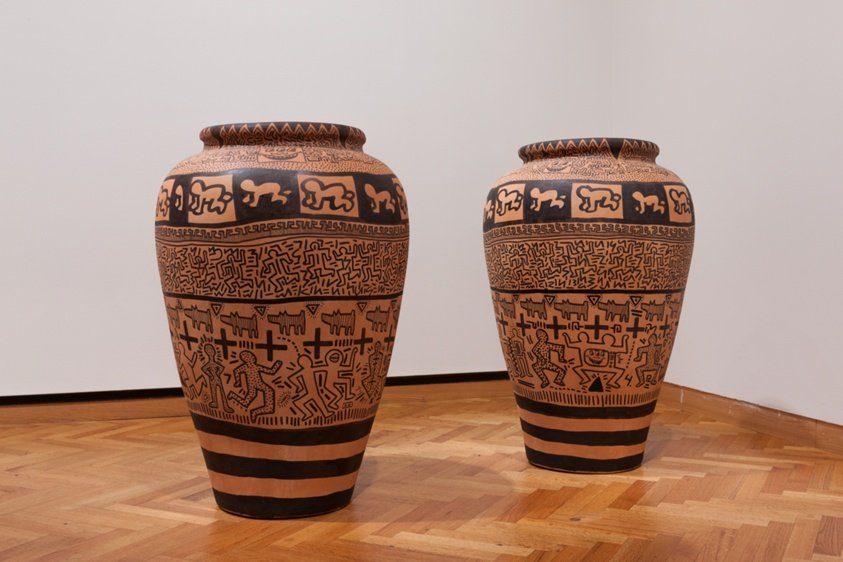
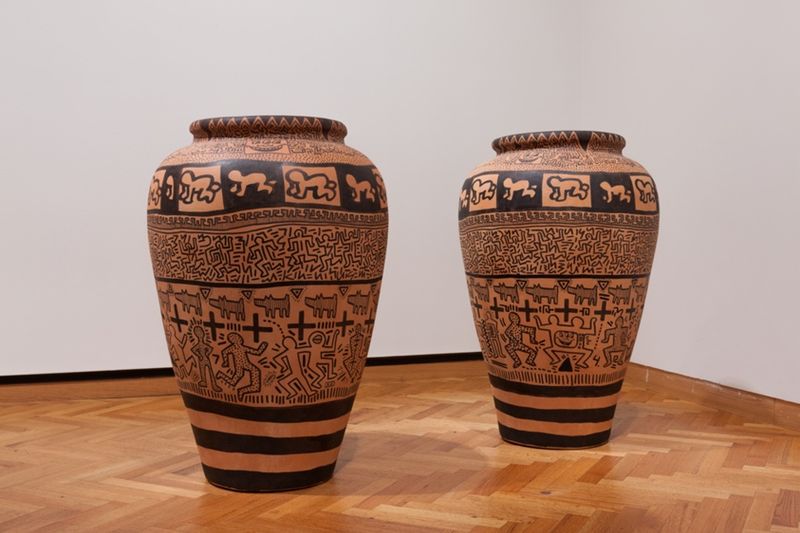 Untitled (Pair of Vases)
1981 · Art Institute of Chicago
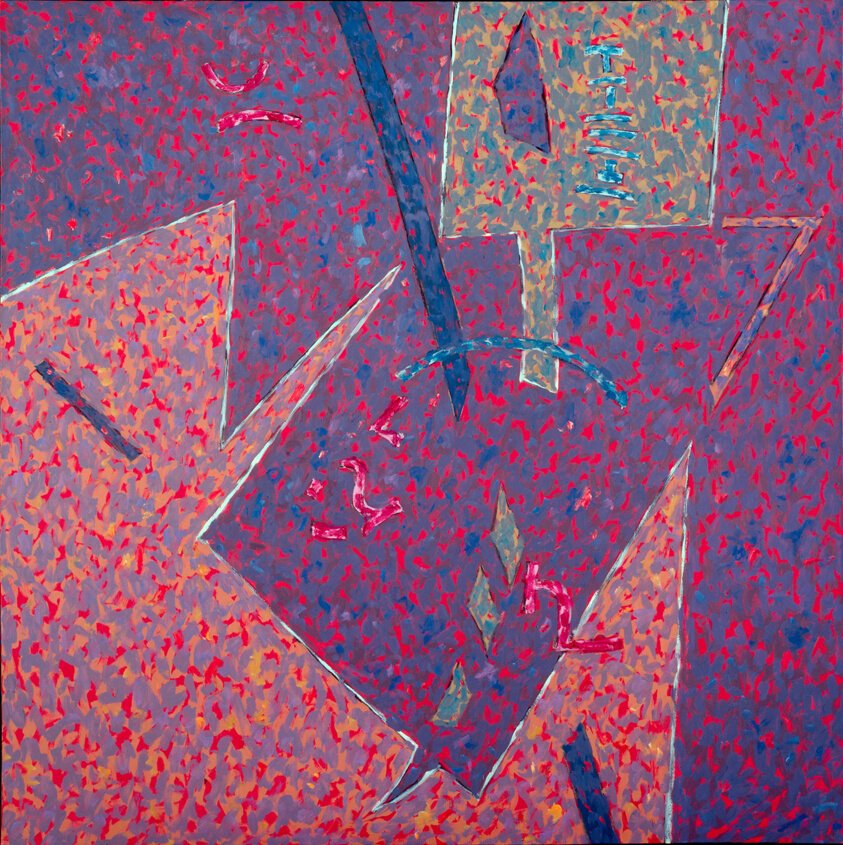
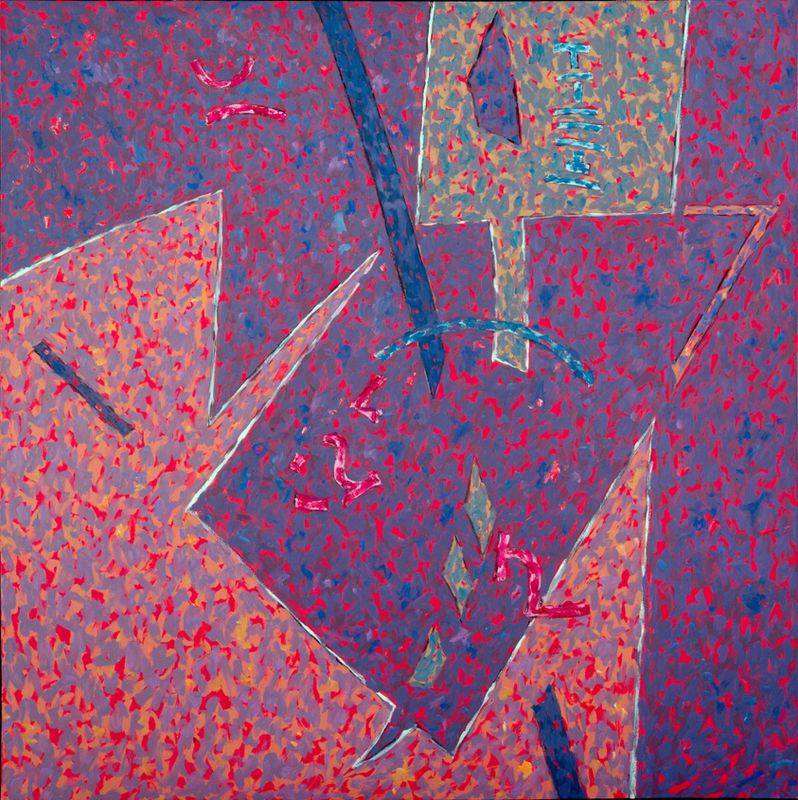 Con brio
1983 · Art Institute of Chicago
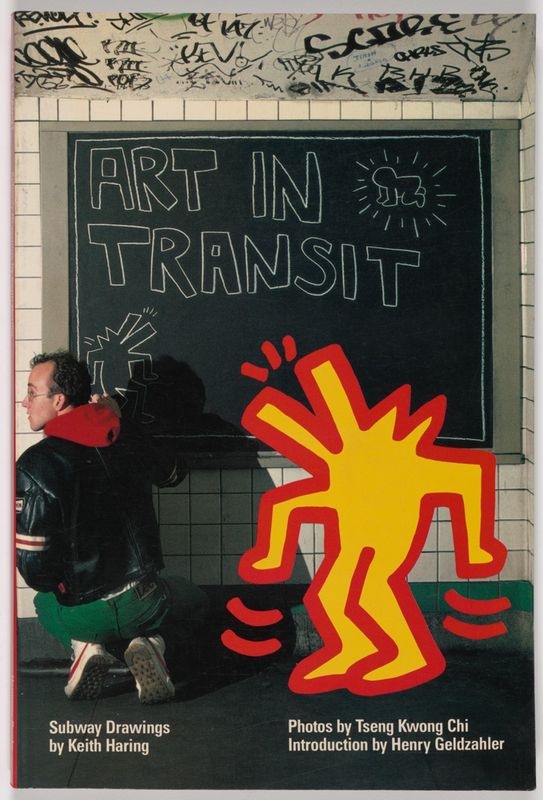 Art in Transit: Subway Drawings
1984 · Art Institute of Chicago
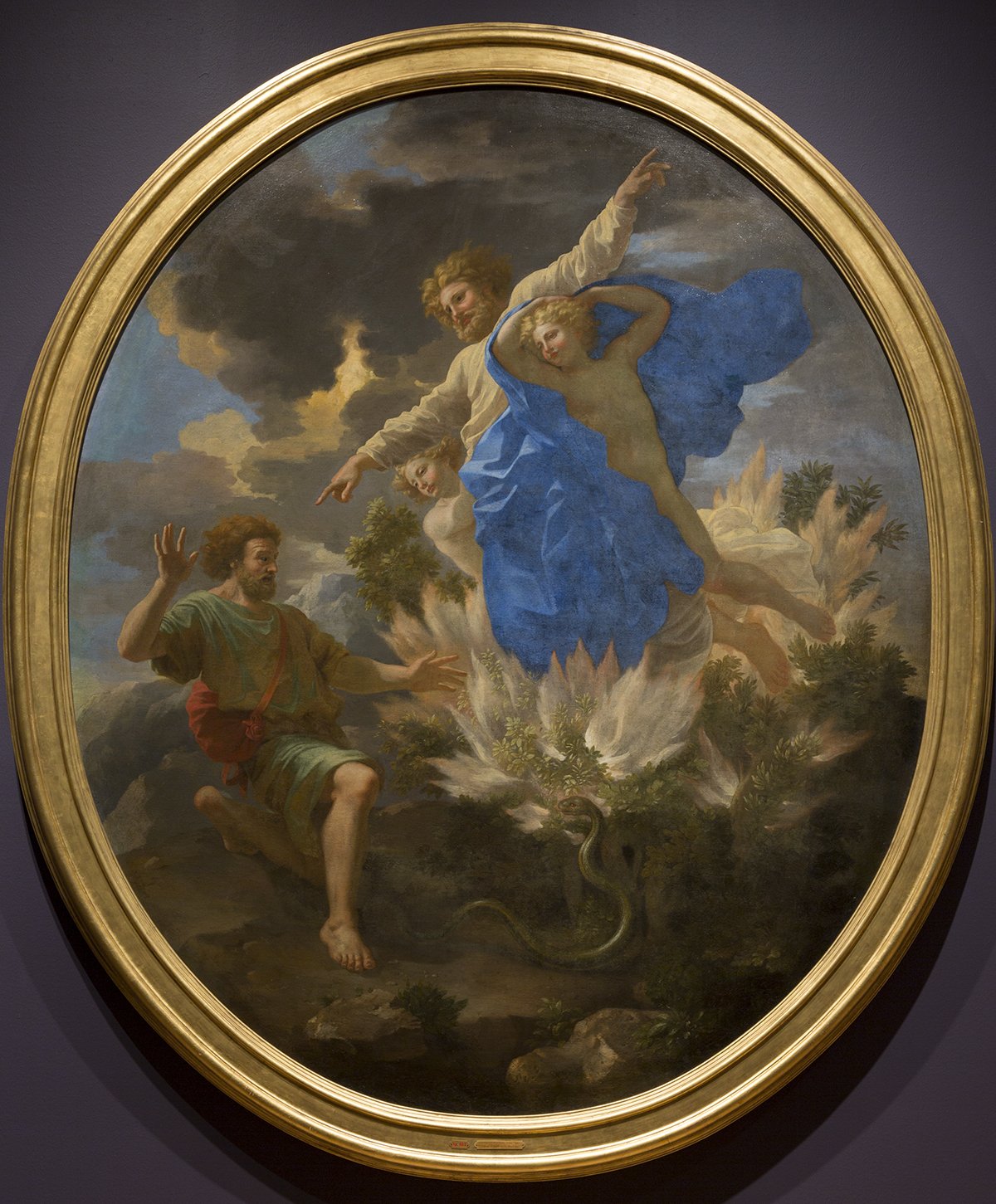
 Moses and the Burning Bush
1985 · Crystal Bridges Museum of American Art
 Unfinished painting
1989
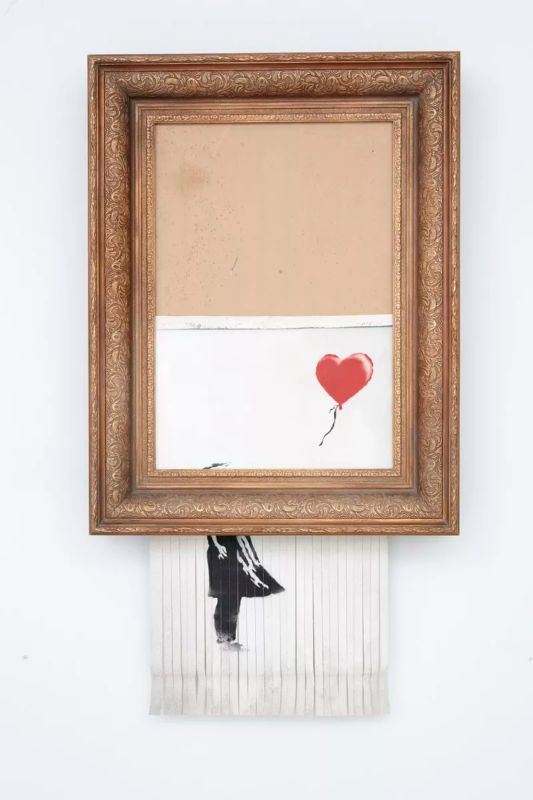 Love is in the Bin
2018
Take Street art to the museum
Point your phone at any painting and Art Whisper tells you its story — who made it, what to notice, and why it matters. Free to start.