
“Imagine standing in London in 1914, just as the world is lurching toward its first great war.”
The streets are loud with engines, factories, and the grinding machinery of modern life. Vorticism was the British art world's electrifying response to all of it — a movement that tried to capture the raw energy of the industrial age by smashing familiar shapes into jagged, angular fragments. Founded by the fiercely opinionated writer and artist Wyndham Lewis, it announced itself to the world through a shocking pink magazine called Blast, packed with manifestos, provocations, and a whole lot of capital letters.
If you're standing in front of a Vorticist canvas, you'll feel it before you fully understand it. These paintings look like the world has been fed through an industrial grinder — figures and cityscapes shattered into sharp geometric shards, rendered in bold, uncompromising lines. Think Cubism, but angrier. Where the French Cubists took apart the world with cool intellectual curiosity, the Vorticists did it with a kind of furious, mechanical energy. They were also sparring directly with the Italian Futurists, who glorified speed and chaos. The Vorticists wanted something harder, more controlled — a vortex of stillness at the center of the storm.
The movement burned bright but brief. The carnage of World War One scattered its small but brilliant band of artists — figures like Edward Wadsworth, Christopher Nevinson, and the sculptor Henri Gaudier-Brzeska, who died in the trenches at just 23. By the time the war ended, the momentum was gone. But Vorticism left a permanent mark on British modernism, proving that London could produce its own radical visual language, one that was uniquely urban, angular, and utterly uncompromising.
- Period
- c. 1914–1919
- Peak
- around 1915
- Born in
- Japan
- Key artists
- Christopher Nevinson, Cuthbert Hamilton-Ellis, Dudley Hardy, Edward Wadsworth
- Came before
- Post-Impressionism and Cubism
- Came after
- British Modernism and Constructivism
When it happened
- CAME BEFOREPost-Impressionism and Cubism
- ~1914 · STARTED
- ~1915 · PEAKED
- ~1919 · ENDED
- CAME AFTERBritish Modernism and Constructivism
What makes it Vorticism
Hard-Edged Geometric Abstraction
Expect sharp angles, intersecting lines, and geometric forms that feel almost architectural or mechanical.
e.g. Workshop by Wyndham LewisDynamic Diagonal Compositions
Diagonal thrusting lines create a sense of explosive energy, as if the canvas itself is under pressure.
e.g. The Vorticist by Edward WadsworthIndustrial Color Palette
Colors tend toward stark, bold contrasts — blacks, greys, deep reds — evoking factory floors and machinery.
e.g. Black Country by Edward WadsworthFragmented Figures
Human forms are broken apart and reconstructed as angular components, barely distinguishable from machines.
e.g. A Battery Shelled by Wyndham LewisSense of Contained Explosive Force
Unlike chaotic Futurism, Vorticist energy feels coiled and compressed, like a spring about to release.
e.g. Slag by Edward WadsworthHow to spot Vorticism
Three signs you’re standing in front of one — all easy to see in Self-portrait.
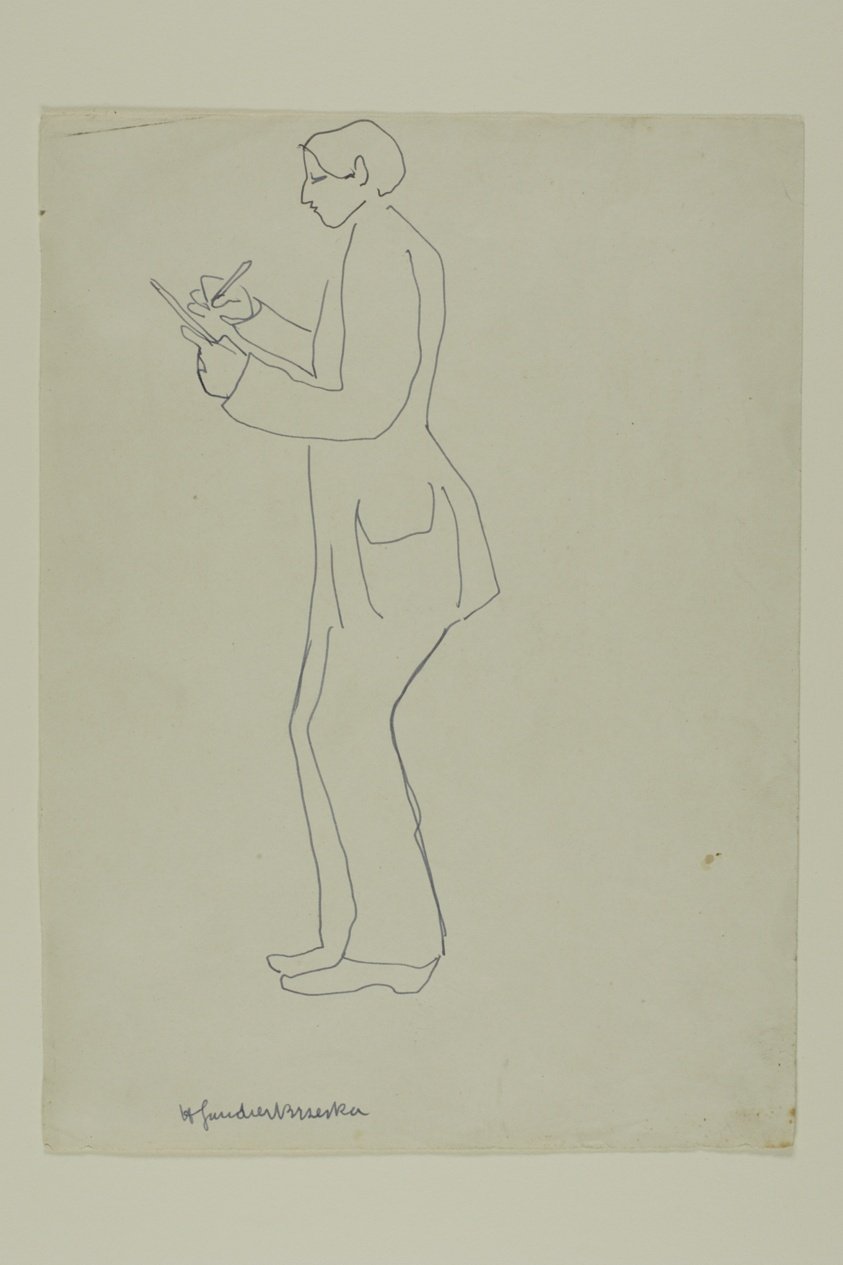
Look for razor-sharp diagonal lines and geometric shards — if the painting looks like a machine exploded mid-canvas, you're on track.
Check for near-abstract figures that blend into industrial forms — humans and machinery are almost indistinguishable.
Notice a sense of compressed tension: Vorticist works feel forceful and angular, never soft or flowing.
The Vorticist manifesto was printed in a shocking bright pink magazine called Blast, designed to be impossible to ignore.
The name 'Vorticism' was coined by the poet Ezra Pound, inspired by the idea of a creative vortex at the center of all energy.
Sculptor Henri Gaudier-Brzeska carved a portrait bust from the breech of an enemy shell while serving in the trenches in WWI.
The artists who defined it
Works to know
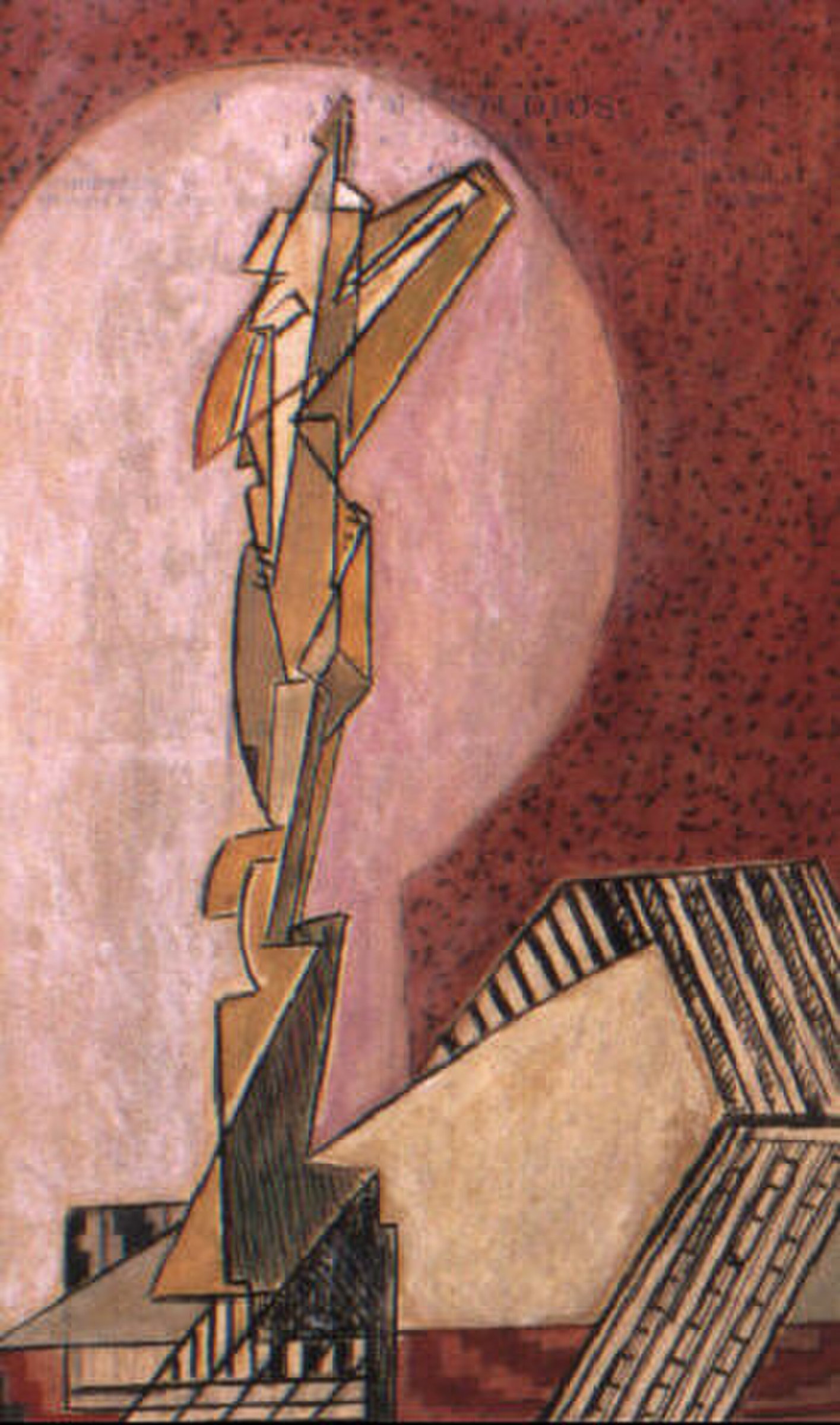
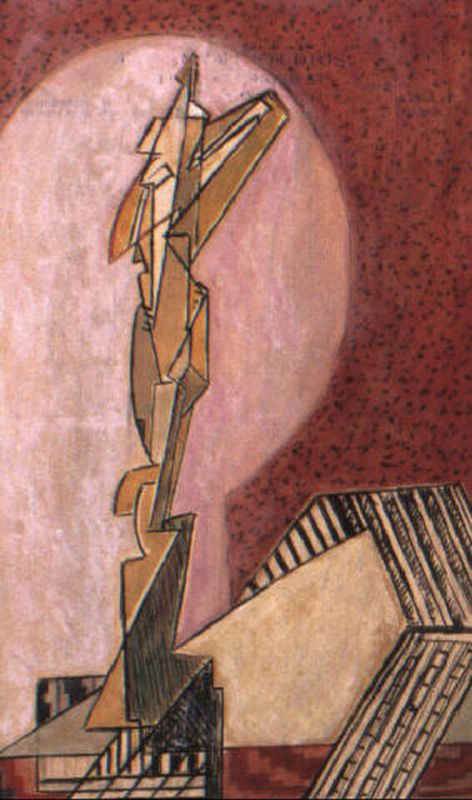 Abstract Composition
1901
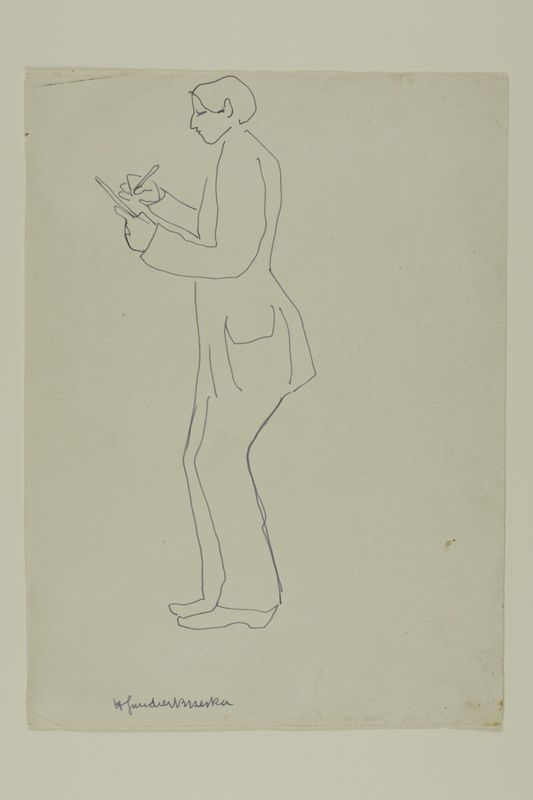 Self-portrait
1911 · Art Institute of Chicago
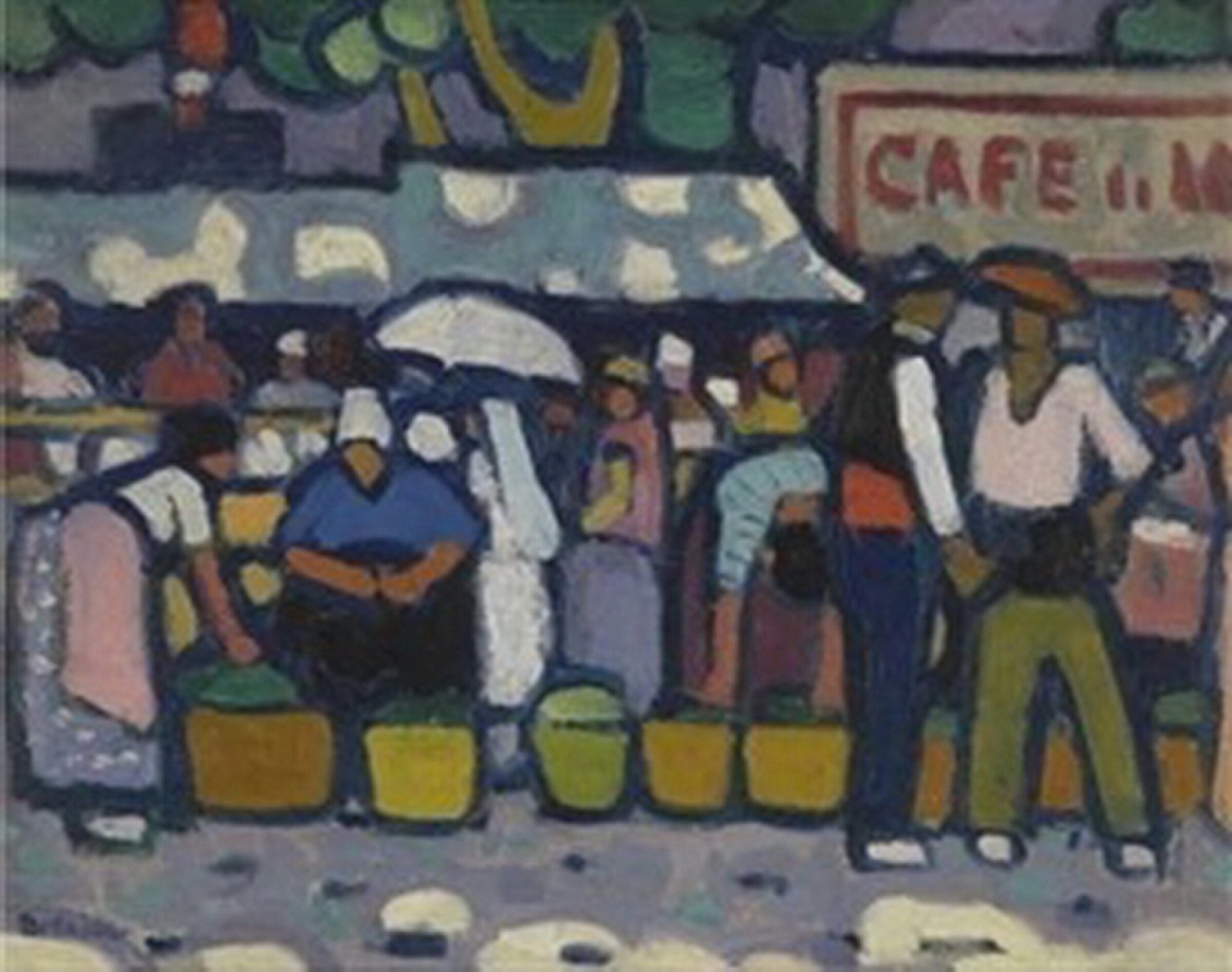
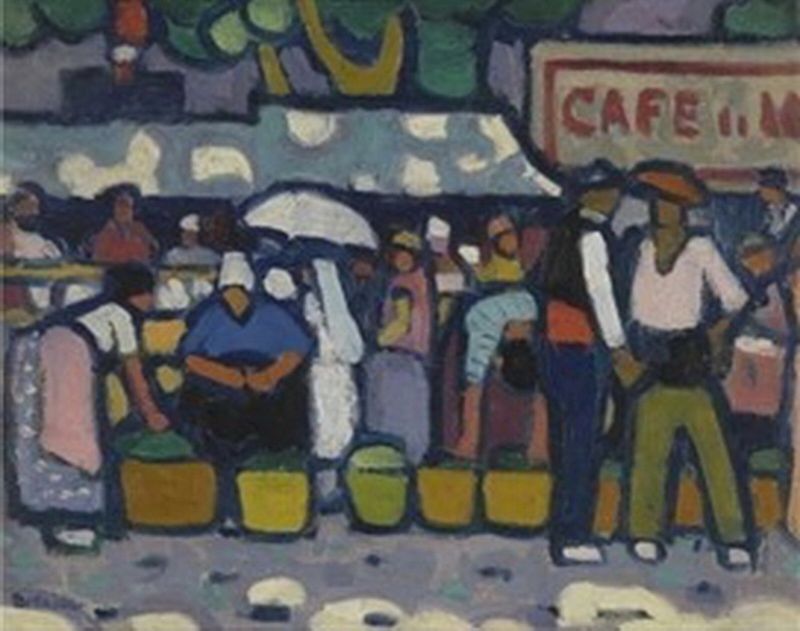 Sunlight, Martigues
1911
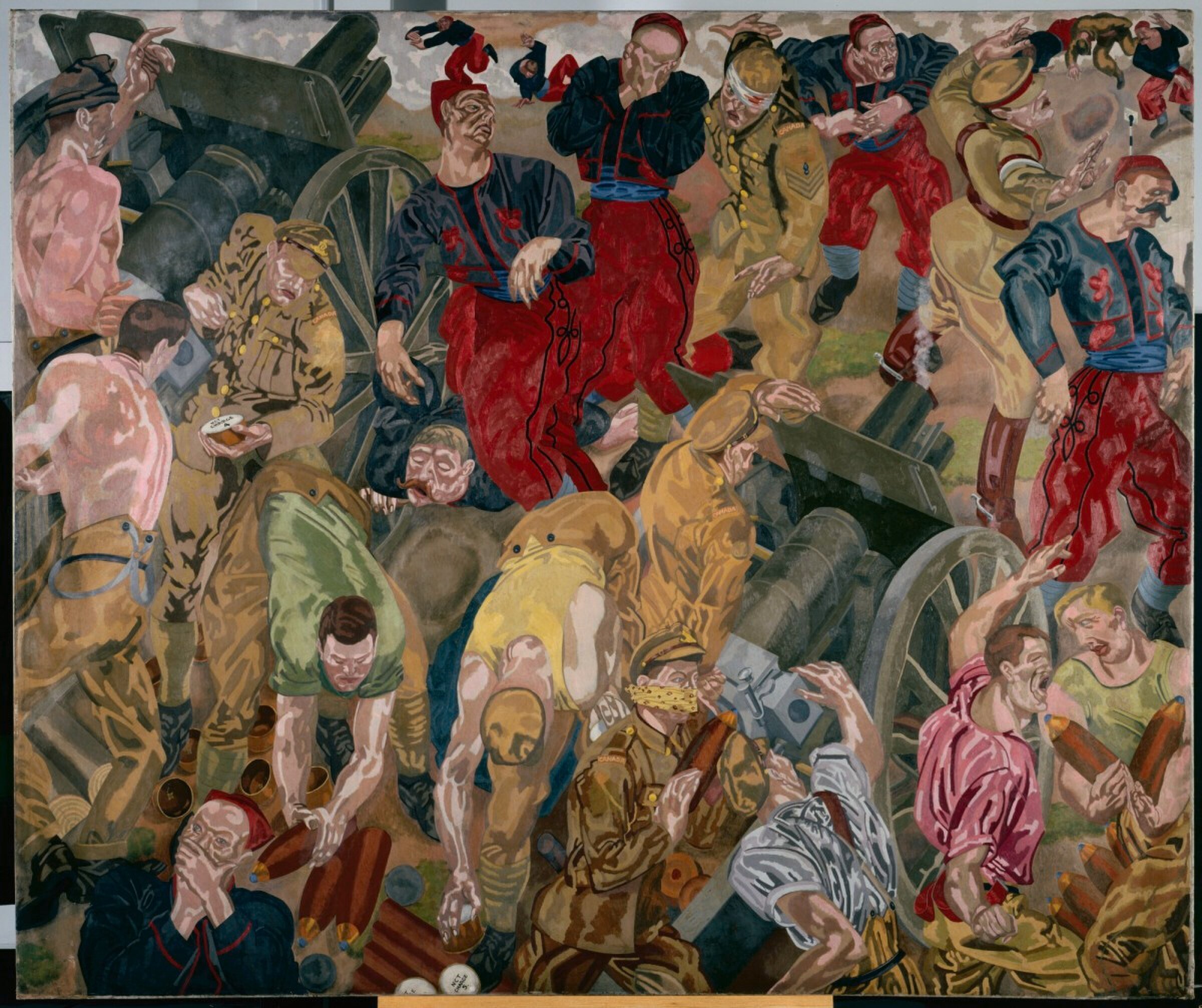
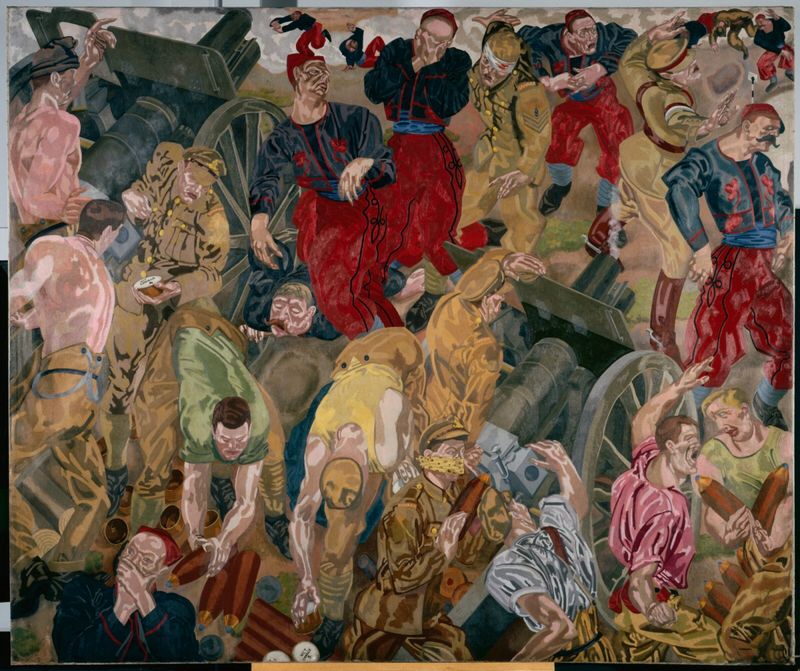 The First German Gas Attack at Ypres
1918 · National Gallery of Canada
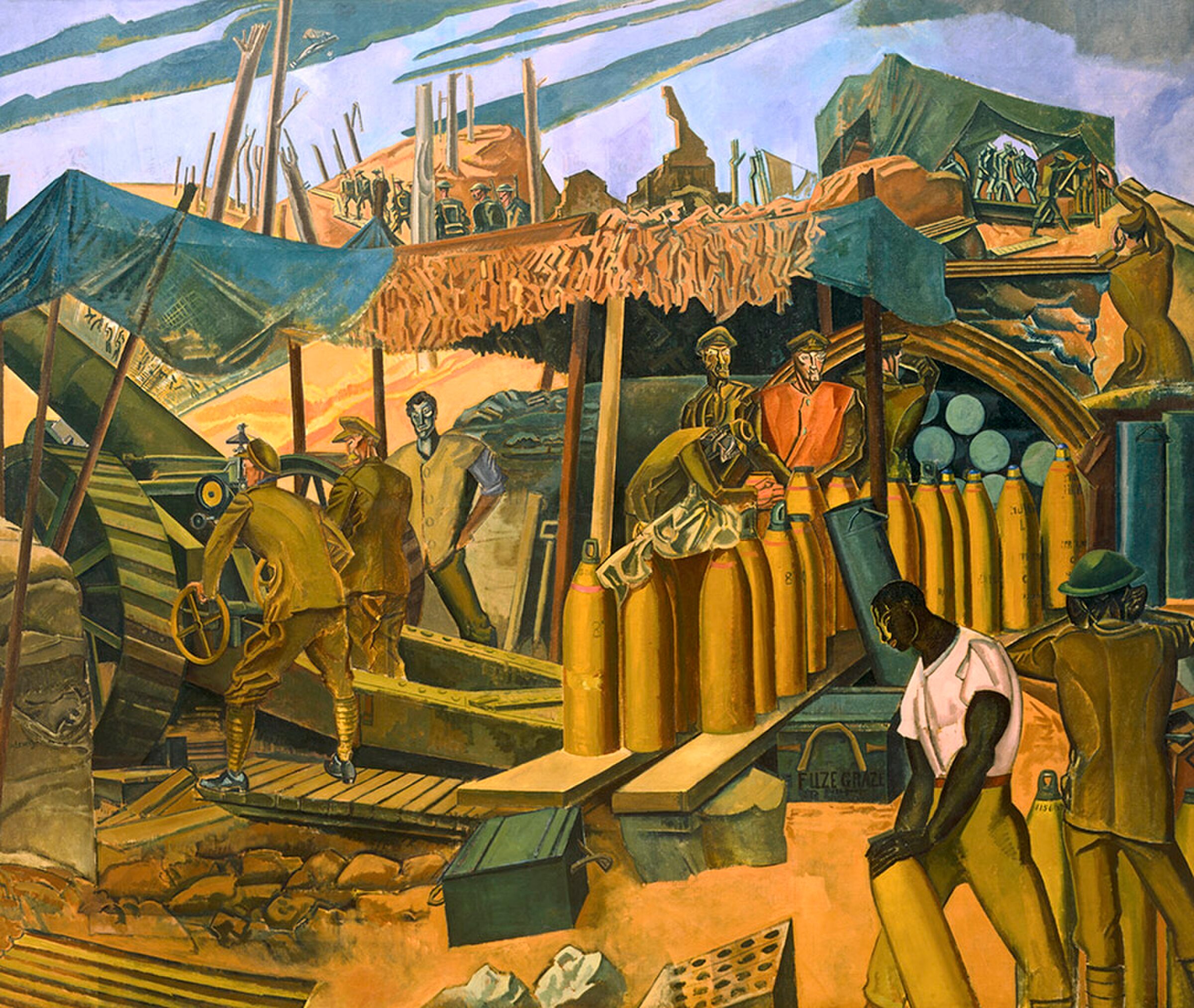
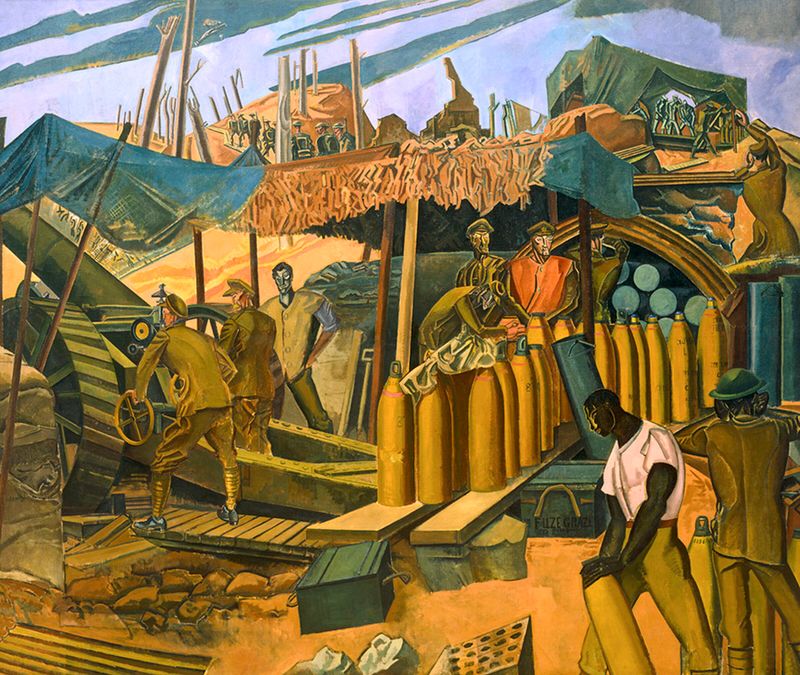 A Canadian Gun-pit
1918 · National Gallery of Canada
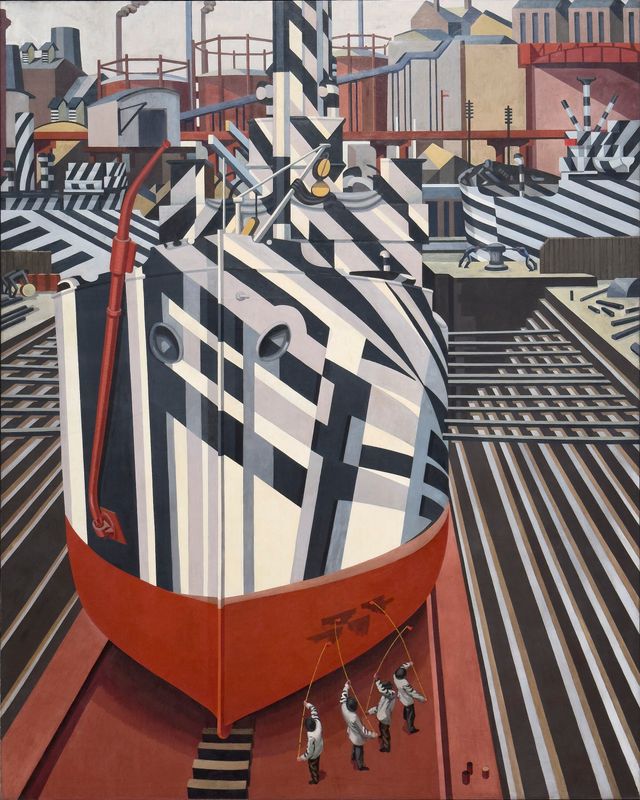 Dazzle-ships in Drydock at Liverpool
1919 · National Gallery of Canada
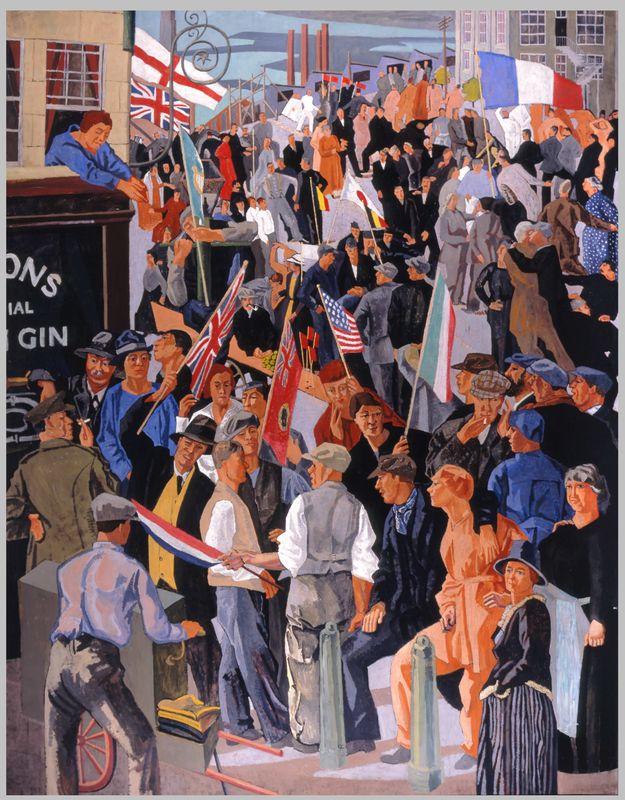 Armistice Day, Munitions Centre
1919 · Canadian War Museum
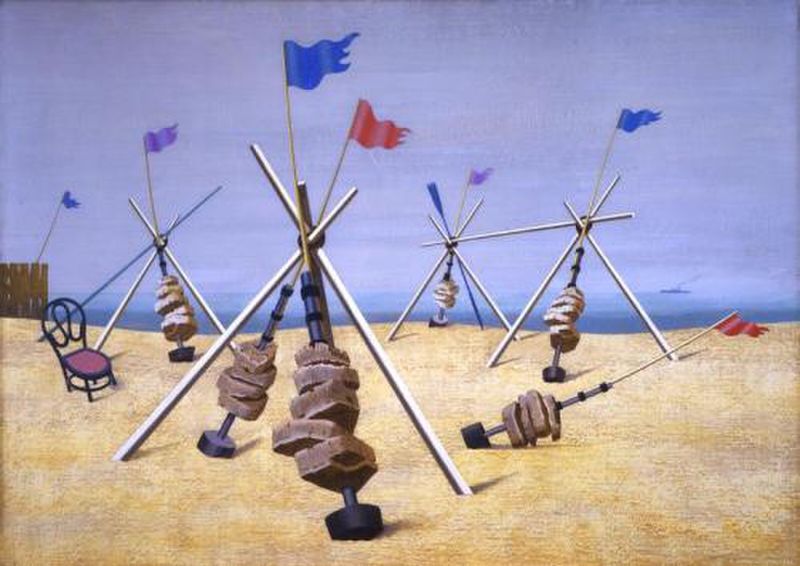 Visibility Moderate - Edward Wadsworth
1934 · Aberdeen Archives, Gallery and Museums collections
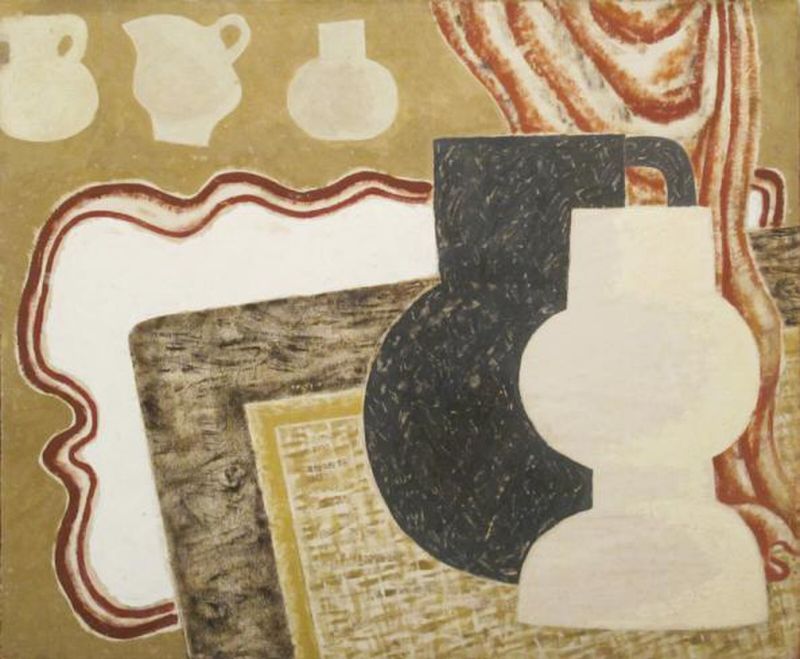 Vases on a Table
1937
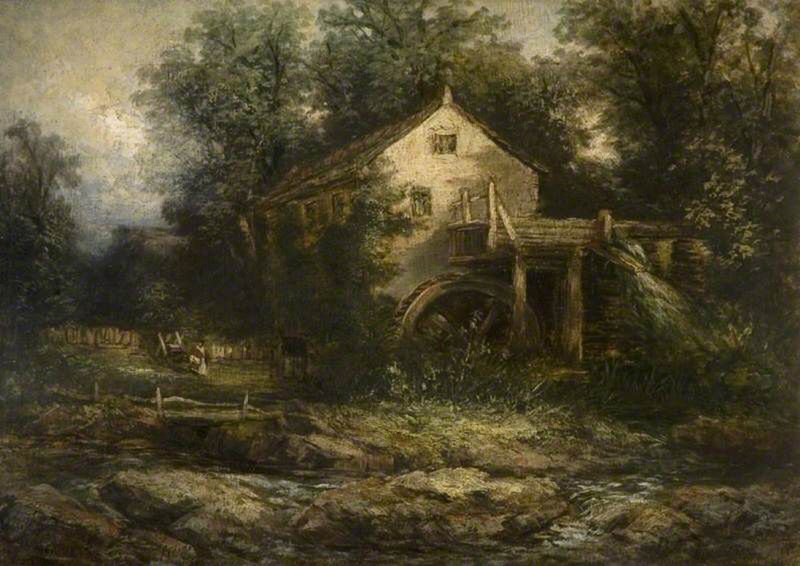 Old Watermill
Birmingham Museums Trust
Take Vorticism to the museum
Point your phone at any painting and Art Whisper tells you its story — who made it, what to notice, and why it matters. Free to start.